DISCOVERY / Vineyards & Ownership
When an entrepreneur buys a vineyard.
Michael Baum and Julie Carabello acquired Château de Pommard in 2014. The interesting investment question begins after the purchase.
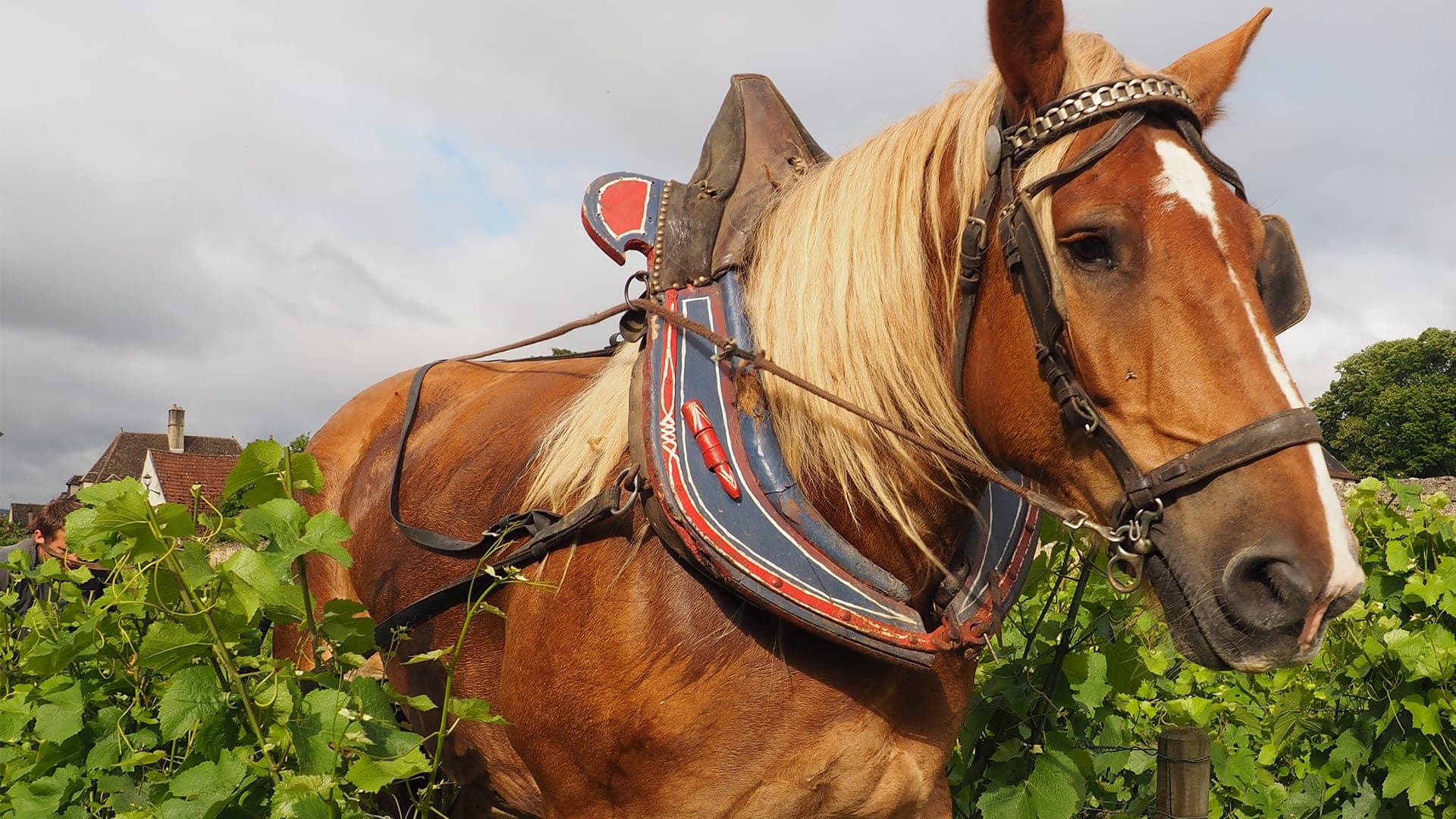
Published 13 September 2026 · WHV · Public-source editorial note
In 2014, Silicon Valley entrepreneur Michael Baum and his wife, Julie Carabello, became the fifth family to own Château de Pommard. It is an immediately seductive story: technology wealth redirected toward a walled Burgundy vineyard with centuries behind it. The more useful story begins after the keys change hands.
Buying more than land
A wine estate is not a static luxury property. It joins soil, vines, weather, buildings, equipment, people, stock and routes to market. The owner receives an existing name and a responsibility for the next vintage. Capital can improve a place, but it cannot compress agricultural time or guarantee that every decision becomes visible in the bottle.
The estate’s timeline describes a conversion of Clos Marey-Monge toward biodynamic viticulture beginning in 2016, with 2019 identified as its first certified organic vintage. A regional wine archive preserves the estate’s 2016 announcement about restoring the historic Clos Marey-Monge name and starting that transition. These are records of intention and action, not an independent measure of financial return.
The years after the decision
What holds value is the capacity to keep a productive place coherent while changing how it operates. That can include soil health, the knowledge of the team, the credibility of the wine and the relationship with Burgundy’s culture. It also includes difficult economics: working capital, renovation, unsold inventory and years when nature ignores the plan.
When someone says they invested in a vineyard, ask what they acquired and what they committed to fund. Examine title, appellation, vineyard condition, water, labour, route to market, stocks, buildings and climate exposure. The beauty of the decision may inspire. Its quality is proved in the work that follows.
Source and context.
Château de Pommard: the history of the estate ↗
Bourgogne Wines archive: restoration of the Clos Marey-Monge name and conversion plan ↗
A source-led ownership story, not an audit of Château de Pommard, its wines or the owners’ returns. Purchase price, private motives, operating results and current valuation have not been established by WHV.
Source checked 13 September 2026. WHV interpretation is distinct from the source’s account.
Explore Vineyards & OwnershipFOLLOW YOUR CURIOSITY
Where this leads.
Different subjects. A reason to connect them.
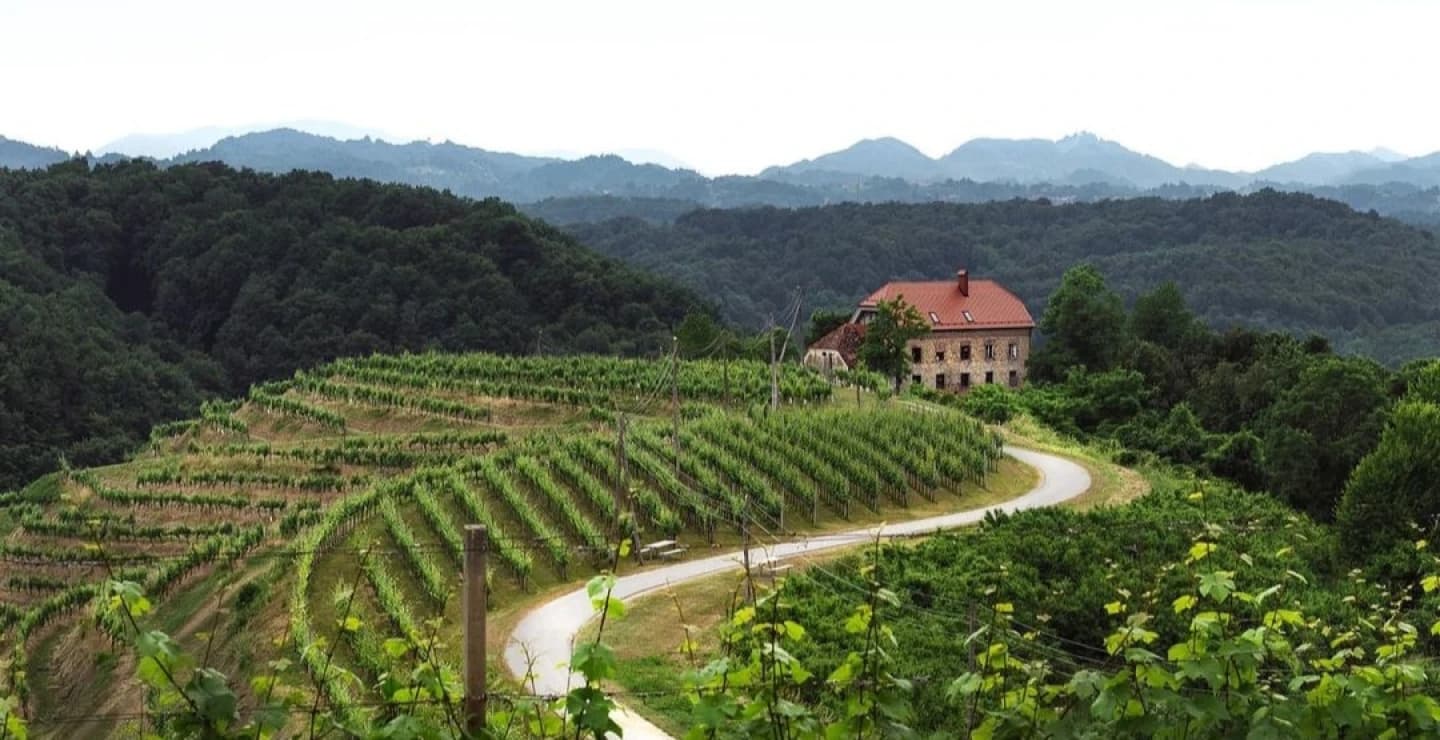
Continue the idea
The land behind the bottle.
Two vineyard stories keep attention on productive land, operating work and stewardship after acquisition.
Vineyards & Productive Places
Read the story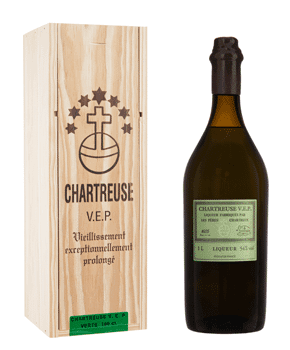
Across the WHV world
The other life of Chartreuse.
The finished bottle leads back to the slower systems of agriculture, ageing and responsible ownership.
Spirits & Cellaring
Read the story
An unexpected connection
The vintage Yquem chose not to make.
A producer’s decision to withhold a vintage reveals how restraint can protect trust in a name.
Wine & Standards
Read the story