DISCOVERY / Spirits & Cellaring
The other life of Chartreuse.
Chartreuse V.E.P. begins with the familiar green liqueur and gives selected liquid much longer in wood. A bottle where time needs careful reading.
Published 13 September 2026 · WHV · Public-source editorial note
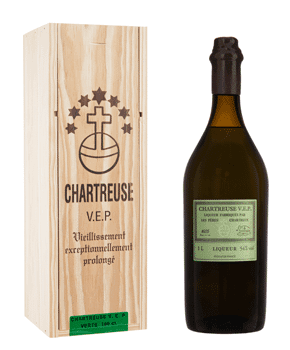
Chartreuse V.E.P. Green arrives in a bottle that makes time visible: one litre, individually numbered, sealed with wax and housed in wood. The letters stand for Vieillissement Exceptionnellement Prolongé, or exceptionally prolonged ageing. The format was first produced in 1963.
Selected for more time
The producer describes the 54 per cent liqueur as using the same process as Green Chartreuse, built from alcohol, sugar, water and substances from 130 plants. Selected traditional green liqueurs continue ageing for many years in large demi-muid wooden vessels. The exact number of years is not stated on the product page and should not be guessed.
That makes two kinds of age important. Time in wood belongs to production. Time after bottling belongs to the individual object. A vintage bottle may carry a desirable presentation or a story of changing supply, but its condition depends on fill level, closure, leakage, storage and provenance.
Age in wood and age in glass
What holds value is a method that can be experienced. The extra ageing is intended to change aroma, integration and persistence. Those are the producer’s descriptions until a bottle is tasted. A sealed bottle can preserve possibility, yet refusing ever to open it may reduce a drink to packaging and market expectation.
Identify Green or Yellow, format, bottling clues and the state of the wax and cork. Inspect the liquid and storage history. Compare the full cost with the pleasure and occasion it could create. A compelling cellar contains bottles worth sharing as well as bottles worth studying.
Source and context.
Chartreuse Diffusion: Chartreuse V.E.P. Green ↗
A reading of the producer’s current Green V.E.P. page, not a WHV tasting, authentication or forecast for older bottles. Availability, vintage identification, condition and legal sale require bottle-level evidence.
Source checked 13 September 2026. WHV interpretation is distinct from the source’s account.
Explore Spirits & CellaringFOLLOW YOUR CURIOSITY
Where this leads.
Different subjects. A reason to connect them.
Continue the idea
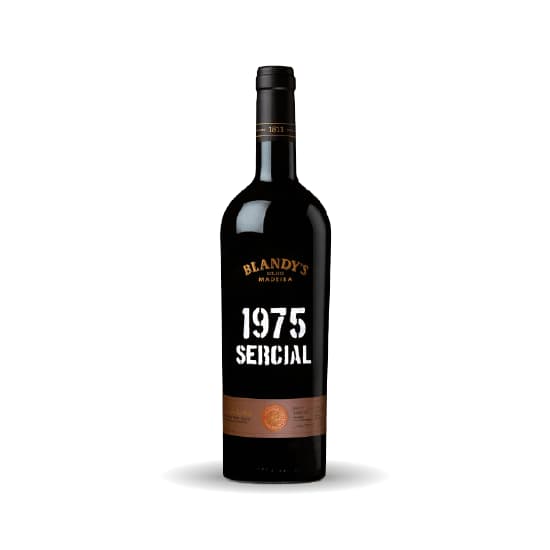
Forty years before the cork.
Two bottles make the distinction between deliberate ageing and later time in glass especially clear.
Wine & Spirits
Read the story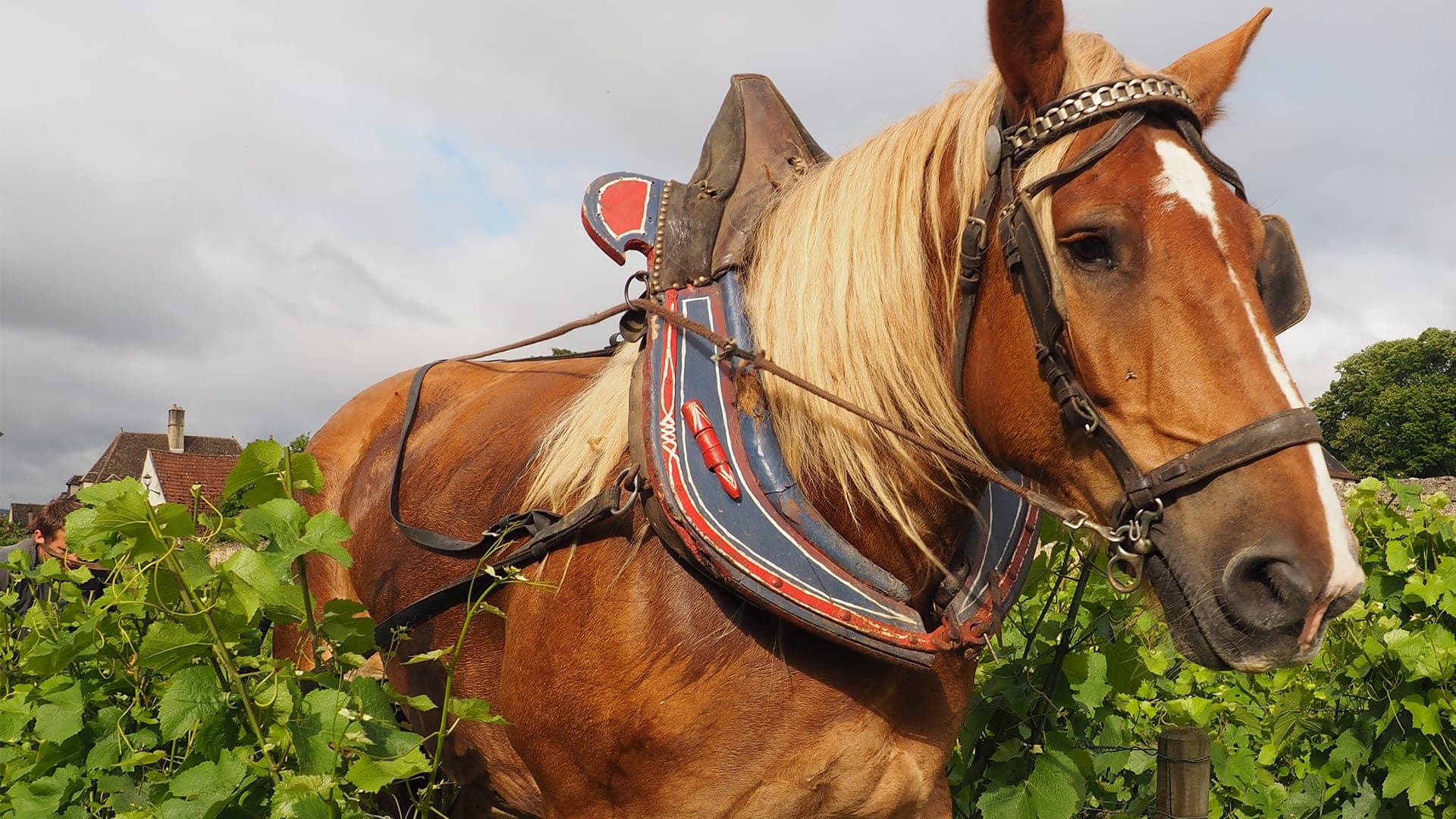
Across the WHV world
When an entrepreneur buys a vineyard.
Move from a cellar method to the patient operating decisions behind a productive wine estate.
Vineyards & Ownership
Read the story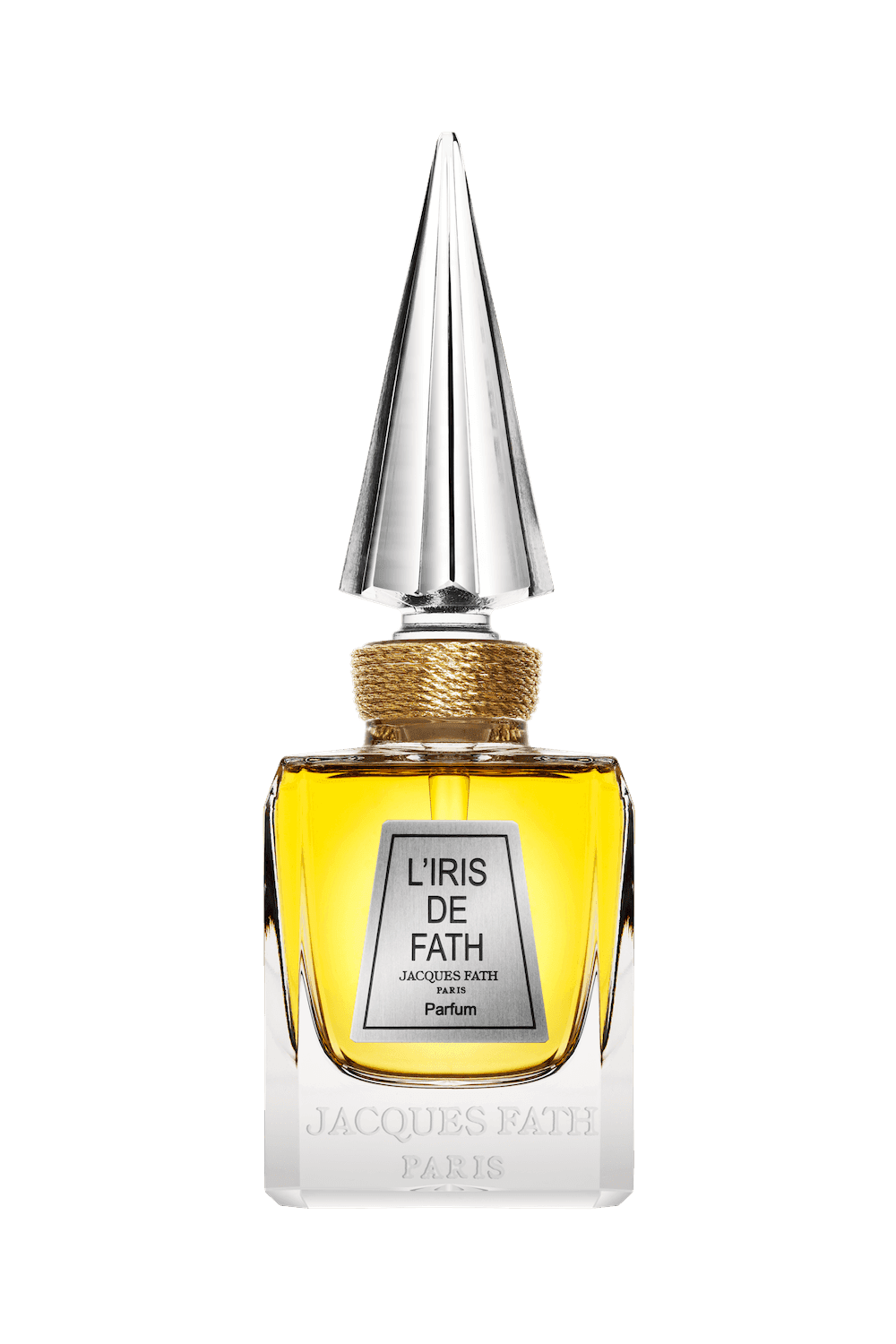
An unexpected connection
A perfume remembered by nose.
A different aromatic composition shows why sensory experience cannot be replaced by provenance alone.
Fragrance
Read the story