DISCOVERY / Layered Architecture & Public Memory
The building that keeps its ruins.
Peter Zumthor’s Kolumba does not clear away the history beneath it. The museum lets visitors move among the remains and the new building.
Published 7 October 2026 · WHV · Public-source editorial note
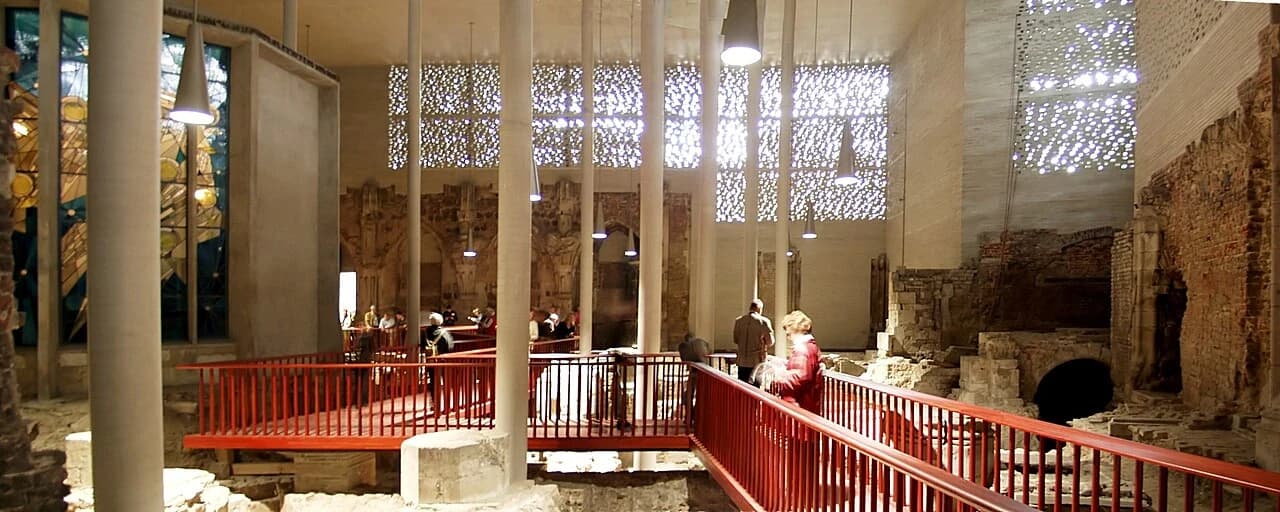
Some new buildings speak as if the ground beneath them were blank. Kolumba in Cologne begins with the opposite condition. The museum stands in relation to church ruins, an archaeological excavation and a postwar chapel. Peter Zumthor’s later architecture gives a visitor a way to encounter those layers without pretending they belong to one date.
More than one time at once
The city museum service describes the late Gothic St. Kolumba ruins, the 1950 Madonna in the Ruins chapel, excavations from the 1970s and the museum building opened in 2007. Its collection ranges across many centuries and is rearranged in changing contexts. The lit archaeological hall in the photograph makes the meeting of old fabric and new structure visible. It cannot show every room or the current exhibition.
What holds value is not simply the age of masonry. It is the care with which a contemporary public use makes difficult history readable. A building can add a chapter without forcing its earlier chapters into an illustrative backdrop. That idea travels beyond museums, to houses, streets and other places facing pressure to start over.
Visit the building, not only the display
If you visit, allow time for the transitions in light and material as well as the objects on display. The city lists opening hours and notes limited wheelchair access, both of which should be checked before travelling. Look at what has been preserved, what has been interpreted and what remains uncertain. The visit is a way to learn a method of attention, not an invitation to price the place.
Source and context.
City of Cologne: Kolumba museum and visitor information ↗
Kolumba: museum account of place and architecture ↗
WHV has not visited Kolumba or checked access to every gallery. Exhibitions and hours can change. The photograph documents an excavated area at one time, not the current display. No property or financial valuation is offered.
Source checked 7 October 2026. WHV interpretation is distinct from the source’s account.
Explore Layered Architecture & Public MemoryFOLLOW YOUR CURIOSITY
Where this leads.
Different subjects. A reason to connect them.
Continue the idea
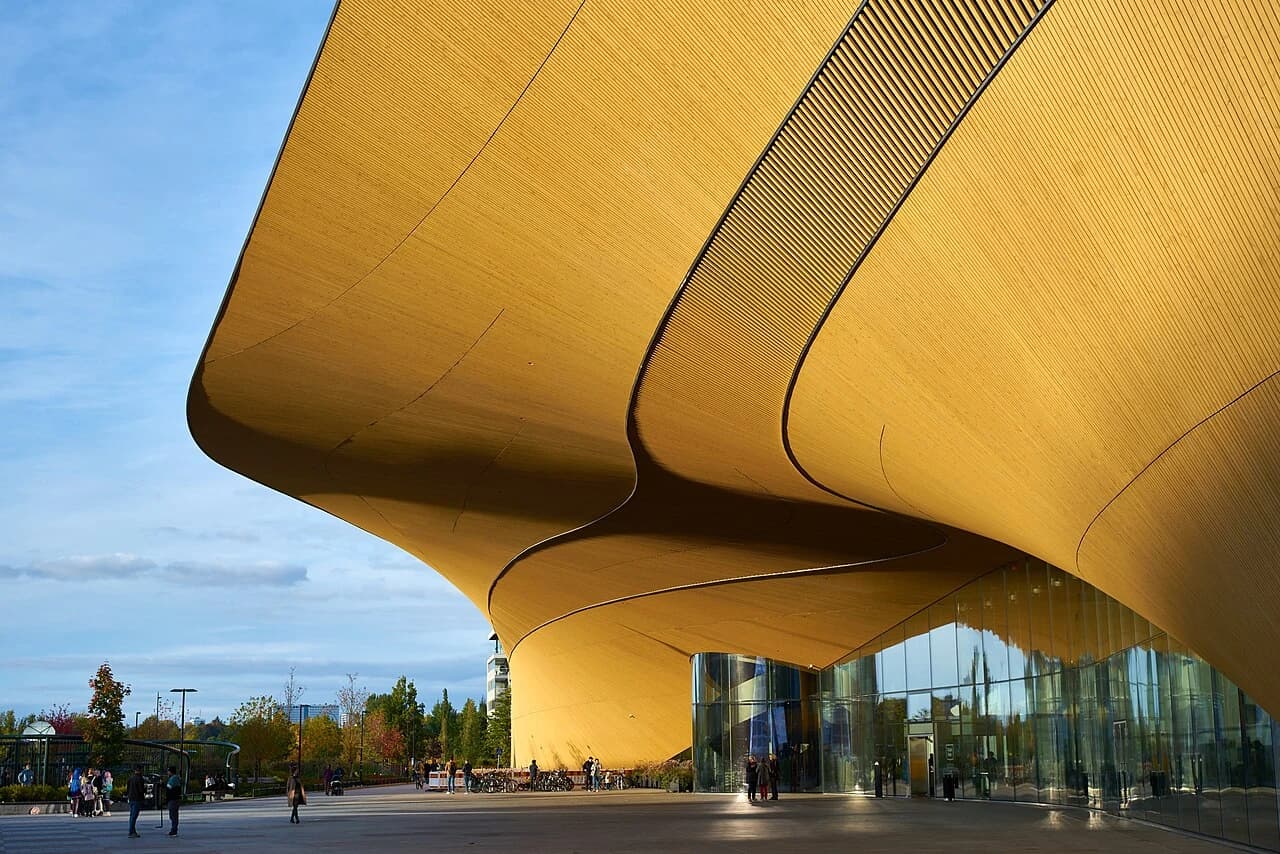
The library that lets you make.
Compare two ways a public building creates value through the possibilities it opens to people.
Public Architecture & Shared Tools
Read the story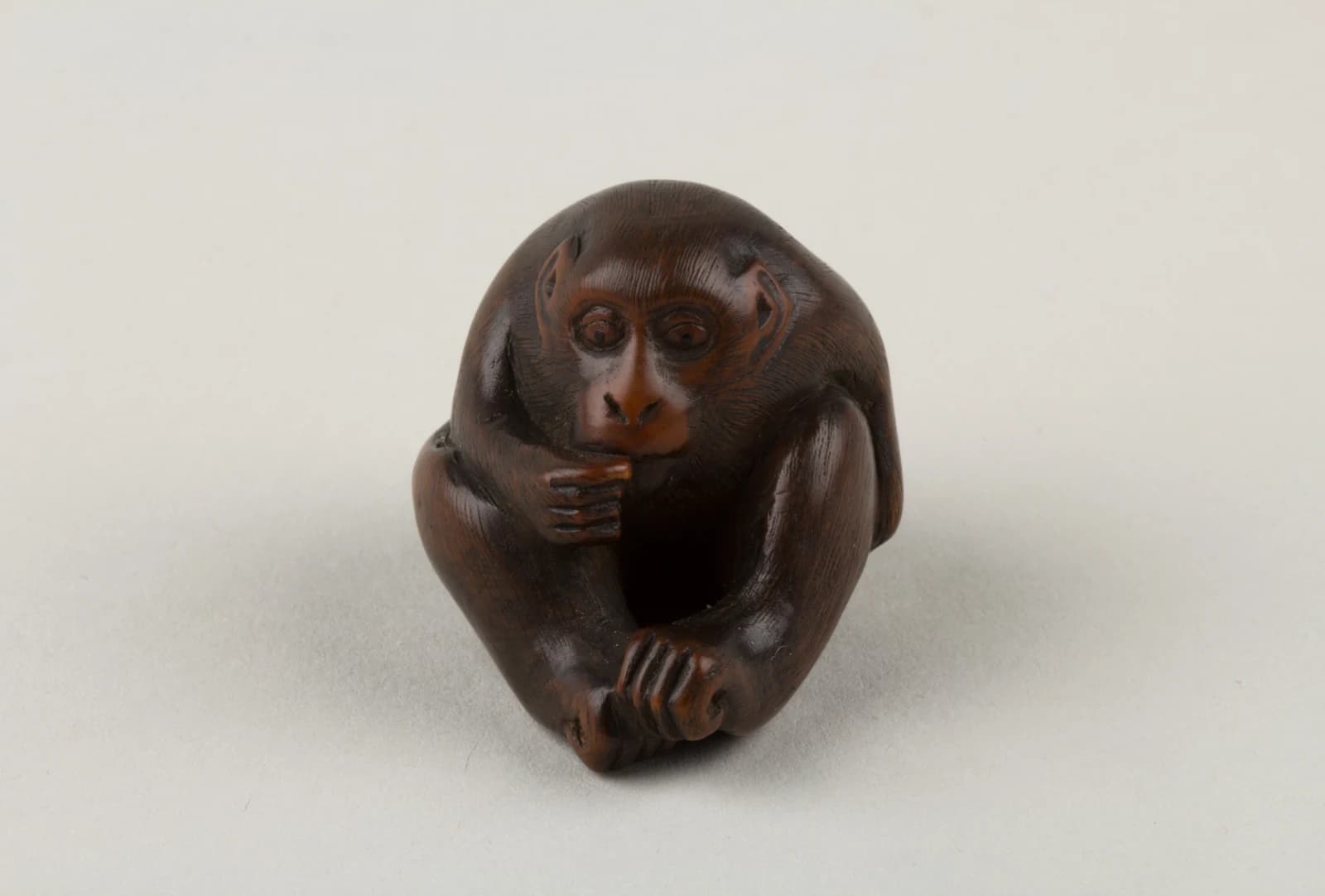
Across the WHV world
The sculpture that held a cord.
Shift from layers of masonry to a tiny museum object whose earlier purpose changes how we see it.
Netsuke & Miniature Sculpture
Read the story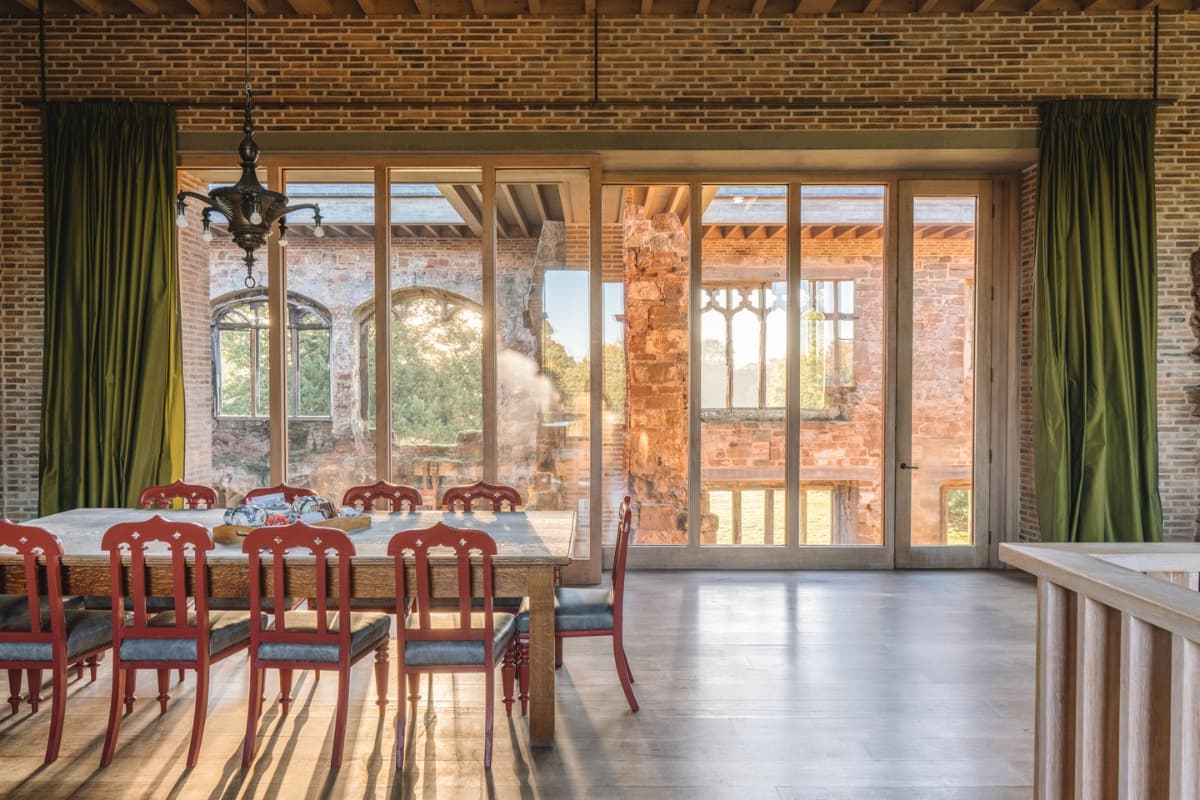
An unexpected connection
A ruin made room for living.
A much smaller building also keeps older fabric while making room for a new chapter of use.
Architecture and Stays
Read the story