DISCOVERY / Musical Instruments
The Stradivari valued for what survives.
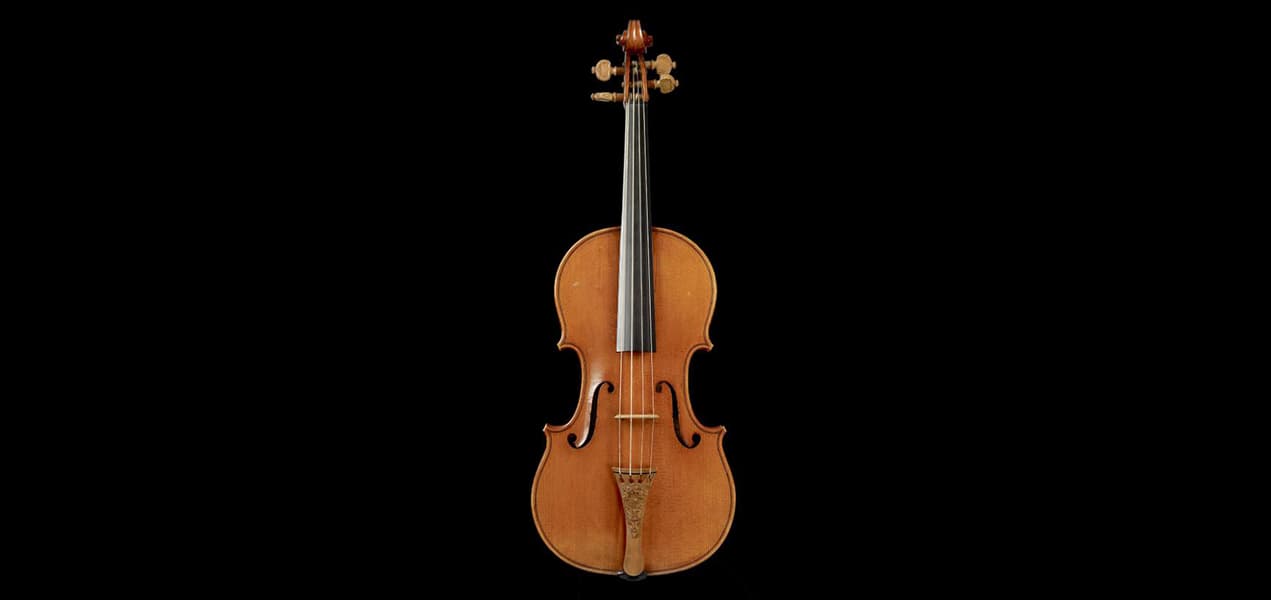
The Messiah’s extraordinary condition makes it a witness to its maker, without settling which violin sounds best.
Published 13 September 2026 · WHV · Public-source editorial note
The Messiah did not become famous because generations of soloists played it on tour. Its remarkable condition came from the opposite history. Collectors and dealers kept the 1716 Stradivari protected, discussed and often out of reach.
Fame built through restraint
The Ashmolean Museum describes varnish that remains almost unworn, crisp carving and painted edge work that survives on the scroll. It also refuses the easy word untouched. The neck was lengthened, while the pegs, bridge and tailpiece were added in the nineteenth century.
This makes the violin an exceptional witness to workmanship from Stradivari’s mature period. It does not make it a scientific control that proves old Italian instruments always sound better. A 2014 blinded study asked ten renowned soloists to compare six old Italian and six new violins. Six selected a new instrument for a hypothetical tour.
Do not confuse history with sound
The researchers explicitly limited their result to the participants and instruments tested. The Messiah was not identified as part of the test. The useful conclusion is not that new always defeats old. It is that listening performance, historical importance, condition and market value are separate questions.
For another important violin, inspect attribution, certificate history, repairs, dimensions, set-up and provenance with the right specialists. If it will be played, evaluate it in the relevant rooms with the player’s own bow. If its importance rests on preservation, recognise that use and untouched evidence can pull in different directions.
Source and context.
Ashmolean Museum: Messiah violin by Stradivari ↗
Fritz and colleagues: soloist evaluations of old and new violins ↗
A museum and research reading, not a claim about the Messiah’s sound or financial value. The listening study concerns only its stated sample, and WHV has not inspected or heard the museum instrument.
Source checked 13 September 2026. WHV interpretation is distinct from the source’s account.
Explore Musical InstrumentsFOLLOW YOUR CURIOSITY
Where this leads.
Different subjects. A reason to connect them.
Continue the idea
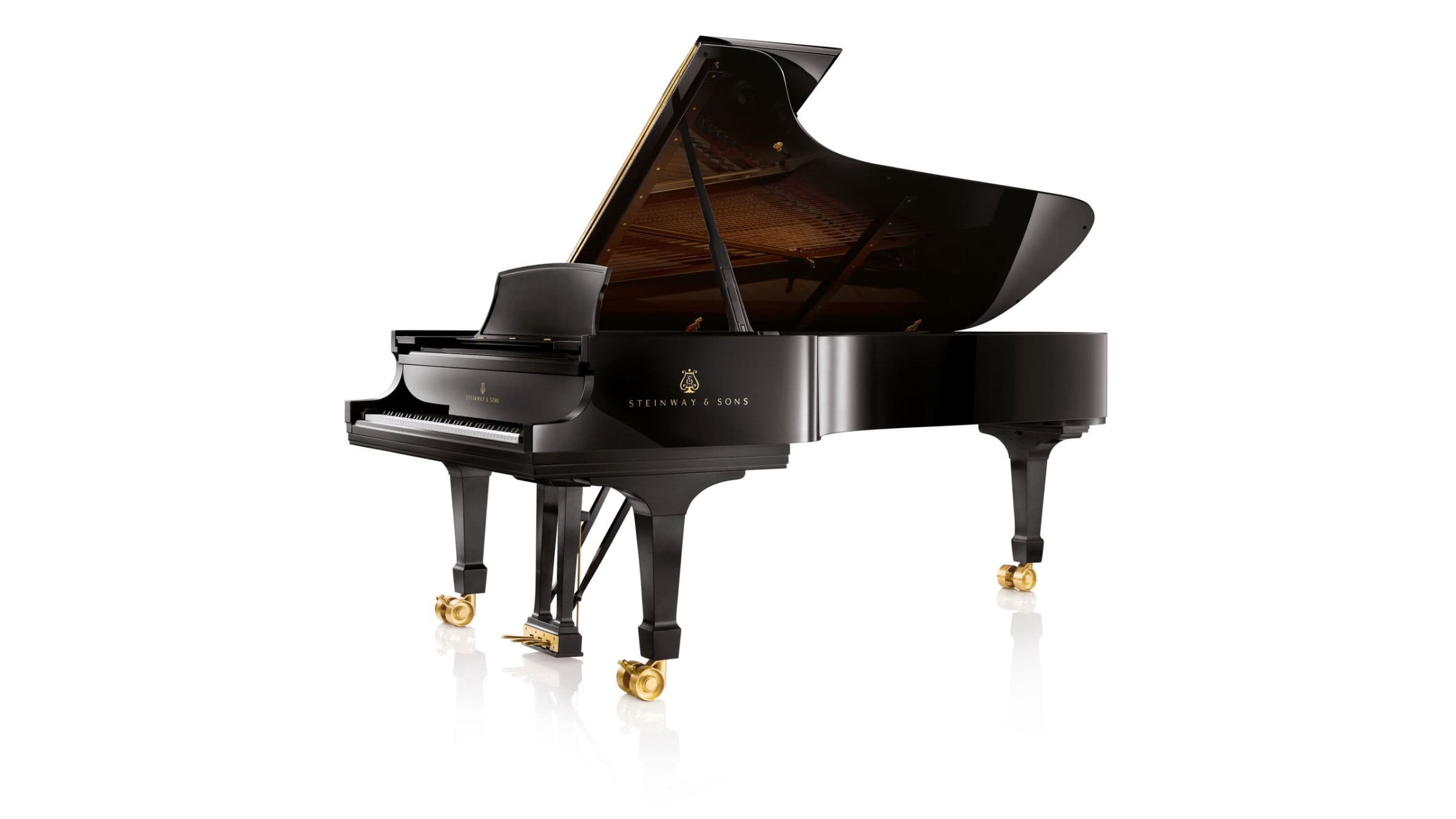
The piano that is not furniture.
Two instruments separate musical performance from the care, adjustment and history of the object.
Musical Instruments
Read the story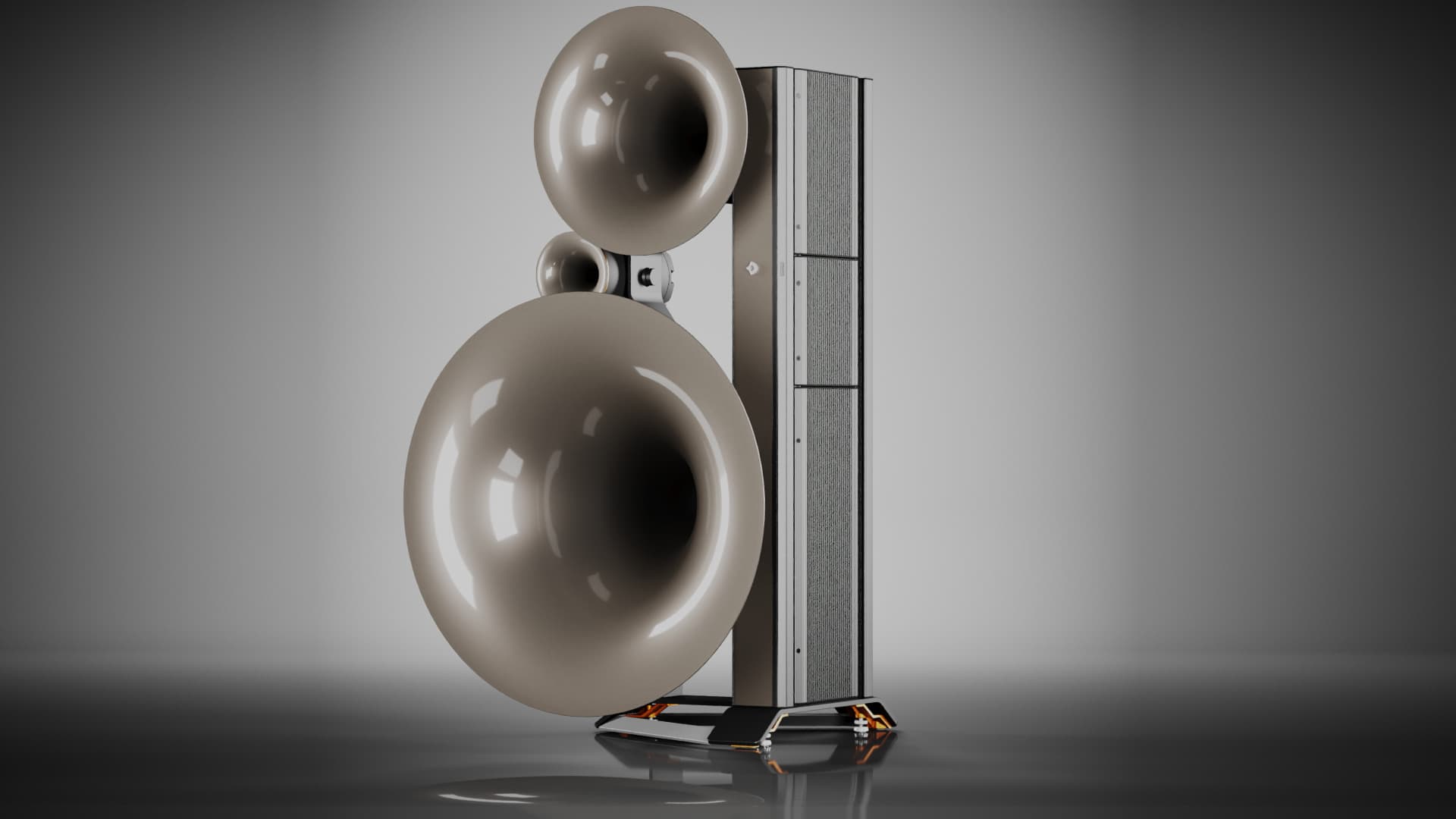
Across the WHV world
A sculpture that plays.
Move from a preserved historic violin to a loudspeaker that must also be judged by listening.
Sound & Listening
Read the story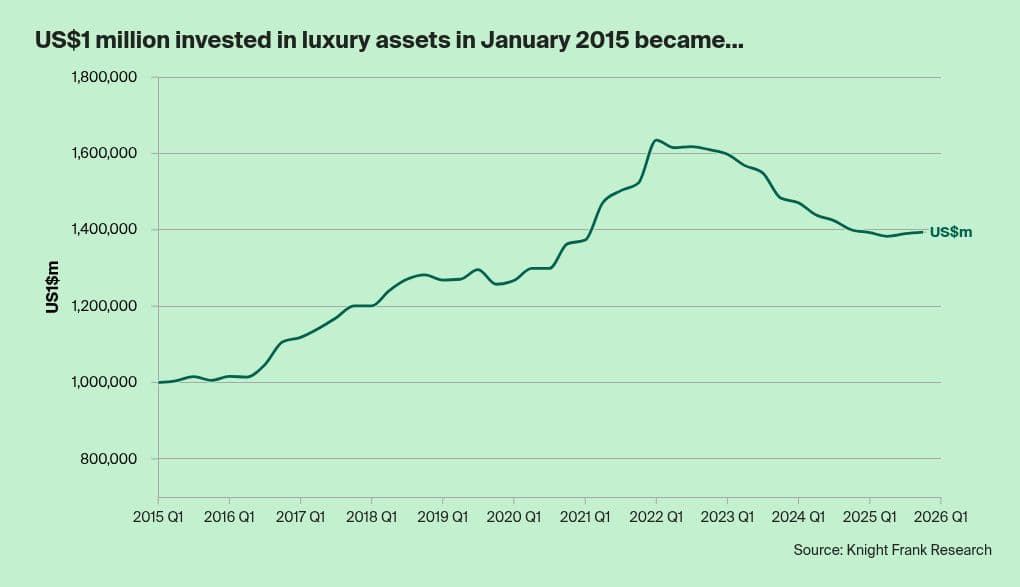
An unexpected connection
Beyond the record price.
A broader reminder that cultural importance and headline prices do not settle the quality of a purchase.
Alternative Assets
Read the story