DISCOVERY / Electronic Instruments & Musical Culture
The drum machine that became a language.
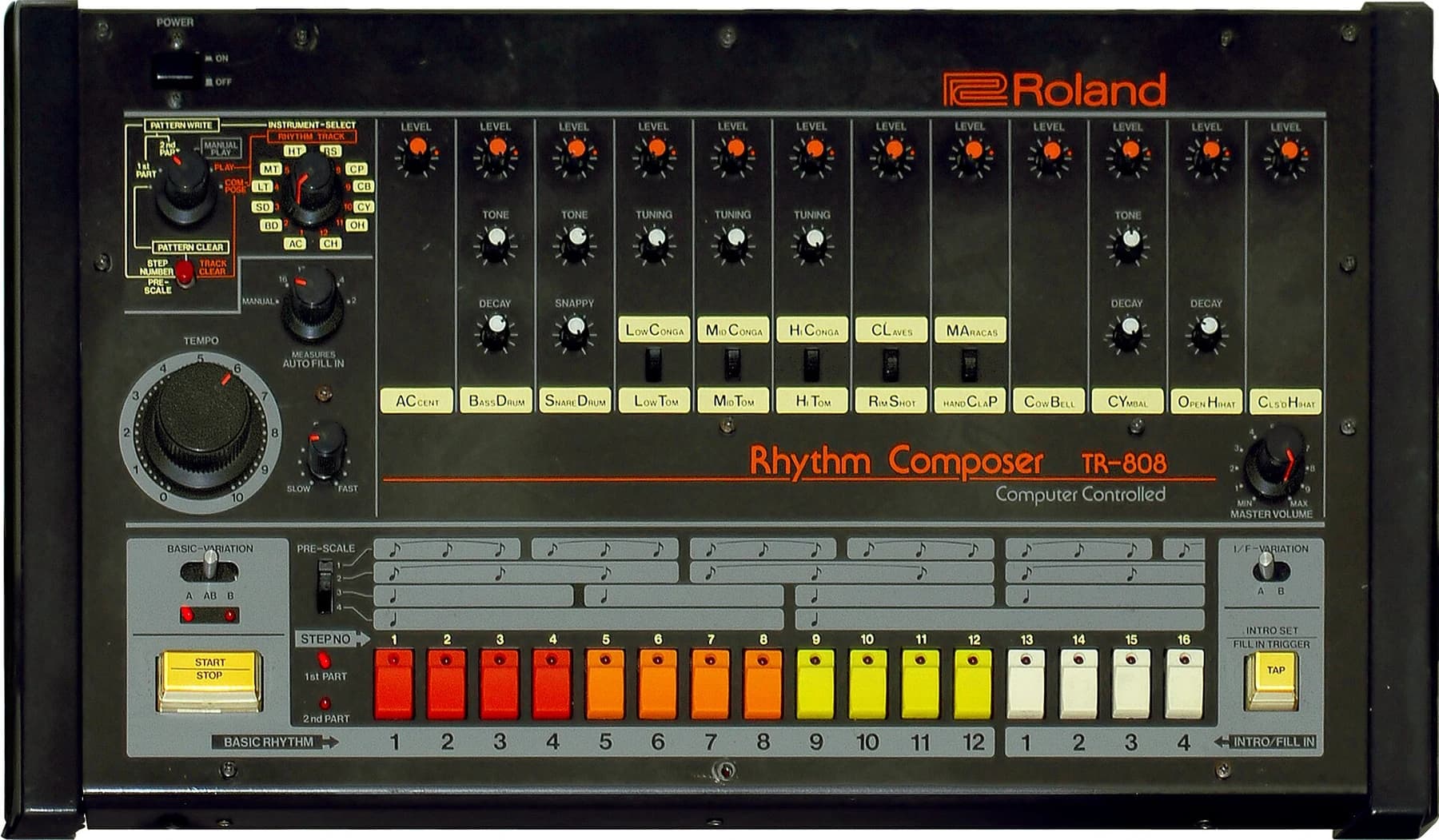
Roland’s TR-808 matters because musicians found a future in sounds that did not convincingly imitate an acoustic drum kit.
Published 21 October 2026 · WHV · Public-source editorial note
The TR-808 does not sound like someone sitting behind a drum kit. That apparent limitation became its great creative opening. Introduced by Roland in 1980, the programmable analogue rhythm machine offered sounds with identities of their own. Its bass drum, handclap and metallic voices could become the character of a track rather than a substitute for a missing musician.
Not quite a drummer
Roland’s historical accounts trace those sounds through hip-hop and electronic music. The instrument’s importance comes from what people made with it, not simply from the circuitry inside the case. A machine conceived for accompaniment became part of a shared musical vocabulary. Its name can now refer to a sound or aesthetic even when no original TR-808 is present.
This makes a useful distinction for anyone approaching musical objects as collectibles. Cultural influence belongs to the design and its use. Condition, originality and maintenance belong to the individual instrument. An old unit with an impressive provenance may be fascinating, but that does not automatically make it the best tool for learning rhythm or finishing a recording.
Learn the language before buying the instrument
Start by listening to the artists in Roland’s current programme, then investigate contemporary ways of working with the sound. If an original machine becomes the goal, have a qualified specialist assess the voices, controls, connections and previous repairs. There is no need to own a scarce piece of hardware to discover why its musical possibilities continue to matter.
Source and context.
Roland: TR-808 history, artists and current listening programme ↗
Roland: TR-808 technical specifications ↗
Roland: retracing its sound in hip-hop ↗
No hands-on test, present parts guarantee or resale forecast is implied. Original hardware and contemporary recreations are different objects.
Source checked 21 October 2026. WHV interpretation is distinct from the source’s account.
Explore Electronic Instruments & Musical CultureFOLLOW YOUR CURIOSITY
Where this leads.
Different subjects. A reason to connect them.
Continue the idea
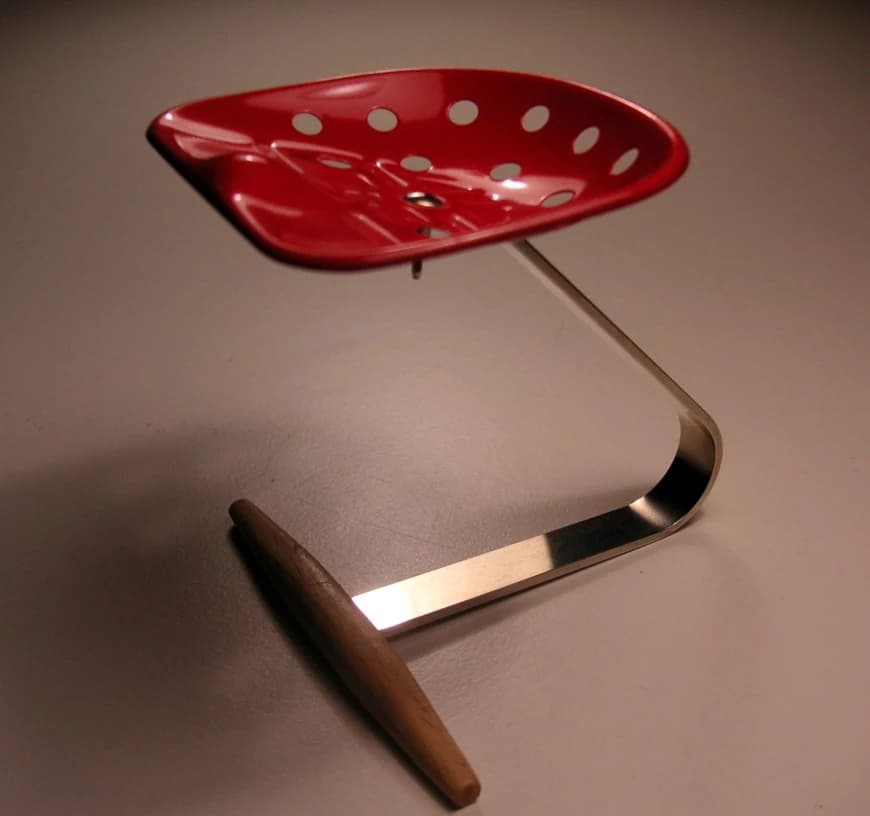
A tractor seat, reconsidered.
A tractor-seat form becomes furniture, offering another way that an existing industrial idea can acquire a surprising life.
Furniture & Industrial Imagination
Read the story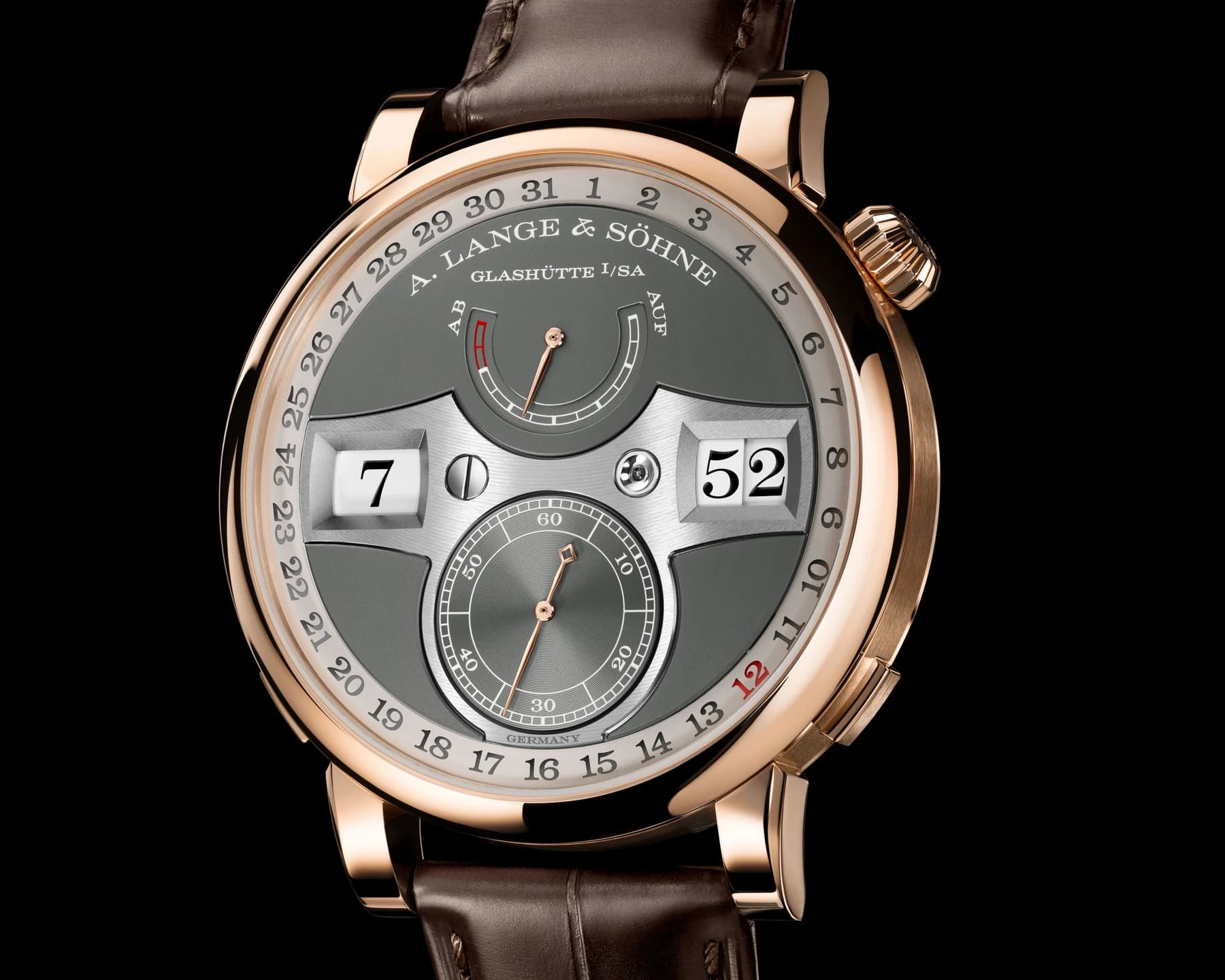
Across the WHV world
Digital time, entirely mechanical.
A mechanical numeral display changes the medium while keeping attention on how a mechanism makes time perceptible.
Watches & Mechanical Legibility
Read the story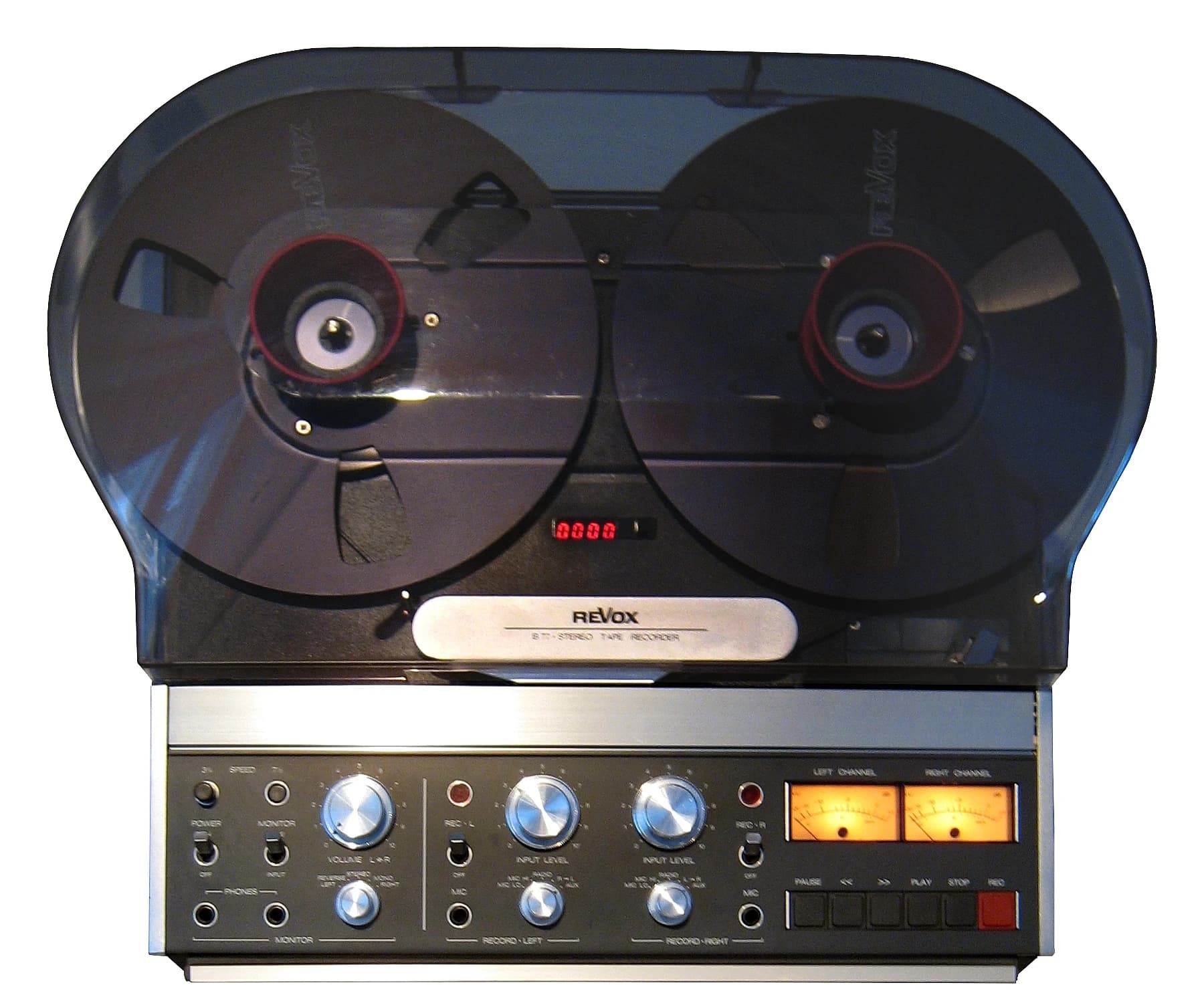
An unexpected connection
The workshop behind the reels.
A tape recorder brings the discussion back to the specialist work needed to keep an older electronic instrument useful.
Analogue Recording & Factory Restoration
Read the story