DISCOVERY / Kumiko Woodwork & Contemporary Screens
The pattern is the joinery.
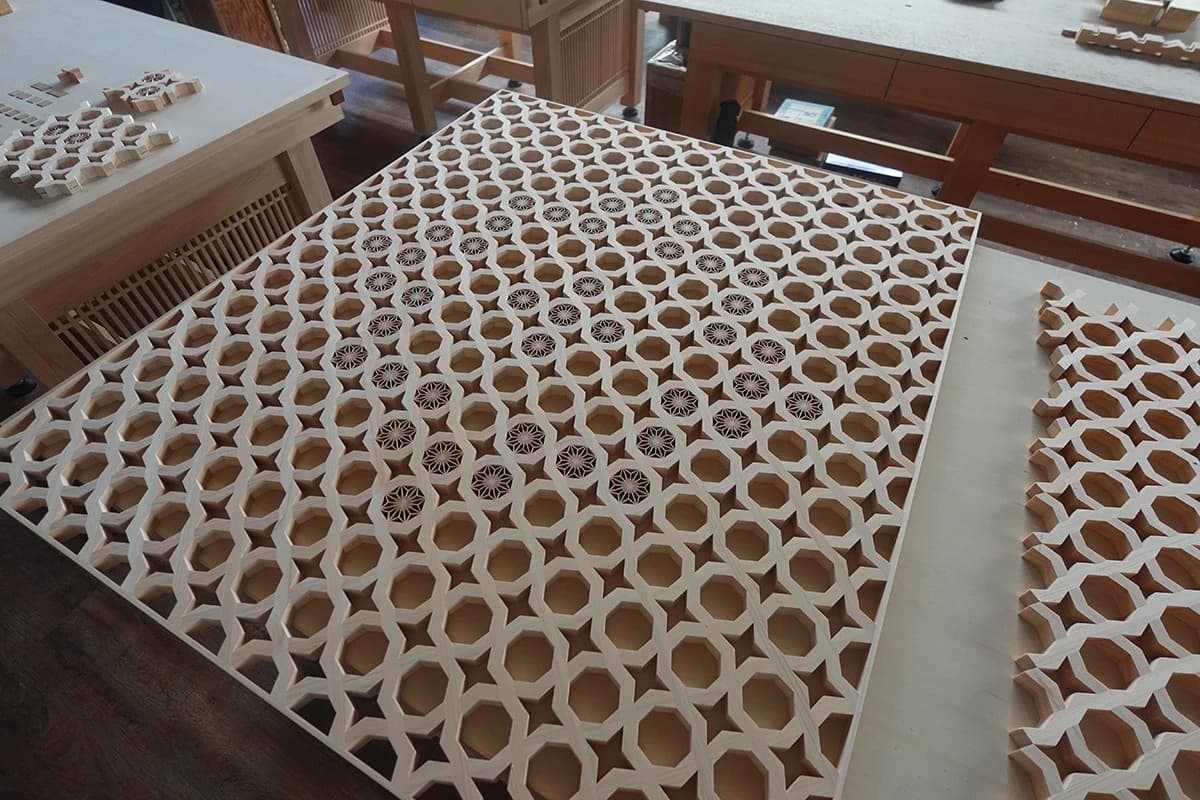
Tanihata’s kumiko screens make a geometric pattern from fitted pieces of wood rather than a surface decoration. Light passes through the result, making an old joining skill useful in contemporary rooms.
Published 21 October 2026 · WHV · Public-source editorial note
Look closely at a kumiko screen and the pattern becomes a construction lesson. It is not printed over a panel. Narrow wooden pieces meet at carefully prepared angles, and the spaces left between them are as deliberate as the material. Light gives the resulting geometry another dimension.
The gaps do as much work as the wood
Tanihata in Toyama continues this Japanese technique through contemporary screens and interior components. Its account describes assembling the wooden elements without nails. That does not mean every frame, fixing or installation can be assumed to use no other materials. The useful discovery is the precision of the pattern-making system itself.
The workshop offers traditional motifs as well as bespoke abstract and figurative compositions. In 2025, it announced a collaboration with Saudi woodworker Ahmad Angawi, bringing kumiko into dialogue with the Hijazi lattice tradition of mangour. Panel imagery supplied with that announcement shows the lattice work behind the exchange. It should not be mistaken for a named traditional Japanese pattern or a currently available standard product.
Ask how the pattern will live in a room
Consider the scale of a partition, a door component or a smaller piece before deciding what belongs at home. Ask about the timber, finish, light direction, installation and appropriate care. An intricate screen is not automatically structural or maintenance-free. Its compelling value lies in knowledge made visible through an object that still has a job to do. Geometry becomes something a room can live with, rather than a historical technique kept only behind glass.
Source and context.
Tanihata: contemporary kumiko products and living workshop ↗
Tanihata: bespoke Art Kumiko compositions ↗
Tanihata: the 2025 Japanese and Saudi lattice collaboration ↗
The press photograph accompanies the 2025 kumiko and mangour collaboration announcement, not a current standard-product listing. No glue-free, structural, fire-rating or indefinite-durability claim is made for every screen or installation.
Source checked 21 October 2026. WHV interpretation is distinct from the source’s account.
Explore Kumiko Woodwork & Contemporary ScreensFOLLOW YOUR CURIOSITY
Where this leads.
Different subjects. A reason to connect them.
Continue the idea
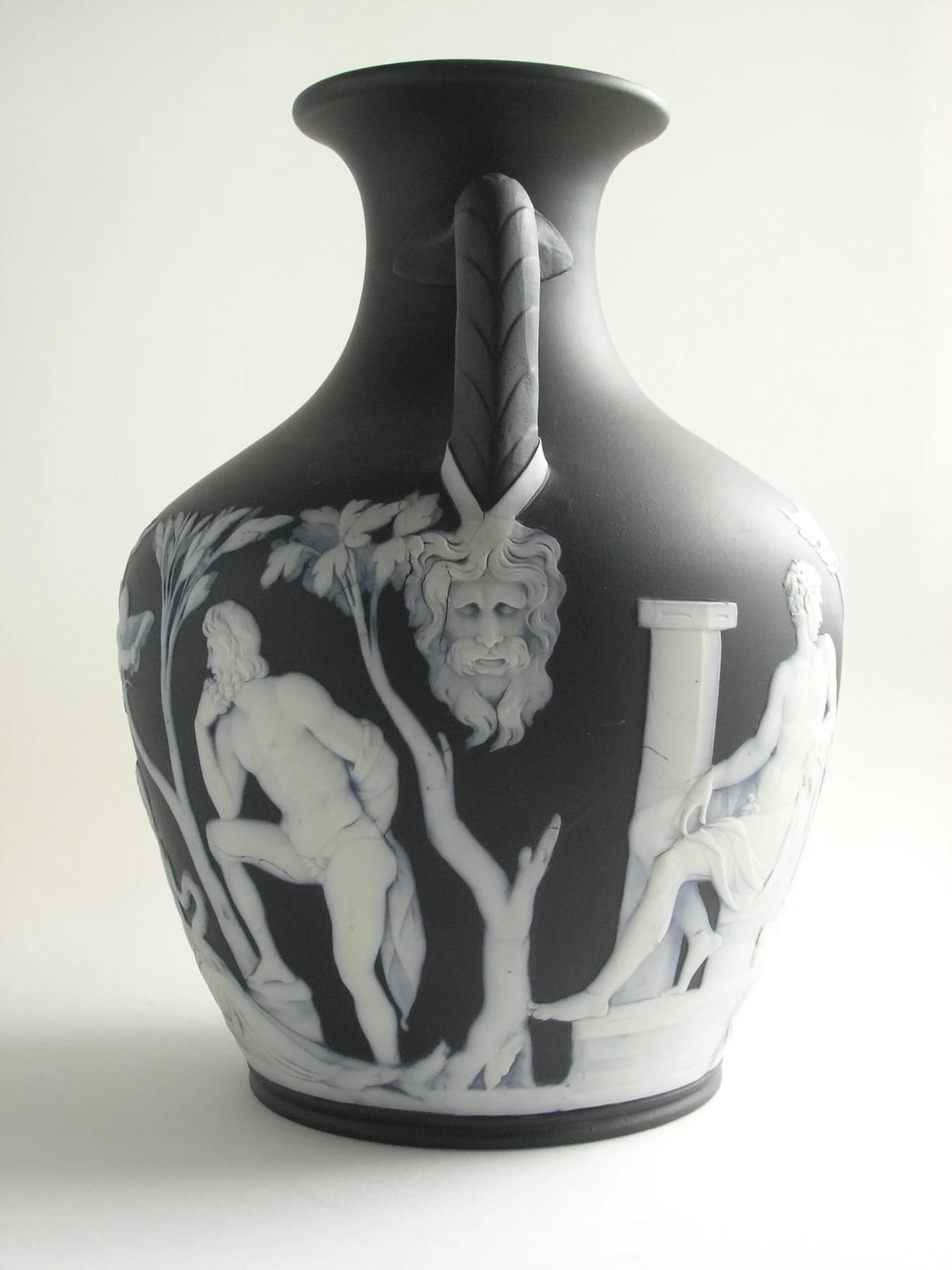
The colour is in the clay.
Shift from fitted wood to a coloured ceramic body and ask how the making process becomes visible in the surface.
Jasperware & Material Invention
Read the story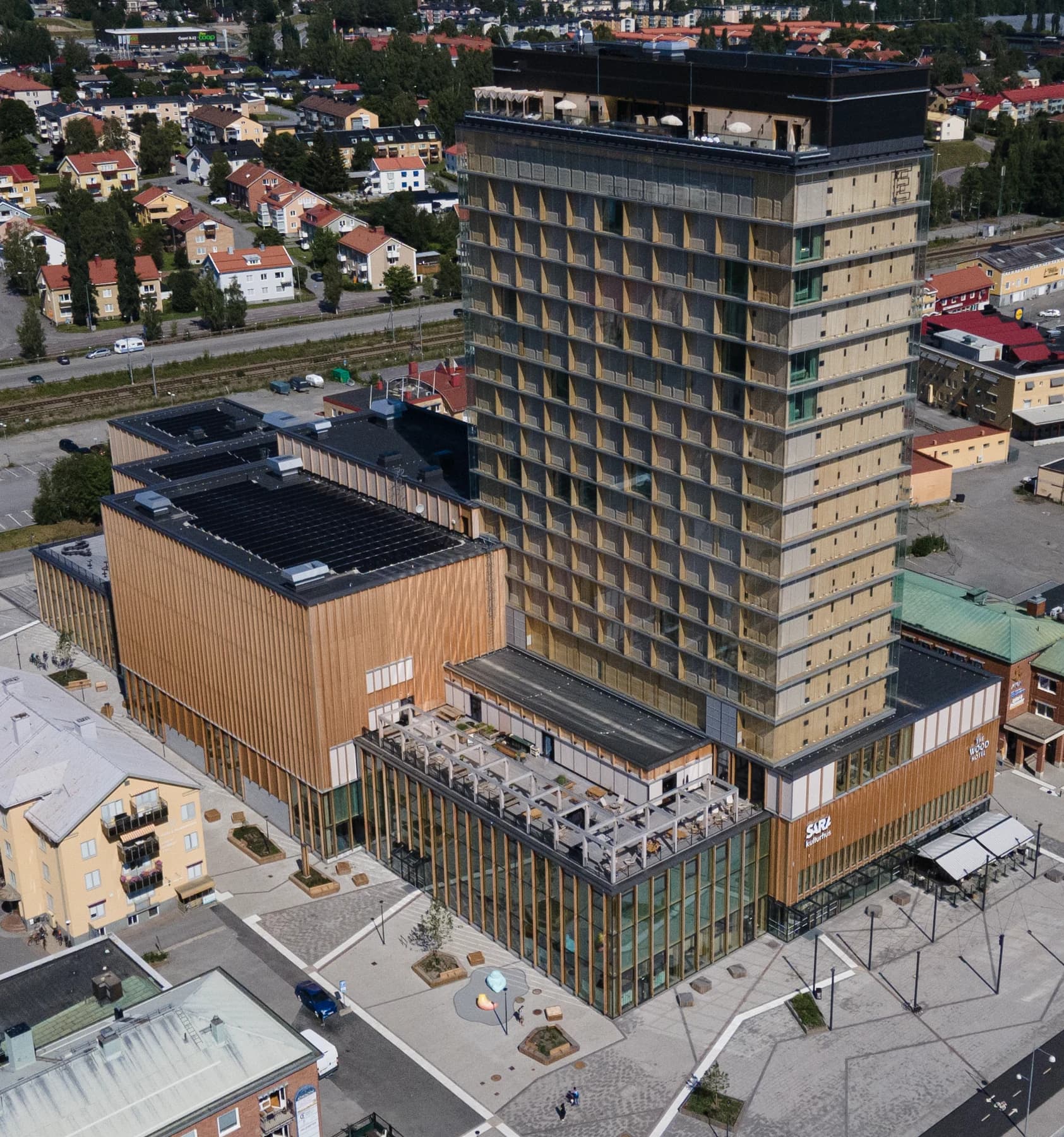
Across the WHV world
A timber tower with a public life.
A timber cultural building changes the scale while keeping regional material knowledge central to the story.
Timber Architecture & Shared Cultural Buildings
Read the story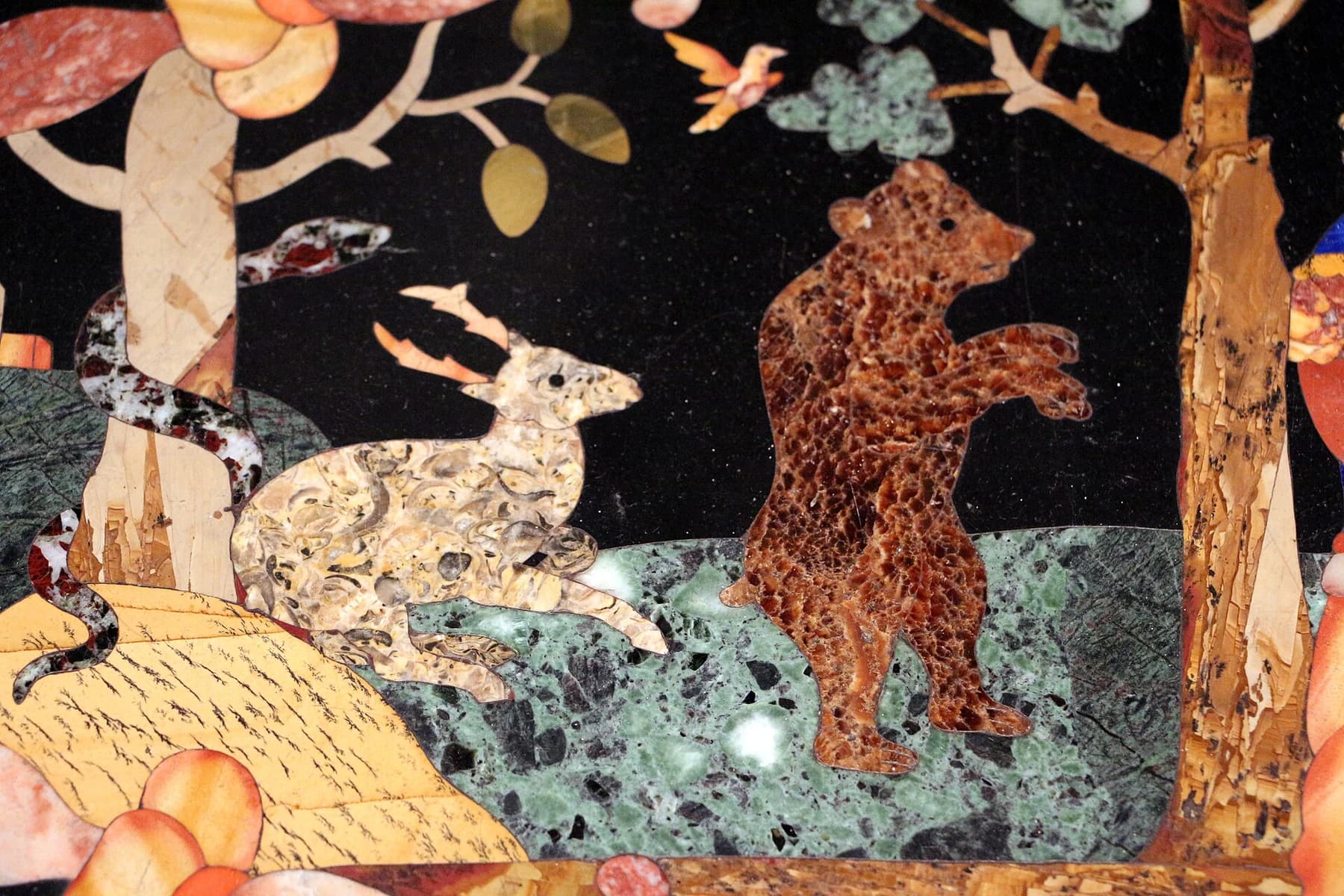
An unexpected connection
The colour is already in the stone.
Another fitted surface depends on choosing and placing small pieces rather than printing a decorative pattern.
Florentine Hardstone Inlay & Living Workshops
Read the story