DISCOVERY / Jasperware & Material Invention
The colour is in the clay.
Wedgwood’s jasperware can look familiar enough to escape a second glance. Its more surprising story begins beneath the white relief, in an experimental ceramic body rather than painted blue decoration.
Published 21 October 2026 · WHV · Public-source editorial note
Pale relief on a coloured ground has become so closely associated with Wedgwood that it can be mistaken for a simple decorative signature. Jasperware begins with something less superficial. The maker describes a dense white stoneware capable of accepting colour through the body, developed after years of recorded experimentation.
A copy can contain a new material idea
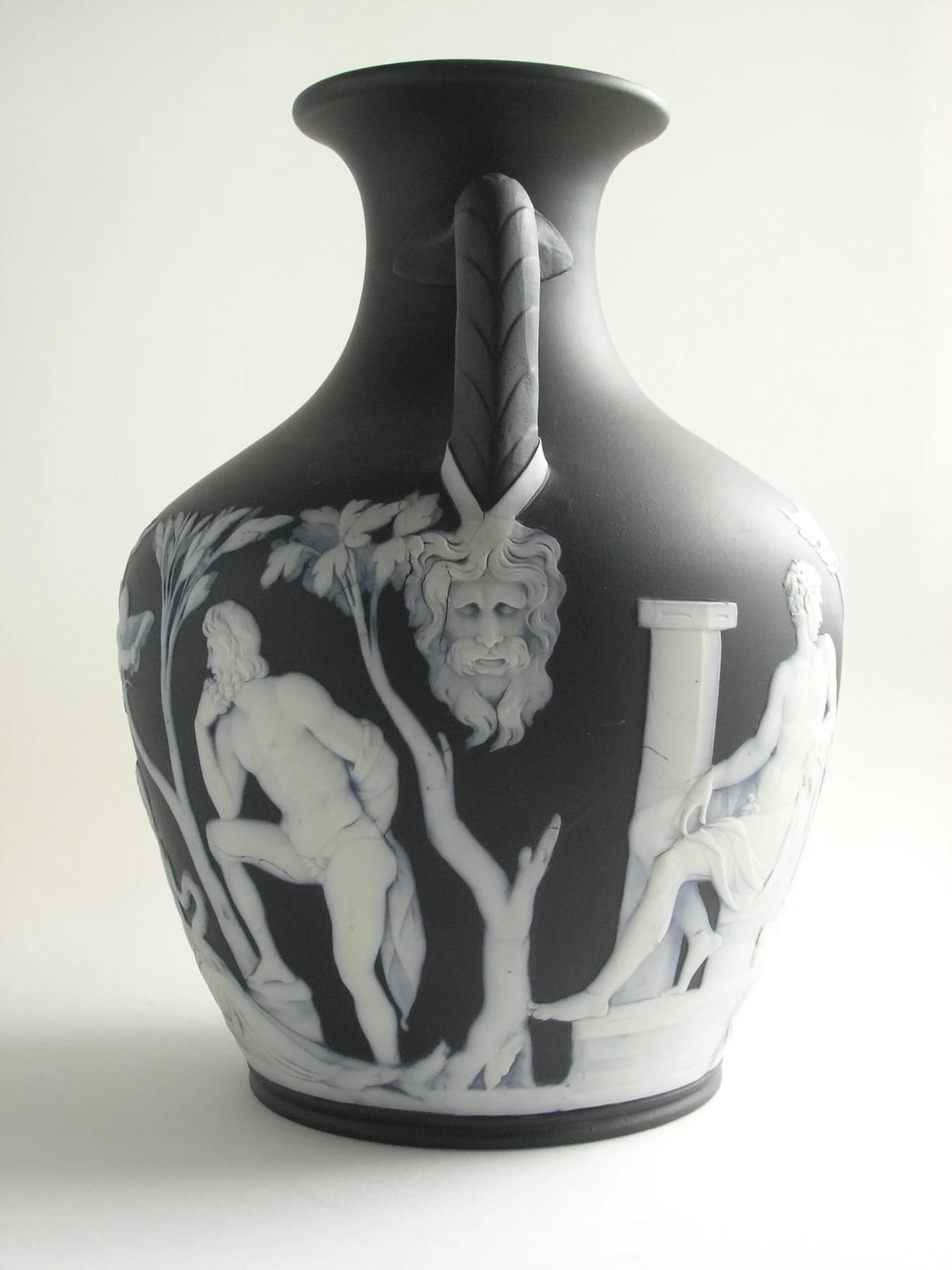
The Portland Vase makes that material ambition especially clear. Josiah Wedgwood sought to reproduce a celebrated Roman cameo-glass vessel in his own ceramic material. The Victoria and Albert Museum documents the trials and difficulties involved. It was a translation between materials, not an attempt to pretend that a newly made pot was an ancient Roman glass original.
The photographed vase belongs to Auckland Museum’s collection and is a later Wedgwood example, not one of the first copies made during Josiah’s lifetime. Its darker ground is also a reminder that jasper is not restricted to the familiar pale blue. A collection of repeated motifs can contain important differences in body, date, workmanship and condition.
Identify the object as well as the pattern
Compare a historical example with the maker’s continuing jasperware production. Examine relief, joins, marks and any repairs before considering an older object, and follow care guidance appropriate to its actual condition. The interesting value is an invented material language that remains usable. A familiar household name can become surprising again when the question changes from recognising its colour to understanding how that colour and surface were made.
Source and context.
Wedgwood: jasperware composition, continuing production and care ↗
Victoria and Albert Museum: the experiments behind Wedgwood’s Portland Vase ↗
Auckland Museum: the identified later Portland Vase copy ↗
The museum photograph shows a later Portland Vase copy, not the Roman cameo-glass original, an authenticated first edition or a current sale object. Not every blue-and-white ceramic is jasperware. Individual dating, repairs and authenticity require their own evidence.
Source checked 21 October 2026. WHV interpretation is distinct from the source’s account.
Explore Jasperware & Material InventionFOLLOW YOUR CURIOSITY
Where this leads.
Different subjects. A reason to connect them.
Continue the idea
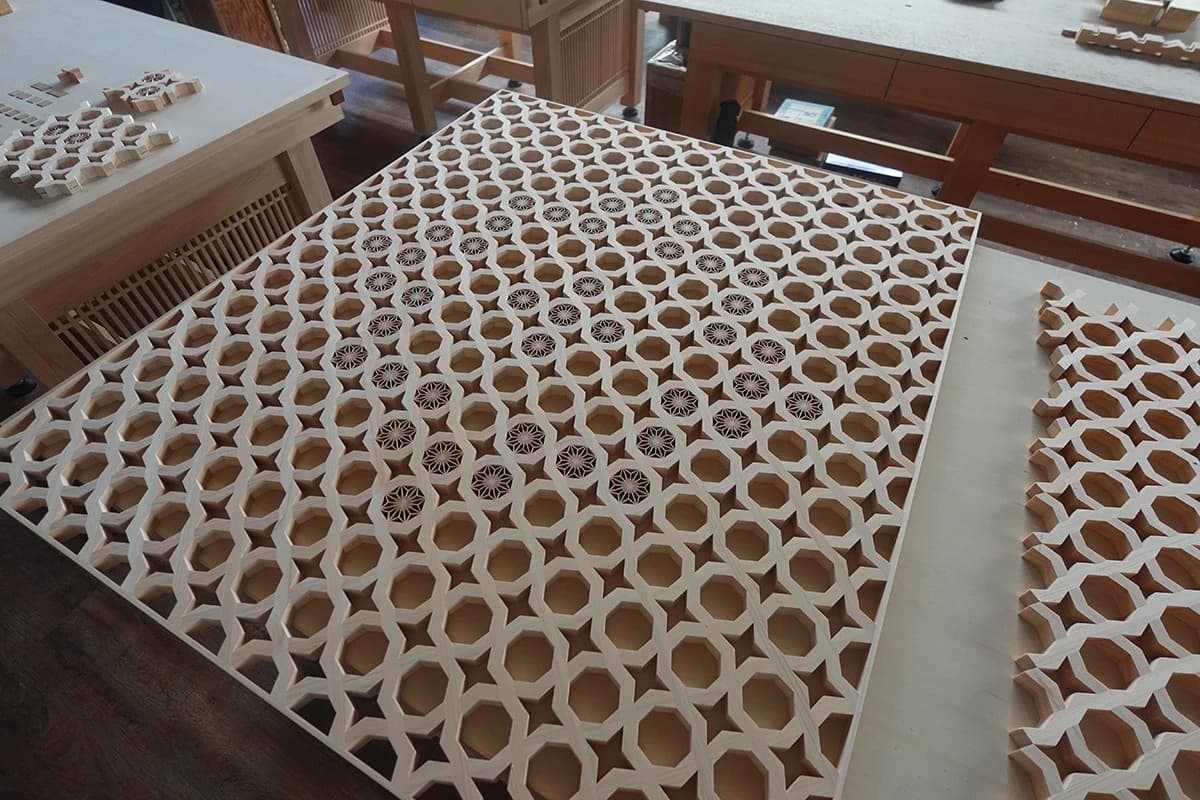
The pattern is the joinery.
A living woodwork practice supplies another case in which a recognisable pattern begins with a construction method.
Kumiko Woodwork & Contemporary Screens
Read the story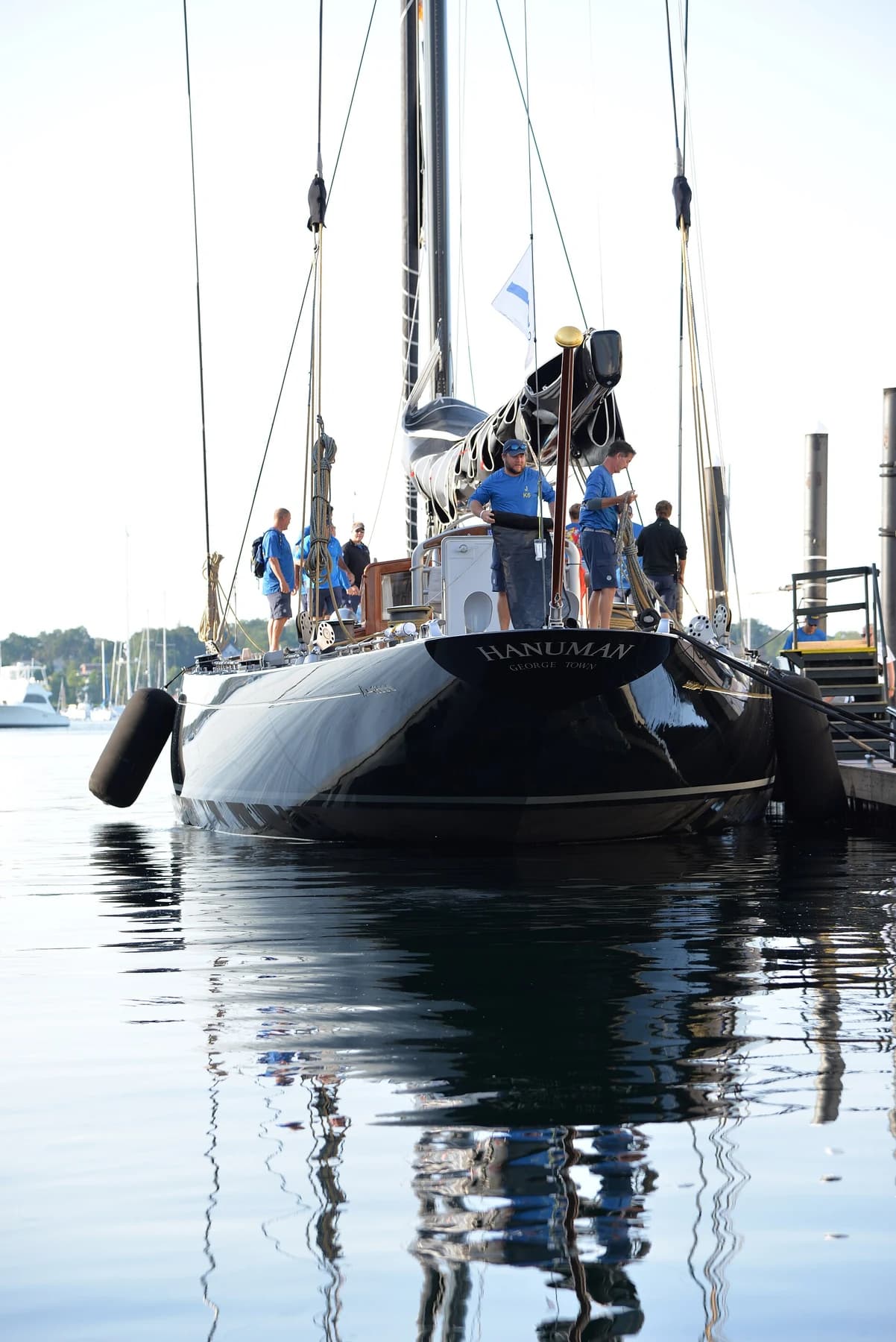
Across the WHV world
A new yacht for an old racing idea.
A new-build yacht makes a contrasting translation of a historical design into contemporary material and use.
J Class Yachts & Contemporary Reconstruction
Read the story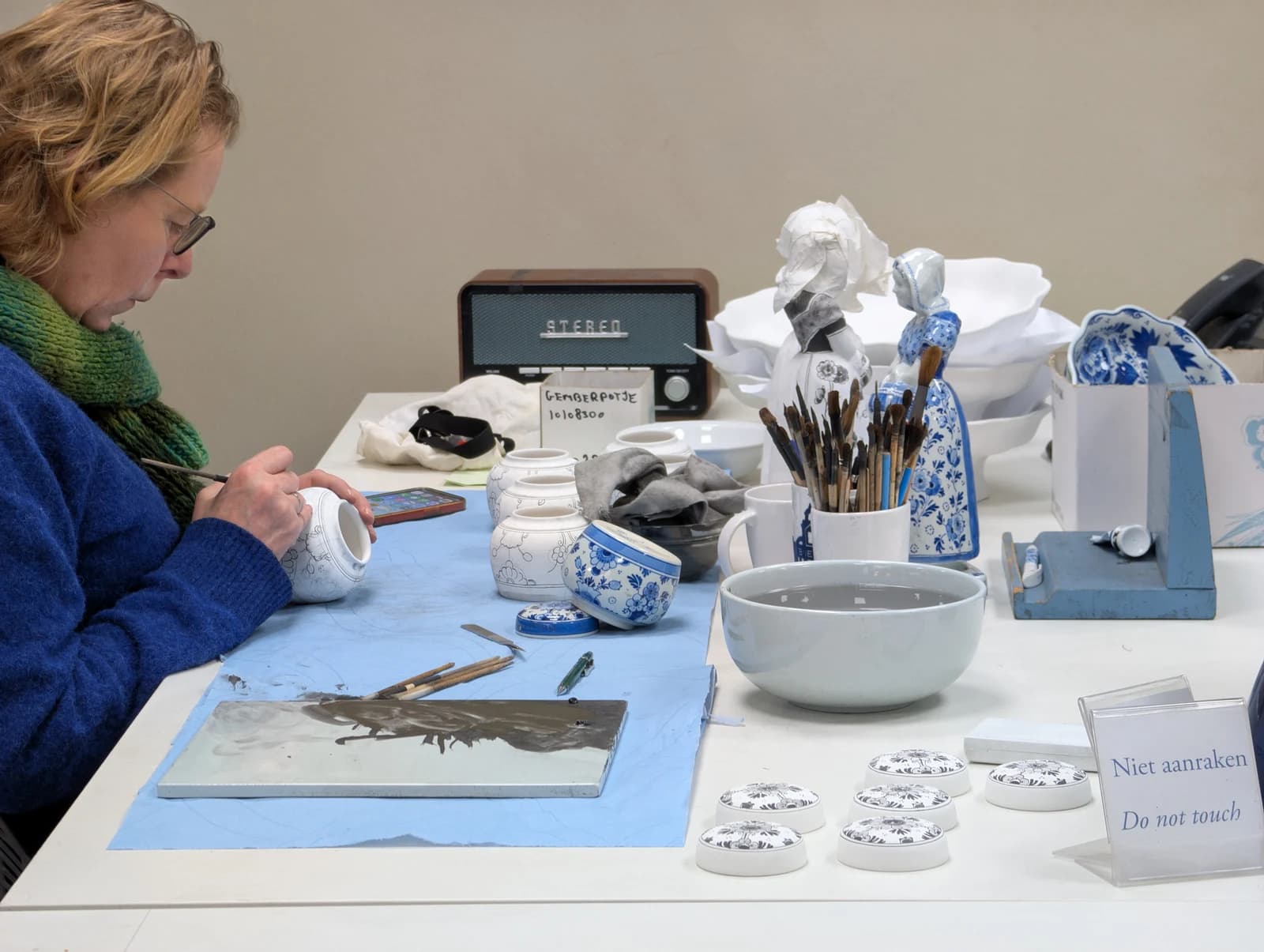
An unexpected connection
The blue begins in black.
Another familiar blue-and-white ceramic leads to a very different process once you look beneath the finished colour.
Painted Ceramics & Living Craft
Read the story