DISCOVERY / Industrial Heritage & Adaptive Reuse
A mill that kept a place alive.
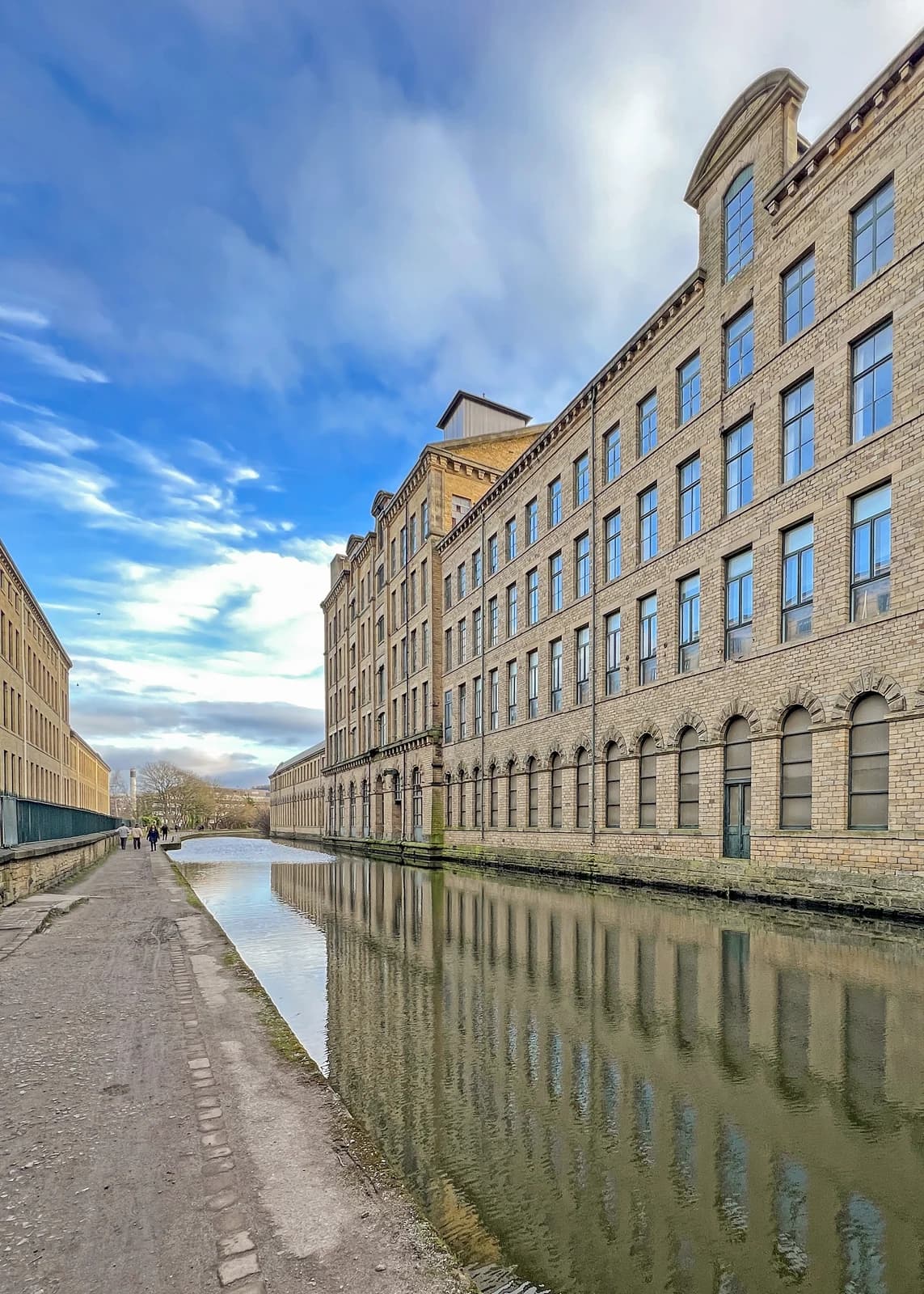
Saltaire is more than a handsome mill. Its buildings show how a place can retain its identity while making room for entirely different work.
Published 25 September 2026 · WHV · Public-source editorial note
A large mill can survive as a shell while the place around it loses its purpose. Saltaire invites a broader reading. The mills, houses and public buildings still explain their relationship to one another, and the former industrial centre has acquired another kind of everyday life.
Read the mill with the streets around it
UNESCO describes the West Yorkshire village as an unusually complete nineteenth-century industrial settlement. Its account connects the architecture and plan to Victorian philanthropic paternalism. That last word matters. The place records a particular relationship between employers and workers, not a social model that should be accepted uncritically because the buildings are beautiful.
Salts Mill now brings art, books, shops, dining and business space into the old structure. This is the useful tension: continued occupation can help make preservation more than the maintenance of an empty monument. The building’s capacity to receive different activities becomes part of what endures. It is an example to study, not evidence that every industrial conversion will succeed.
Preservation does not have to mean stillness
Give yourself time for the streets as well as the galleries, and look at how housing, civic space and the mill fit together. The village remains a place where people live, so a visitor’s curiosity should respect private homes. Check the mill’s current opening arrangements, which differ by area. What you take away may be a more generous definition of architectural value: not only a distinguished facade, but a connected piece of a town that can keep accommodating life after its original industry has changed.
Source and context.
UNESCO: Saltaire’s buildings, plan and social history ↗
Salts Mill: current uses, history and visitor information ↗
A public-source account, not a property offer, financial appraisal or firsthand accessibility assessment. Heritage recognition does not remove maintenance costs or establish the commercial success of another reuse project.
Source checked 25 September 2026. WHV interpretation is distinct from the source’s account.
Explore Industrial Heritage & Adaptive ReuseFOLLOW YOUR CURIOSITY
Where this leads.
Different subjects. A reason to connect them.
Continue the idea
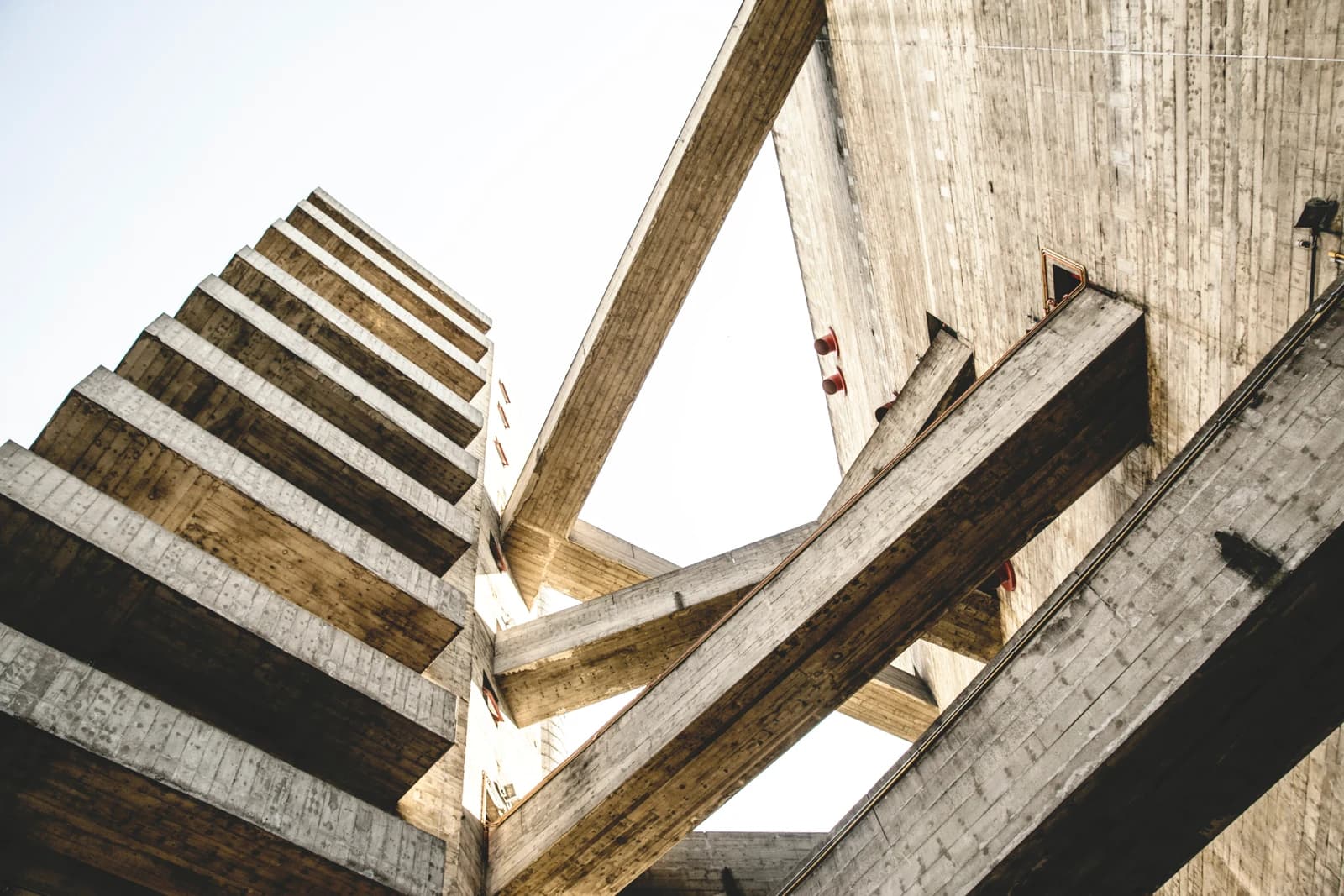
A factory that learned to make public life.
Compare two industrial sites that acquired public lives without erasing all evidence of their first use.
Adaptive Reuse & Public Architecture
Read the story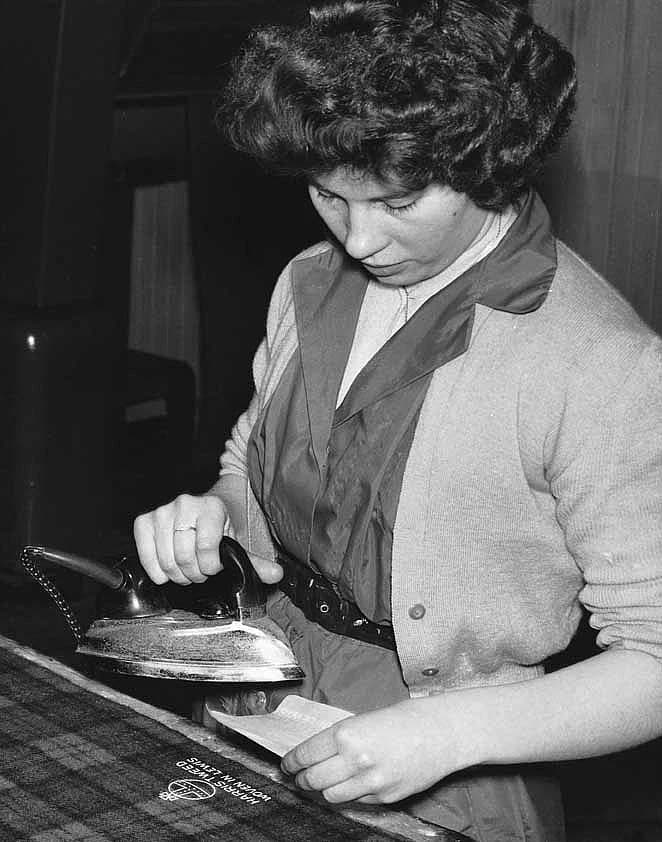
Across the WHV world
The place woven into the cloth.
Follow the textile connection from inherited buildings to a regional making tradition still in production.
Textiles & Material Provenance
Read the story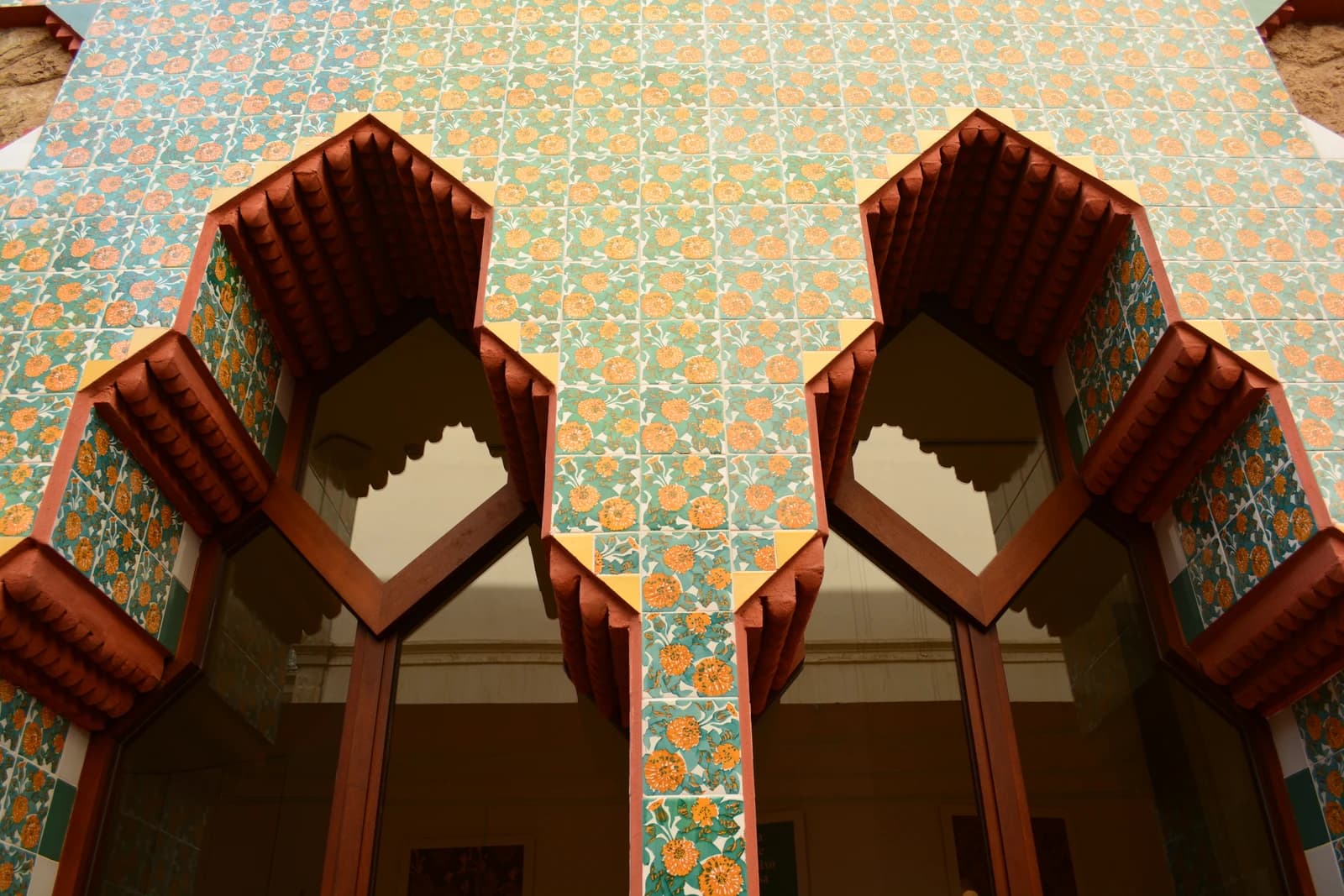
An unexpected connection
When a house remembers a garden.
Shift from the plan of a village to the material detail that makes one house particular to its place.
Architecture & Material Imagination
Read the story