DISCOVERY / Contemporary Woodcraft & Expanded Scale
The bucket you can step inside.
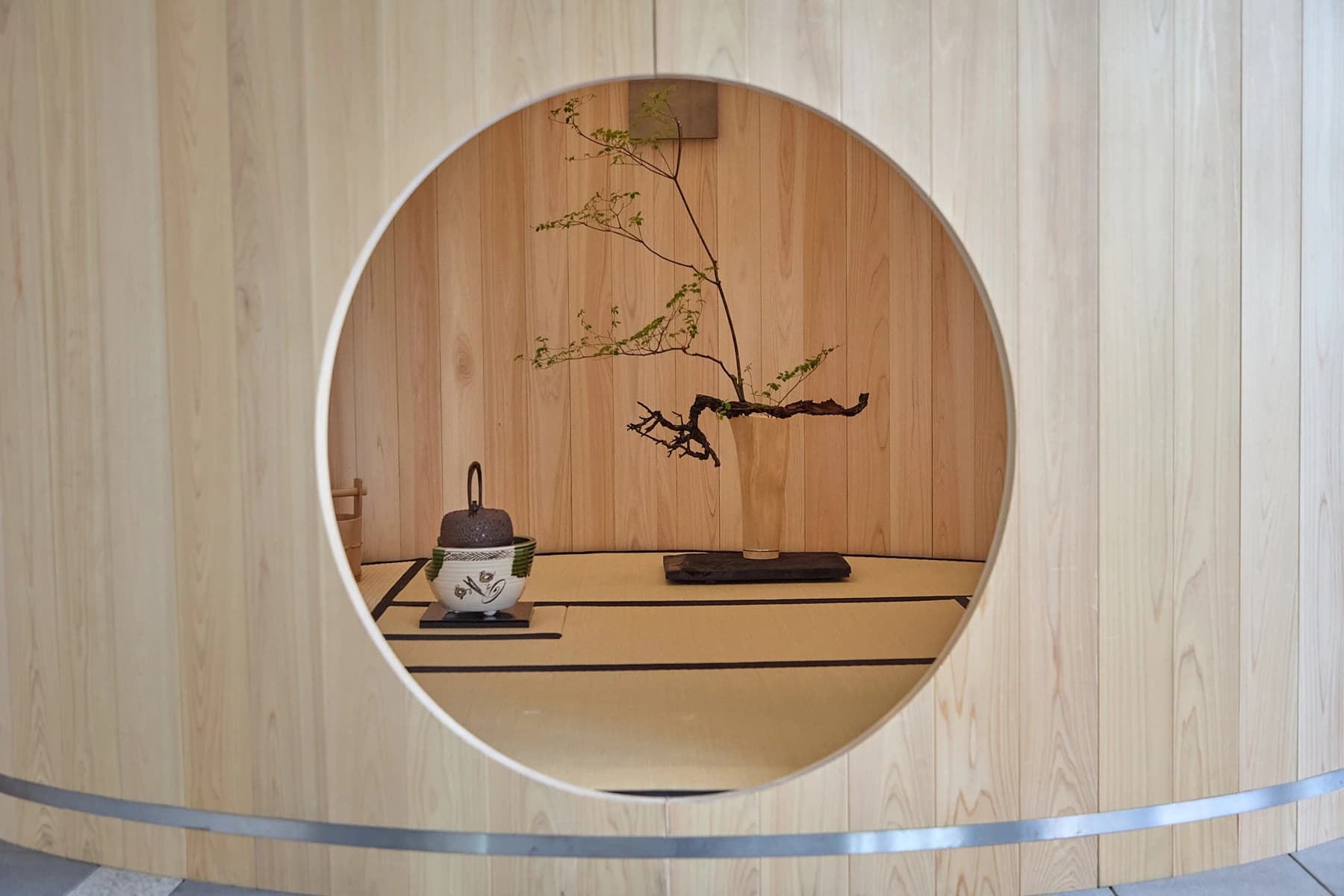
Shuji Nakagawa scaled the logic of a wooden bucket into a tea room. The result asks whether a declining everyday craft can find a larger future without losing its structure.
Published 21 October 2026 · WHV · Public-source editorial note
A circular opening leads into a pale wooden room. Look below it and a metal band wraps around the outside, giving away the unusual construction logic. Shuji Nakagawa’s tea room is not simply decorated to resemble a wooden bucket. It enlarges the structural thinking of bucket making into a space a person can enter.
A technique can travel further than its old market
Nakagawa Mokkougei describes the room as a 2024 project made in hinoki using traditional hoop-tightening techniques. Scaling up demanded unfamiliar structural calculations and work alongside younger makers. The workshop’s account links it to an earlier problem: plastic products had displaced much of the everyday demand for wooden buckets. Keeping the skill alive required finding new uses, not only repeating old forms.
The room appeared in Fukujuen’s Kyoto exhibition running from April to August 2026. That event has finished. Its importance here is as a documented example of a craft moving between functional object, sculpture and architecture. The maker’s continuing work includes vessels and Champagne coolers, offering a more approachable route into the same practice than commissioning an inhabitable installation.
Preserving the ability to make
Study how the timber pieces meet and how the band holds the form together. Then compare that logic with one of the workshop’s smaller vessels. The surprising value is not scale for its own sake. It is the possibility that a technique can outlive the market that once supported it by revealing capacities people had stopped noticing. Preserving an object and preserving the ability to make are related, but they are not the same task.
Source and context.
Nakagawa Mokkougei: the workshop and the wooden tea room ↗
Fukujuen: the 2026 exhibition and exact tea-room photograph ↗
Nakagawa Mokkougei: current functional work ↗
The Kyoto exhibition ended on 30 August 2026. No current public access to the tea room, commission availability or environmental performance claim is implied.
Source checked 21 October 2026. WHV interpretation is distinct from the source’s account.
Explore Contemporary Woodcraft & Expanded ScaleFOLLOW YOUR CURIOSITY
Where this leads.
Different subjects. A reason to connect them.
Continue the idea
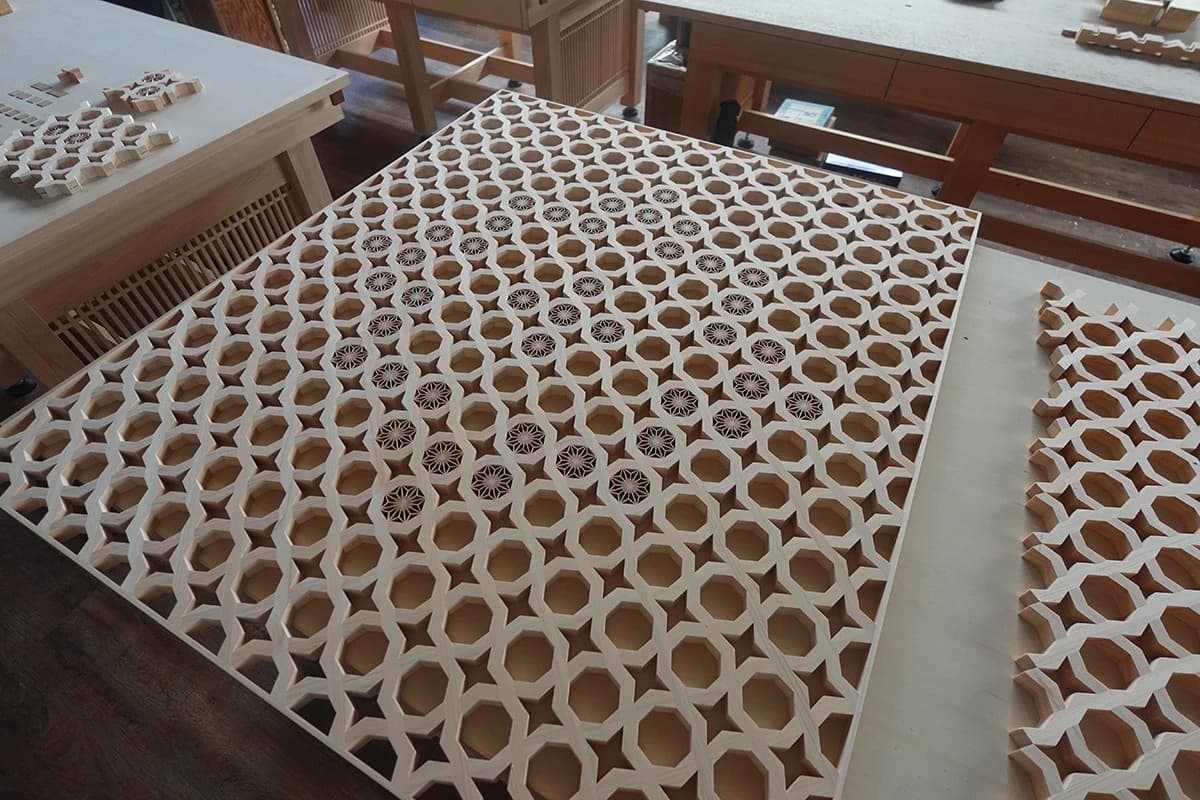
The pattern is the joinery.
Another Japanese woodworking practice makes inherited technique useful at the scale of a contemporary interior.
Kumiko Woodwork & Contemporary Screens
Read the story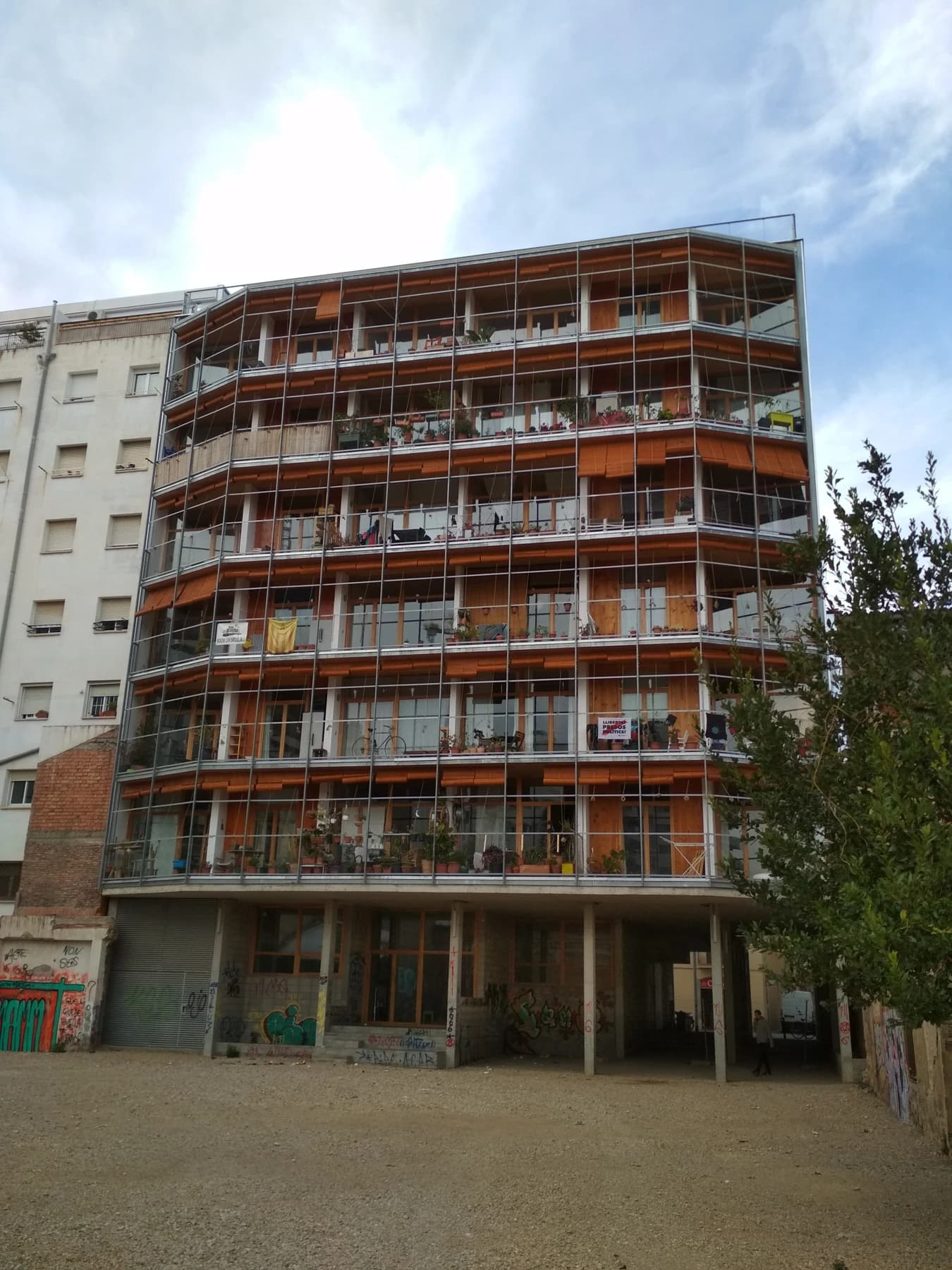
Across the WHV world
A home without a resale thesis.
A cooperative building asks a larger question about how the arrangement of a place shapes the life inside it.
Cooperative Housing & Shared Ownership
Read the story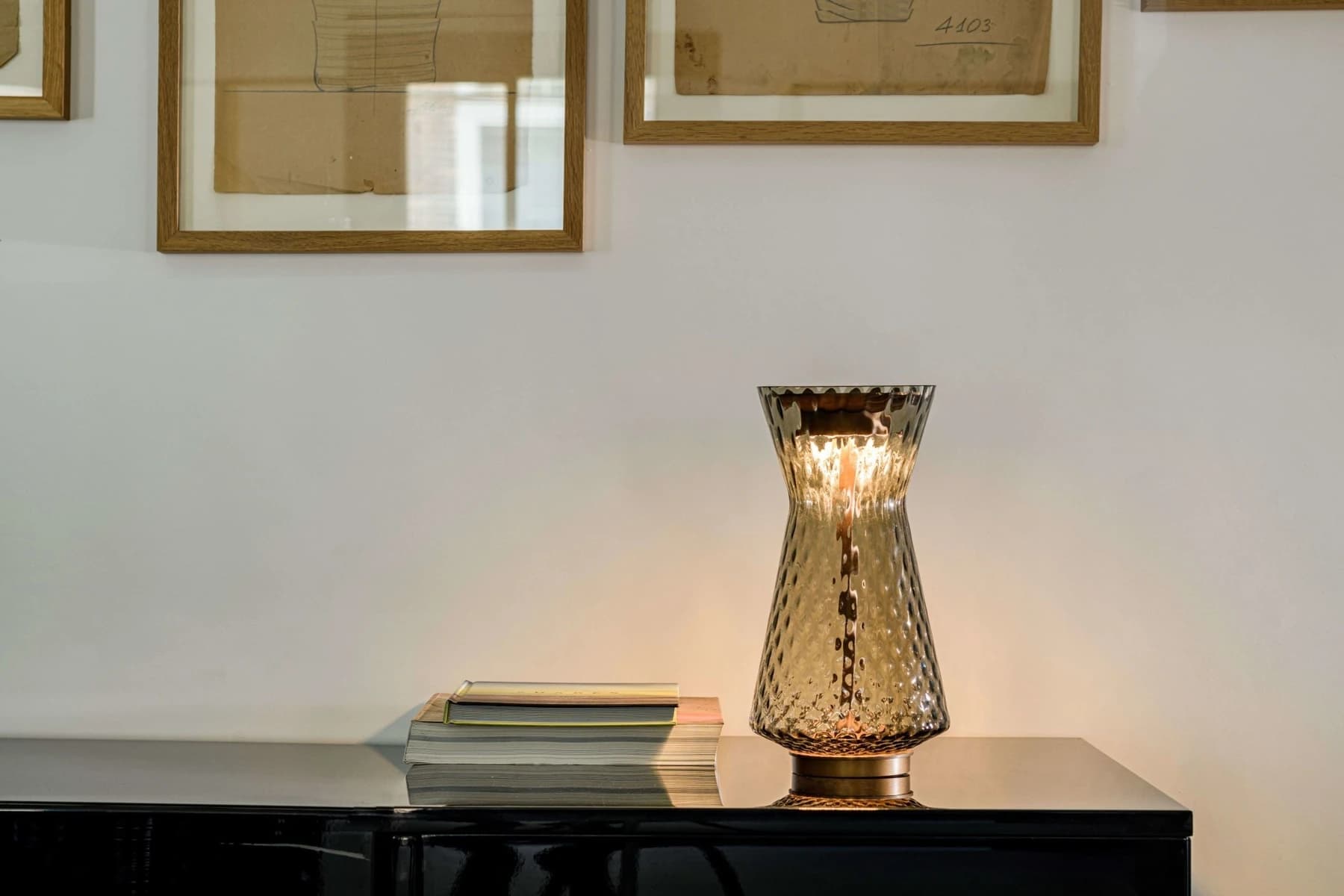
An unexpected connection
The glass that catches the light.
A glass workshop offers a contrasting material through which established making knowledge can acquire a new use.
Murano Glass & Living Craft
Read the story