DISCOVERY / Design Schools & Modern Architecture
A building that shows its work.
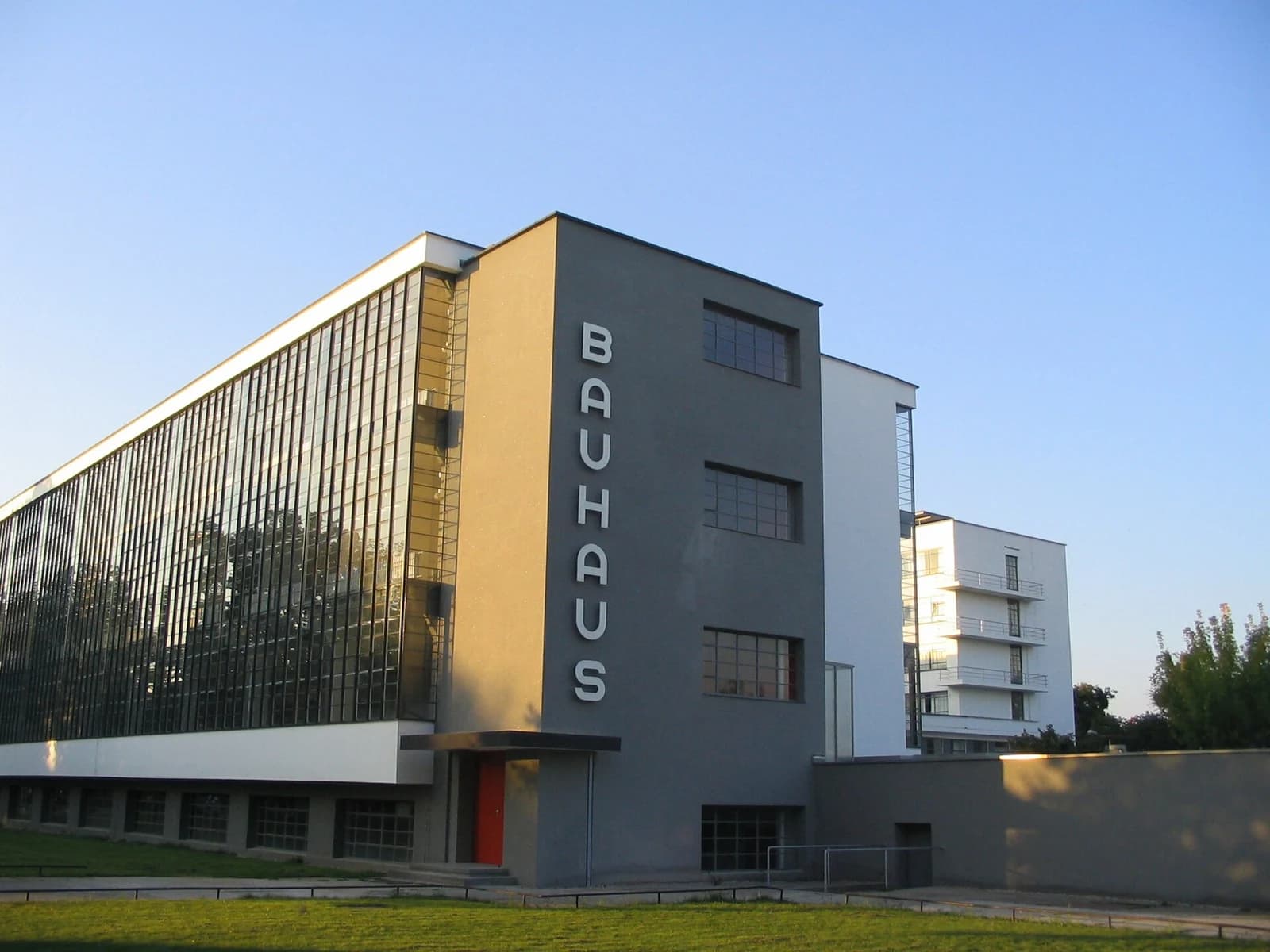
A century after its 1926 opening, the Bauhaus Building in Dessau is still a useful place to ask how an institution makes its ideas visible.
Published 24 September 2026 · WHV · Public-source editorial note
You may recognise the building before knowing what happened inside it. A wall of glass and the vertical Bauhaus lettering have travelled far beyond Dessau. The visit becomes worthwhile when the image turns back into an inhabited design problem.
The façade is an argument
The foundation dates the opening to 4 December 1926. Walter Gropius’s private office planned the building, with named collaborators, before the school established its own architecture department. The workshop wing’s glass curtain wall made the structure visible and connected working interiors to the outside. Hinnerk Scheper’s colour scheme was part of the concept, not an afterthought applied to an otherwise colourless modernism.
In its centenary year, the enduring lesson is collaboration rather than a single heroic signature. Architecture, furniture, lighting and colour were ways for a school to test and express what it taught. The building’s value lies partly in being evidence that ideas about making can be assembled into an environment and then examined by later generations.
Look past the familiar photograph
Use the foundation’s visitor information to distinguish the historic building from the separate Bauhaus Museum and other sites in Dessau. Check which interiors and guided visits your ticket includes. Give attention to the relationship between a window, a workspace and the route through the building. A famous exterior may bring you there. A more precise understanding of how design organises daily activity is what can stay with you afterwards.
Source and context.
Bauhaus Dessau Foundation: the Bauhaus Building ↗
Bauhaus Dessau Foundation: current visitor tickets ↗
Bauhaus Dessau Foundation: Glass, Concrete, Metal ↗
No firsthand visit or claim that all visible fabric is untouched from 1926. Access and exhibitions change. The centenary refers to the building’s opening, not the founding date of the Bauhaus school.
Source checked 24 September 2026. WHV interpretation is distinct from the source’s account.
Explore Design Schools & Modern ArchitectureFOLLOW YOUR CURIOSITY
Where this leads.
Different subjects. A reason to connect them.
Continue the idea
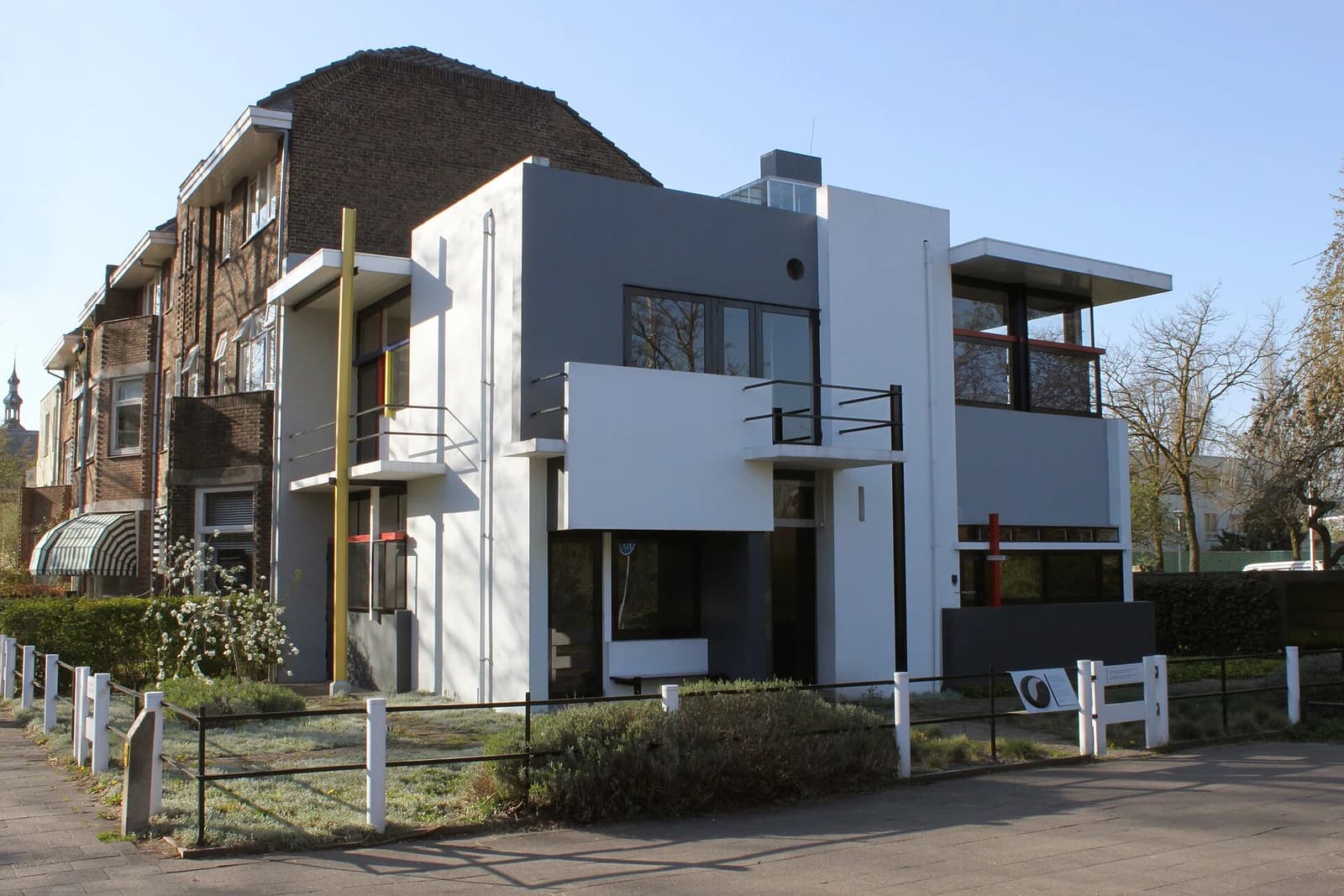
A house that changes with the day.
Two modern buildings join an unmistakable visual language to a specific way of organising everyday life.
Adaptable Homes & Spatial Design
Read the story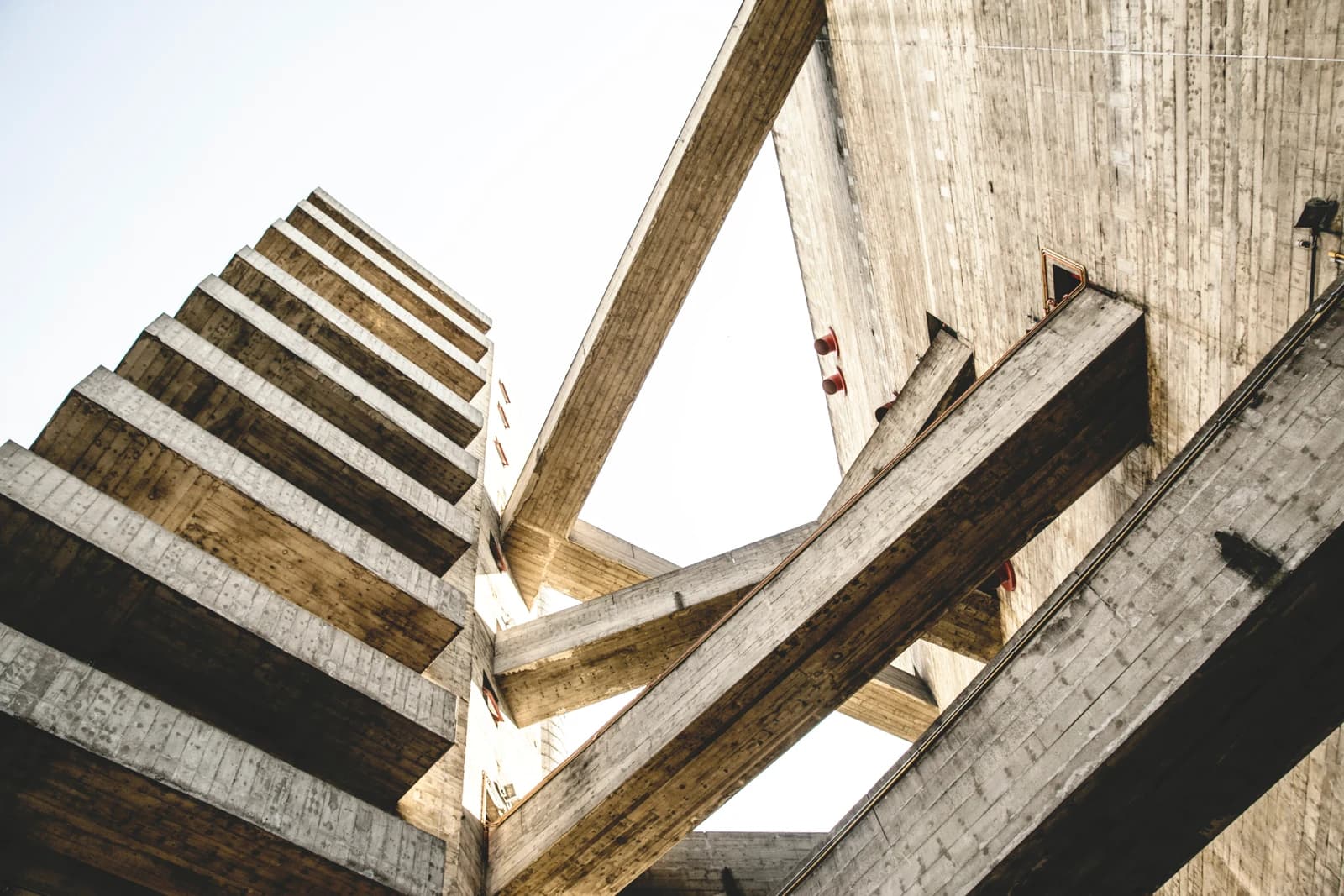
Across the WHV world
A factory that learned to make public life.
Compare a purpose-built school with a factory whose architectural afterlife makes room for public activity.
Adaptive Reuse & Public Architecture
Read the story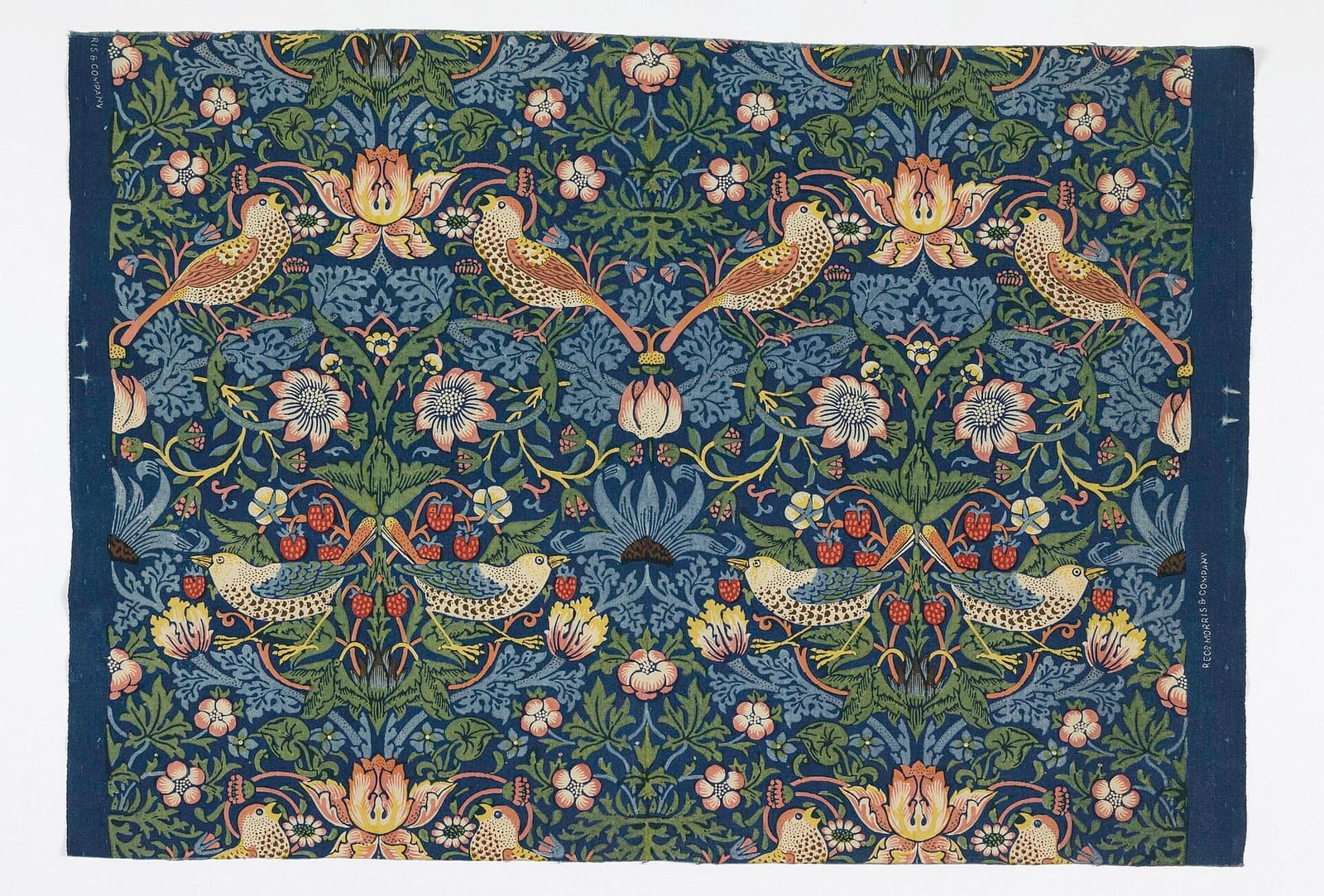
An unexpected connection
A pattern with an afterlife.
An earlier design tradition also asks how authored ideas can move beyond a museum and into daily surroundings.
Printed Textiles & Design Archives
Read the story