DISCOVERY / Denim & Everyday Design
The detail that earned its place.
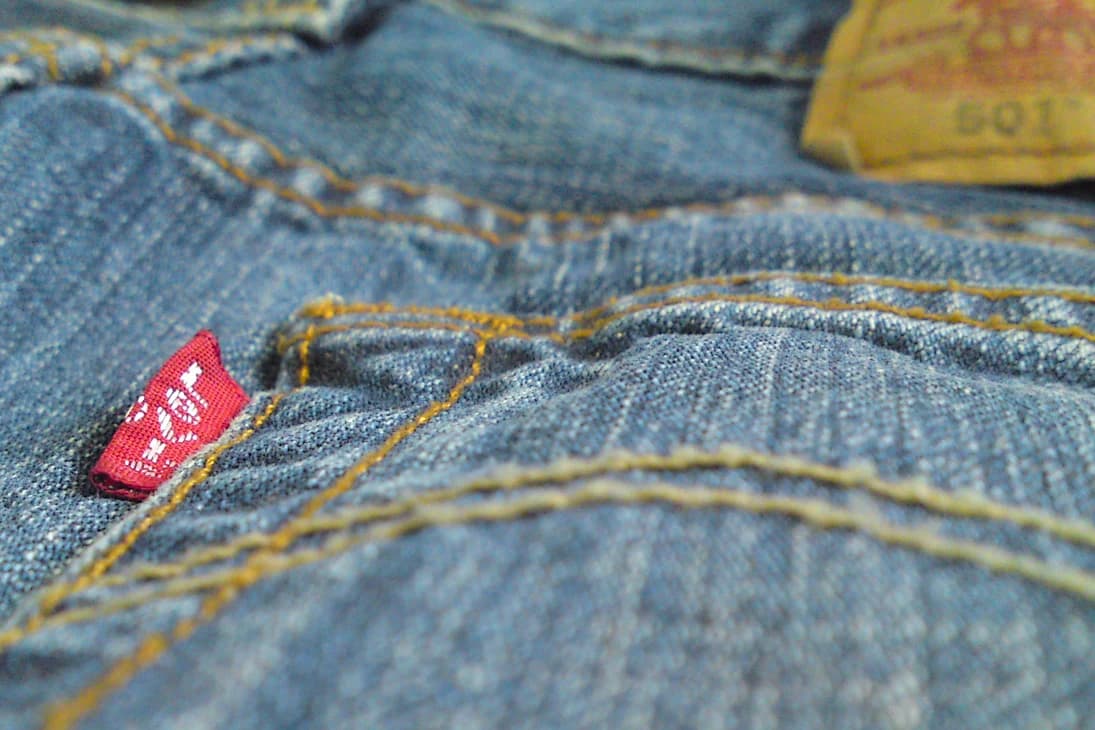
The familiar pockets of Levi’s 501 jeans contain a history of practical revisions. Recognising it makes a better starting point than chasing a vintage label.
Published 25 September 2026 · WHV · Public-source editorial note
A pair of 501s is almost too recognisable to examine. Start with the pockets instead of the name. The small front pocket and the two at the back were not all introduced at the same moment.
Familiar does not mean unchanged
Levi Strauss & Co.’s archive account traces the riveted-pocket patent to 1873, when the trousers had three front pockets and one at the back. The second back pocket arrived in 1901. Another company history describes the effort to stop exposed back-pocket rivets damaging furniture and saddles: concealment came in 1937, followed eventually by their replacement with reinforcement stitching.
That sequence is more interesting than a claim that the design has never changed. An enduring object can stay recognisable precisely because its makers revise the parts that cause trouble. It also explains why a detail on one old pair is evidence to investigate, not a shortcut to declaring every pair with a familiar label rare or valuable.
Begin with the pair you would wear
For everyday use, compare the actual cut, fabric composition, measurements and condition. A current pair and a historical pair serve different purposes, even if both carry the same model name. If buying vintage, ask for clear photographs of labels, seams, alterations and worn areas, then seek specialist help before paying for a claimed date or unusual variant. The most immediate value is a garment that belongs in your life and remains worth repairing. The archive adds understanding, not an automatic resale premium.
Source and context.
Levi Strauss & Co.: Pockets Full of History ↗
Levi Strauss & Co.: the history of concealed back-pocket rivets ↗
The historical sources are the manufacturer’s own accounts. No jeans have been inspected, dated or authenticated. The article does not establish equal construction across current variants or a financial case for vintage denim.
Source checked 25 September 2026. WHV interpretation is distinct from the source’s account.
Explore Denim & Everyday DesignFOLLOW YOUR CURIOSITY
Where this leads.
Different subjects. A reason to connect them.
Continue the idea
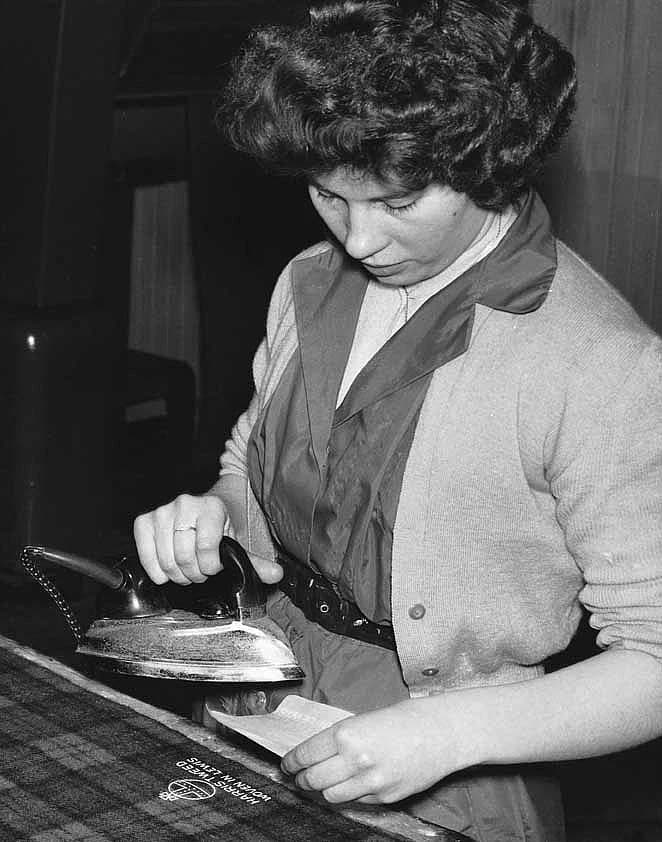
The place woven into the cloth.
Cloth provenance and garment construction answer different questions before a clothing purchase.
Textiles & Material Provenance
Read the story
Across the WHV world
A pen for the next bottle of ink.
Move from the garment you keep wearing to a writing tool whose care can become part of everyday use.
Writing Instruments & Daily Rituals
Read the story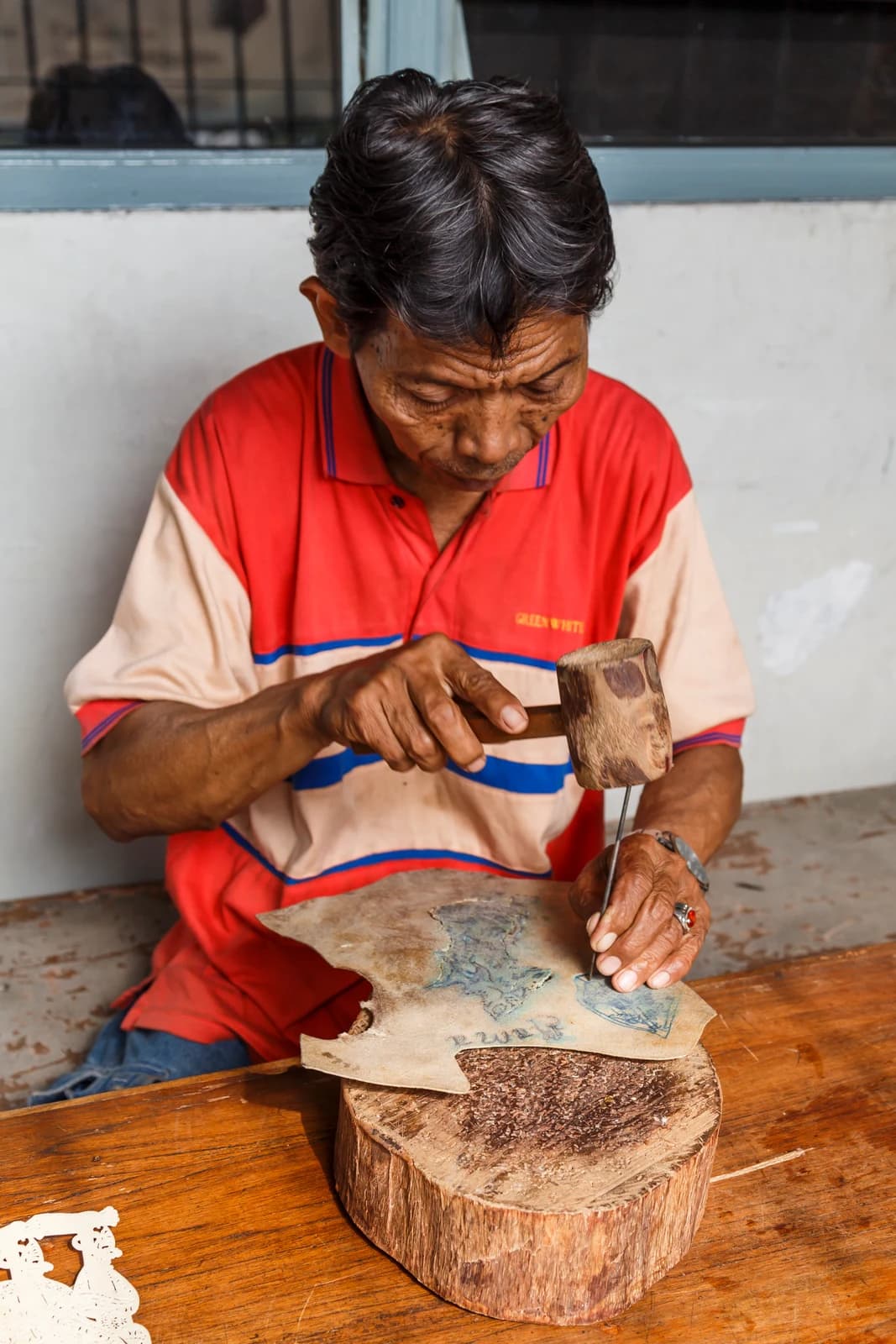
An unexpected connection
The object is only half the art.
Look beyond another familiar outline to the work and knowledge that give it meaning.
Shadow Puppets & Performing Traditions
Read the story