DISCOVERY / Synthesizers & Musical Instruments
An old keyboard with new sounds left.
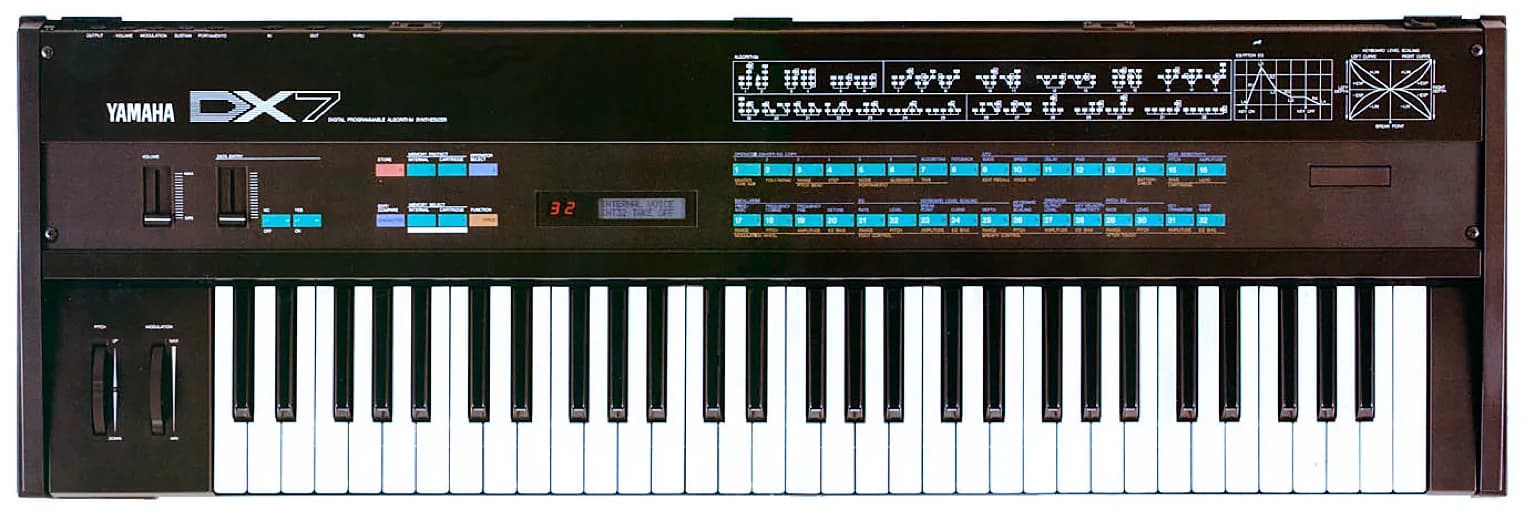
The Yamaha DX7 is often treated as the sound of the 1980s. Its more enduring idea is that a familiar machine can still be a place to invent.
Published 25 September 2026 · WHV · Public-source editorial note
A few notes can make an old synthesizer feel instantly familiar. With the Yamaha DX7, recognition can also become a trap. The instrument is not only a box containing sounds associated with another decade. It is a system for making sounds that have not yet been chosen.
An instrument is more than its presets
Yamaha dates the DX7 to 1983 and identifies its FM tone generator as the central innovation. Its collection record also points to programmable sounds, memory cartridges and MIDI connections. The company’s history explains the development of a system that let musicians edit digital sounds instead of only selecting presets. That distinction is the reason to look beyond the instrument’s familiar voices.
The enduring value is creative capability. You might explore a change in a tone’s attack, learn why a sound responds to your playing or build a patch that suits a piece of music. None of that requires believing that old electronics are inherently better than current instruments. A modern alternative may be the more practical choice for a particular musician.
Play the keyboard before buying the history
If considering an original DX7, have its keys, display, controls, audio output and connections demonstrated. Ask about service work and the reliability of stored sounds, and identify a competent electronics specialist before accepting a fault as an easy repair. Listen and play rather than choosing from photographs alone. The rewarding ownership case begins with music you want to make, supported by a working machine and intelligible documentation, not a prediction about the future price of a familiar name.
Source and context.
Yamaha Innovation Road: the DX7, introduced in 1983 ↗
Yamaha: FM tone generators and programmable digital sounds ↗
Sound On Sound: interviews with the people behind FM and the DX7 ↗
No instrument has been played, inspected or valued. Historical Yamaha documentation is not evidence of current factory repairs or parts availability. The article makes no claim that analogue or vintage equipment is inherently superior.
Source checked 25 September 2026. WHV interpretation is distinct from the source’s account.
Explore Synthesizers & Musical InstrumentsFOLLOW YOUR CURIOSITY
Where this leads.
Different subjects. A reason to connect them.
Continue the idea
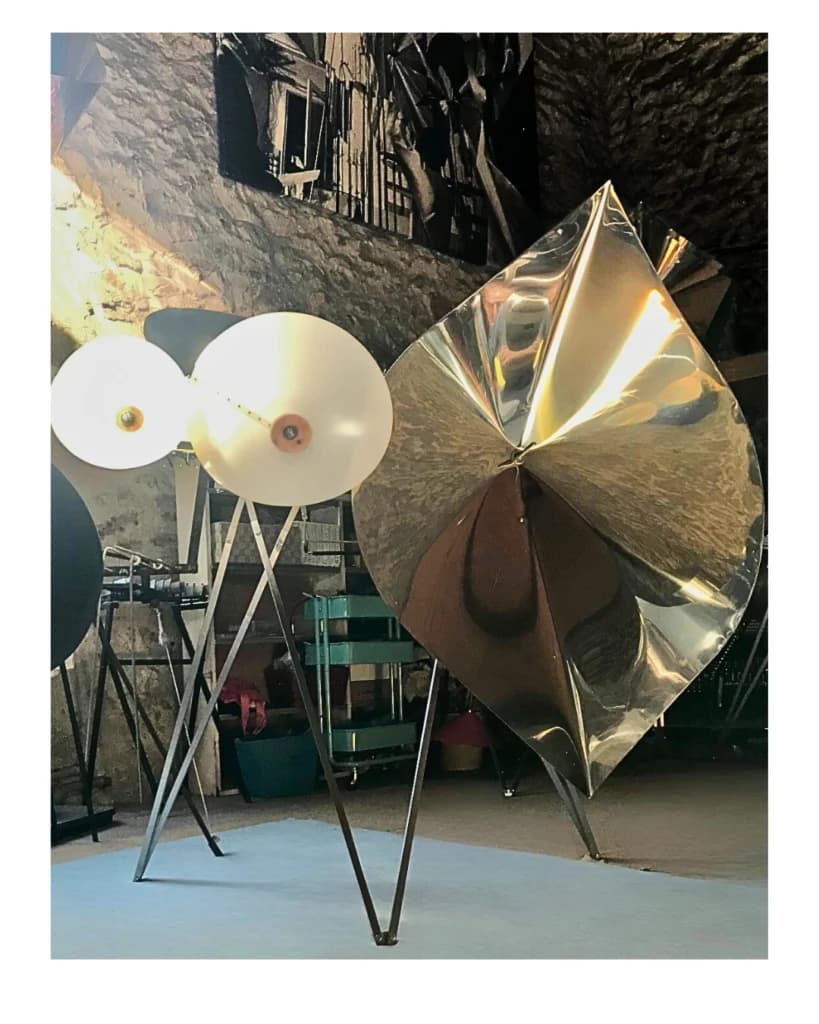
A sculpture you play with wet fingers.
Compare digital sound-making with an acoustic instrument whose unusual form has a precise job.
Musical Instruments & Acoustic Sculpture
Read the story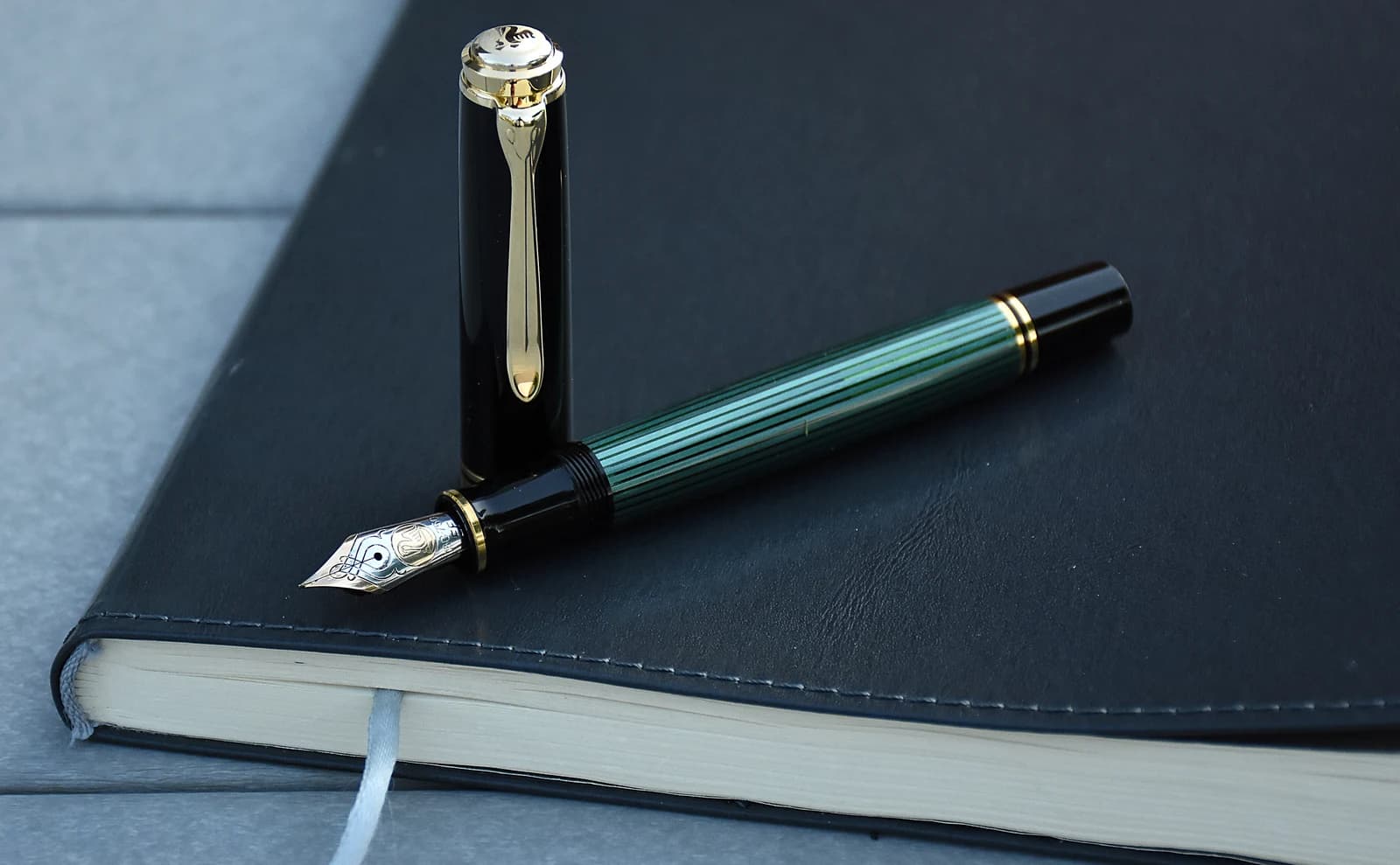
Across the WHV world
A pen for the next bottle of ink.
Another creative tool makes fit, maintenance and actual use more important than a prestigious model name.
Writing Instruments & Daily Rituals
Read the story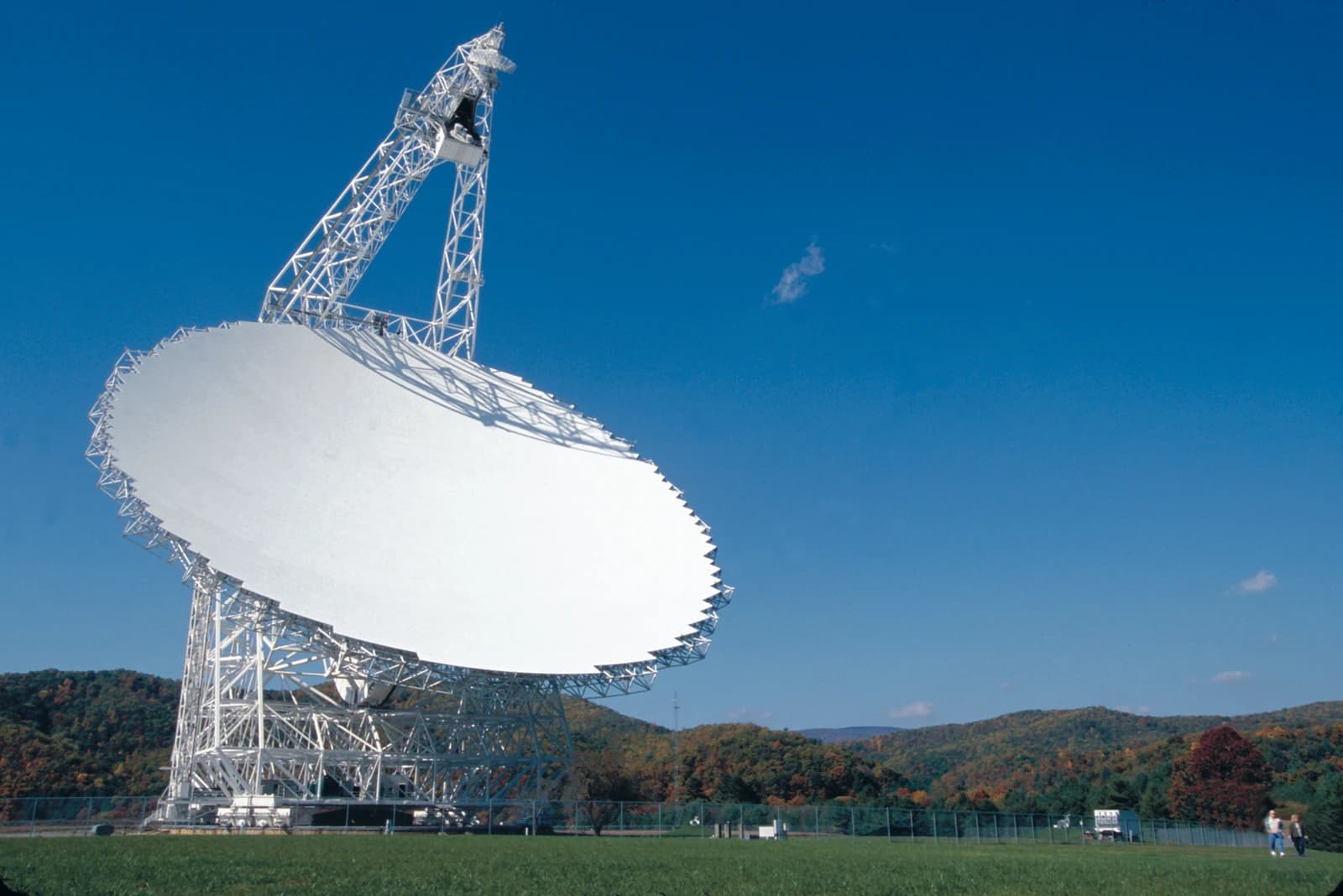
An unexpected connection
A place that makes room for listening.
Change scale from making a sound to protecting the conditions needed to detect a faint signal.
Science & Learning Journeys
Read the story