DISCOVERY / Authored Furniture
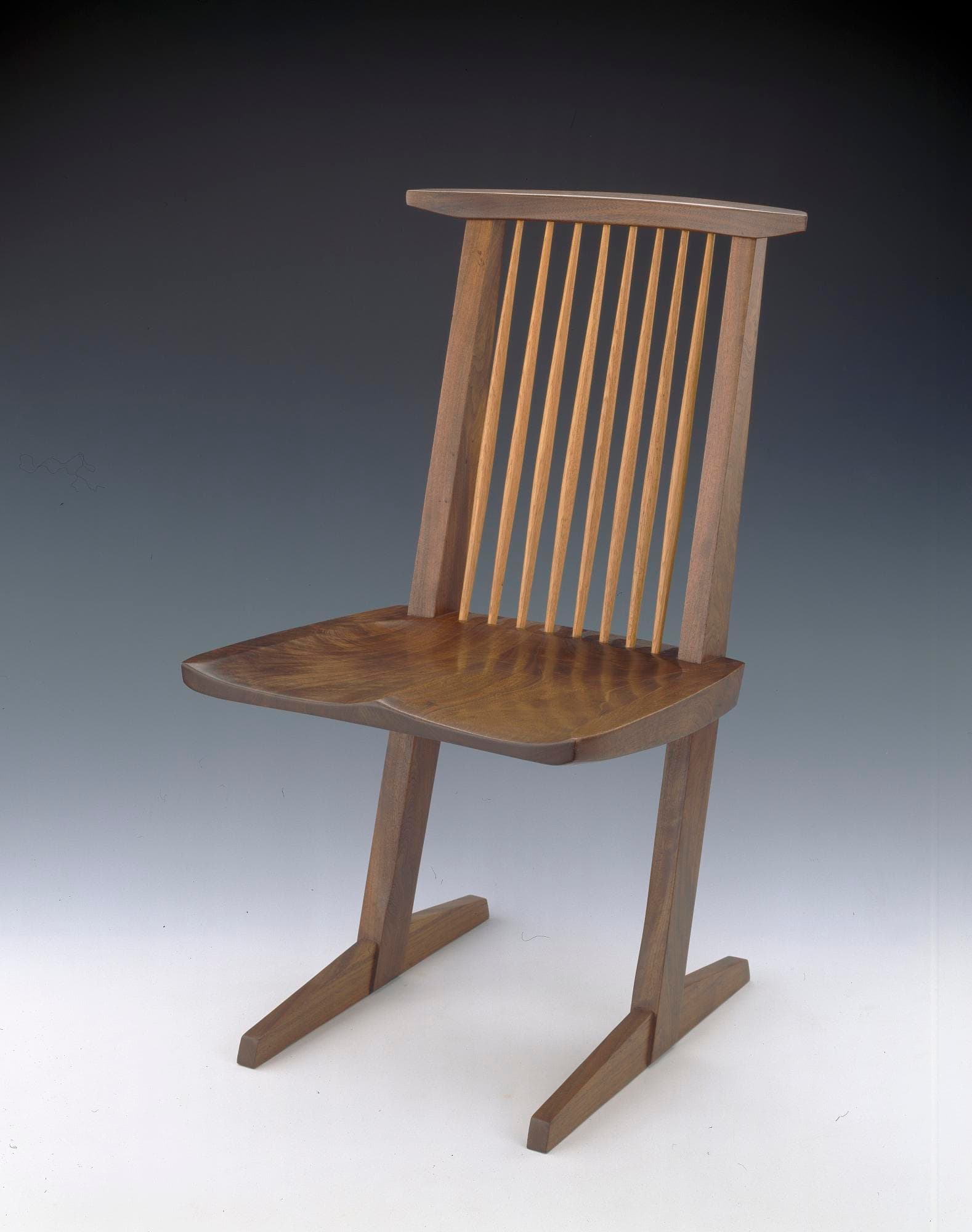
The chair with an order card.
A Nakashima chair invites two kinds of looking: at the wood itself, and at the record of its making.
Published 13 September 2026 · WHV · Public-source editorial note
The 1971 Conoid Chair at the Smithsonian American Art Museum looks direct and almost inevitable. A walnut slab forms the seat. Slender hickory spindles support the back. The construction grows from the same thinking that shaped George Nakashima’s workshop buildings.
A recognisable shape is not enough
That appearance has become widely imitated. Resemblance alone cannot establish who made a chair, when it was produced or whether later work has changed it. The individual object needs an identity that extends beyond the search result it resembles.
The Nakashima Foundation describes a useful form of evidence. Its archive can locate original order records from the early 1950s onward and, when a record is confirmed, provide a copy of the order card and official authentication. The living workshop also offers repair and refinishing based on its established specifications.
Two meanings of value
What holds value is both visible and documentary. The wood, proportions and joinery make the experience. The order record, ownership history and honest account of repairs make the attribution more defensible. The workshop correctly distinguishes replacement value from the price a vintage piece might achieve on the secondary market.
For an individual chair, photograph every side and underside before intervention. Record inscriptions, dimensions, wood, finish and known owners. Ask whether the archive contains the original commission. A new finish may make a chair pleasant to use again, but the scope and authorship of that work should remain part of its history.
Source and context.
Smithsonian American Art Museum: Conoid Chair, 1971 ↗
Nakashima Foundation: furniture authentication ↗
George Nakashima Woodworkers: restoration and care ↗
A method for reading authorship and care, not authentication of a privately owned chair. The Smithsonian object is not for sale, and services offered by the related foundation and workshop are not independent market valuations.
Source checked 13 September 2026. WHV interpretation is distinct from the source’s account.
Explore Authored FurnitureFOLLOW YOUR CURIOSITY
Where this leads.
Different subjects. A reason to connect them.
Continue the idea
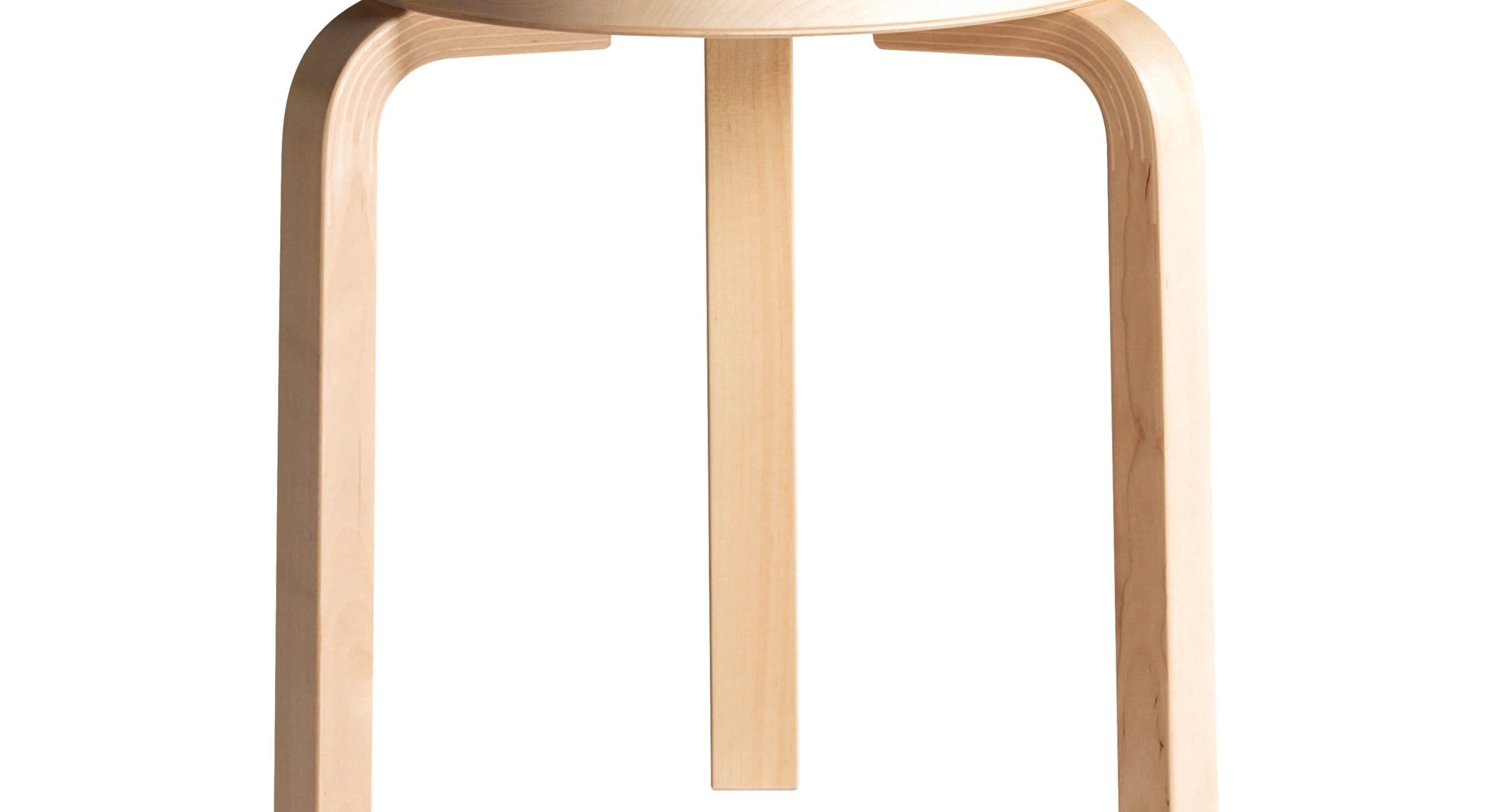
The stool built from one bend.
Two chairs show how construction, authorship and continued use can support a durable design.
Art & Design
Read the story
Across the WHV world
Before you call it a first edition.
Archive records and bibliography both test whether a familiar-looking object is what it claims to be.
Rare Books
Read the story
An unexpected connection
The house that needs its caretakers.
Take the question of authentic repair from one chair to an entire authored building.
Homes & Architecture
Read the story