DISCOVERY / Wood Mosaic & Decorative Arts
The picture inside the wood.
Tunbridge ware builds images from small pieces of wood rather than painting them onto a surface. A nineteenth-century watch box turns that technique into something unexpectedly useful.
Published 27 October 2026 · WHV · Public-source editorial note
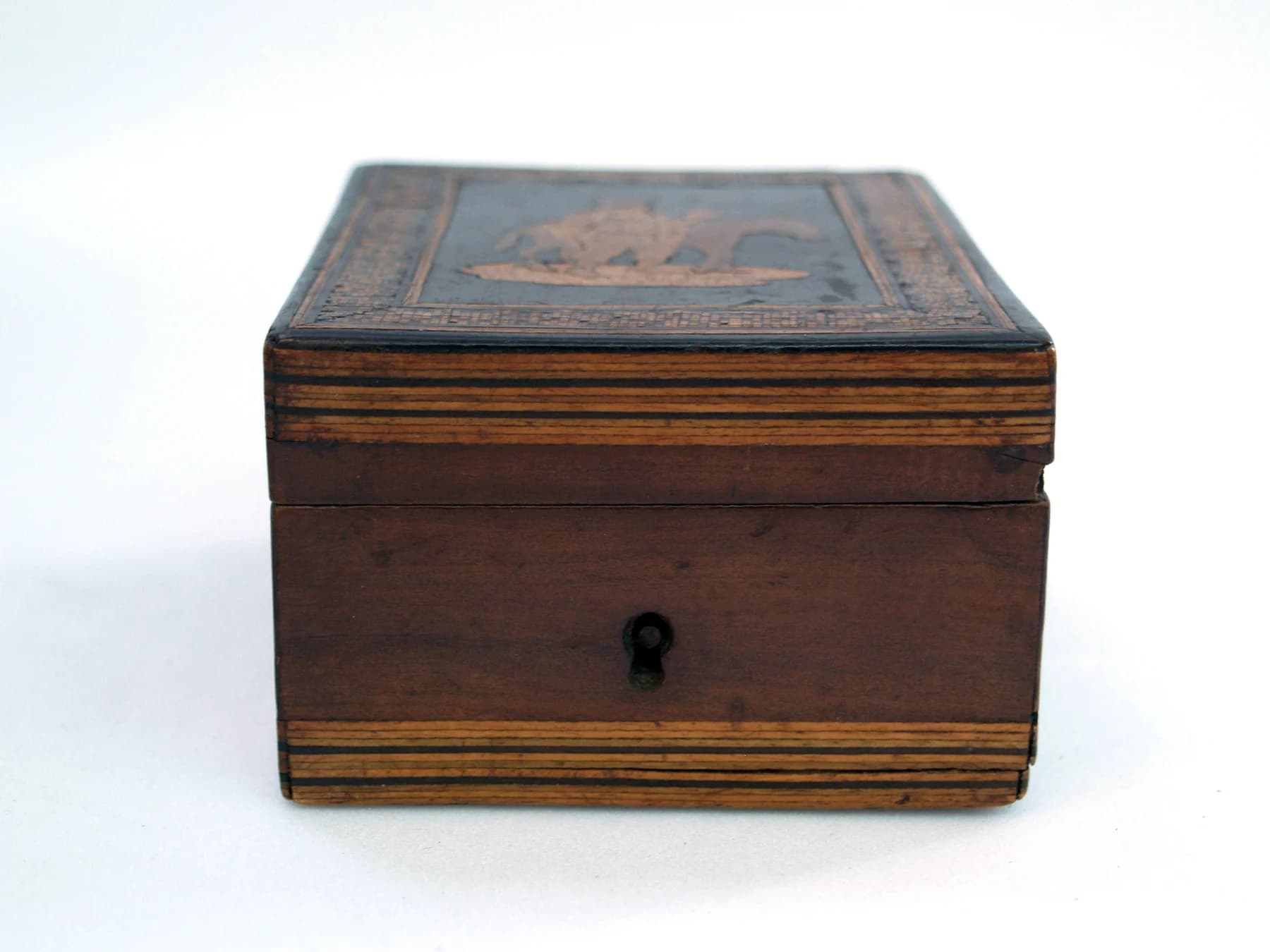
At first glance, the little scene on the lid might be a printed picture. Look again and the image belongs to the wood. Tunbridge ware turns tiny material differences into a mosaic, bringing astonishing detail to boxes that were made to be handled rather than seen only across a gallery.
The image is assembled, not painted
BADA describes a technique in which shaped pieces of differently coloured wood are assembled into blocks and sliced to produce patterned veneers. The resulting strips and images decorate useful objects. The name comes from a regional industry associated with Tunbridge Wells and Tonbridge, not from one universal maker whose signature can be assumed on every example.
Auckland Museum’s nineteenth-century watch box makes the connection between ornament and use particularly clear. A man riding a donkey appears on the lid. Inside, a hinged support with a circular opening holds a pocket watch, allowing the box to become a small stand. The interest is not simply that the object is old. It combines an exacting picture-making process with a compact domestic function.
A small box with two jobs
Start by examining documented examples, including The Amelia’s collection, before buying an attributed piece. Look for lifting veneer, missing mosaic, altered interiors and repairs that change the pattern. Ask for a specific basis for any maker or date attribution. The museum box has no identified maker in the cited record and is not offered for sale. Its documentation helps explain the technique, but it cannot lend provenance or a valuation to another box.
Source and context.
BADA: Tunbridge ware and its wood-mosaic construction ↗
The Amelia: Workroom Gallery and the Tunbridge ware collection ↗
Auckland Museum collection photograph and institutional object metadata: NM3.9737 ↗
The photograph shows Auckland Museum object NM3.9737, a nineteenth-century pocket-watch box of unidentified maker. It is historical context, not a retail offer or evidence of the condition of another example.
Source checked 27 October 2026. WHV interpretation is distinct from the source’s account.
Explore Wood Mosaic & Decorative ArtsFOLLOW YOUR CURIOSITY
Where this leads.
Different subjects. A reason to connect them.
Continue the idea
The geometry you can hold.
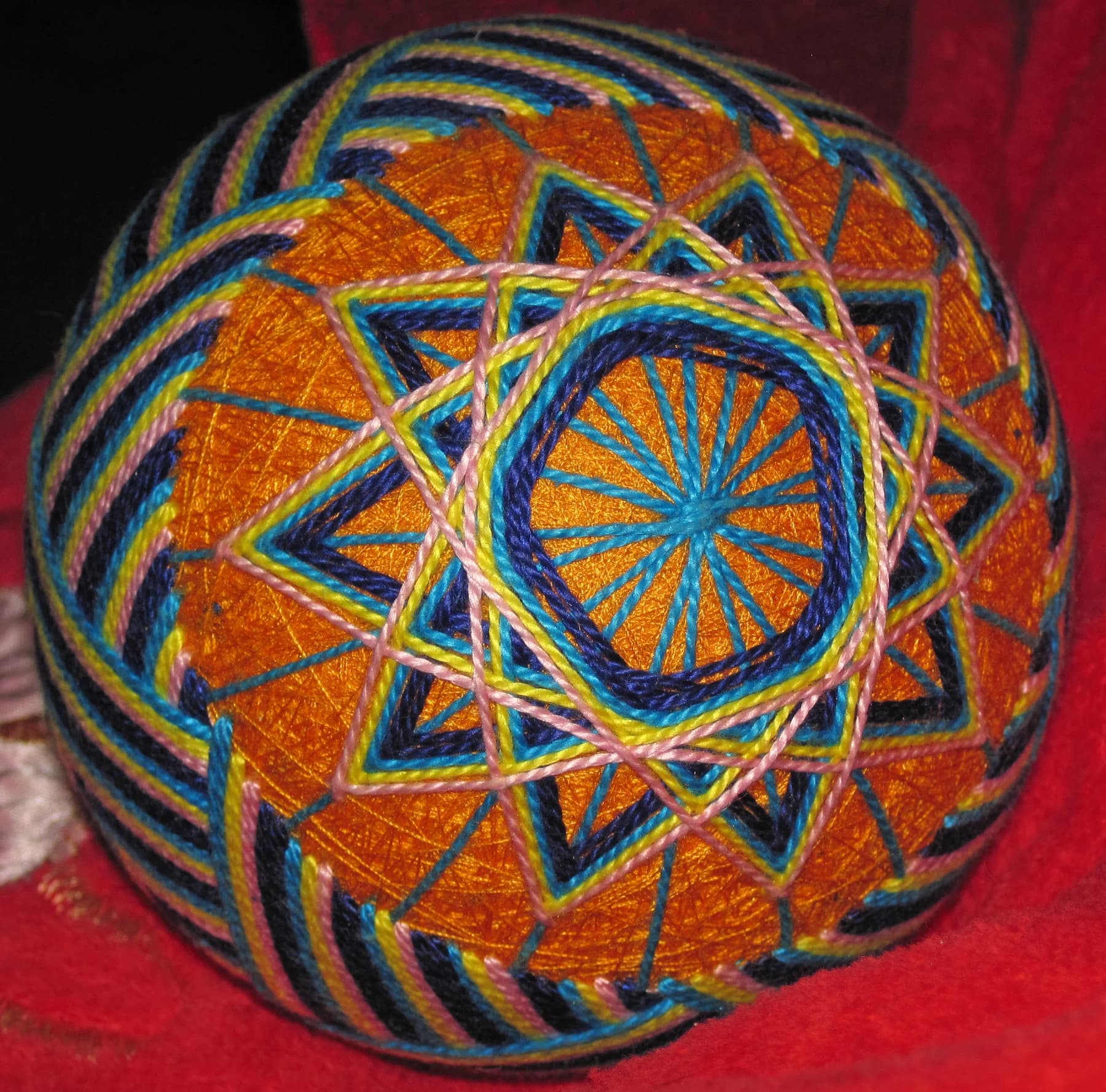
Another small object turns exacting material decisions into a pattern that rewards unusually close looking.
Textile Art & Geometric Craft
Read the story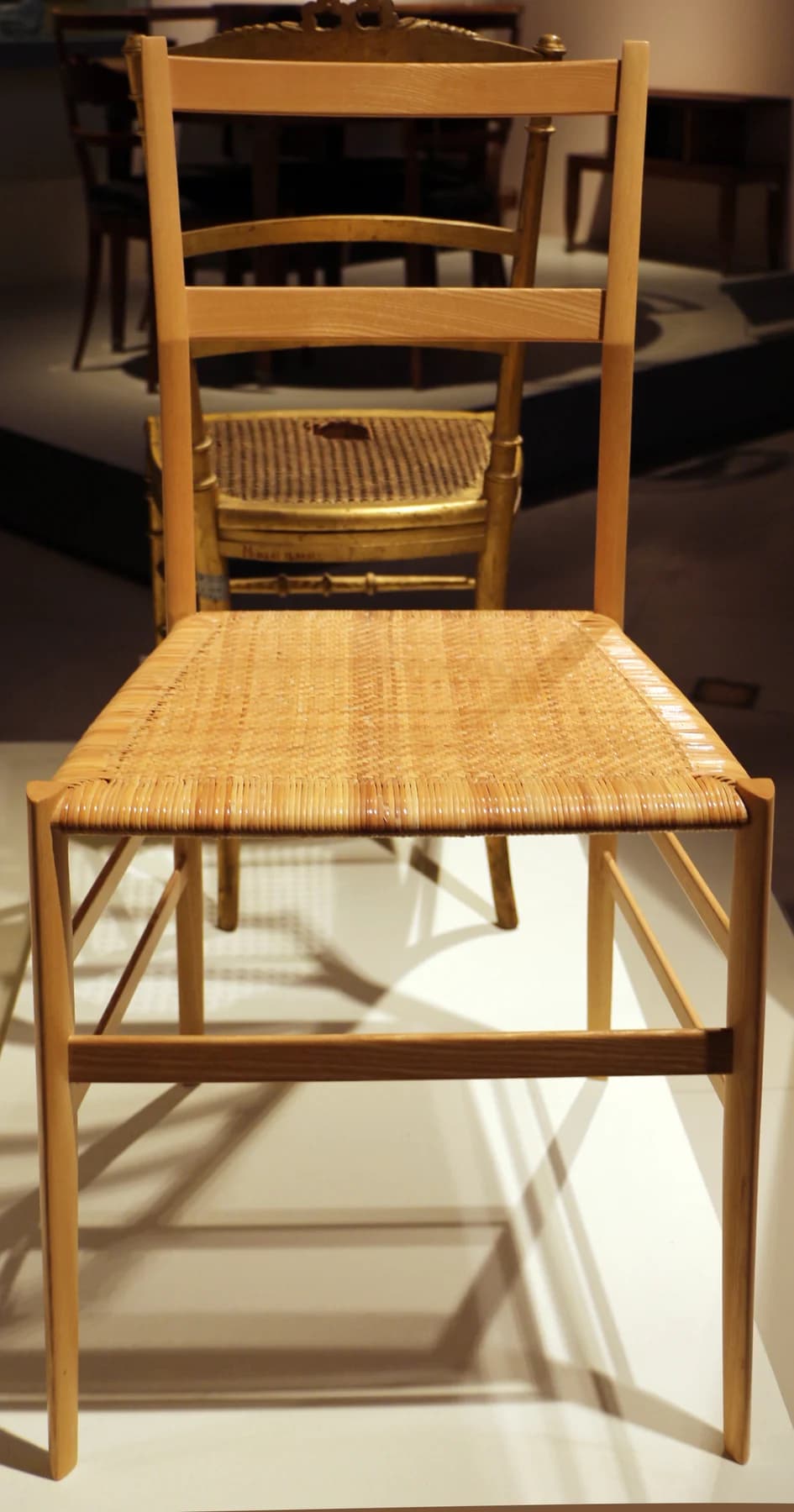
Across the WHV world
The weight that is not there.
Wood offers a different kind of intelligence when structure, rather than an inlaid picture, becomes the main event.
Furniture & Structural Elegance
Read the story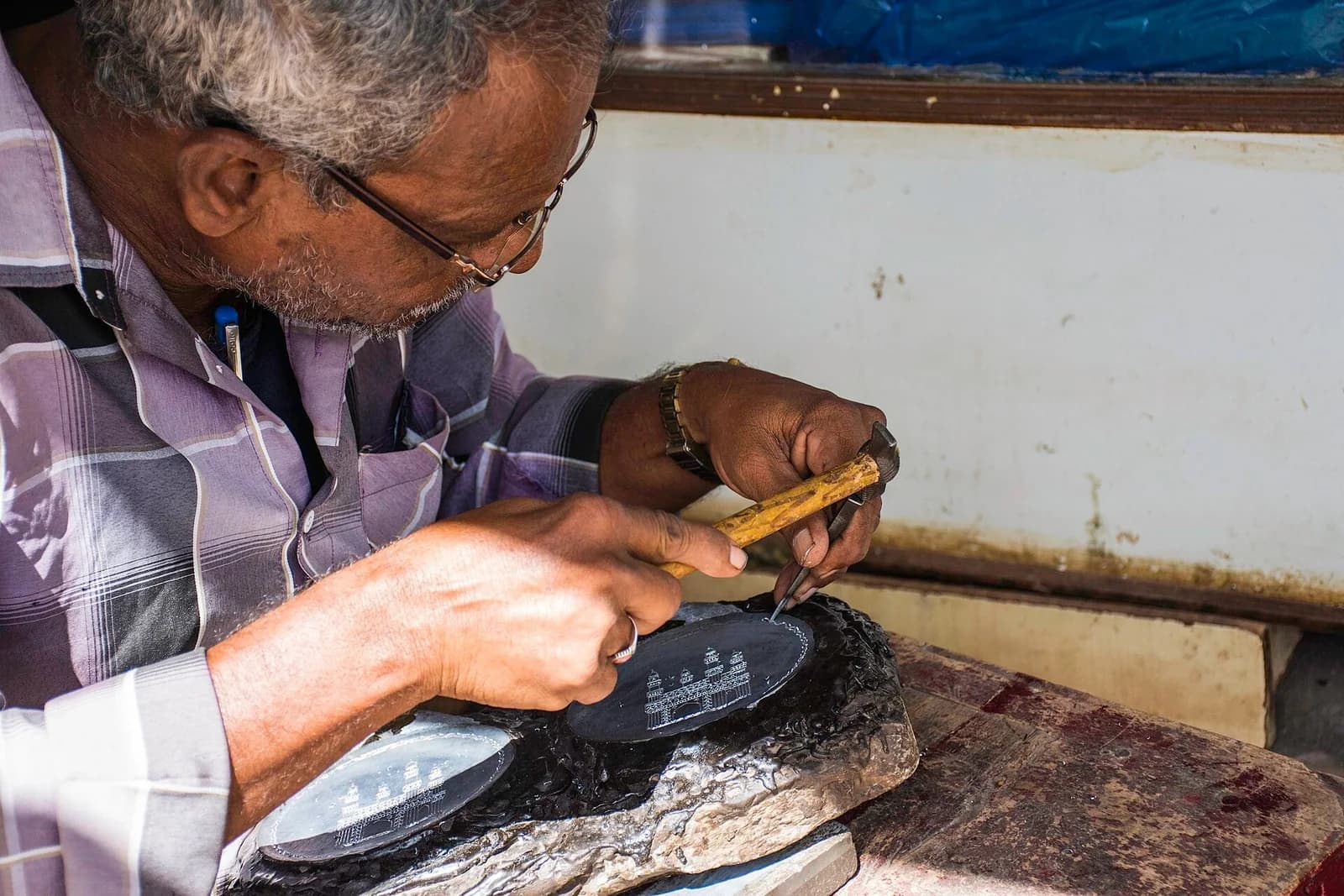
An unexpected connection
The silver is not the whole story.
Compare wood mosaic with metal inlay and another decorative technique whose effect depends on more than the visible motif.
Metal Inlay & Material Transformation
Read the story