DISCOVERY / Scientific Glass Models & Close Observation
The flowers were made for learning.
Harvard’s Glass Flowers are not merely convincing ornaments. Leopold and Rudolf Blaschka made botanical models that could keep a plant’s structure available for study after its flowering season had passed.
Published 21 October 2026 · WHV · Public-source editorial note
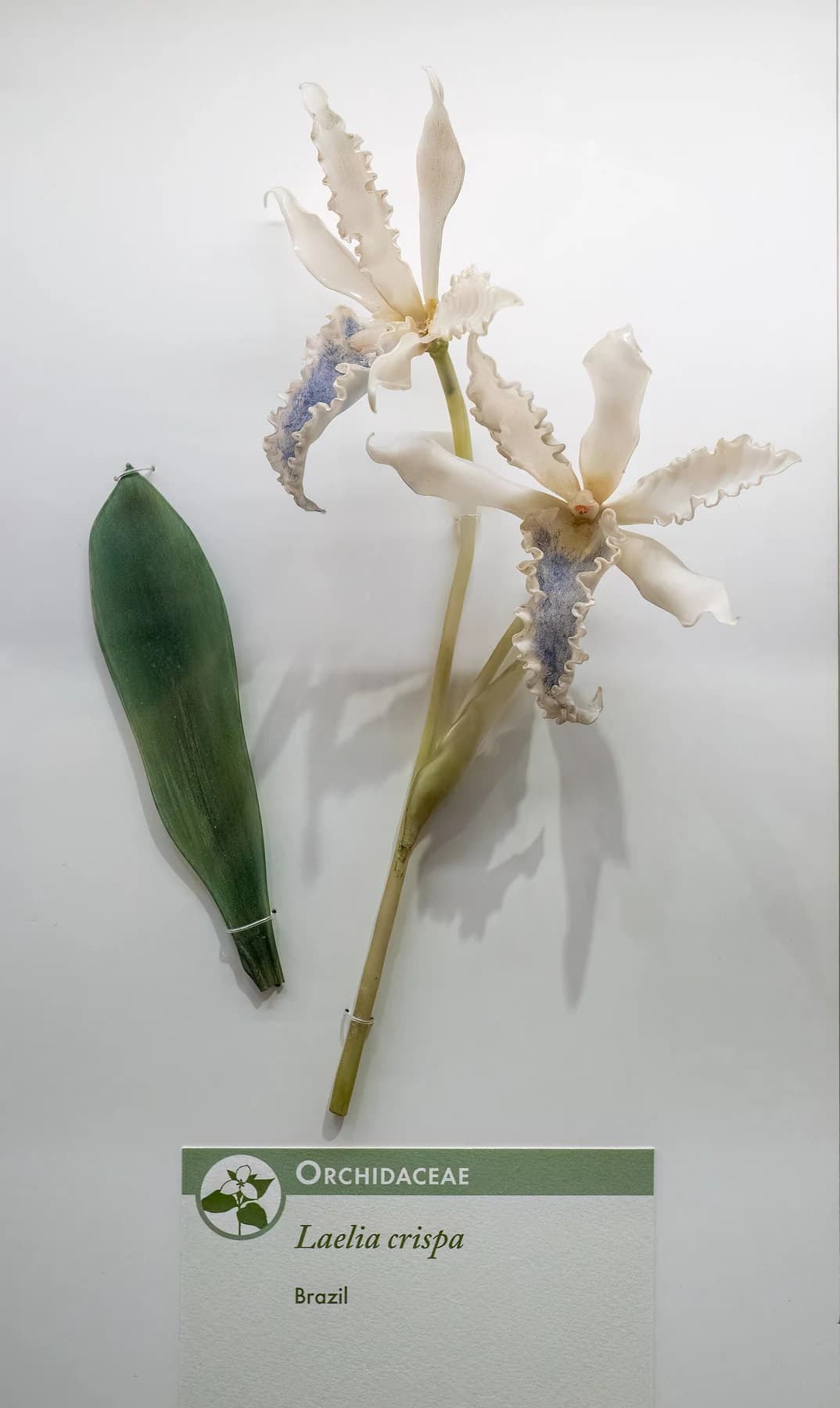
A flower normally offers a limited appointment. At Harvard’s Glass Flowers gallery, a botanical structure can remain available long after the actual plant has finished blooming. Leopold and Rudolf Blaschka’s models were made for teaching, and their extraordinary resemblance to living material served a practical intellectual purpose.
A flower that stays available
The father and son worked near Dresden, producing the collection across the late nineteenth and early twentieth centuries. Harvard explains that glass rods and tubes were softened in a flame, shaped into parts and assembled. Enlarged details allowed structures too small for easy observation to become legible alongside life-size plants.
The most revealing discovery is that glass does not tell the whole material story. The museum’s conservation account identifies internal wire, pigments, animal glue and other organic surface treatments. Some later colours used glass enamels. These differences matter because humidity, light and the behaviour of coatings can damage an object that looks as if it should simply last unchanged behind a display case.
Beautiful does not mean maintenance-free
General museum admission includes the gallery. Spend time with one model before trying to see the whole collection, comparing the familiar shape with its enlarged anatomical details. The photograph shows a glass Laelia crispa, not a living orchid or a contemporary replica. What stays valuable is the connection between looking closely and learning. The craft keeps knowledge visible, while ongoing conservation keeps that visibility possible for another generation of students and visitors.
Source and context.
Harvard Museum of Natural History: Glass Flowers and visiting the gallery ↗
Harvard: the making, mixed materials and continuing conservation of the models ↗
This is an account of a public museum encounter, not a sale recommendation or a WHV visit. Historical models include mixed materials and later conservation. The photographed orchid is one model, not a claim that every collection object is currently displayed.
Source checked 21 October 2026. WHV interpretation is distinct from the source’s account.
Explore Scientific Glass Models & Close ObservationFOLLOW YOUR CURIOSITY
Where this leads.
Different subjects. A reason to connect them.
Continue the idea
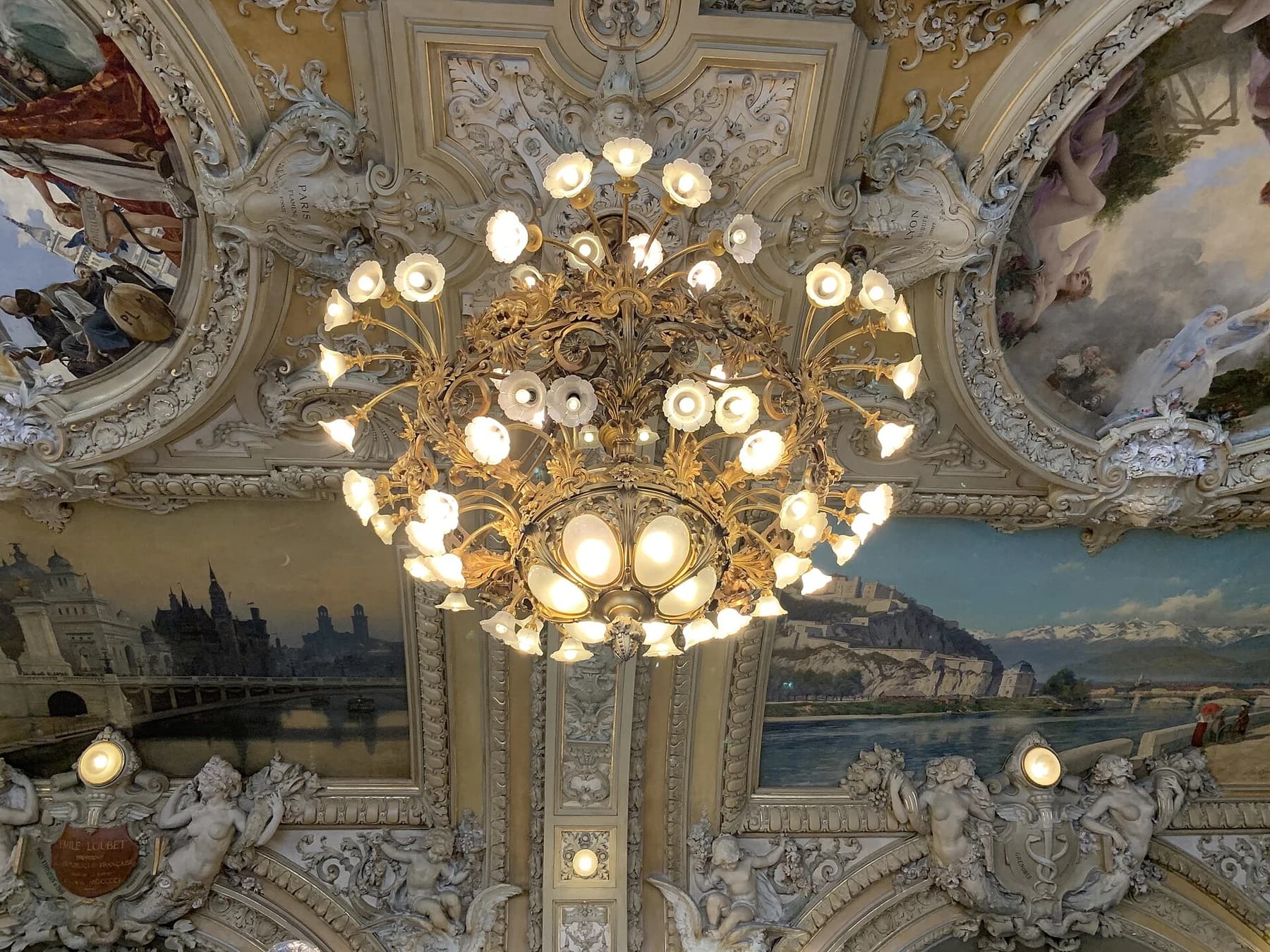
The station still sets a table.
A working restaurant offers a different encounter in which historical material continues to serve people in the present.
Railway Dining & Living Interiors
Read the story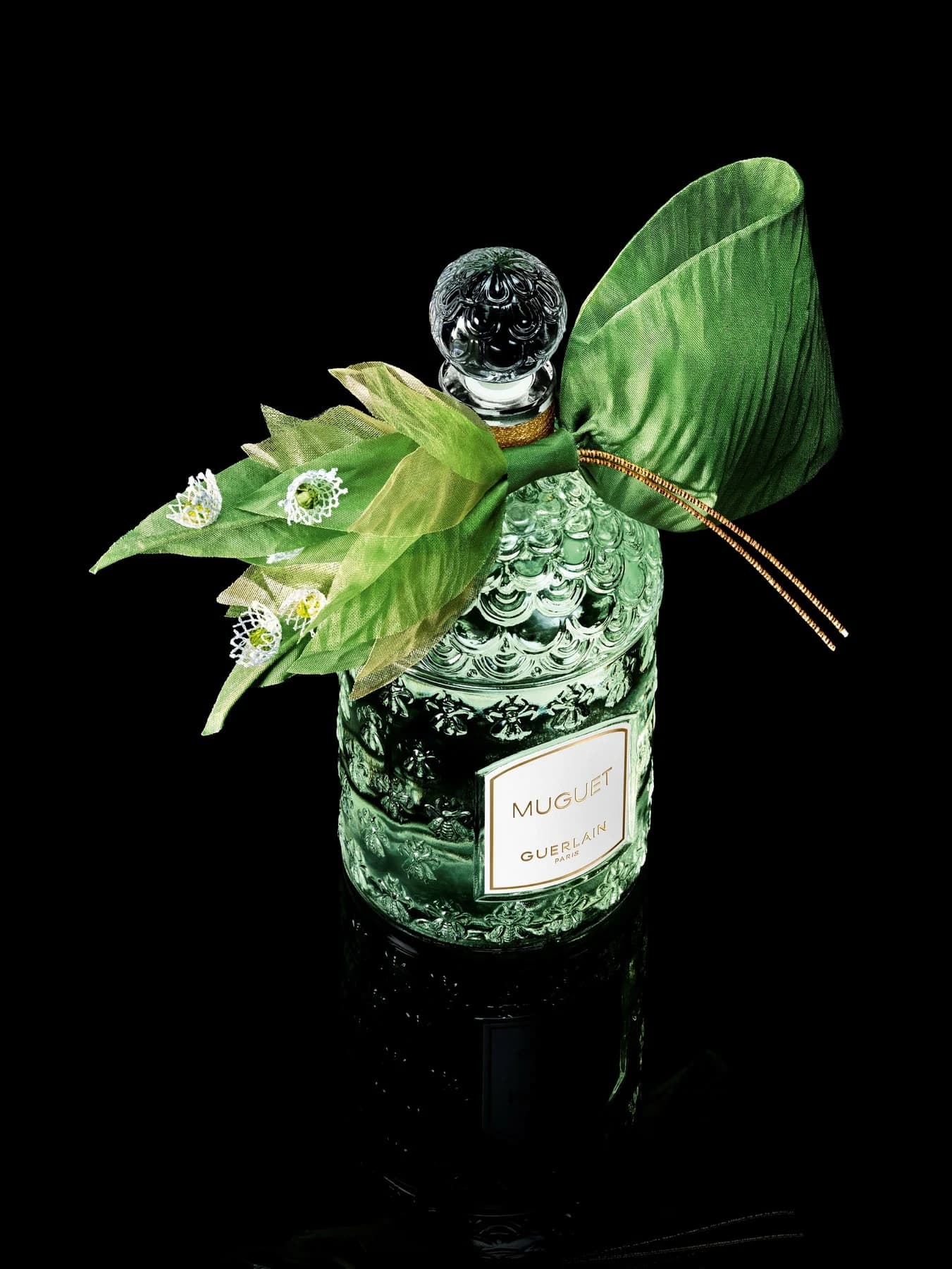
Across the WHV world
A flower made twice.
Move from botanical teaching models to two other ways a flower can be translated into material and sensory experience.
Perfumery & Contemporary Embroidery
Read the story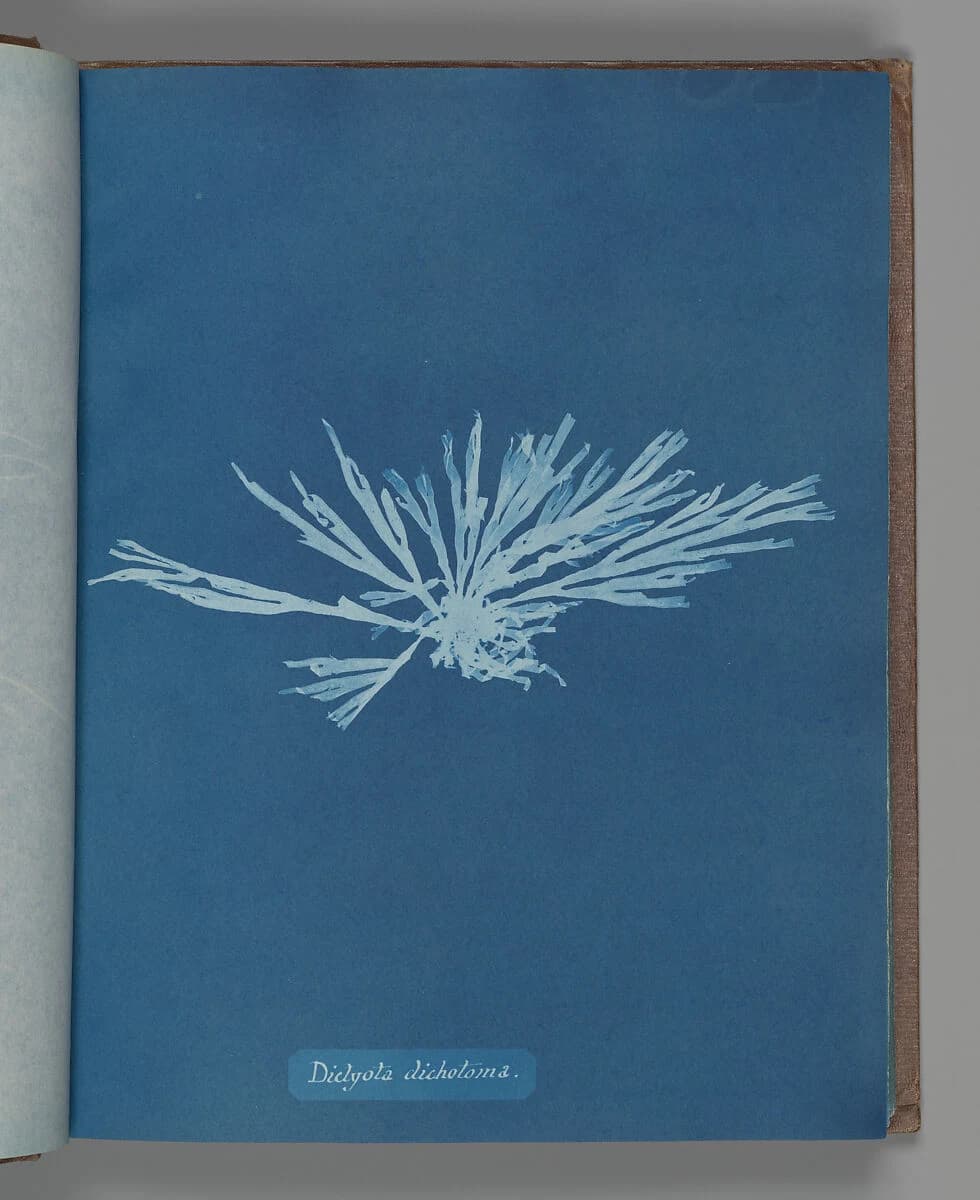
An unexpected connection
A seaweed album made with sunlight.
A botanical image made through light reveals another meeting of scientific observation and exceptional visual craft.
Photography & Scientific Archives
Read the story