DISCOVERY / Ceramic Art & Living Workshop Knowledge
The third firing that changes the light.
Deruta’s lustre maiolica adds another transformation after the glazed object seems complete. The historical plate is a starting point for understanding a technique still taught and practised.
Published 22 October 2026 · WHV · Public-source editorial note
A glazed plate might appear to be finished. In lustre maiolica, another transformation is still possible. Metallic compounds and a carefully controlled firing give the surface an iridescent response to light, making the object more than a painted design fixed beneath a transparent coating.
The surface is another firing problem
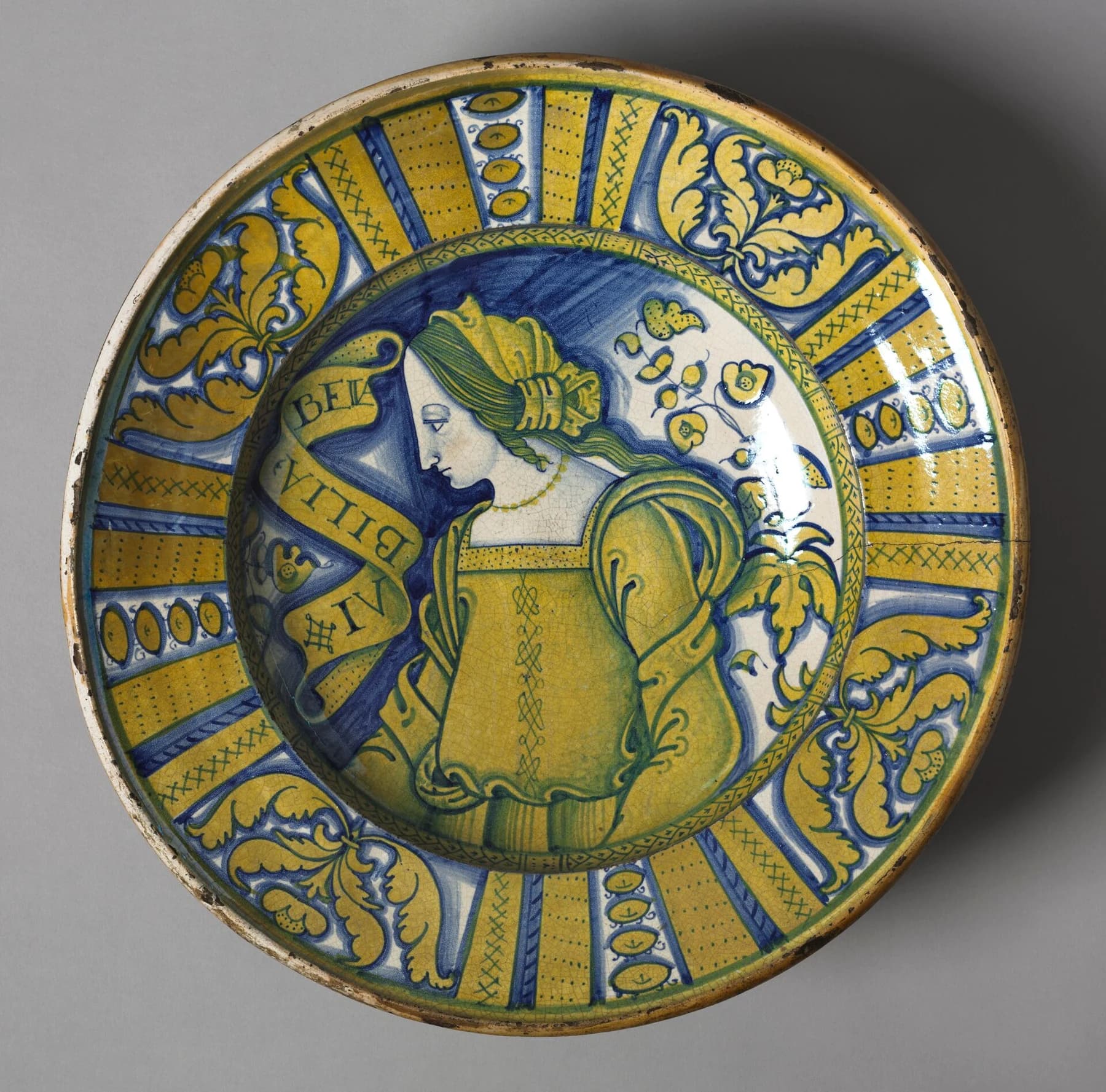
The Bella Donna Charger in Cleveland’s collection is attributed to Deruta and dated around 1520–30. Its yellow and blue decoration belongs to a town with a substantial ceramic history. Regione Umbria’s account of the Ubaldo Grazia factory museum describes the lustre process through metallic salts and a third firing with restricted oxygen, and documents its later revival within the workshop tradition.
The lasting value is not a claim that every decorated plate from Deruta is important. It is the survival of a difficult relationship between material, atmosphere and judgement. The local Romano Ranieri school offers routes into ceramic making and decoration. Historical examples become useful evidence when they lead the reader towards living skills rather than only a distant museum cabinet.
Follow the technique into the workshop
Study the museum object, then investigate a workshop visit or course before buying a contemporary piece. Ask who made it, which techniques were used and whether it is intended for display or food contact. A modern work can be valuable on its own terms without pretending to be Renaissance. For antiques, attribution, condition and restoration need specialist assessment that an attractive photograph cannot supply.
Source and context.
Cleveland Museum of Art: Bella Donna Charger, Deruta, c. 1520–30 ↗
Regione Umbria: Ubaldo Grazia factory museum and lustre technique ↗
Romano Ranieri ceramics school: current teaching and courses ↗
The pictured object is Cleveland’s historical charger, not contemporary workshop stock. The museum’s current c. 1520–30 dating takes precedence over older image metadata. Lustre is not proof of antiquity or food safety.
Source checked 22 October 2026. WHV interpretation is distinct from the source’s account.
Explore Ceramic Art & Living Workshop KnowledgeFOLLOW YOUR CURIOSITY
Where this leads.
Different subjects. A reason to connect them.
Continue the idea
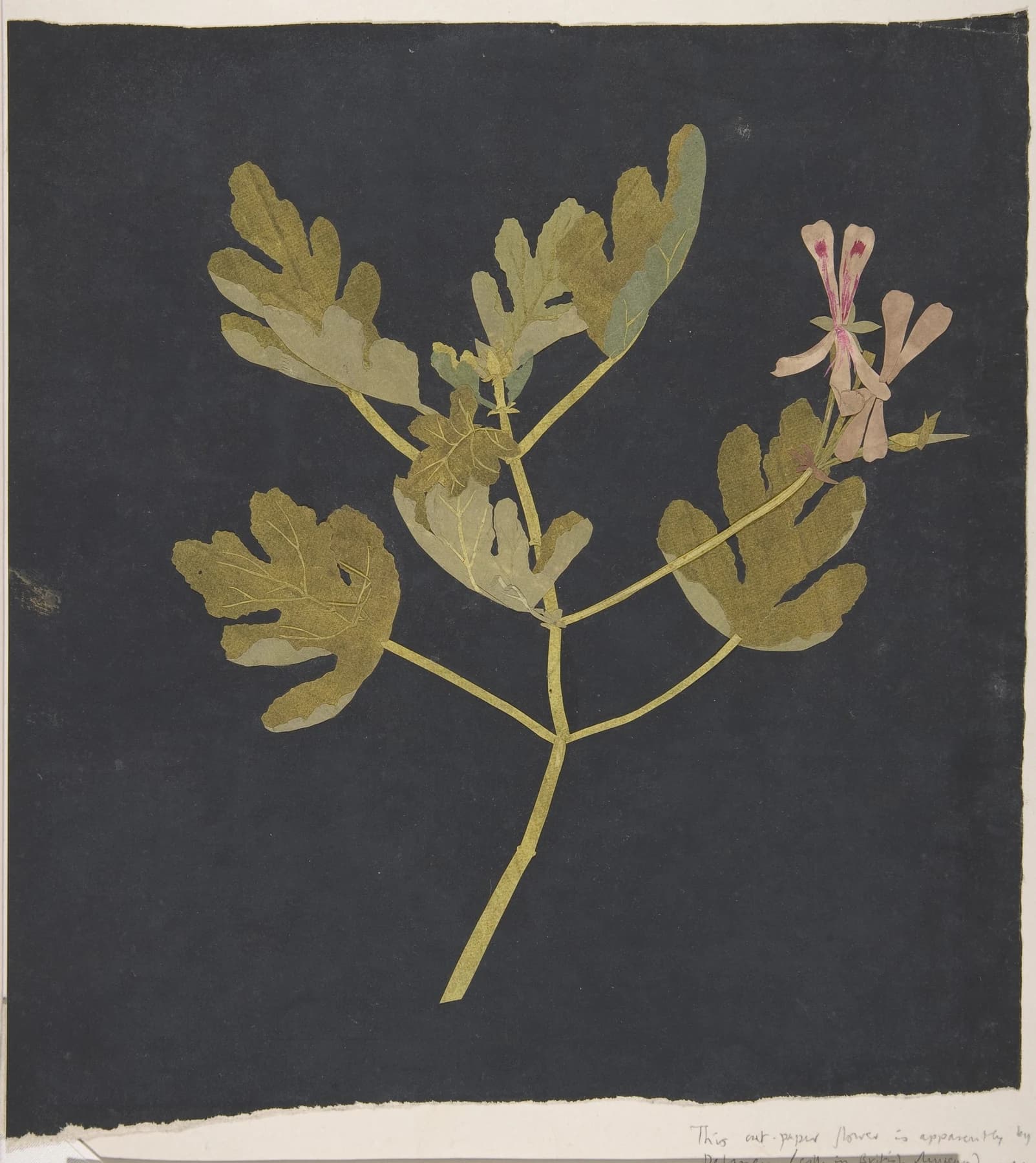
She built the flower from paper.
A botanical collage provides another object whose appearance becomes more interesting once its construction is understood.
Botanical Art & Close Observation
Read the story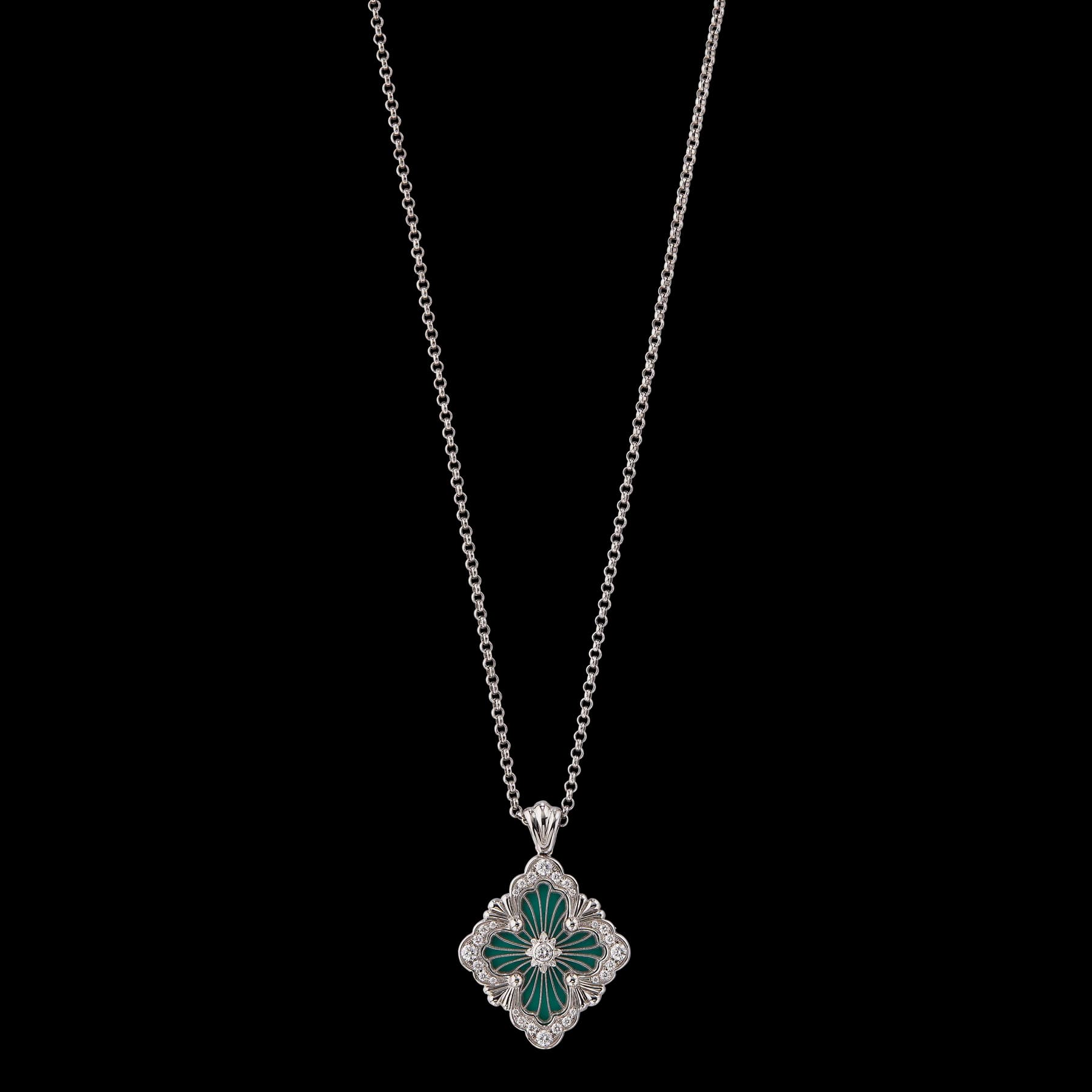
Across the WHV world
When platinum behaves like lace.
Contemporary jewellery takes the inquiry into fine metalwork and the spaces that make a surface come alive.
Jewellery & Fine Metalwork
Read the story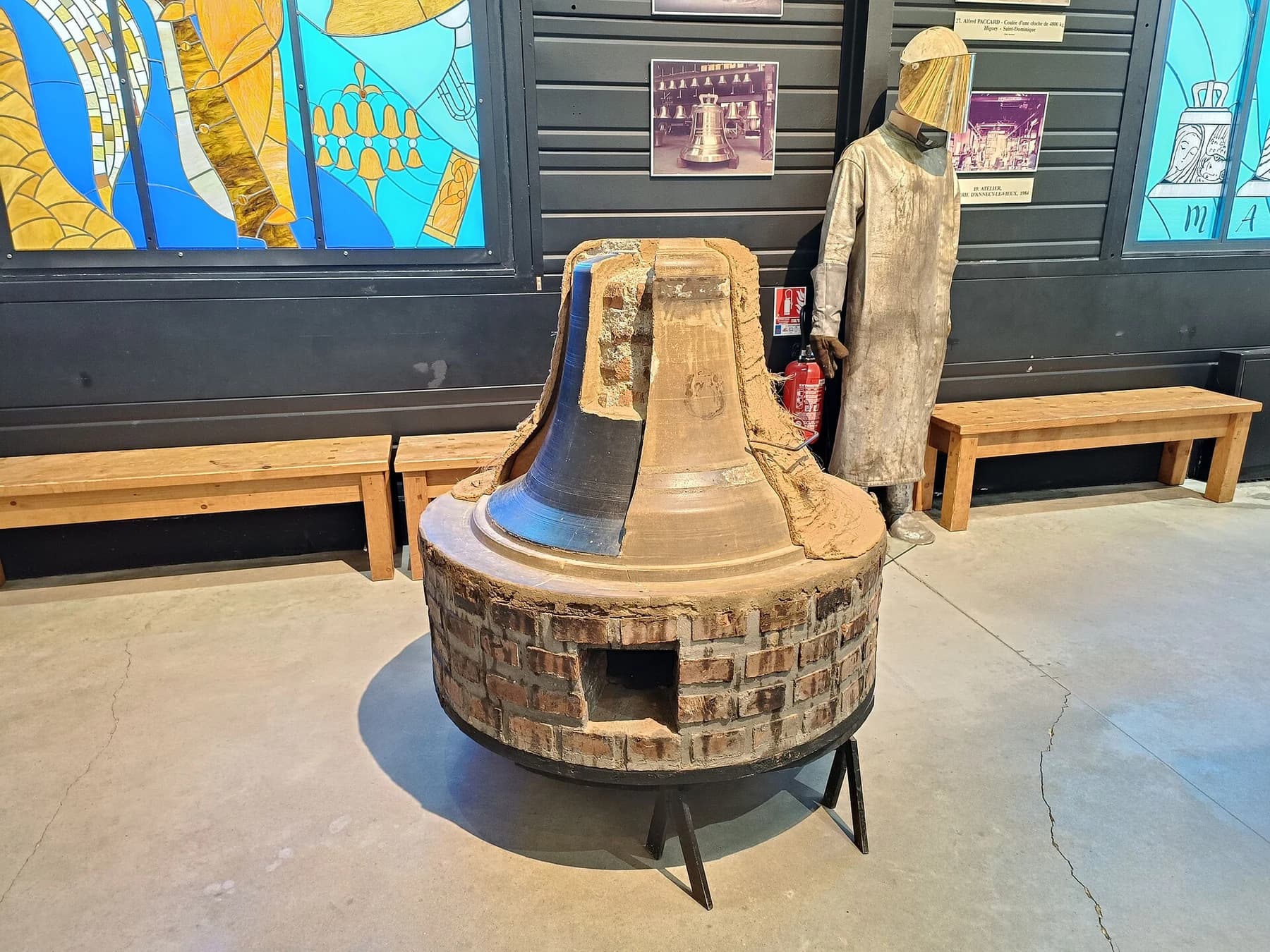
An unexpected connection
The work inside a bell’s voice.
A bell foundry provides a further route into specialist knowledge that depends on controlling material transformations.
Living Workshops & Musical Craft
Read the story