Selection
A chair with a way back.
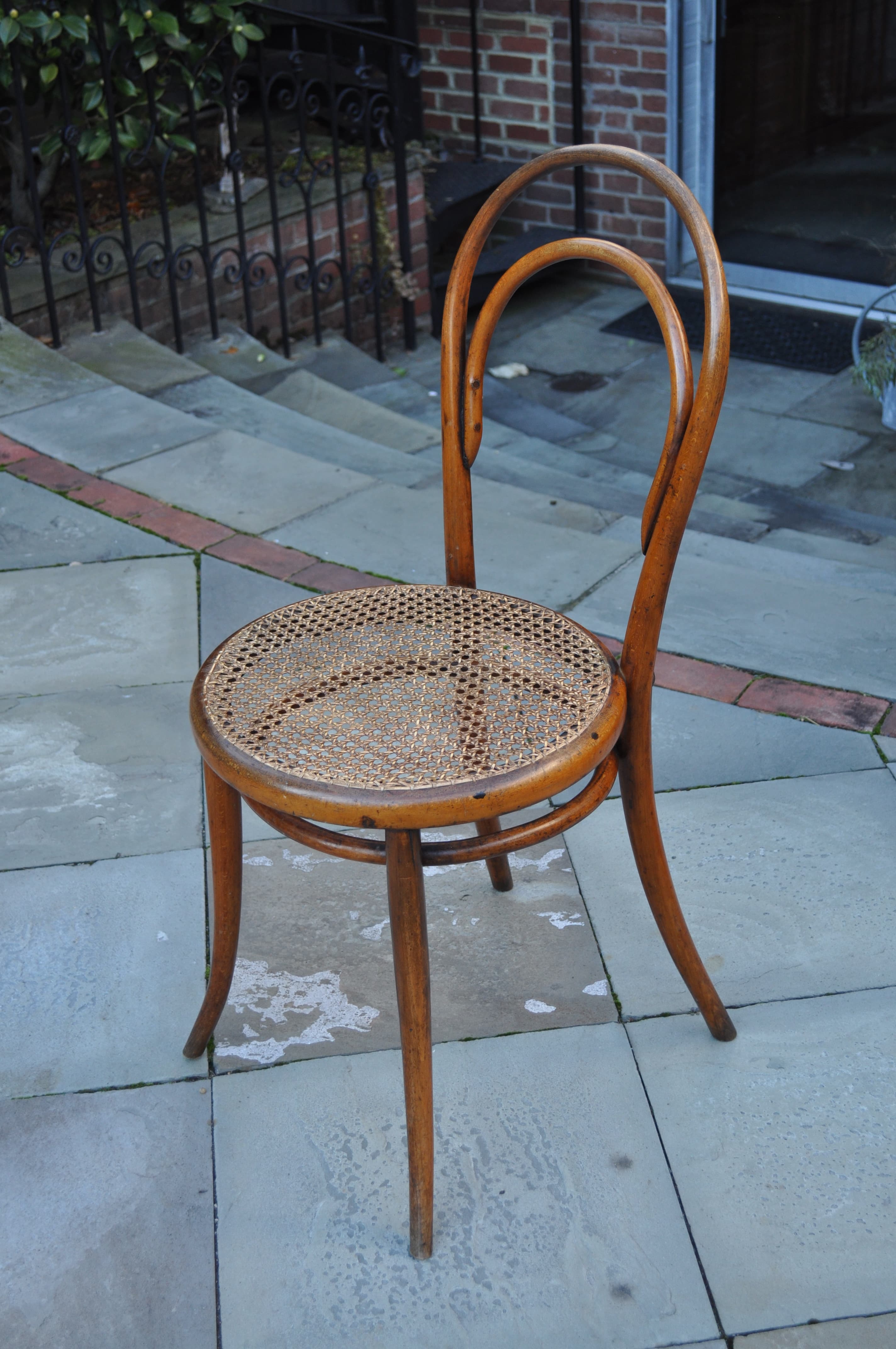
A familiar café chair makes a larger point: lasting value needs a practical route back into use.
Read the storyTHE WHV WORLD
Understanding, skill and the work of continuity.
THE QUESTION WE BRING
OUR FIELD OF VIEW
Each selection begins with a specific subject, a reason to care and evidence worth examining.
Selection
A familiar café chair makes a larger point: lasting value needs a practical route back into use.
Read the storyDiscovery
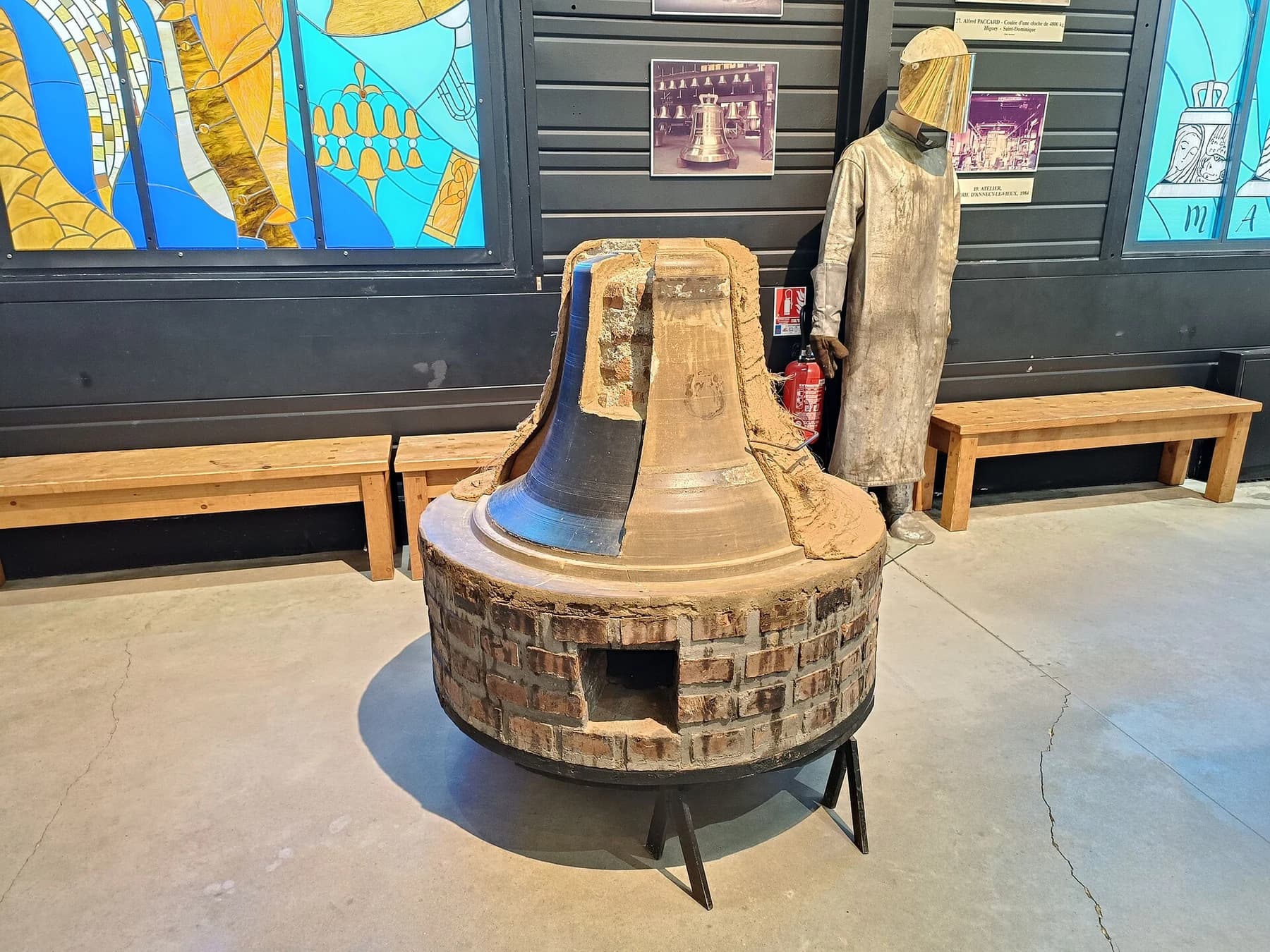
At the Paccard foundry museum near Annecy, a familiar sound becomes a made object. Casting, tuning and maintenance reveal why a bell’s long life depends on more than bronze.
Read the noteDiscovery
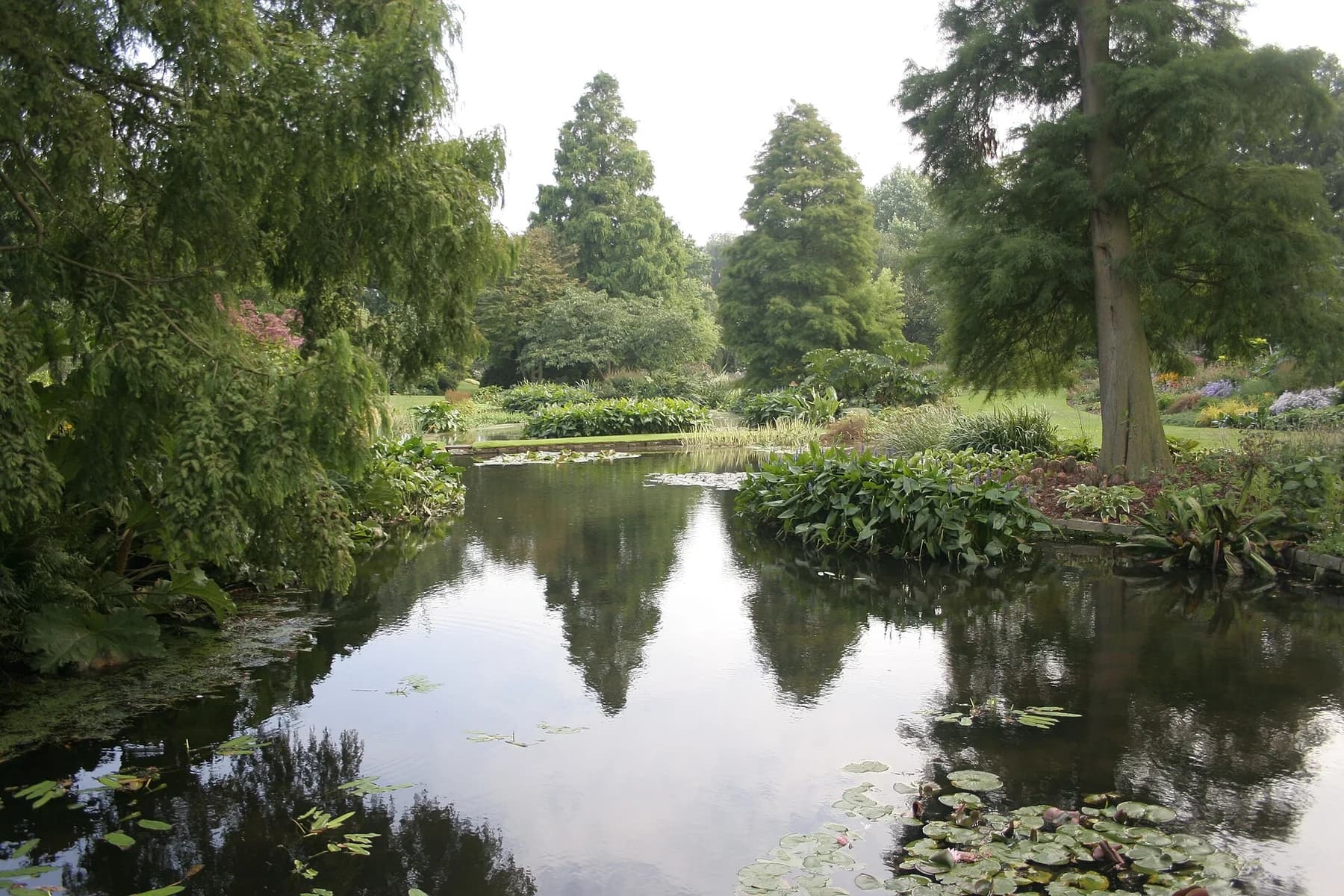
Beth Chatto’s gardens teach a form of judgement that travels home with the visitor. Begin with the conditions you have, then discover what can flourish there.
Read the noteDiscovery
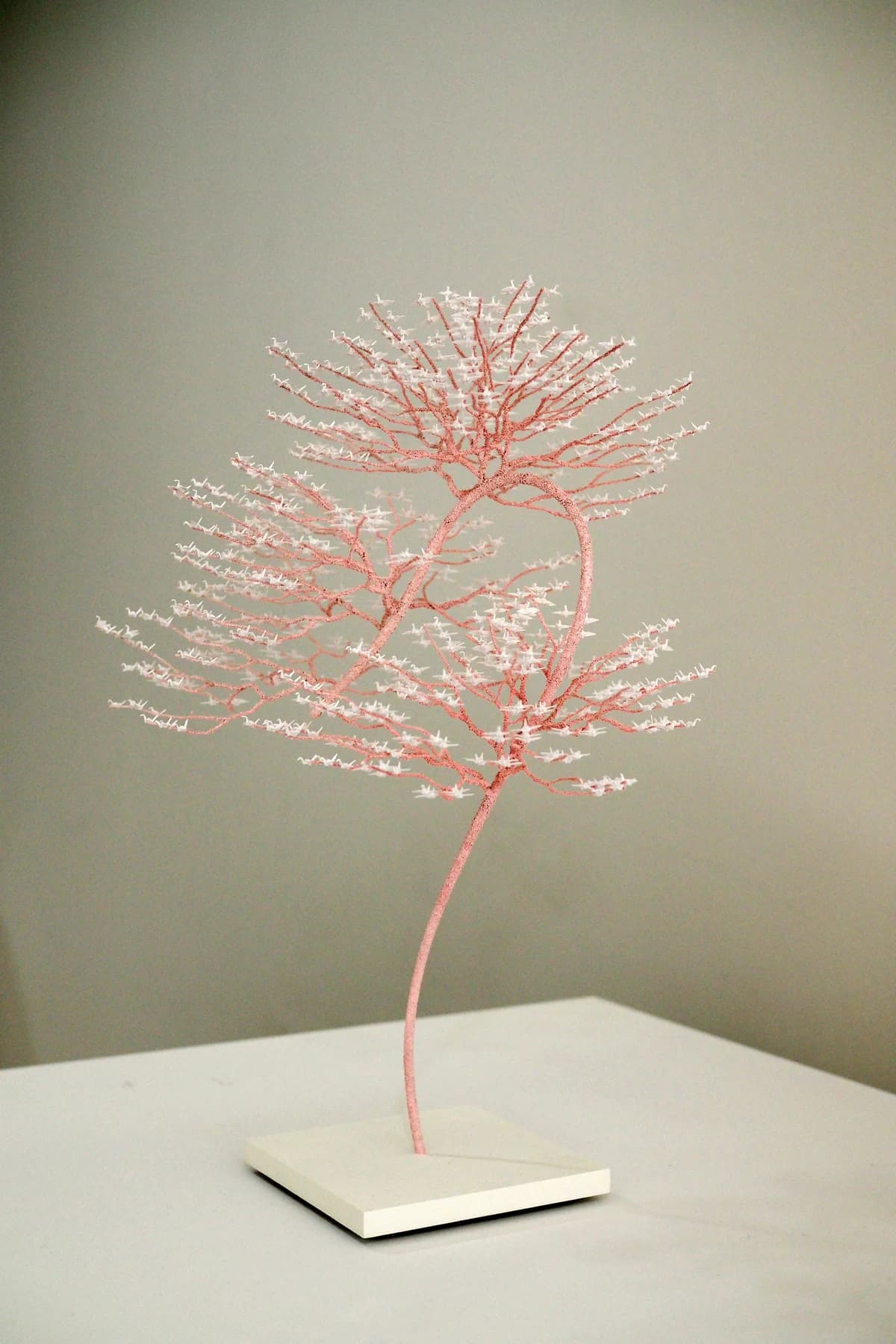
Naoki Onogawa builds tree-like sculptures from tiny folded cranes. Look closely and a familiar silhouette becomes an accumulation of individual acts.
Read the noteDiscovery
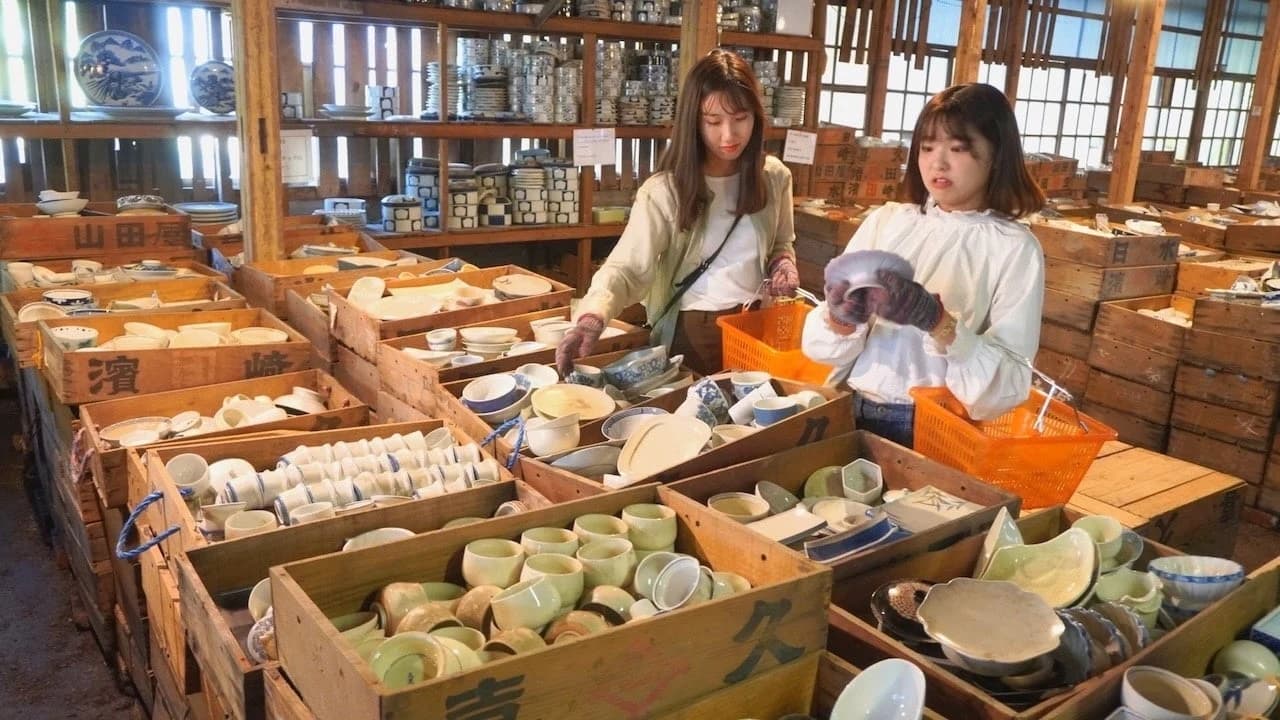
At Kouraku Kiln in Arita, a basket and a warehouse turn ceramic discovery into a hands-on experience. The best find may be something you will actually use.
Read the noteDiscovery
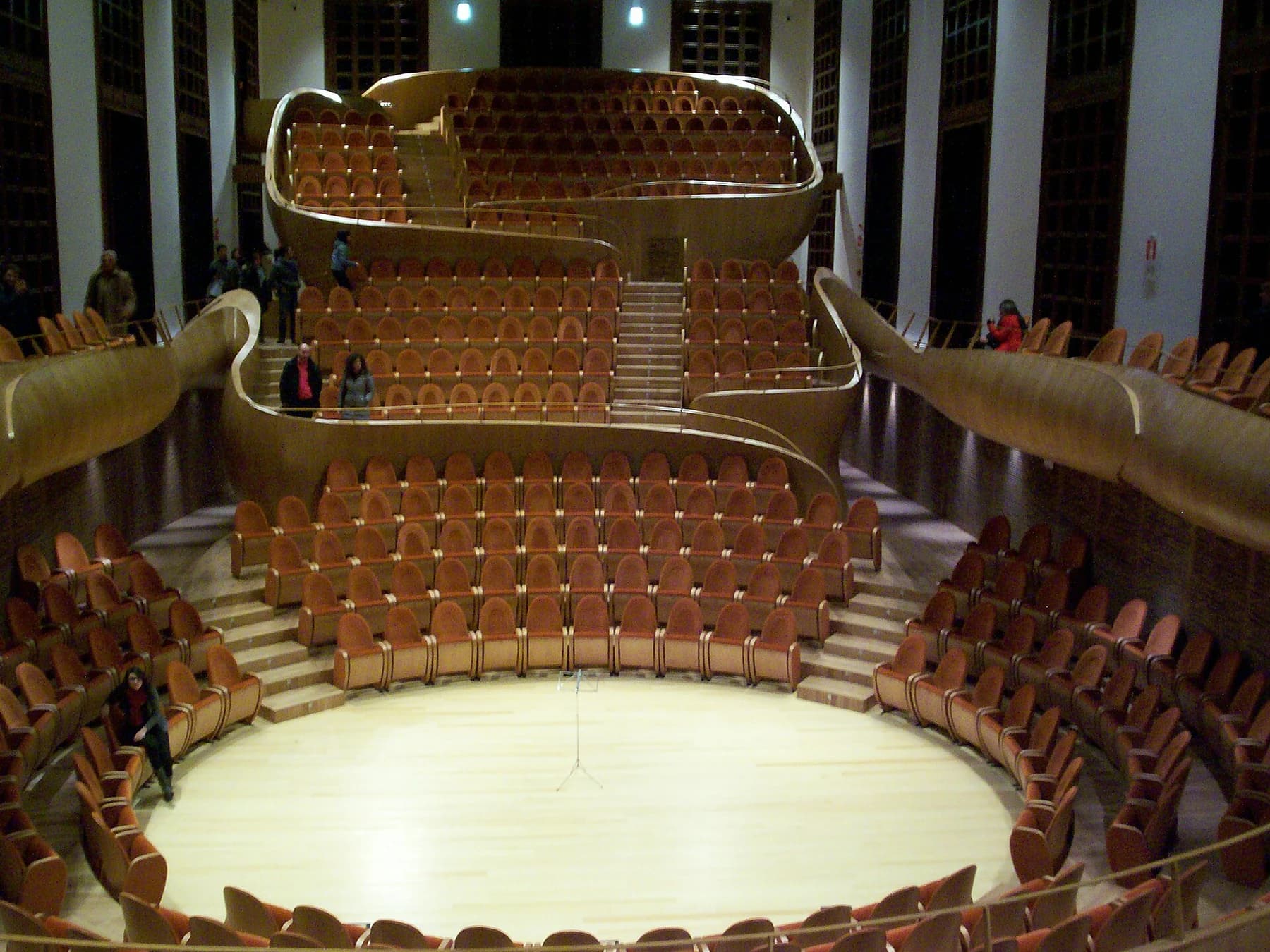
At Cremona’s Museo del Violino, historic instruments sometimes leave silence behind. A short listening session can make a celebrated name less abstract.
Read the noteDiscovery
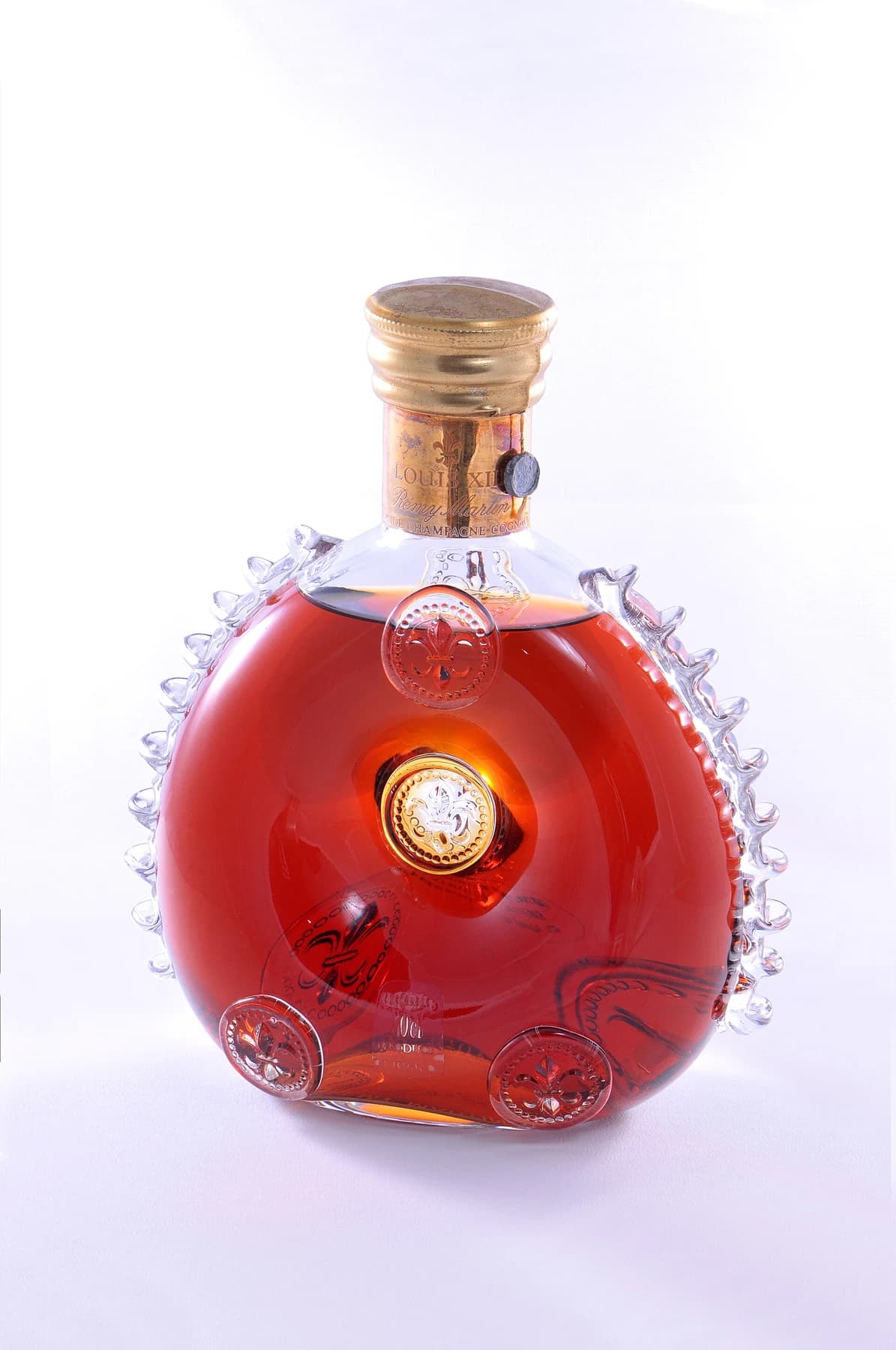
Behind the conspicuous Louis XIII decanter is a quieter story about coopers, old oak vessels and making something whose most important use lies decades ahead.
Read the noteDiscovery
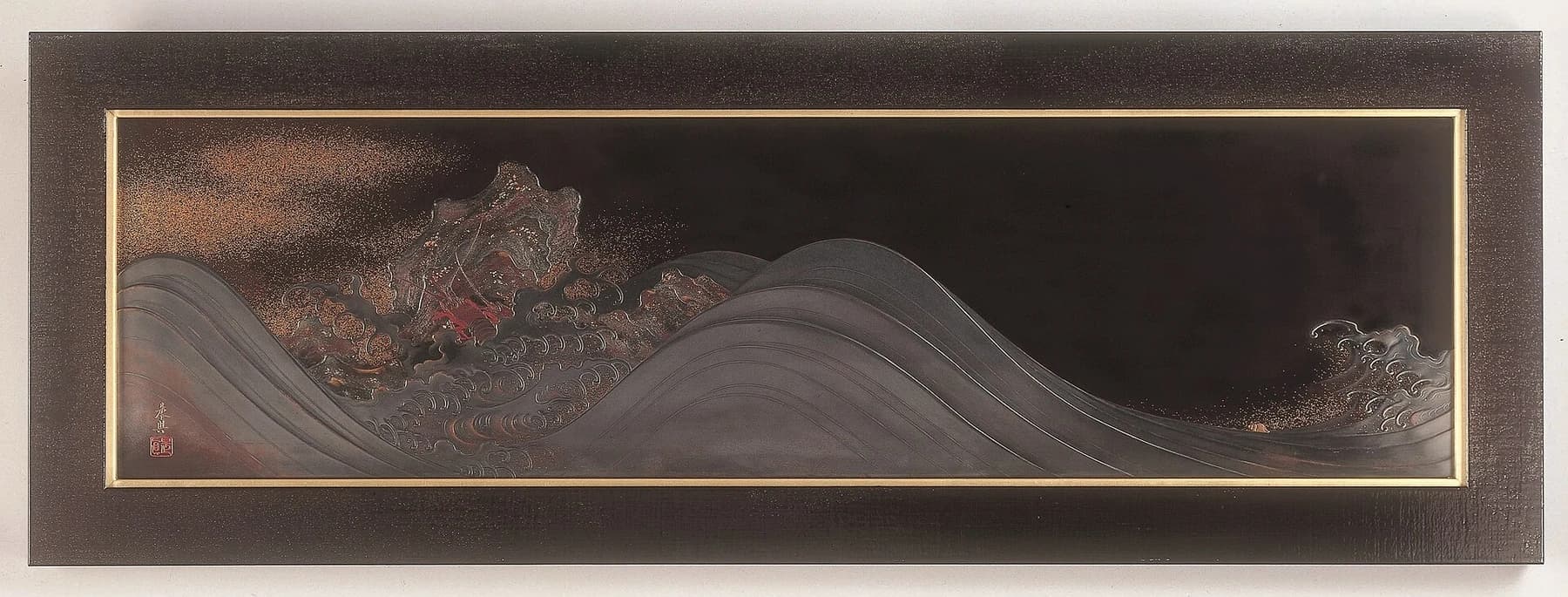
Shibata Zeshin used lacquer for more than the surface of a box. A late panel of breaking waves shows a craft changing the scale of its ambition.
Read the noteDiscovery
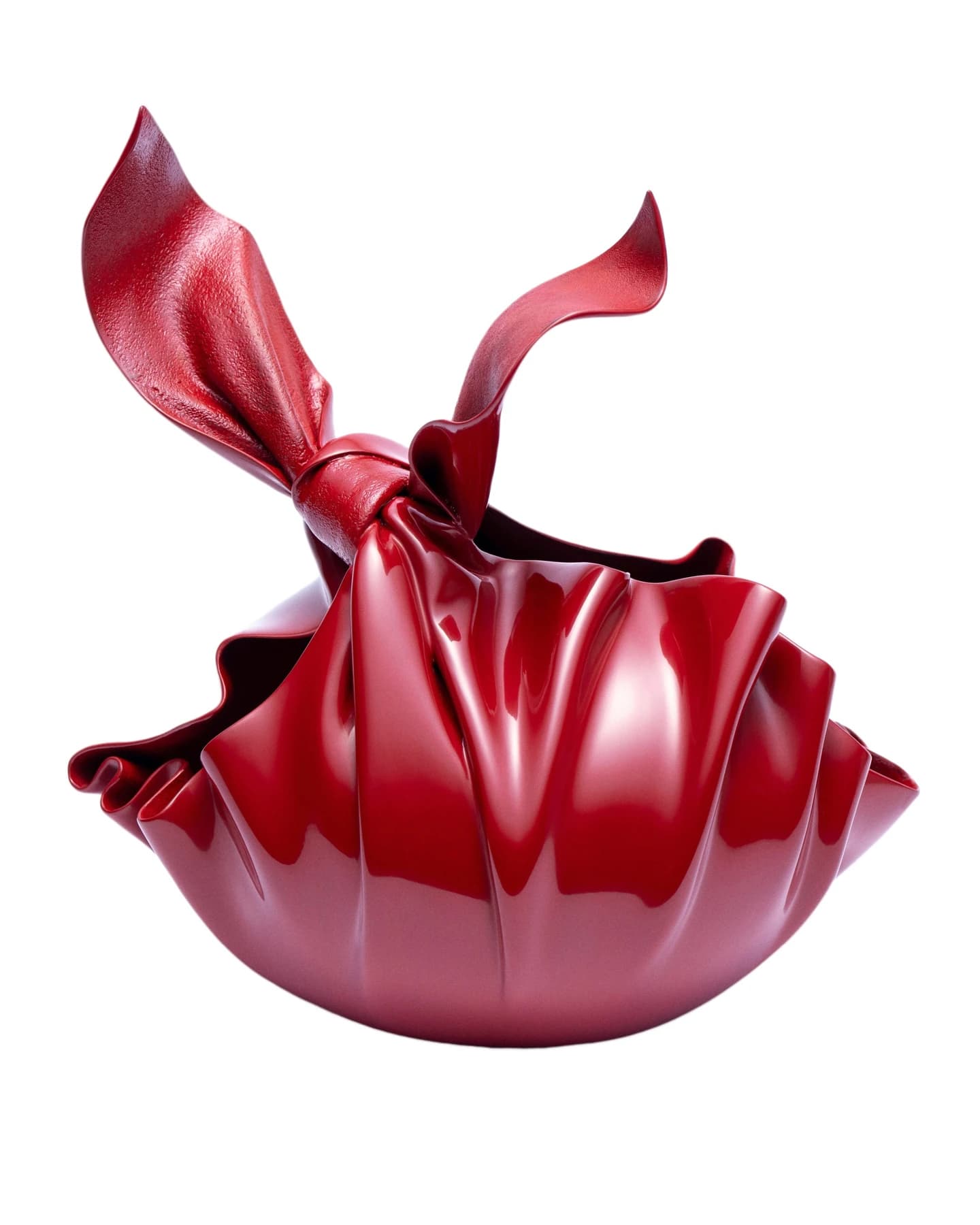
Nan Wei’s Knot-Loving looks unexpectedly solid. Its red, looping form begins with cow leather, linen and lacquer rather than ceramic or carved stone.
Read the noteDiscovery
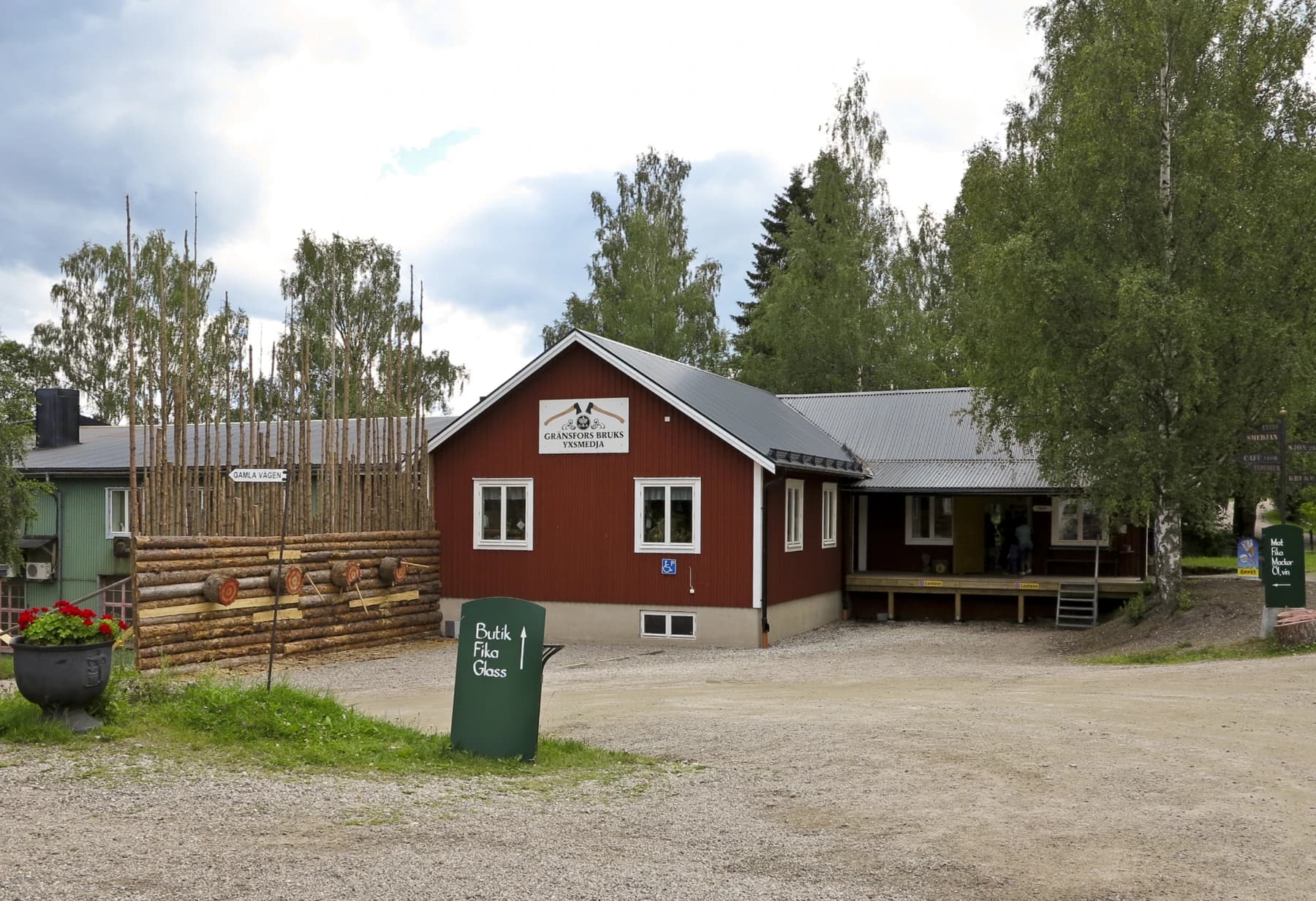
A short course at Gränsfors Bruk changes the relationship between a tool and its owner. The object becomes a record of decisions you have begun to understand.
Read the noteDiscovery
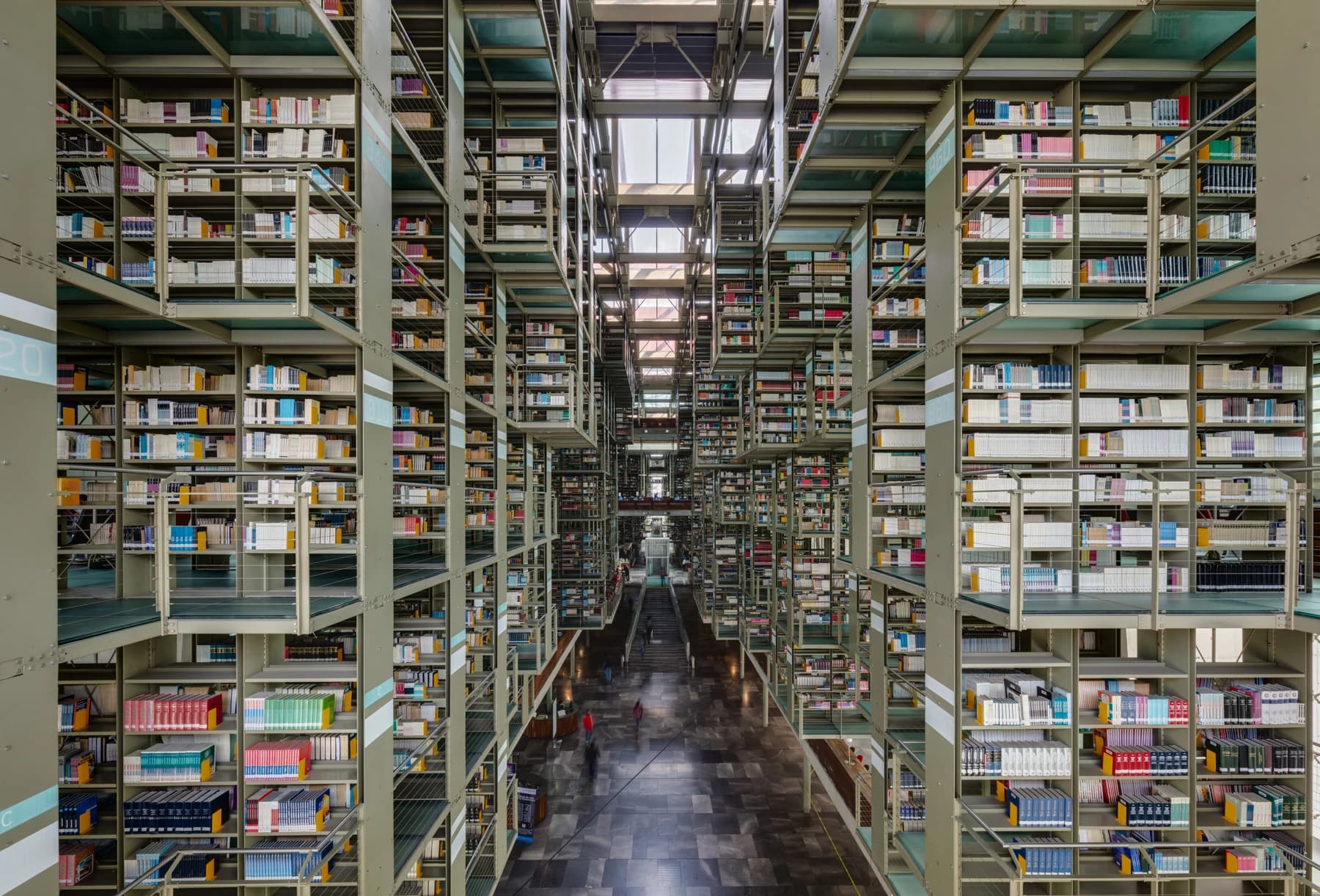
At Mexico City’s Biblioteca Vasconcelos, suspended bookshelves make knowledge feel like a landscape you can enter.
Read the noteDiscovery
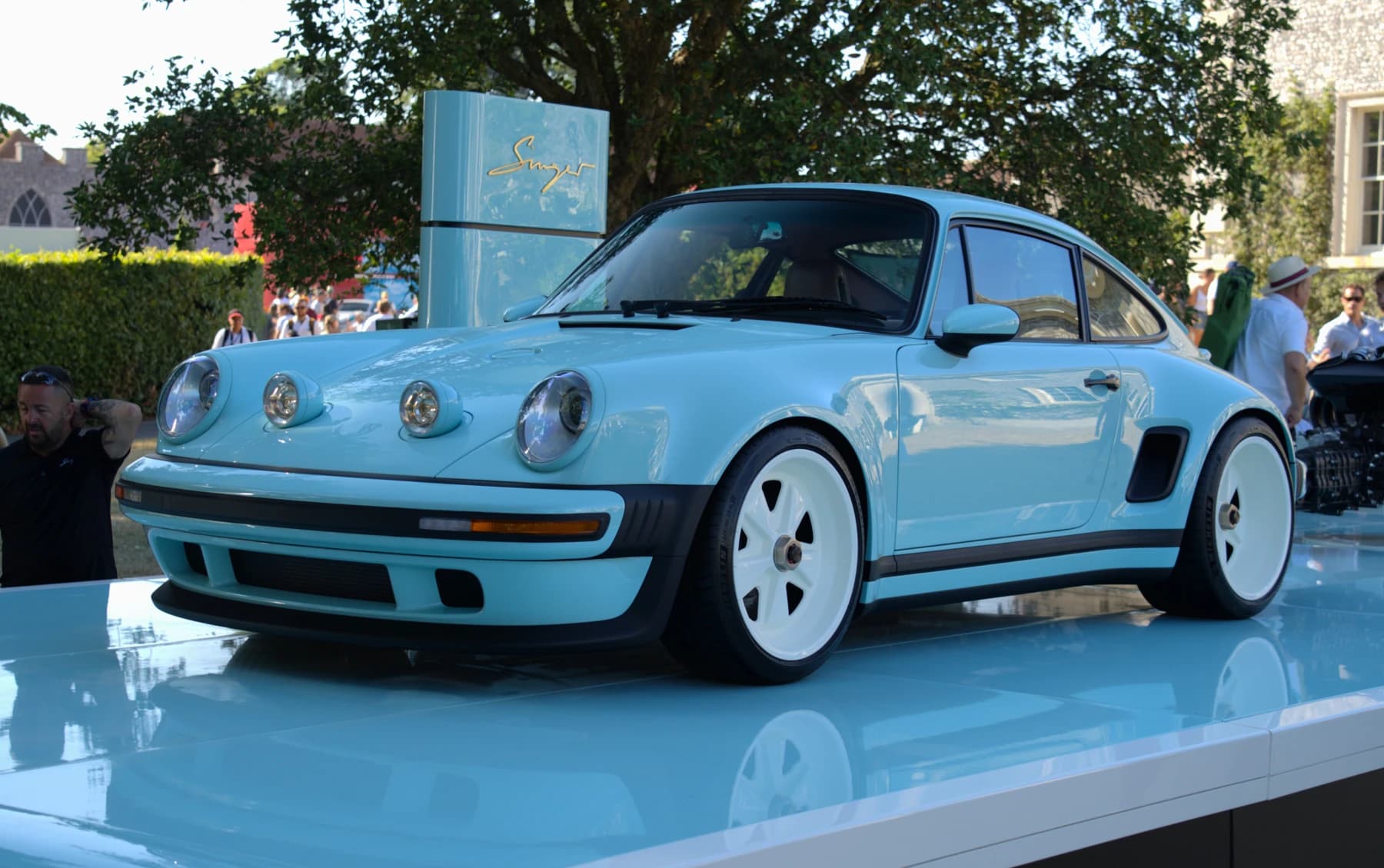
Singer’s Carrera Coupe does not preserve a 911 by leaving it untouched. It makes the boundary between restoration and reinterpretation worth examining.
Read the noteDiscovery
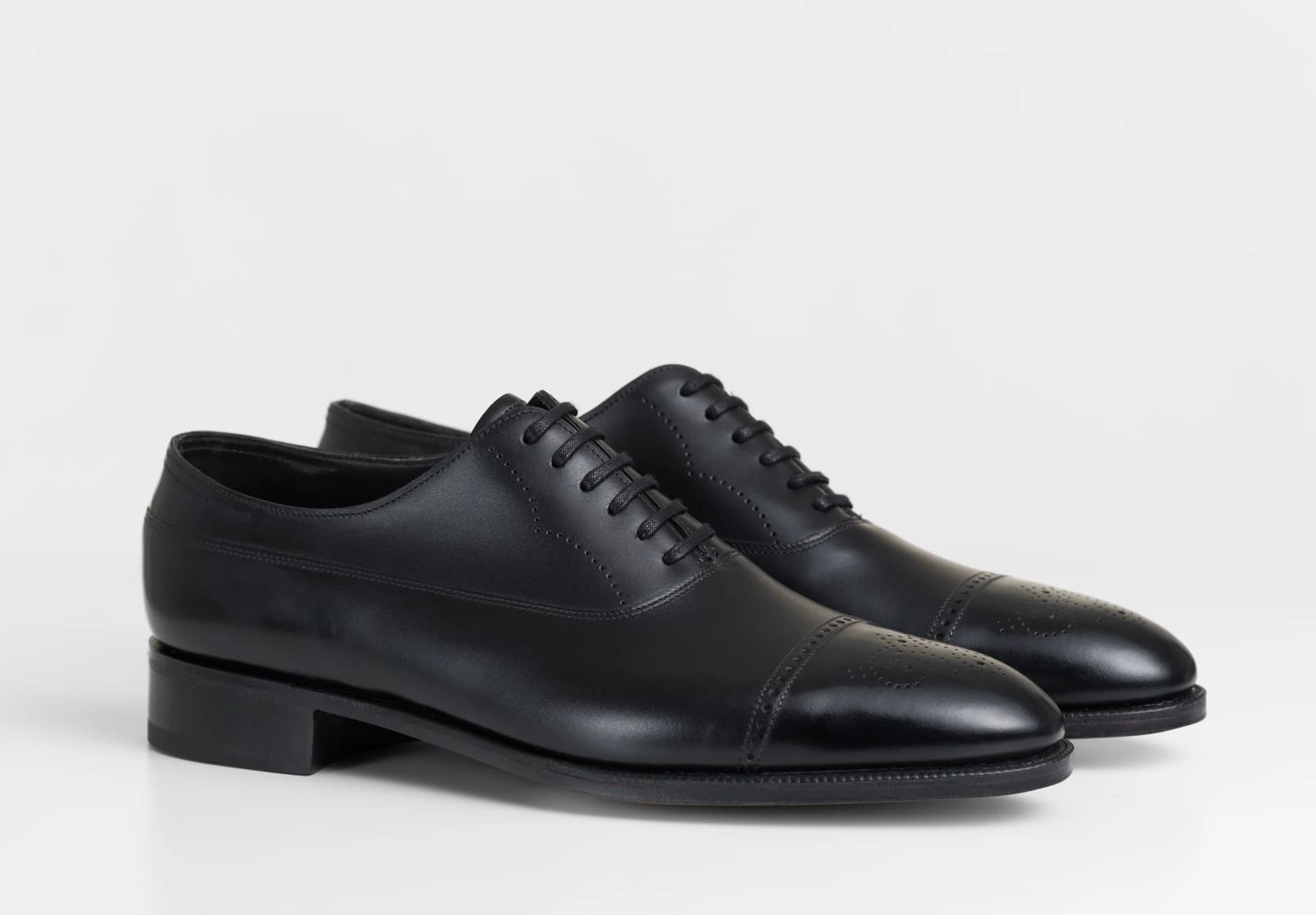
John Lobb’s 2026 revival of the Lazenby shows how an archive can supply something more useful than a retrospective exhibition.
Read the noteDiscovery
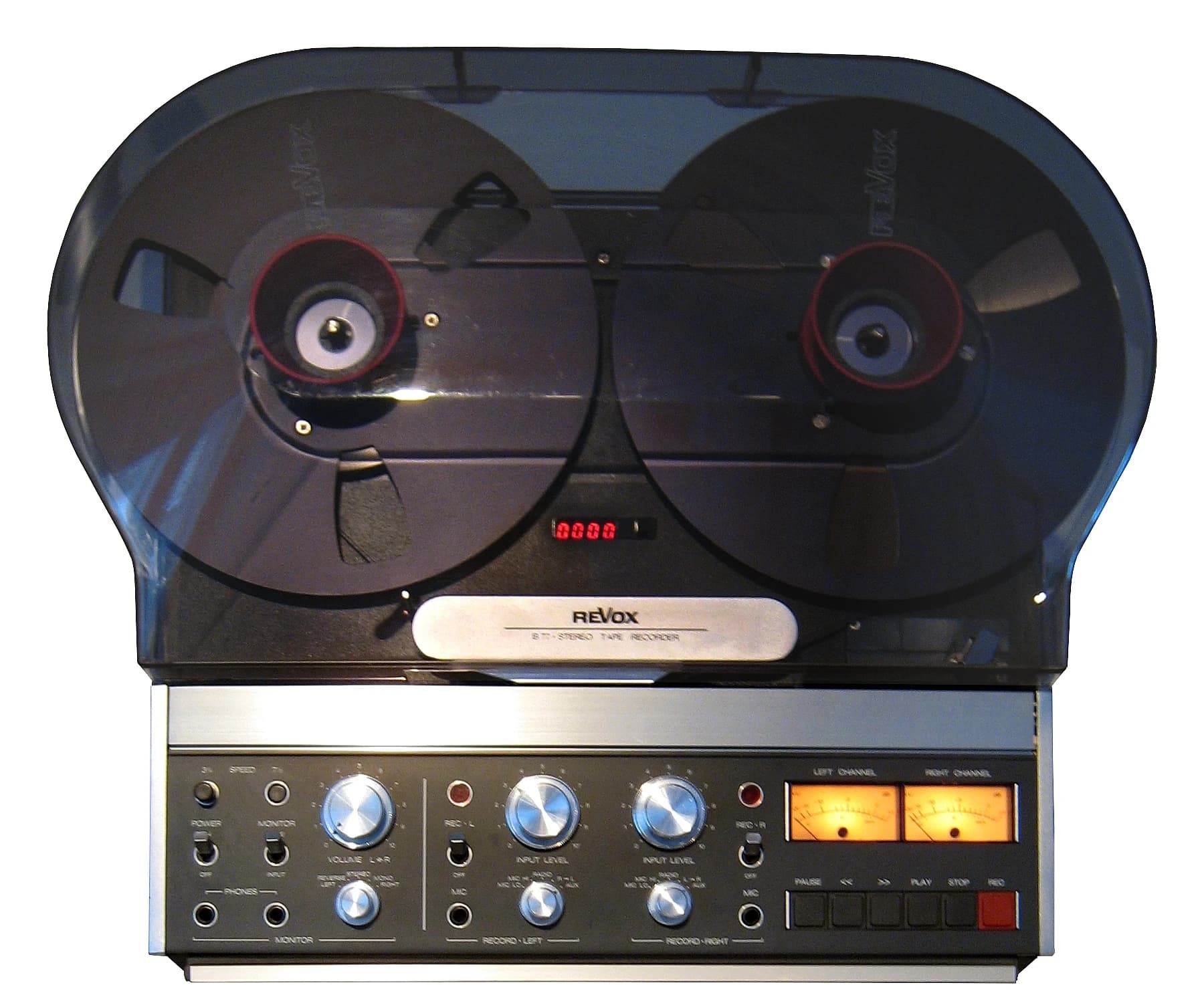
The Revox B77 makes recording physically visible. Its stronger claim to longevity lies beyond the turning reels, in a manufacturer that still restores its older machines.
Read the noteDiscovery
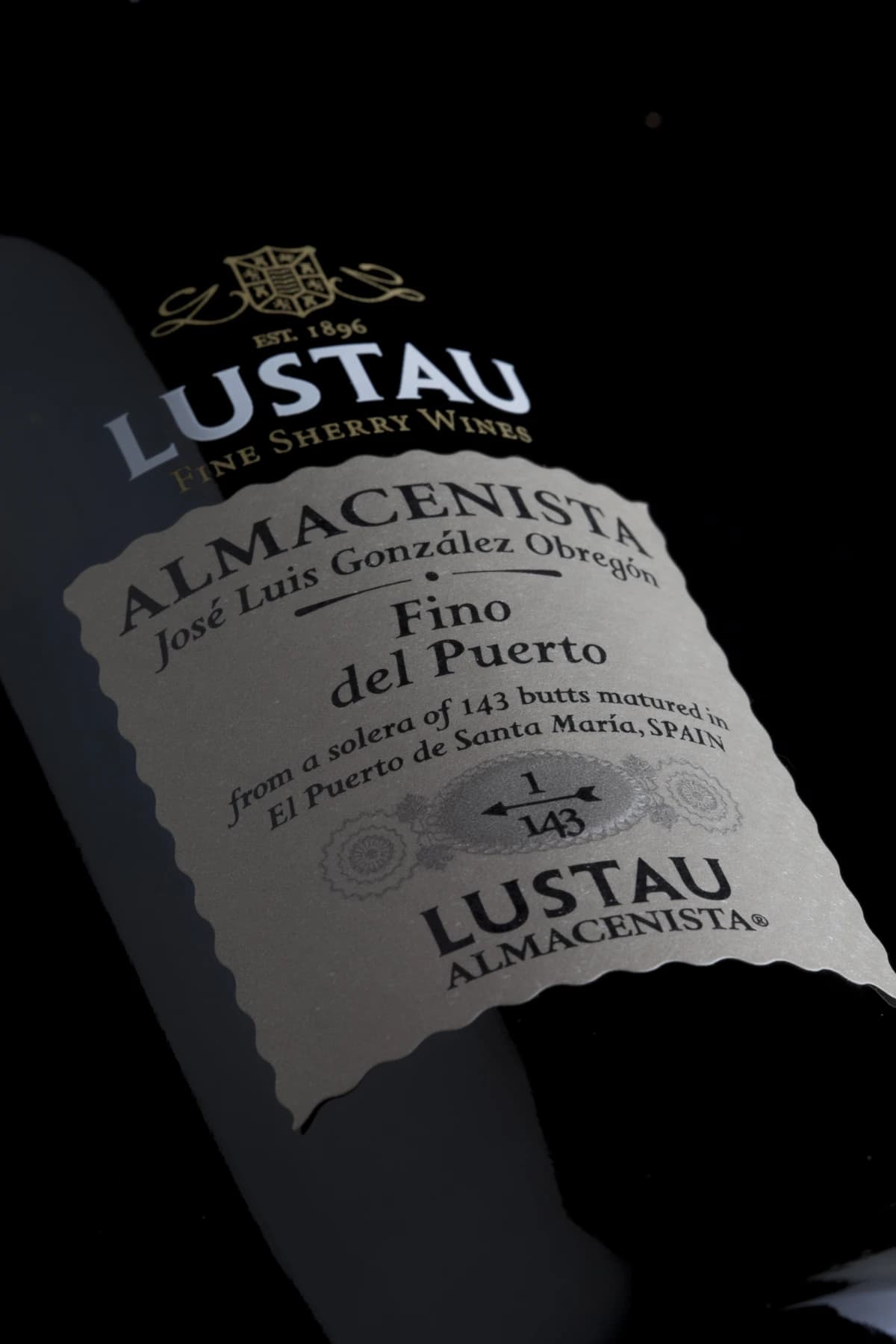
Lustau’s Fino del Puerto gives José Luis González Obregón a place on the label. The fraction beneath the name points to a solera, not a numbered luxury edition.
Read the noteDiscovery
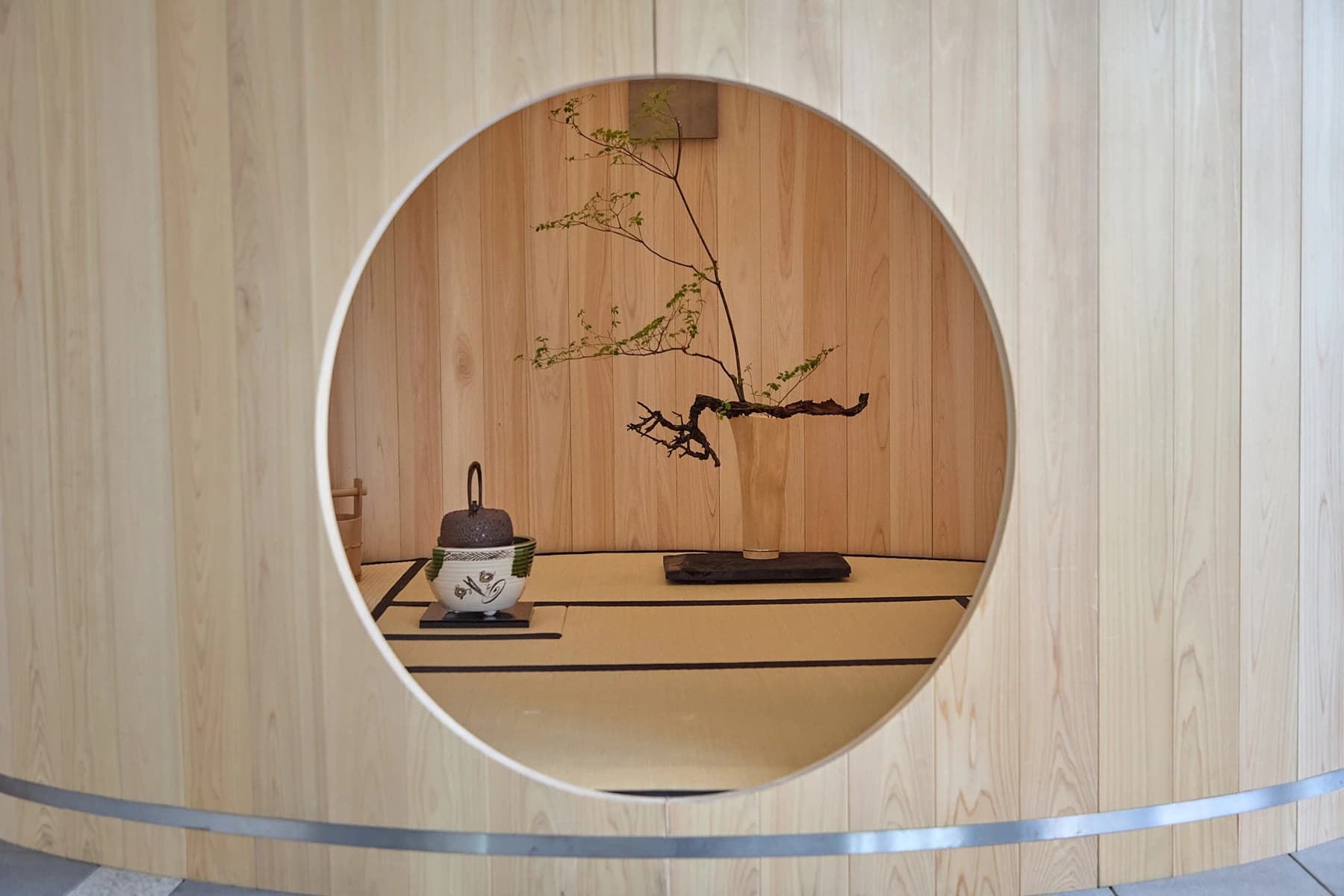
Shuji Nakagawa scaled the logic of a wooden bucket into a tea room. The result asks whether a declining everyday craft can find a larger future without losing its structure.
Read the noteDiscovery
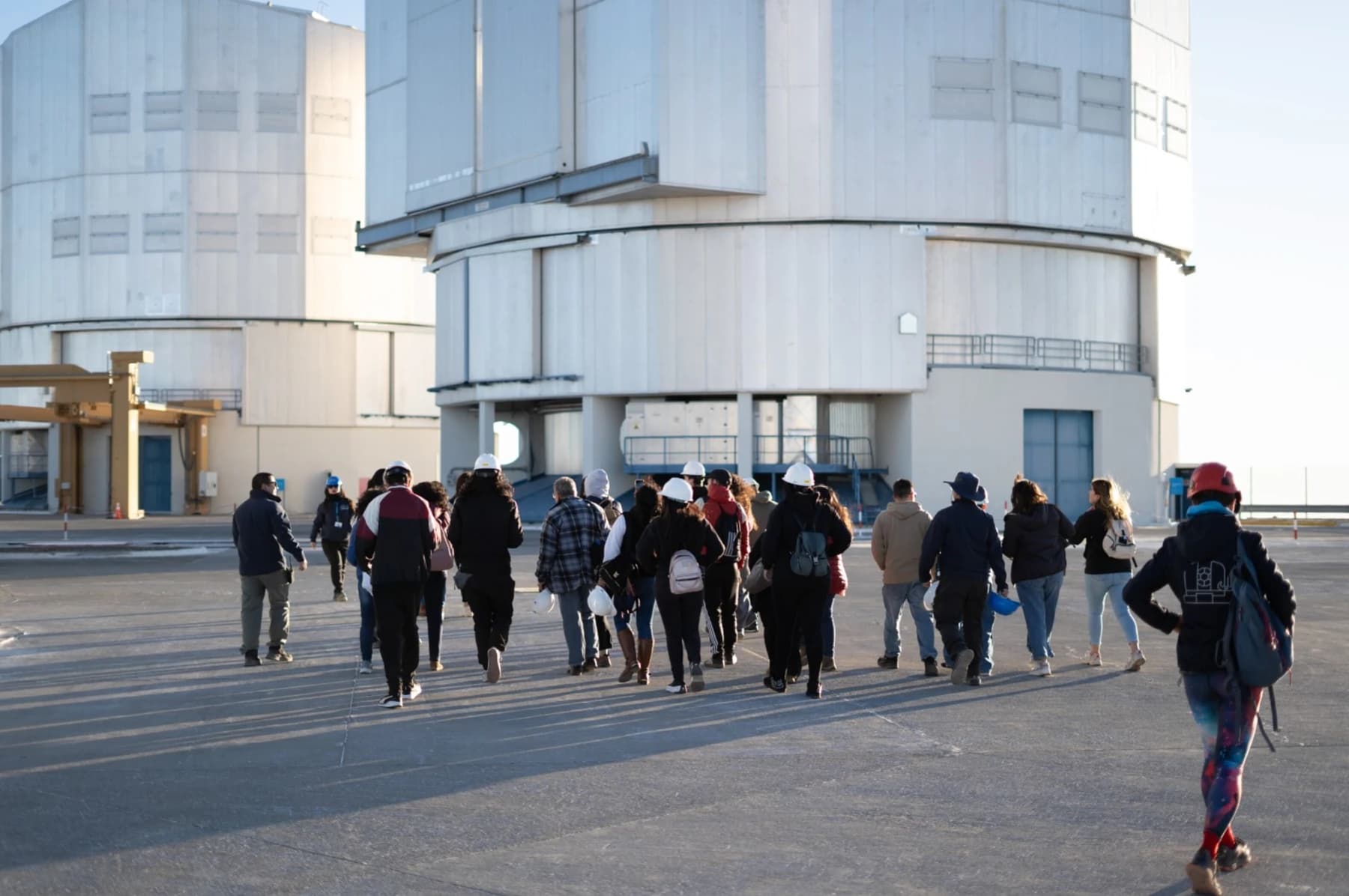
Paranal’s public tours make the infrastructure behind extraordinary astronomical images tangible. The visit is about how looking is made possible, not a private night at a giant telescope.
Read the noteDiscovery
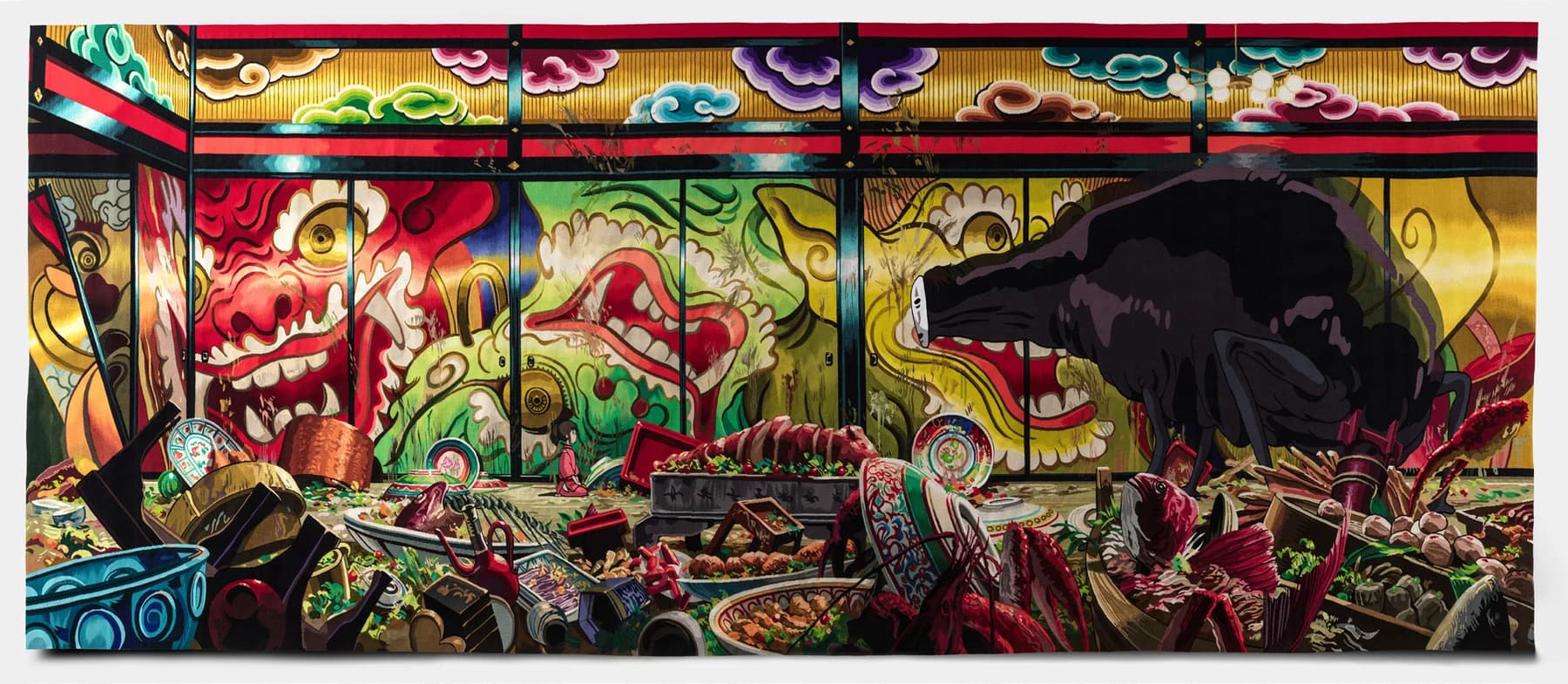
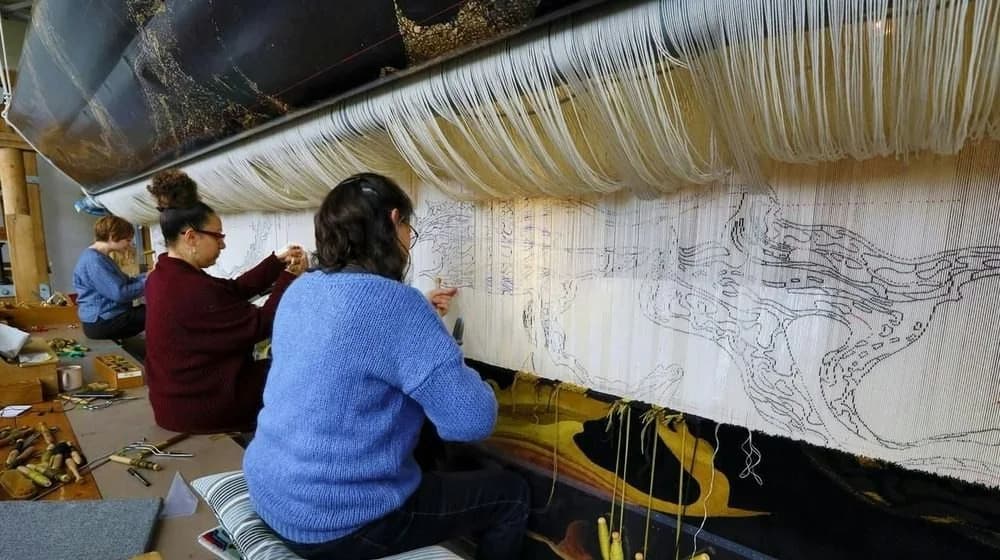
At Aubusson, a scene from Spirited Away becomes a monumental woven image. The unexpected discovery is the new work required when an animated world must be rebuilt in thread.
Read the noteDiscovery
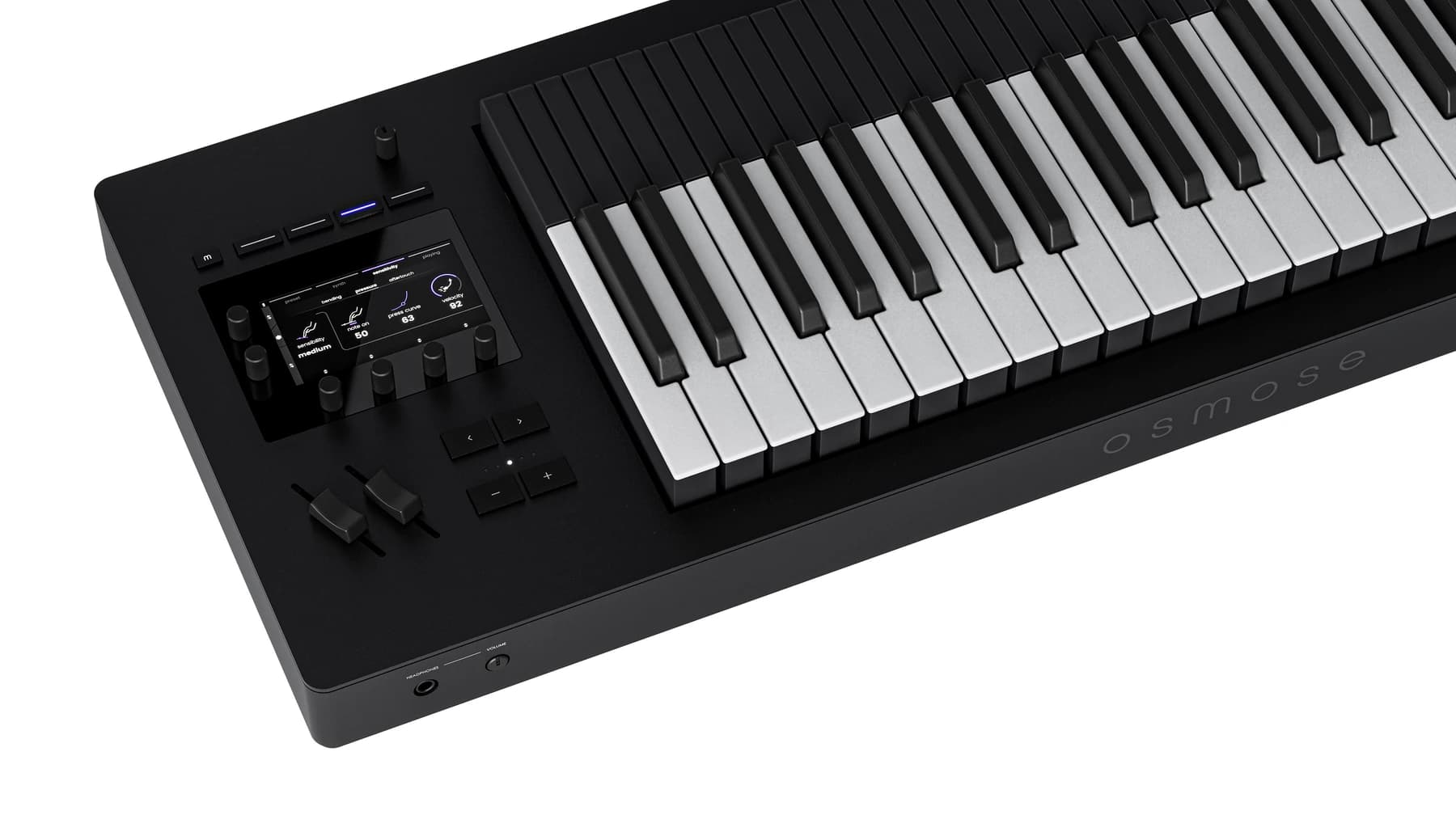
Expressive E’s Osmose keeps the familiar piano keyboard but makes pressure and sideways movement part of the sound. The instrument rewards what happens after a note begins.
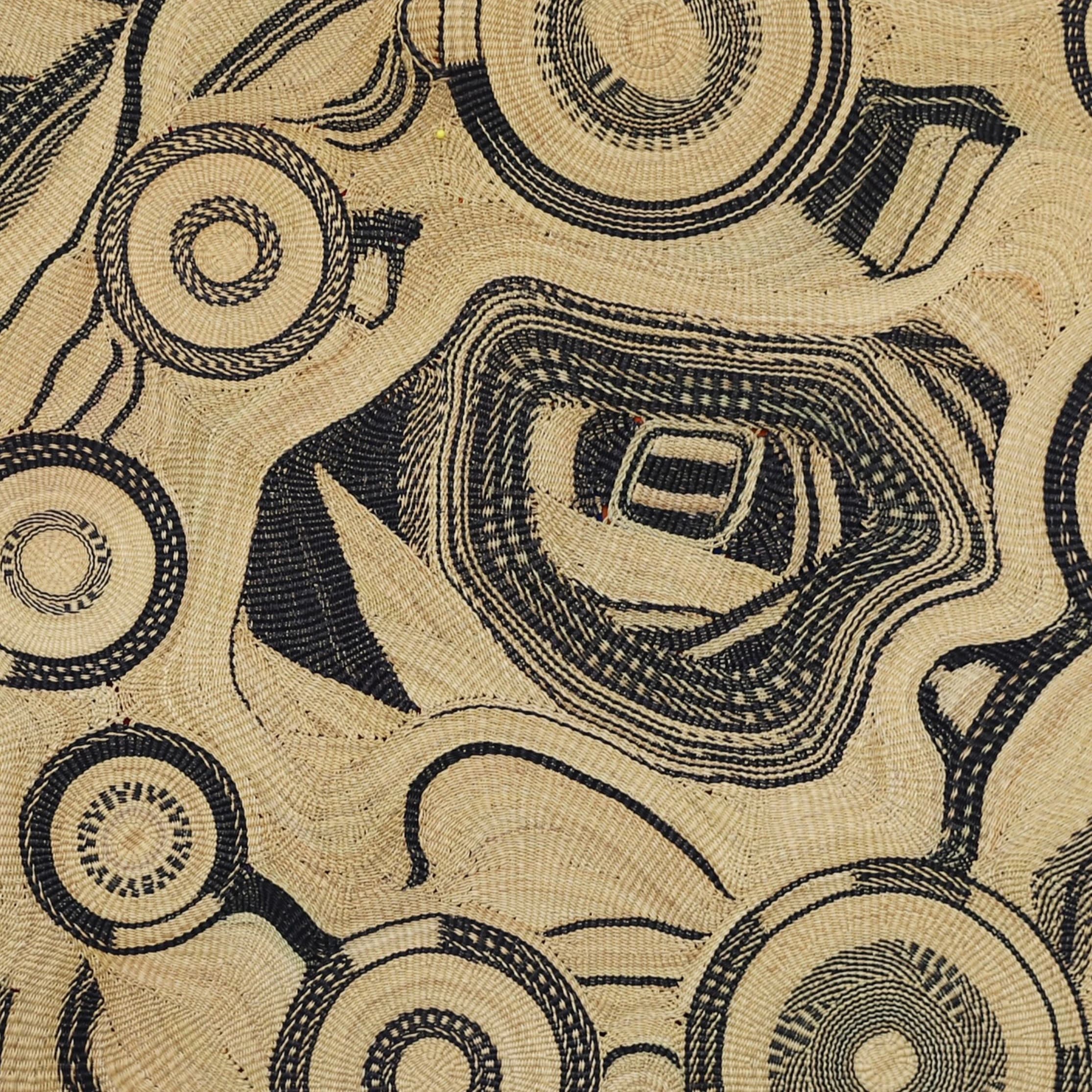
Read the note Image: Baba Tree Master Weavers × Álvaro Catalán de Ocón / LOEWE Foundation (opens source in a new tab)
Discovery
Frafra Tapestry turns an aerial reading of a Ghanaian settlement into woven elephant grass. The result is a collaboration between design drawing, architectural memory and the knowledge of named master weavers.
Read the noteDiscovery
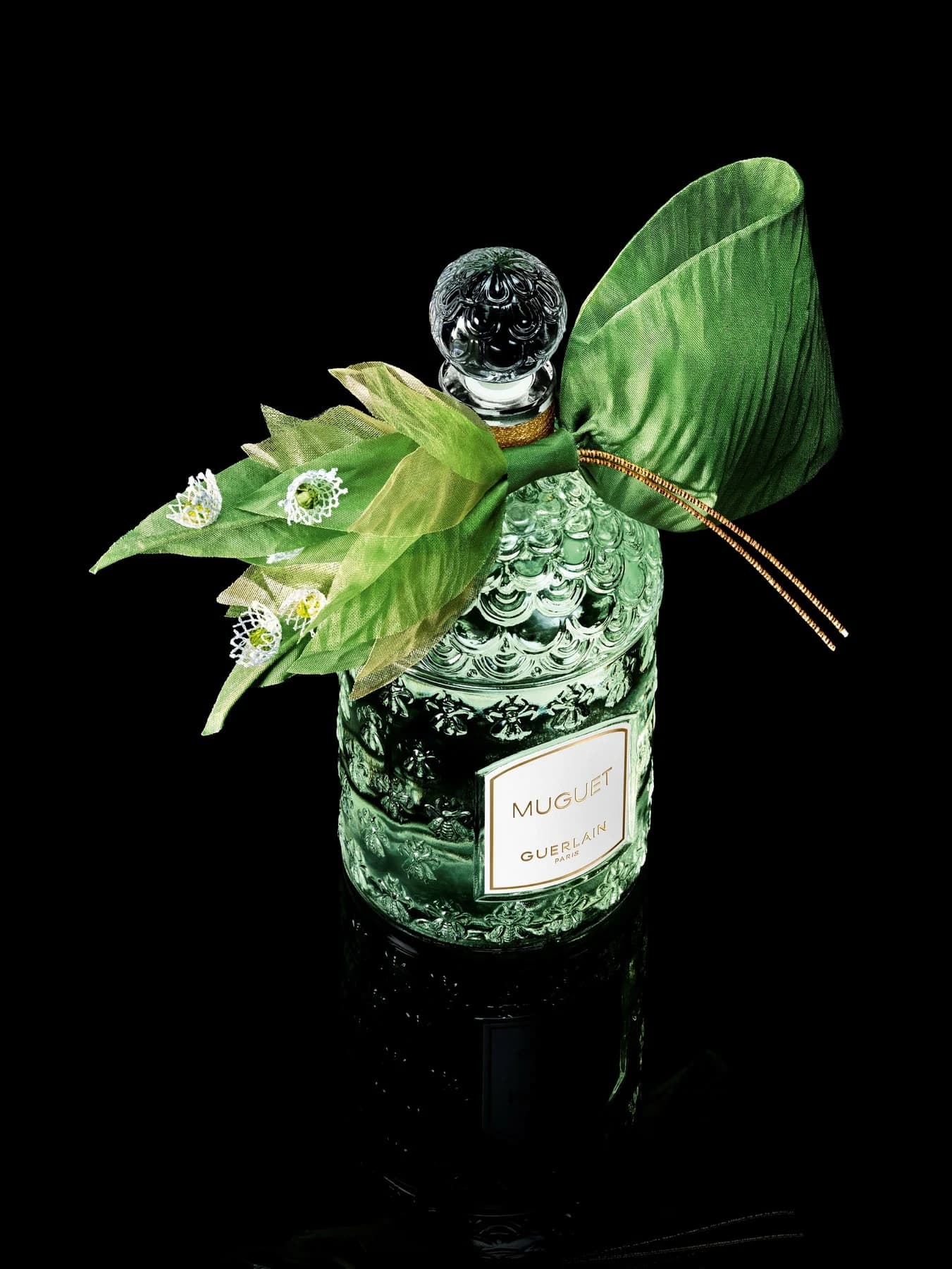
Guerlain’s Muguet 2026 brings two kinds of interpretation together. Lily of the valley is reconstructed as a scent and made visible through Atelier Vermont’s pleated silk and embroidered flowers.
Read the noteDiscovery
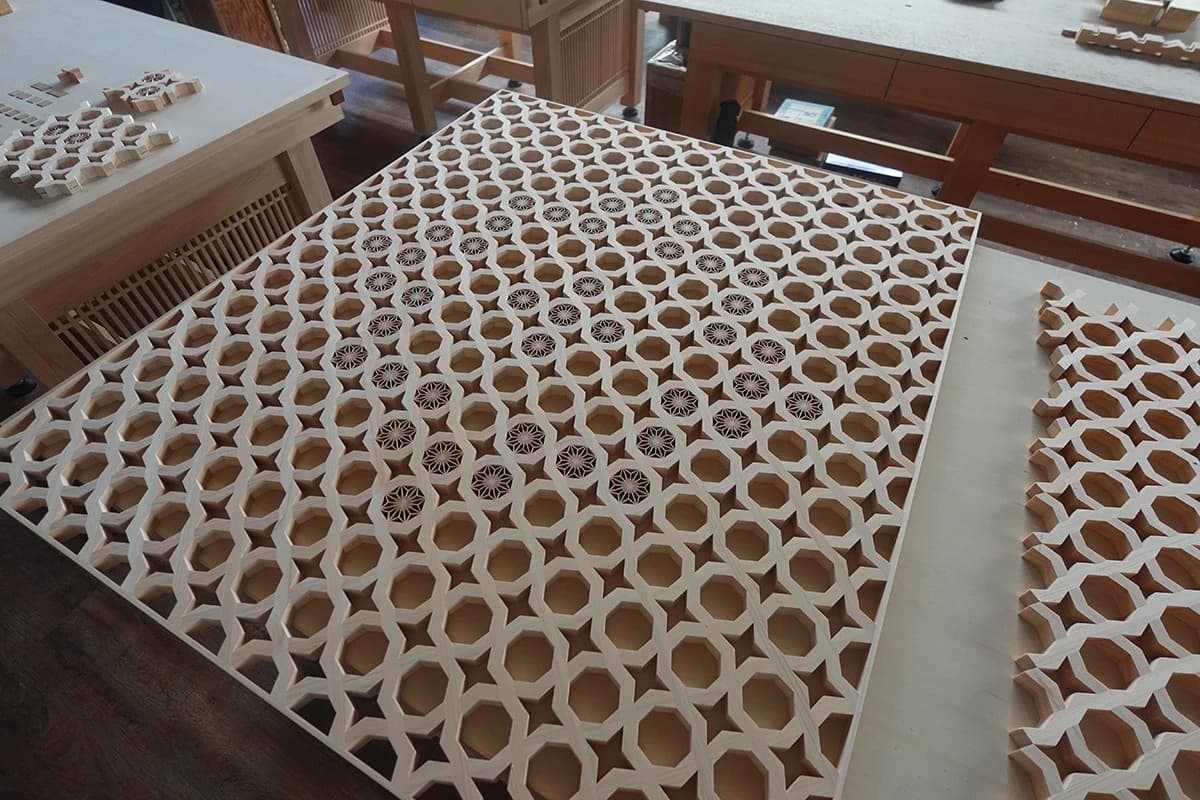
Tanihata’s kumiko screens make a geometric pattern from fitted pieces of wood rather than a surface decoration. Light passes through the result, making an old joining skill useful in contemporary rooms.
Read the noteDiscovery
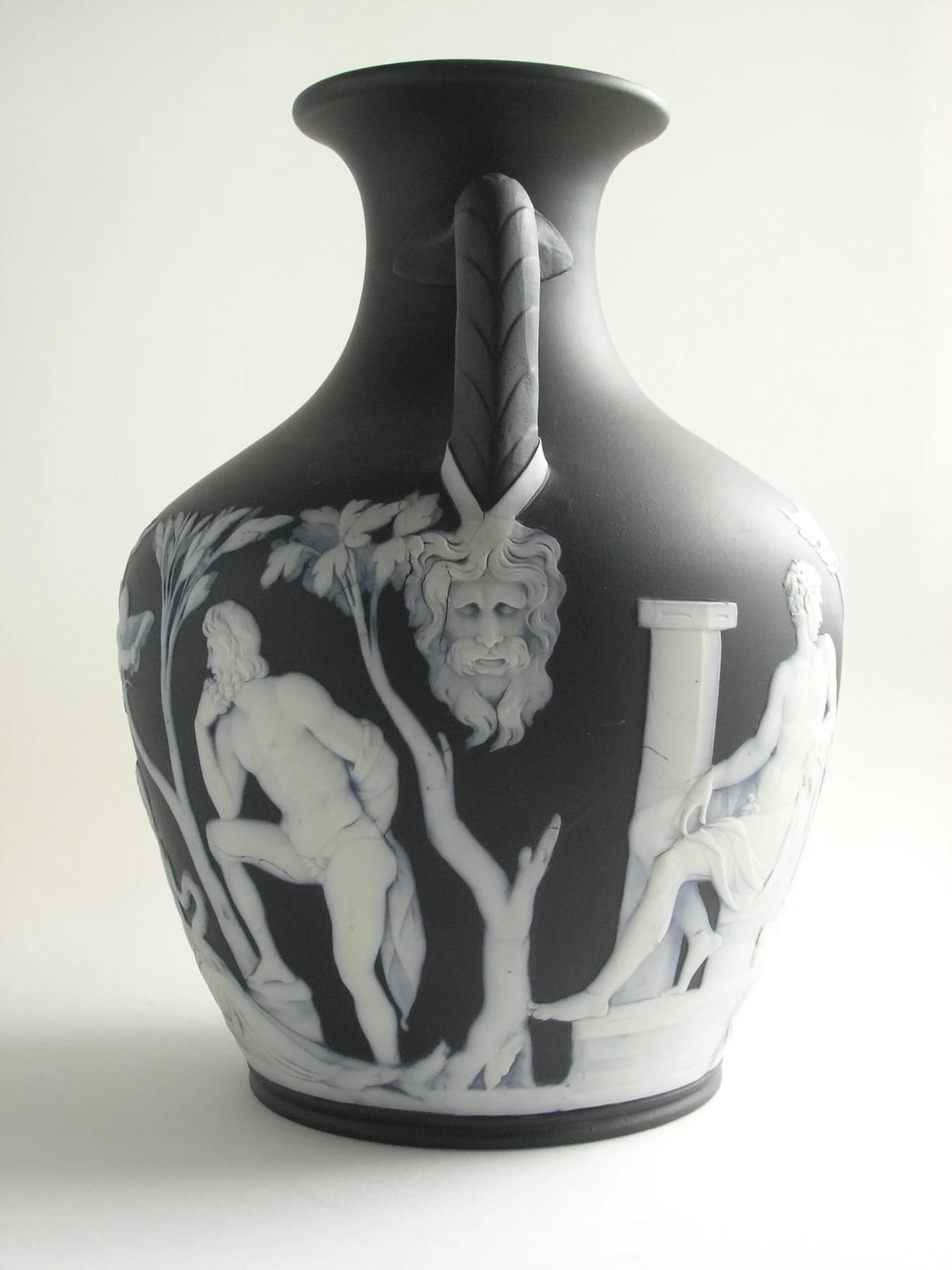
Wedgwood’s jasperware can look familiar enough to escape a second glance. Its more surprising story begins beneath the white relief, in an experimental ceramic body rather than painted blue decoration.
Read the noteDiscovery
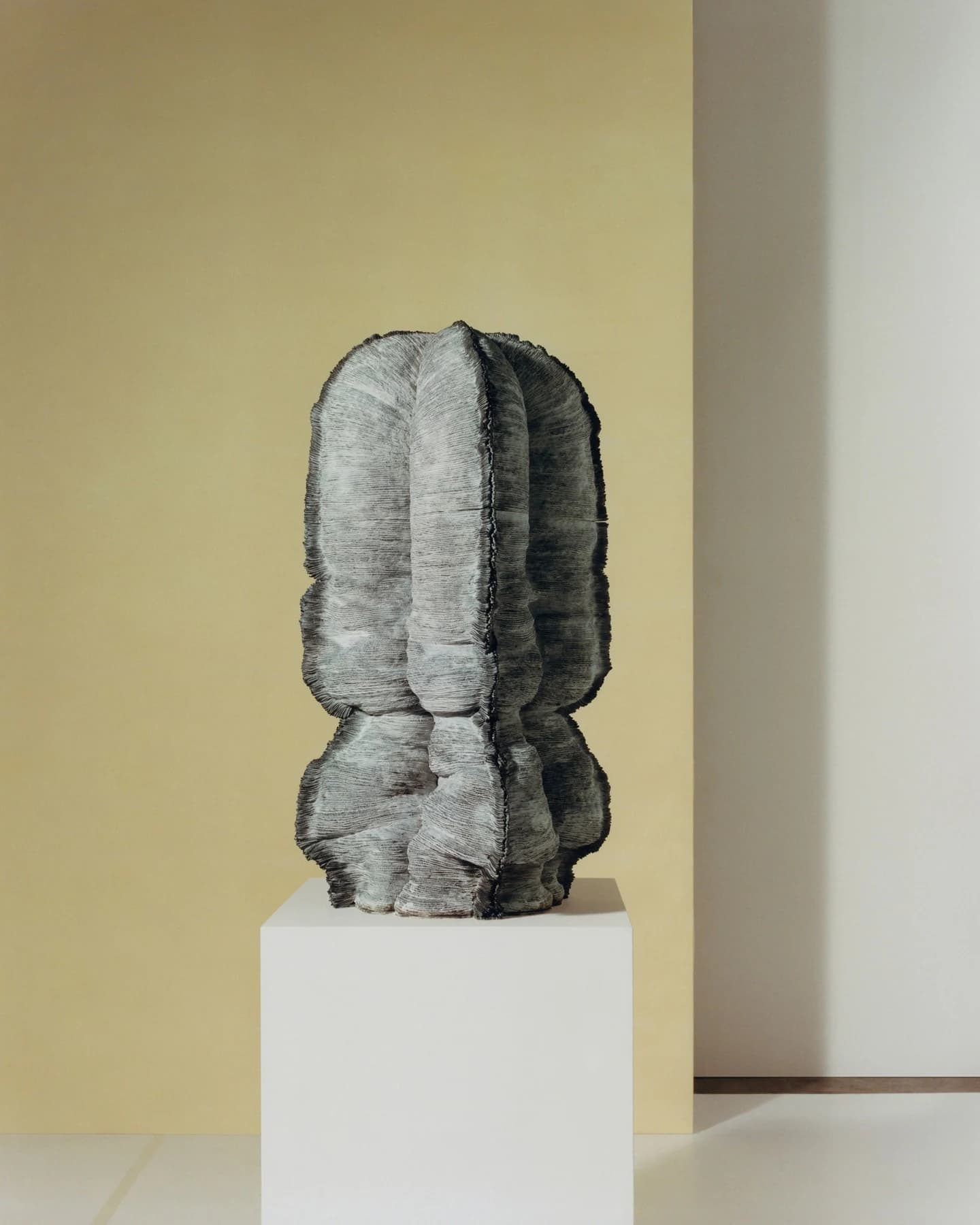
Kunimasa Aoki’s Realm of Living Things 19 looks almost geological. Its layered terracotta makes pressure, shrinkage and the risk of firing part of the finished sculpture rather than defects to erase.
Read the noteDiscovery
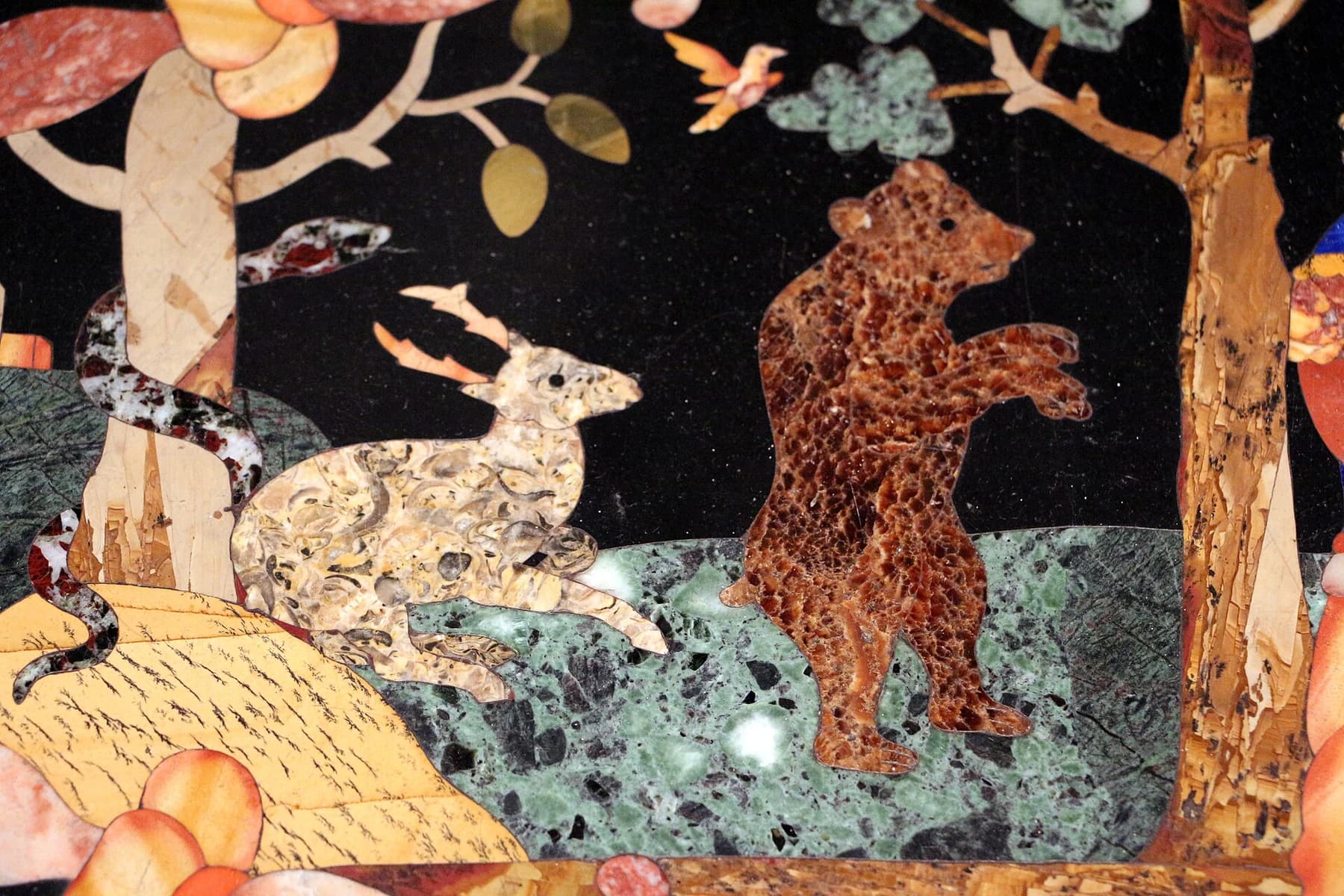
In commesso fiorentino, a vein in a stone can become fur, a petal or a distant hill. The surprising art is not painting on minerals, but finding the picture within them and fitting its pieces together.
Read the noteDiscovery
CERN’s Science Gateway offers a different kind of exceptional day out. Interactive experiments make the hidden structure of matter something to investigate, without promising a visit inside the Large Hadron Collider.
Read the noteDiscovery
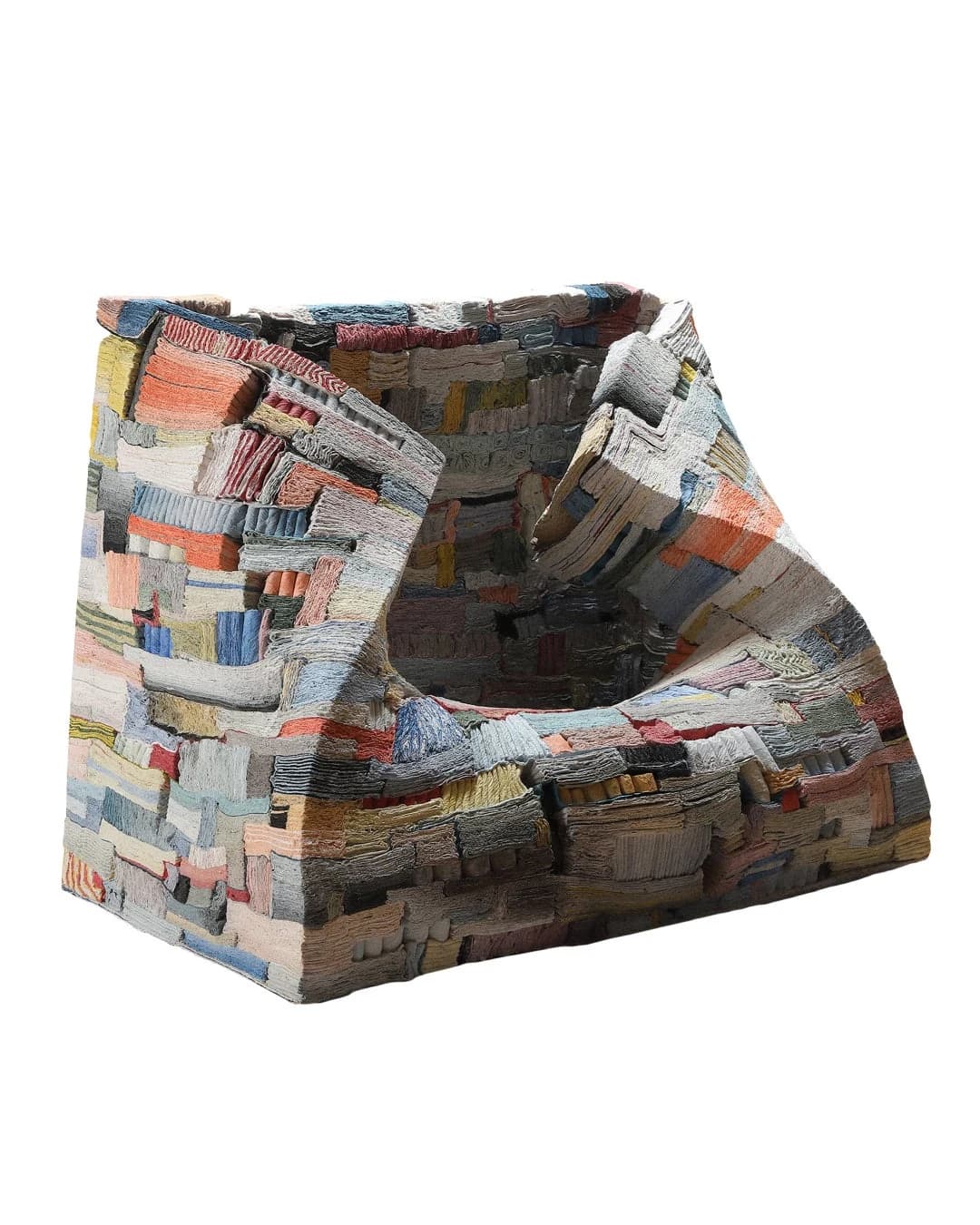
Jongjin Park’s Strata of Illusion won the 2026 LOEWE FOUNDATION Craft Prize. Its chair-like form begins with layered paper and porcelain slip, then lets the kiln alter the architecture.
Read the noteDiscovery
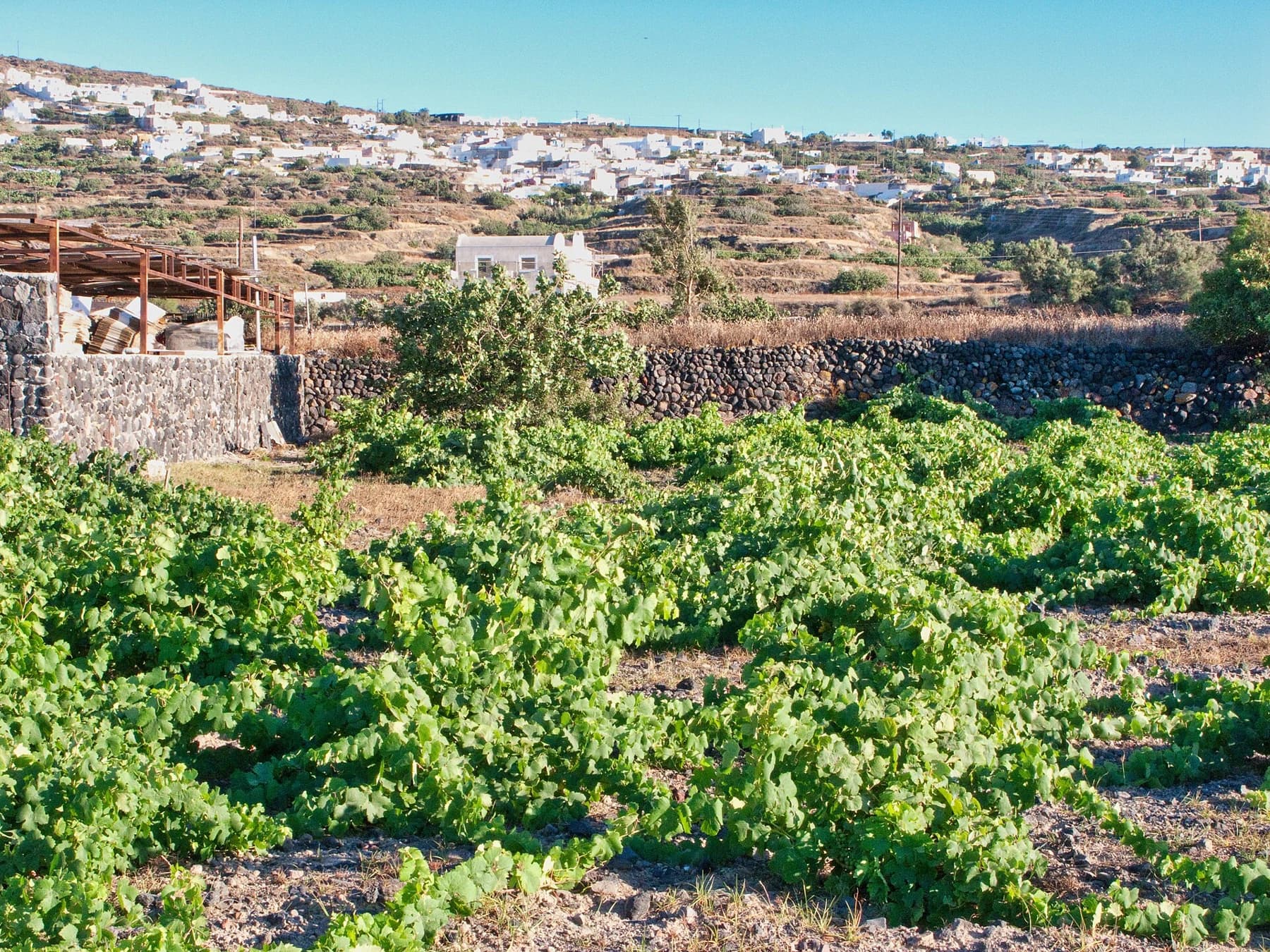
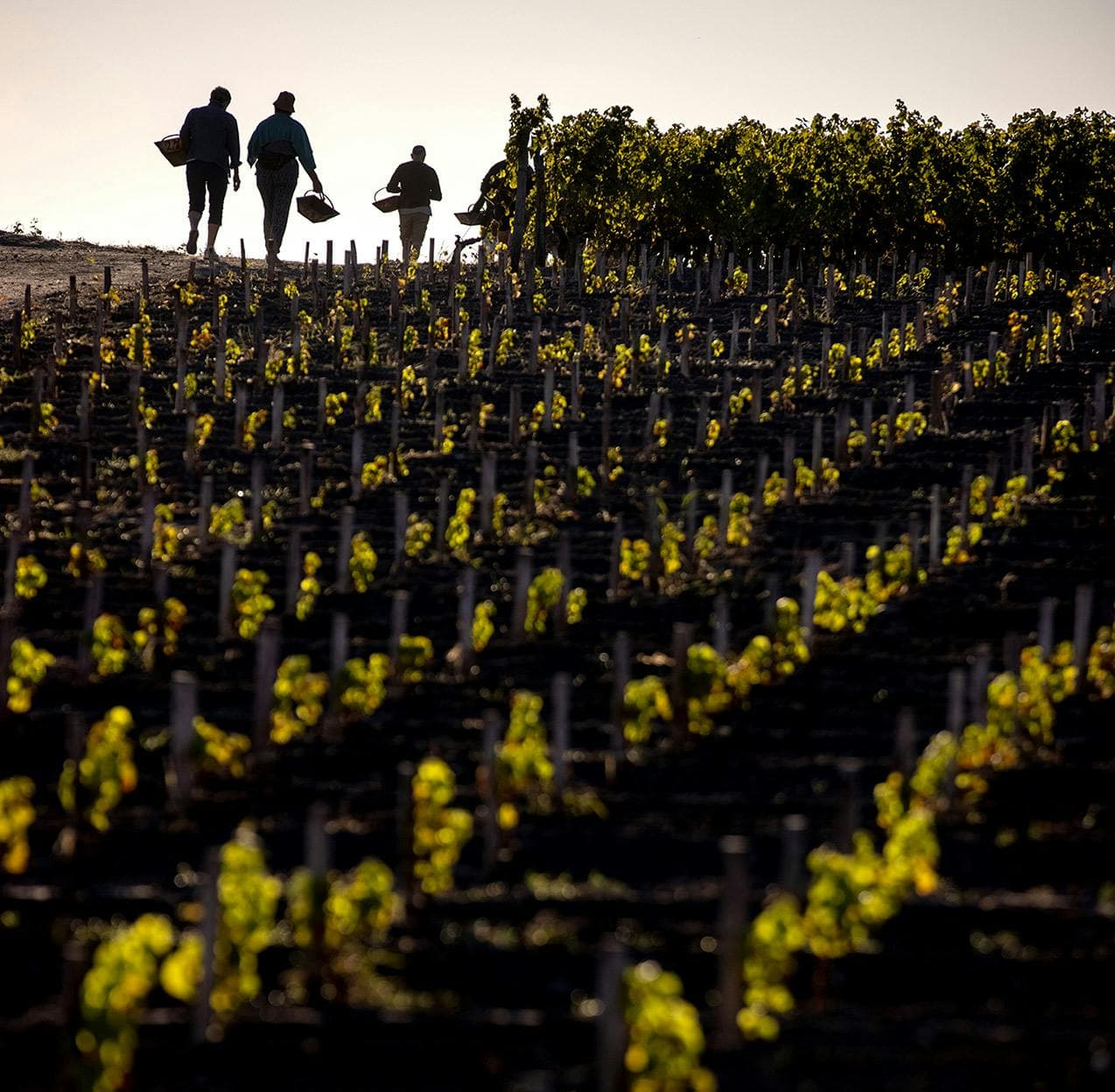
Santorini’s low, coiled vines are more than a striking landscape. The kouloura makes a practical response to wind and sun visible in the wine’s agricultural life.
Read the noteDiscovery
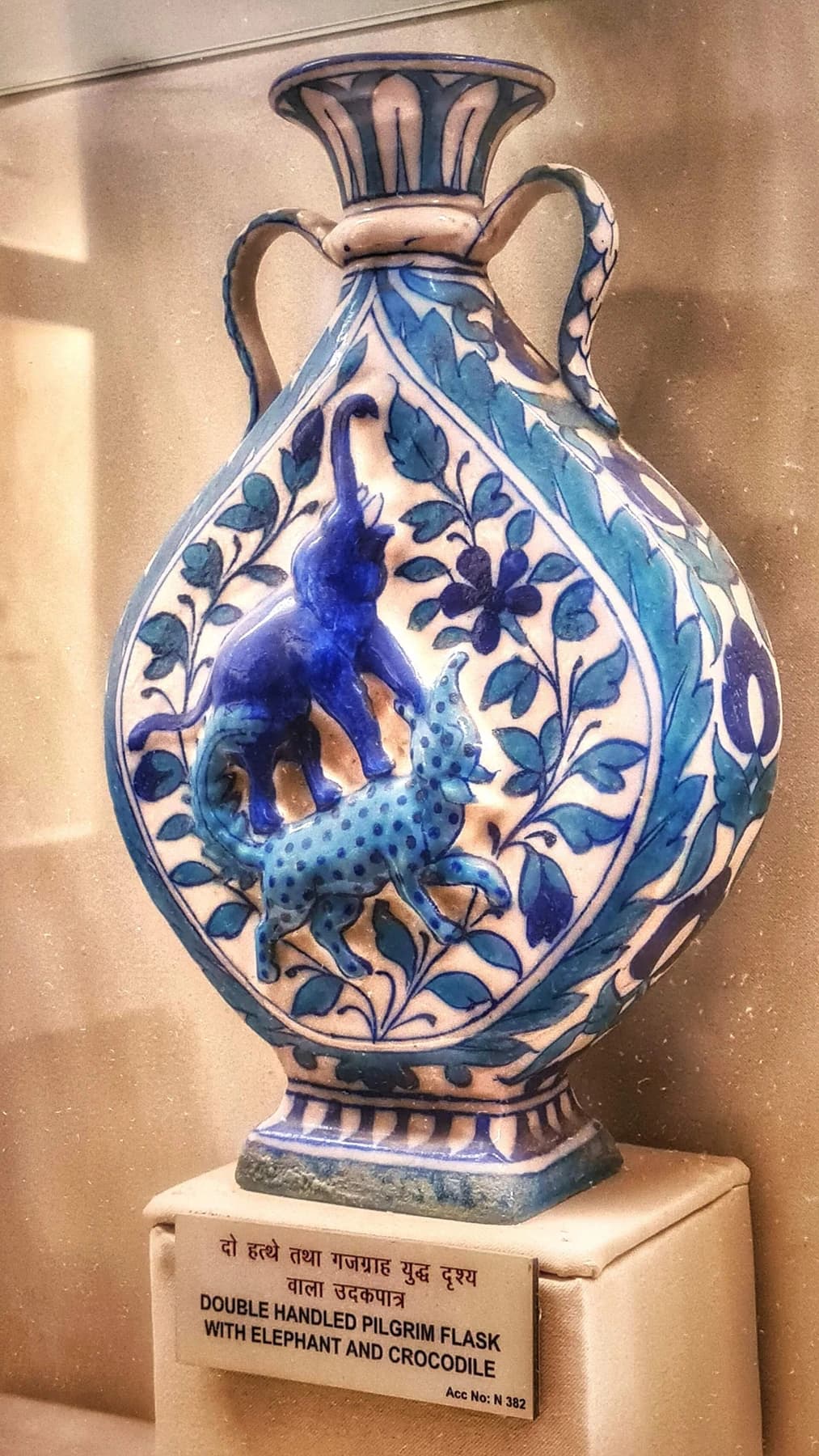
Jaipur blue pottery begins with a surprising material recipe. Beneath the painted surface is a quartz-rich body and a sequence of skilled decisions worth knowing.
Read the noteDiscovery
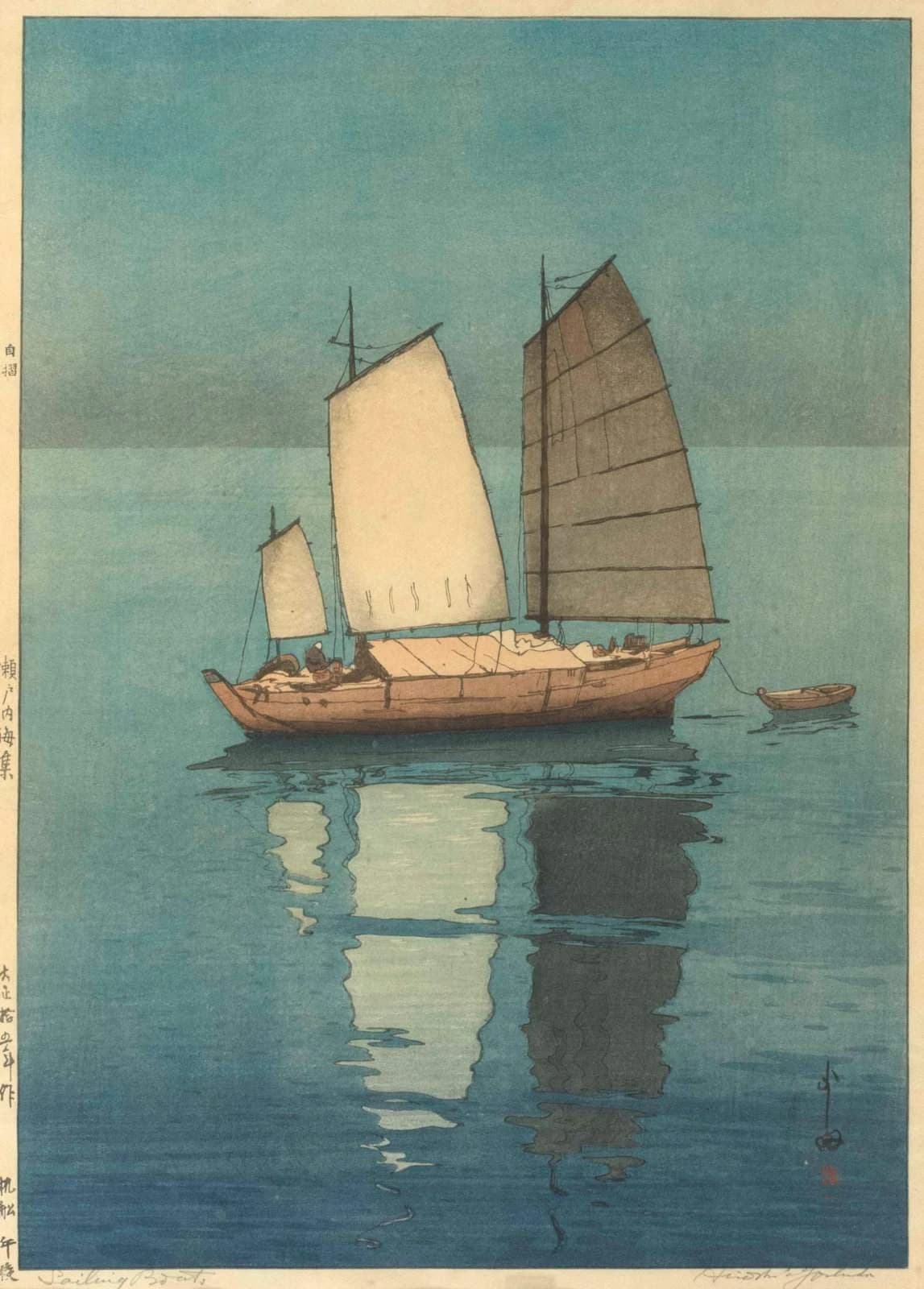
Hiroshi Yoshida’s Sailing Boats changes atmosphere without abandoning its subject. Reusing woodblocks with different colours reveals how much of a place is made by light.
Read the noteDiscovery
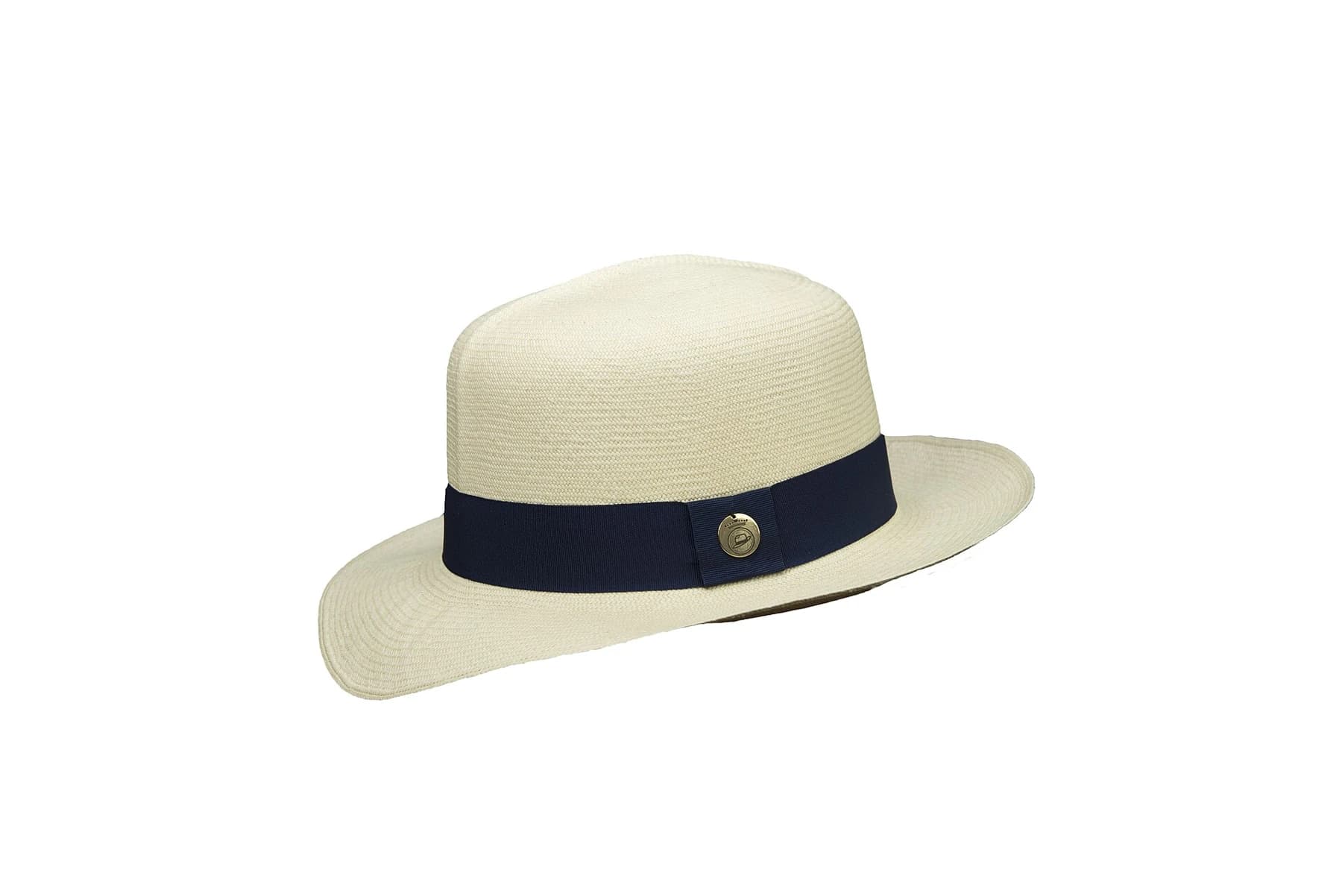
The so-called Panama hat leads back to Ecuador and the work of toquilla weavers. Looking beyond the familiar name reveals an agricultural material, regional skills and a form made to be worn.
Read the noteDiscovery
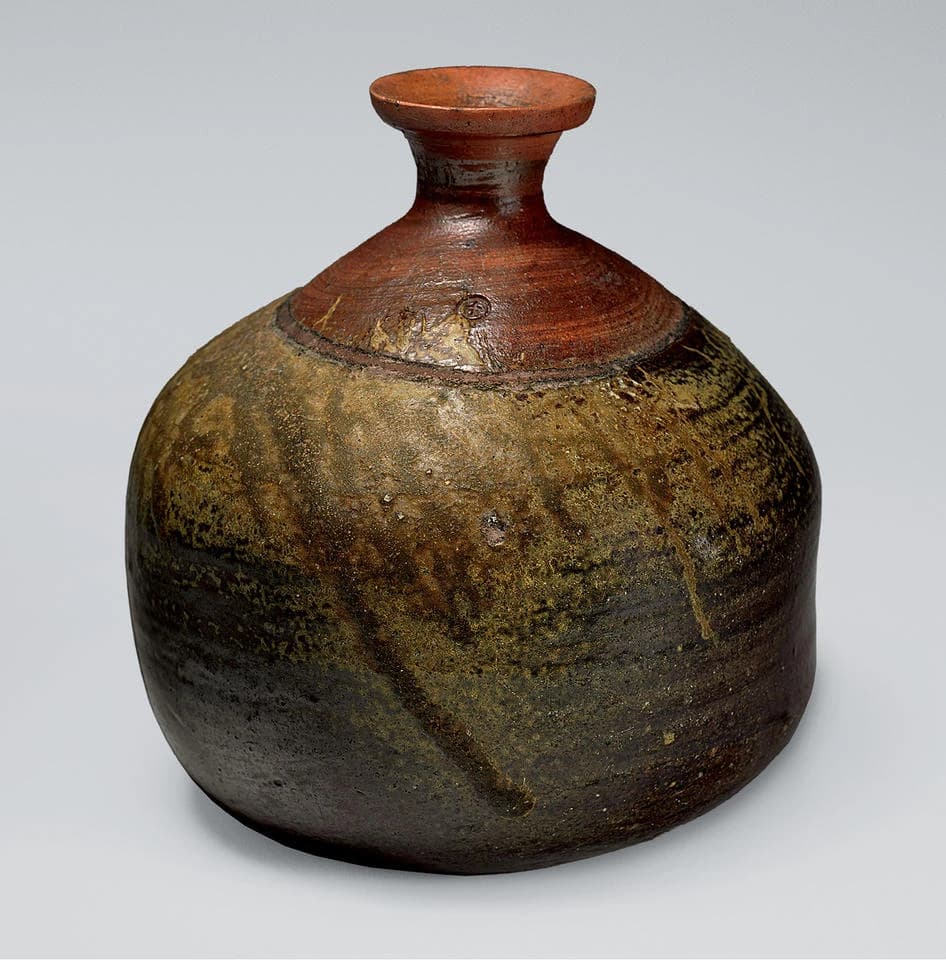
Bizen pottery offers another way to read a vessel. Clay and firing can create a complex surface without applied glaze, making the kiln part of the work rather than just its final destination.
Read the noteDiscovery
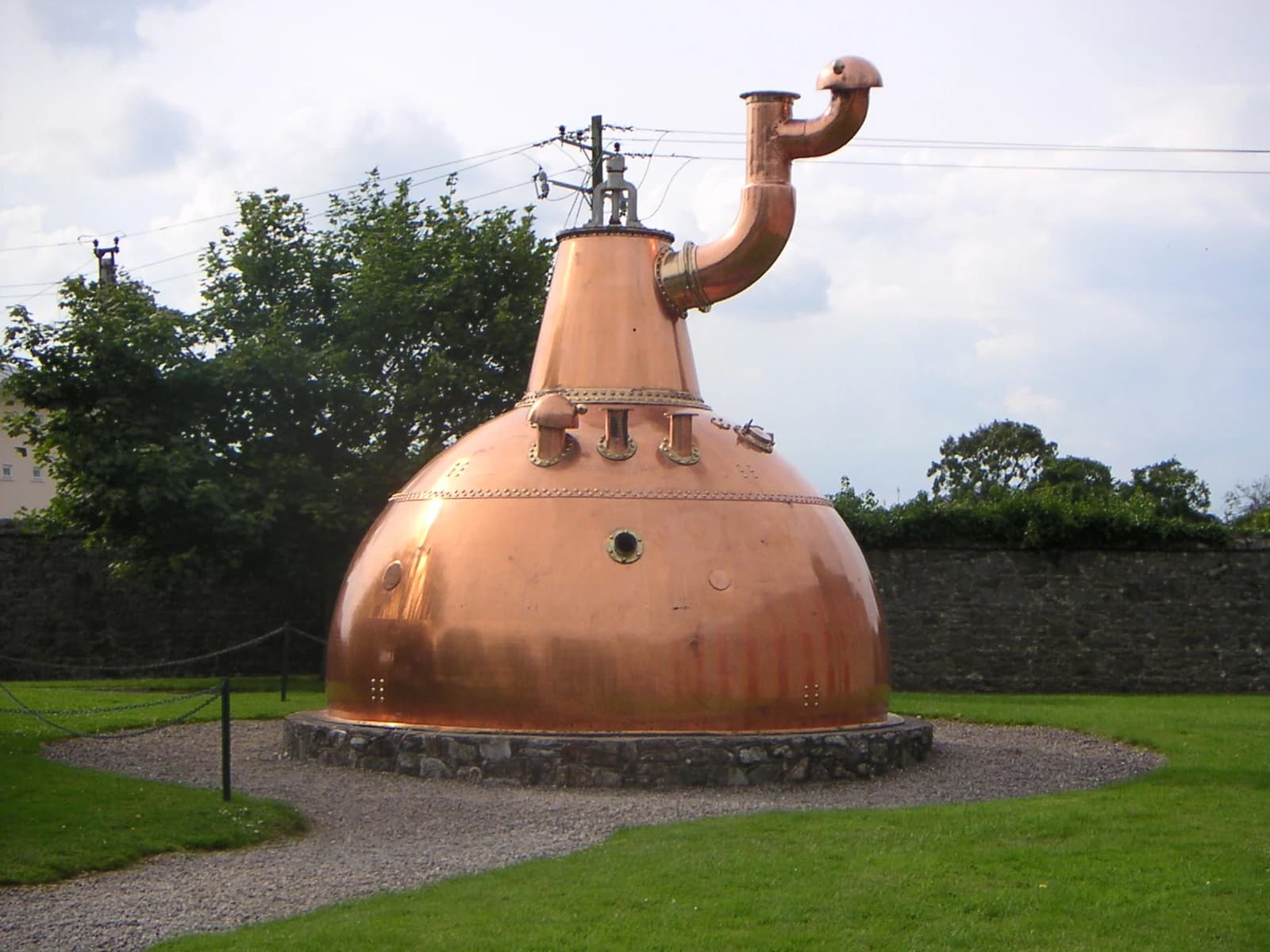
Redbreast 12 offers an approachable route into a distinctive Irish whiskey tradition. Malted and unmalted barley make the story more interesting than a trophy release.
Read the noteDiscovery
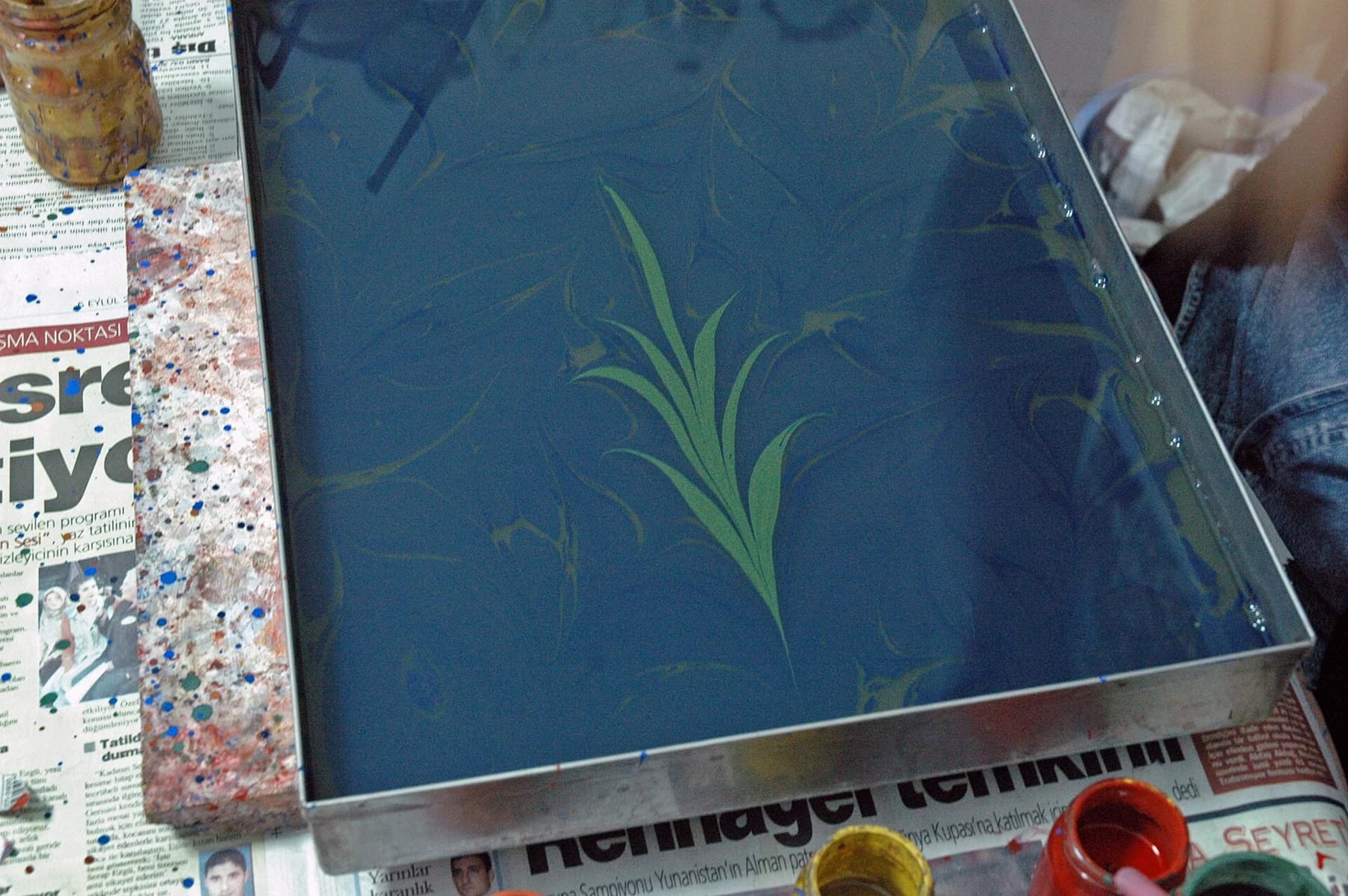
In ebru, a picture takes shape on a prepared liquid surface before it reaches paper. The lasting object preserves a fleeting arrangement and the knowledge that allowed it to happen.
Read the noteDiscovery
A five-day mosaic course in Ravenna turns looking into making. Cutting and placing a small piece of glass can change how a visitor reads an entire wall.
Read the noteDiscovery
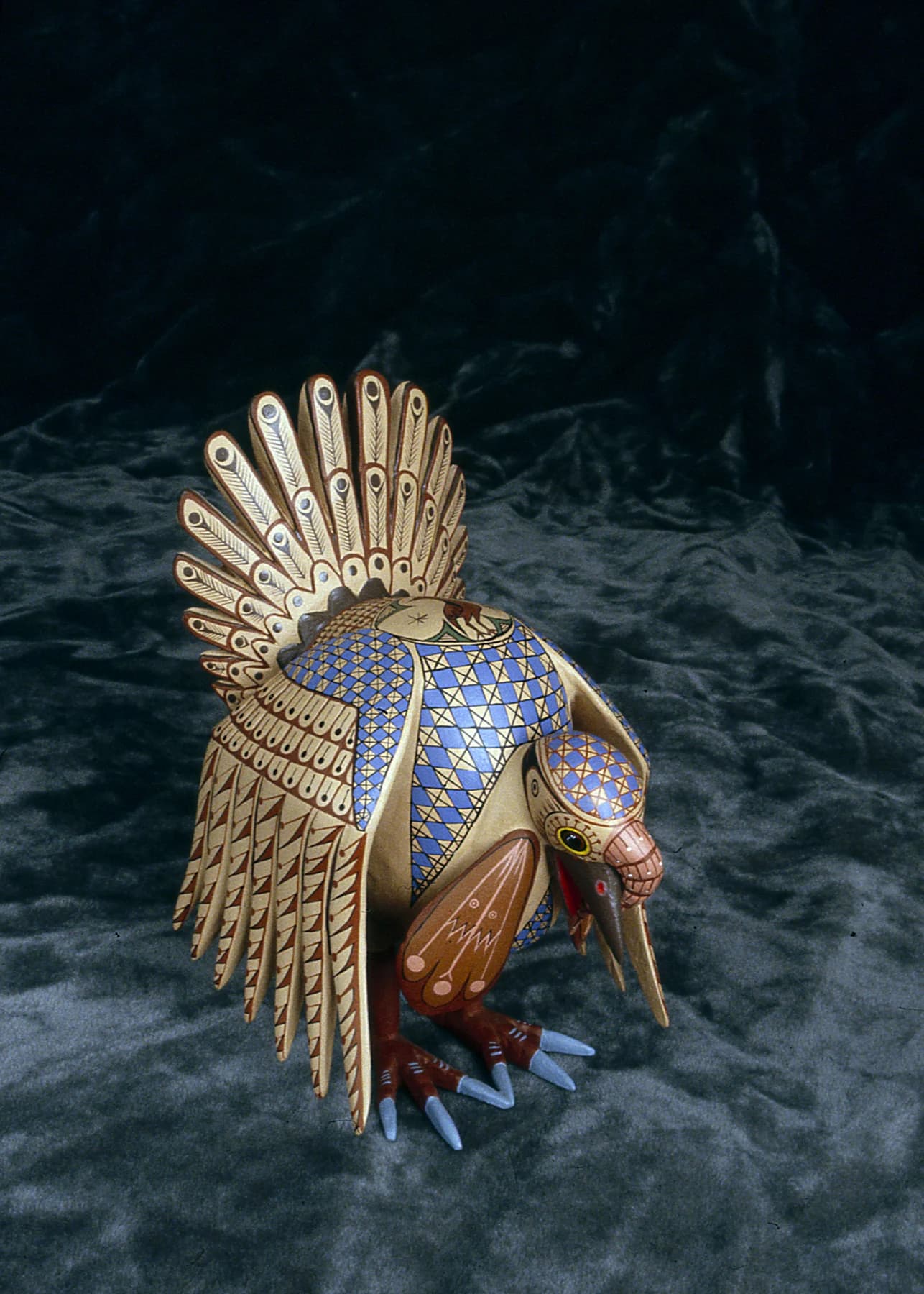
Jacobo and María Ángeles’ workshop turns copal wood into tonas and nahuales. Carving, painted pattern and shared knowledge make the work more than a colourful animal.
Read the noteDiscovery
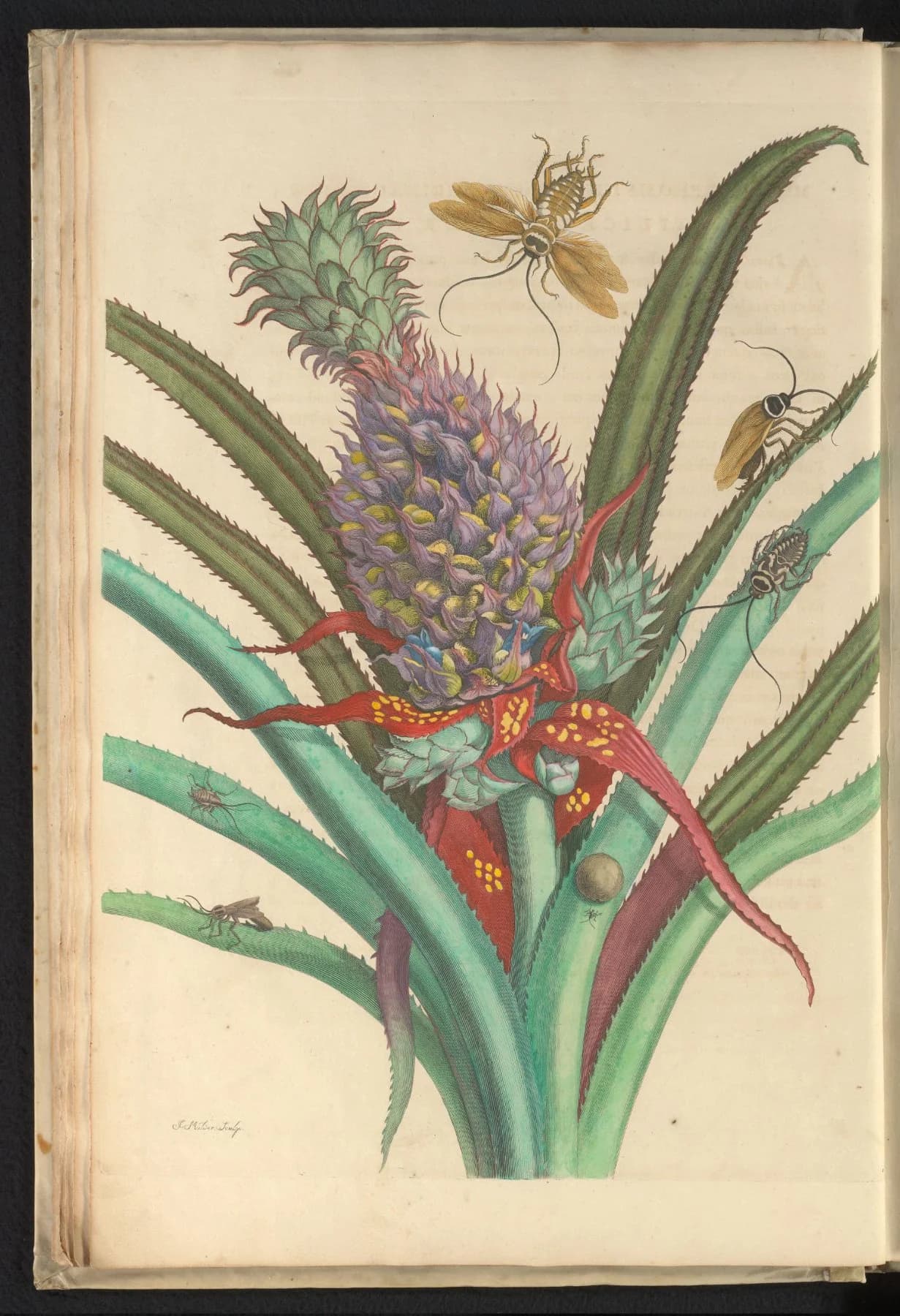
Maria Sibylla Merian’s 1705 Suriname book brings plants and insects into a shared visual world. A public-domain plate makes close study possible without owning an early edition.
Read the noteDiscovery
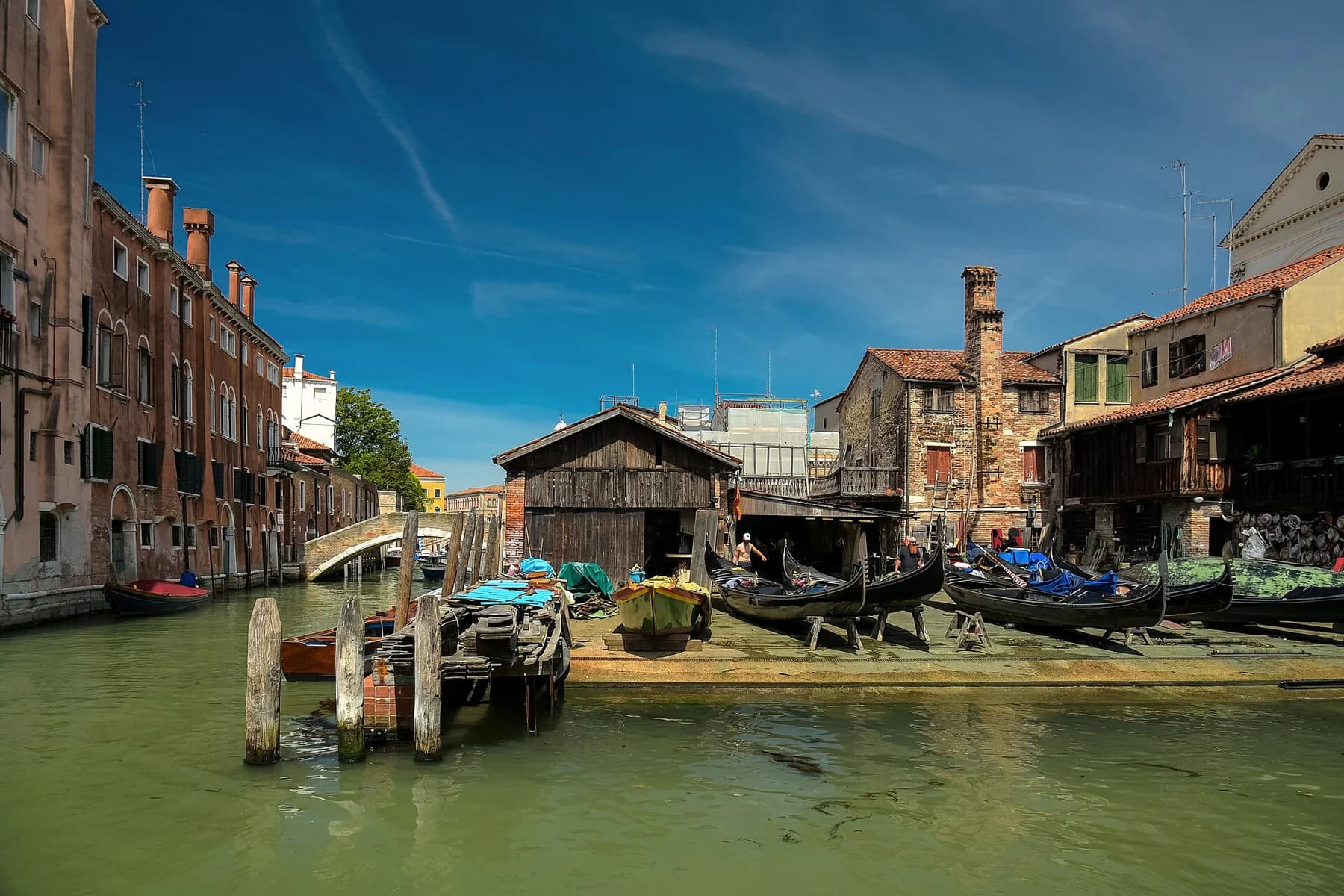
A pause across the canal from Squero di San Trovaso shifts Venice from postcard to workshop. Boats need a place, tools and knowledge to continue working.
Read the noteDiscovery
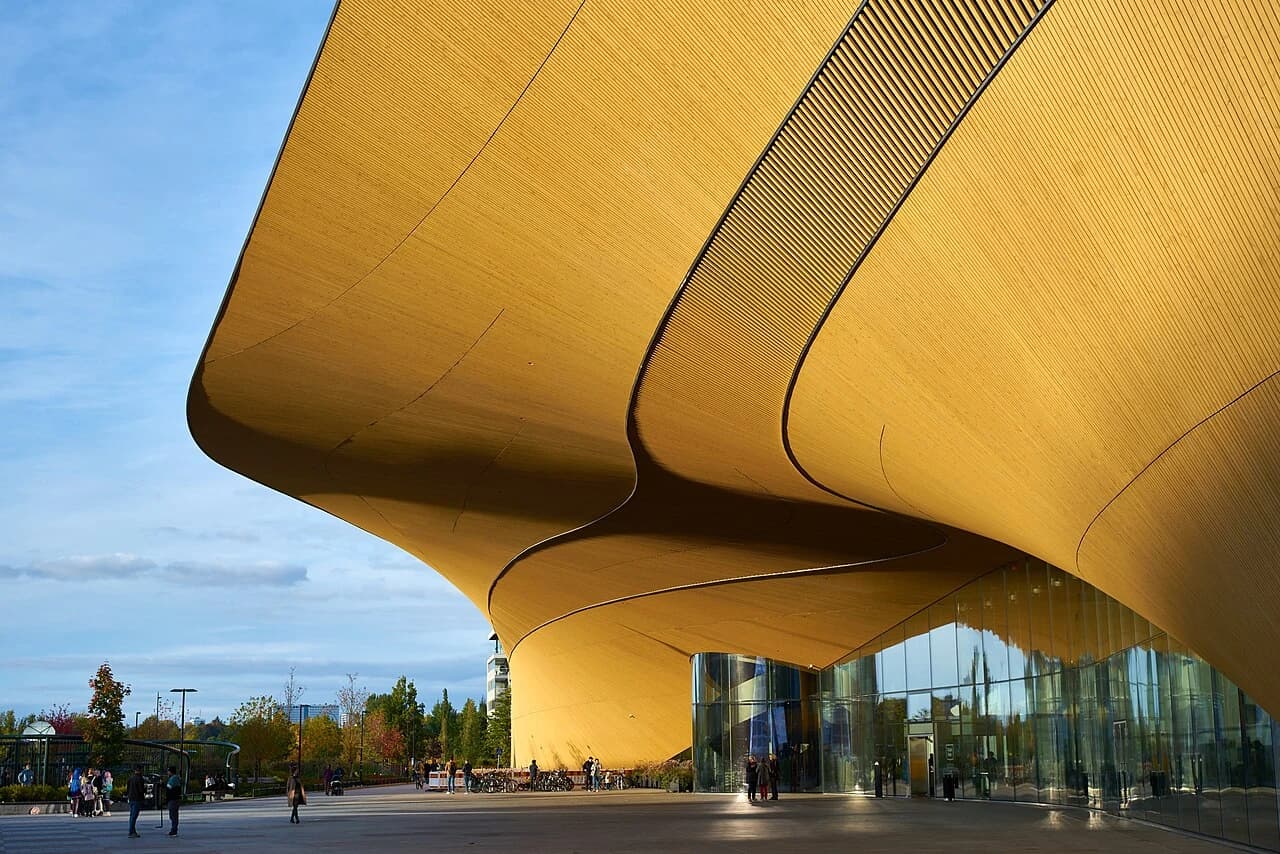
Helsinki’s Oodi offers books, workshops, studios and public rooms. The unusual value is how much a city lets people do without owning the building or equipment.
Read the noteDiscovery
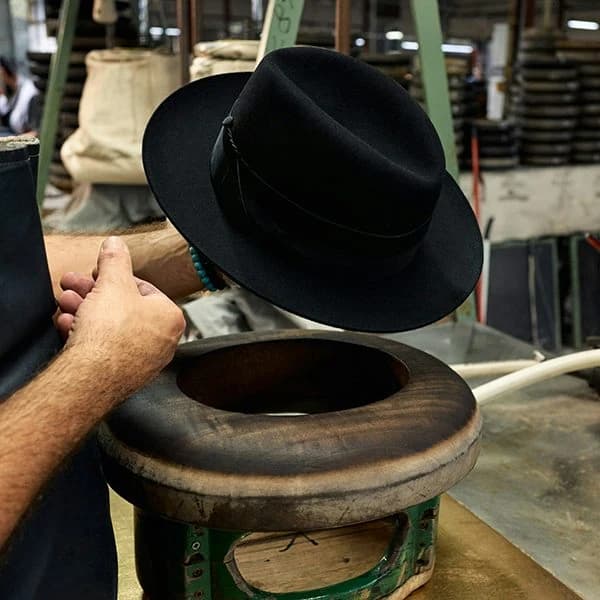
Borsalino’s felt-hat workshop explains what can happen after wear changes a hat. Blocking and repair make the next chapter more concrete.
Read the noteDiscovery
Tío Pepe en Rama 2026 turns attention to a moment in the cellar. The spring cask selection opens a conversation about flor, timing and the people choosing the wine.
Read the noteDiscovery
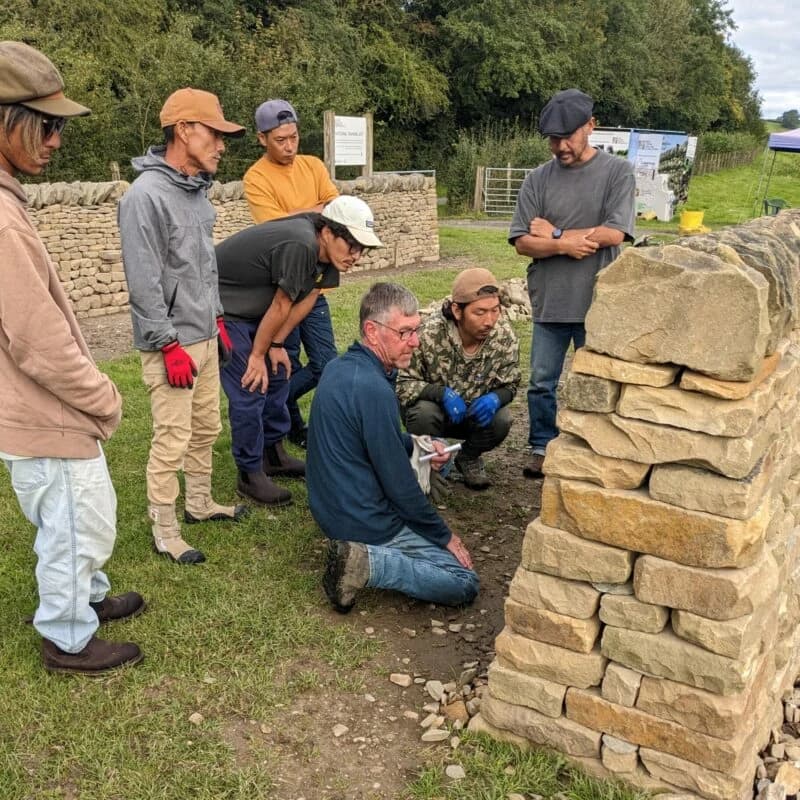
A dry-stone walling course turns a landscape feature into a skill you can practice. The value is in the work learned, not only the scenery.
Read the noteDiscovery
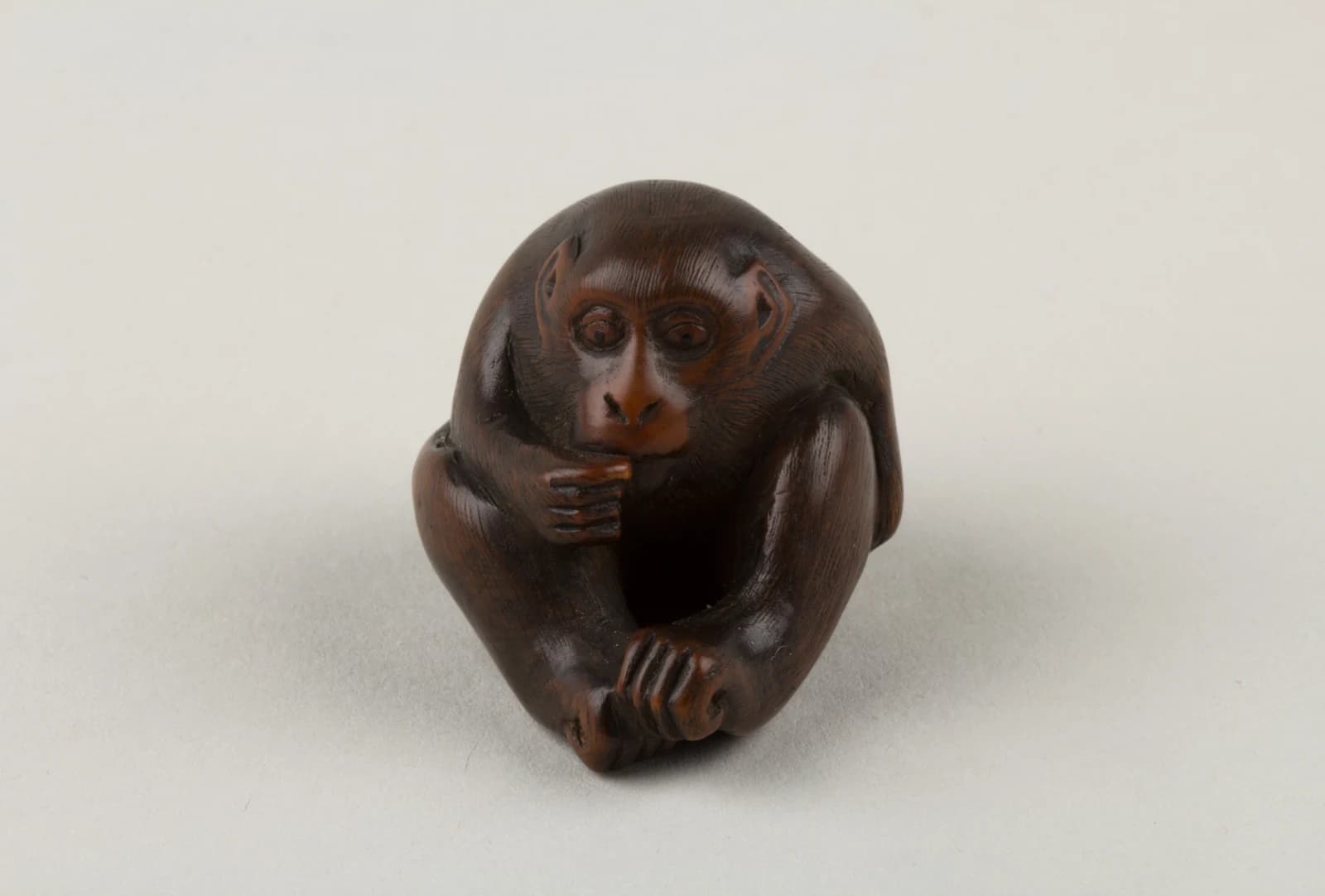
Masakazu’s small wooden monkey in The Met is a reminder that a netsuke began with a job. Function and invention can fit in one hand.
Read the noteDiscovery
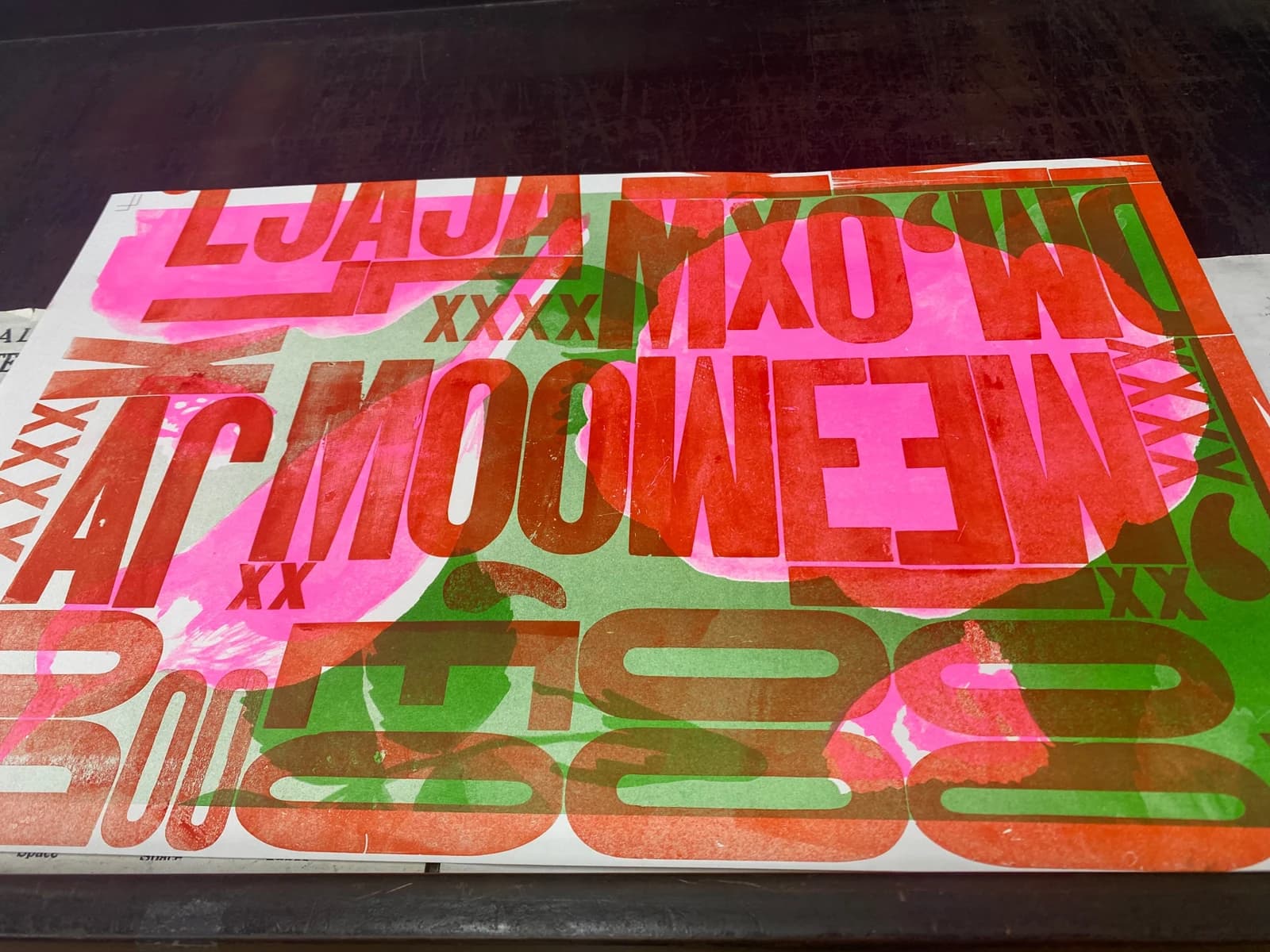
A two-day Center for Book Arts workshop turns wood type into prints that participants exchange and remake. The encounter leaves a method, not only a souvenir.
Read the noteDiscovery
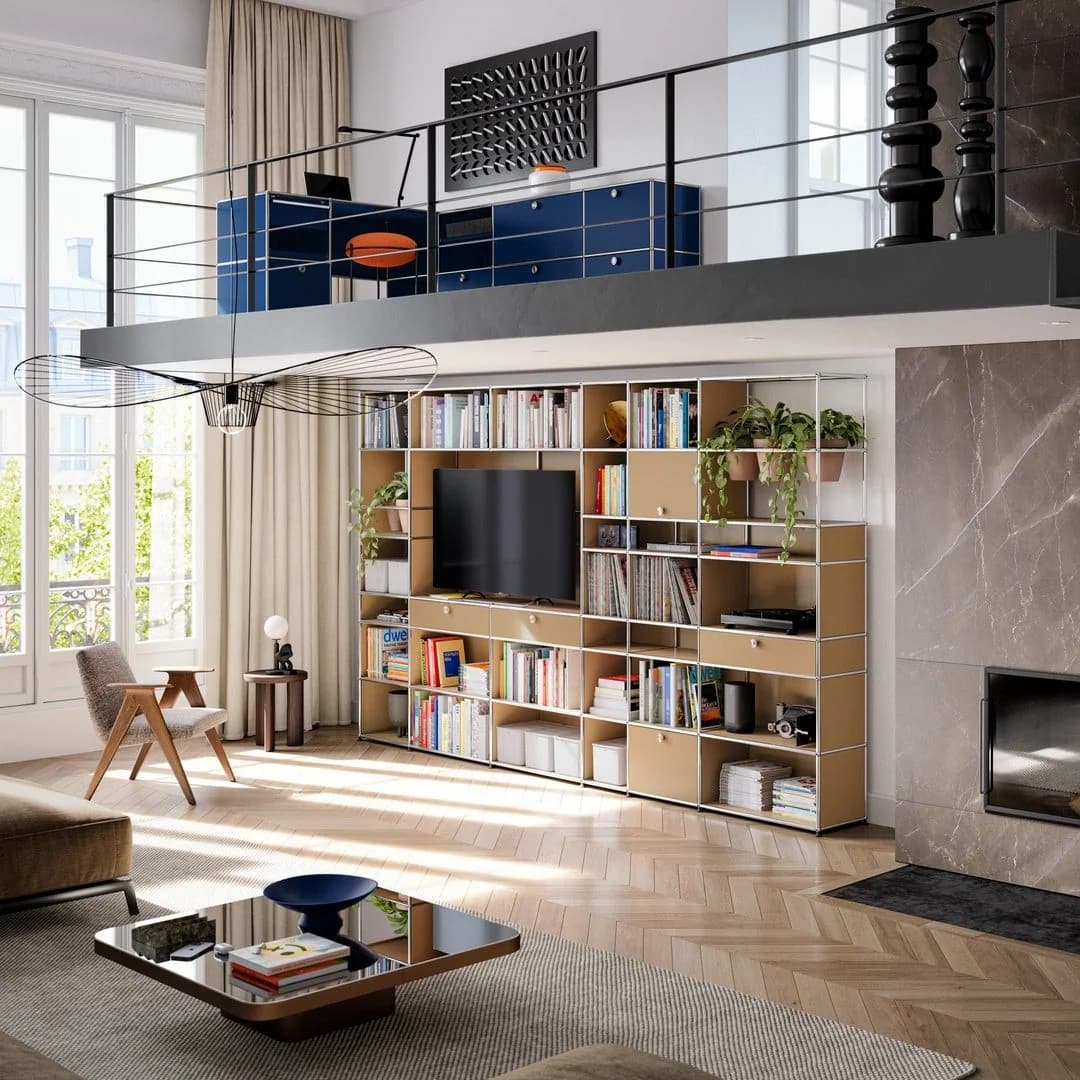
The useful part of USM Haller is what happens when the room changes. A familiar storage system can be configured for another chapter.
Read the noteDiscovery
A Hardanger bunad can carry regional skill and family history into the present. The work of fitting and keeping it matters too.
Read the noteDiscovery
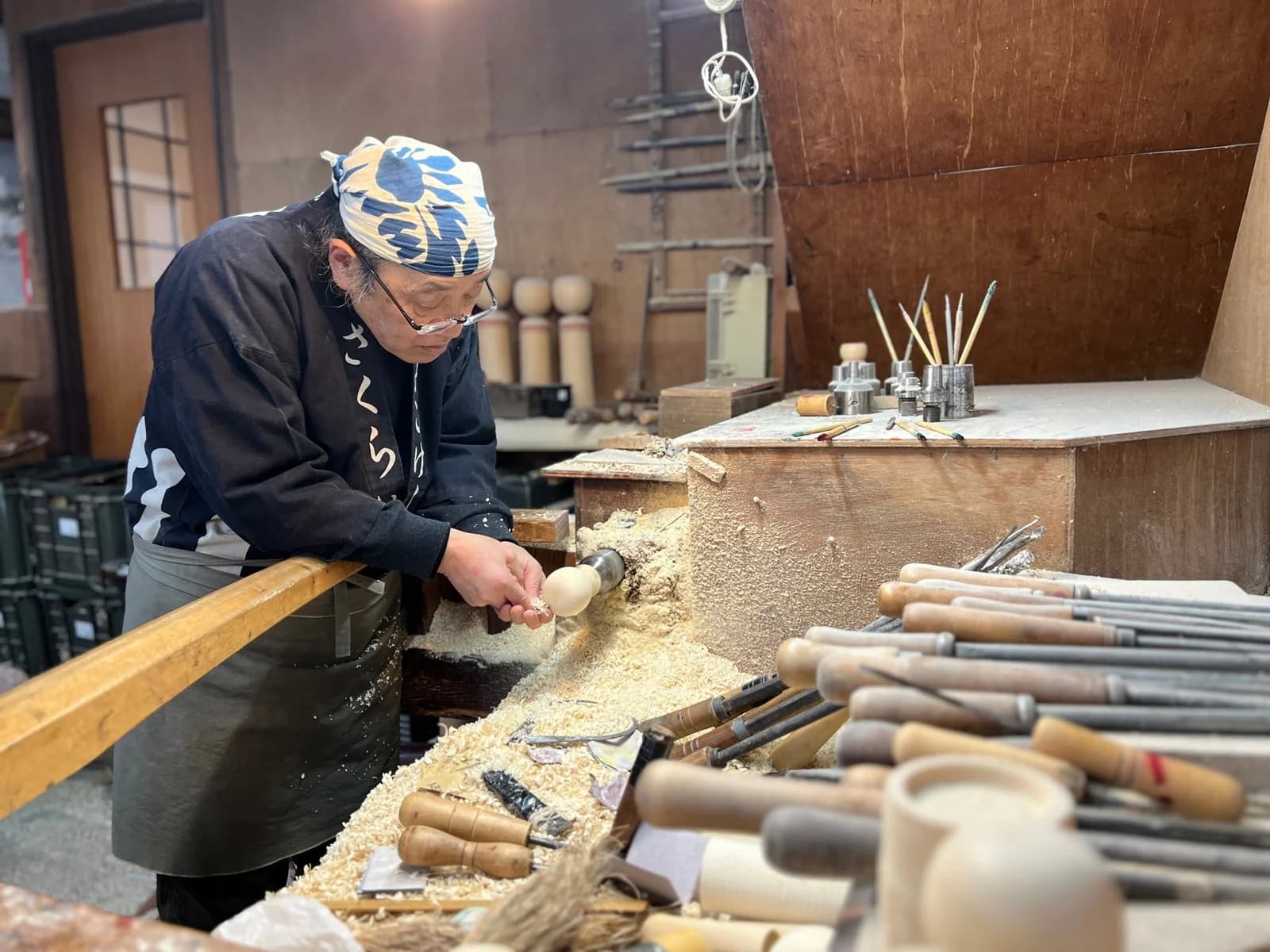
A Naruko kokeshi is turned, fitted and painted by a maker. The small sound at its neck hints at a whole craft tradition.
Read the noteDiscovery
A guided visit to the Gobelins workshops can change how a tapestry is read. The work is as revealing as the finished image.
Read the noteDiscovery
The Curta makes calculation physical. Turn a crank and a remarkable compact mechanism does what a screen now hides.
Read the noteDiscovery
At Rani-ki-Vav in Gujarat, the descent toward water became architecture and sculpture. The old practical purpose still changes how we read it.
Read the noteDiscovery
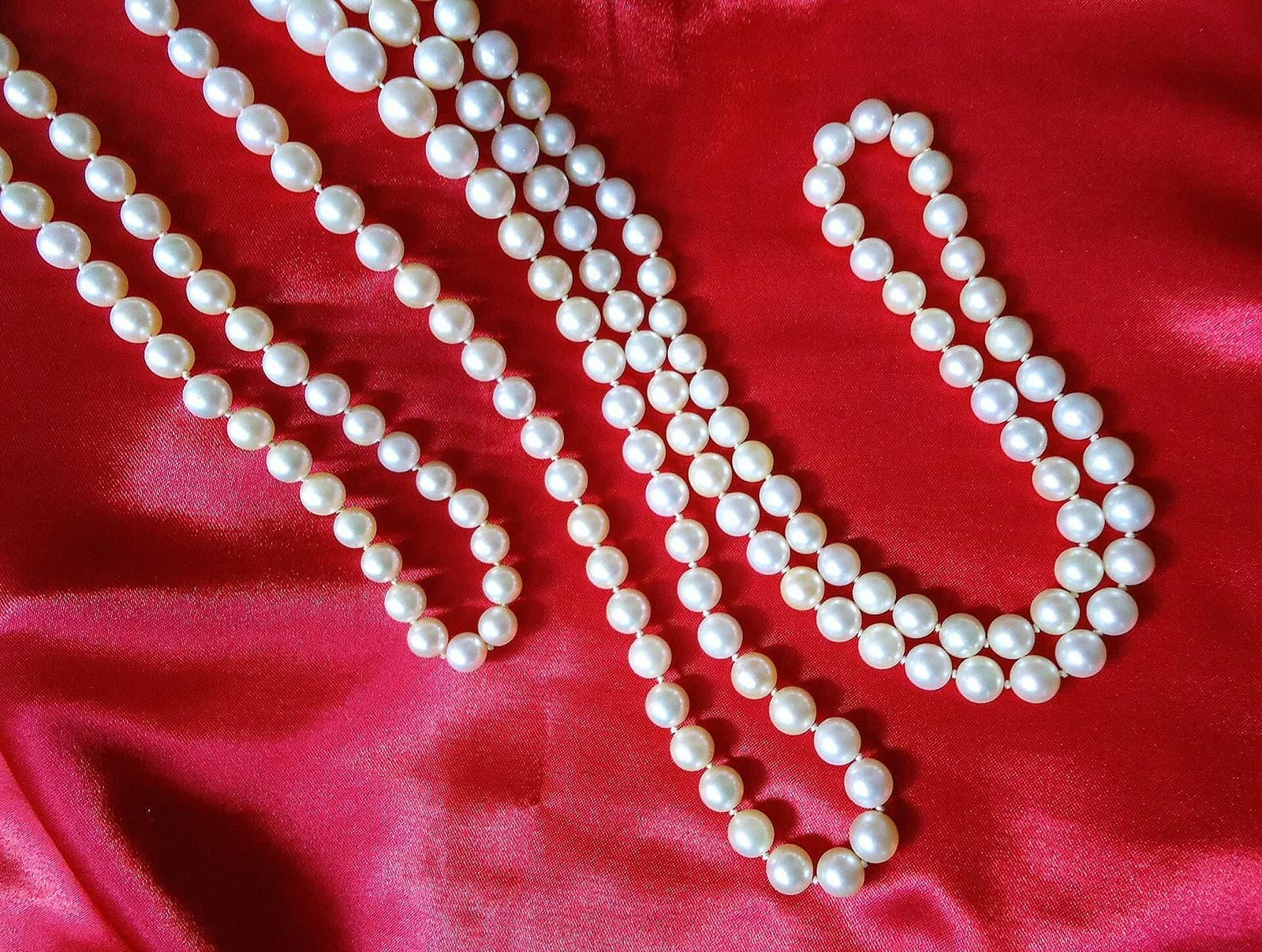
An akoya strand invites comparison across each pearl. Lustre, surface and matching matter more than a single impressive number.
Read the noteDiscovery
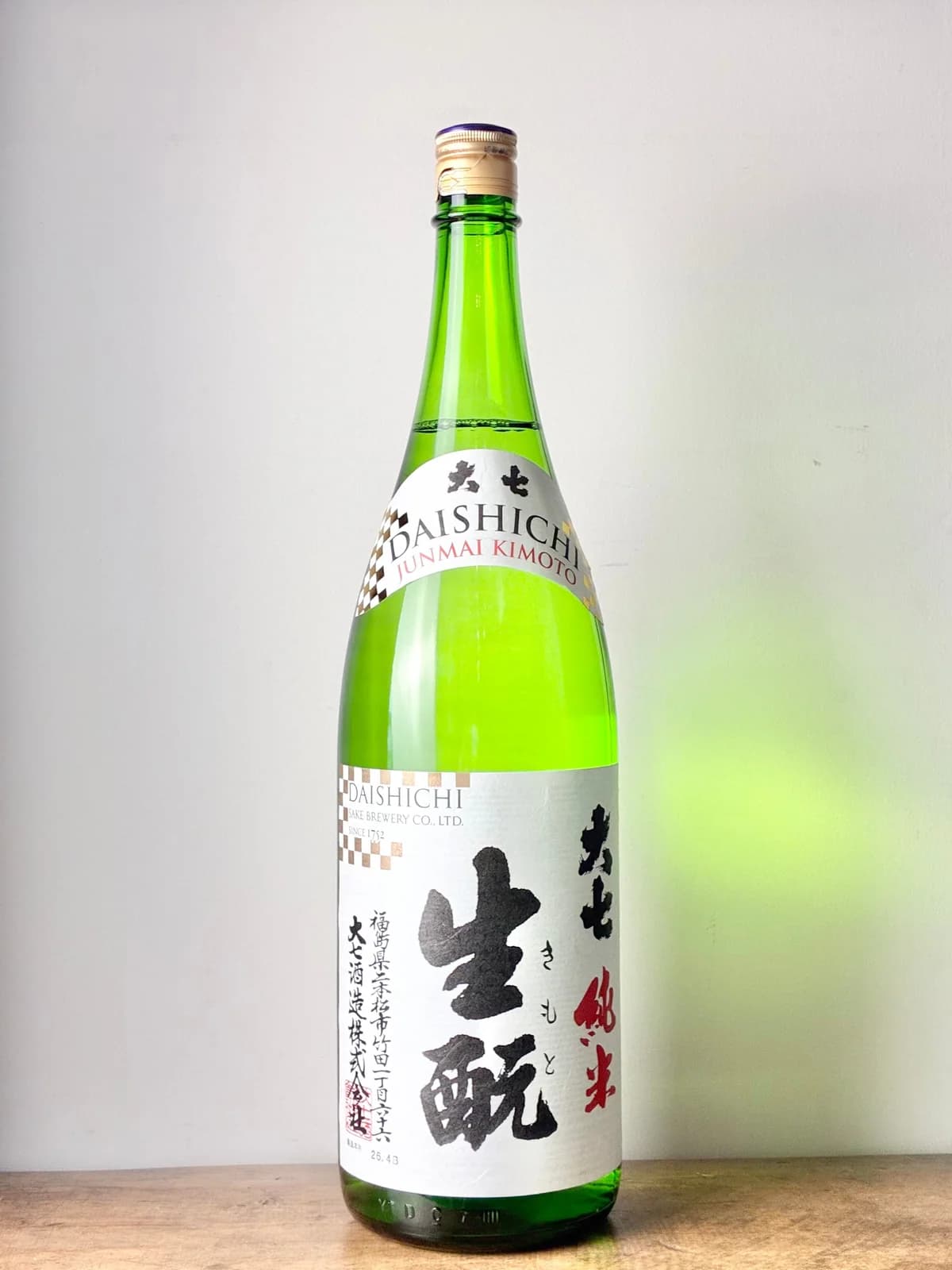
Daishichi Junmai Kimoto asks us to look before the finished drink. Its starter method makes microbial knowledge part of the flavour story.
Read the noteDiscovery
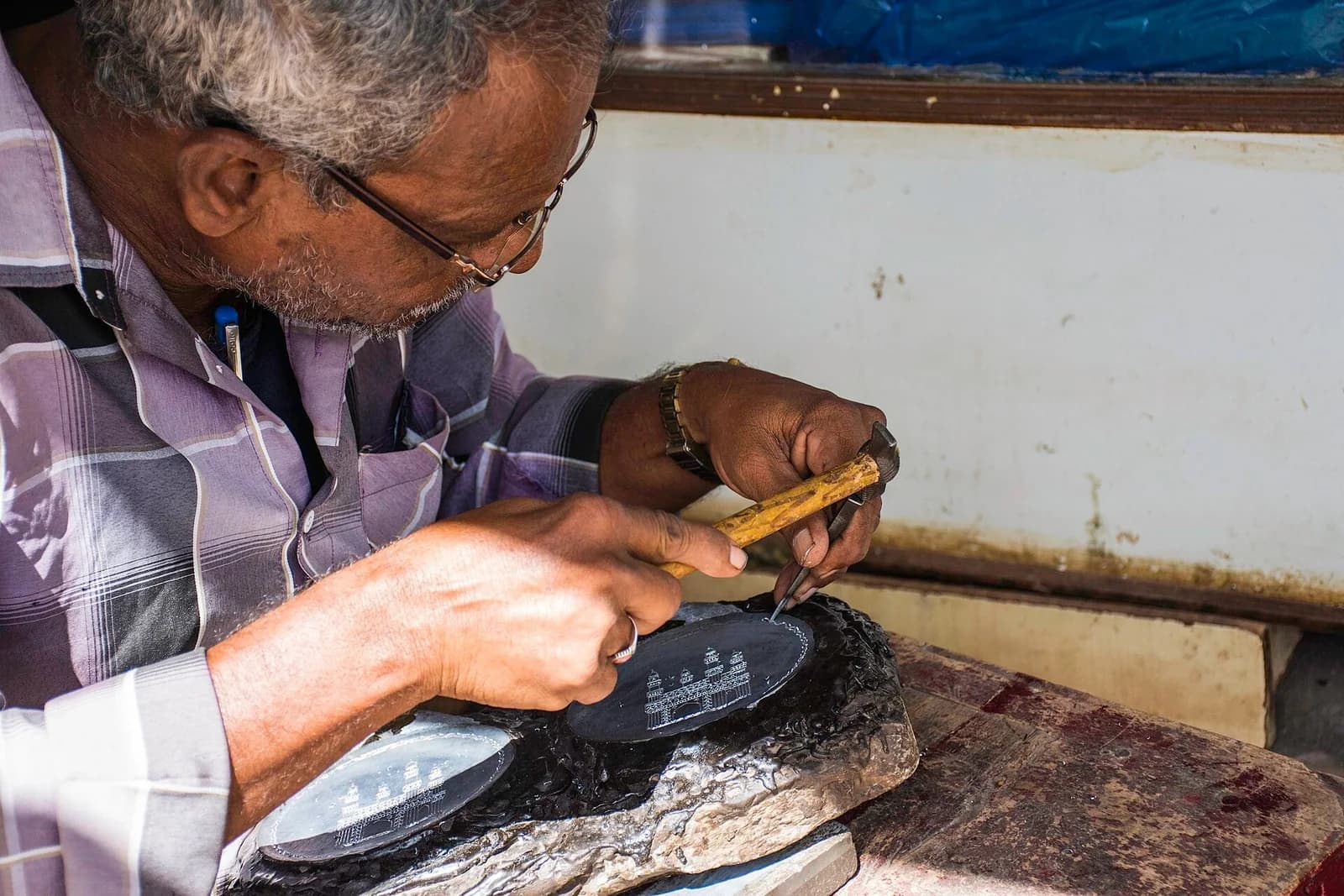
In Bidriware, silver becomes luminous because of the dark metal around it. The making changes the way an object is read.
Read the noteDiscovery
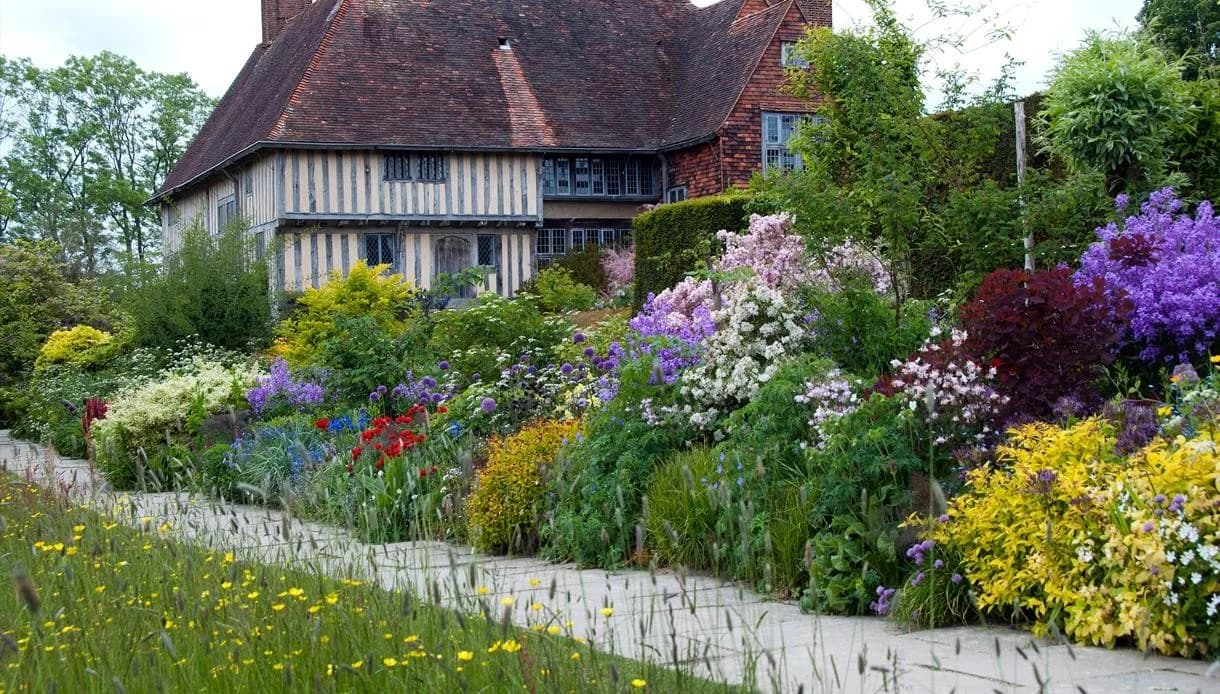
Great Dixter teaches a garden as a changing sequence. Its lesson can matter long after a day among the borders.
Read the noteDiscovery
The Pelikan M800 makes refilling part of the object. The interesting question is not how impressive a pen looks, but what keeps it in your hand.
Read the noteDiscovery
The first Mazda MX-5 has something more useful than a nostalgic following: a documented factory restoration story. Its limits matter too.
Read the noteDiscovery
Château Musar Red spends years in the cellar before it reaches the shelf. Its value is easier to understand by following the decisions in that interval.
Read the noteDiscovery
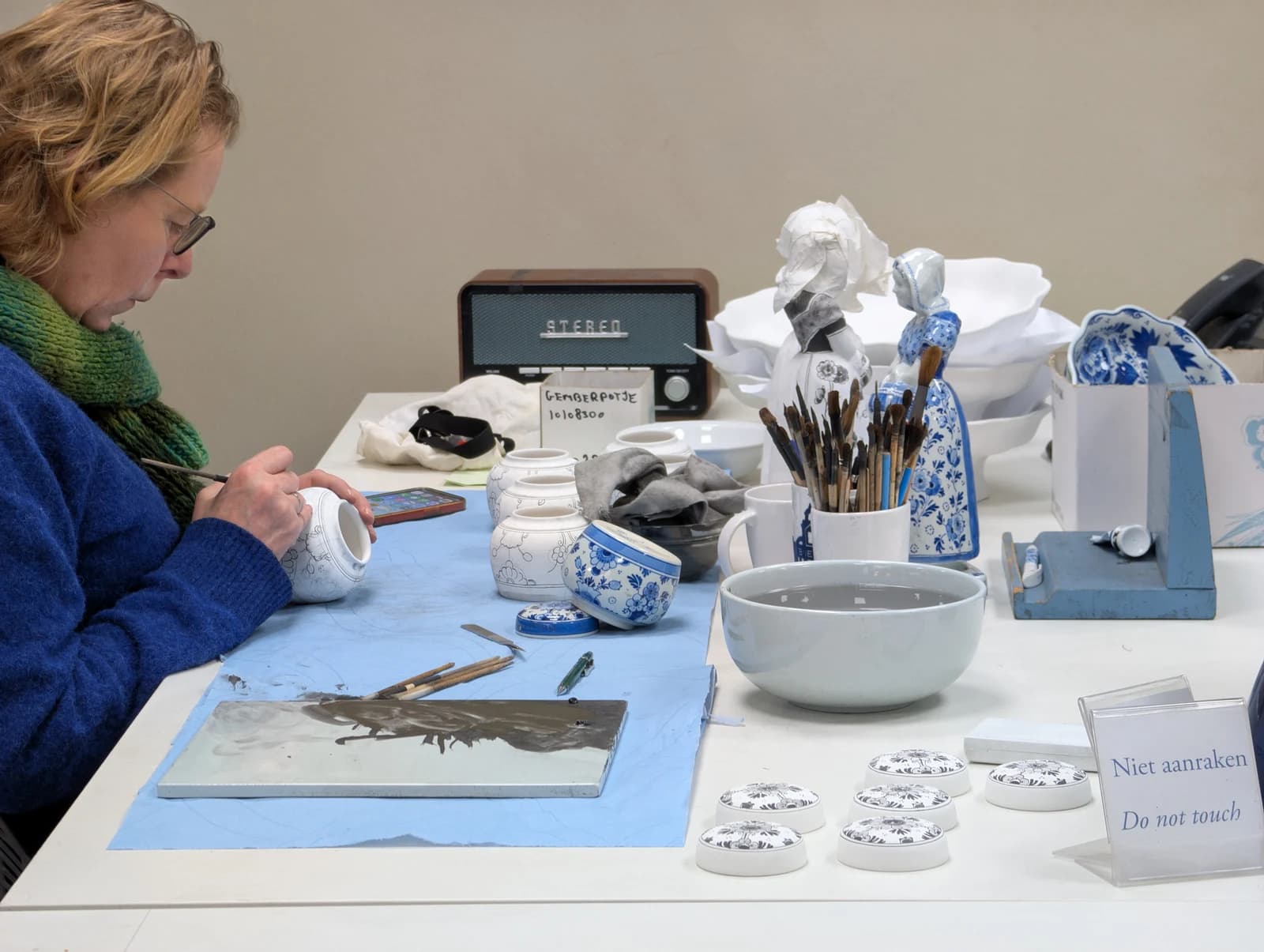
At Royal Delft, a painter works in black and the kiln brings out the blue. The process helps you distinguish a hand-painted object from a familiar-looking surface.
Read the noteDiscovery
At Green Bank Observatory, switching off a device has a scientific purpose. A visit reveals the infrastructure behind our ability to notice faint signals.
Read the noteDiscovery
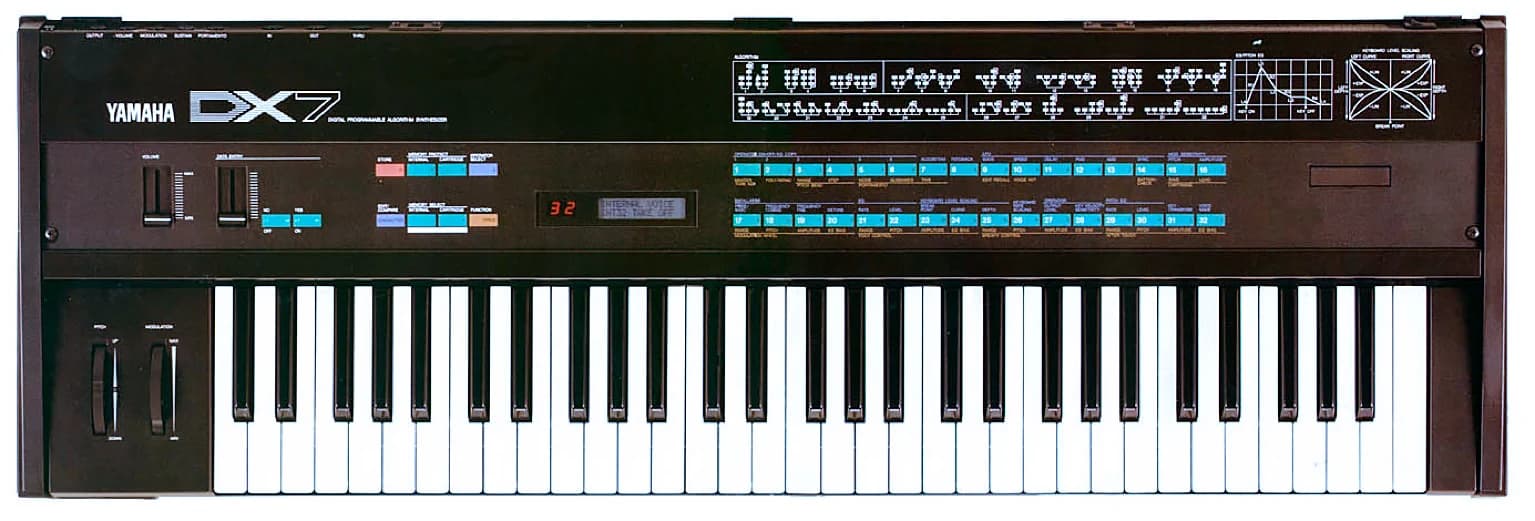
The Yamaha DX7 is often treated as the sound of the 1980s. Its more enduring idea is that a familiar machine can still be a place to invent.
Read the noteDiscovery
The Klepper Aerius separates a boat into a frame and a skin. That changes both how you keep it and what may be possible when one part wears out.
Read the noteDiscovery
Red Wing’s Iron Ranger makes the next sole part of the ownership question. The useful detail is construction, not the romance of a worn boot.
Read the noteDiscovery
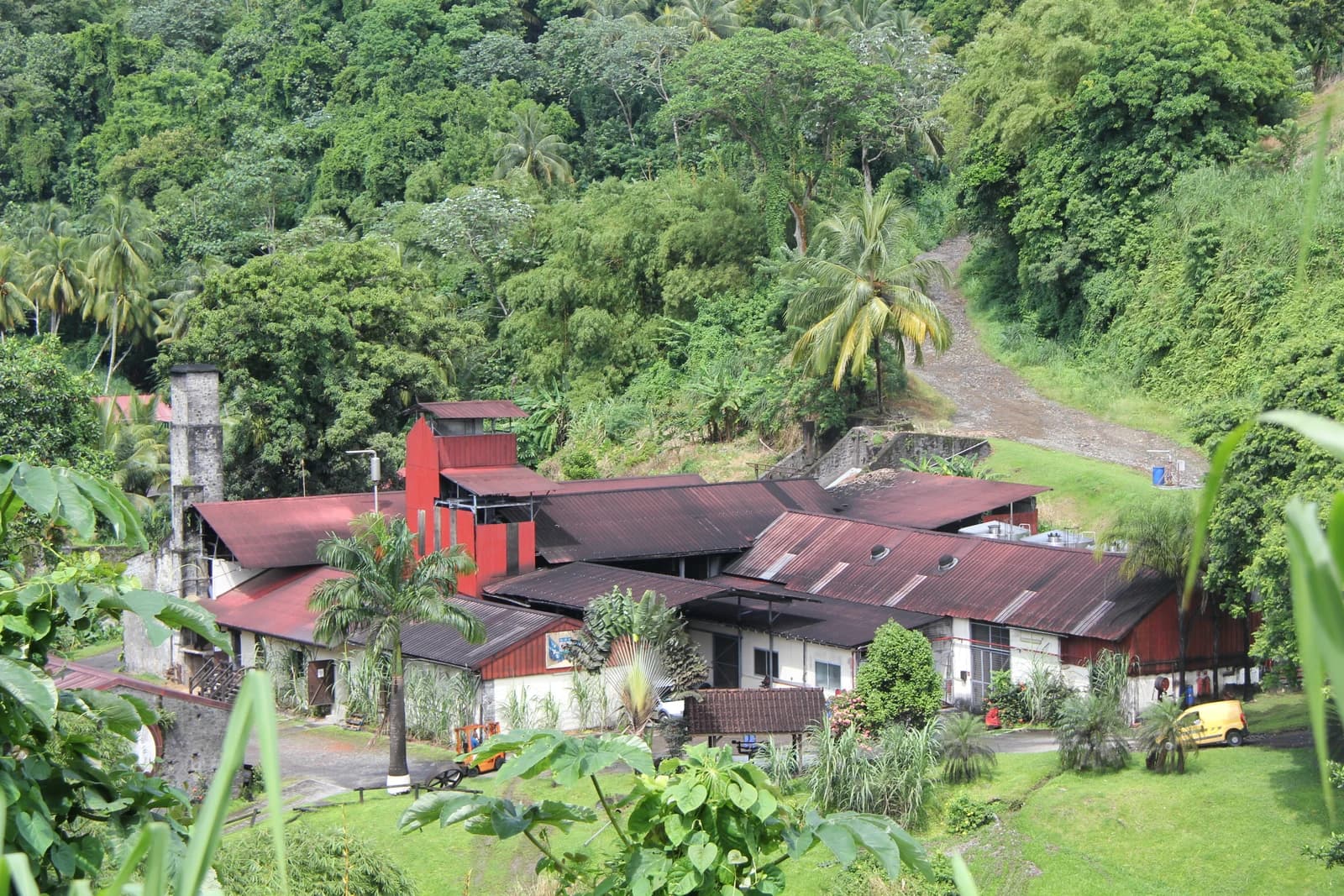
Rhum J.M Blanc 50° offers a different entry into rum. The source of interest is fresh cane and distillation, not an impressive age statement.
Read the noteDiscovery
A wayang kulit puppet is made to move, cast a shadow and carry a voice. Its cultural value cannot be separated from the people who bring it to life.
Read the noteDiscovery
In Arimatsu, tying a small piece of cloth can change how you read an entire textile. The experience makes patient preparation visible.
Read the noteDiscovery
The Olivetti Lettera 22 makes writing a physical sequence of decisions. Its design history matters, but a working keyboard matters more.
Read the noteDiscovery
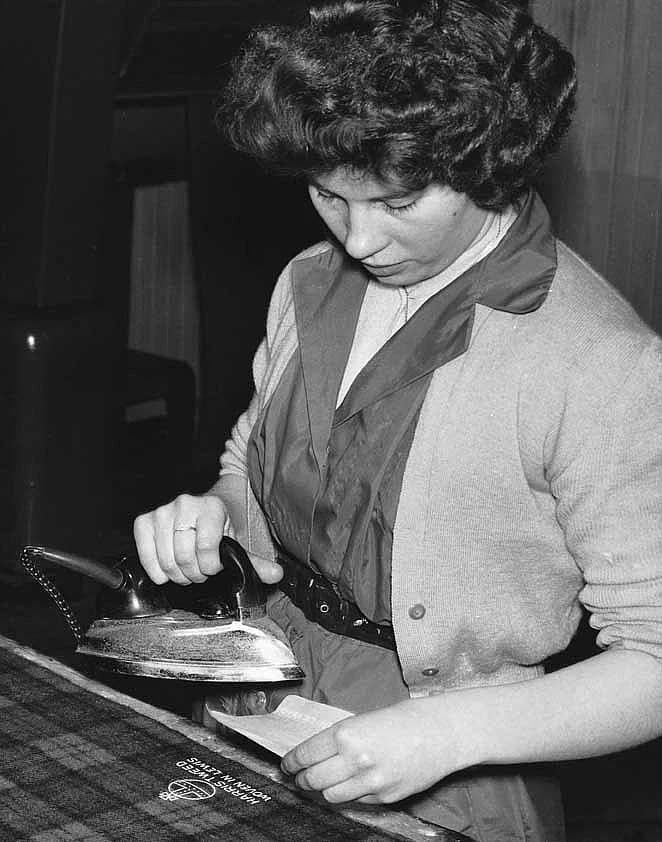
Harris Tweed’s Orb tells a more useful story than a vague claim of heritage. It connects cloth to a defined place and method of making.
Read the noteDiscovery
Viña Tondonia White Reserva asks you to reconsider what a white wine can be. Much of its story has already happened before the bottle reaches your table.
Read the noteDiscovery
An Opinel No.6 makes a modest proposition: useful material, a legible mechanism and a blade whose life depends on care.
Read the noteDiscovery
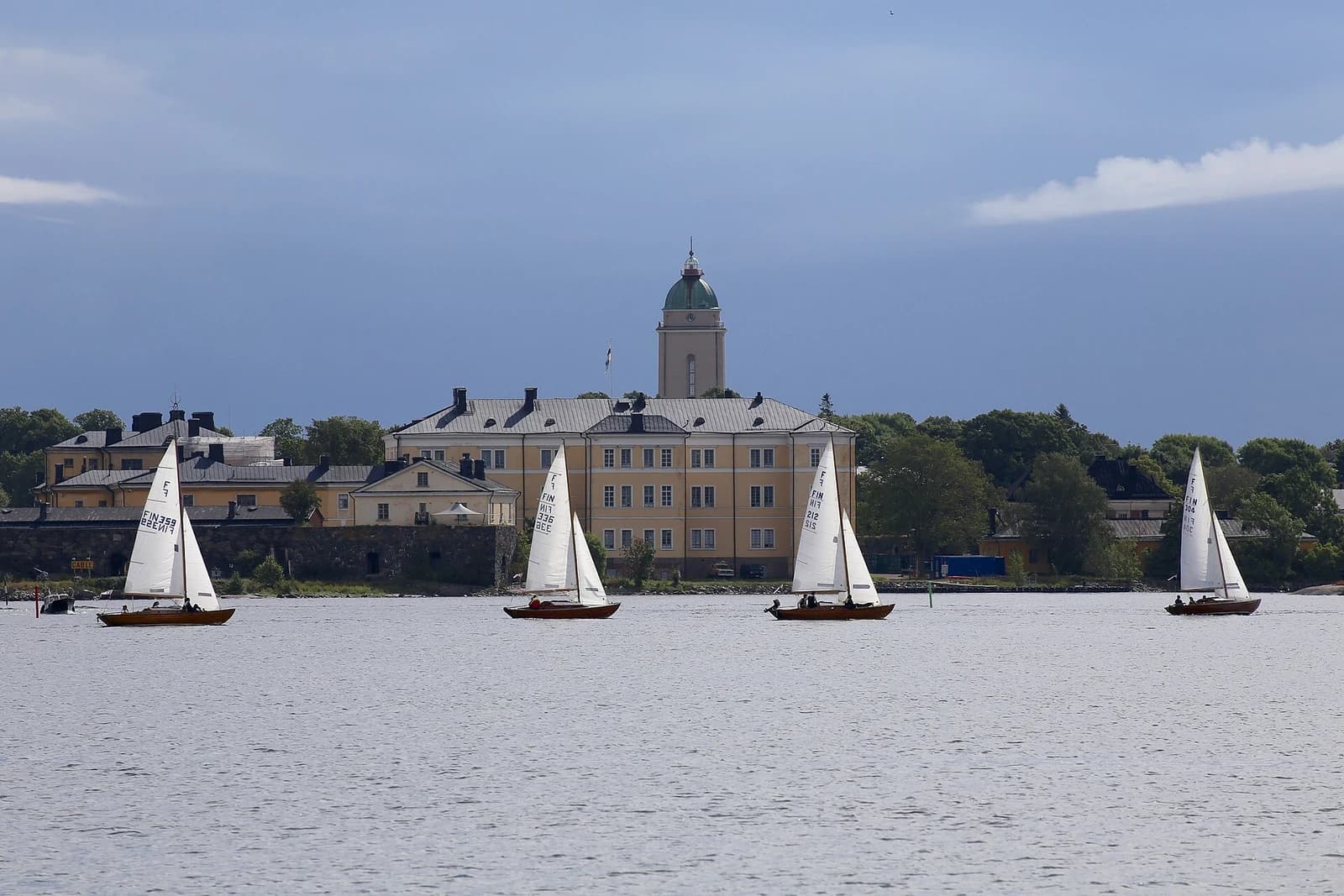
The Nordic Folkboat offers a different ownership idea: a modest sailing boat supported by shared rules, accumulated knowledge and people who keep using the design.
Read the noteDiscovery
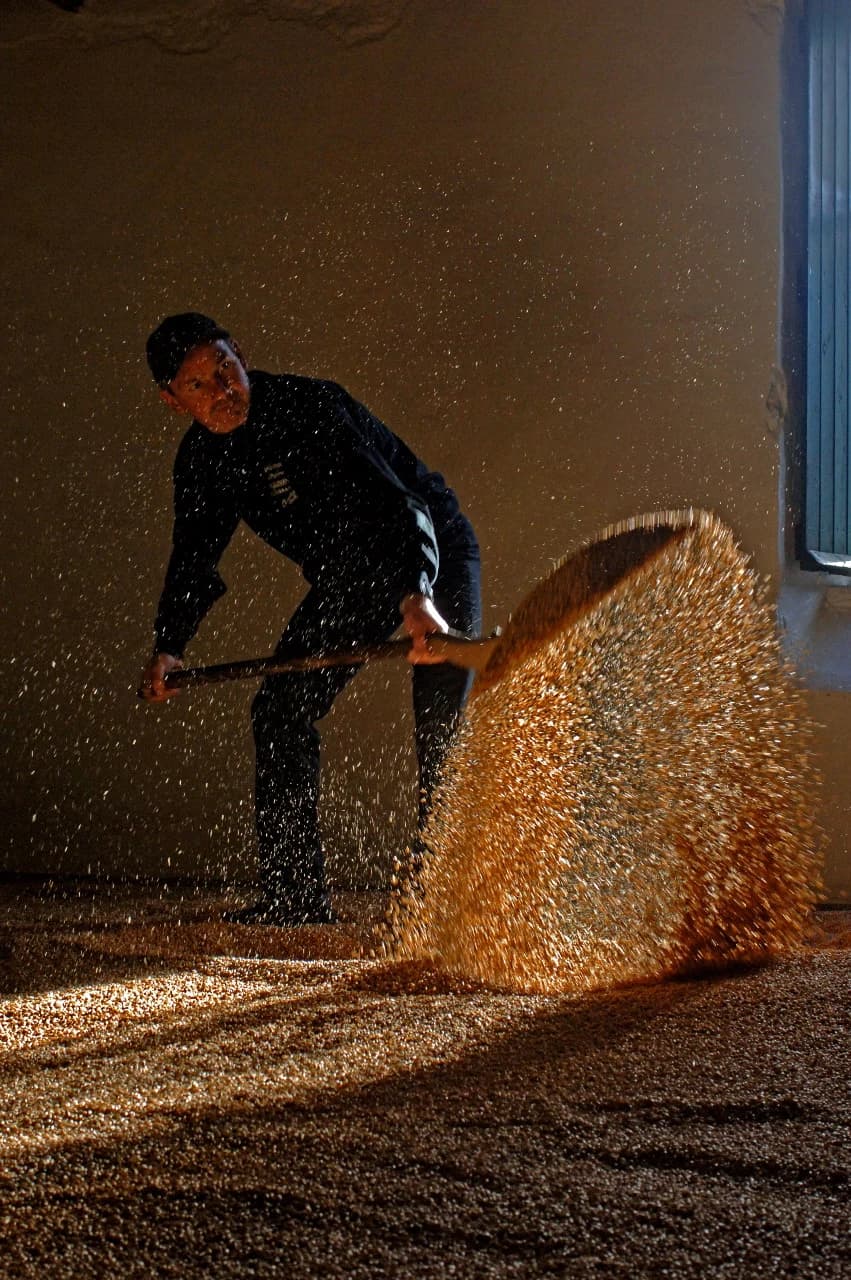
Springbank’s interest begins on the malting floor in Campbeltown. Its core ten-year-old is a doorway into a production culture, not a reason to chase a resale price.
Read the noteDiscovery
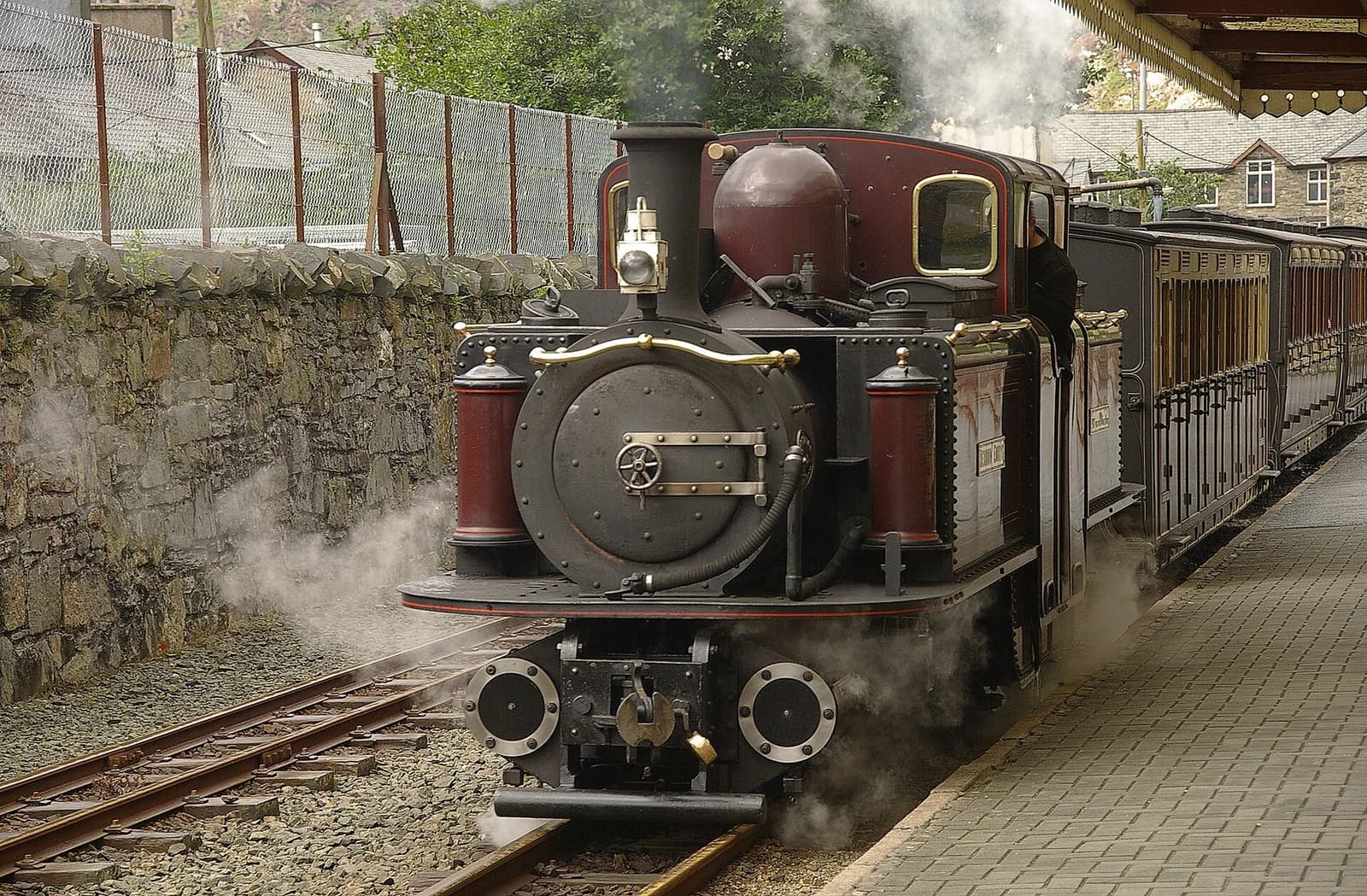
A journey on the Ffestiniog Railway becomes richer when the steam locomotive is understood as the output of a living workshop, not a survivor running on nostalgia.
Read the noteDiscovery
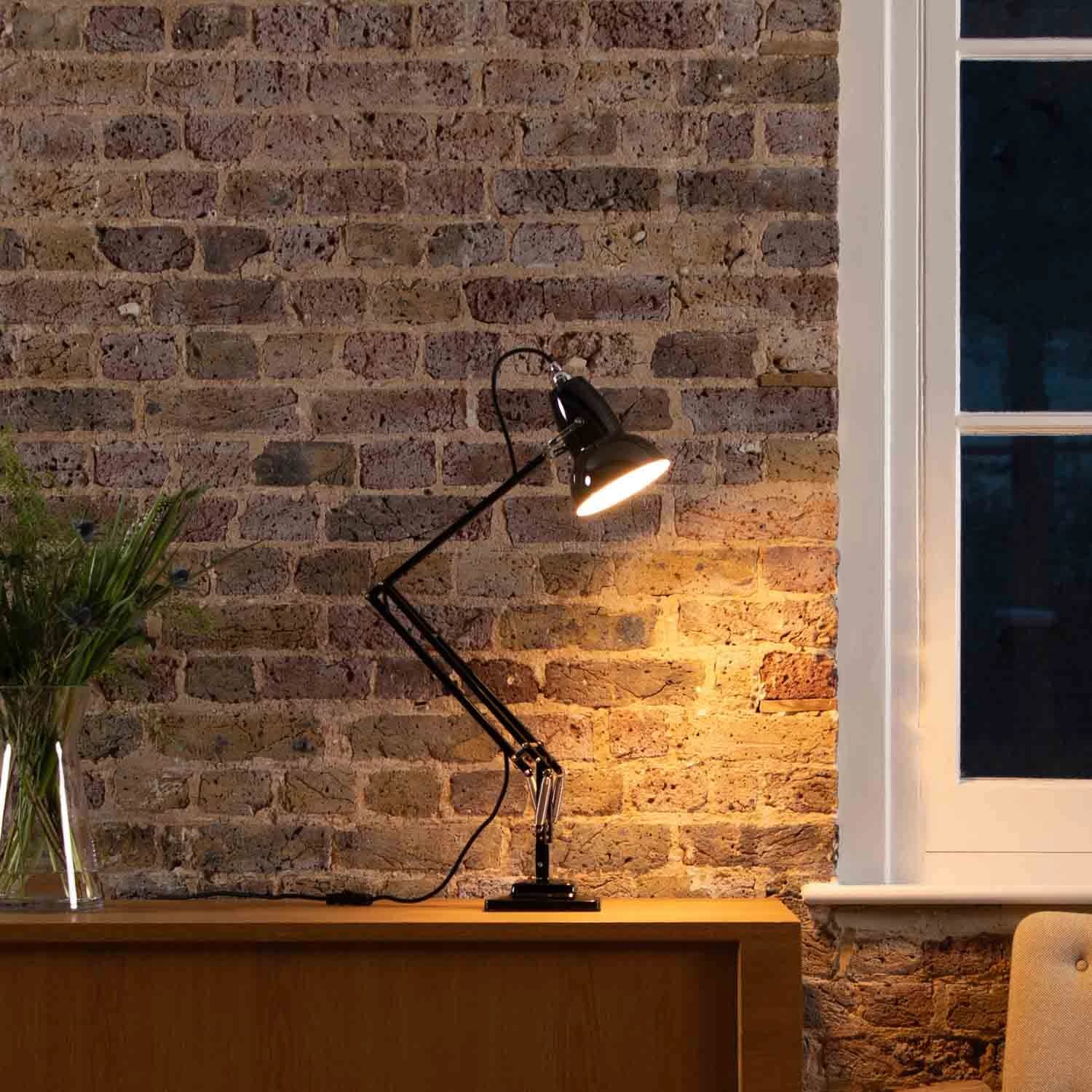
The Anglepoise Original 1227 connects a familiar silhouette to something less visible: a way to keep it working.
Read the noteDiscovery
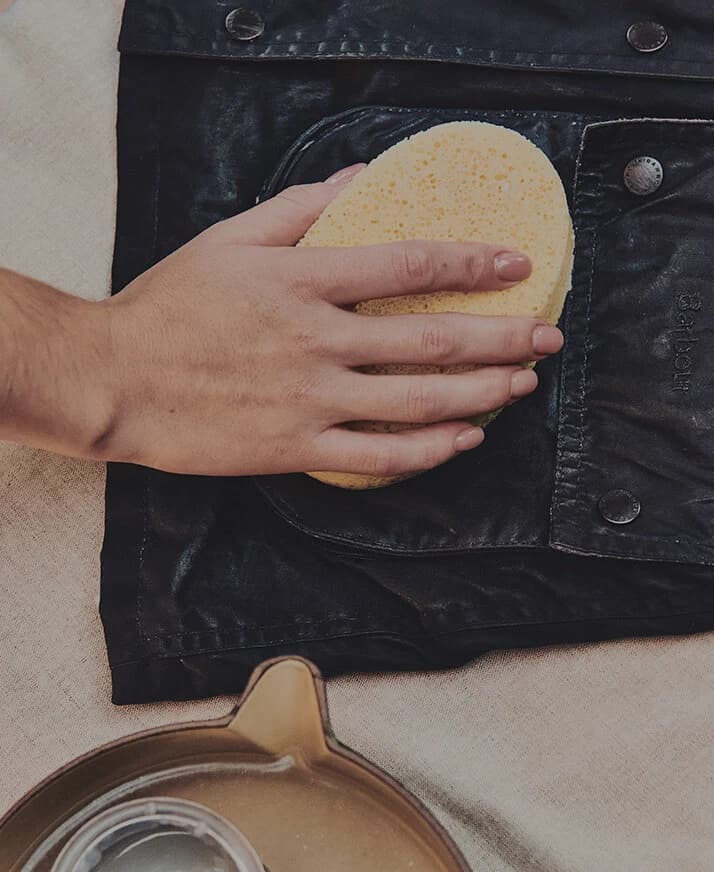
Barbour’s wax-jacket repair and re-wax service turns the marks of use into a maintenance question, not an automatic shopping prompt.
Read the noteDiscovery
Blandy’s 10 Year Old Malmsey is an obtainable way into a wine culture shaped by time, blending and a very different relationship with ageing.
Read the noteDiscovery
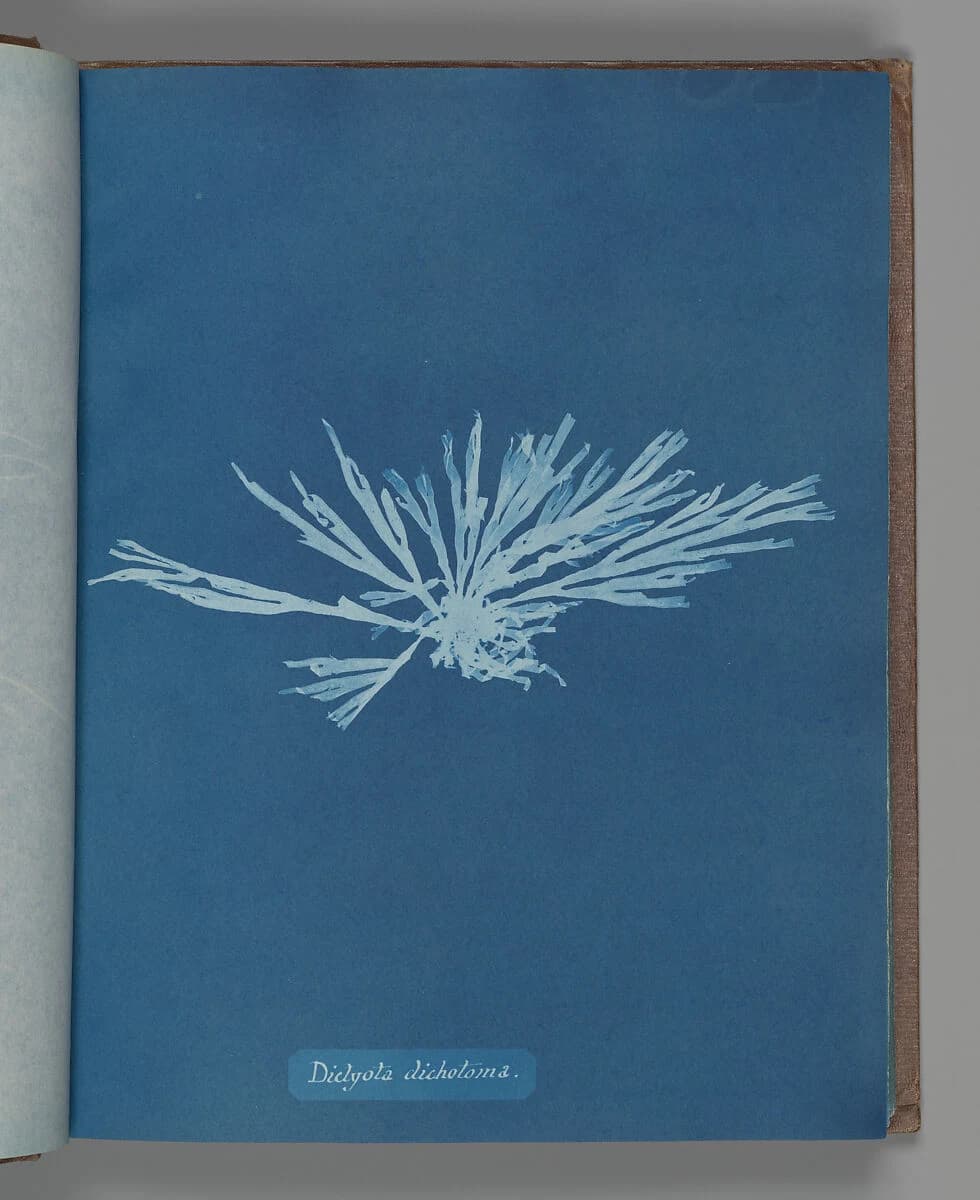
Anna Atkins made botanical evidence into an extraordinary blue book. Its most accessible value is still the way it teaches us to look.
Read the noteDiscovery
An adult throwing course at the Leach Pottery in St Ives offers something more durable than a souvenir: a different understanding of the handmade.
Read the noteDiscovery
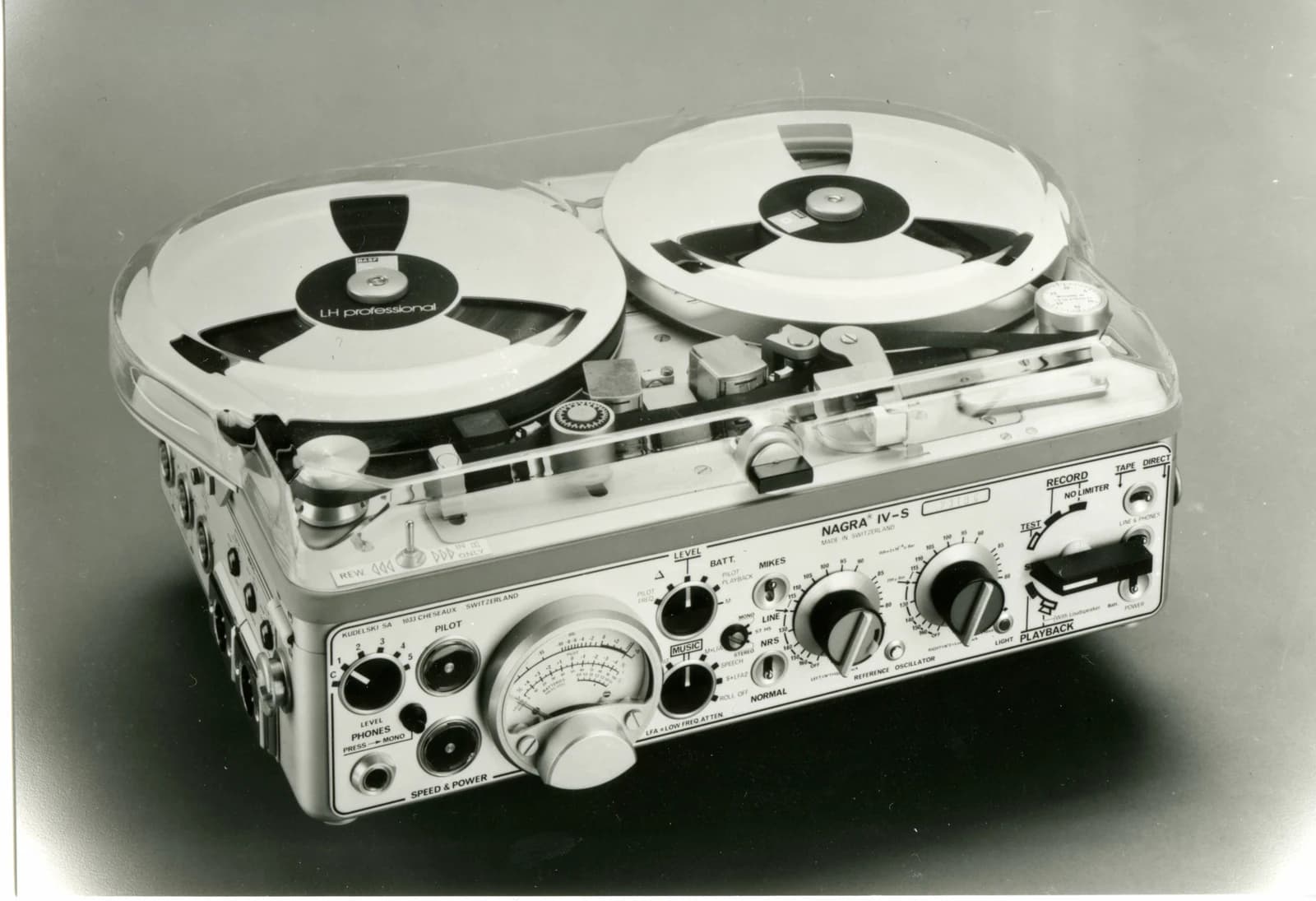
A portable stereo tape recorder from 1971 makes precision visible, but its real appeal depends on more than watching the reels turn.
Read the noteDiscovery
At Arc-et-Senans, Claude Nicolas Ledoux gave salt production the presence of a monumental civic project. Today you can walk into its unfinished argument.
Read the noteDiscovery
The DS made comfort an engineering ambition. A surviving example only keeps that promise when the less photogenic work has been done.
Read the noteDiscovery
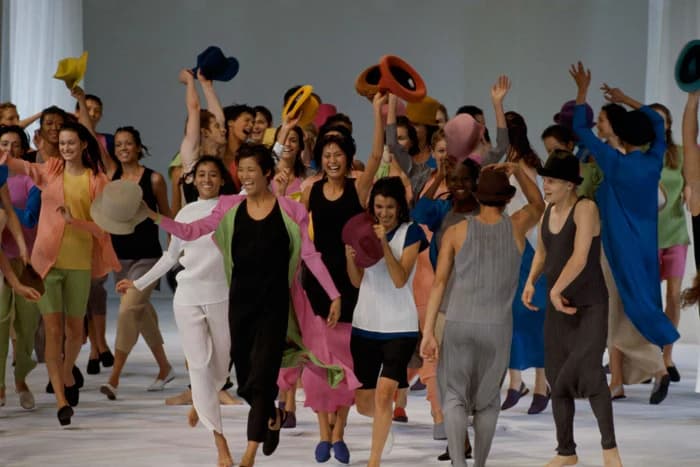
Pleats Please Issey Miyake made a manufacturing decision into a different relationship between clothing, movement and everyday care.
Read the noteDiscovery
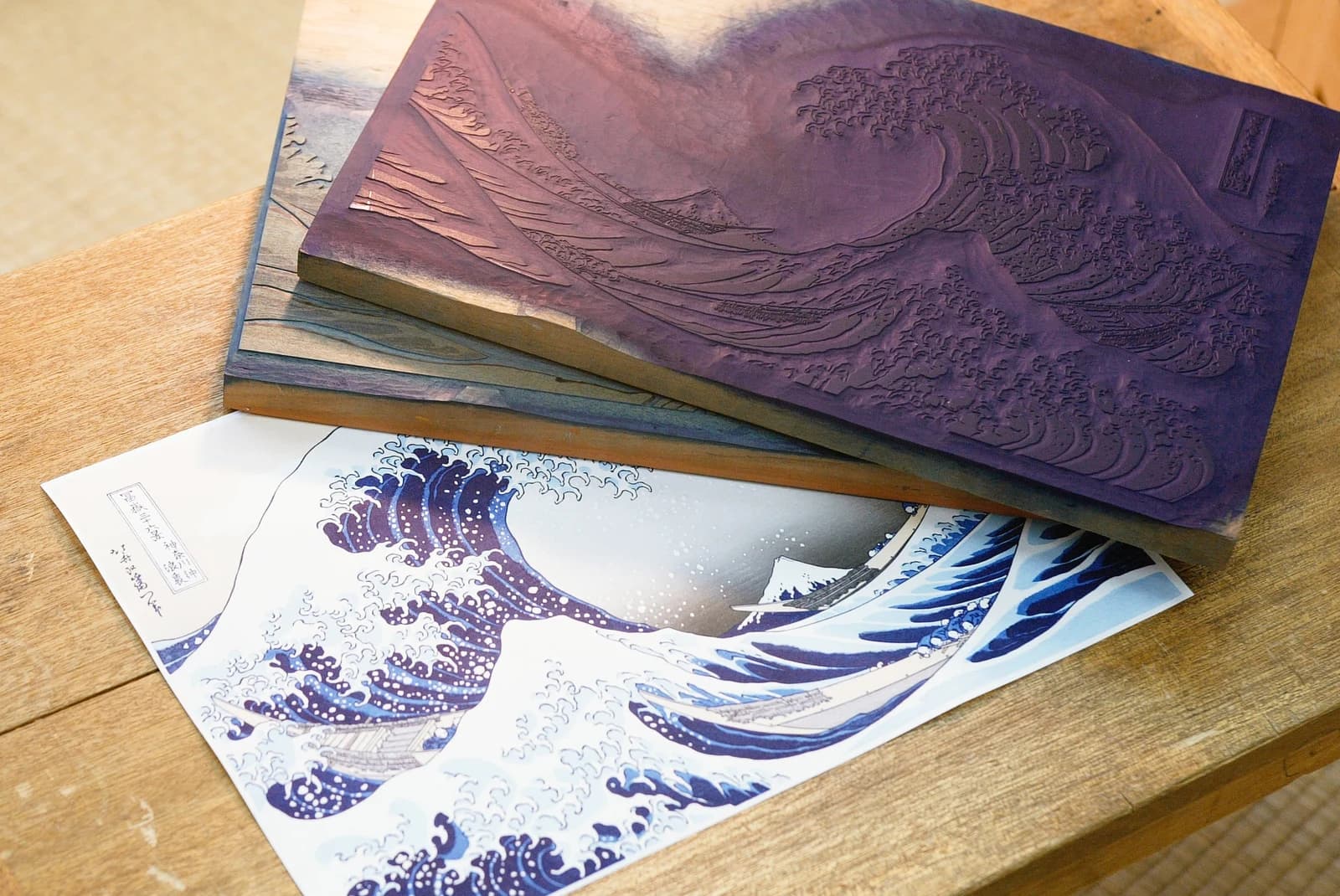
An Adachi reproduction of Hokusai’s Great Wave offers an honest route to owning the work of living carvers and printers, without pretending it is an Edo-period impression.
Read the noteDiscovery
A voyage aboard Bessie Ellen brings a former trading ketch into the present through the work of sailing her.
Read the noteDiscovery
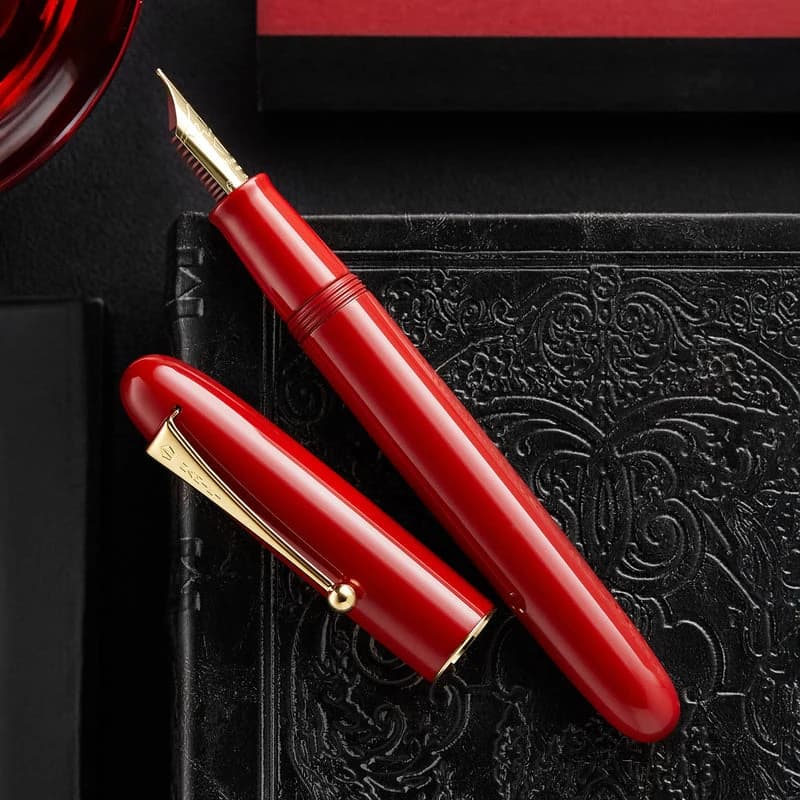
Namiki’s vermilion No.20 turns an everyday gesture into an encounter with Japanese lacquer.
Read the noteDiscovery
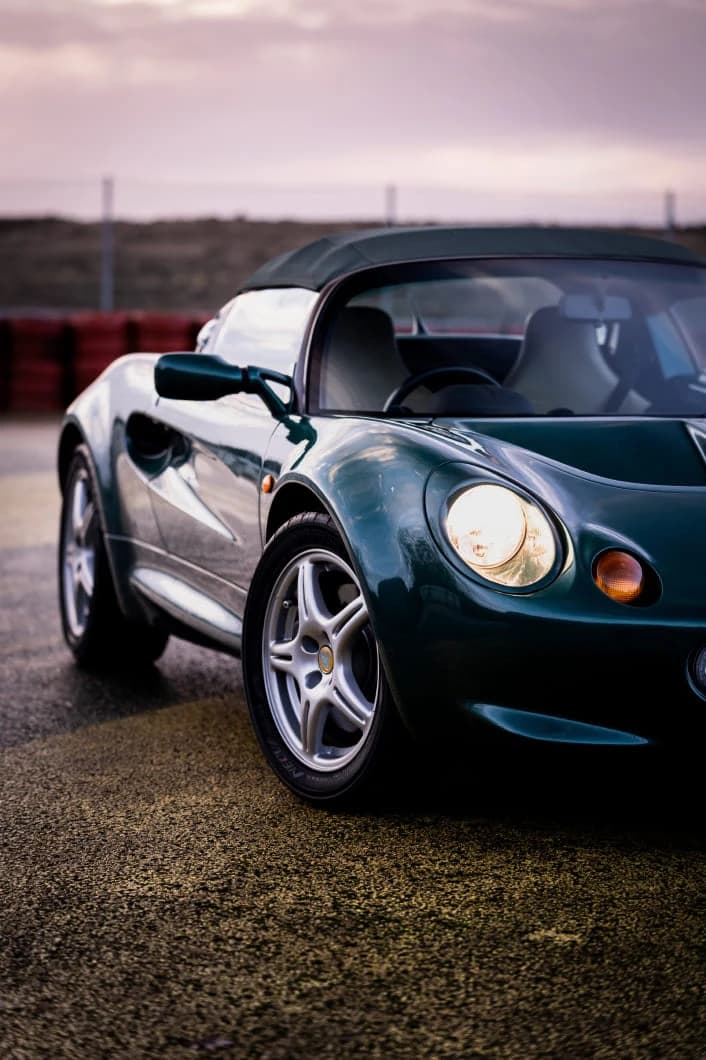
The first Elise 111S has a specific engineering identity. Buying one well requires an equally specific reading of the car.
Read the noteDiscovery
You do not need to own Jørn Utzon’s Mallorcan house to take something lasting from it.
Read the noteDiscovery
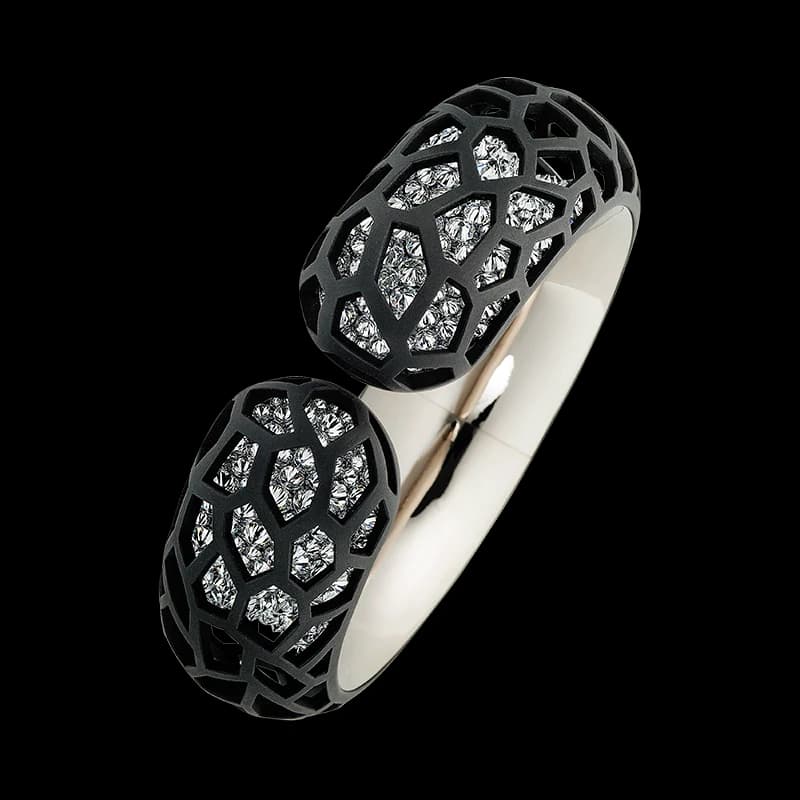
Hemmerle’s Harmony begins with a practical gesture, then makes room for extraordinary material combinations.
Read the noteDiscovery
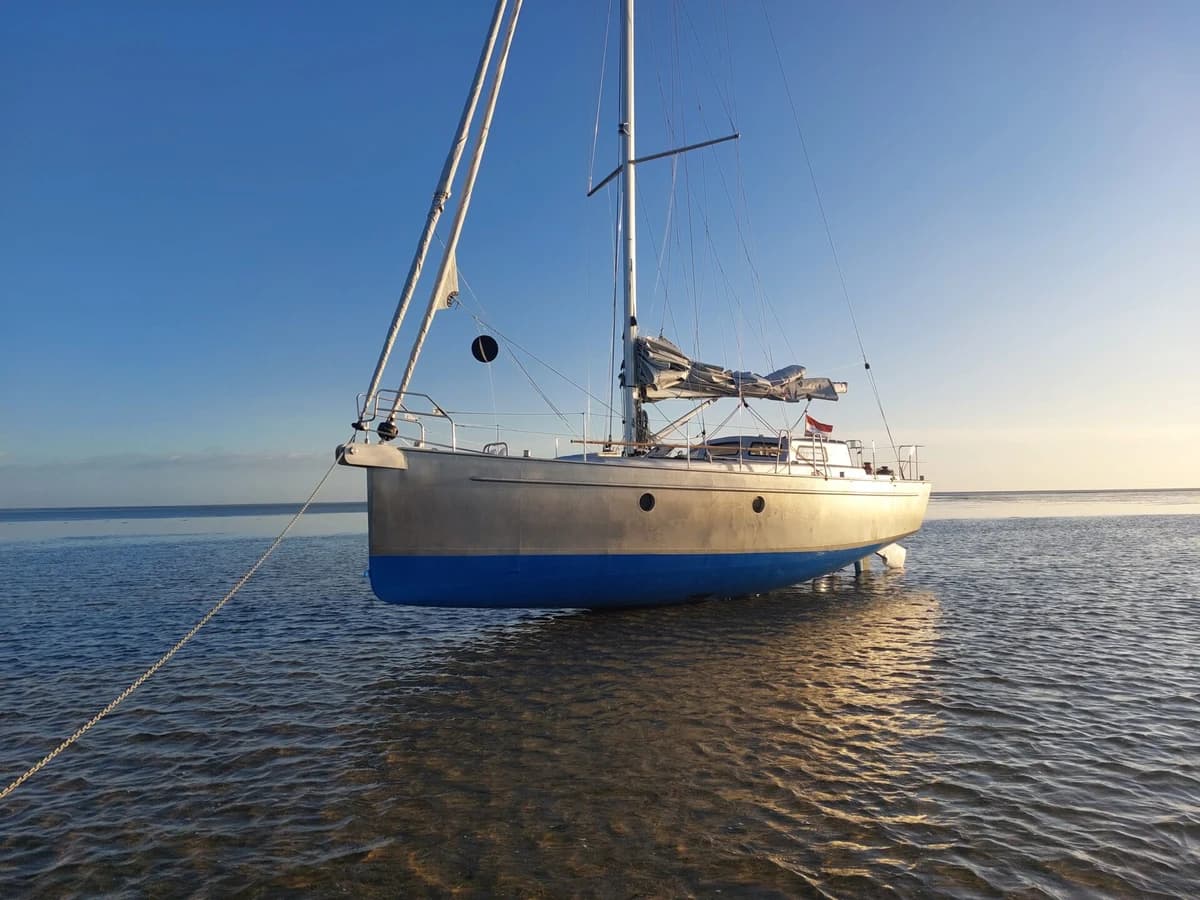
The Bestevaer 36 makes access, shelter and a specific kind of sailing more interesting than size.
Read the noteDiscovery
At La Tourette, a former friar’s cell offers a way to encounter Le Corbusier’s architecture at the pace of a stay.
Read the noteDiscovery
The Takahashi FC-100DZ makes an unusual material useful in a very ordinary ambition: seeing more.
Read the noteDiscovery
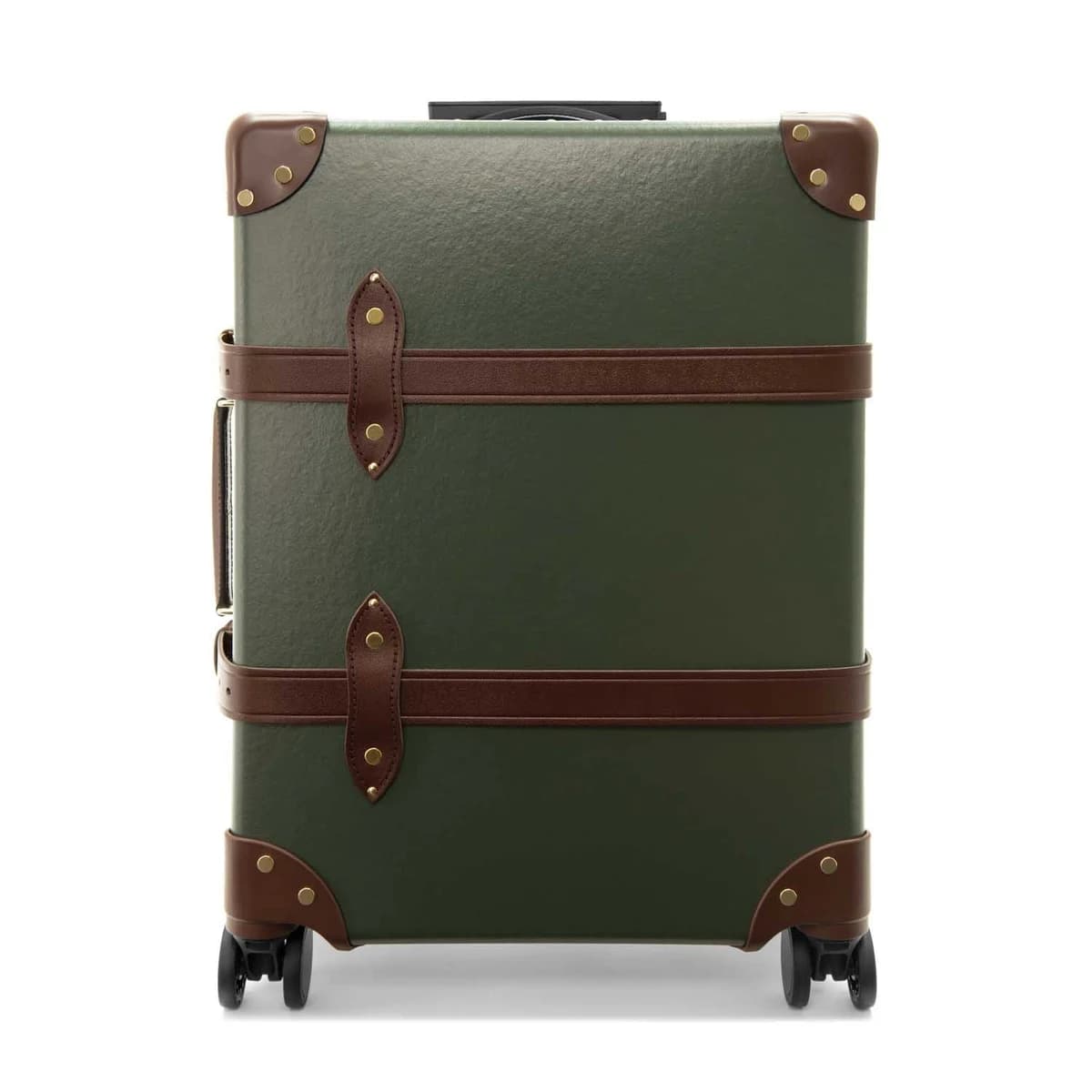
The interesting part of this green case is not a famous traveller. It is the material and the route back to repair.
Read the noteDiscovery
Hine’s Early Landed tradition asks a better question than age alone: where did the years happen?
Read the noteDiscovery
A bronze smoothing plane earns its place through the surfaces it makes and the skill it invites.
Read the noteDiscovery
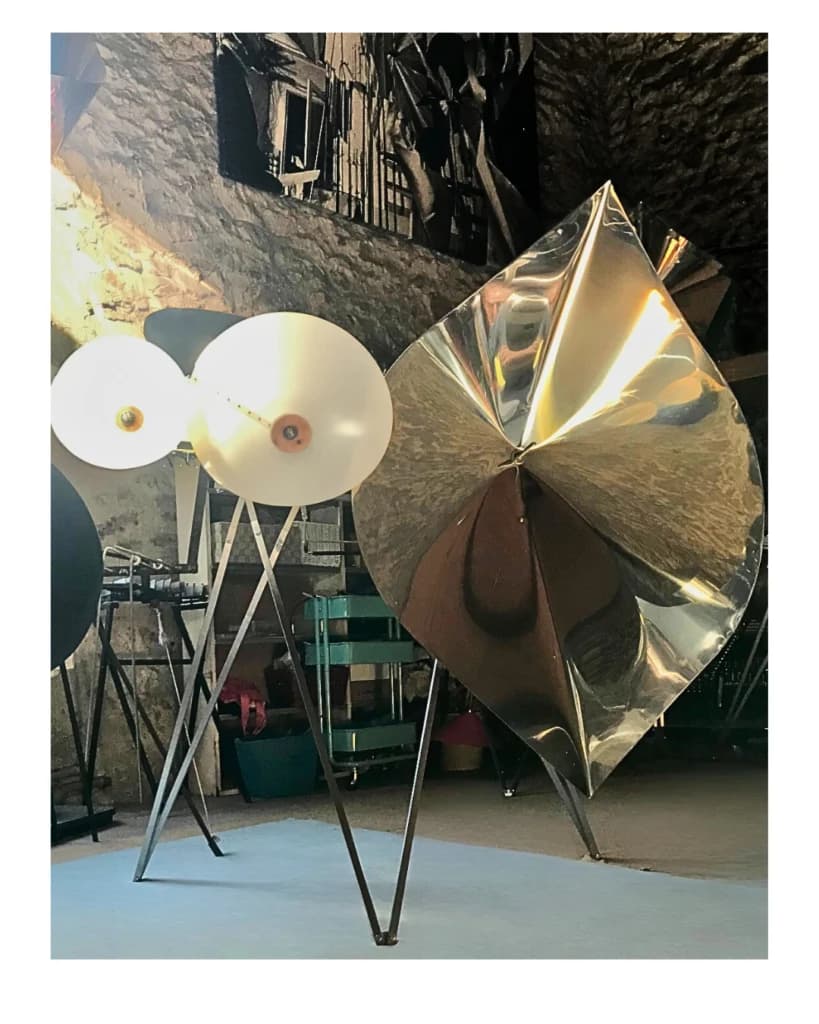
The Cristal Baschet makes the boundary between musical instrument and sculpture feel surprisingly unnecessary.
Read the noteDiscovery
A handmade globe makes the familiar map strange again, without changing the planet.
Read the noteDiscovery
Adolf Loos’s 1931 glassware hides its most elaborate work where you might least expect it.
Read the noteDiscovery
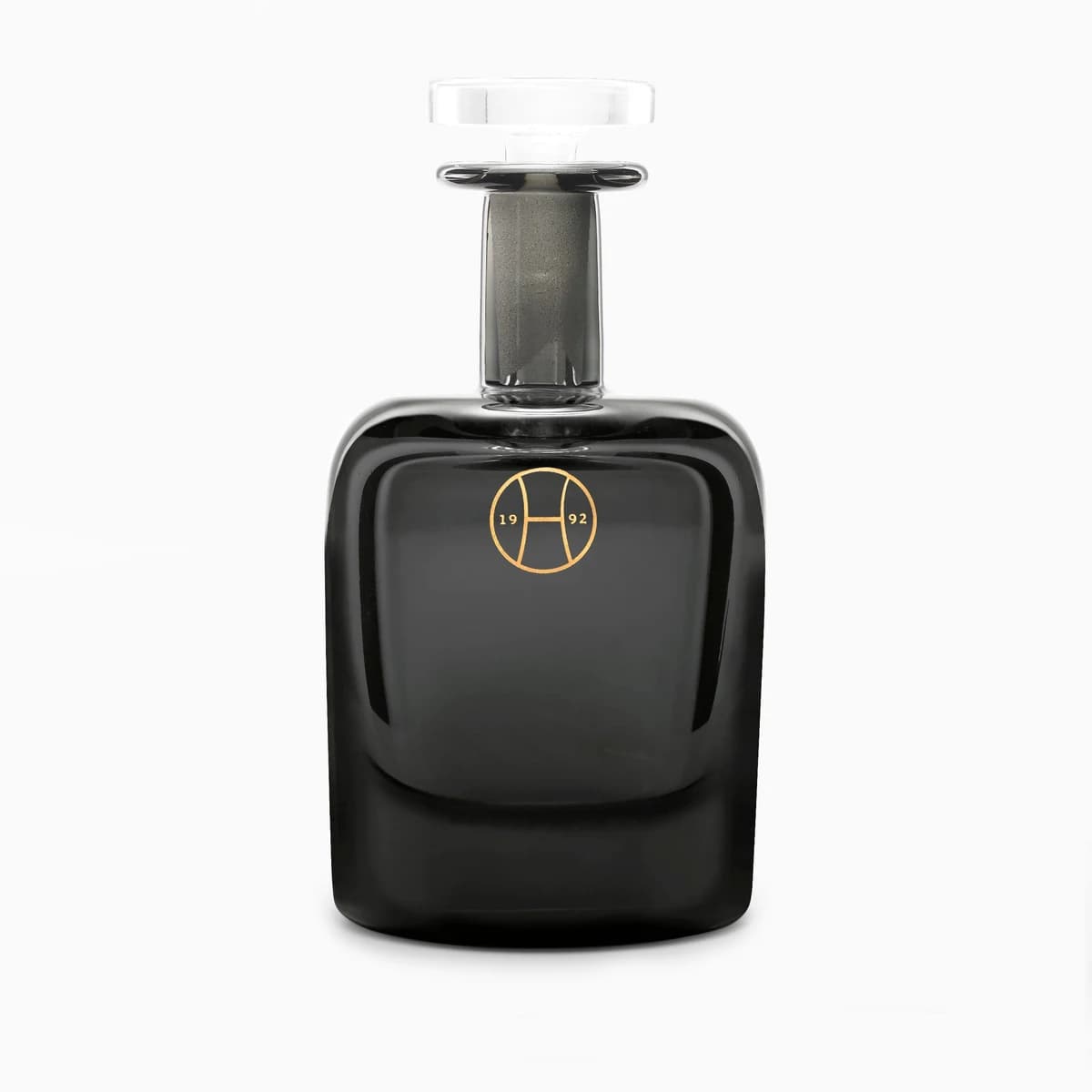
Perfumer H separates the life of a fragrance from the life of the vessel that holds it.
Read the noteDiscovery
Hasselblad’s CFV 100C gives a classic V System camera a serious digital future without erasing what made it distinct.
Read the noteDiscovery
Penfolds’ recorking clinics turn an ageing bottle into a question of condition, custody and informed intervention.
Read the noteDiscovery
The Moulton NS D-Pylon makes compact wheels, suspension and a separable frame part of one enduring engineering idea.
Read the noteOn the calendar
Keiji Onihira’s small makie box makes a changing natural scene visible through layers of lacquer and metal powder.
Read the noteDiscovery
The DHC-2 Beaver remains compelling because its shape follows a real mission and an active support system still exists around the type.
Read the noteDiscovery
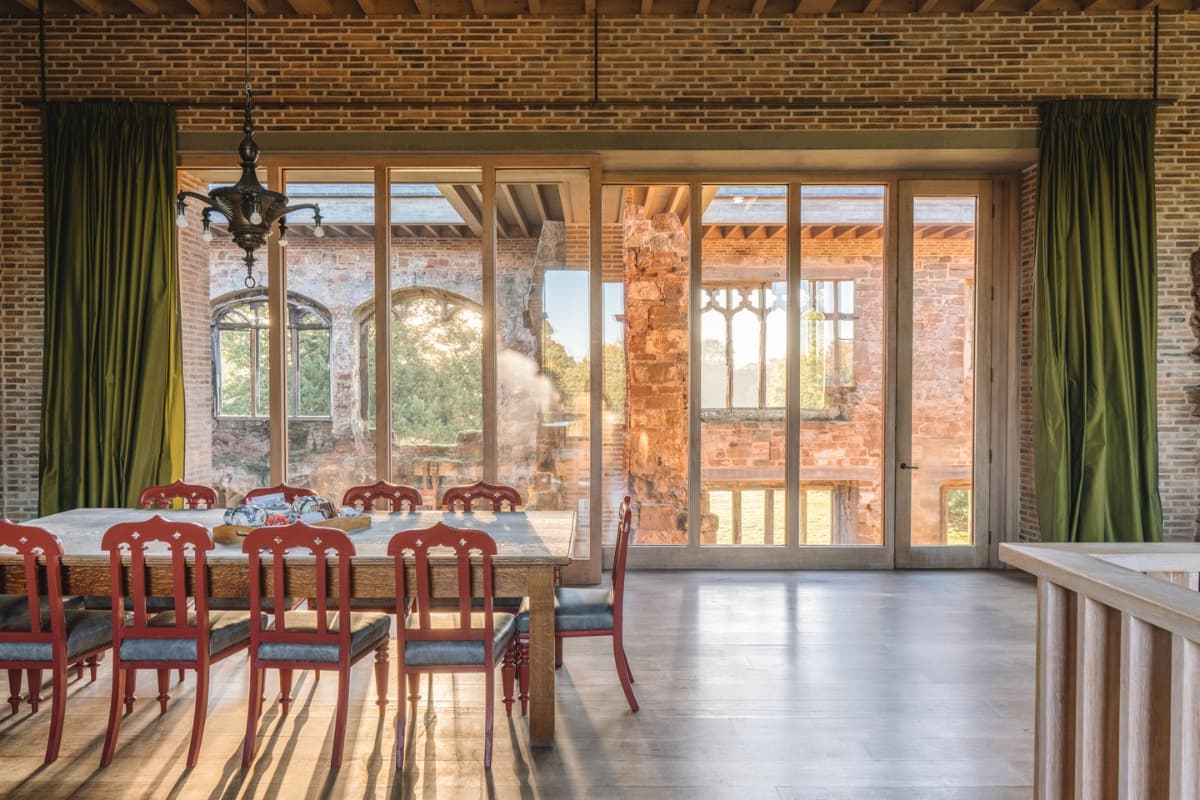
Astley Castle lets people inhabit a protected ruin because the new architecture makes its losses visible rather than pretending them away.
Read the noteDiscovery
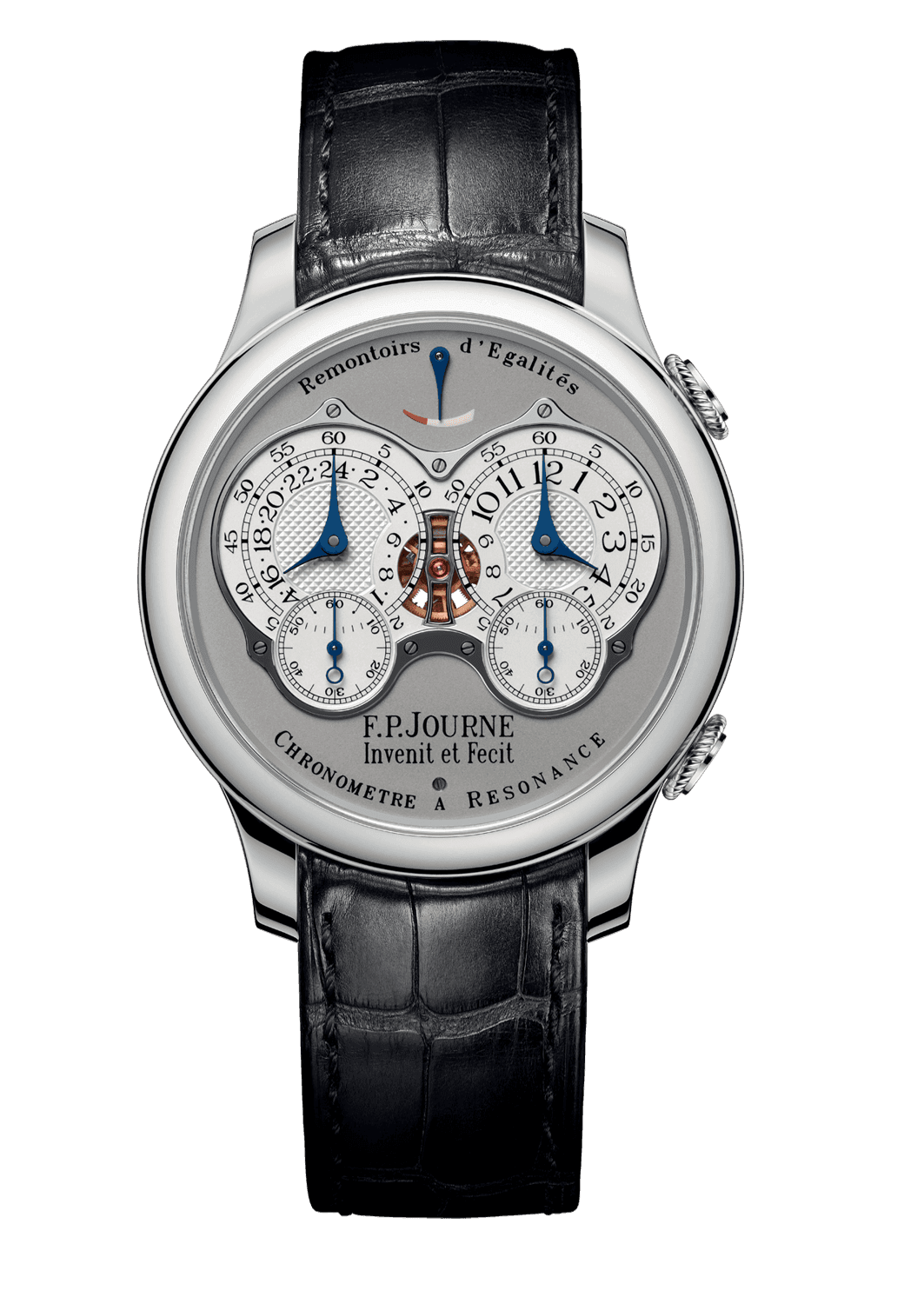
F.P. Journe’s current Chronomètre à Résonance turns the interaction between two regulators into the reason for the watch.
Read the noteDiscovery
The Frafra Tapestry project translates a family compound in northern Ghana into a work woven by the people who know its spaces.
Read the noteDiscovery
Herdade da Baliza shows why productive land should be read through ecology, operating decisions and public scrutiny, not acreage alone.
Read the noteDiscovery
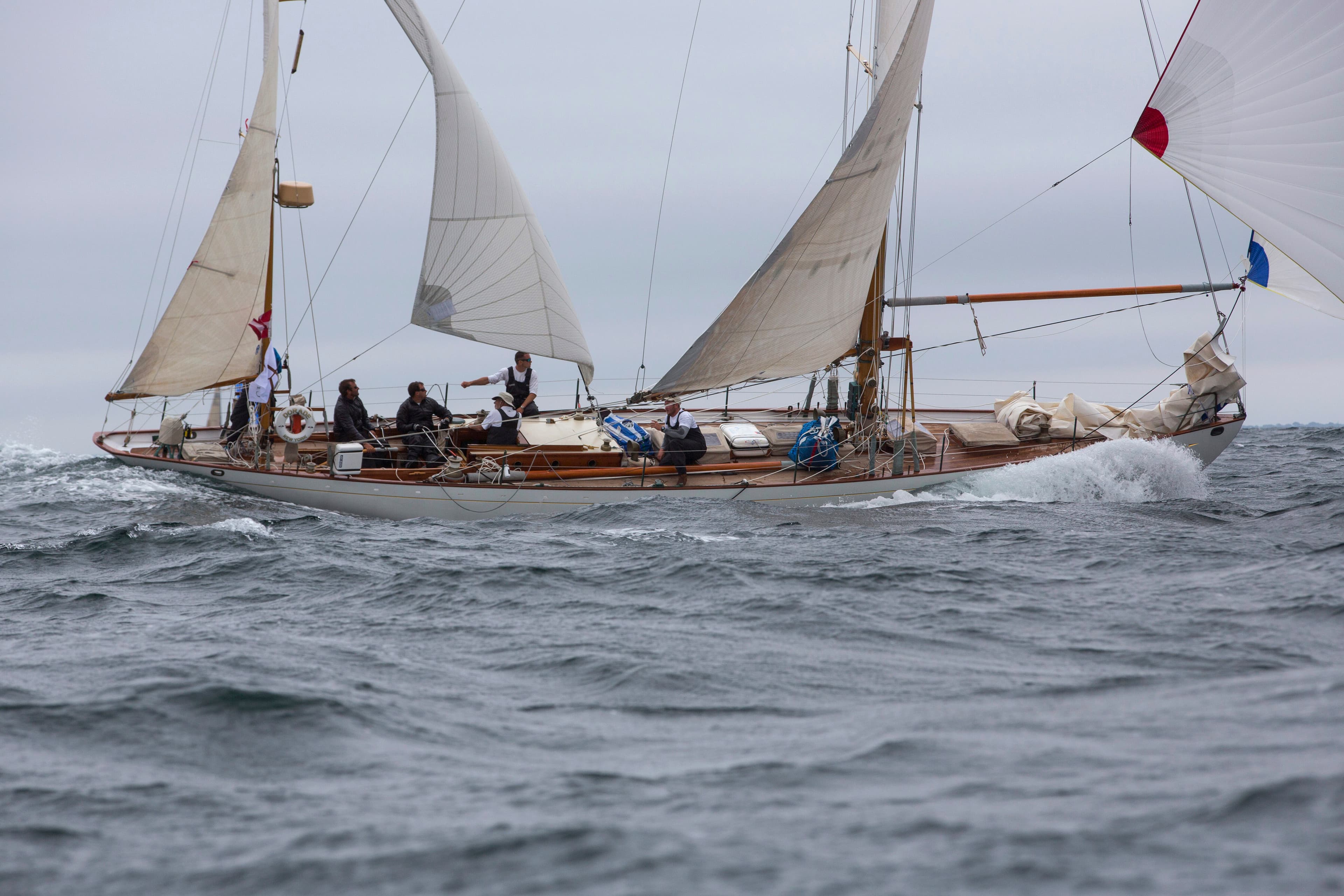
A historic yacht returned to ocean racing through restoration, preparation and a decision to use her again.
Read the noteDiscovery
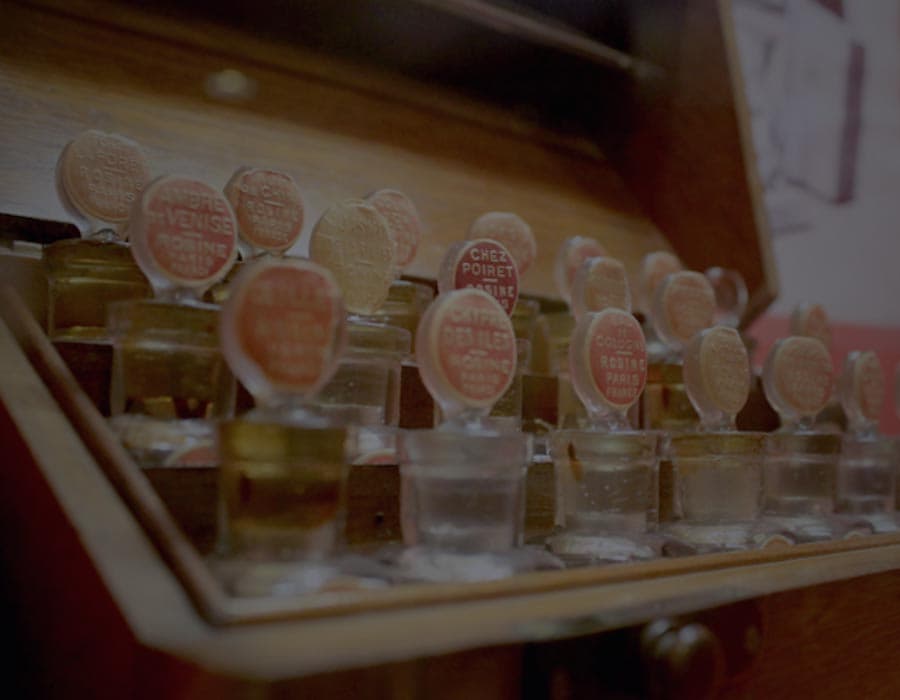
At the Osmothèque, preserving a perfume means keeping an experience available, not simply saving its name.
Read the noteDiscovery
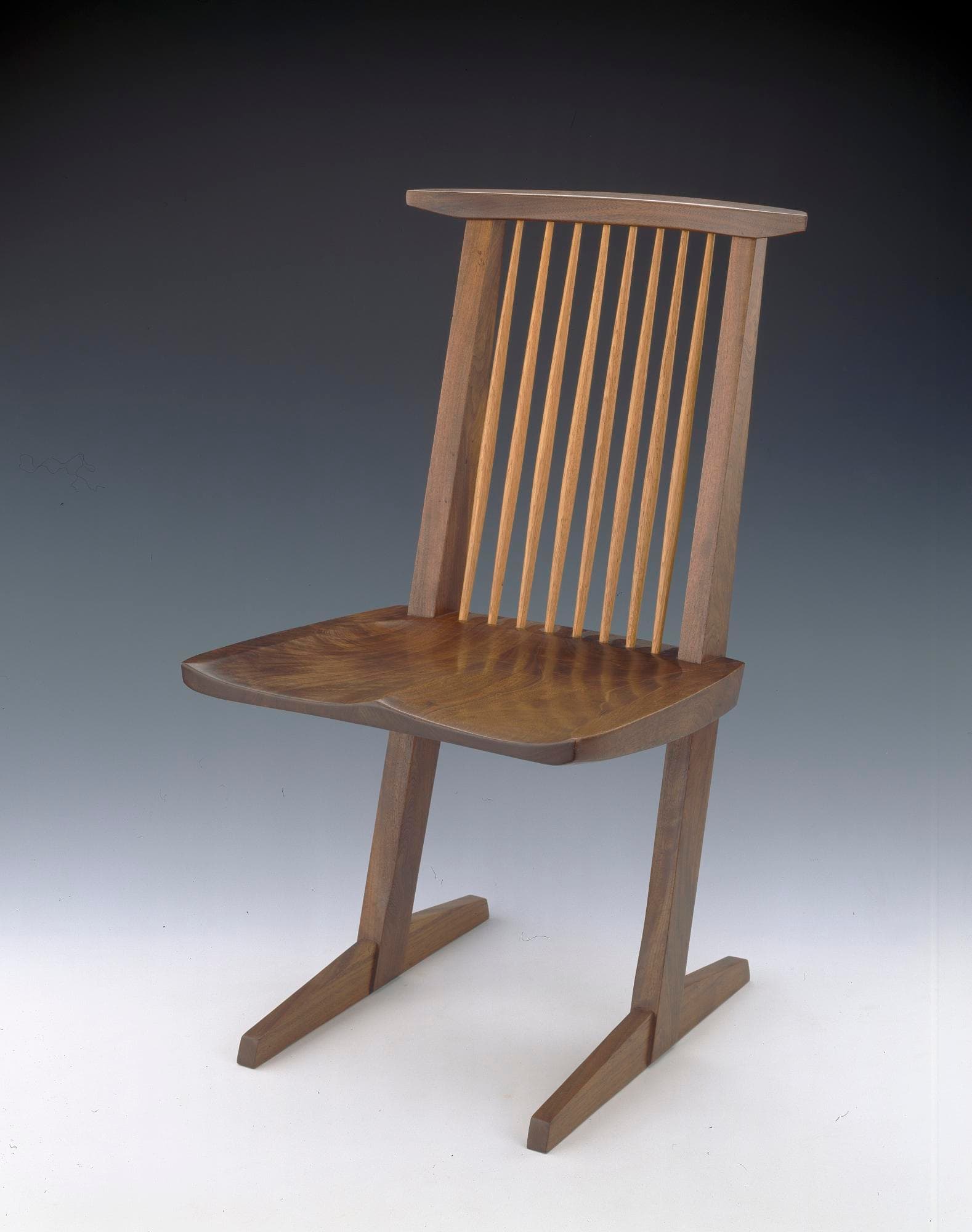
A Nakashima chair invites two kinds of looking: at the wood itself, and at the record of its making.
Read the noteDiscovery
The absence of a 2012 Château d’Yquem reveals something important about the standard behind the name.
Read the noteDiscovery
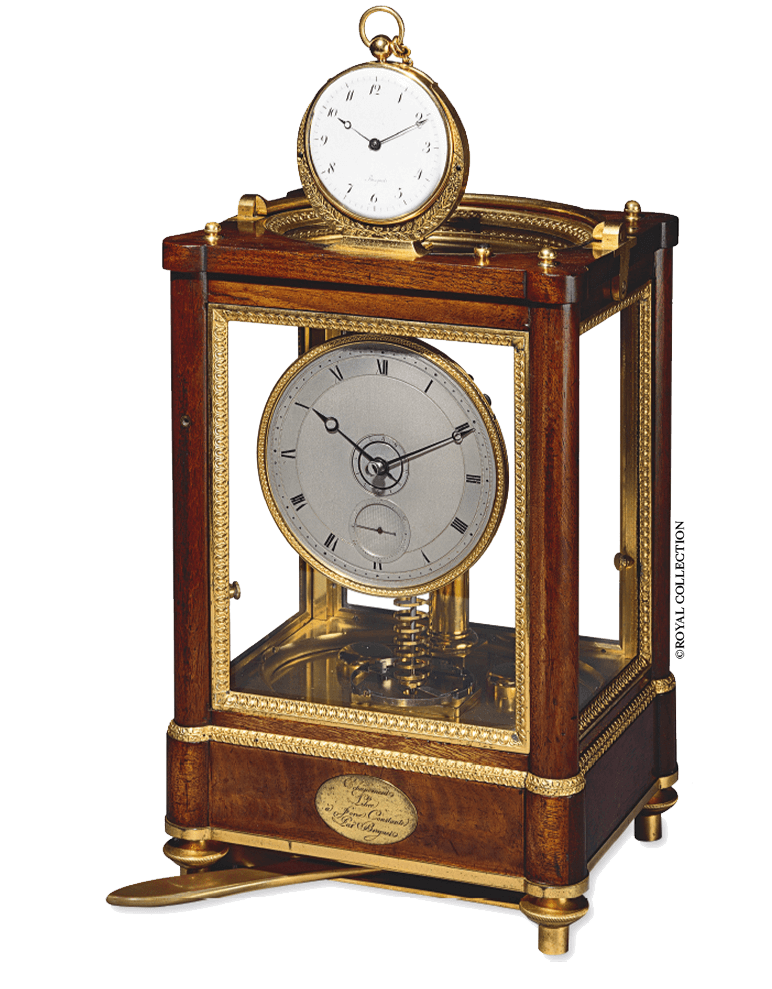
Breguet’s Sympathique paired a pocket watch with a clock that could correct its time mechanically.
Read the noteDiscovery
At E-1027, Eileen Gray made furniture, privacy and the movement of daily life part of the architecture.
Read the noteDiscovery
Ortelius’s 1570 atlas shows why an old map’s identity matters as much as its beauty.
Read the noteDiscovery
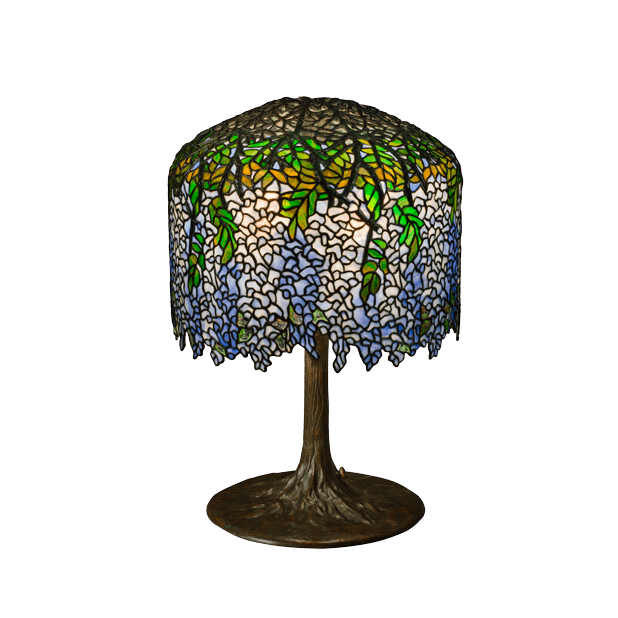
Clara Driscoll’s design offers a more precise way to see one of Tiffany Studios’ most recognisable lamps.
Read the noteDiscovery
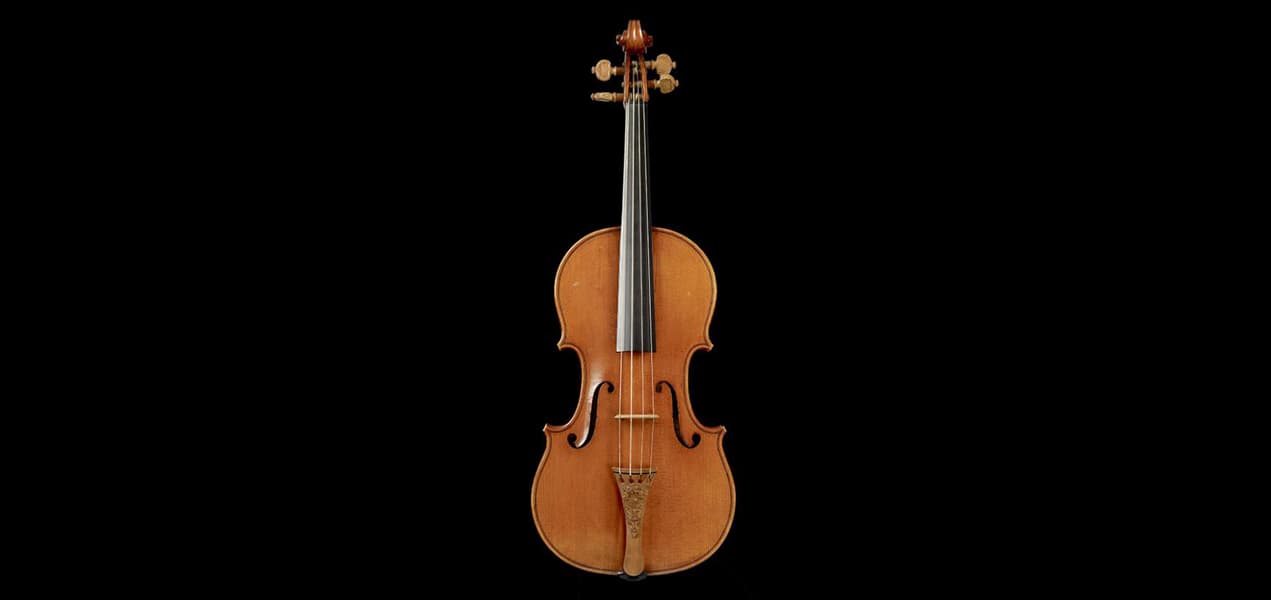
The Messiah’s extraordinary condition makes it a witness to its maker, without settling which violin sounds best.
Read the noteDiscovery
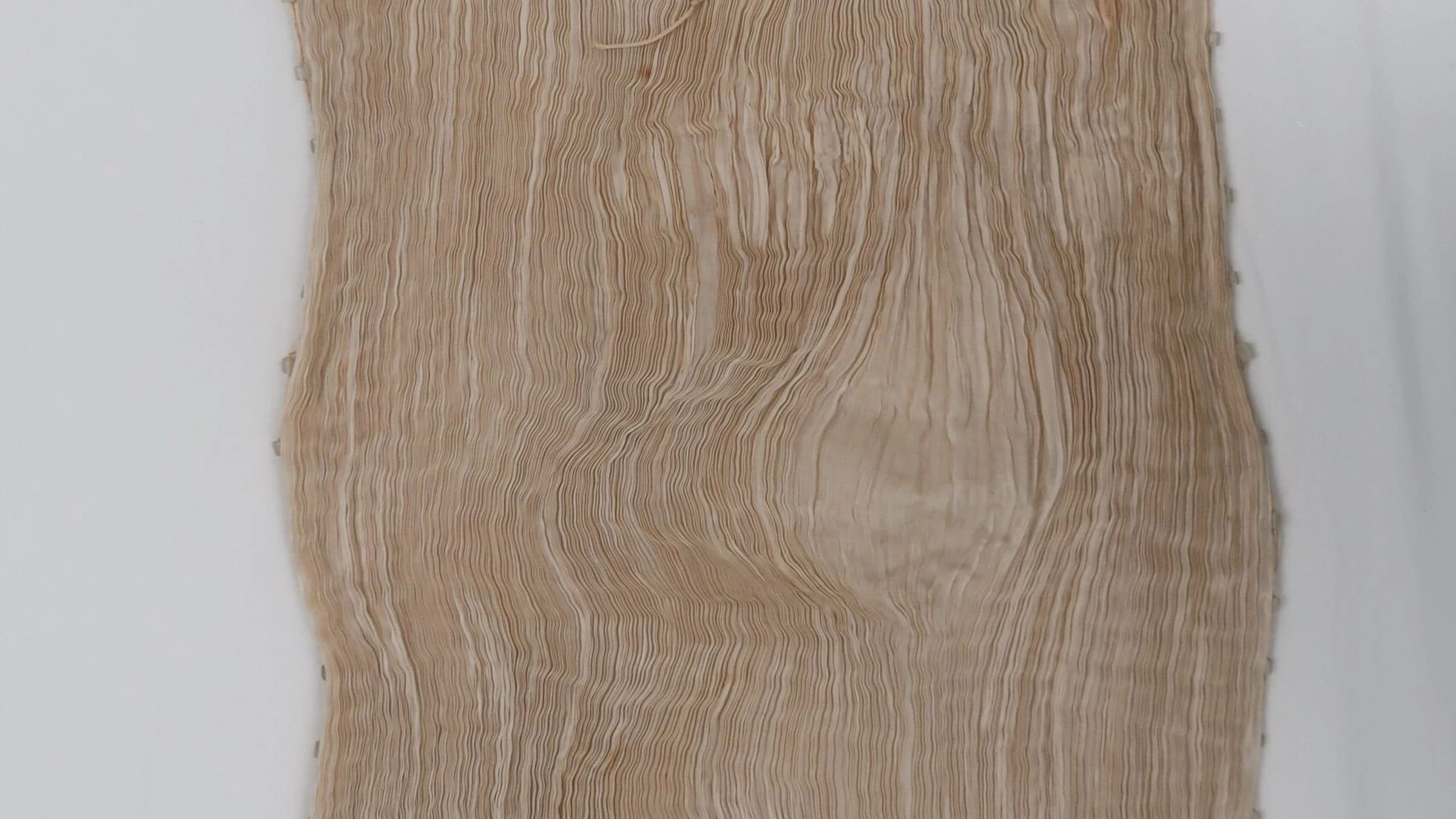
A damaged Fortuny Delphos gown has recovered its extraordinary pleats. The repair reveals how much knowledge can live inside a surface.
Read the noteDiscovery
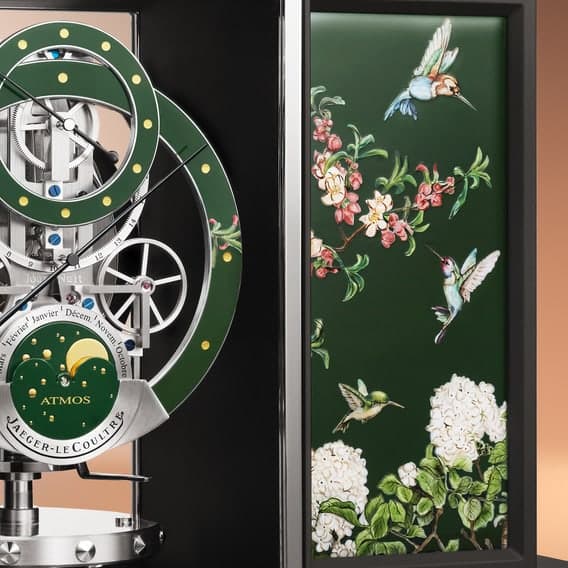
The Jaeger-LeCoultre Atmos draws energy from small changes in temperature. In 2026, an old mechanism becomes a new object of art.
Read the noteOn the calendar
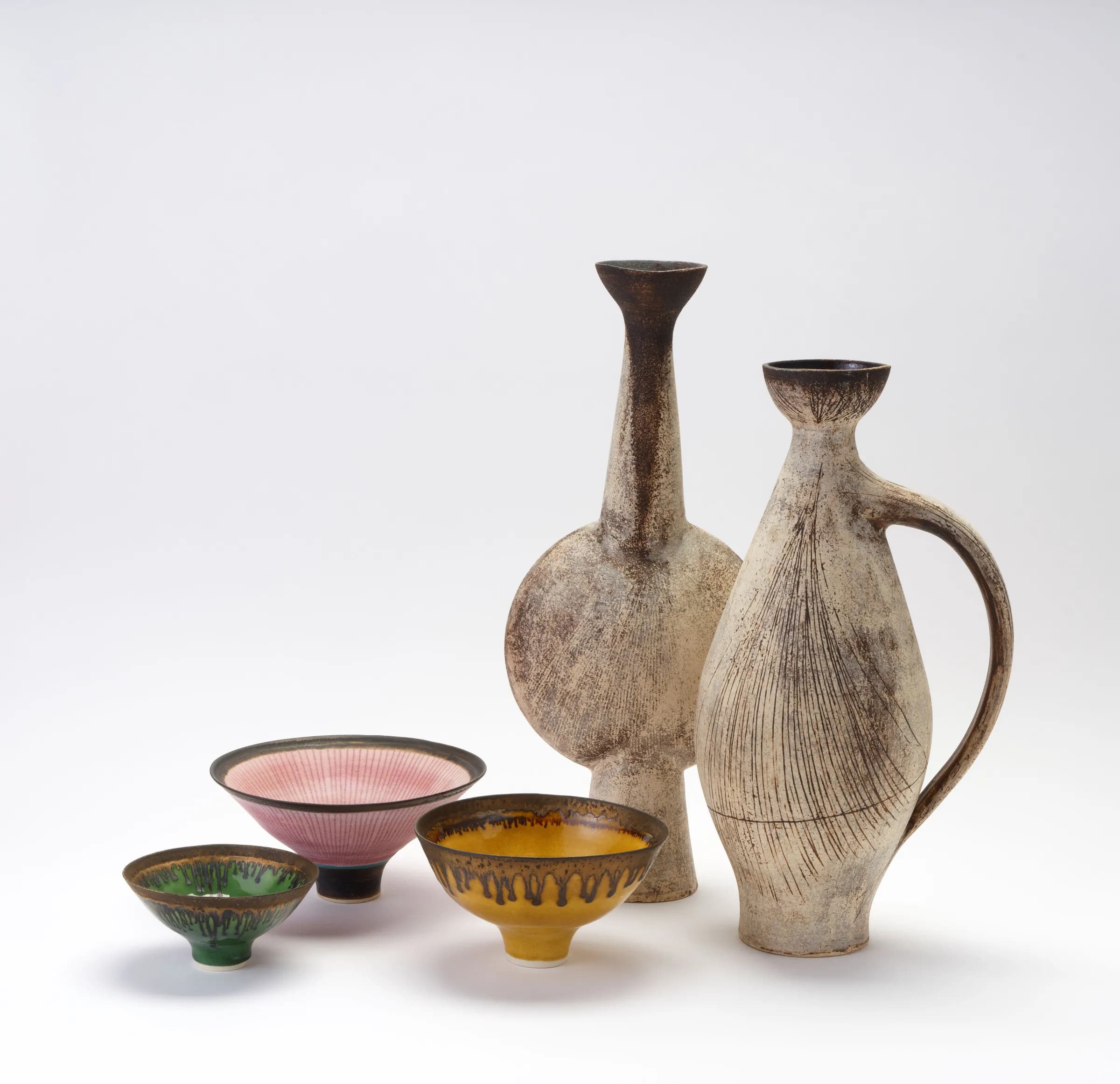
More than 200 works bring Lucie Rie and Hans Coper back into the same rooms. A chance to learn how two quiet forms changed British ceramics.
Read the noteDiscovery
The 2000GT changed what a Japanese sports car could mean. Its WHV case combines a small production run, technical ambition and an unusual route back to genuine parts.
Read the noteDiscovery
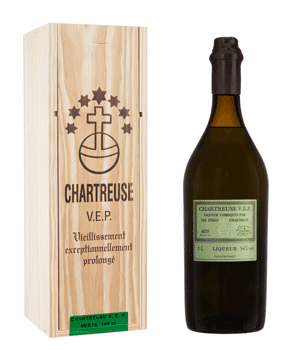
Chartreuse V.E.P. begins with the familiar green liqueur and gives selected liquid much longer in wood. A bottle where time needs careful reading.
Read the noteDiscovery
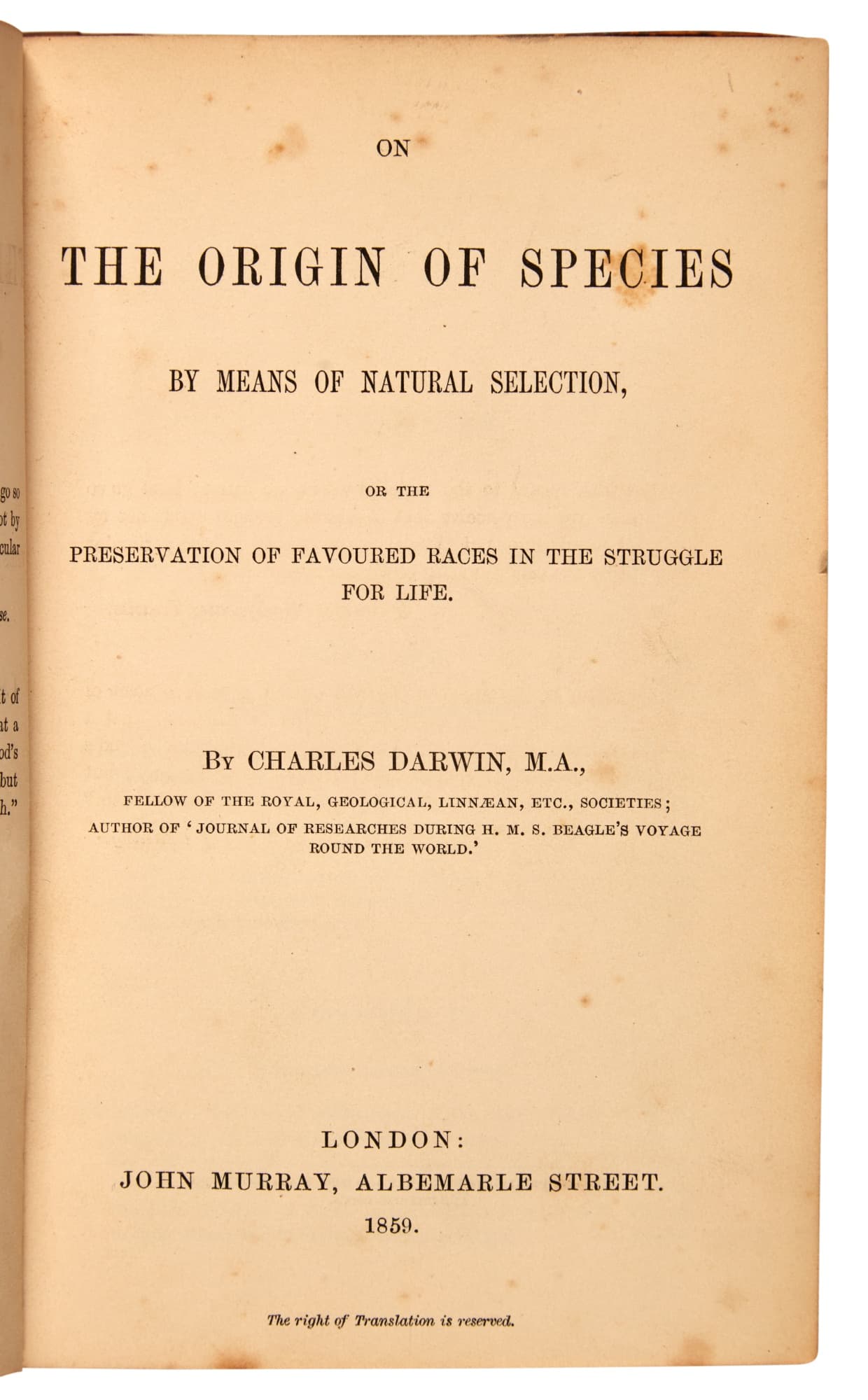
Darwin’s Origin of Species appeared in 1859. So did copies that are not the first edition. The book teaches us how bibliographic evidence works.
Read the noteDiscovery
A 1952 Vincent Black Shadow carries matching numbers, a restoration file and four-owner history. The model name is only the first line.
Read the noteDiscovery
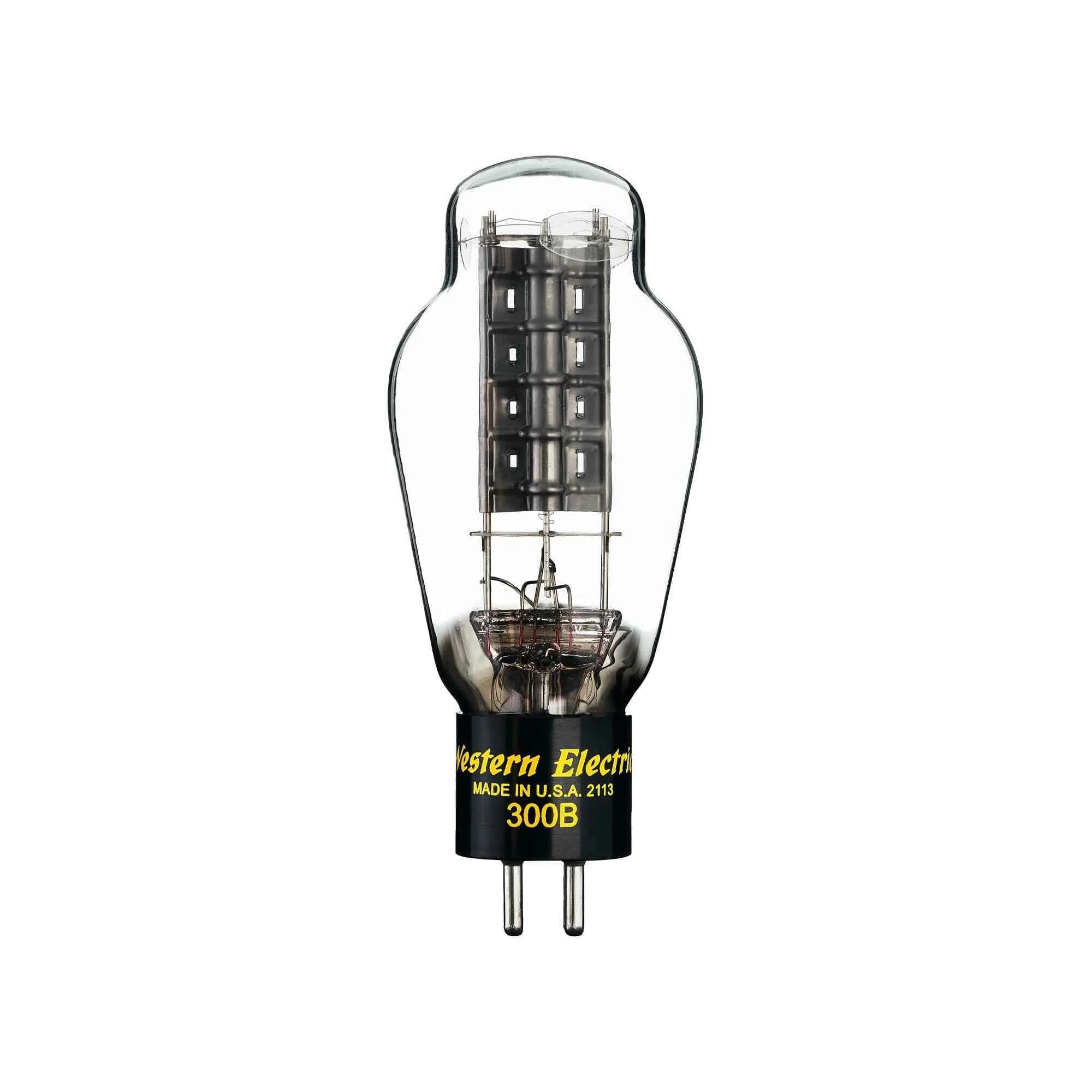
Western Electric still makes the 300B electron tube. A component from 1938 asks what real continuity in audio manufacturing looks like.
Read the noteMarket reading
In 1997, future royalties from David Bowie’s existing songs became the cash flow behind a bond. The idea is stranger and more useful than the nickname.
Read the noteDiscovery
Fogo Island Inn turns a remarkable building into a harder question: how much value remains in the place that creates the experience?
Read the noteDiscovery
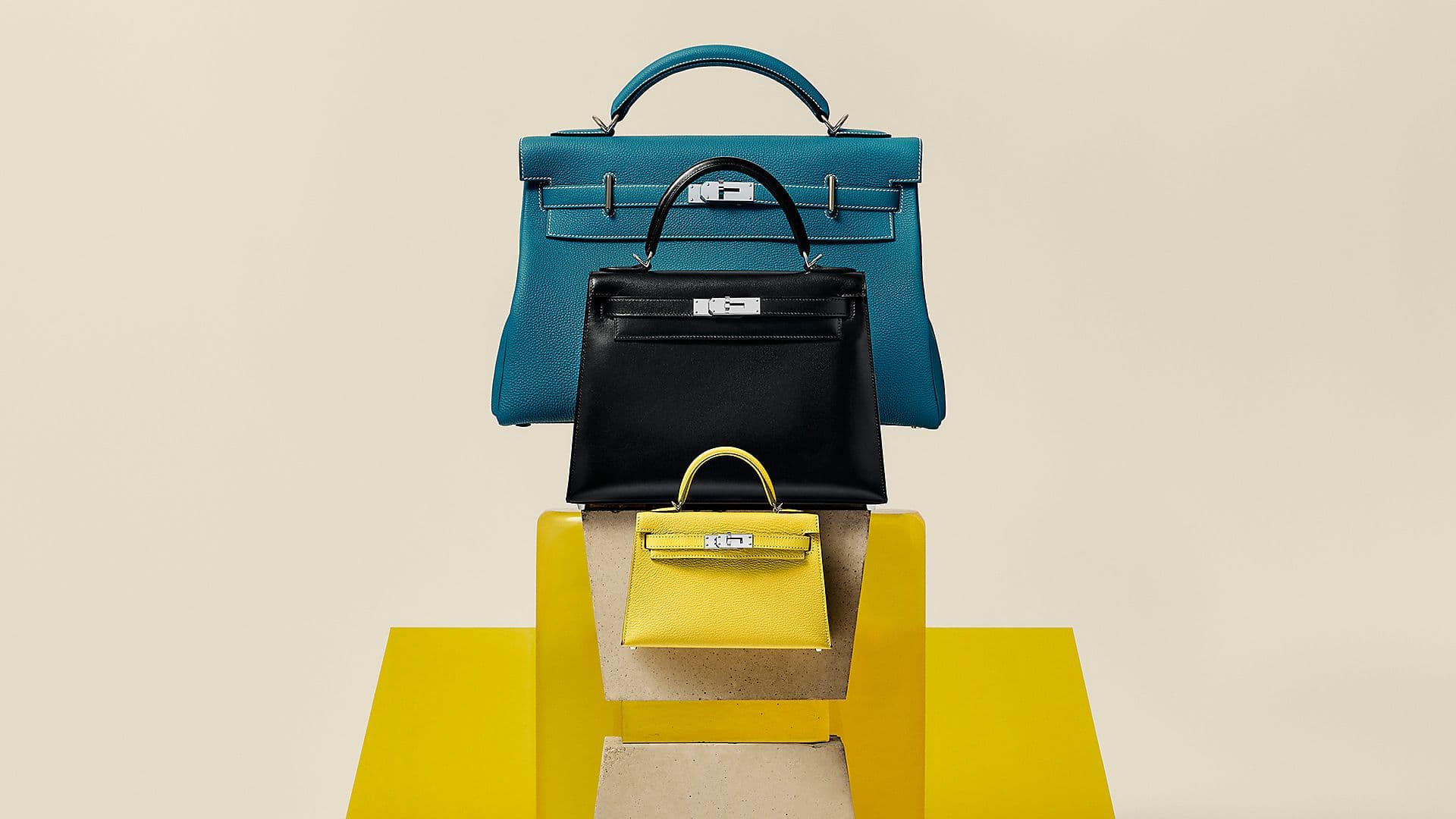
The Hermès Kelly is famous for its outline. Its more useful lesson is that construction, care and skilled repair decide whether an object can have another life.
Read the noteDiscovery
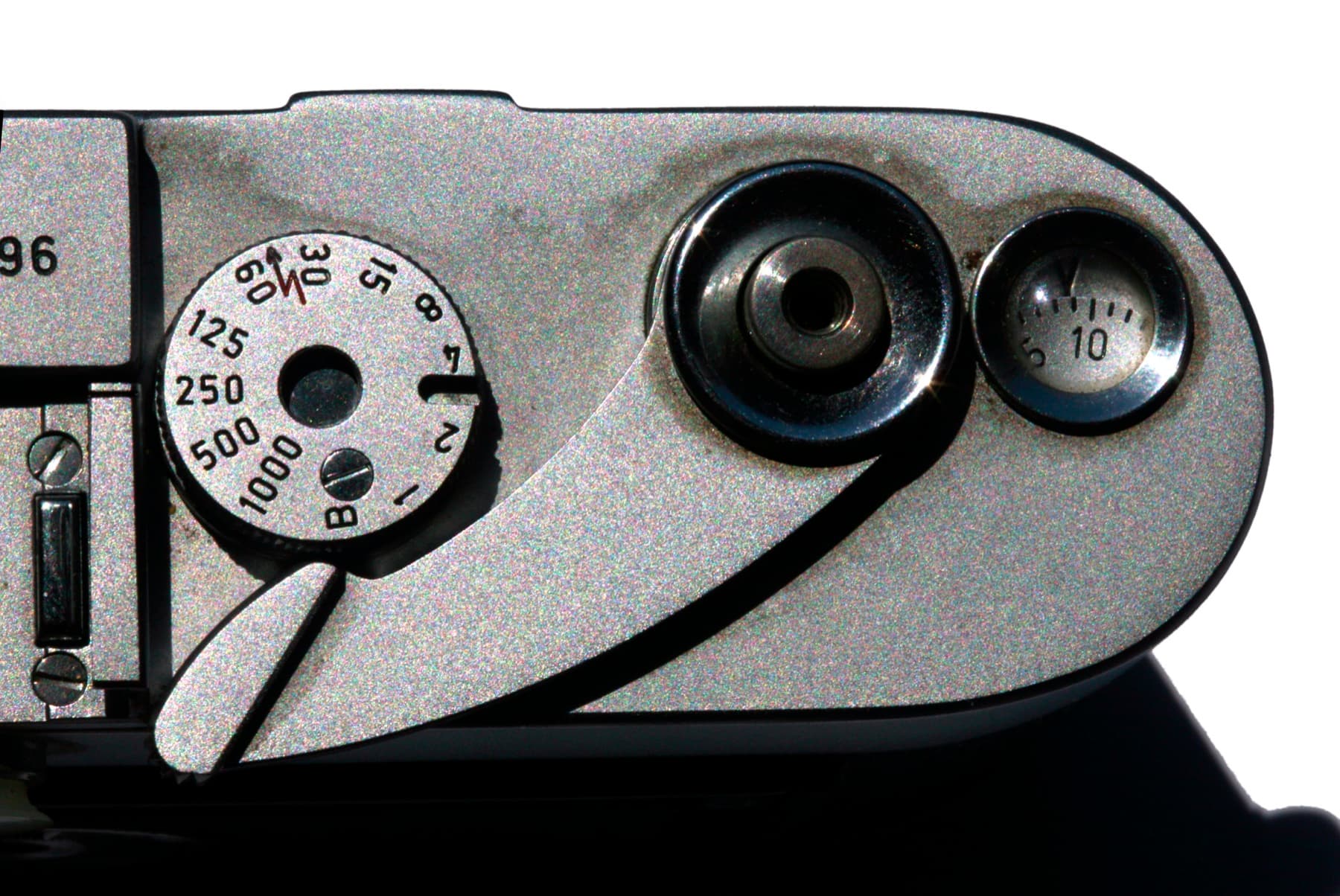
The Leica M3 arrived in 1954 with a new bayonet mount and rangefinder system. Its lasting importance lives in a working ecosystem, not a shelf.
Read the noteDiscovery
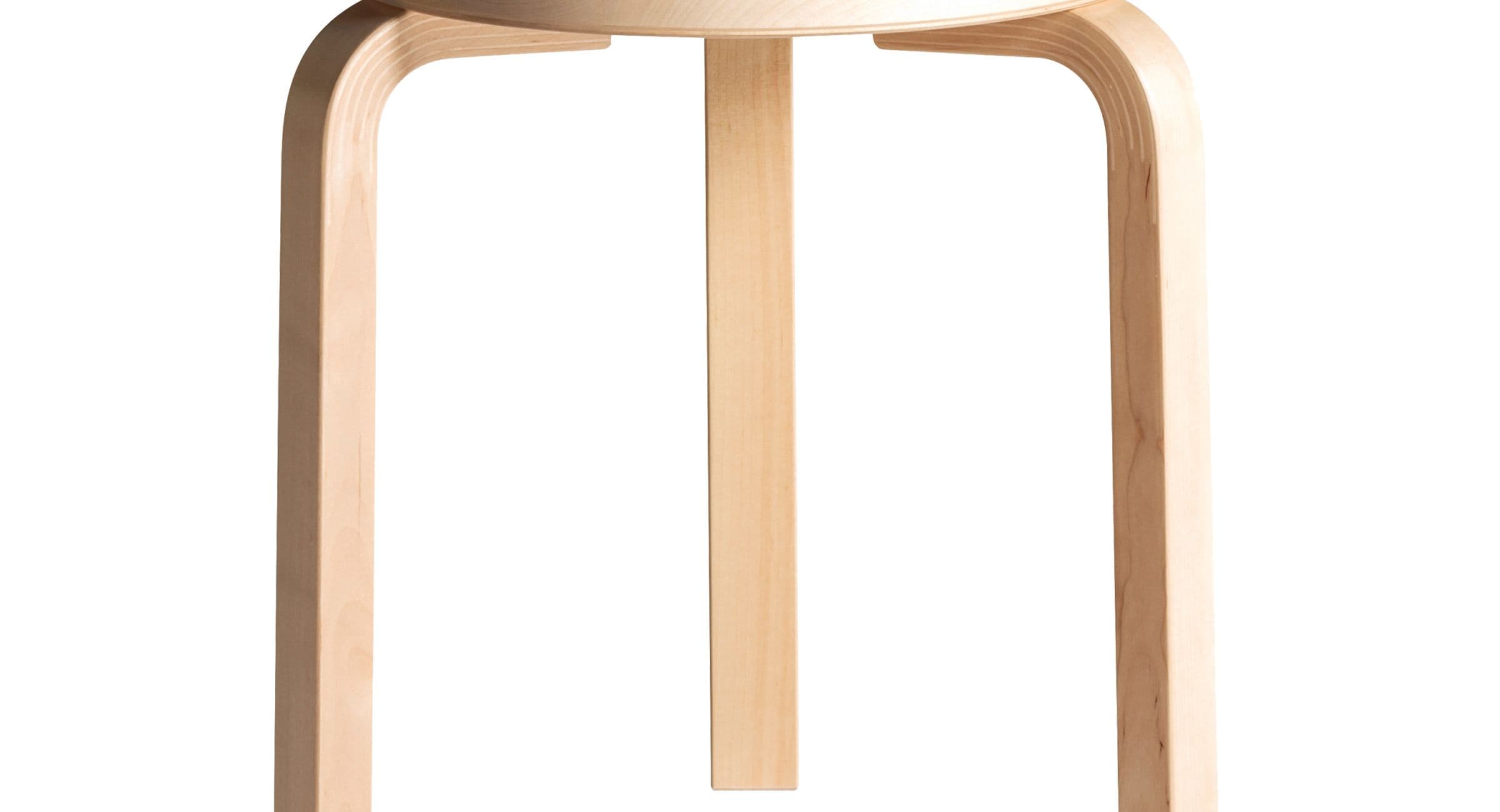
Alvar Aalto’s Stool 60 has stayed in production since 1933 with three legs, a round seat and one structural idea worth repeating.
Read the noteDiscovery
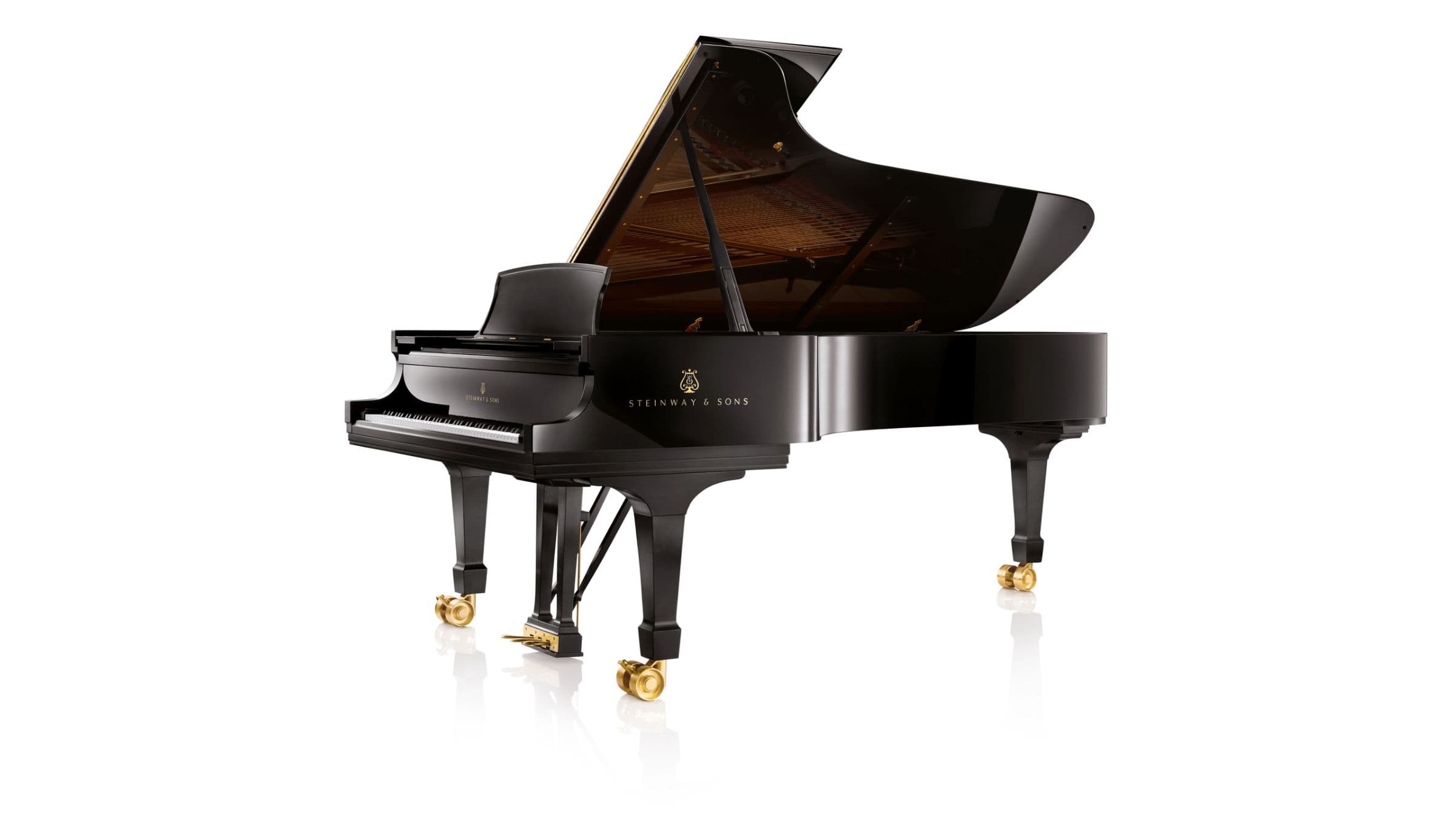
A Steinway Model D may dominate a room, but its value is decided at the keyboard, inside the action and through the care that keeps it responsive.
Read the noteDiscovery
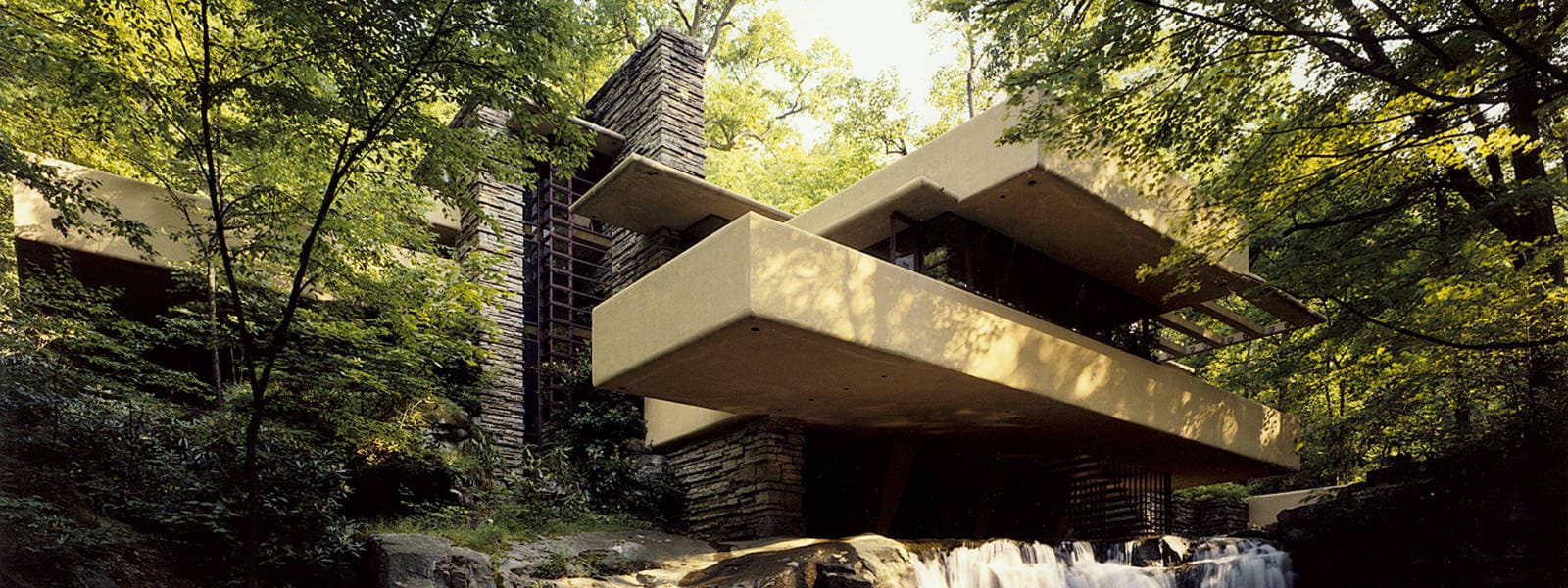
Fallingwater’s extraordinary relationship with its landscape also explains why enduring architecture depends on less visible work.
Read the noteDiscovery
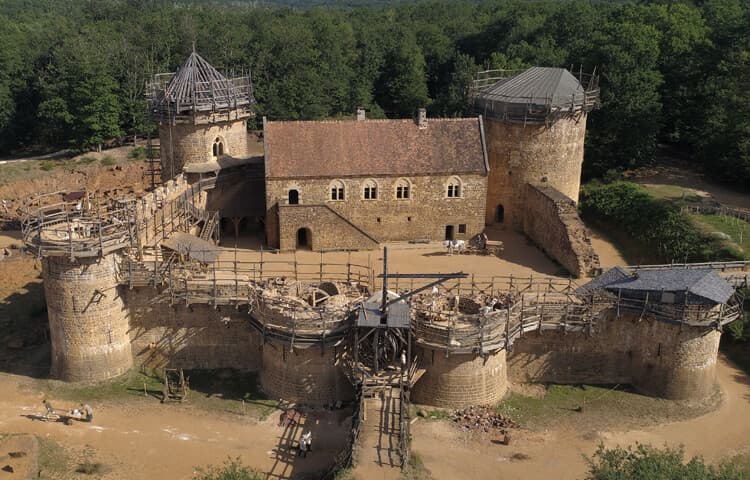
A medieval watermill rebuilt from archaeological evidence reveals what Guédelon preserves: knowledge that must be practised to stay alive.
Read the noteDiscovery
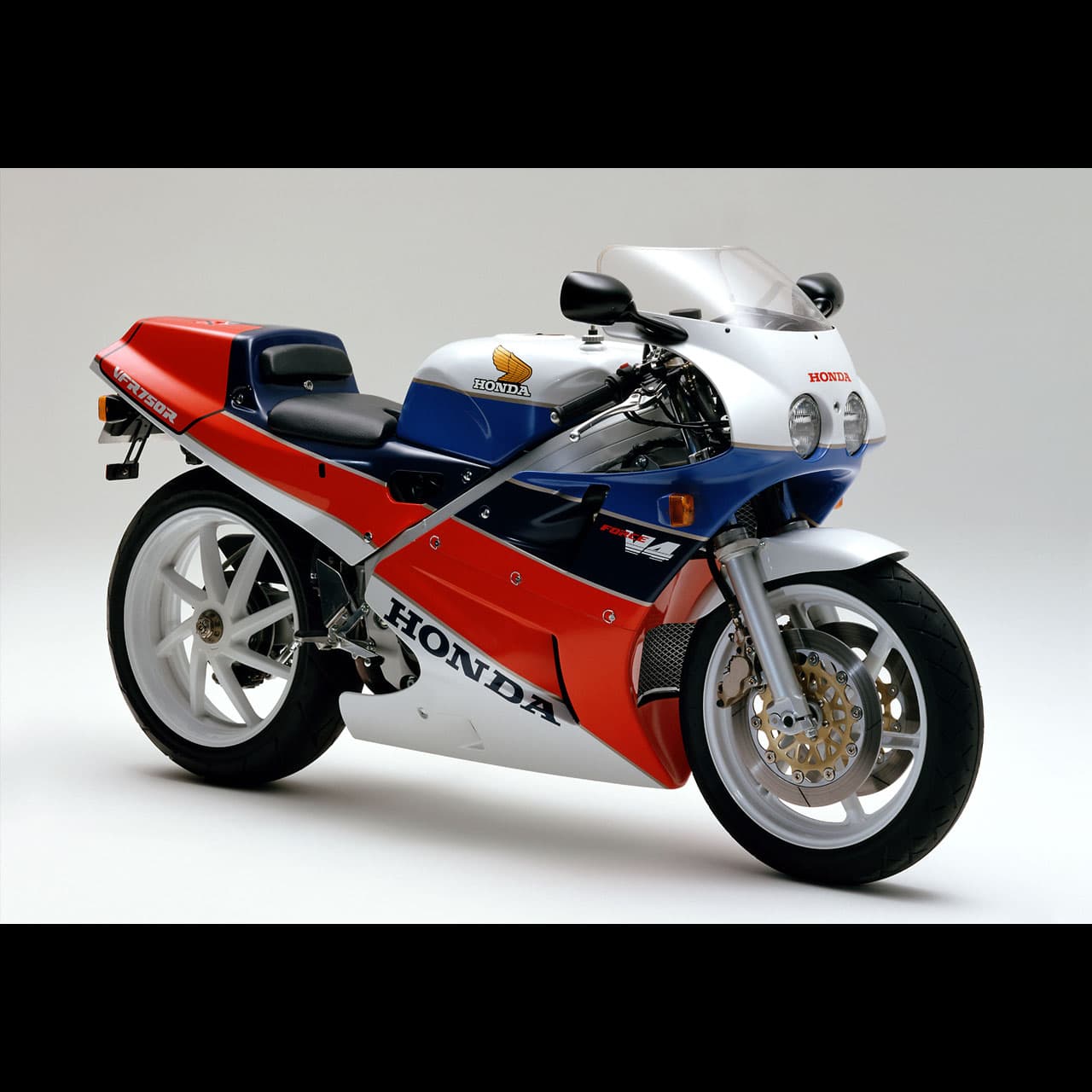
To help keep the RC30 on the road, Honda had to recover more than spare parts. It had to recover the knowledge of making them.
Read the note