DISCOVERY / Cognac & Intergenerational Craft
The cask made for a successor.
Behind the conspicuous Louis XIII decanter is a quieter story about coopers, old oak vessels and making something whose most important use lies decades ahead.
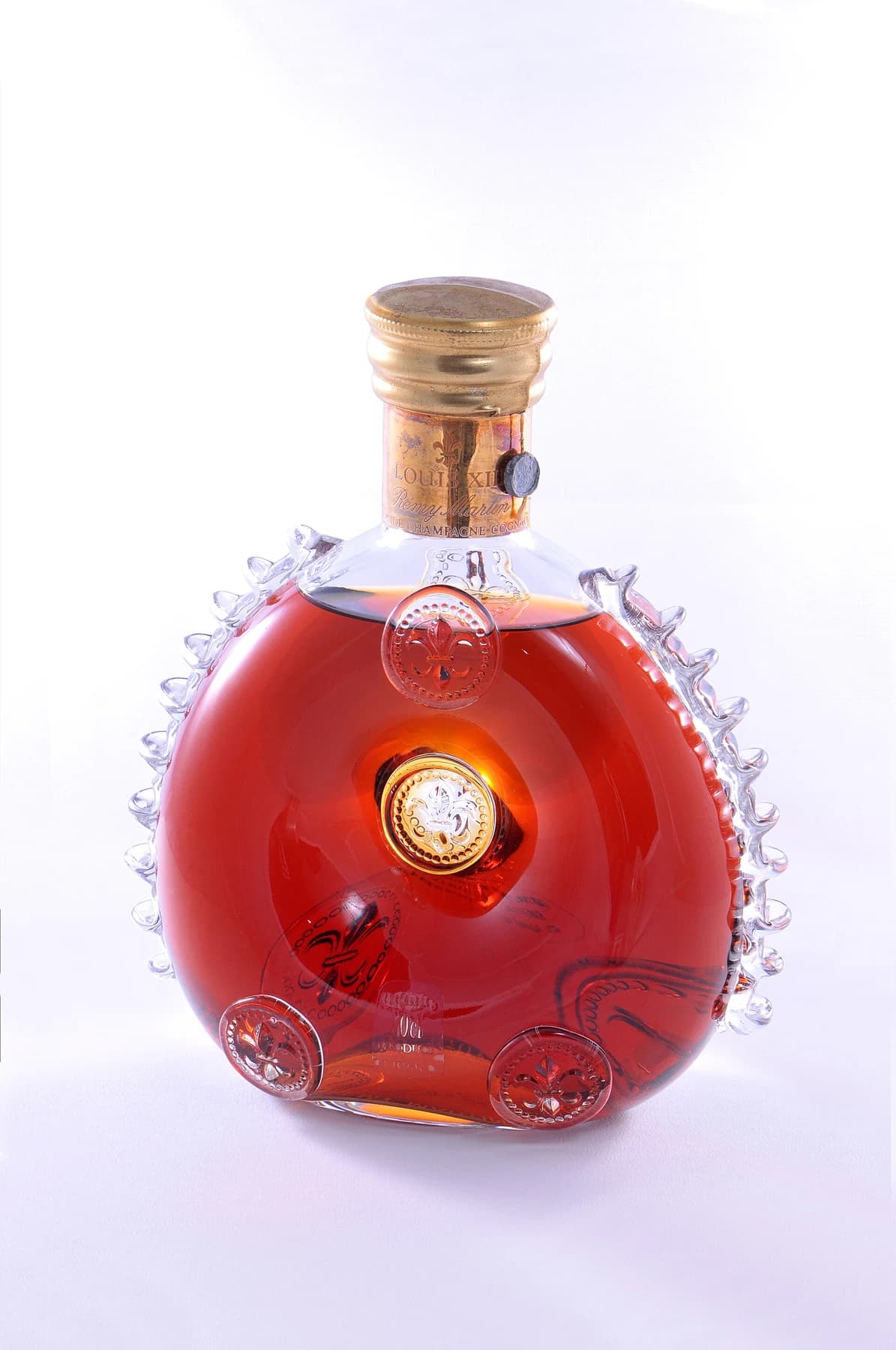
Published 21 October 2026 · WHV · Public-source editorial note
The crystal decanter draws the eye. The less visible object behind Louis XIII is a tierçon, an oak vessel whose working life can extend across generations of cellar masters. The house’s account of reviving their manufacture is a more revealing introduction to the cognac than an impressive price or an elaborate presentation box.
The vessel has its own working life
Louis XIII says it resumed making tierçons in 2017 after a century-long interruption, working with cooperage Seguin Moreau and archival records. New vessels first receive younger eaux-de-vie. Much later, as the wood ages, their role changes. Alongside making new casks, specialist coopers maintain and repair older ones. The container is part of the production knowledge, not disposable packaging.
The Classic blend draws on eaux-de-vie from Cognac’s Grande Champagne area. This is a place-name within Cognac, not a claim that the spirit contains Champagne wine. The relevant value is accumulated judgement about maturation and blending, supported by vessels prepared for people who will do the work in the future.
Separate the liquid from the legend
For a first encounter, investigate a reputable tasting rather than assuming ownership of a full decanter is necessary. If buying, establish the exact expression, sealed condition and provenance. Do not confuse the age of a cask with an age statement for every component of the blend. Nor does keeping the sealed bottle continue barrel maturation. The lasting lesson is a production culture willing to prepare tools beyond one person’s working lifetime.
Source and context.
Louis XIII: reviving the making of tierçons ↗
Louis XIII: the Classic Decanter and Grande Champagne blend ↗
Rémy Martin: current Louis XIII tasting experience ↗
Producer accounts of maturation are attributed, not independently audited. No WHV tasting, bottle-age guarantee or financial-performance claim is made.
Source checked 21 October 2026. WHV interpretation is distinct from the source’s account.
Explore Cognac & Intergenerational CraftFOLLOW YOUR CURIOSITY
Where this leads.
Different subjects. A reason to connect them.
Continue the idea
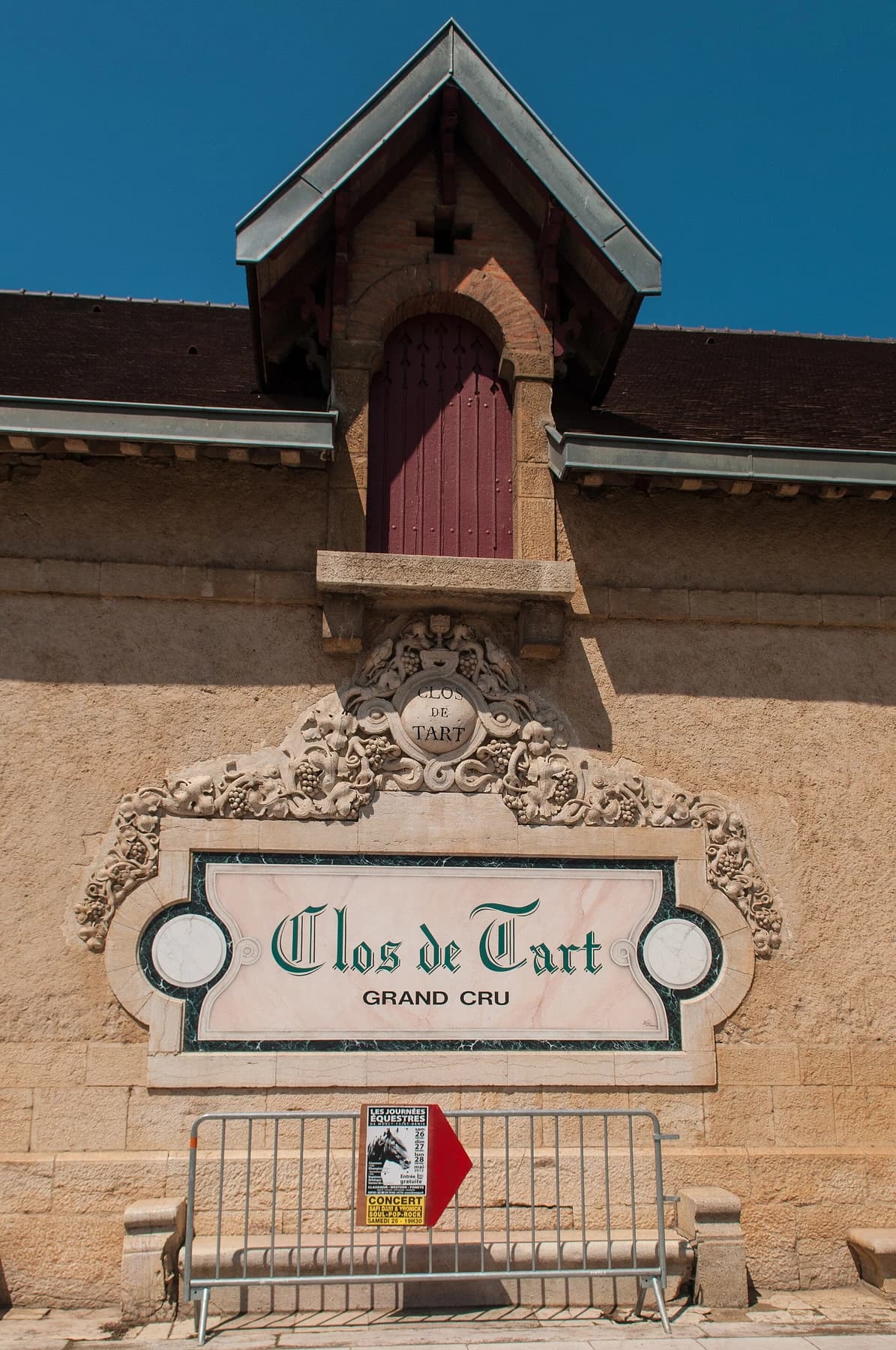
The vineyard that stayed together.
Compare two drinks whose continuity depends on people caring for a production system across generations.
Wine & Continuity of Place
Read the story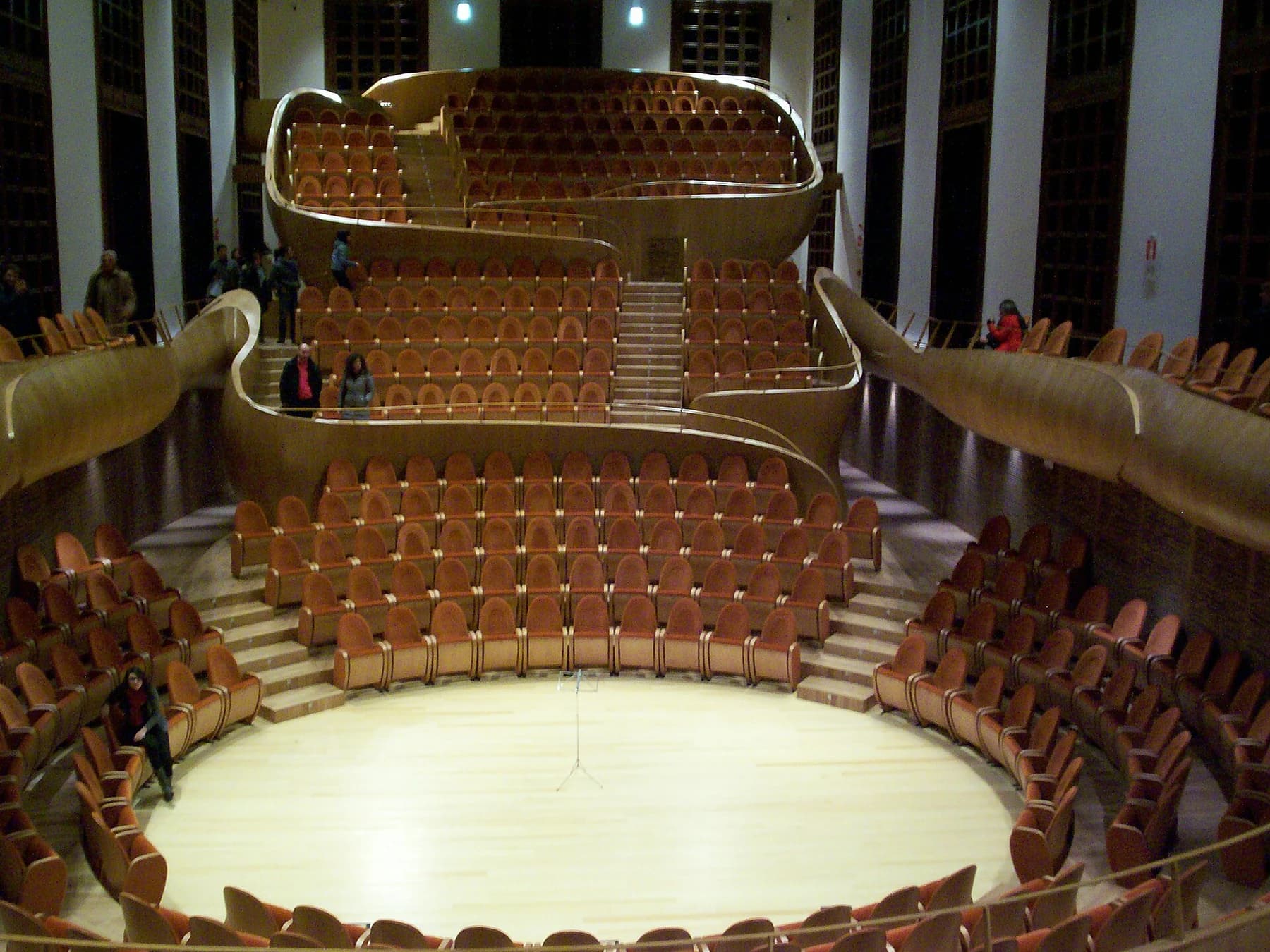
Across the WHV world
The collection you can hear.
Playing preserved instruments makes another intergenerational practice available through an encounter rather than ownership.
Music & Living Heritage
Read the story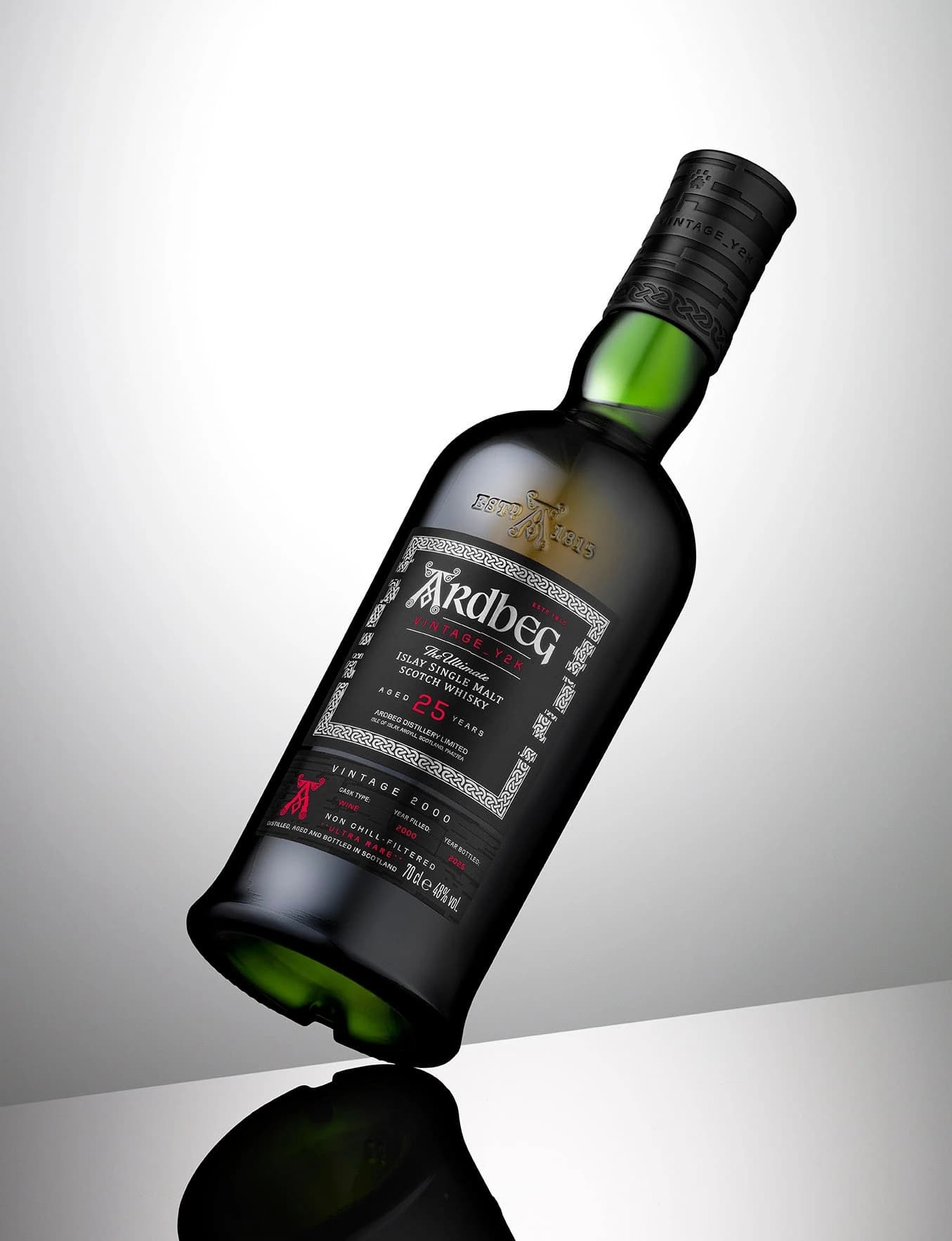
An unexpected connection
The cask after the cask.
A whisky brings the role of the ageing vessel into focus while separating production year, maturation and release date.
Whisky & Maturation Decisions
Read the story