DISCOVERY / Wine & Continuity of Place
The vineyard that stayed together.
In a region famous for divided vineyard ownership, Clos de Tart offers another story. Its continuity is a useful way to understand what a place-name on a bottle can mean.
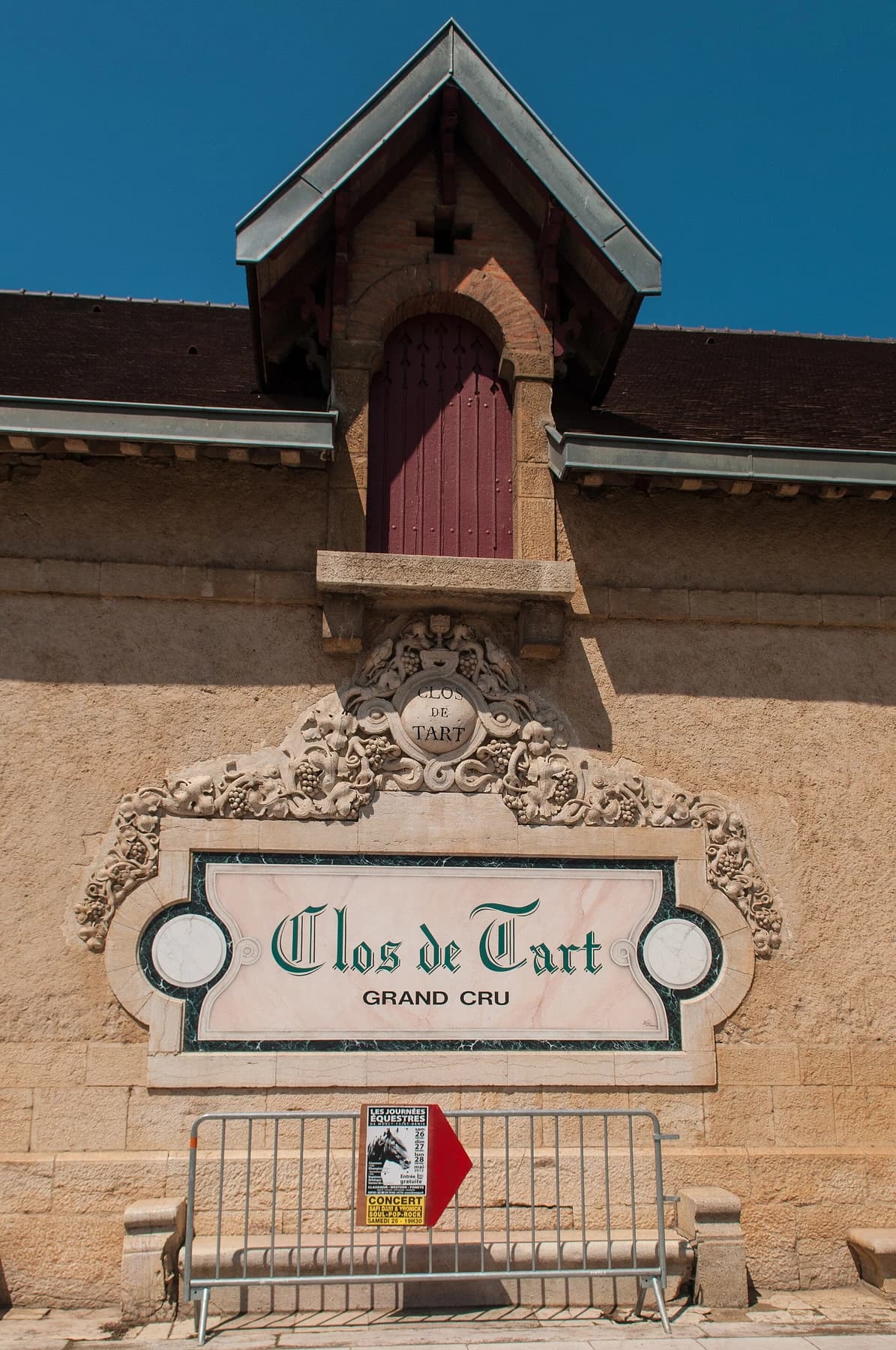
Published 21 October 2026 · WHV · Public-source editorial note
A Burgundy vineyard name can appear on bottles made by several different owners. Clos de Tart offers a contrasting case. The estate describes its 7.53-hectare vineyard at Morey-Saint-Denis as a monopole: the entire named site is held by one owner. Its history reaches back to the Cistercian community of Tart in 1141.
One owner does not mean one uniform soil
The continuity is unusually legible because the vineyard has remained undivided. That does not mean the ground is uniform. The estate describes different terroirs within the enclosure, and the finished wine brings decisions about those differences together. The Bourgogne Wine Board identifies Clos de Tart as a red-wine Grand Cru associated with Pinot Noir.
This makes the site an illuminating route into wine knowledge. A name can refer to geography, an ownership arrangement and a long sequence of cultivation, rather than merely a luxury brand. None of those facts guarantees the quality of every harvest or the condition of a bottle stored elsewhere for years. Continuity of land is not the same as unchanging winemaking.
The place is only the beginning
Start with the estate’s map and compare its explanation with the regional appellation information. If considering a bottle, establish vintage, provenance, storage and a sensible drinking plan with a reliable merchant. The archival photograph shows the place, not a bottle offered for sale or permission to enter the vineyard. Its lasting interest is the unusually clear relationship between a bounded landscape and what eventually reaches the glass.
Source and context.
Clos de Tart: history of the undivided estate ↗
Clos de Tart: vineyard and distinct terroirs ↗
Bourgogne Wine Board: the Morey-Saint-Denis Grands Crus ↗
Estate area and annual area under production are different measures. No tasting verdict, visitor access promise or financial return is implied.
Source checked 21 October 2026. WHV interpretation is distinct from the source’s account.
Explore Wine & Continuity of PlaceFOLLOW YOUR CURIOSITY
Where this leads.
Different subjects. A reason to connect them.
Continue the idea
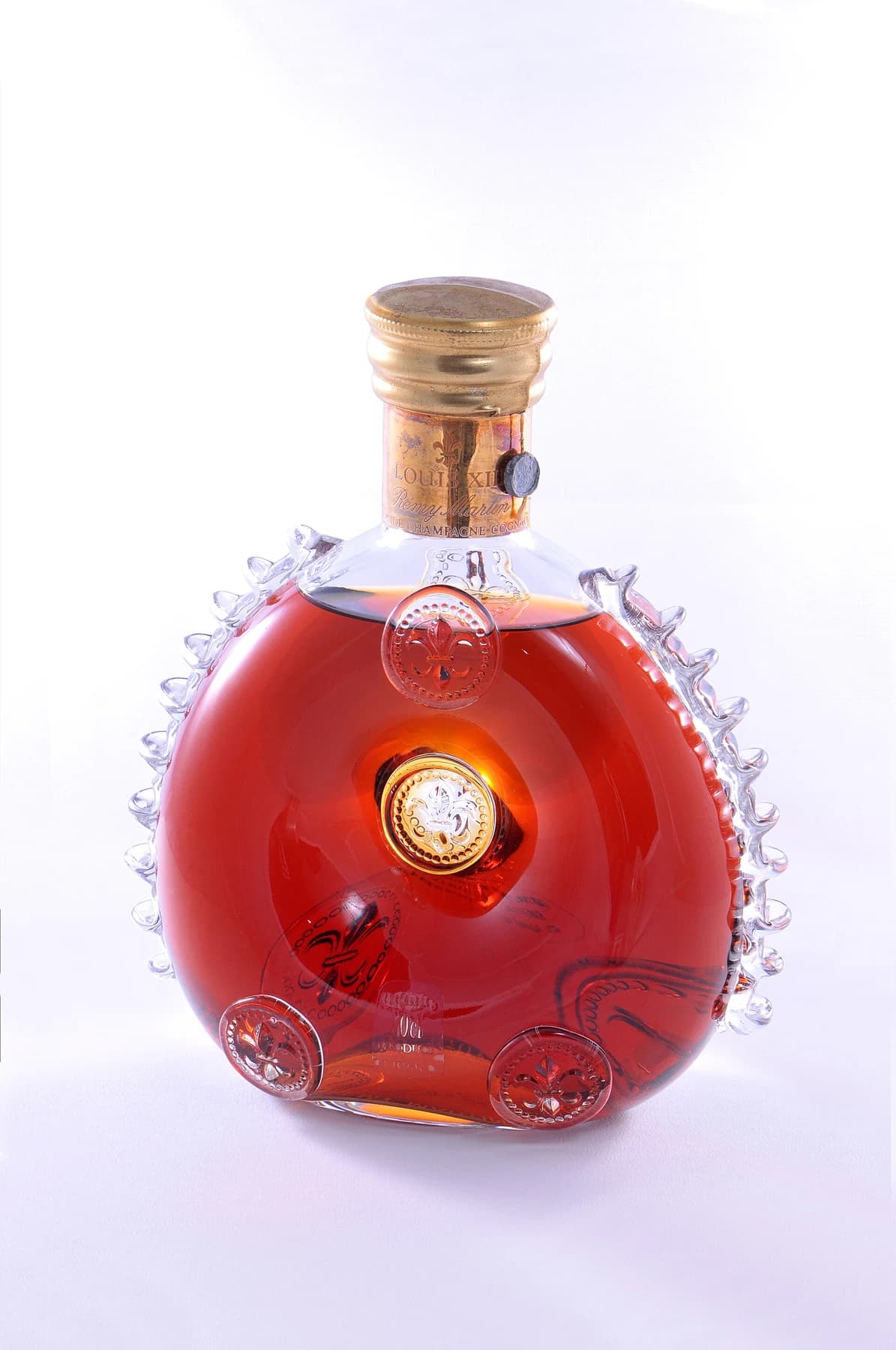
The cask made for a successor.
Compare two drinks whose continuity depends on people caring for a production system across generations.
Cognac & Intergenerational Craft
Read the story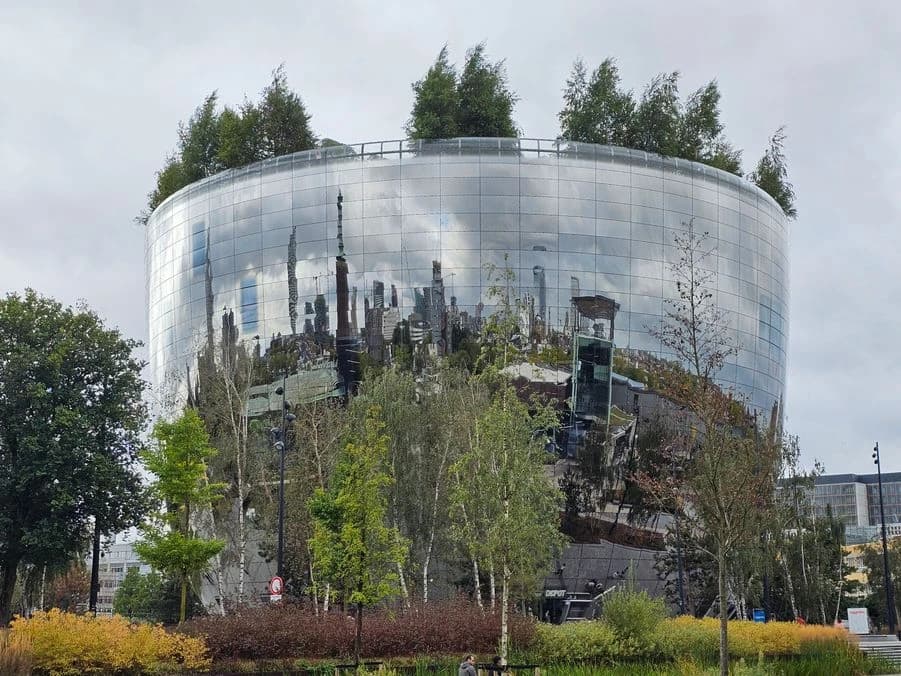
Across the WHV world
The work behind keeping art.
A working art depot shows another form of stewardship, where preserving something requires active decisions rather than leaving it alone.
Architecture & Cultural Stewardship
Read the story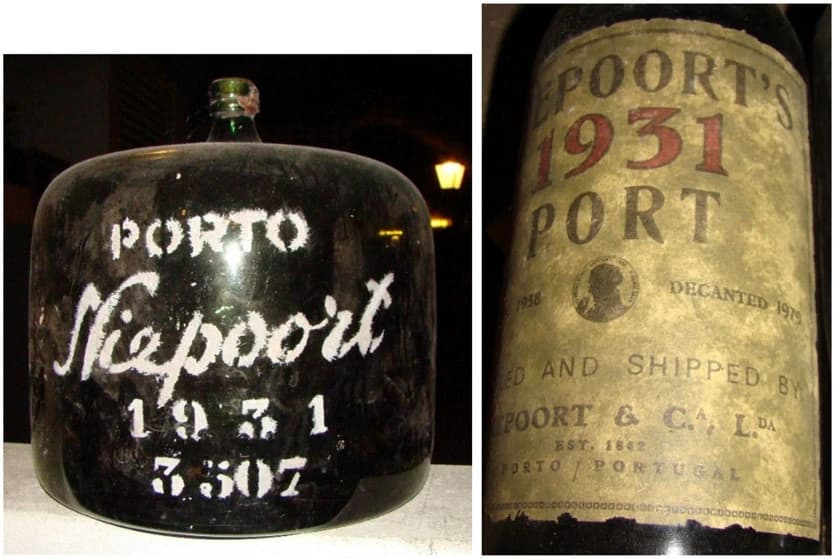
An unexpected connection
The years between wood and bottle.
A Portuguese wine adds a useful contrast between continuity of vineyard and the changing vessels used during maturation.
Port Maturation & Cellar Knowledge
Read the story