DISCOVERY / Toquilla Weaving & Wearable Knowledge
The country inside the Panama hat.
The so-called Panama hat leads back to Ecuador and the work of toquilla weavers. Looking beyond the familiar name reveals an agricultural material, regional skills and a form made to be worn.
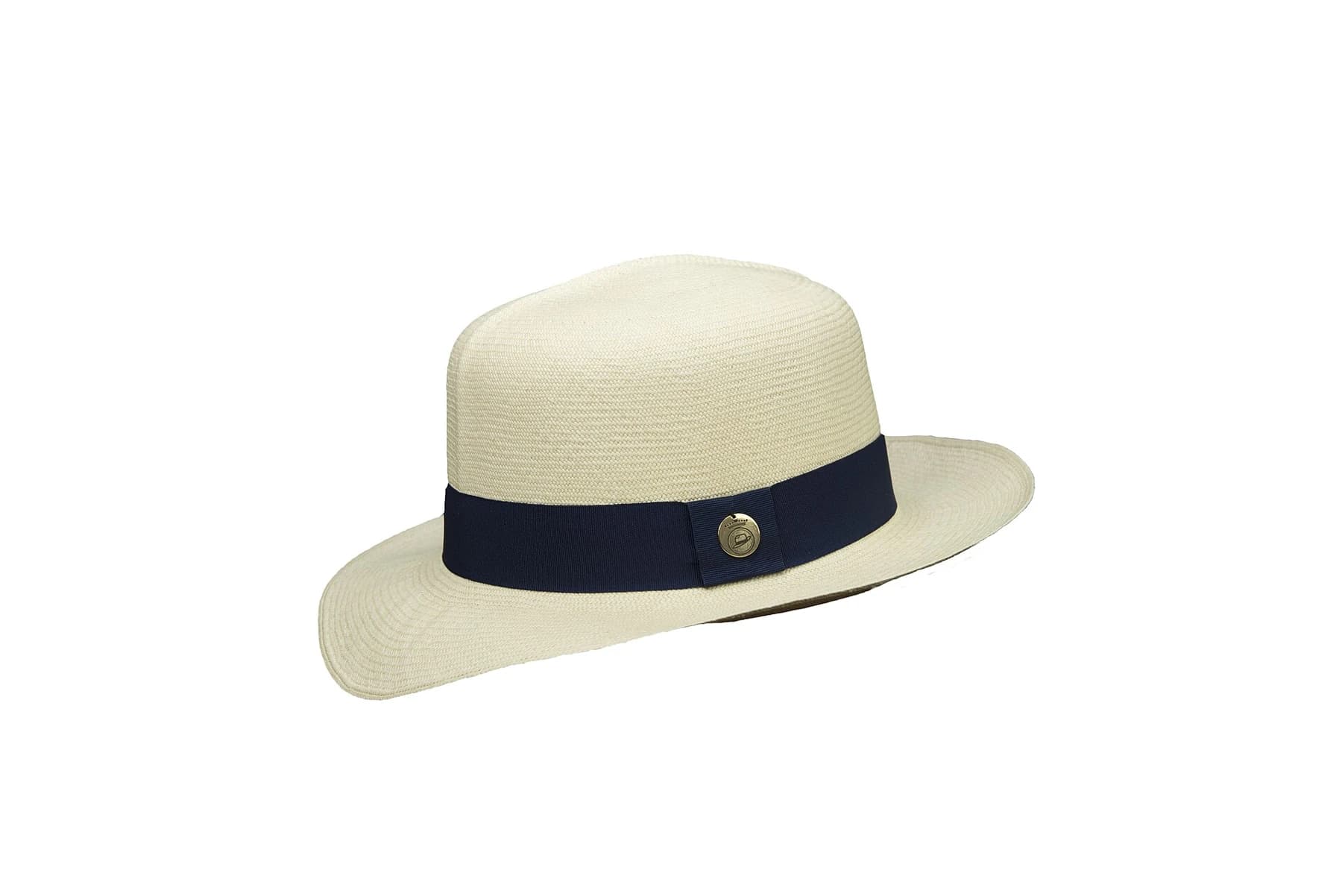
Published 17 October 2026 · WHV · Public-source editorial note
A pale woven hat can carry a geographical mistake so familiar that it stops looking like a mistake. The Panama hat’s story begins in Ecuador. Toquilla weaving gives the object a richer identity than a summer costume or an expensive accessory. Before the finished brim, there is a plant, prepared fibre and someone who knows what to do with it.
Start with Ecuador, not the label
UNESCO’s account follows the process from coastal cultivation and fibre preparation to weaving and finishing. It identifies Pile as a community associated with especially fine work and describes knowledge transmitted within families. Crown and brim are only the visible result of a much wider practice. That practice, rather than every hat sold under a familiar name, received intangible-heritage recognition in 2012.
Montecristi is a place to investigate, not a magic word that authenticates a seller’s claim. A photograph cannot verify weave grade, the identity of a weaver or the fairness of payment. Equally, finer is not automatically better for the person who plans to wear the hat. Shape, fit, handling and the intended daily use deserve attention alongside the weave.
Fineness is not the whole decision
Ask a specialist retailer for the actual hat’s origin, making and care instructions. Homero Ortega’s Cuenca workshop and museum offer another route into Ecuador’s wider toquilla tradition, distinct from a claim that every hat there comes from Montecristi. The photographed Montecristi-labelled example introduces the form, not a certified investment object. Its most persuasive value is wearable knowledge that can continue through people choosing and caring for the work.
Source and context.
UNESCO: traditional weaving of the Ecuadorian toquilla straw hat ↗
Homero Ortega: Ecuadorian toquilla hat history and current workshop links ↗
The source labels the pictured hat Montecristi, but WHV has not independently verified its maker, grade or provenance. UNESCO recognises a tradition, not individual retail products. Availability and care require item-specific checks.
Source checked 17 October 2026. WHV interpretation is distinct from the source’s account.
Explore Toquilla Weaving & Wearable KnowledgeFOLLOW YOUR CURIOSITY
Where this leads.
Different subjects. A reason to connect them.
Continue the idea
The case that turns the question around.
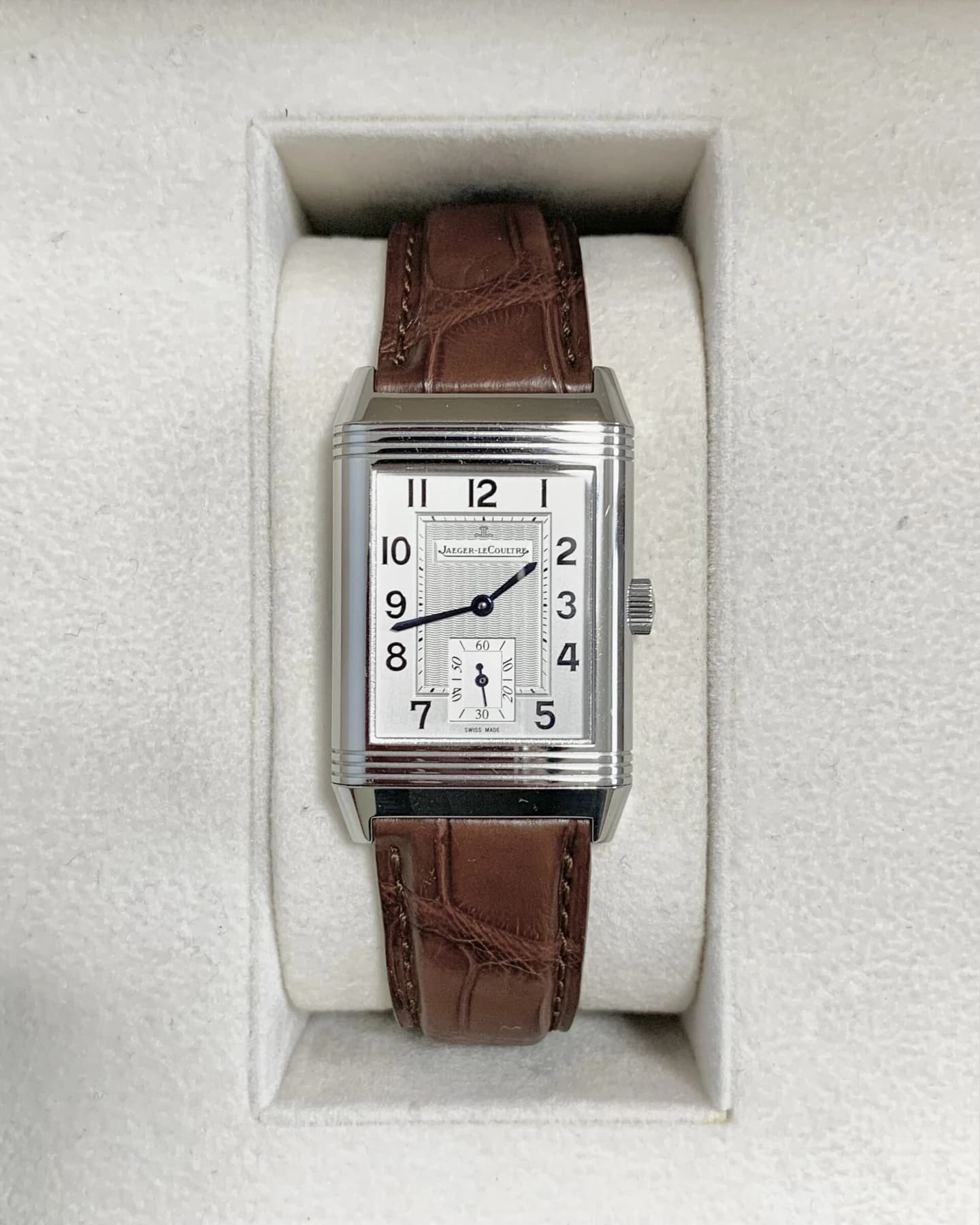
Two familiar wearable forms become more interesting when their origin is separated from the prestige of a name.
Reversible Watches & Functional Form
Read the story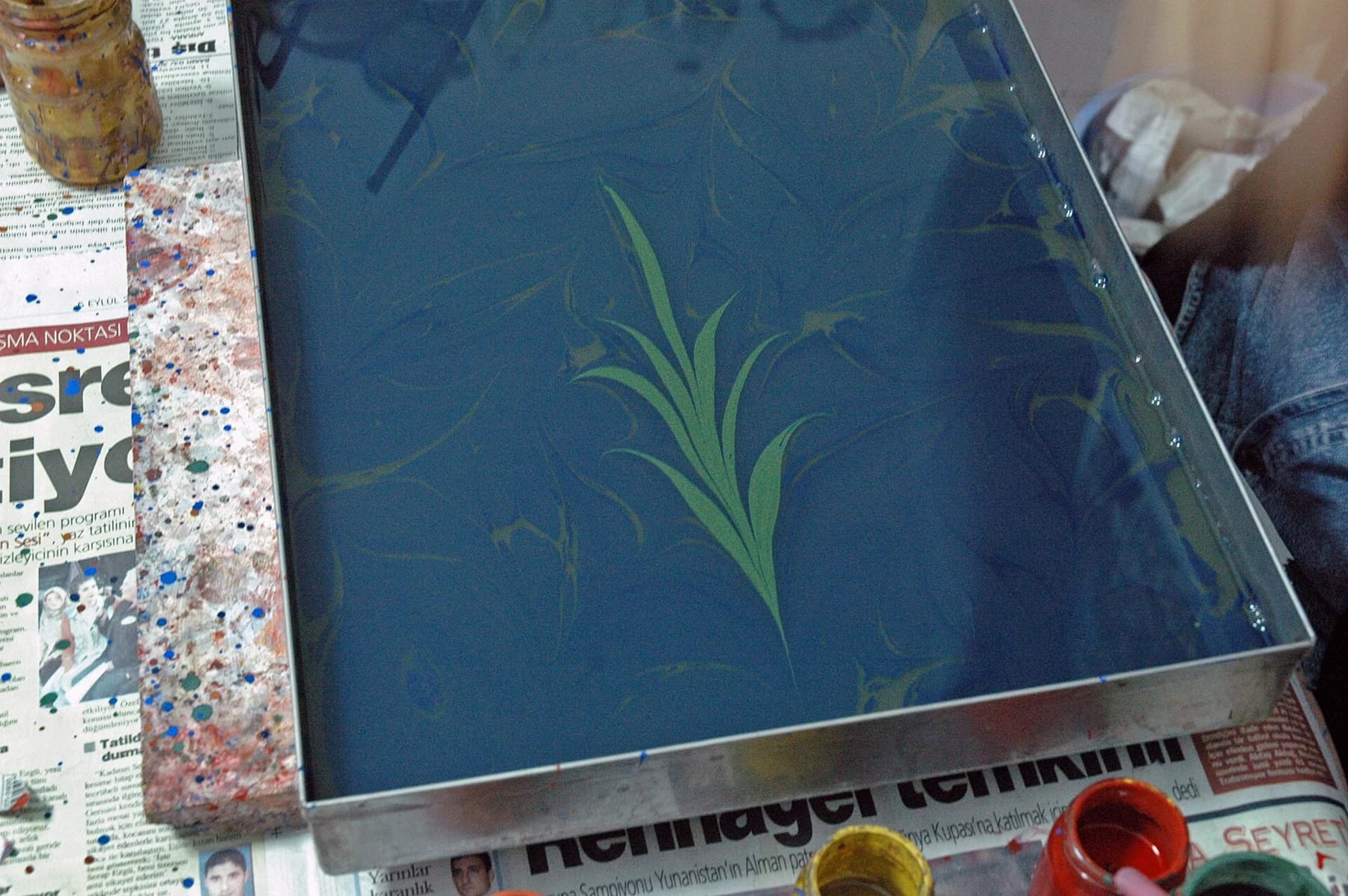
Across the WHV world
The picture before the paper.
Another living tradition makes a finished surface depend on material preparation and knowledge passed between people.
Ebru & Marbling Traditions
Read the story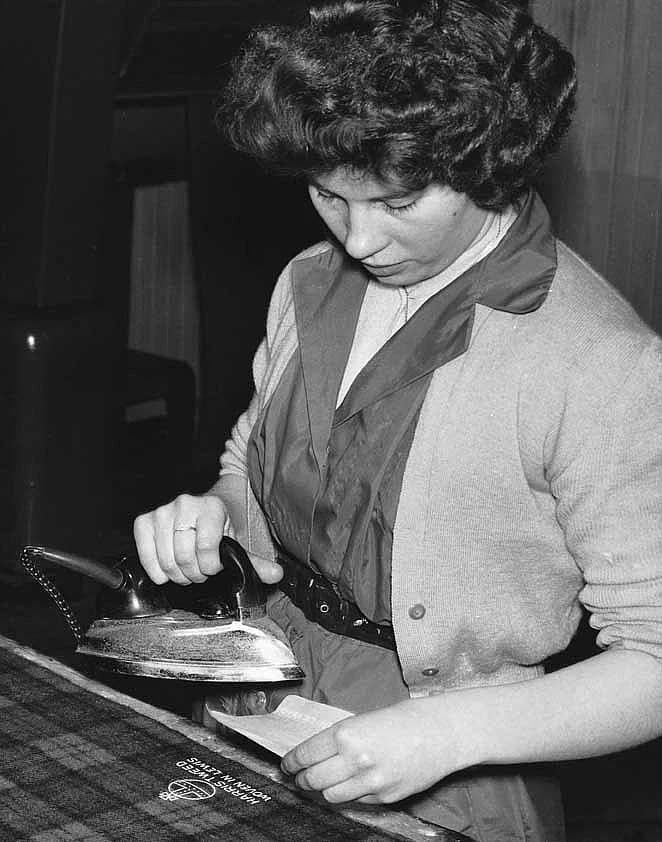
An unexpected connection
The place woven into the cloth.
Cloth offers another way to ask what a geographical description actually establishes about a wearable object.
Textiles & Material Provenance
Read the story