DISCOVERY / Sake & Fermentation Knowledge
The work before the fermentation.
Daishichi Junmai Kimoto asks us to look before the finished drink. Its starter method makes microbial knowledge part of the flavour story.
Published 27 September 2026 · WHV · Public-source editorial note
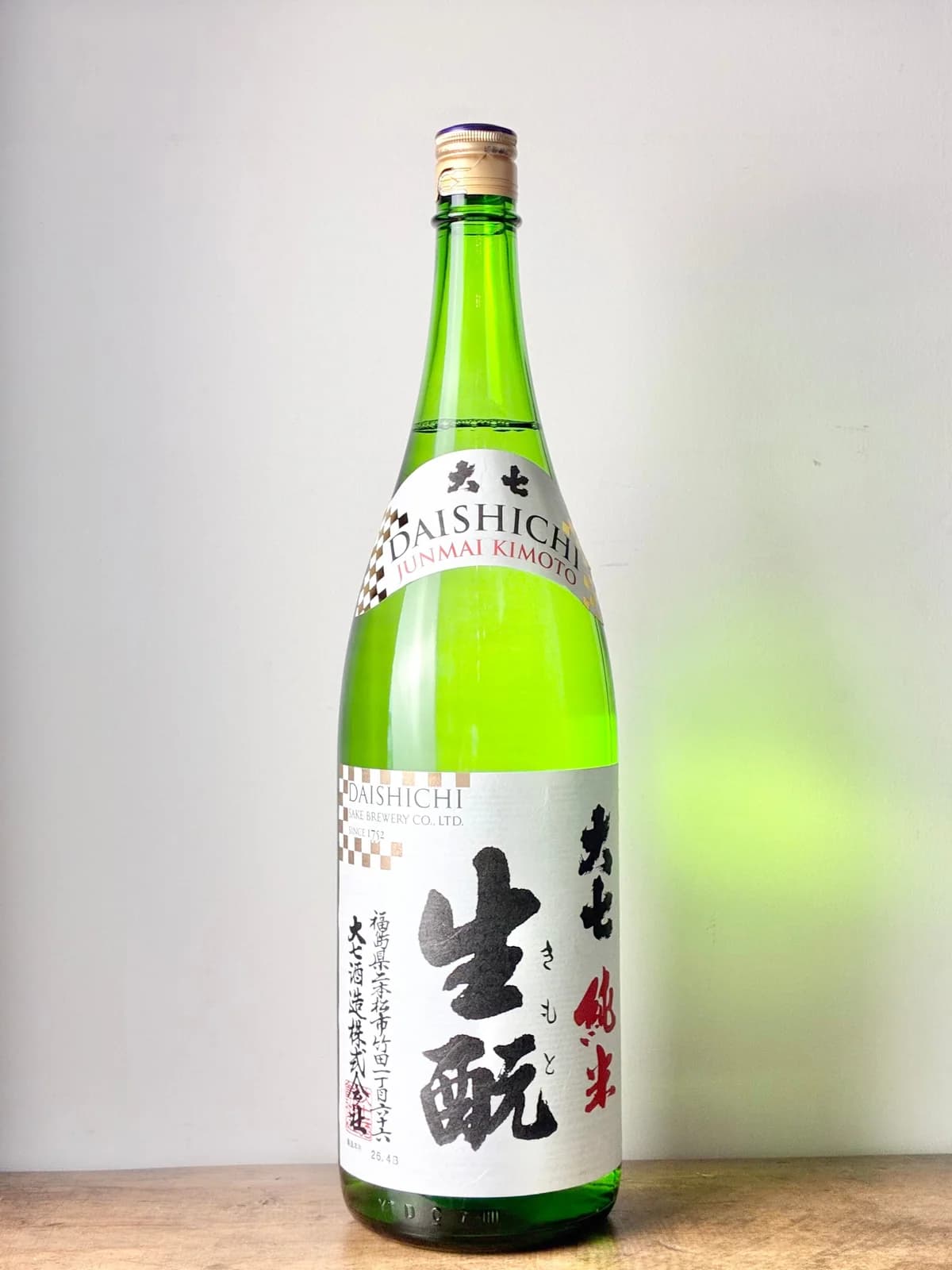
A finished sake bottle gives little away about the first living steps inside it. Daishichi Junmai Kimoto is a useful invitation to begin there. The interest is not an expensive label or a claim that older methods are automatically better. It is what a maker chooses to manage before the main fermentation can begin.
The starter is a decision
Daishichi explains its kimoto starter in terms of steamed rice, koji, water and the development of lactic acid before yeast takes hold. The maker identifies this particular Junmai Kimoto as a bottling introduced in 1983. That makes it a named product rather than an abstract demonstration of a method. The current brewery range also includes a Junmai Kimoto Classic, which should not be confused with it.
The technique makes biological knowledge and repeated human judgement visible. It does not establish that every taster will prefer the result or that a bottle improves with age. The maker’s language about flavour is an invitation to taste, not independent evidence of superiority. A retail photograph can identify a label while telling us nothing reliable about the condition of the liquid inside that particular bottle.
Taste the method without making it a myth
Find a bar or merchant willing to explain the sake and compare it with a differently made junmai at a sensible serving temperature. Ask how the bottle has been kept and which exact Daishichi version is poured. WHV has not tasted it. The rewarding question is how much deliberate work may be present before a drink is ready to be enjoyed, not whether a bottle belongs in a speculative cellar.
Source and context.
Daishichi: the kimoto method ↗
Kakinuma: photographed listing of the exact Junmai Kimoto ↗
The brewery supplies the method and product history, while the retailer photograph identifies an example of the named bottling. WHV has not tasted or inspected any bottle. Availability, storage, serving preference and quality vary. No health, financial-return or universal age-improvement claim is made.
Source checked 27 September 2026. WHV interpretation is distinct from the source’s account.
Explore Sake & Fermentation KnowledgeFOLLOW YOUR CURIOSITY
Where this leads.
Different subjects. A reason to connect them.
Continue the idea
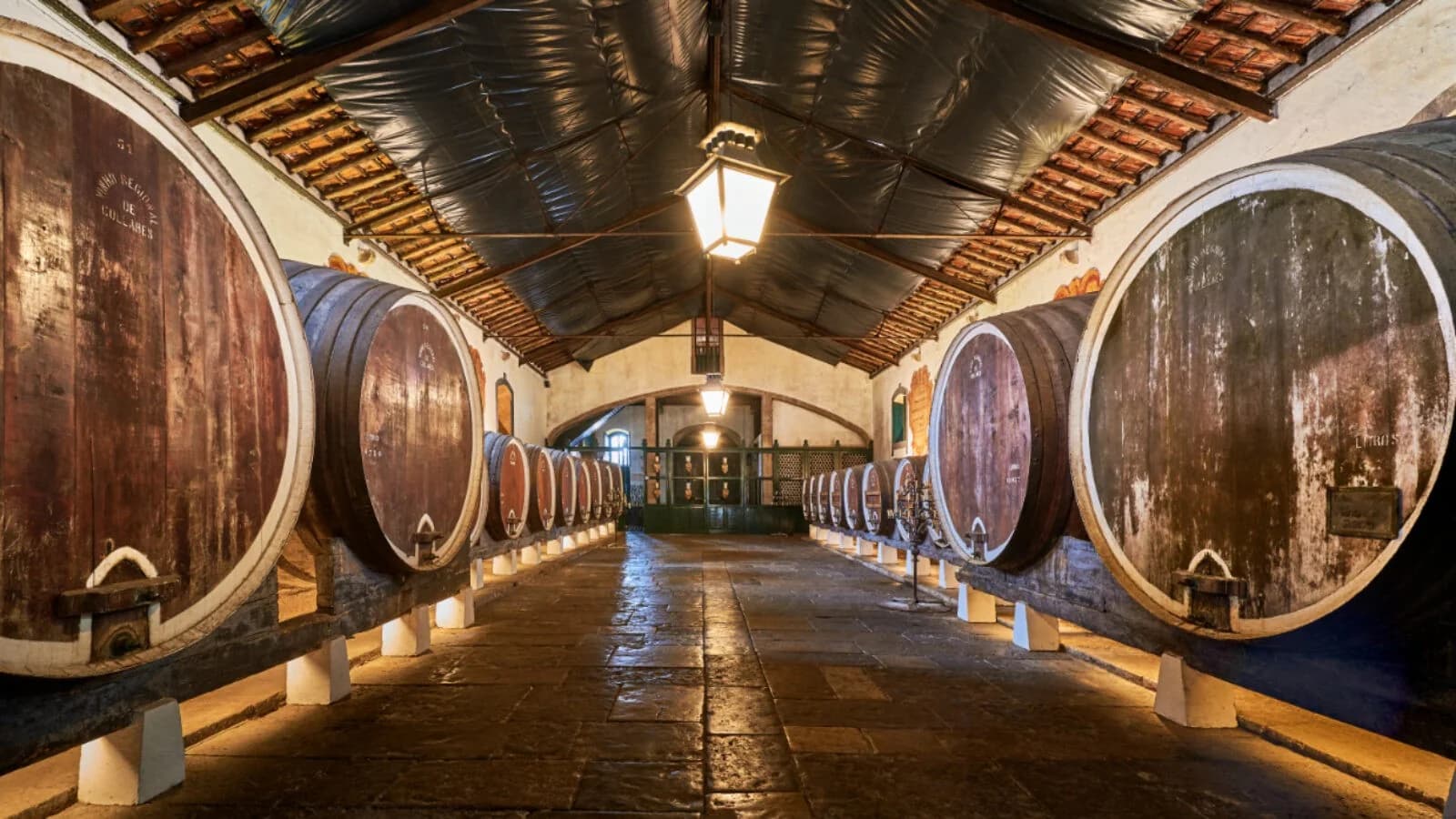
The vineyard in the sand.
A Portuguese wine also invites a look at production choices and place before price.
Sand-Grown Vineyards & Regional Continuity
Read the story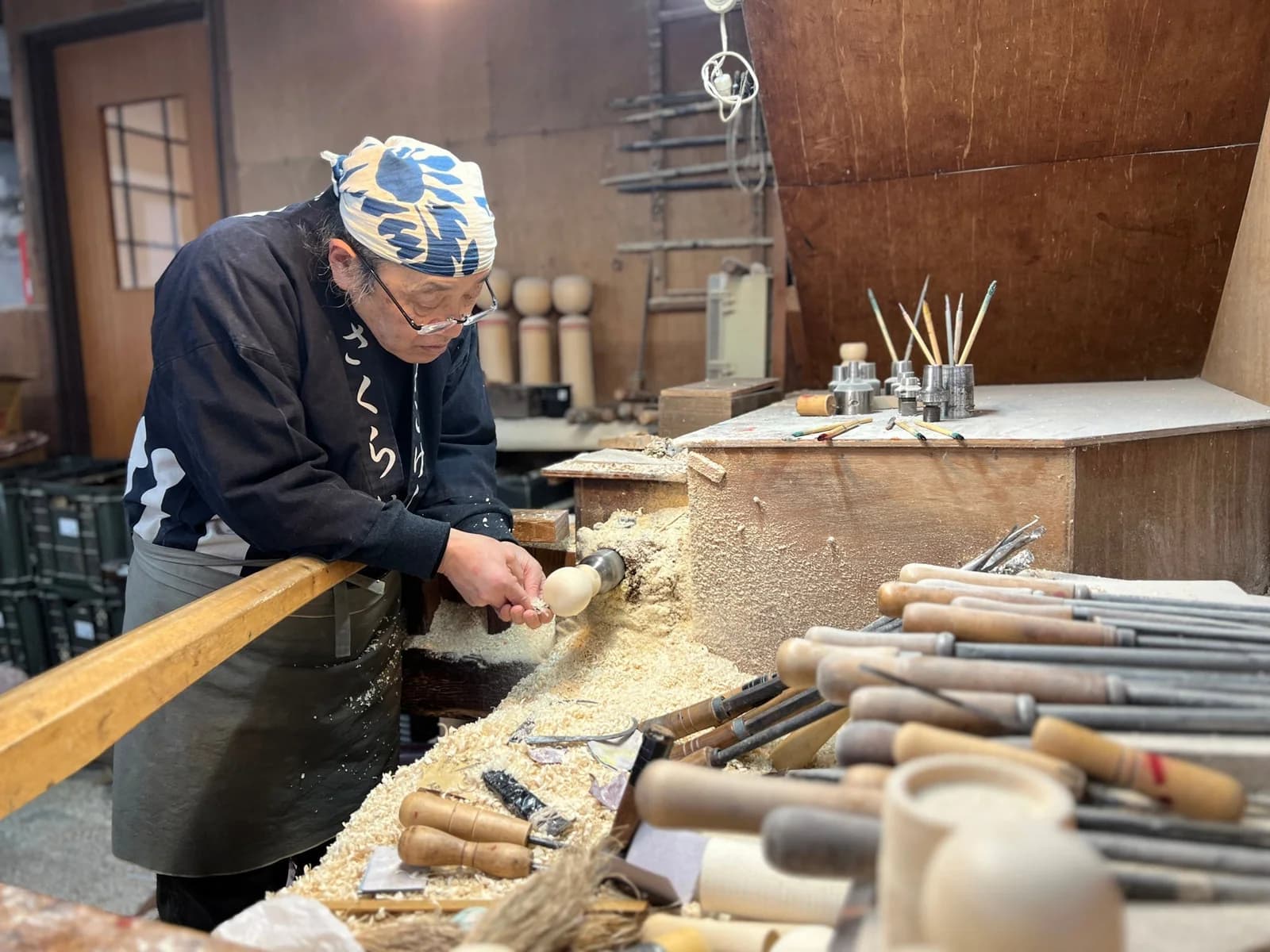
Across the WHV world
The doll whose head has a voice.
Move from a living brewing method to a craft sustained by another specific community of makers.
Turned Wood & Living Folk Craft
Read the story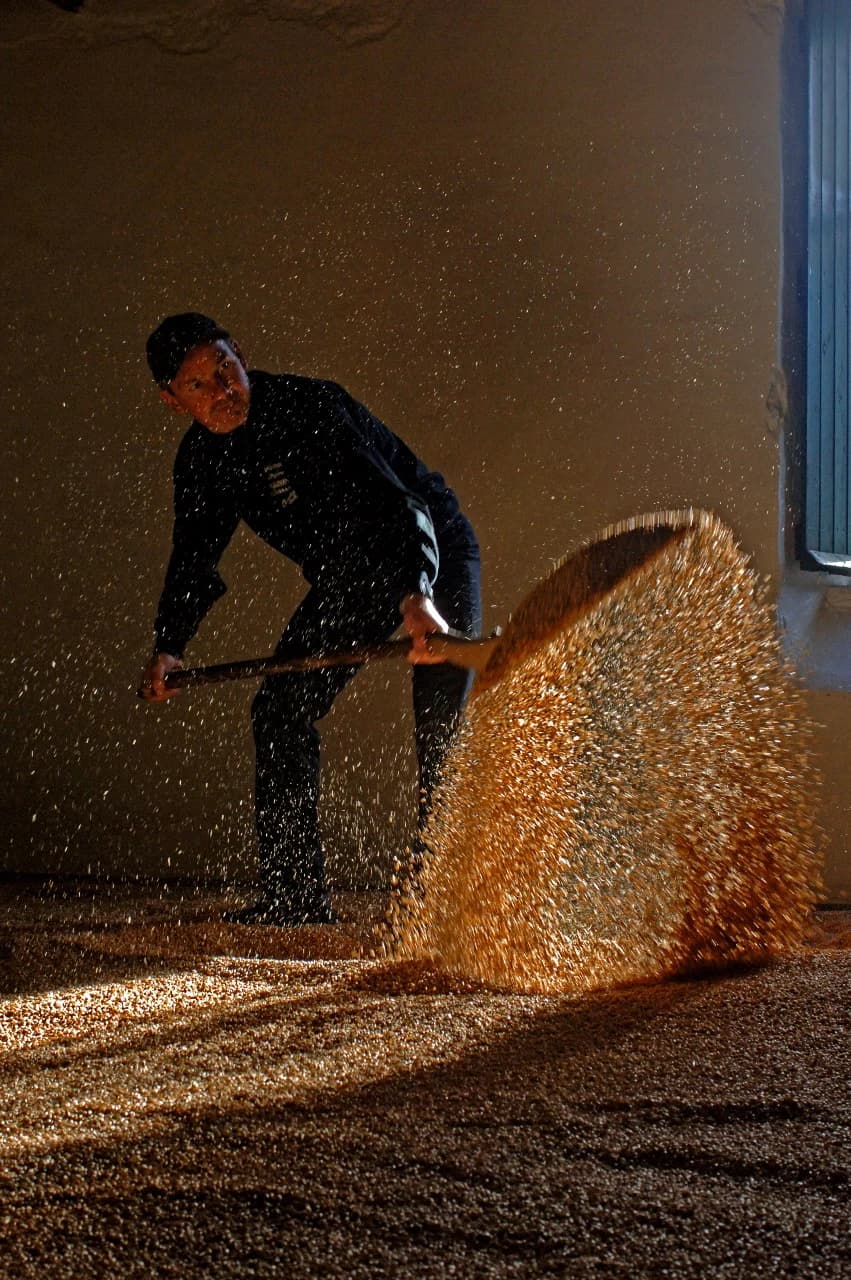
An unexpected connection
The work before the bottle.
A Scottish distillery offers another chance to identify what the producer actually does on site.
Whisky & Production Knowledge
Read the story