DISCOVERY / Sand-Grown Vineyards & Regional Continuity
The vineyard in the sand.
Arenae Ramisco begins with an unusual vineyard practice near the Atlantic. The sand, labour and cooperative are part of the bottle.
Published 27 September 2026 · WHV · Public-source editorial note
The surprising part of a Colares red begins before the cork is pulled. In the dunes west of Lisbon, vines have been cultivated close to the ground in deep sand, under the influence of the Atlantic. This is an agricultural system a visitor can try to understand, not simply a romantic adjective attached to a bottle.
A vineyard shaped by sand
Adega Regional de Colares describes Ramisco among its regional varieties and explains how sandy vineyards resisted the nineteenth-century phylloxera crisis. Its 2026 tasting programme still identifies Arenae red as a wine of those sandy soils, distinct from the cooperative’s wines of clay soils. That distinction gives the curious drinker a concrete comparison. A soil description alone cannot predict exactly what one vintage will taste like.
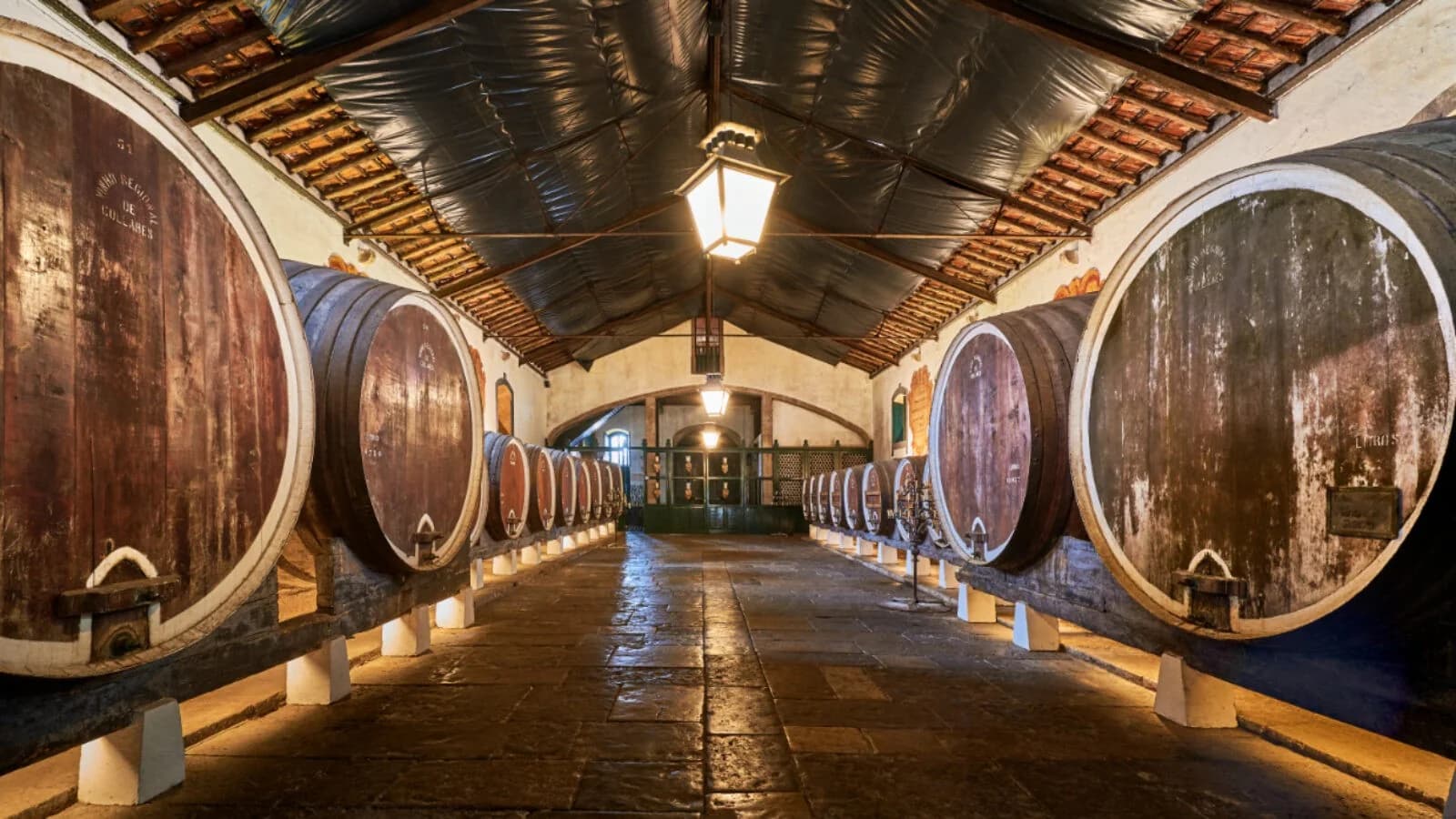
The cooperative also represents people making a difficult landscape productive. Continuing to cultivate, receive fruit, make wine and explain the method is part of the value here. The old cellar, shown in the photograph, is a visible chapter of that work. It does not by itself show a particular vineyard, prove the age of a vine or authenticate a bottle on a merchant’s shelf.
Begin with a glass, not a forecast
If you can visit, ask for the current sandy-soil tasting and compare it with a local clay-soil wine. Elsewhere, ask a specialist merchant for an accurately identified Arenae Ramisco and pay attention to producer, vintage, storage and condition. WHV has not tasted it. Regional rarity is an invitation to learn why the wine exists, not evidence that buying bottles will preserve or increase their price.
Source and context.
Adega Regional de Colares: 2026 tours and tastings ↗
Adega Regional de Colares: the vine and wine of Colares ↗
Wines of Portugal: Ramisco and Colares ↗
A Alma dos Vinhos de Lisboa: the cooperative and its cellar ↗
The 2026 programme documents an experience, not availability of any named vintage. The historical producer leaflet is not a current yield or bottle specification. No vineyard, vine, bottle or tasting was inspected by WHV, and no financial or ageing-performance claim is made.
Source checked 27 September 2026. WHV interpretation is distinct from the source’s account.
Explore Sand-Grown Vineyards & Regional ContinuityFOLLOW YOUR CURIOSITY
Where this leads.
Different subjects. A reason to connect them.
Continue the idea
The work before the fermentation.
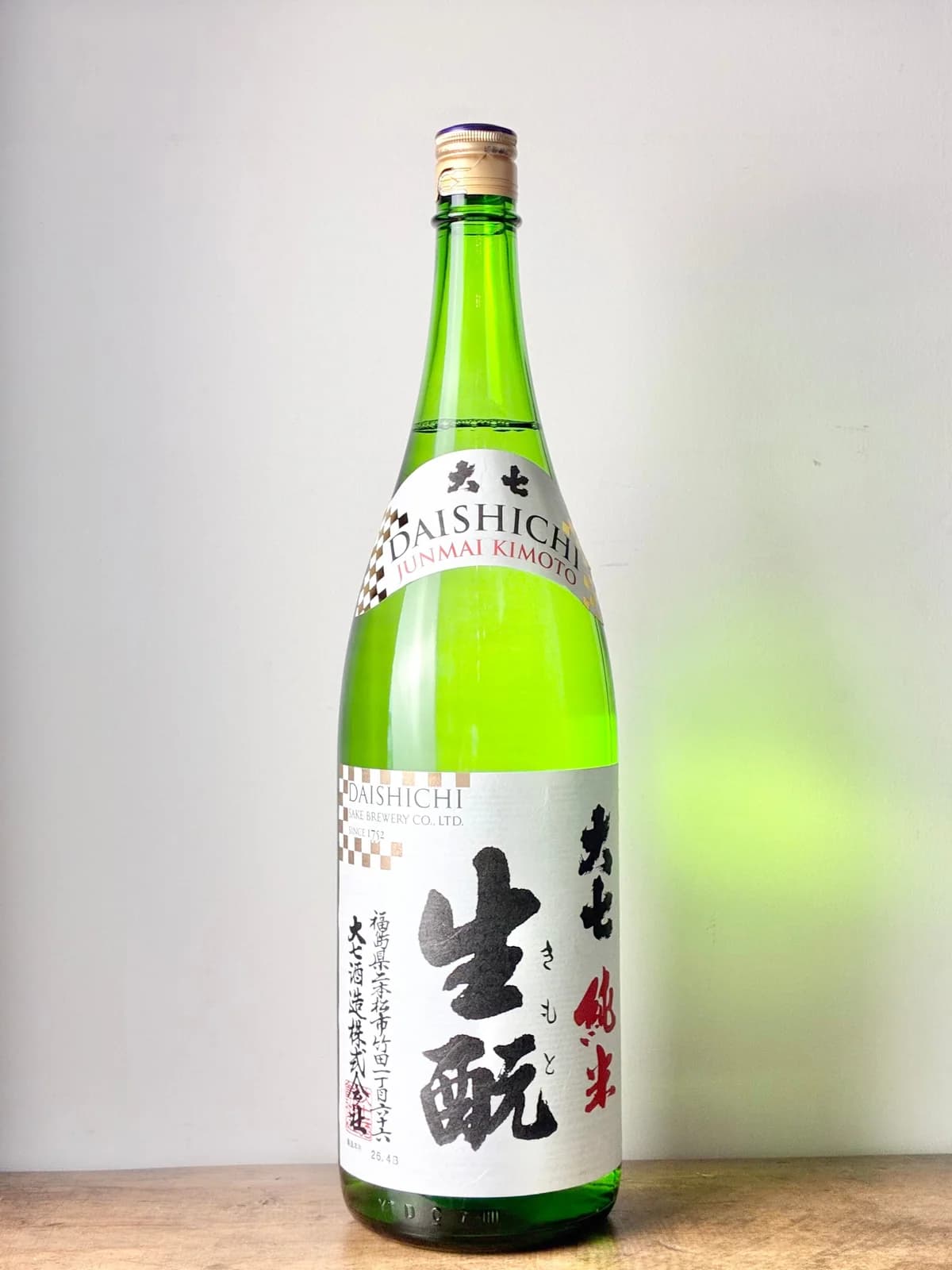
Compare two drinks through the work that shapes them before the finished bottle exists.
Sake & Fermentation Knowledge
Read the story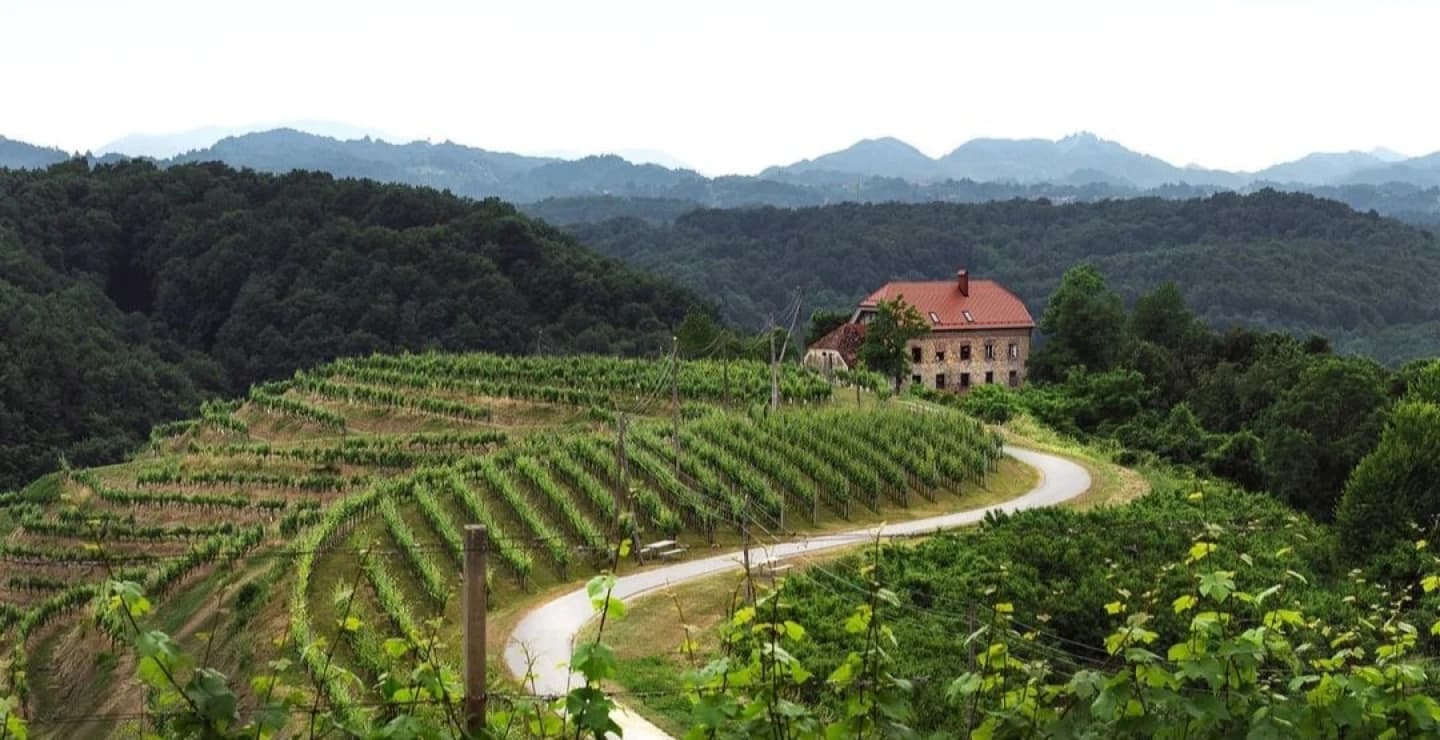
Across the WHV world
The land behind the bottle.
Follow the bottle back to a particular agricultural landscape and the people sustaining it.
Vineyards & Productive Places
Read the story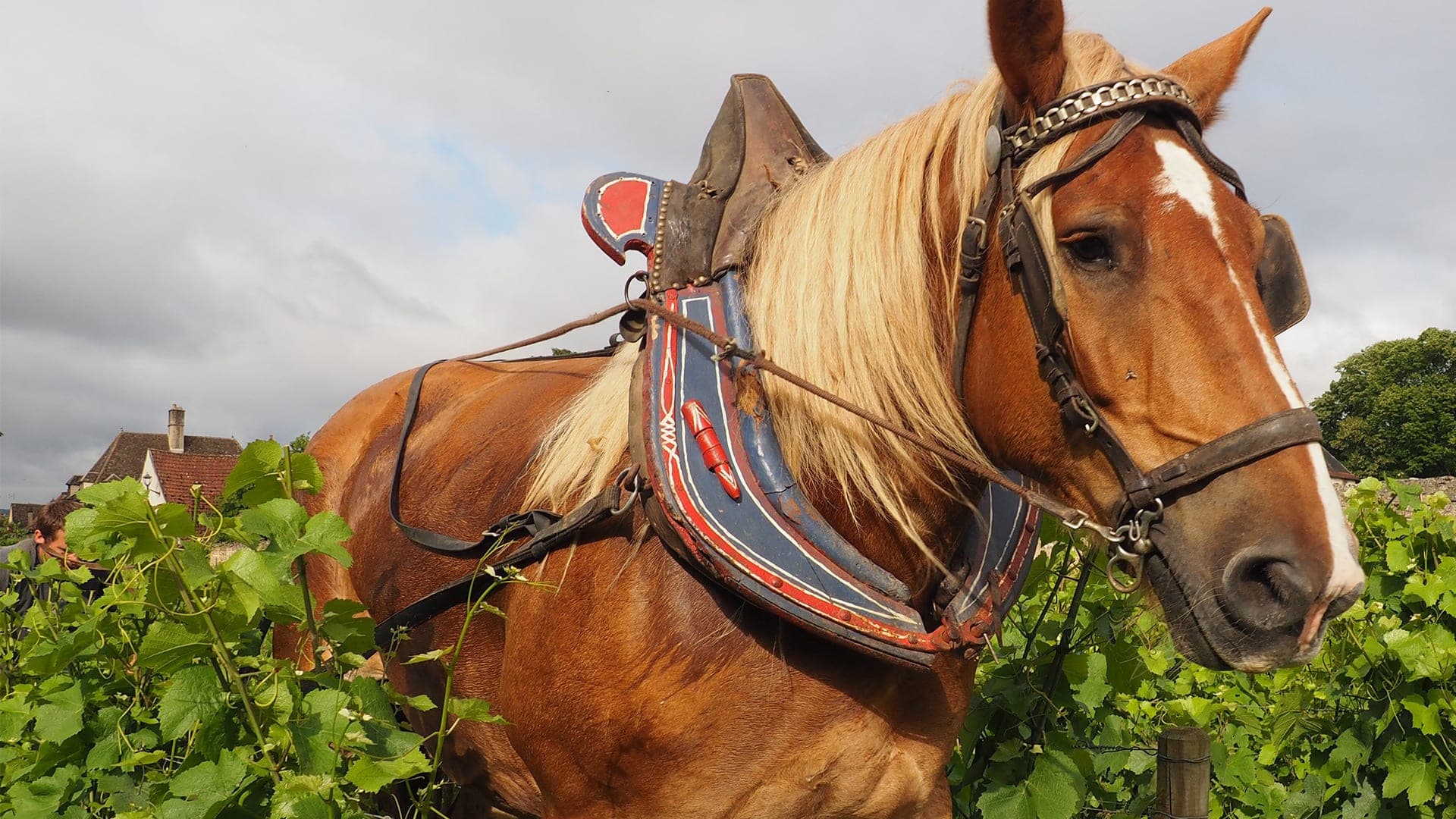
An unexpected connection
When an entrepreneur buys a vineyard.
A productive estate makes the obligations behind an attractive ownership story more concrete.
Vineyards & Ownership
Read the story