DISCOVERY / Water Architecture & Public Heritage
The architecture below your feet.
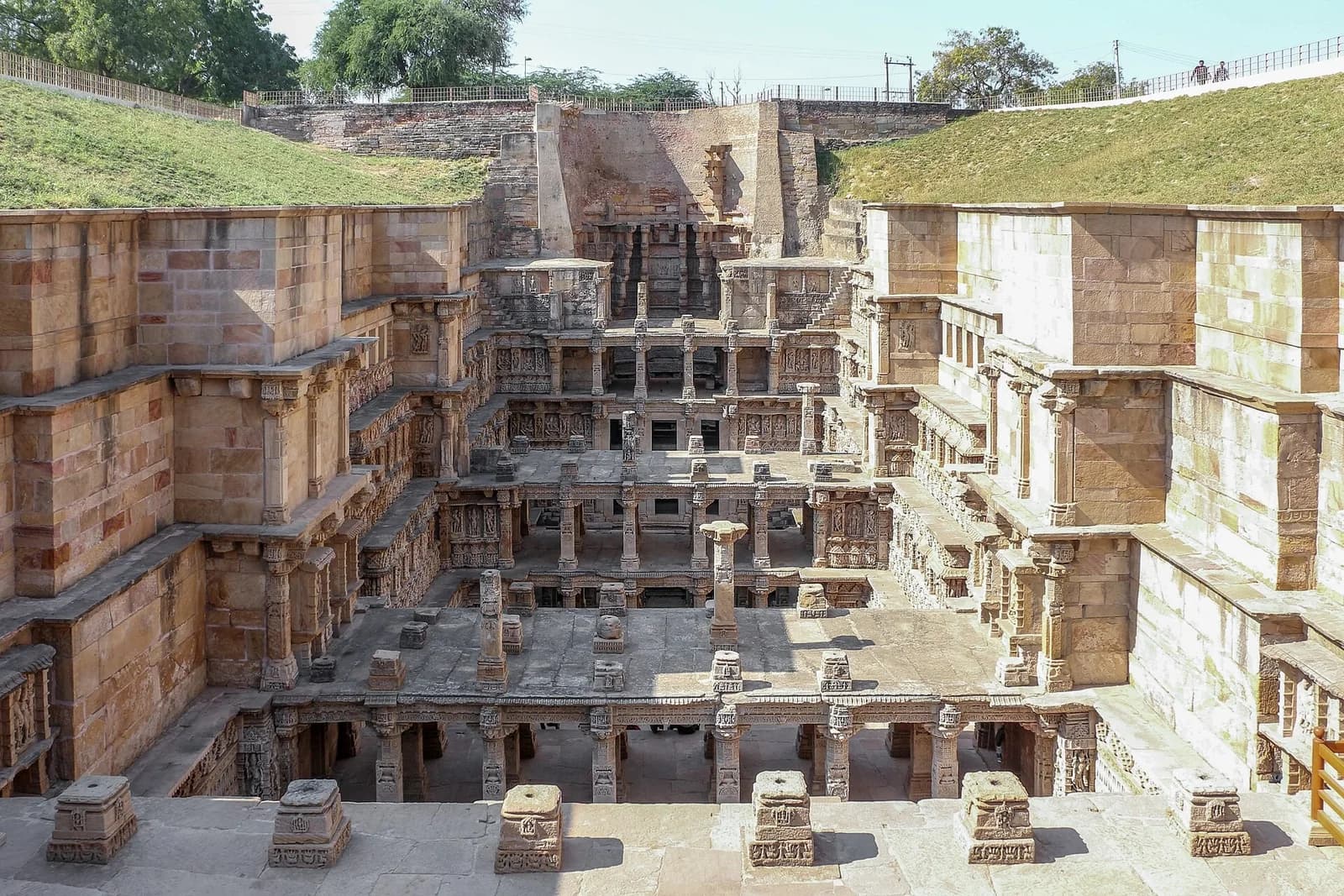
At Rani-ki-Vav in Gujarat, the descent toward water became architecture and sculpture. The old practical purpose still changes how we read it.
Published 27 September 2026 · WHV · Public-source editorial note
A well can be a hole in the ground. Rani-ki-Vav asks what happens when access to water becomes a whole piece of architecture. At Patan in Gujarat, stairs draw the visitor down through sculpted levels. The movement gives shape to a resource that daily life otherwise makes easy to take for granted.
Descend into an idea of water
UNESCO describes the eleventh-century structure as a memorial to a king and an inverted temple honouring water. Seven levels of stairs and sculptural panels lead toward a tank and well shaft. The decoration is not an added wrapper around a practical object. Its spatial sequence makes a journey toward water into a cultural and technical achievement.
That does not make the monument a present-day answer to water supply. It is a protected historic site, and the original function belongs to another time. Its enduring value is the knowledge visitors can still gain from its proportions, stonework and relationship between utility and meaning. One can leave asking why necessary infrastructure so often receives less design attention than symbolic buildings.
Visit it as a protected place
Check current visitor access, heat and site rules before travelling. Allow time to look from more than one level without assuming every stair or chamber is open. In a single image the place can seem like an ornate ruin. In person, the descent may reveal its real argument: a community once gave an essential resource an extraordinary architectural form. That is a lesson to carry forward, not a claim that the old mechanism is still operating.
Source and context.
UNESCO: Rani-ki-Vav at Patan ↗
India tourism: Rani-ki-Vav visitor context ↗
UNESCO provides the historical and architectural account. WHV has not visited the site or confirmed present access to every level. The structure is not presented as a current water-supply system, and no claim is made about property ownership or financial return.
Source checked 27 September 2026. WHV interpretation is distinct from the source’s account.
Explore Water Architecture & Public HeritageFOLLOW YOUR CURIOSITY
Where this leads.
Different subjects. A reason to connect them.
Continue the idea
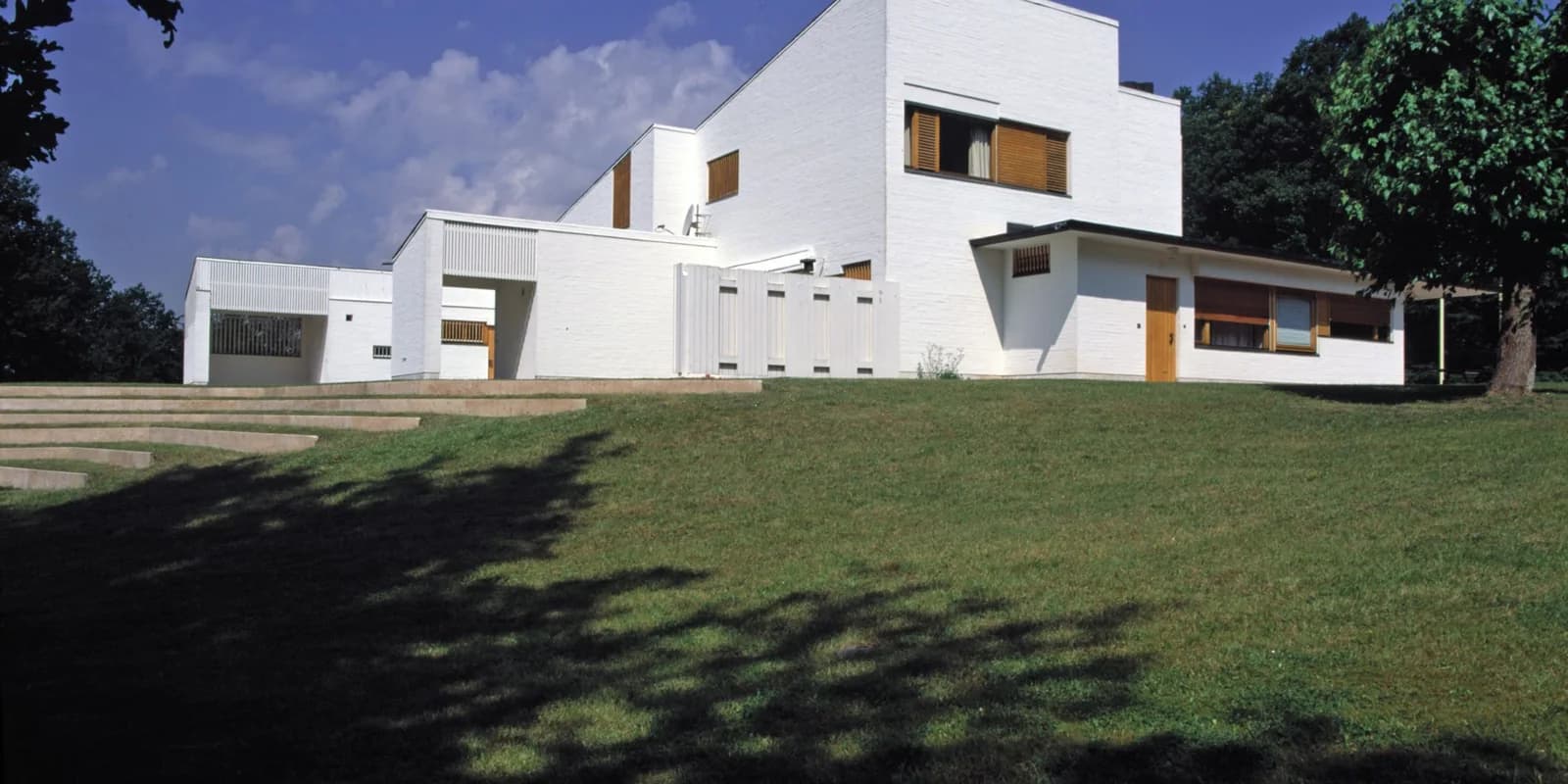
A house designed down to the light.
A visit to another architectural whole rewards looking at movement, materials and what survives.
Architecture & Total Design
Read the story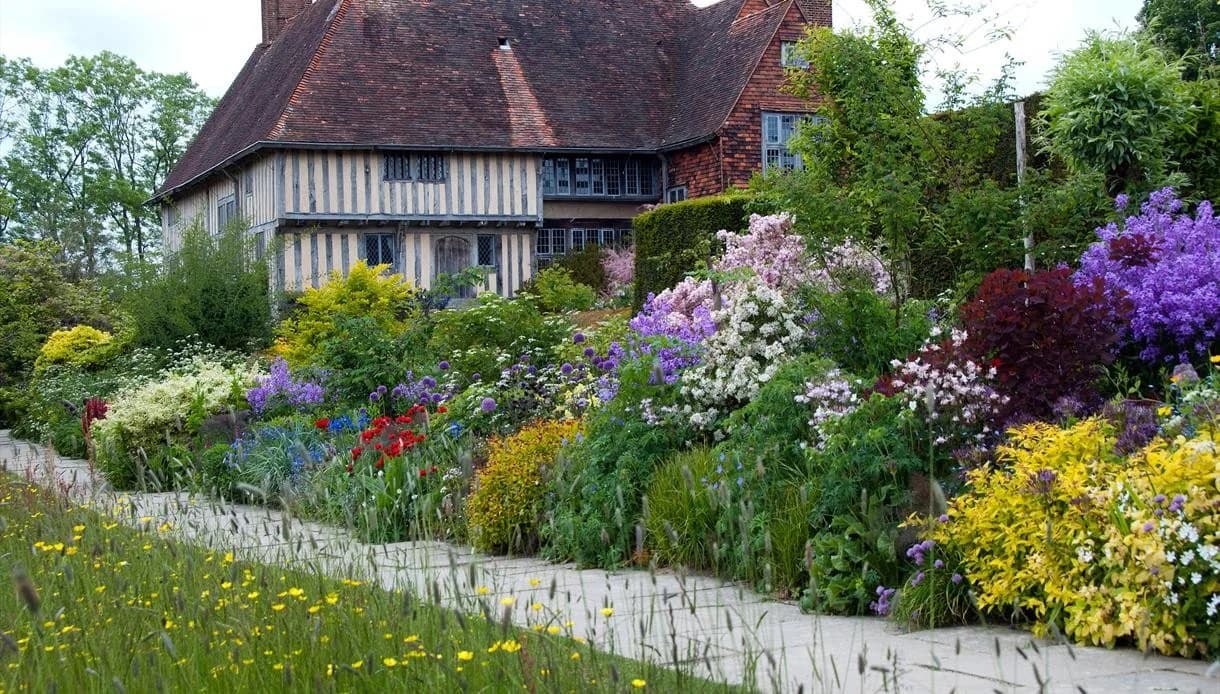
Across the WHV world
A garden you can take home as knowledge.
From a historic water landscape, turn to a garden sustained by current horticultural work.
Gardens & Transferable Knowledge
Read the story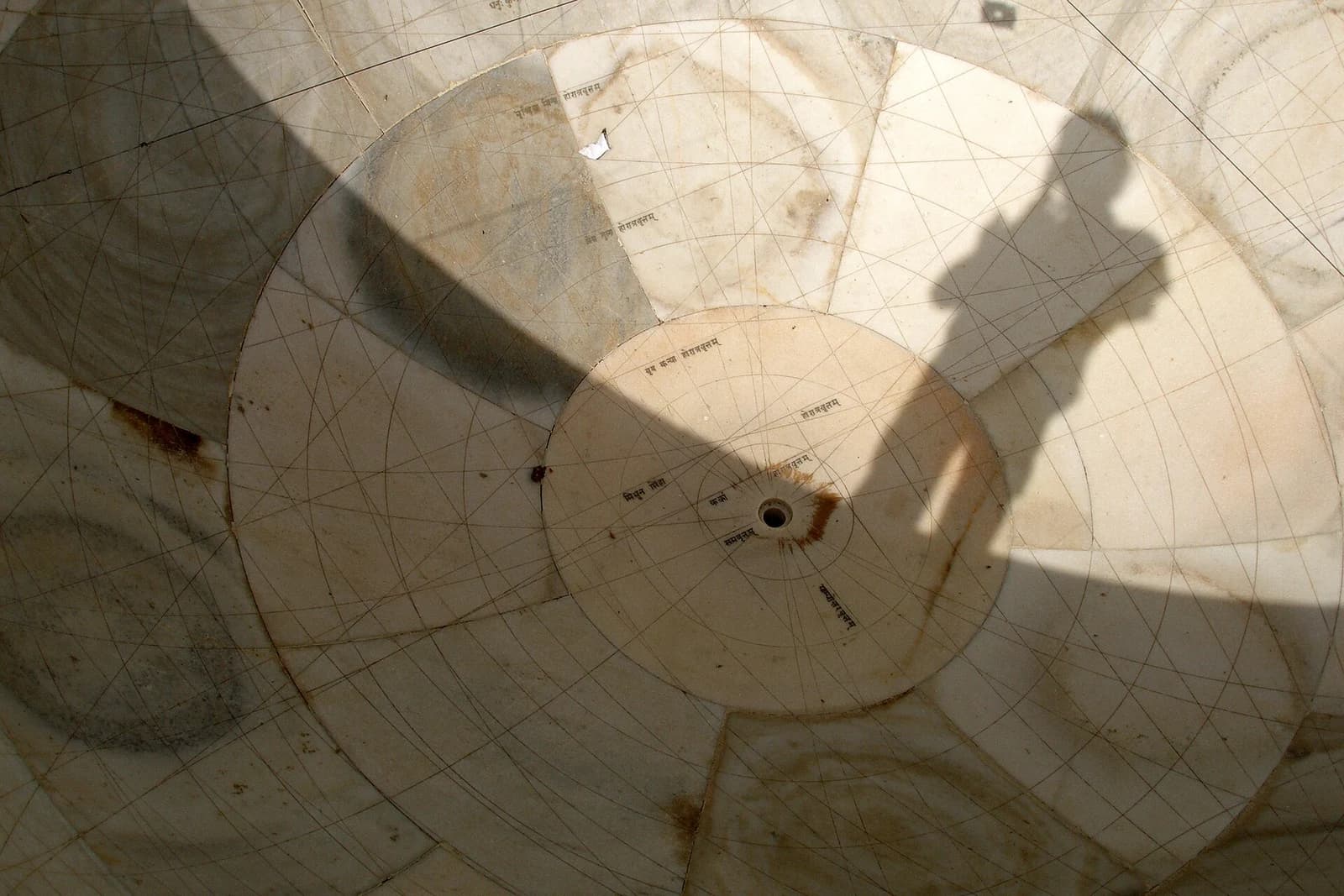
An unexpected connection
When the instrument is a place.
Another Indian site makes an idea legible at the scale of a place you can walk through.
Astronomy & Learning Journeys
Read the story