DISCOVERY / Lebanese Wine & Cellar Decisions
The years before release.
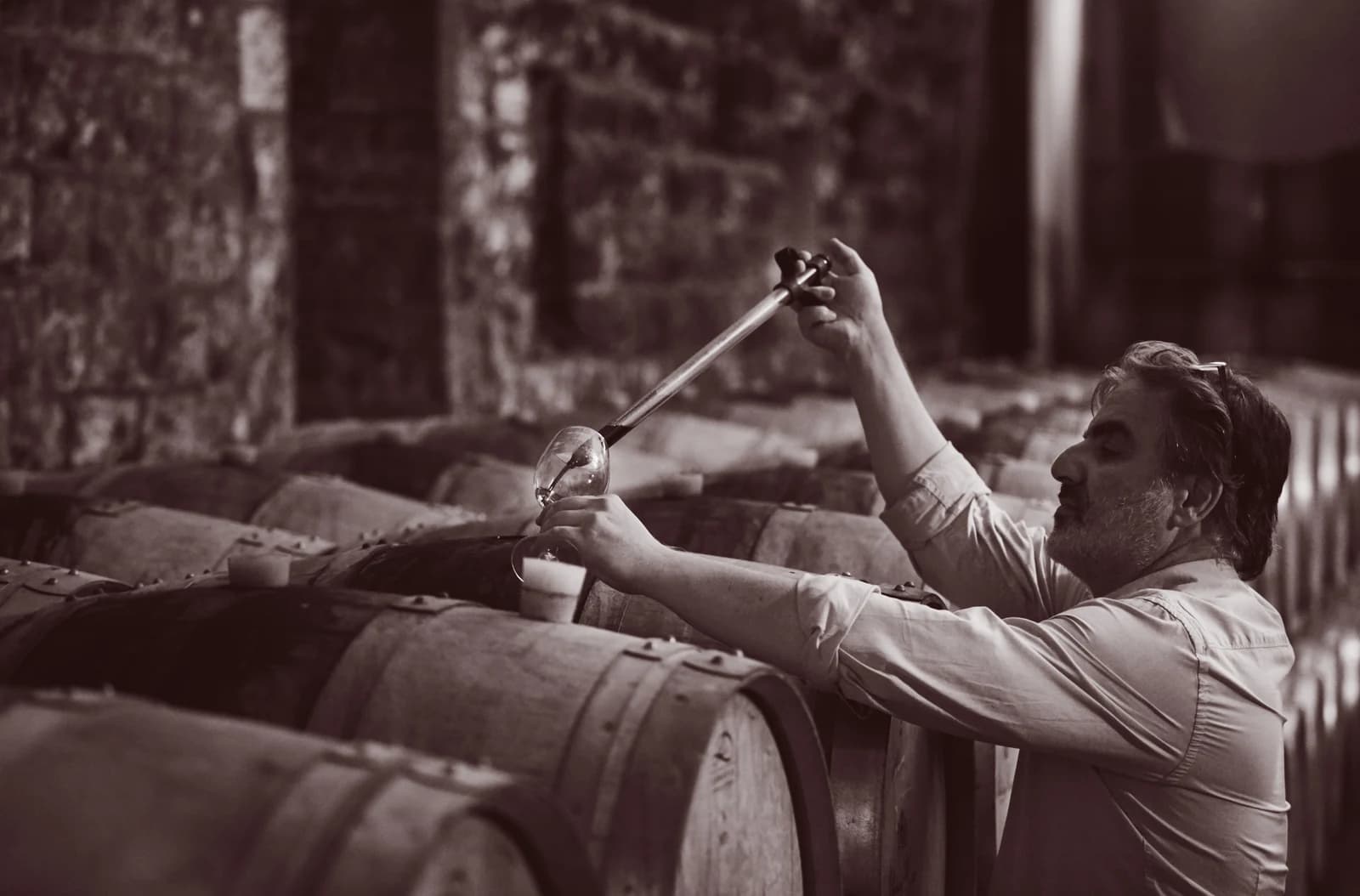
Château Musar Red spends years in the cellar before it reaches the shelf. Its value is easier to understand by following the decisions in that interval.
Published 25 September 2026 · WHV · Public-source editorial note
A vintage printed on a wine label can make the years since harvest look like a measure of what the buyer has achieved by waiting. Château Musar Red asks a different question. How much of the waiting had already been done before the bottle was offered?
What happens after the harvest
The Lebanese producer describes separate fermentations of Cabernet Sauvignon, Carignan and Cinsault, followed by time in oak. The components are blended around two years after harvest, bottled the following year and given another four years in the estate’s stone cellars. The stated release arrives about seven years after the grapes were picked. A current bottle therefore carries deliberate cellar work that preceded its sale.
That sequence is more useful than treating age as a trophy. The blend is intended to reflect each vintage, so a year on the label identifies a particular harvest rather than a fixed formula or a promise that every release will taste alike. Independent reviews of recent releases also remind us that the practical encounter is with a glass of wine, not a timeline alone. The producer’s history and Lebanon’s place in the story invite further reading without making hardship or longevity a tasting note.
Choose the bottle you intend to open
If curious, find a merchant or restaurant offering the exact flagship red and check which vintage is in the glass. Ask how the bottle has been stored, especially if it is older. The producer recommends darkness, a stable temperature and careful handling, and suggests standing older bottles before opening to settle sediment. Compare a younger and an older release when the opportunity is sensible. What remains is a richer understanding of skilled decisions already made on your behalf, with no need to speculate on the price of a sealed bottle.
Source and context.
Château Musar: the making and release of its flagship red ↗
The Wine Society: the 2019 Château Musar Red release ↗
Decanter: Tarek Sakr introduces the 2019 vintage, June 2026 ↗
Château Musar: the producer’s timeline ↗
No bottle has been tasted, inspected or valued by WHV. The producer describes its general flagship method, not the condition, exact blend or quality of every vintage. Availability varies by market. Release timing and cellar history do not establish a resale return.
Source checked 25 September 2026. WHV interpretation is distinct from the source’s account.
Explore Lebanese Wine & Cellar DecisionsFOLLOW YOUR CURIOSITY
Where this leads.
Different subjects. A reason to connect them.
Continue the idea
The time before you buy.
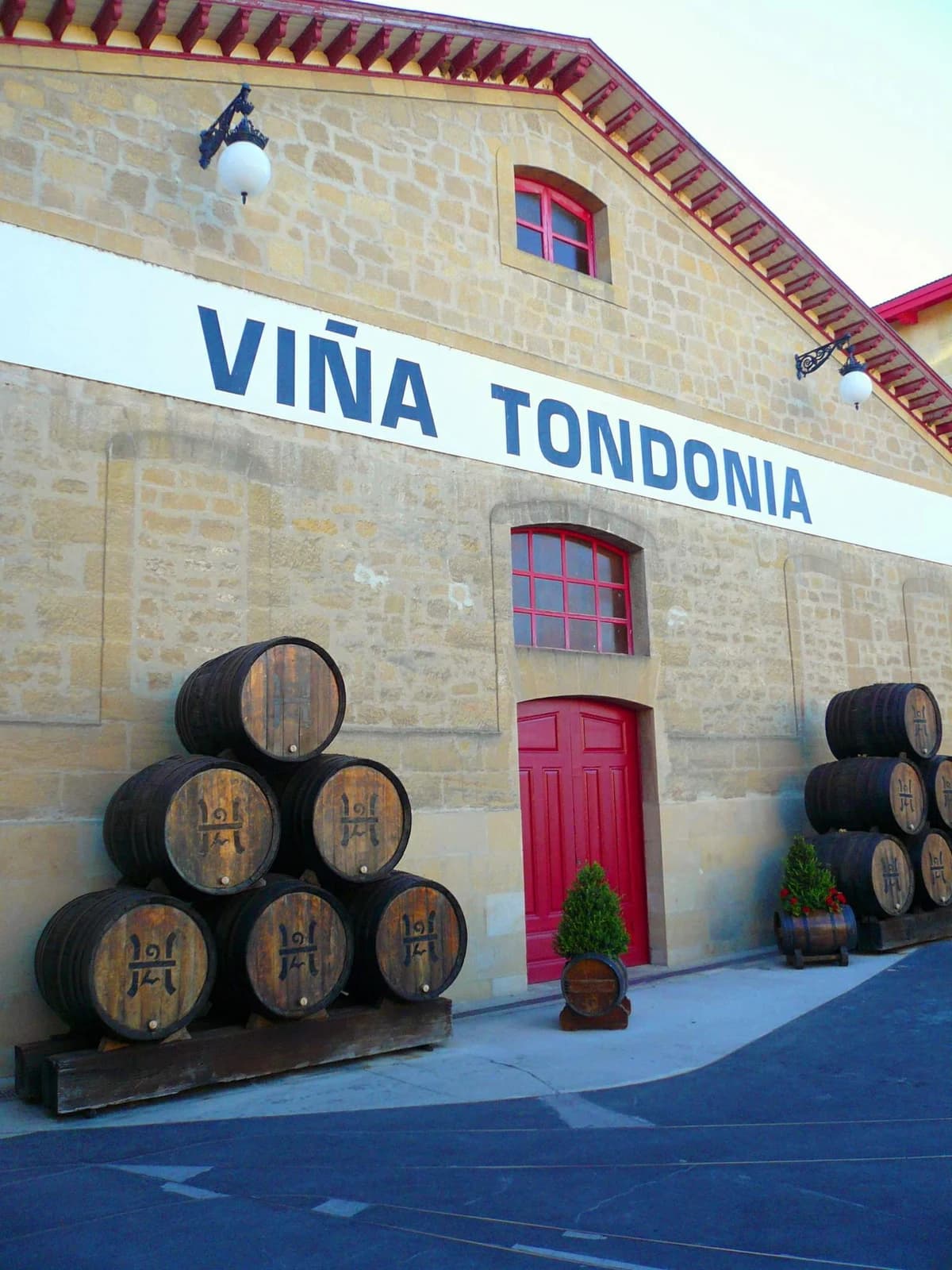
Compare two wines from different places whose producers complete important cellar work before release.
White Rioja & Cellar Knowledge
Read the story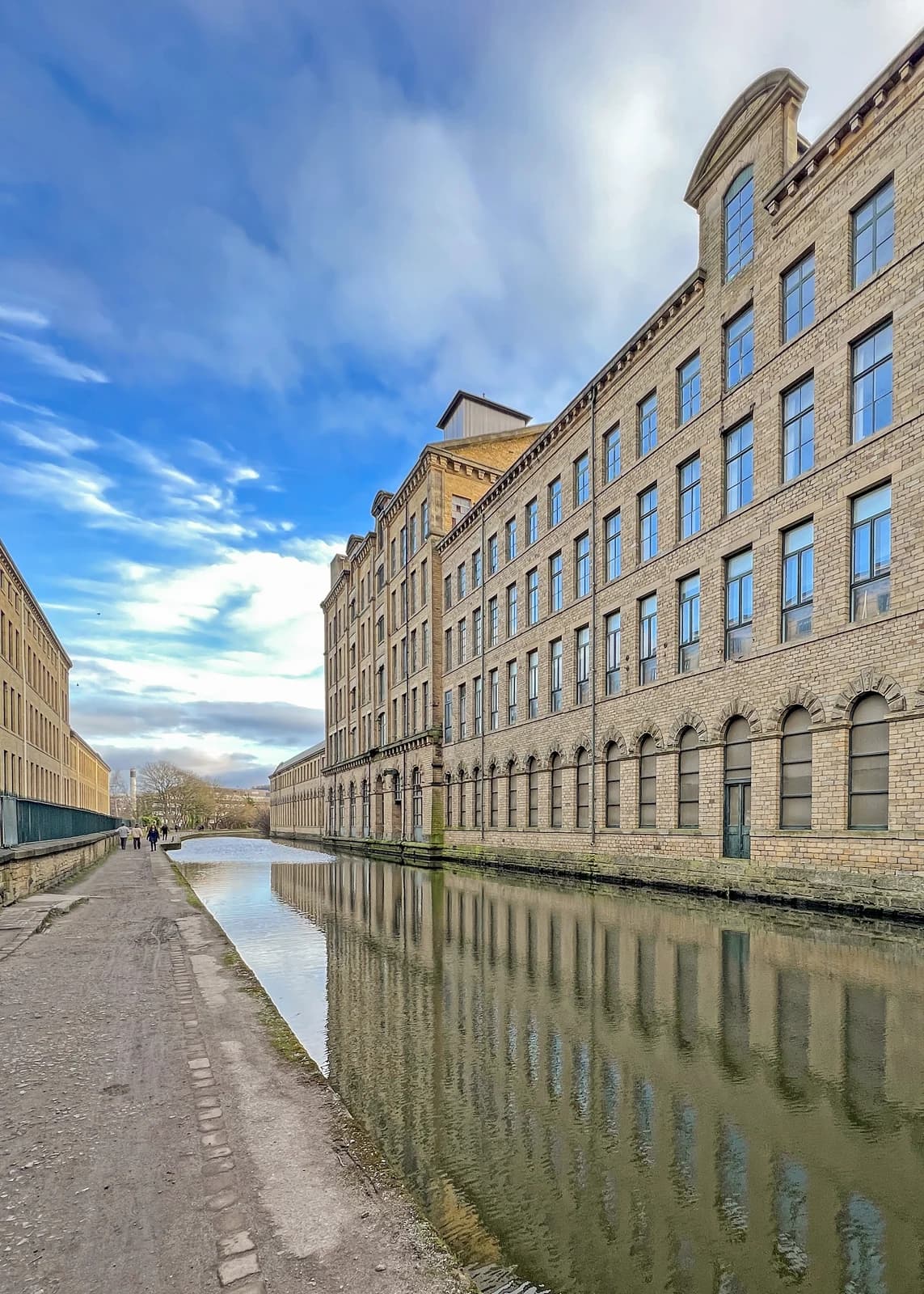
Across the WHV world
A mill that kept a place alive.
Move from the useful life of a bottle to the later life of an inherited industrial place.
Industrial Heritage & Adaptive Reuse
Read the story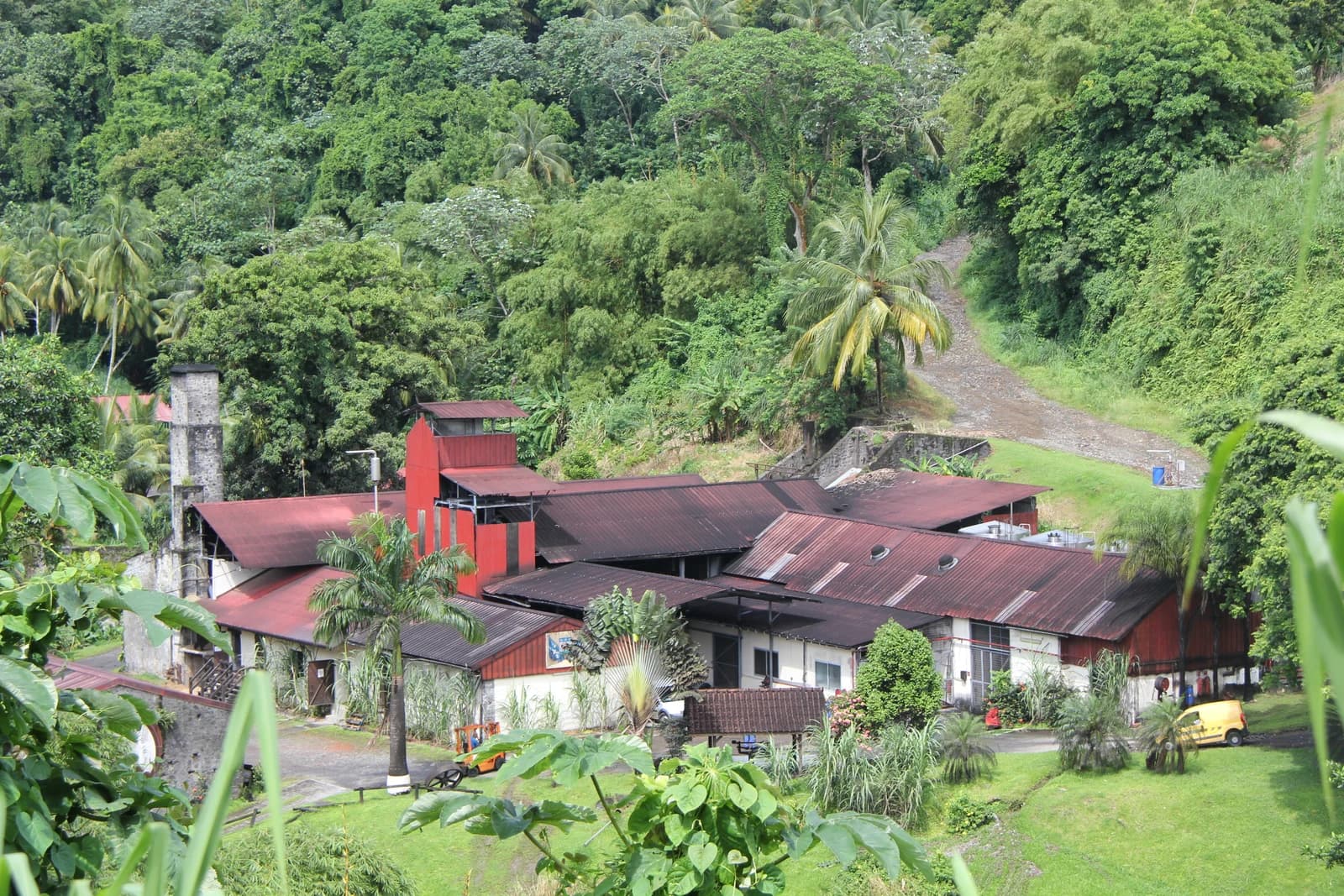
An unexpected connection
The cane before the cask.
Turn the time question around with a spirit whose identity begins in fresh cane before the cask.
Rhum Agricole & Place
Read the story