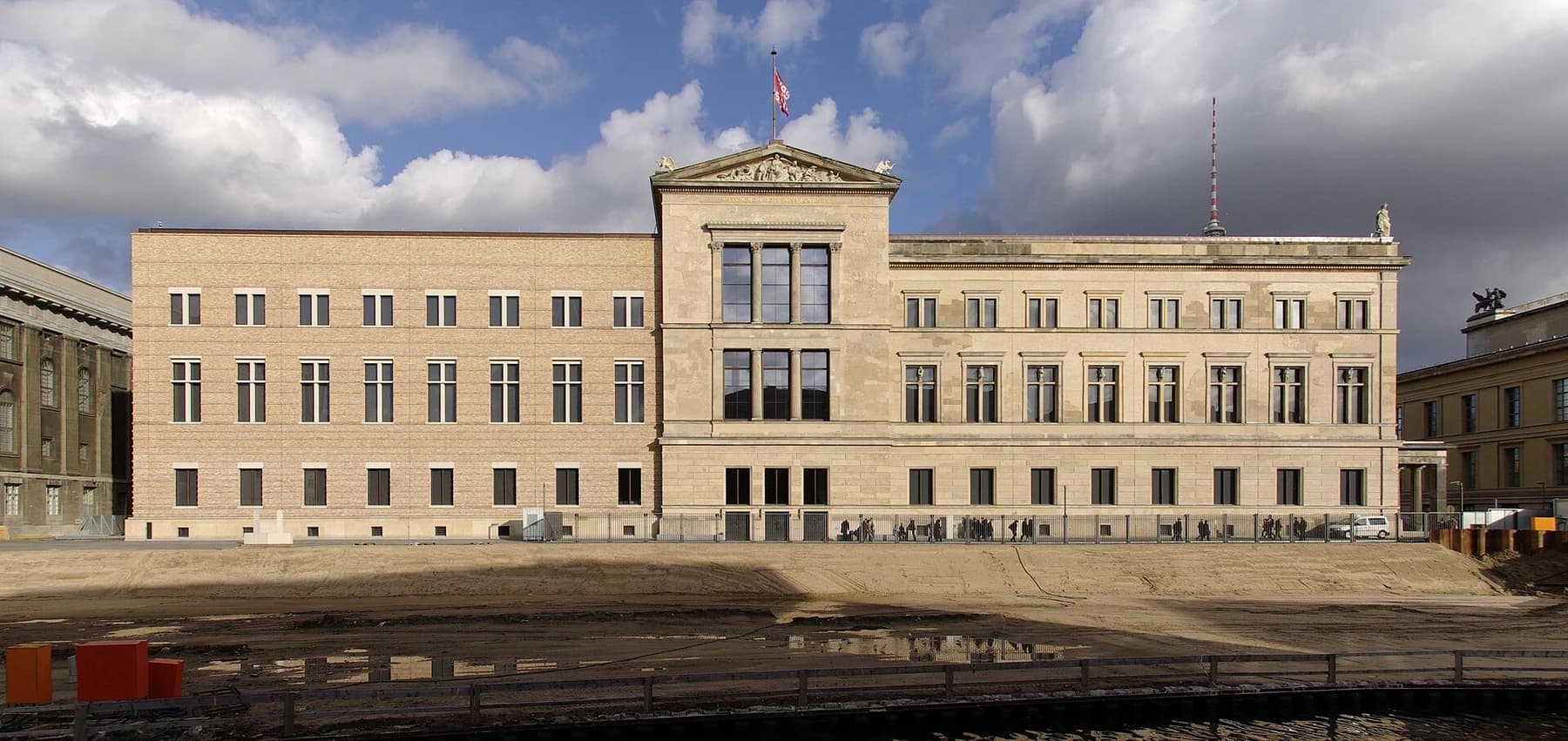
Berlin’s Neues Museum shows another way to bring a damaged building back. Old fabric and new intervention remain distinguishable without making the place unusable.
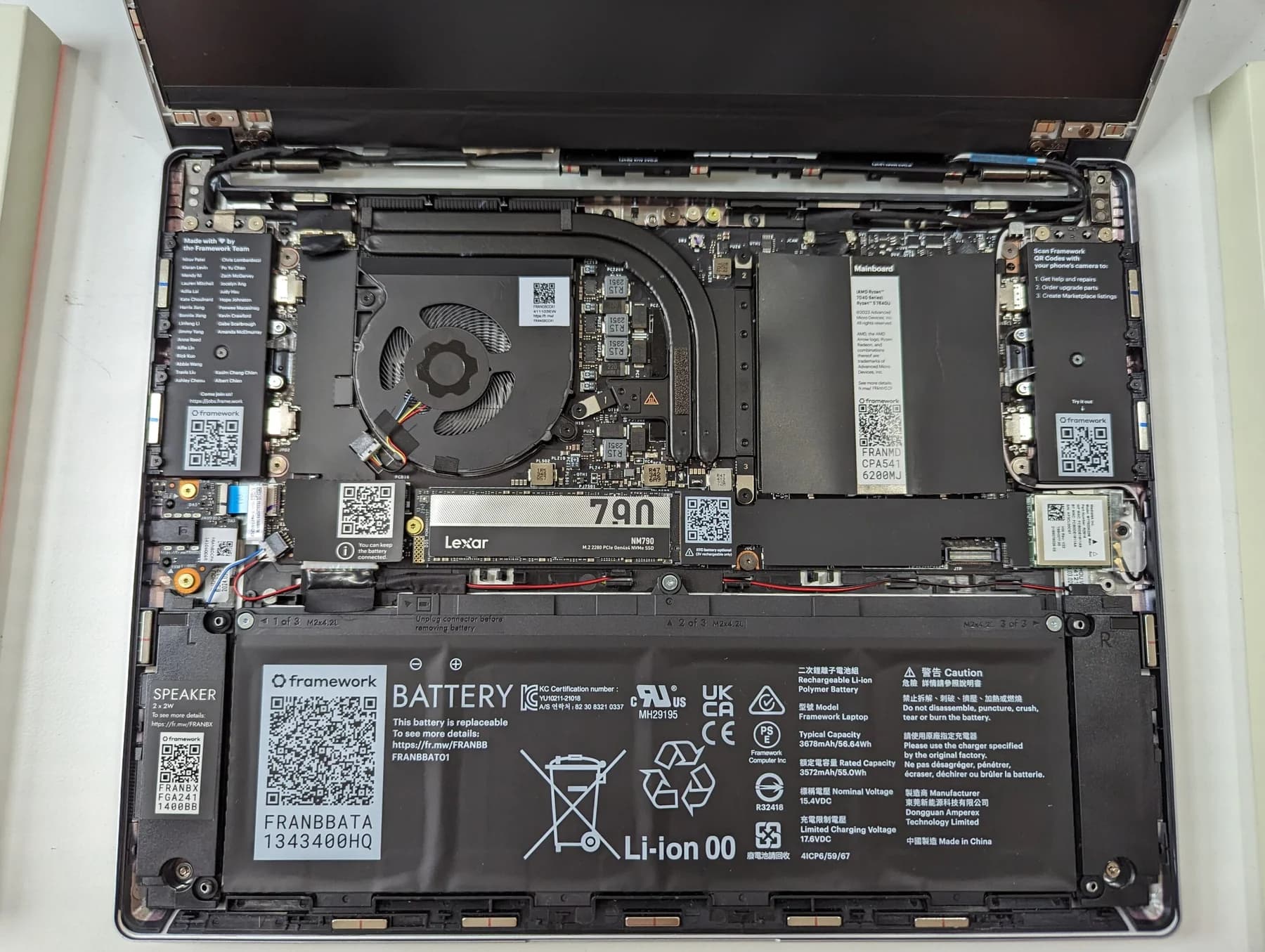
Framework Laptop 13 makes replacement parts and repair instructions part of the product. Even its mainboard can have a job outside the original computer.
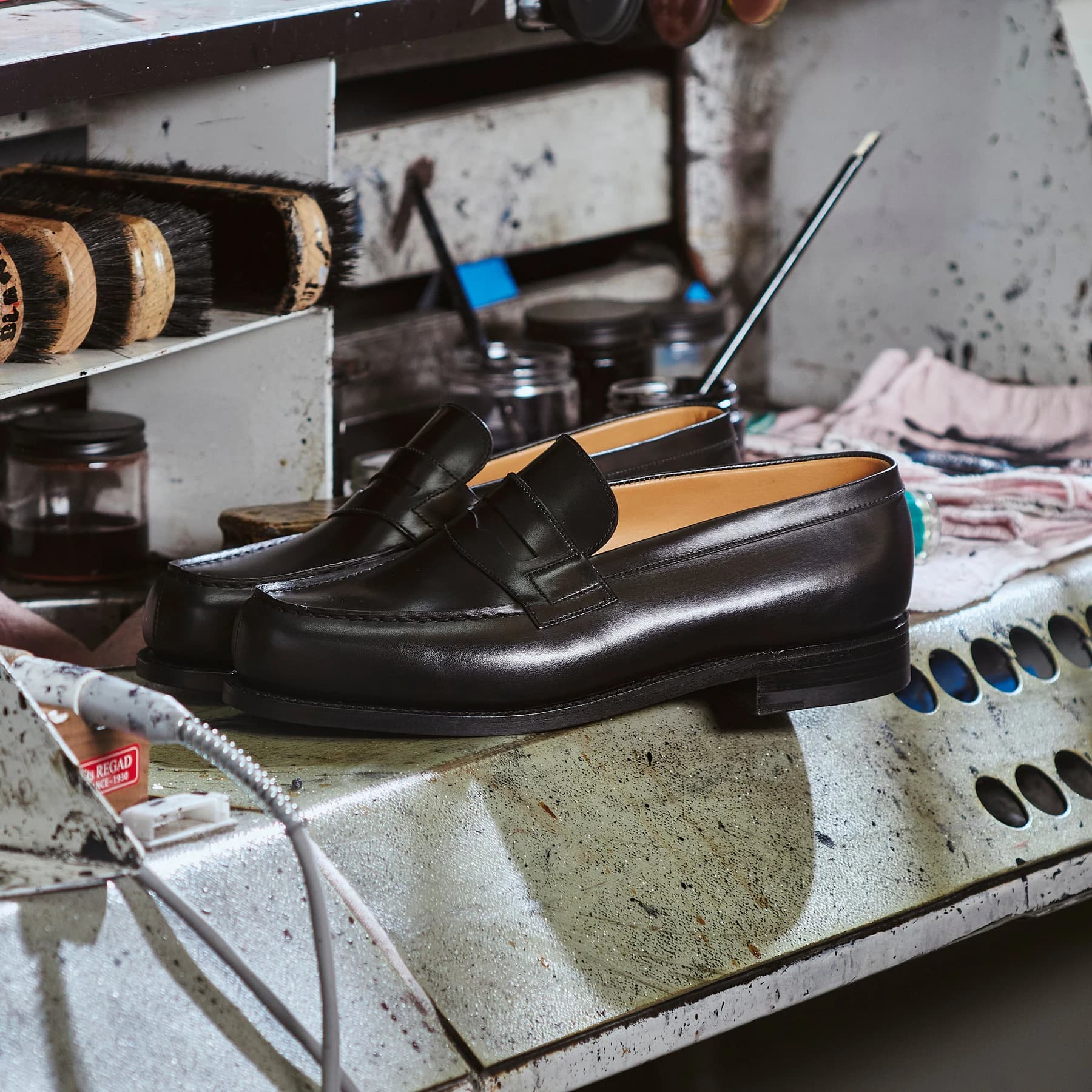
J.M. Weston’s 180 loafer turns eighty in 2026. The useful story is not the anniversary itself, but the construction and restoration behind another period of wear.
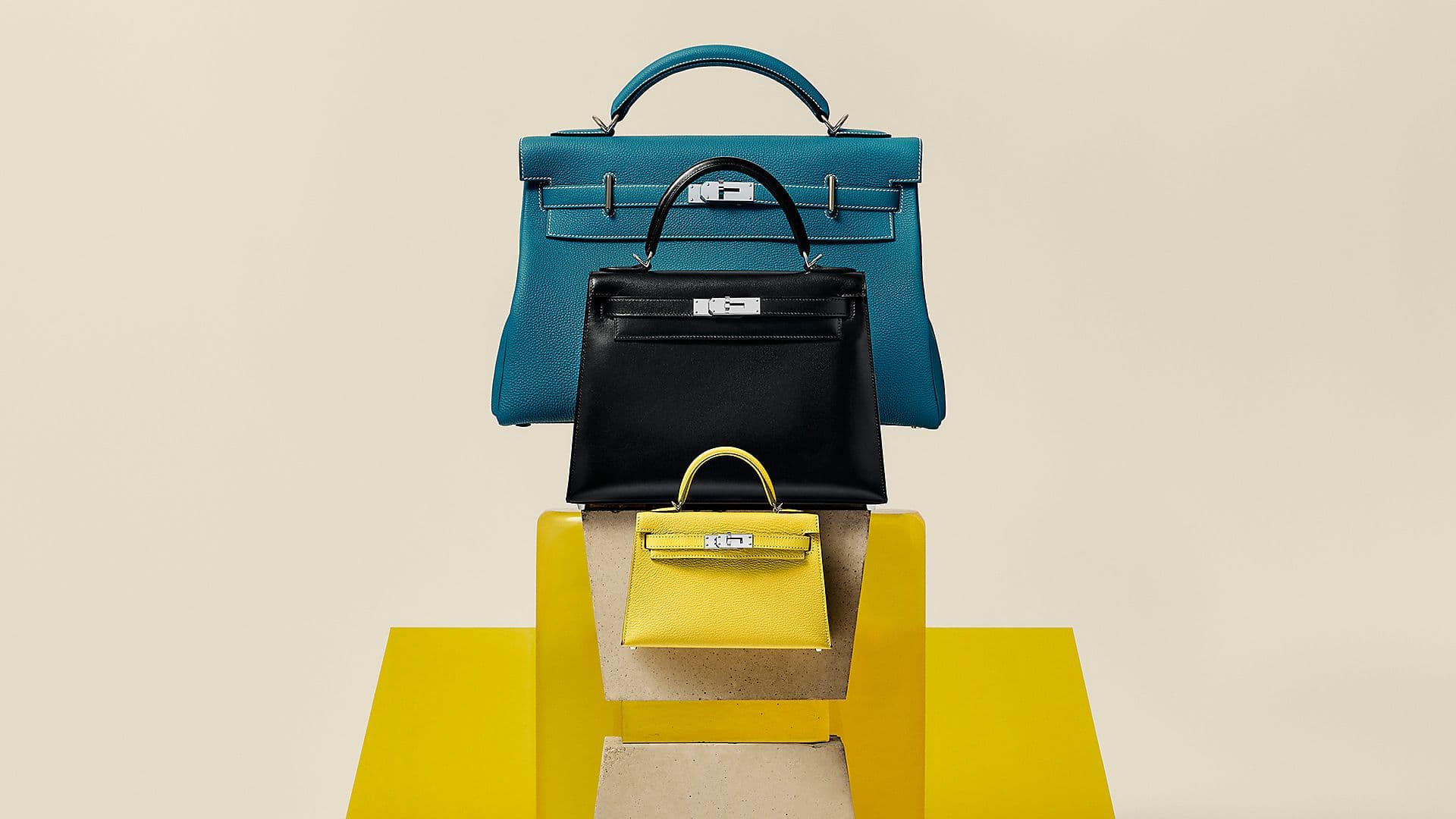
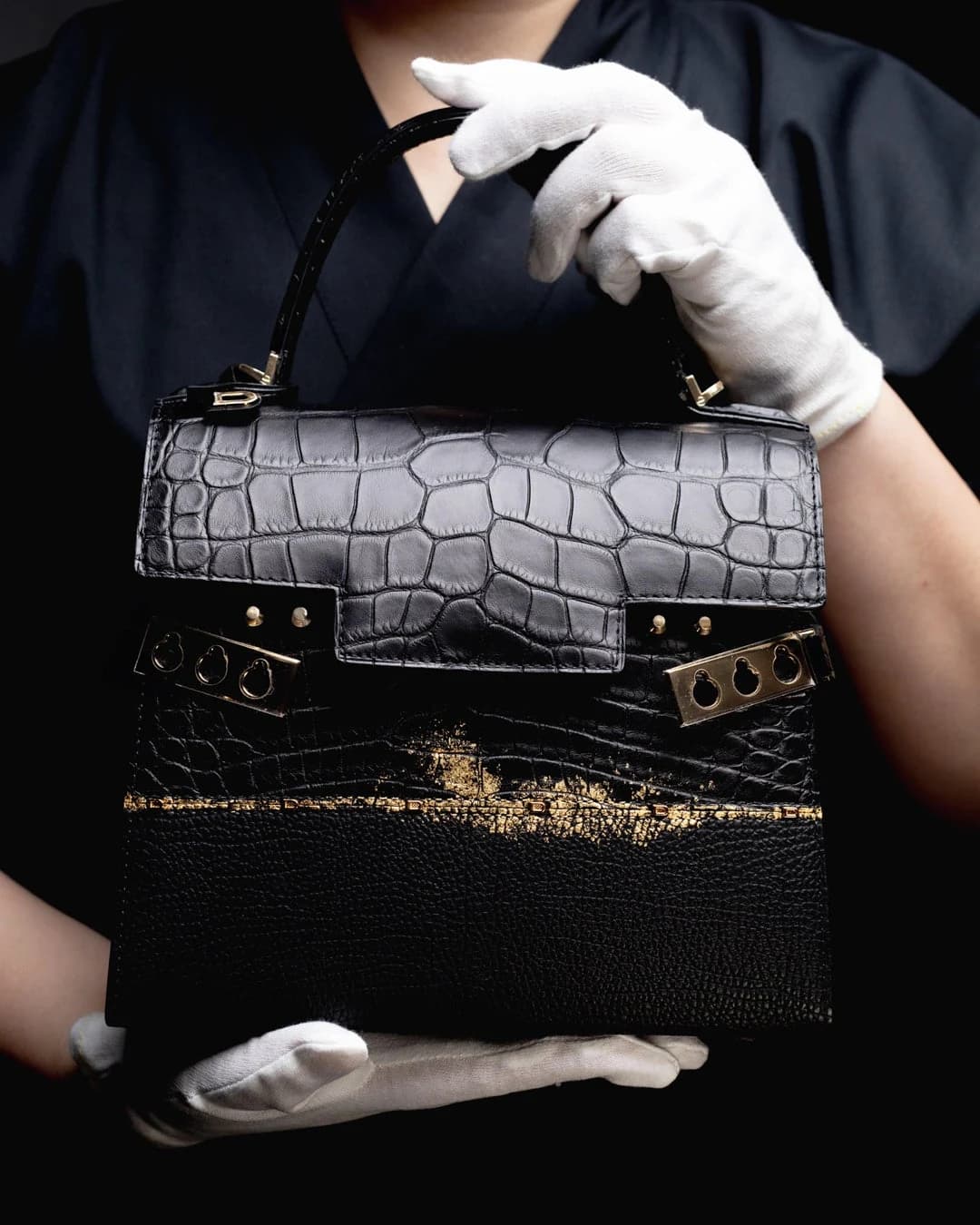
The Hermès Kelly is famous for its outline. Its more useful lesson is that construction, care and skilled repair decide whether an object can have another life.
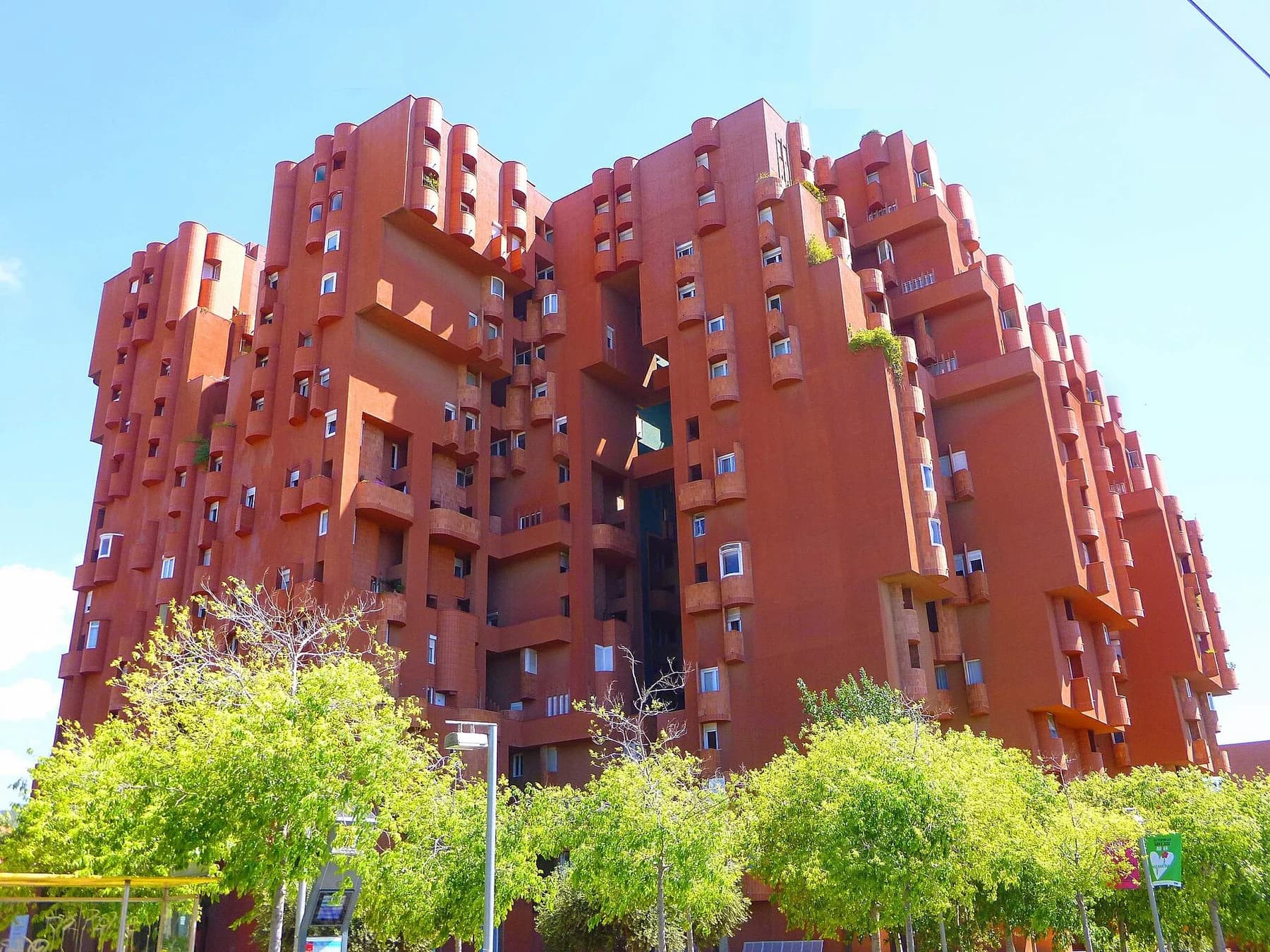
Walden 7 is more than a striking red building. Its residents’ account reveals an architectural experiment that survived through repair, organisation and continued habitation.
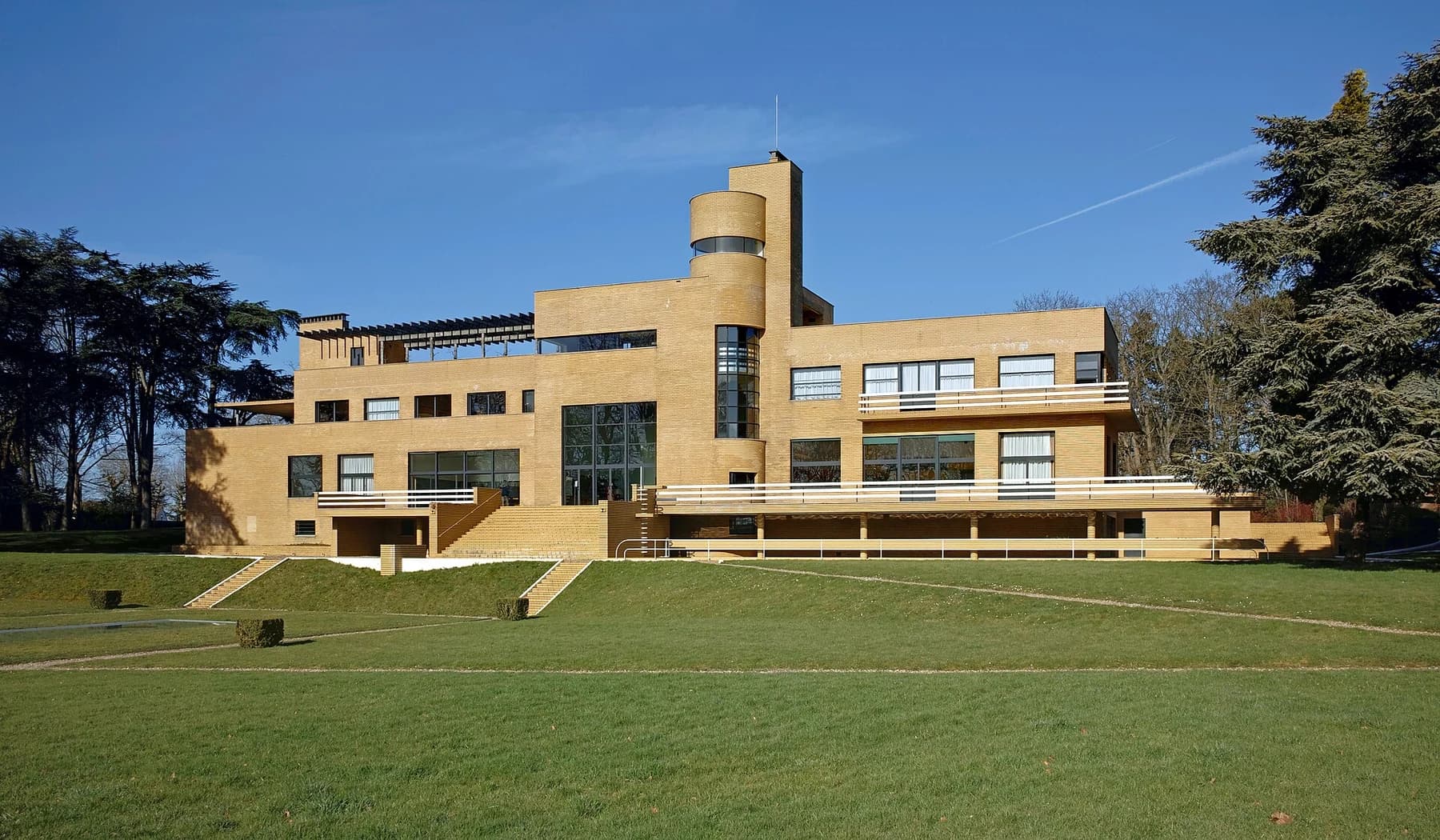
Villa Cavrois looks remarkably assured for a house once abandoned and vandalised. Its restoration reveals how much knowledge is needed to recover an architectural idea, not simply repair its walls.
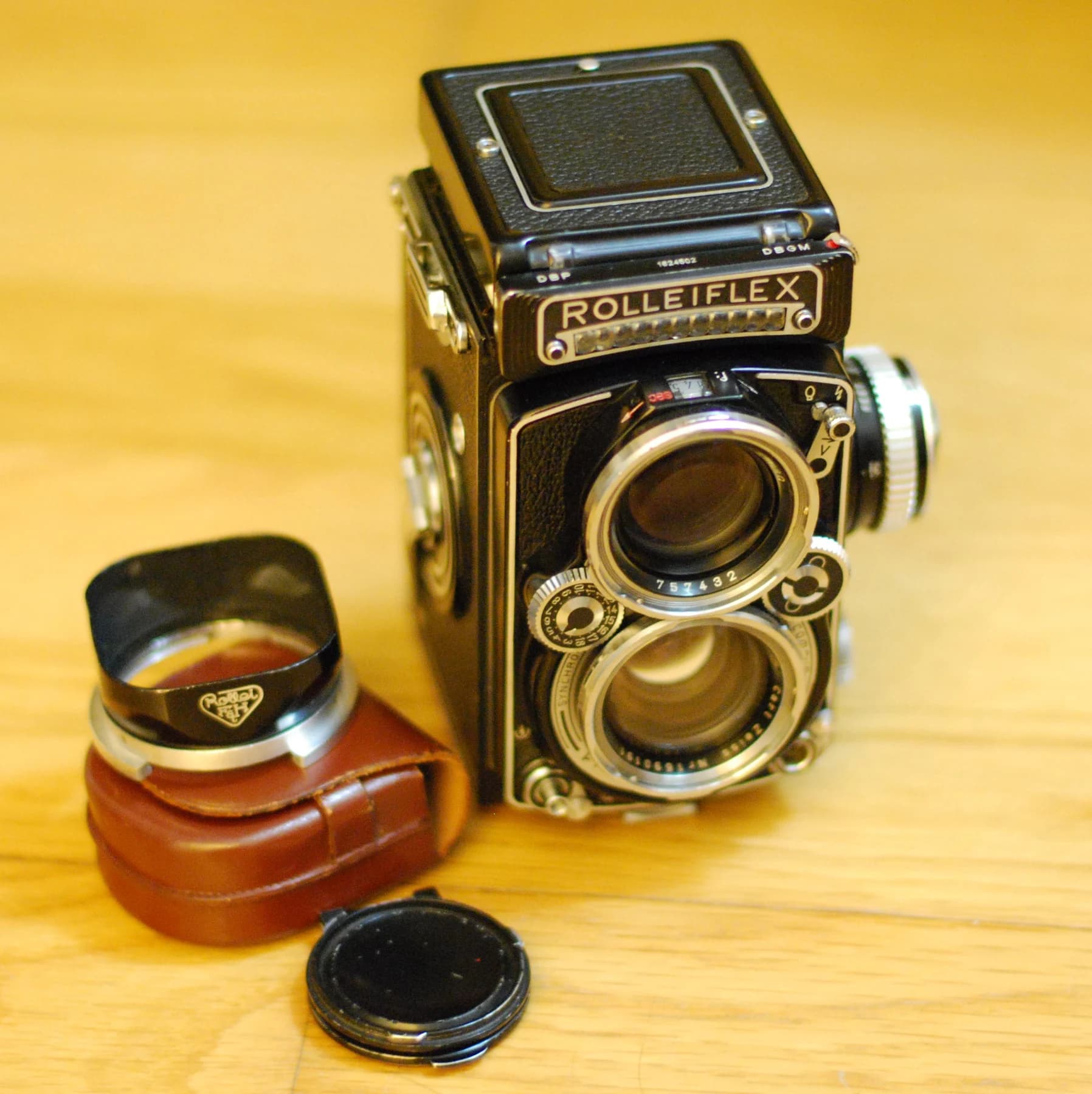
A Rolleiflex twin-lens camera separates looking from exposing the film. The lasting attraction is not simply the image it makes, but the attention its design asks of you.
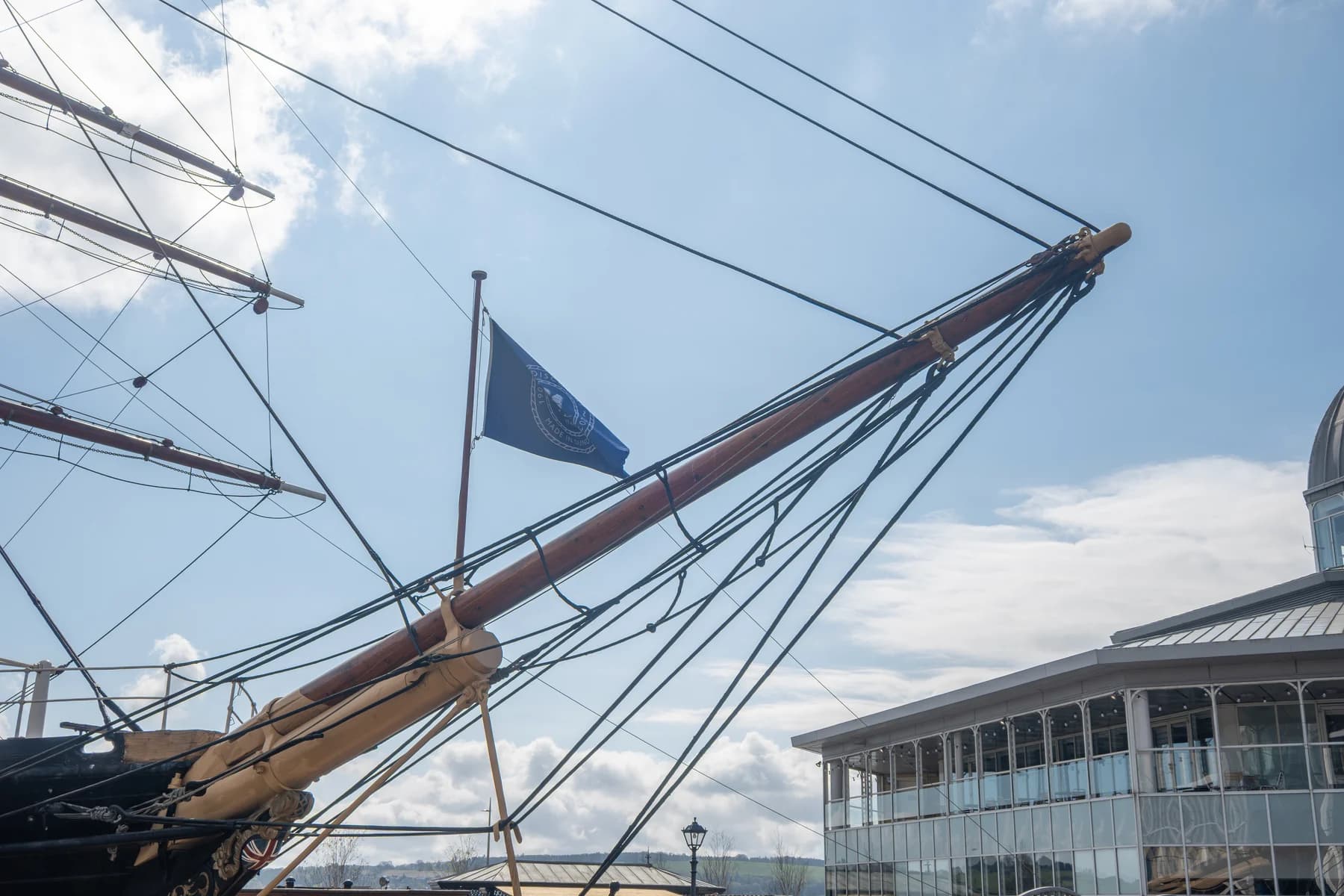
At Discovery Point in Dundee, a polar ship offers more than an expedition story. Its continuing conservation makes the work of keeping history tangible part of the experience.
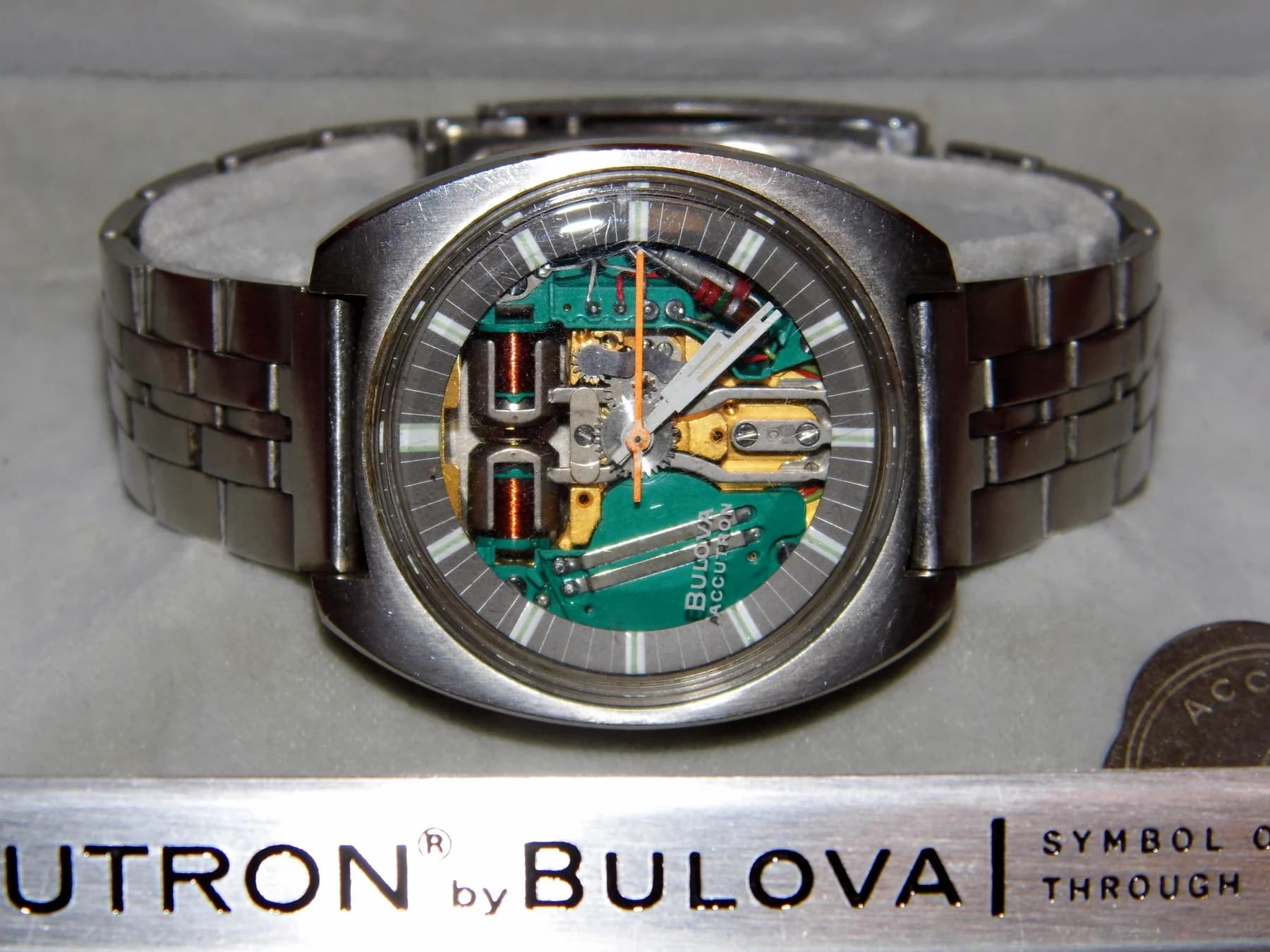
Accutron’s Spaceview 314 brings tuning-fork timekeeping back into a current watch. The attraction is an unusual way of keeping time, not a claim to beat every quartz movement.
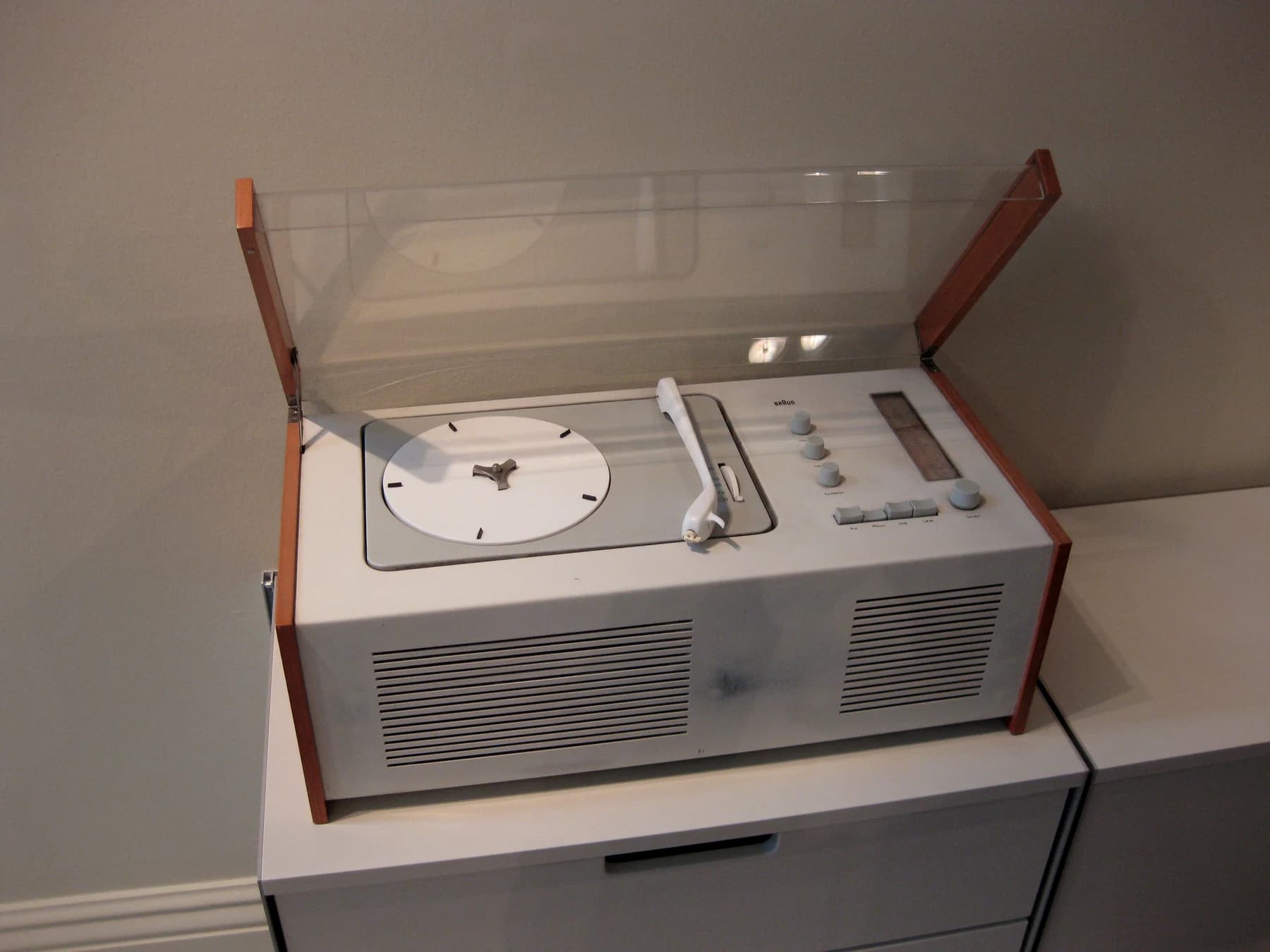
Hans Gugelot and Dieter Rams gave the Braun SK 4 a transparent lid. A radio and record player no longer needed to pretend to be a piece of traditional furniture.
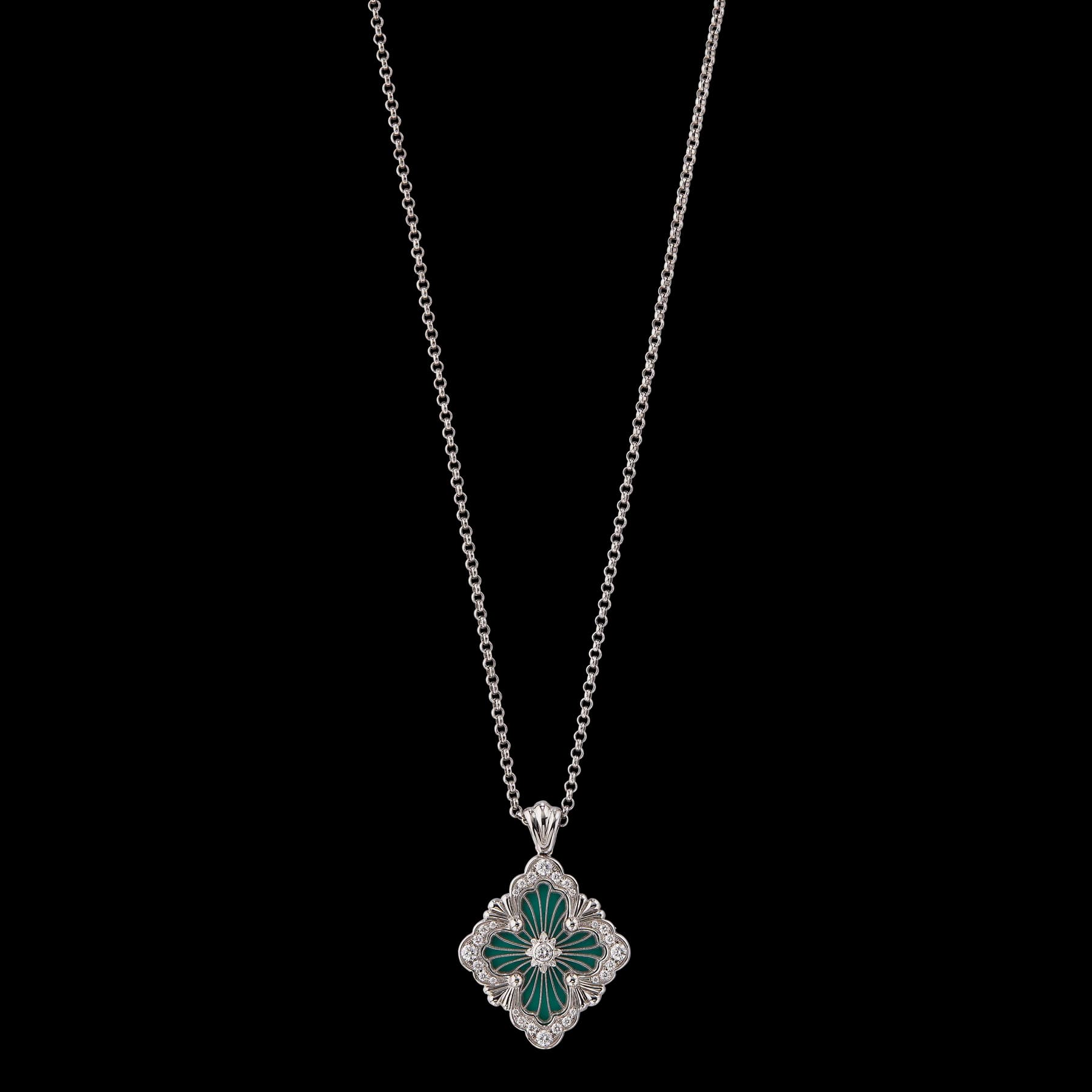
Buccellati’s 2026 Opera Tulle platinum pendants make the spaces between metal part of the design. Chrysoprase adds colour without making the stone the whole story.
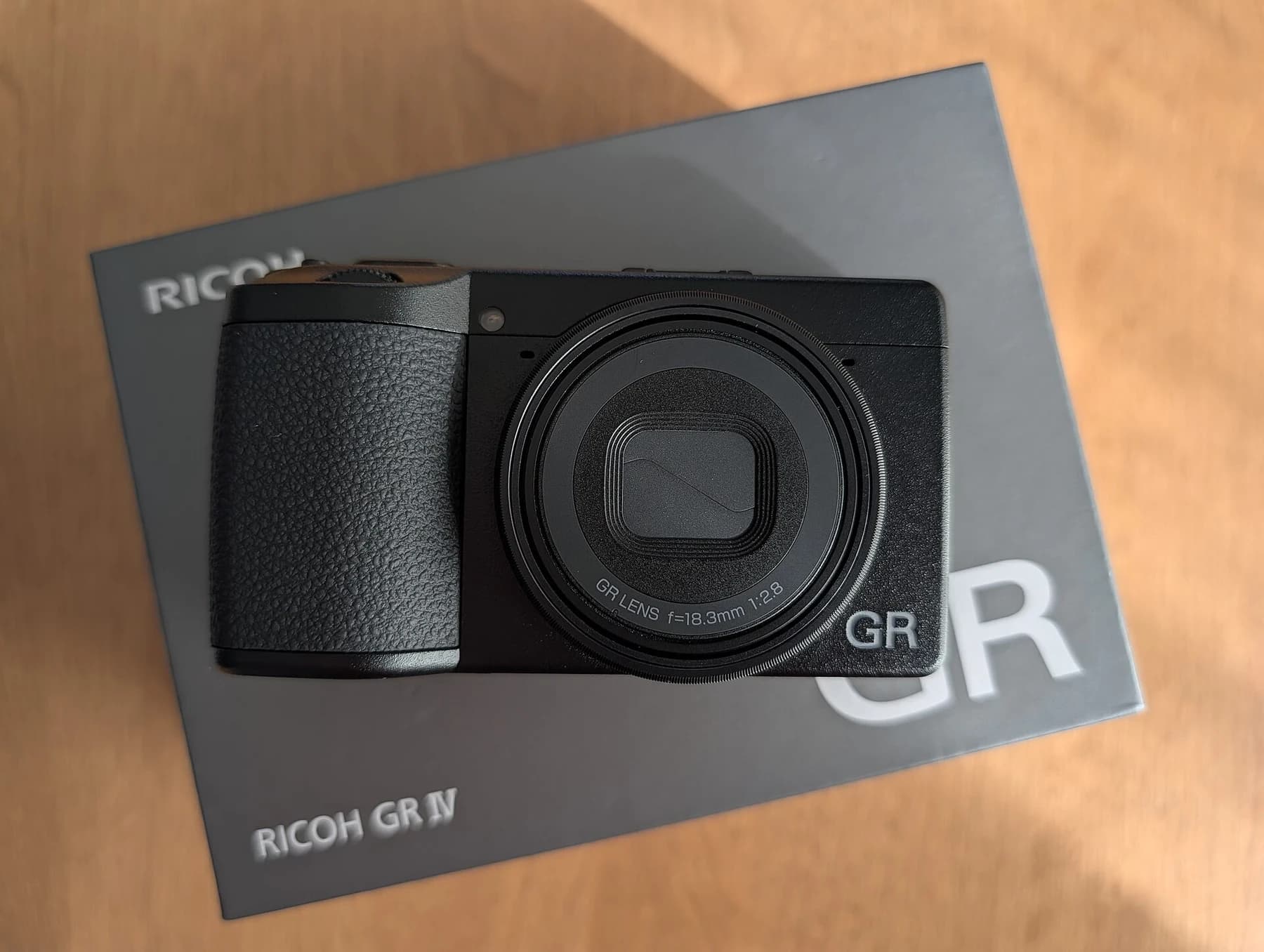
The Ricoh GR IV makes a serious photographic tool small enough for ordinary days. Its most interesting specification is the chance that you actually brought it.
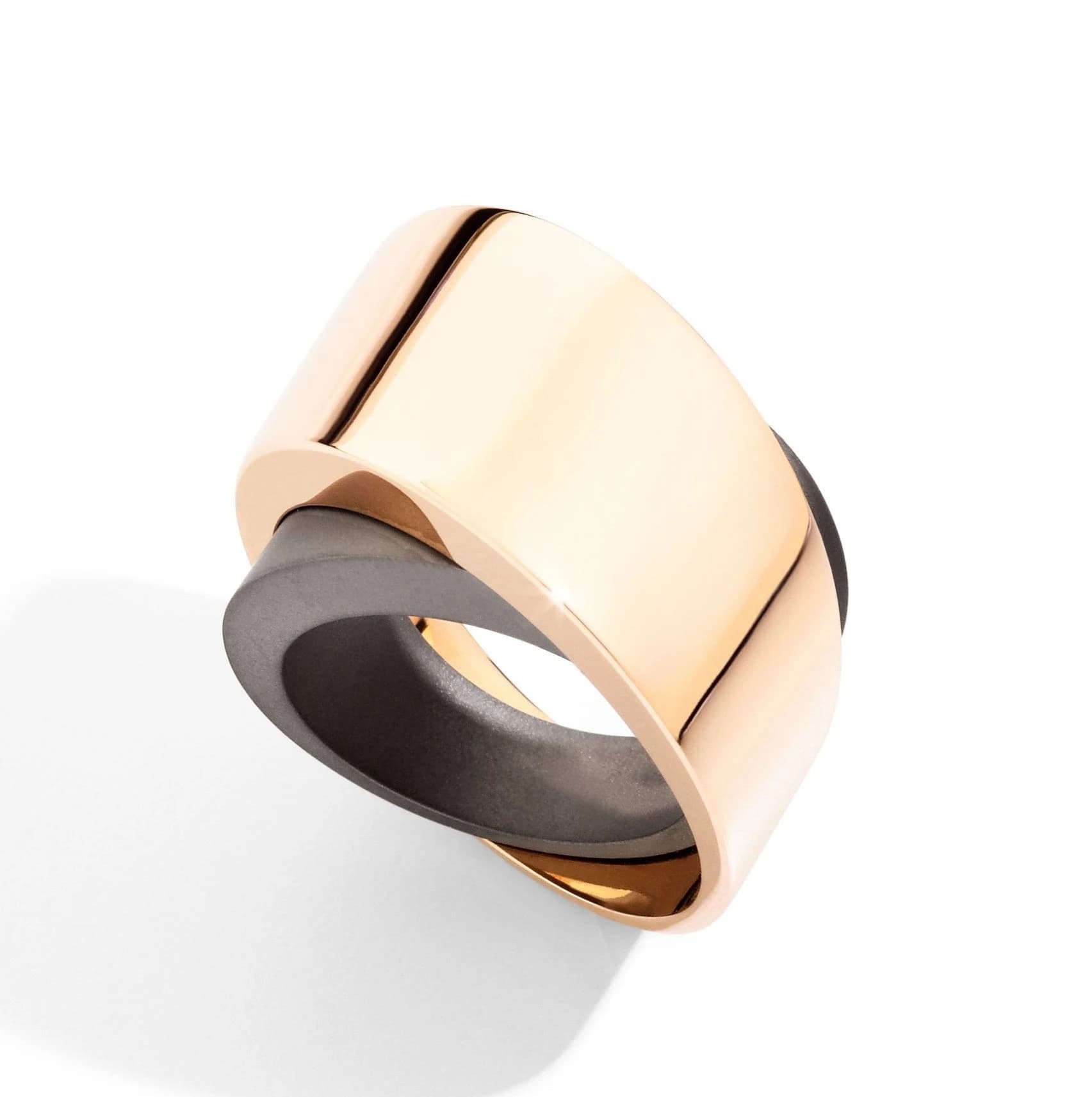
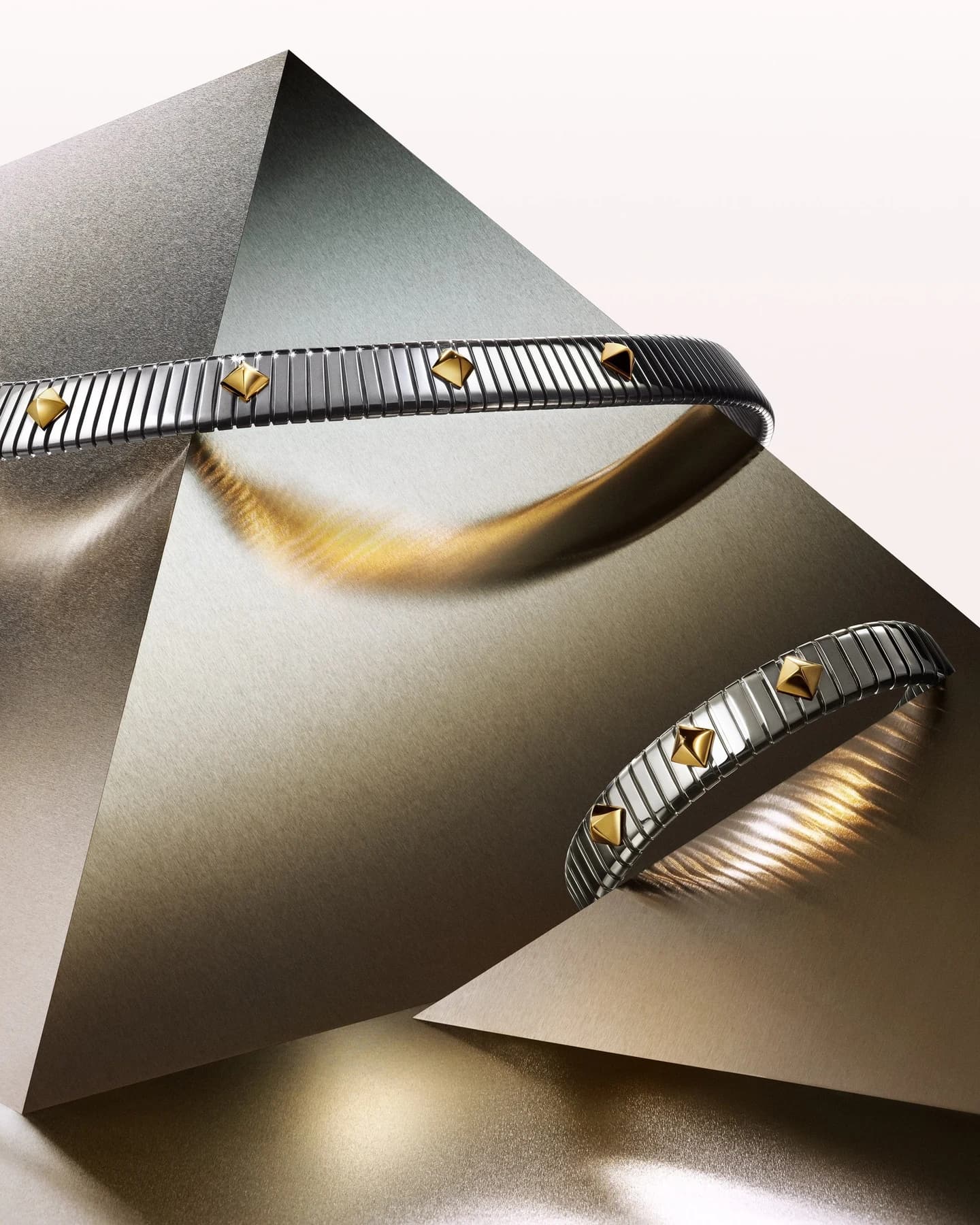
Vhernier’s Tourbillon sets warm rose gold against dark titanium. Its strongest argument is a form designed around the hand, not the amount of precious metal it contains.
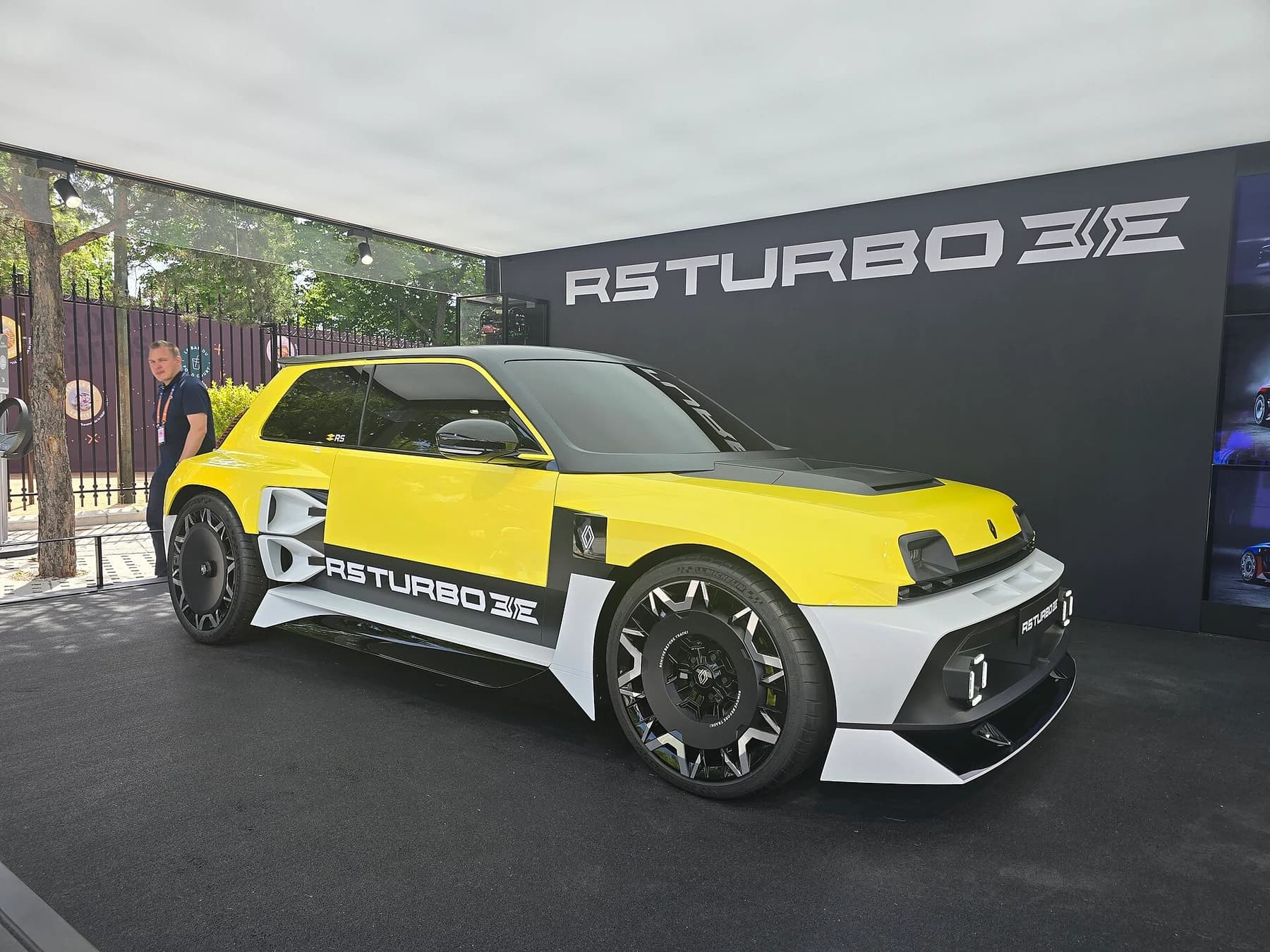
Renault’s 5 Turbo 3E borrows a familiar silhouette but proposes a very different mechanical arrangement. The engineering deserves attention before the collectible narrative.
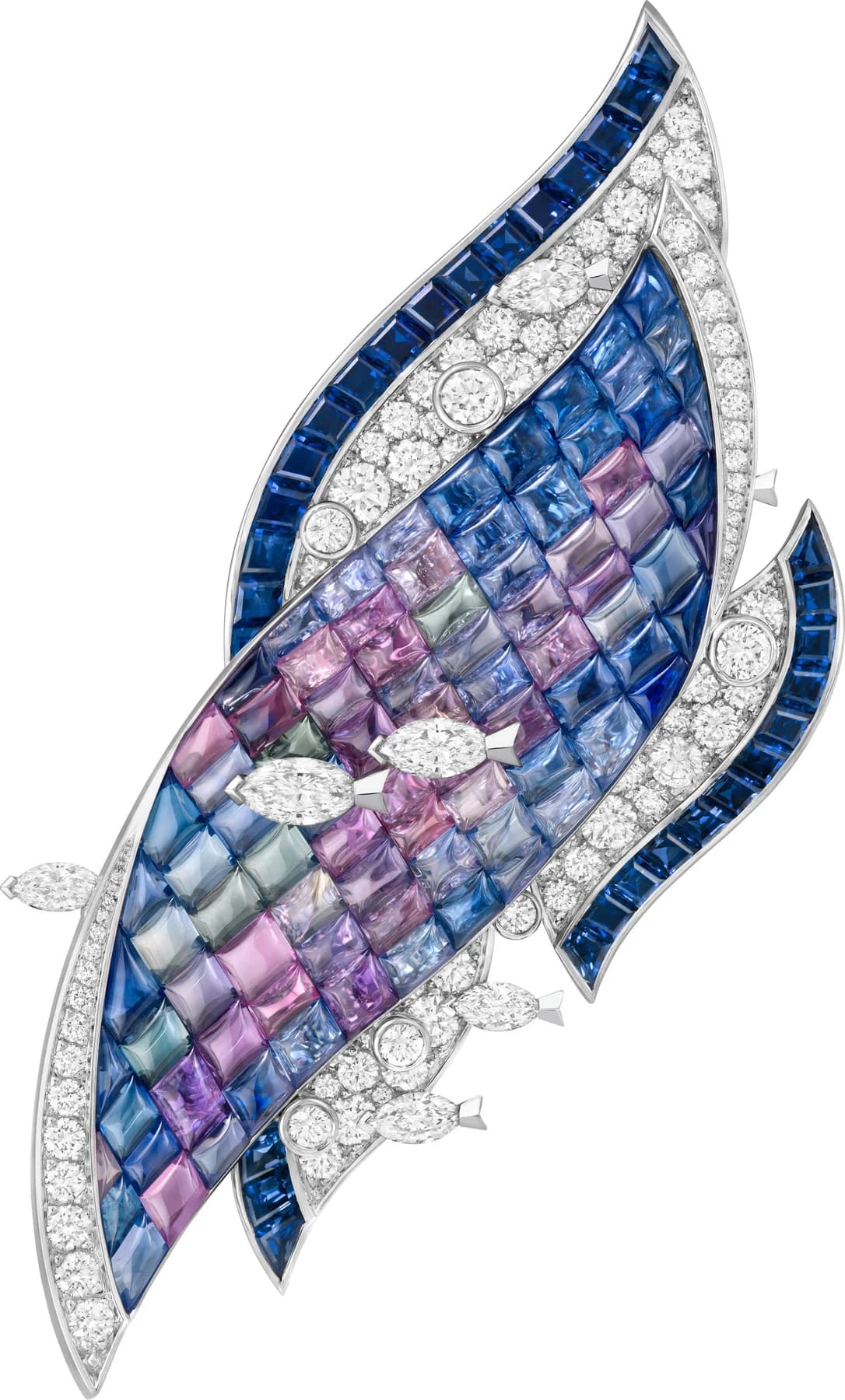
Van Cleef & Arpels’ Poissons Mystérieux clip makes coloured sapphires read like water. The important part is the skilled construction you struggle to see.
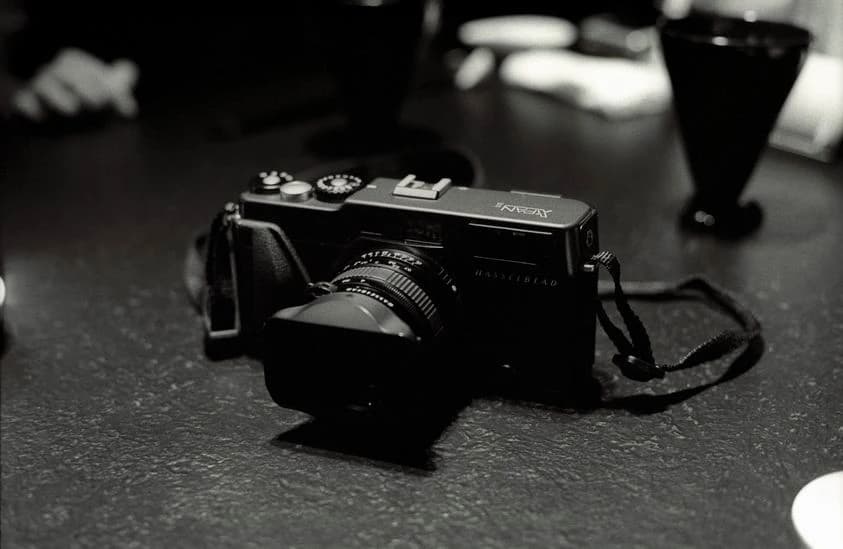
Hasselblad’s XPan makes a panorama by exposing a wider area of film. It offers a different proposition from cropping the top and bottom of a conventional frame.
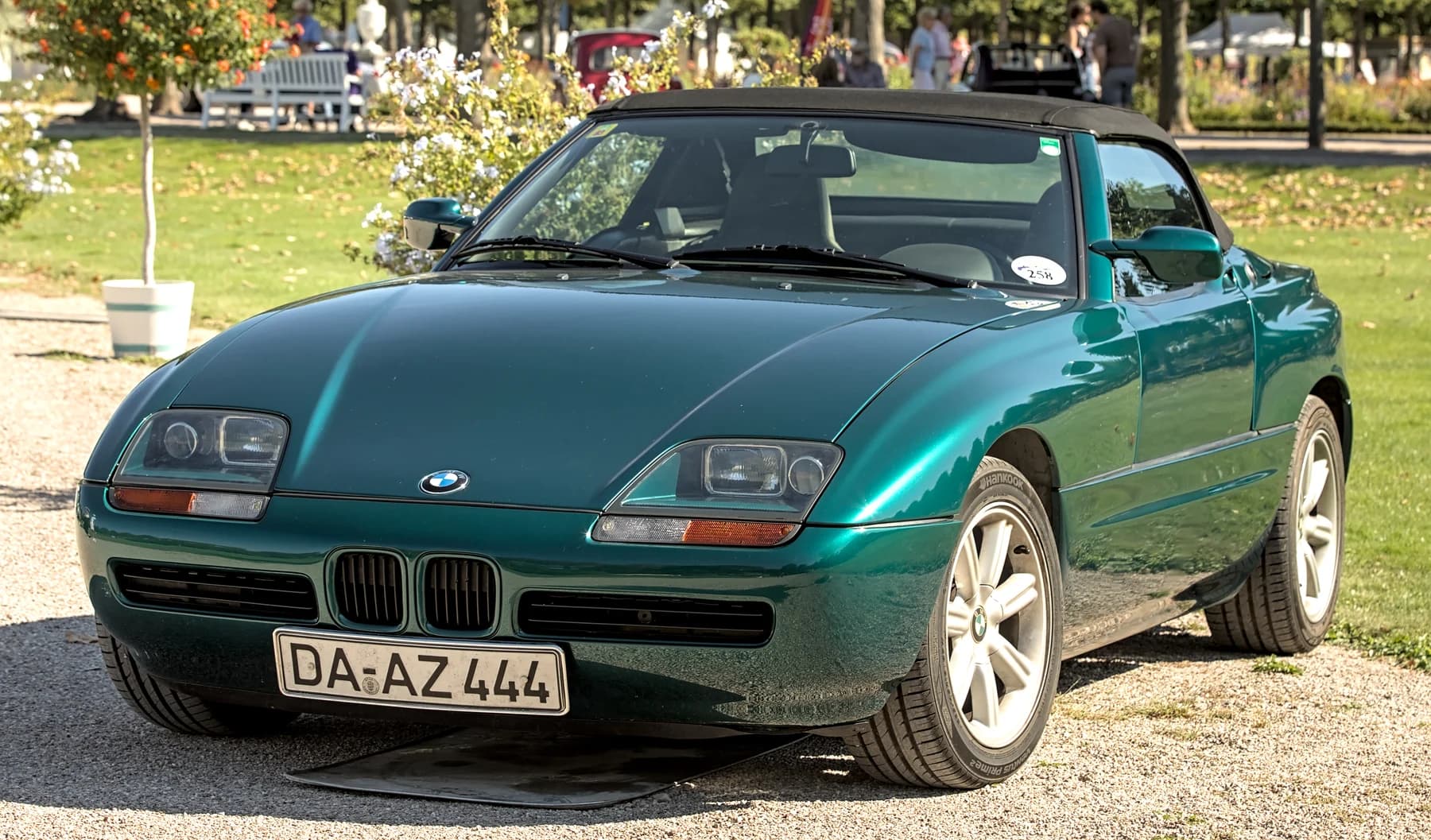
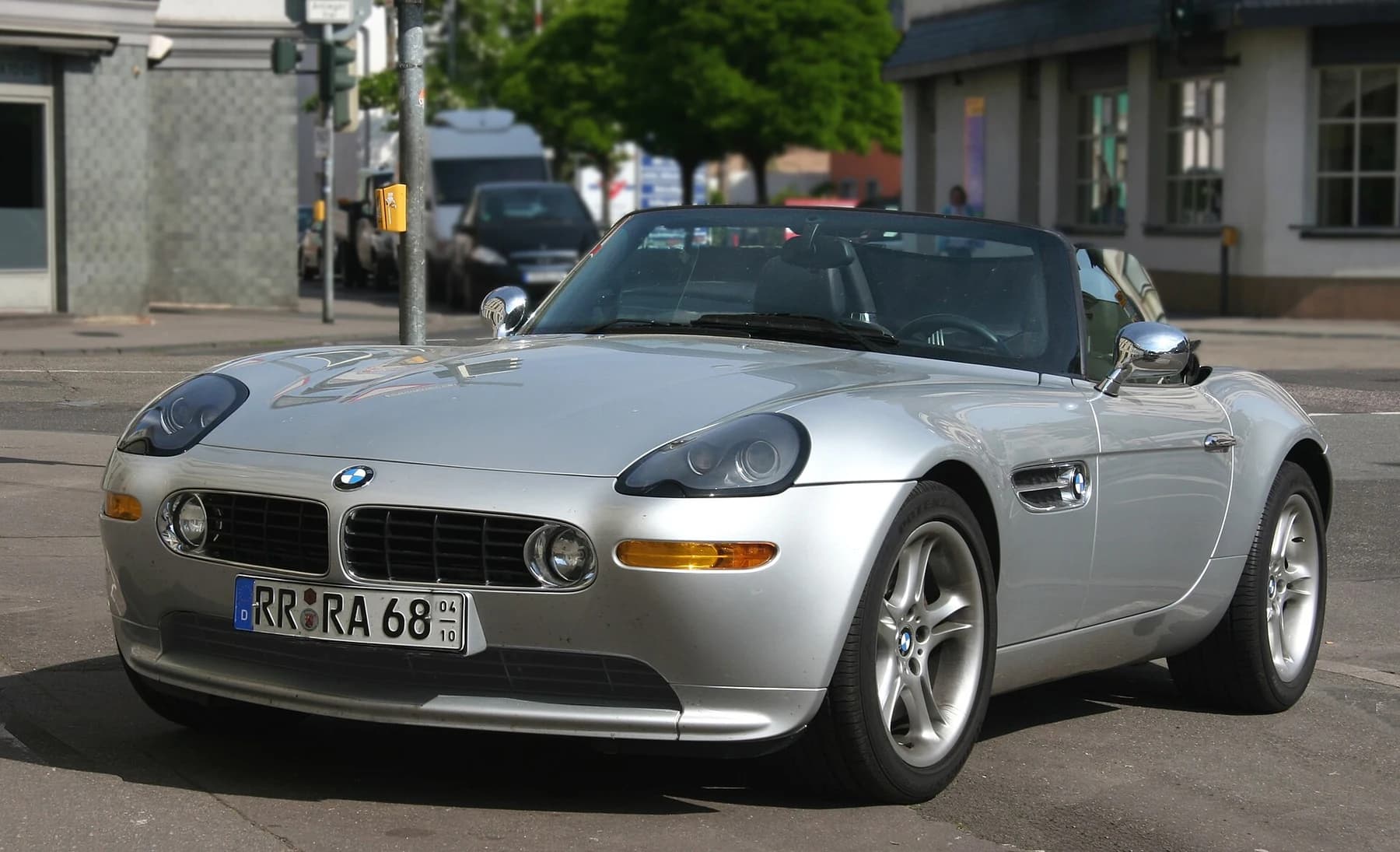
The BMW i8’s lasting interest lies beneath its futuristic silhouette. Its carbon passenger cell and hybrid architecture now need to be read alongside an individual car’s history.
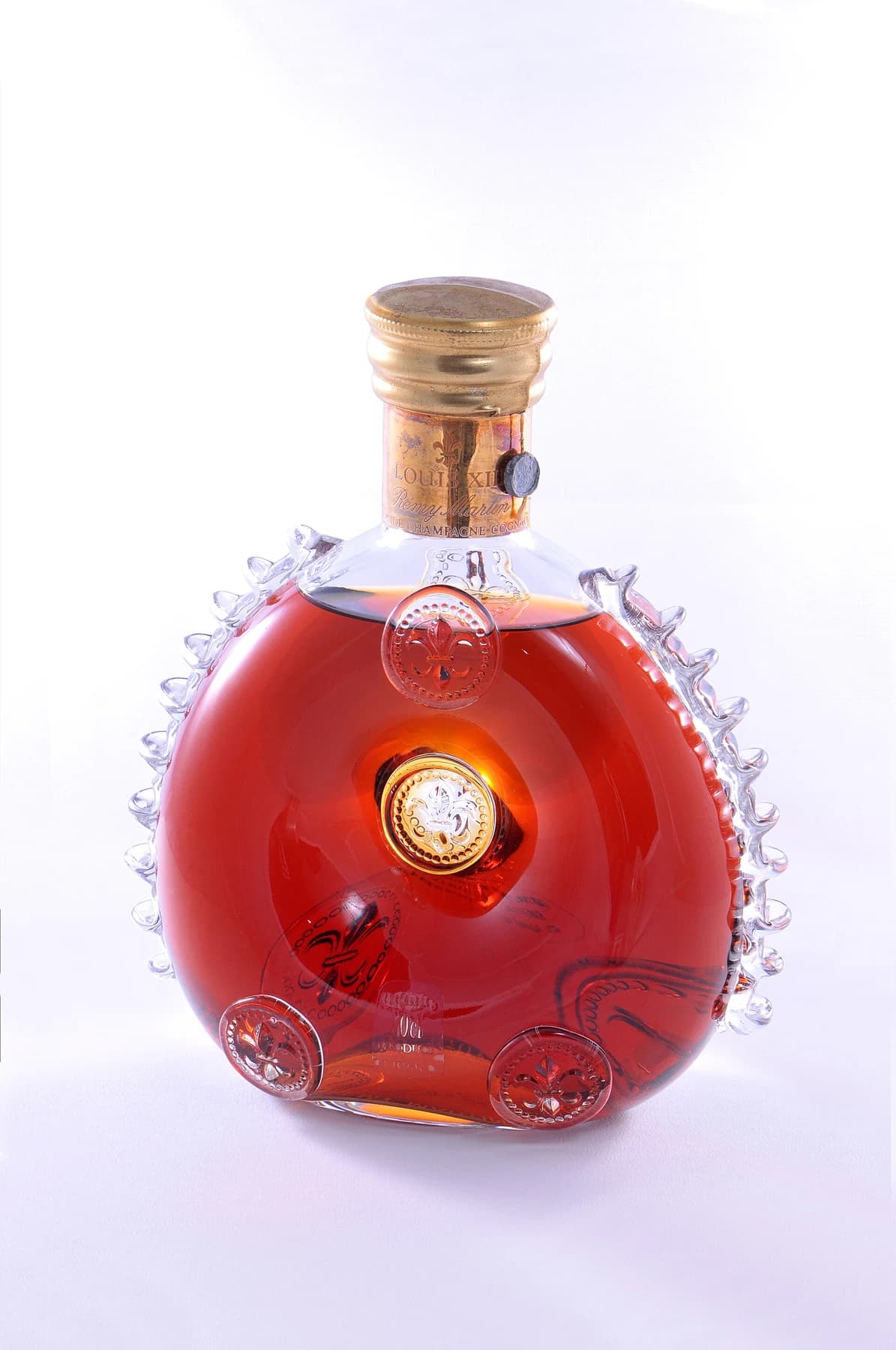
Behind the conspicuous Louis XIII decanter is a quieter story about coopers, old oak vessels and making something whose most important use lies decades ahead.
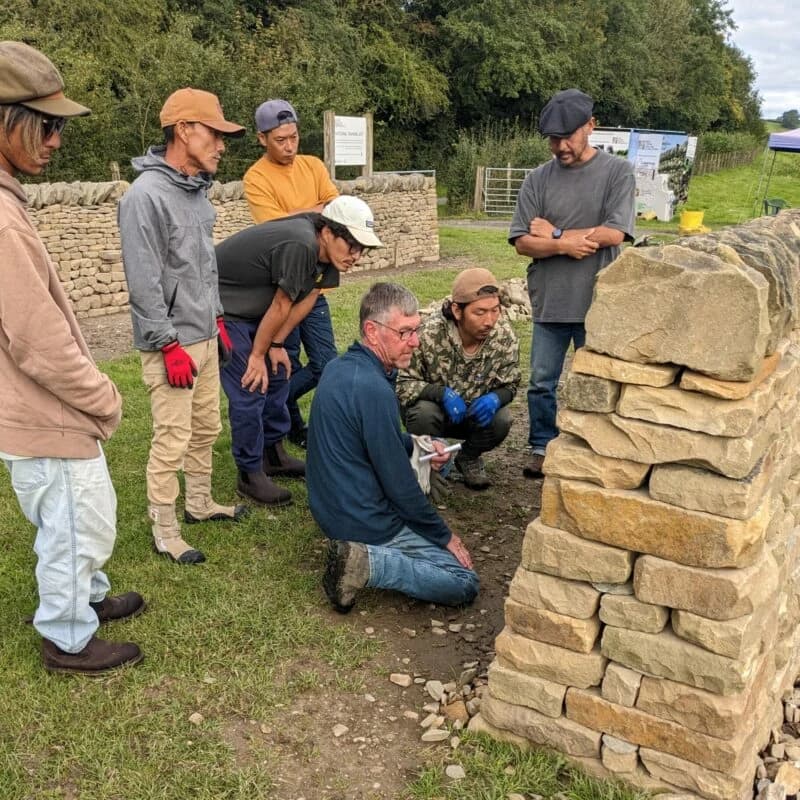
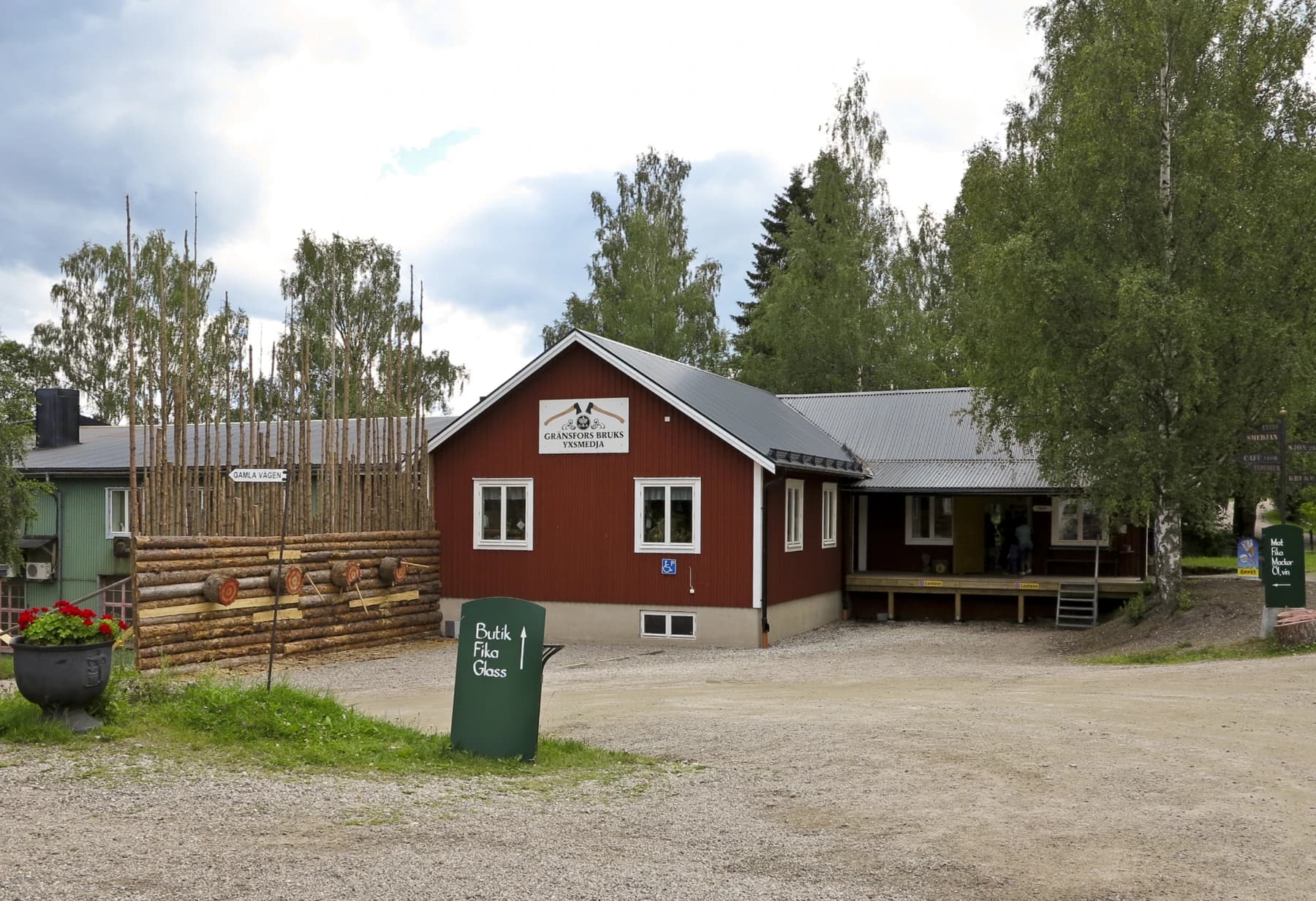
A short course at Gränsfors Bruk changes the relationship between a tool and its owner. The object becomes a record of decisions you have begun to understand.
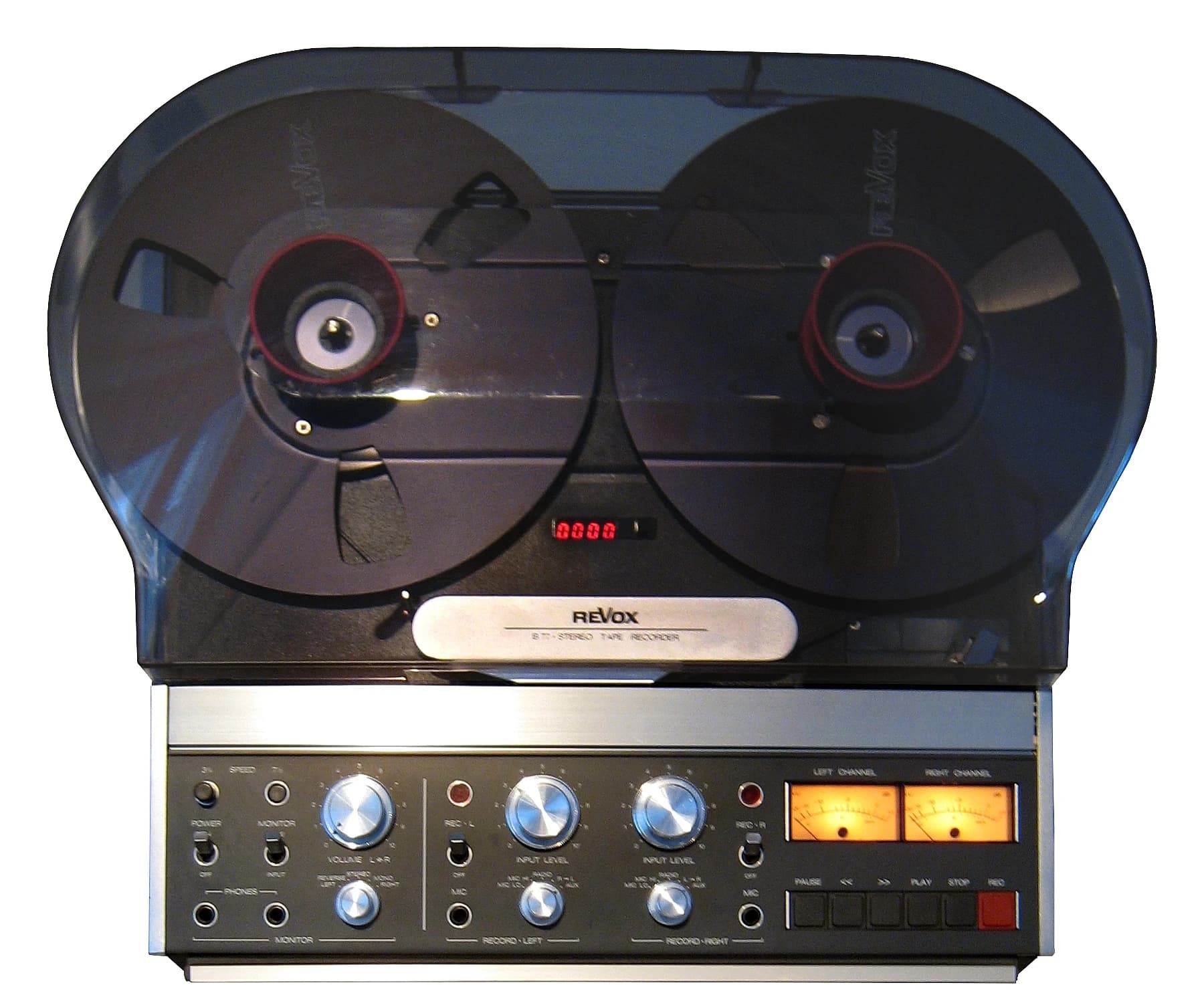
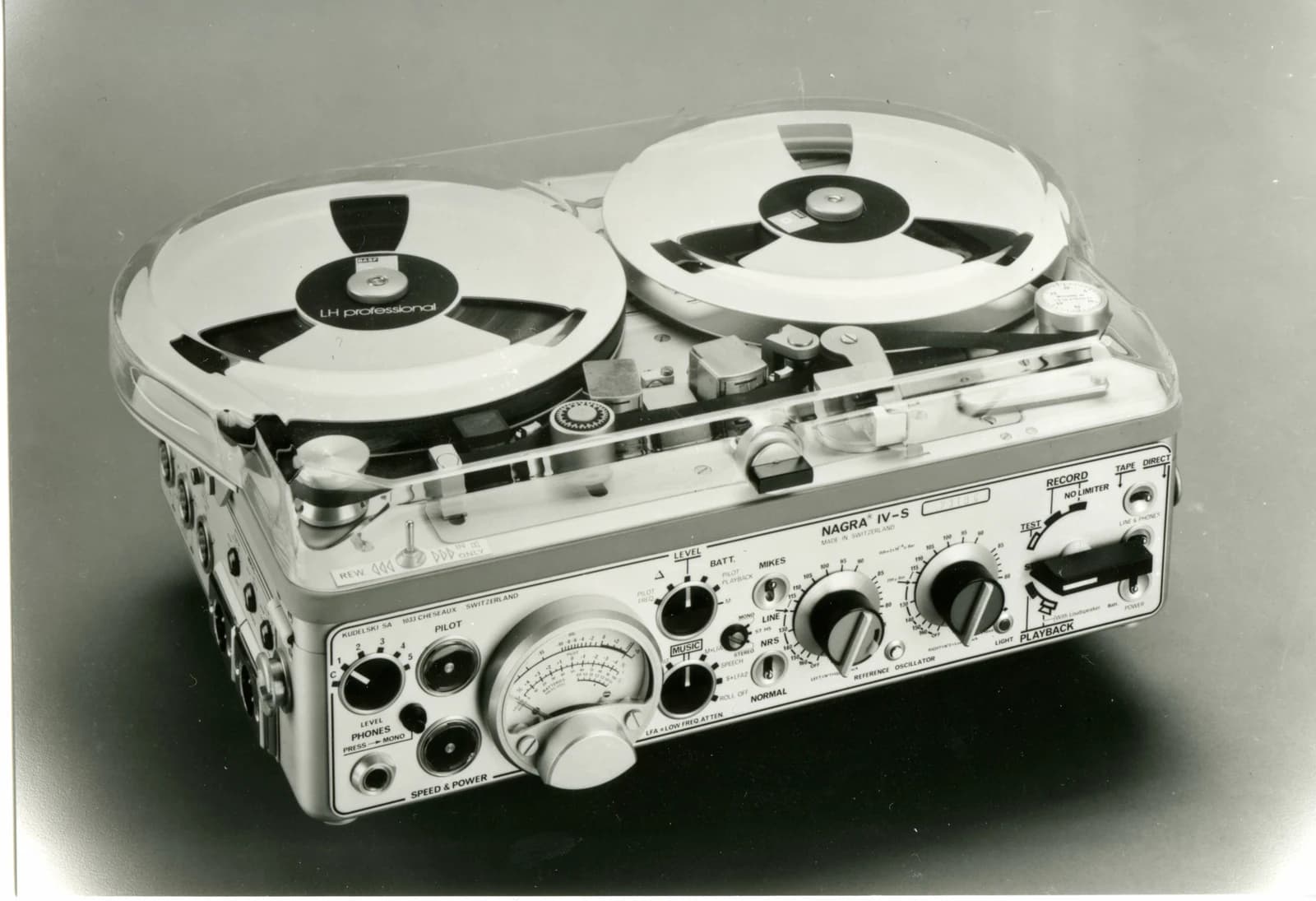
The Revox B77 makes recording physically visible. Its stronger claim to longevity lies beyond the turning reels, in a manufacturer that still restores its older machines.
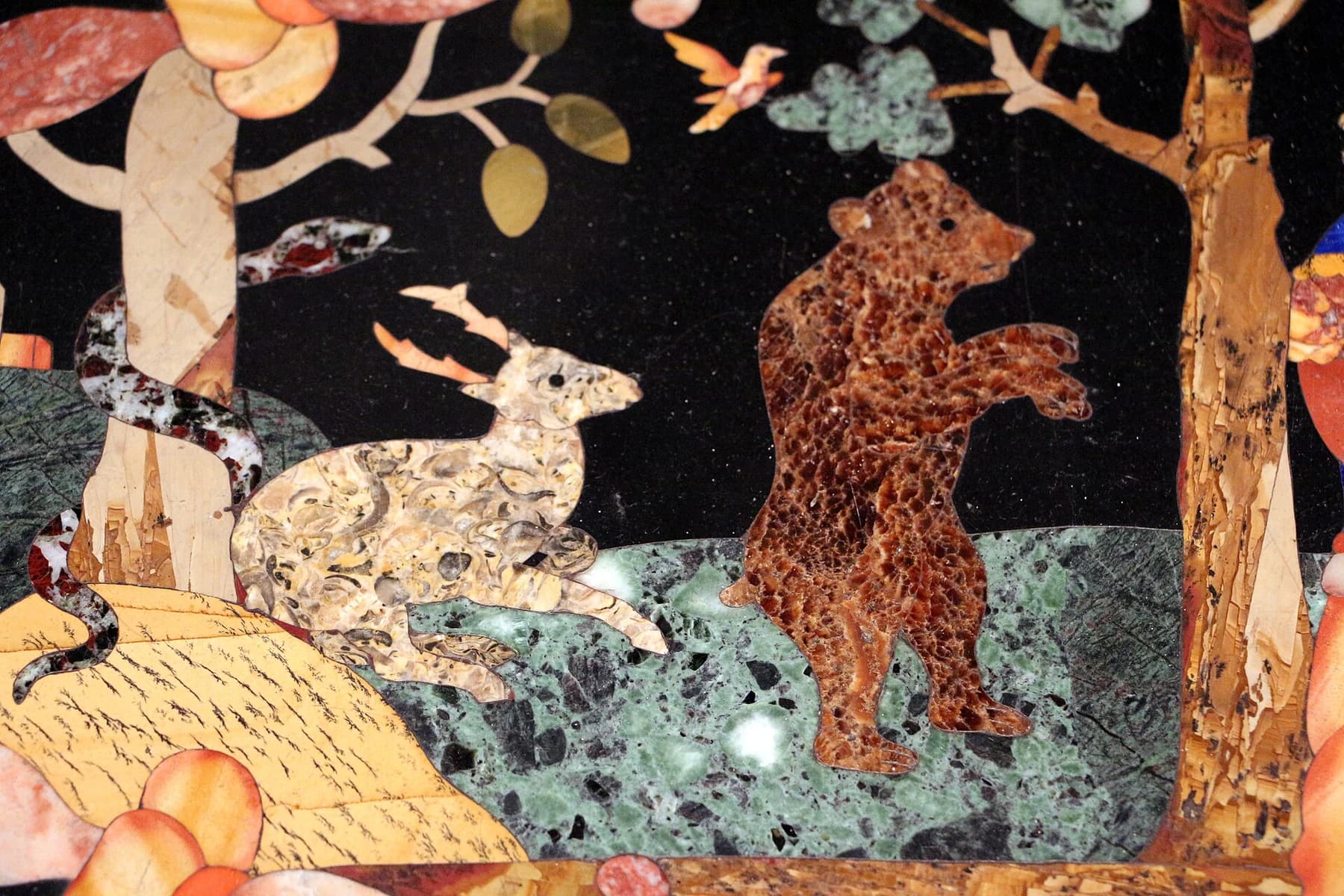
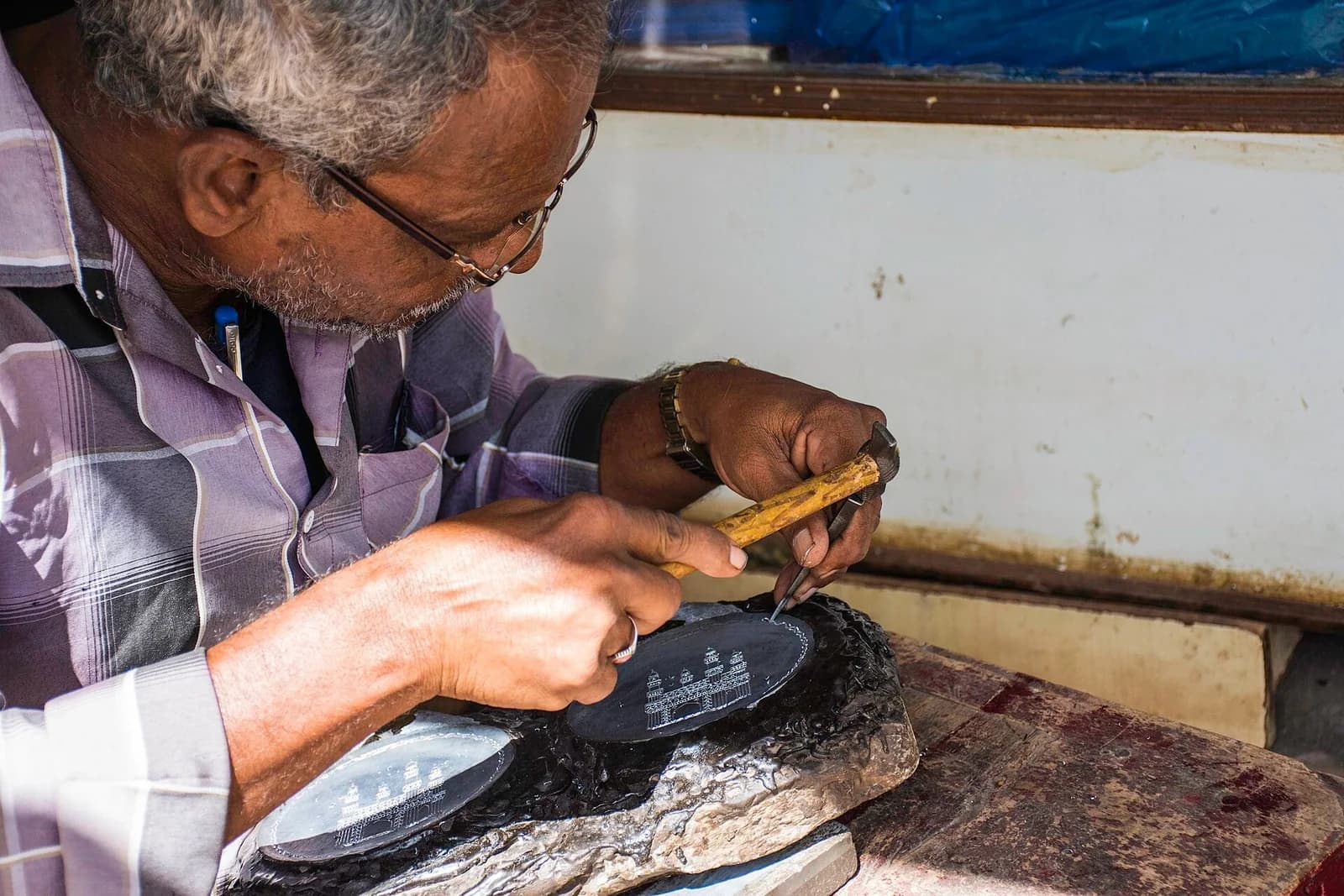
In commesso fiorentino, a vein in a stone can become fur, a petal or a distant hill. The surprising art is not painting on minerals, but finding the picture within them and fitting its pieces together.
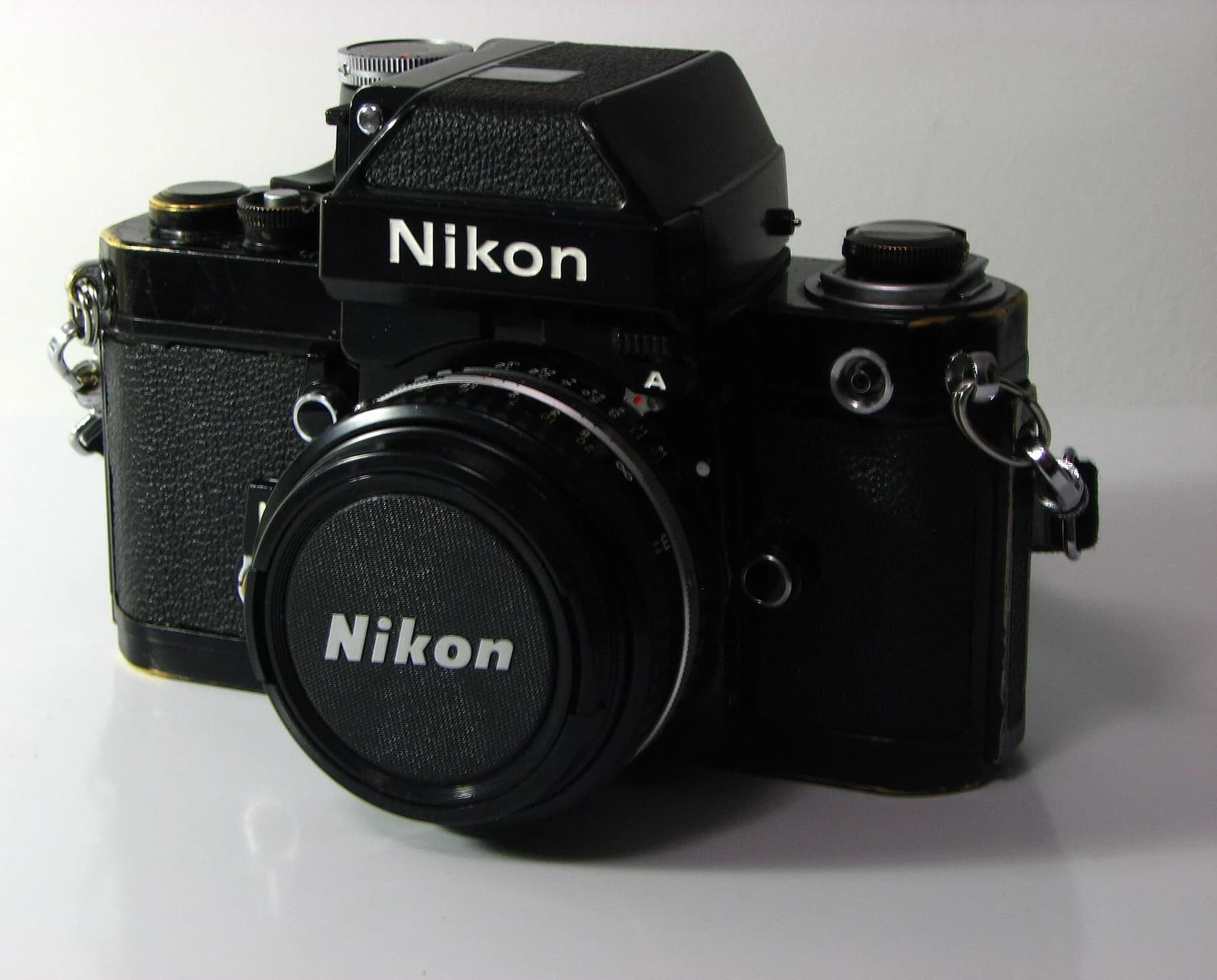
The Nikon F2 separates the camera body from the way a photographer looks and meters. A replaceable finder makes its system worth understanding, not merely collecting.
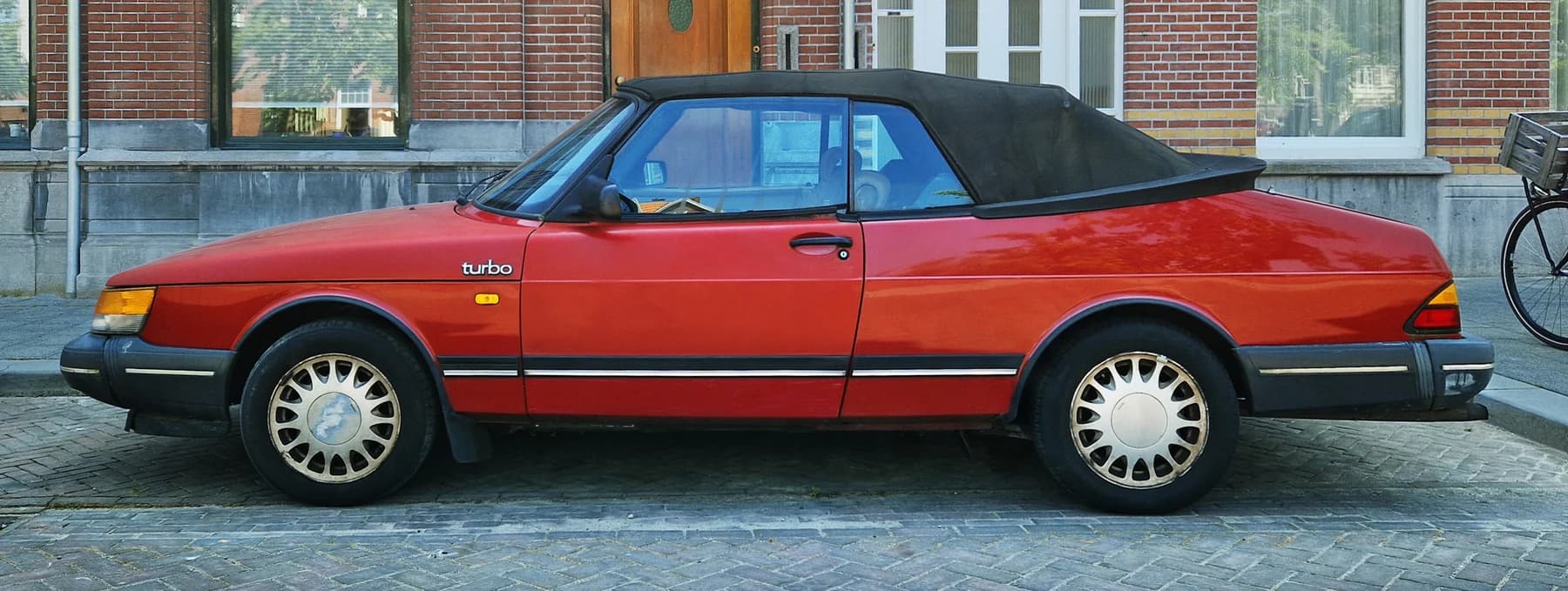
The classic Saab 900 Turbo combines an unmistakable body with a particular engineering history. Its appeal becomes stronger when the badge is separated from the condition of the actual car.
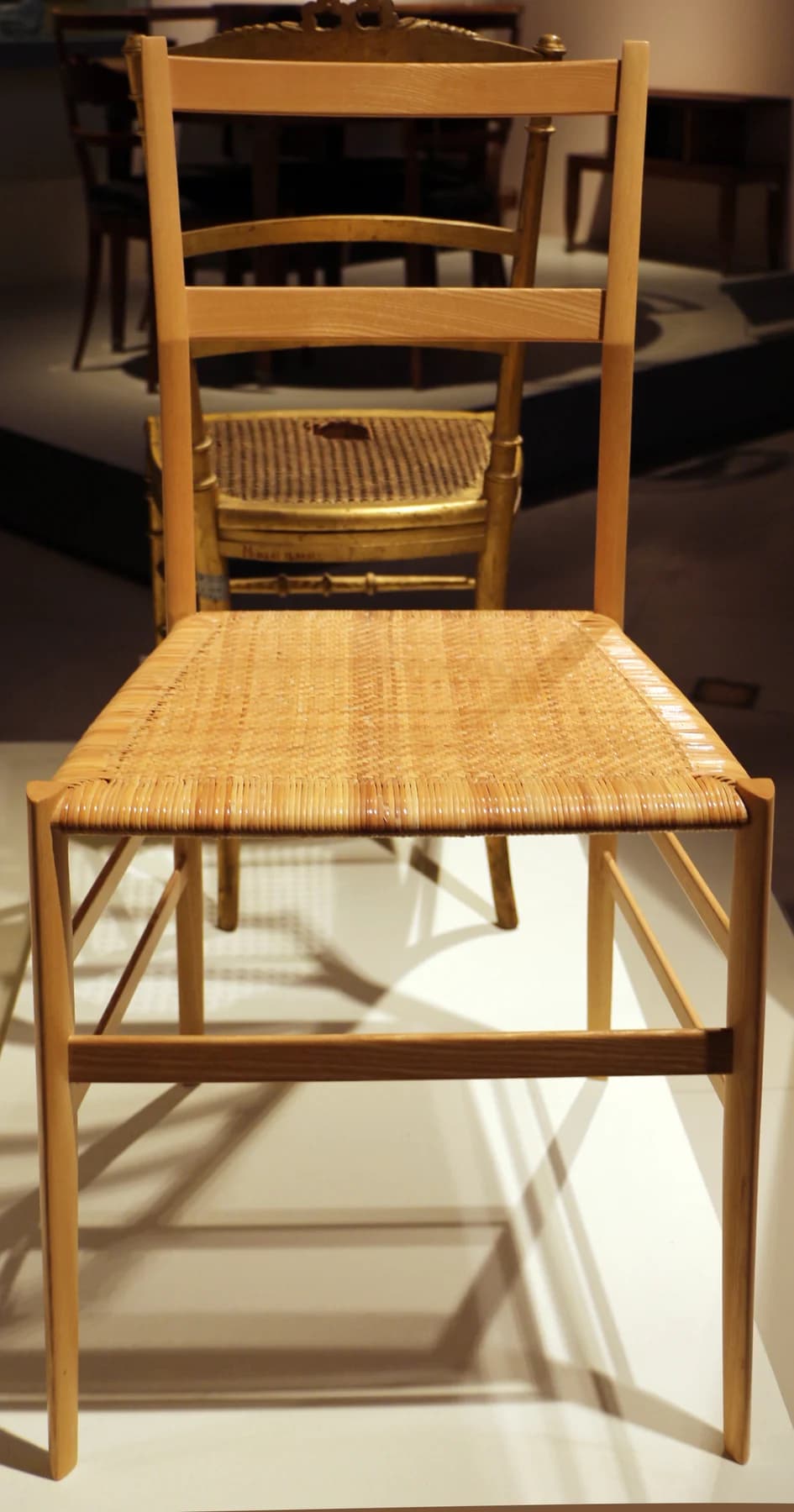
Gio Ponti’s Superleggera makes lightness a construction problem. Its slender frame is the result of material choices and joints, not simply a thin outline.
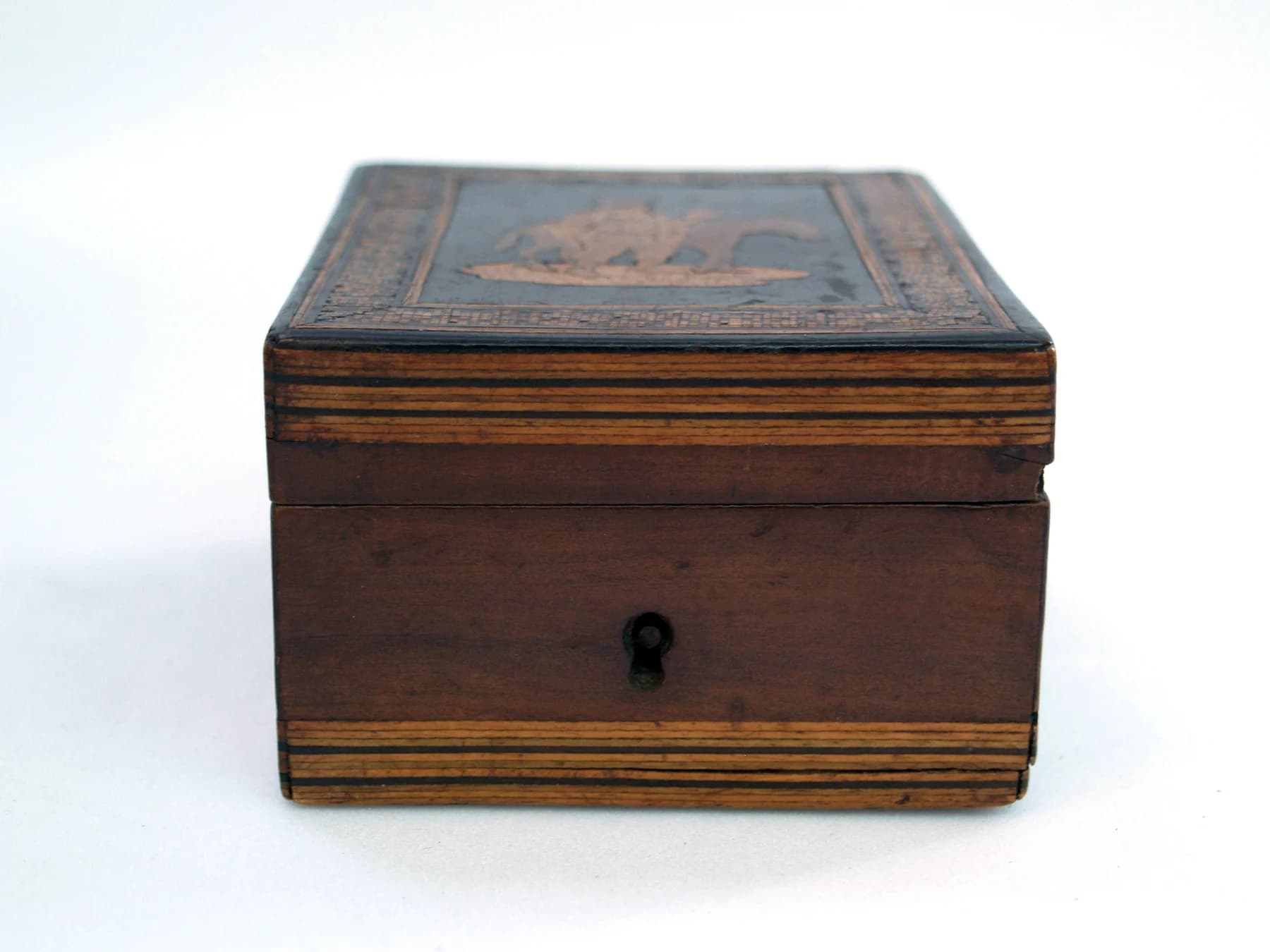
Tunbridge ware builds images from small pieces of wood rather than painting them onto a surface. A nineteenth-century watch box turns that technique into something unexpectedly useful.
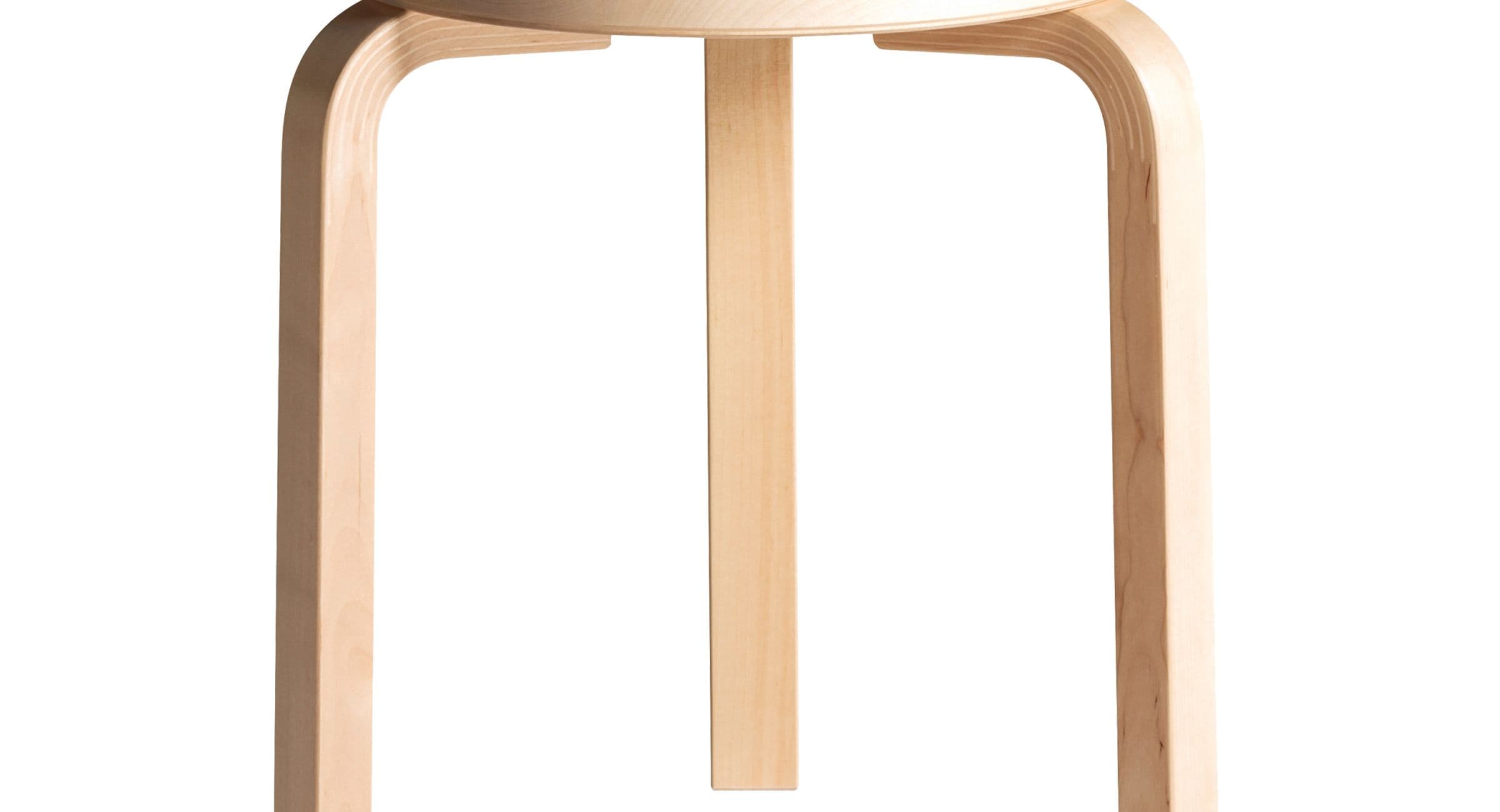
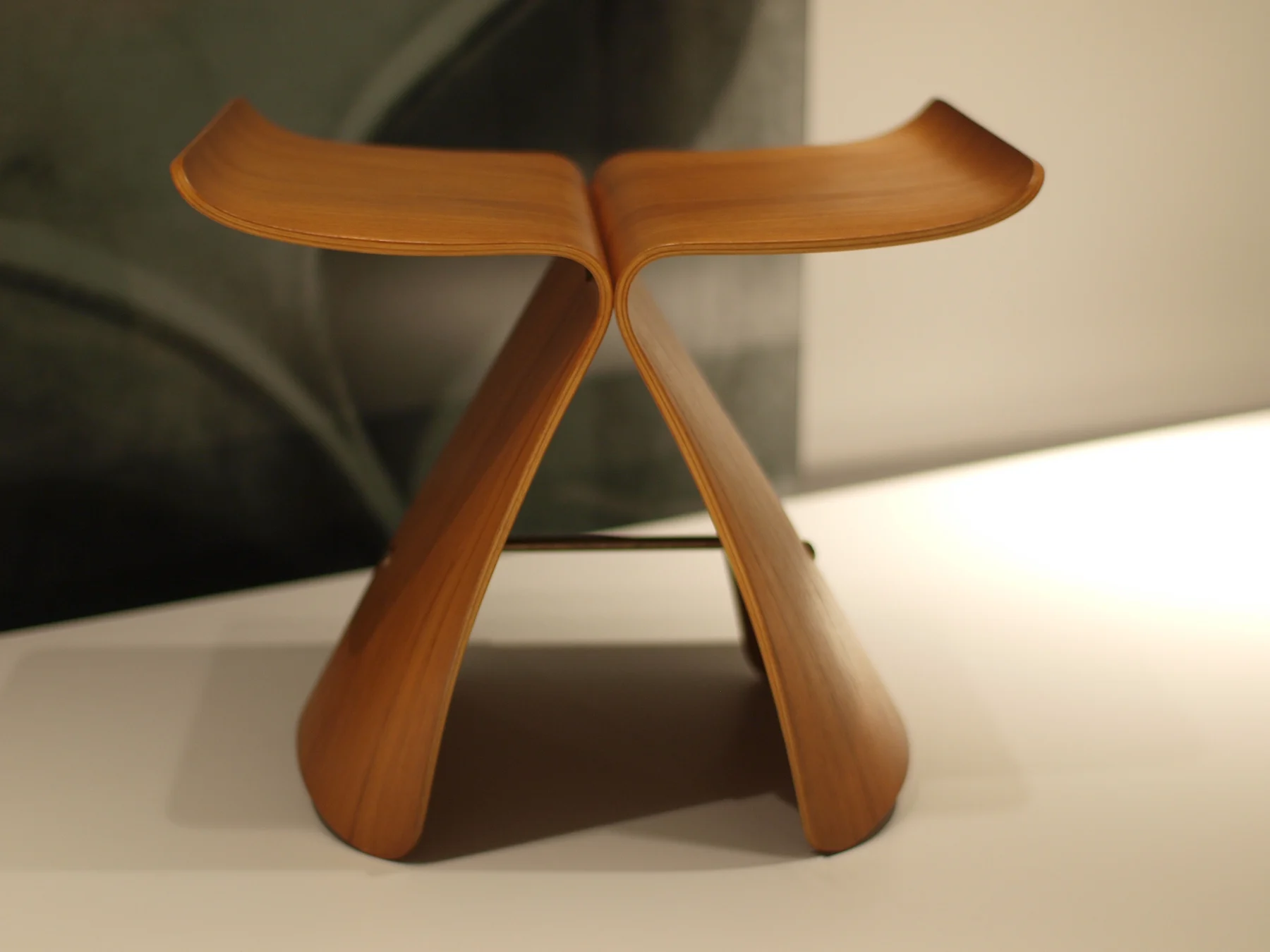
Sori Yanagi’s Butterfly Stool finds its character in two matching pieces of moulded plywood. Its lasting interest is how little is needed to make the idea complete.
Kunstformen der Natur gives unfamiliar organisms an extraordinary graphic presence. Its plates invite close looking, while its historical authority requires a more critical eye.
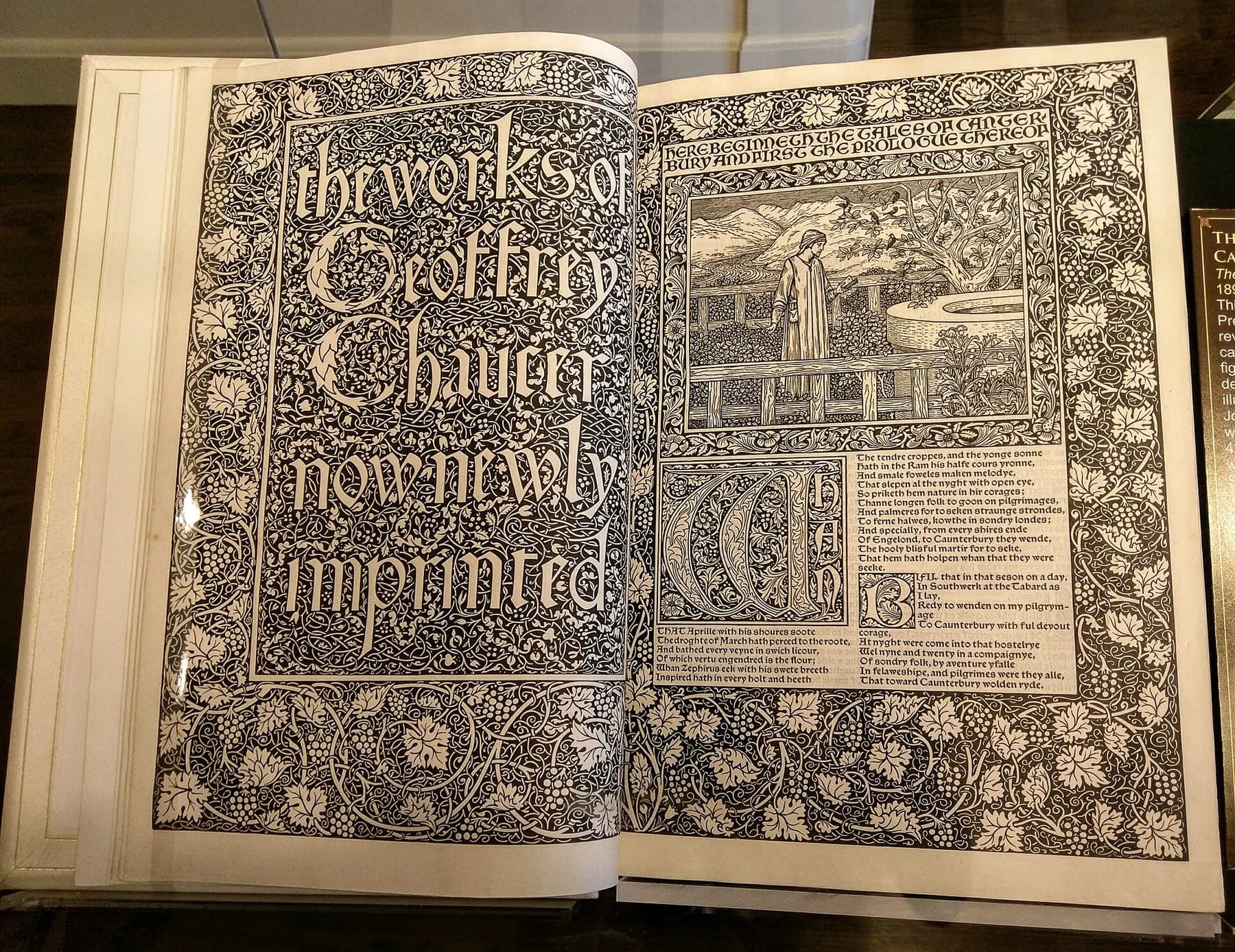
The Kelmscott Chaucer makes type, illustration and the printed page inseparable. Its lesson is available through close looking, even when the original is far beyond reach.
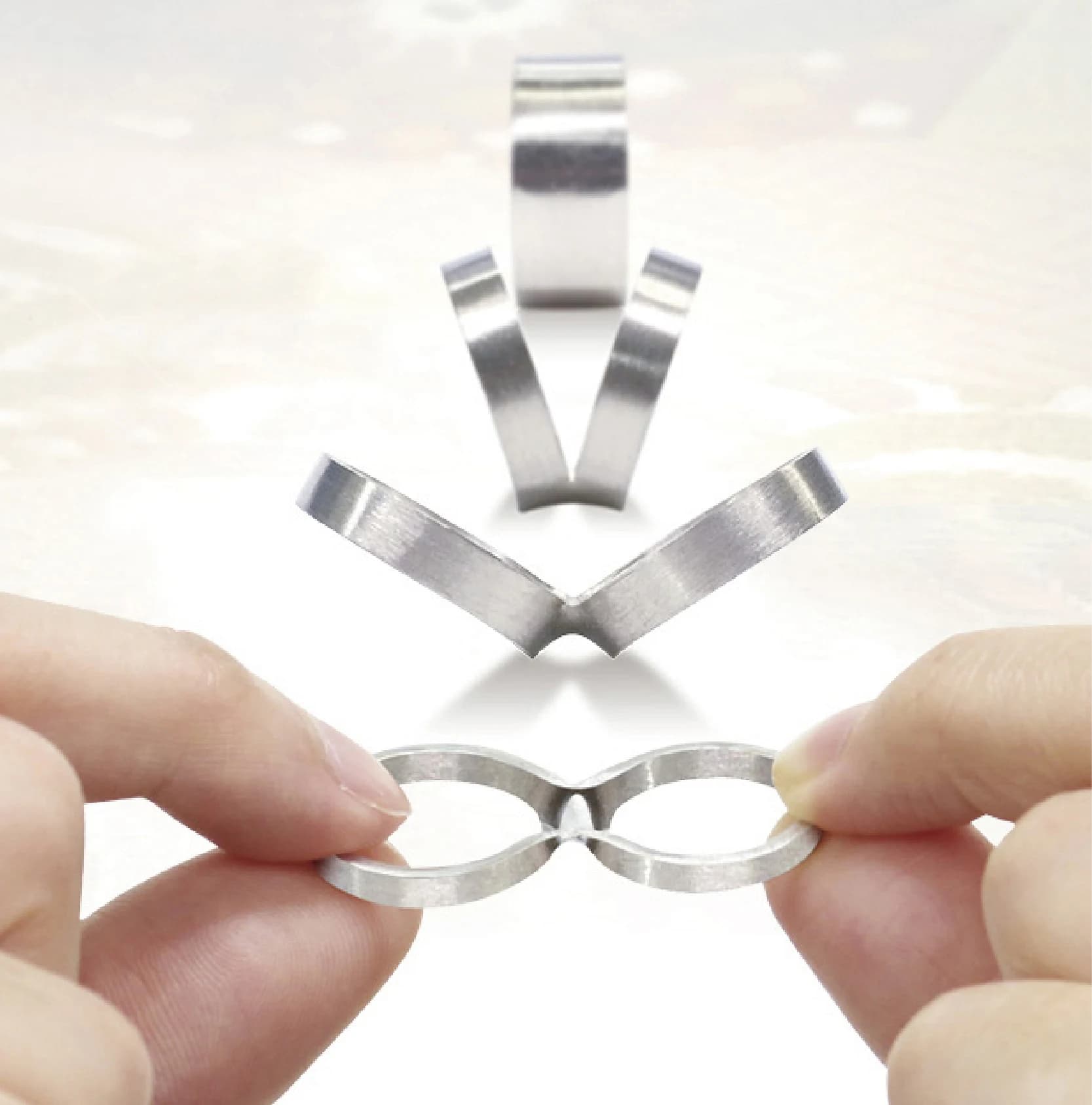
Mokumeganeya makes a shared origin visible in metal. Its Tsunagaru-Katachi rings connect a Japanese working technique with a ceremony the owners help complete.
The second-generation Alpine A110 finished production in July 2026. Its enduring argument is the engineering beneath its modest scale, not an automatic rise in price.
Tiwal changes a less glamorous part of sailing: storing and moving the boat. An inflatable hull and dismantling frame make access to the water part of the design problem.
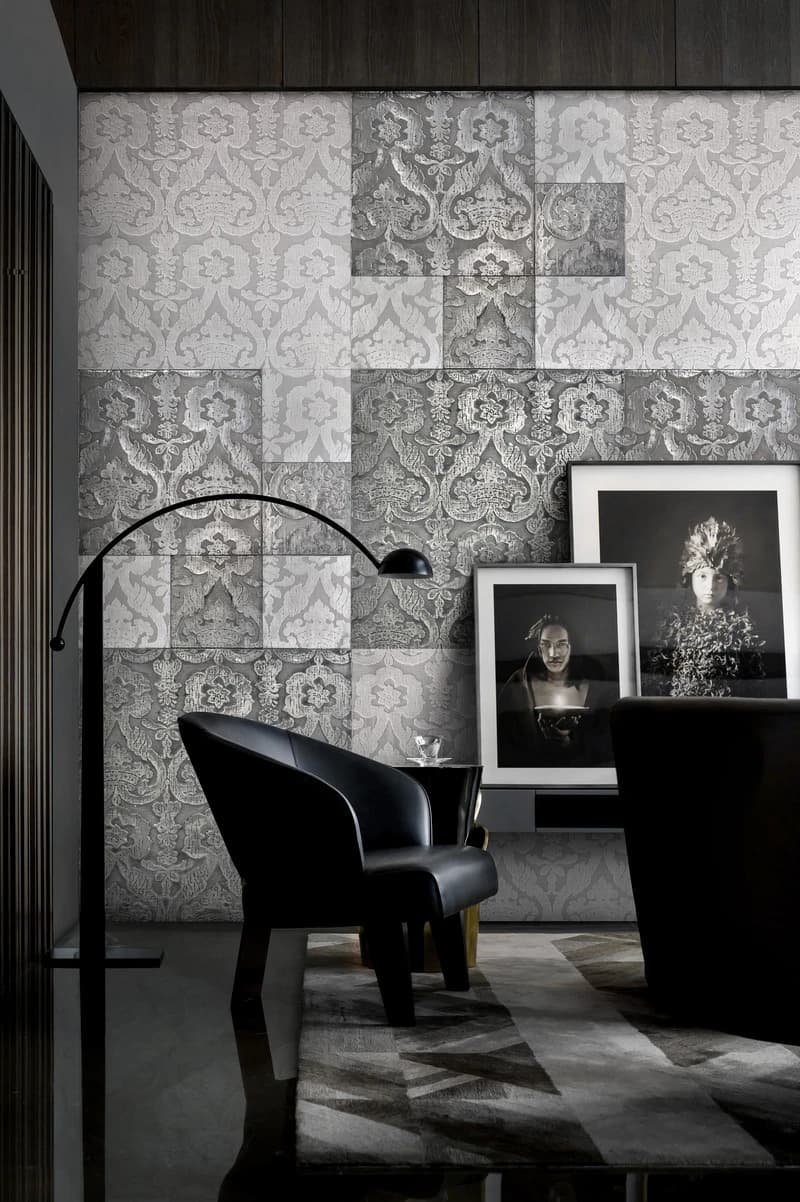
Levantina brings Tessitura Bevilacqua velvet into Materica’s metal-surface world. Its appeal lies in the friction between two material traditions, not a generic claim of Venetian luxury.
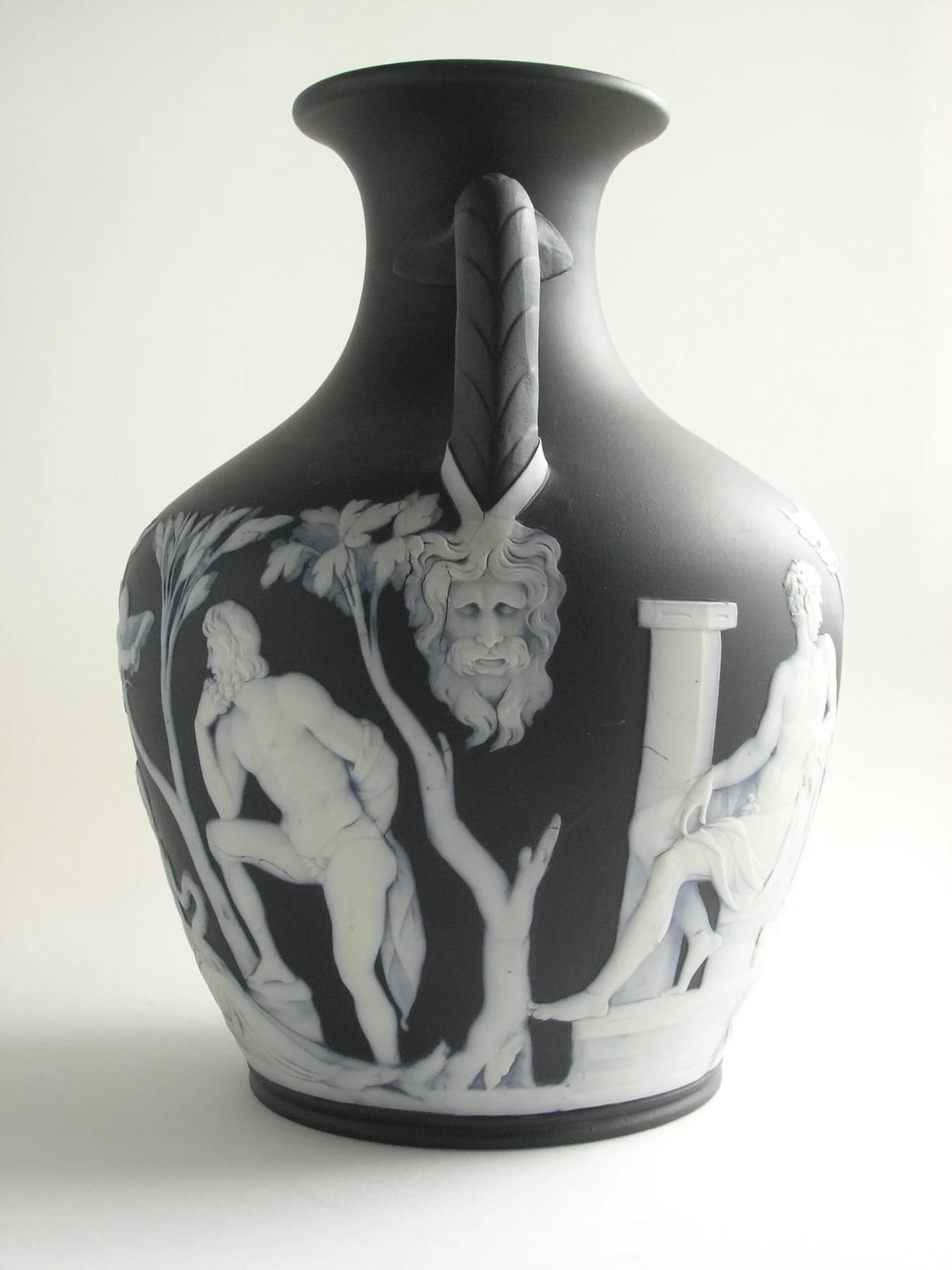
Wedgwood’s jasperware can look familiar enough to escape a second glance. Its more surprising story begins beneath the white relief, in an experimental ceramic body rather than painted blue decoration.
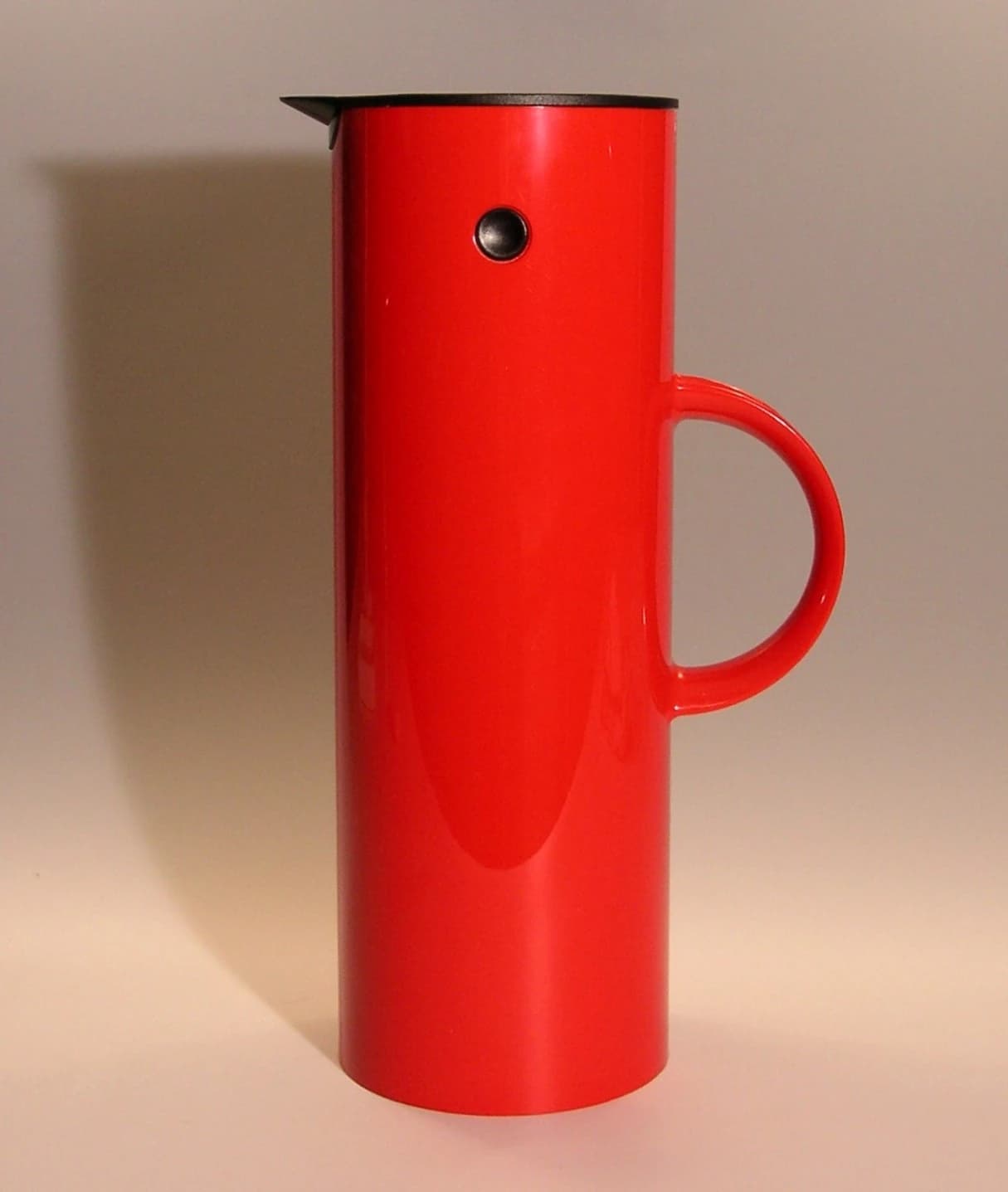
Erik Magnussen’s Stelton EM77 makes a simple serving gesture distinctive. A replaceable glass insert gives the familiar cylinder another practical reason to stay.
The familiar pockets of Levi’s 501 jeans contain a history of practical revisions. Recognising it makes a better starting point than chasing a vintage label.