DISCOVERY / Architecture & The Ethics of Restoration
Repair without erasing the break.
Berlin’s Neues Museum shows another way to bring a damaged building back. Old fabric and new intervention remain distinguishable without making the place unusable.
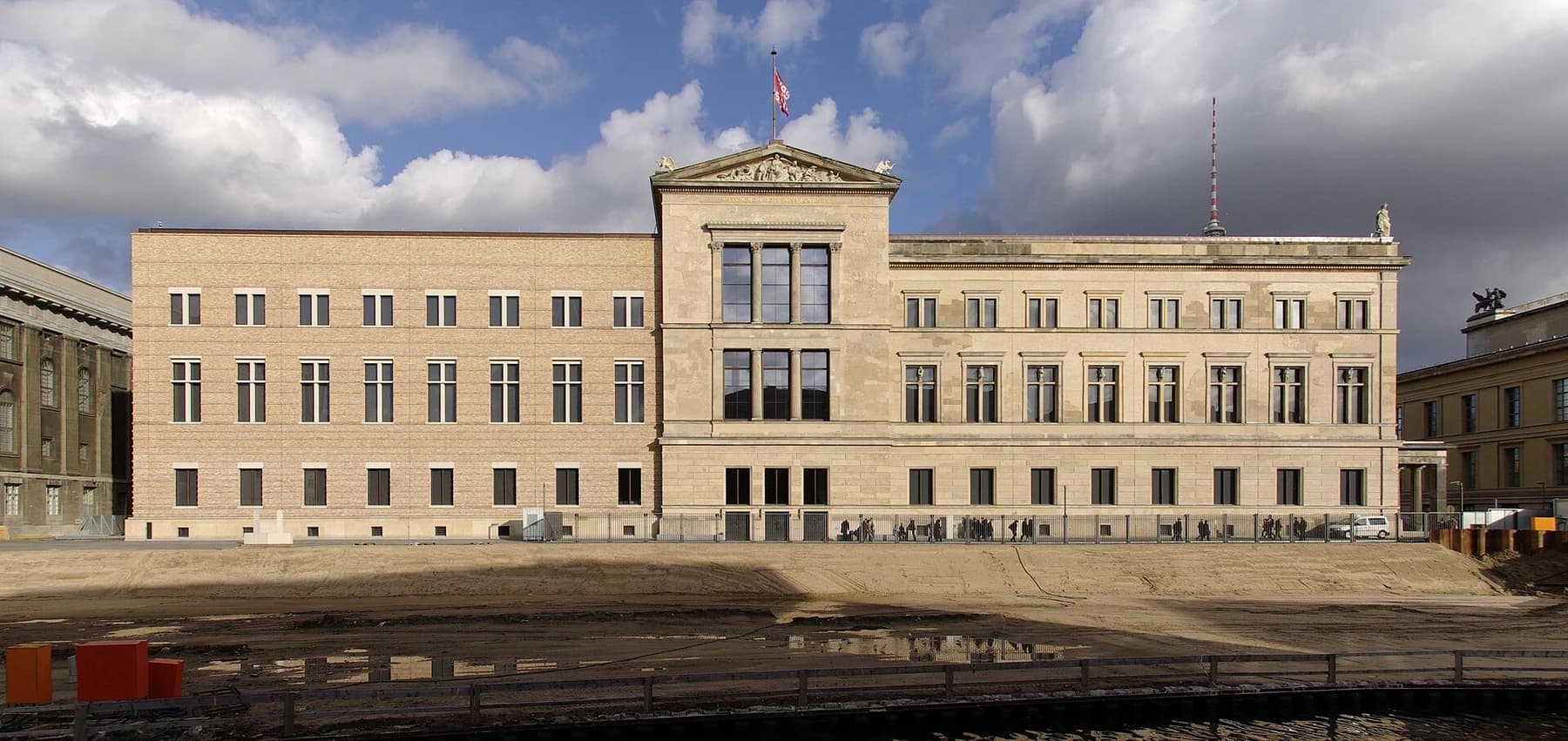
Published 21 October 2026 · WHV · Public-source editorial note
A repaired object does not always need to pretend that nothing happened. Berlin’s Neues Museum extends that thought to an entire building. Surviving nineteenth-century fabric, war damage and contemporary interventions are brought into a coherent place without being forced into a single fictitious age.
Not every absence needs a replica
Friedrich August Stüler’s museum stood damaged for decades before its recovery. David Chipperfield Architects, working with conservation architect Julian Harrap, developed a restoration completed in 2009. The approach was neither wholesale historical reconstruction nor a new building that treated the remains as scenery. Different conditions called for different kinds of repair.
The enduring value lies in the judgement between those extremes. Material evidence is part of what a place can teach, but evidence alone does not make a usable museum. Returning the building to public life gave preservation an active purpose. Its usefulness depends on the relationship between what remains, what is added and how people move through the whole.
Look at the building as well as the collection
On a visit, allow time to notice transitions between surfaces and spaces rather than treating the architecture only as a container for famous objects. Read the institution’s current access information before travelling. Our exterior photograph dates from November 2009 and records the surroundings at that time. The broader lesson is portable: repair can restore purpose while leaving the history of an object or place visible.
Source and context.
David Chipperfield Architects: Neues Museum restoration ↗
Staatliche Museen zu Berlin: the museum’s profile ↗
The restoration collaboration with Julian Harrap ↗
The photograph is an archival exterior from November 2009, not a current view of visitor access. This is a restoration case study, not property-investment advice.
Source checked 21 October 2026. WHV interpretation is distinct from the source’s account.
Explore Architecture & The Ethics of RestorationFOLLOW YOUR CURIOSITY
Where this leads.
Different subjects. A reason to connect them.
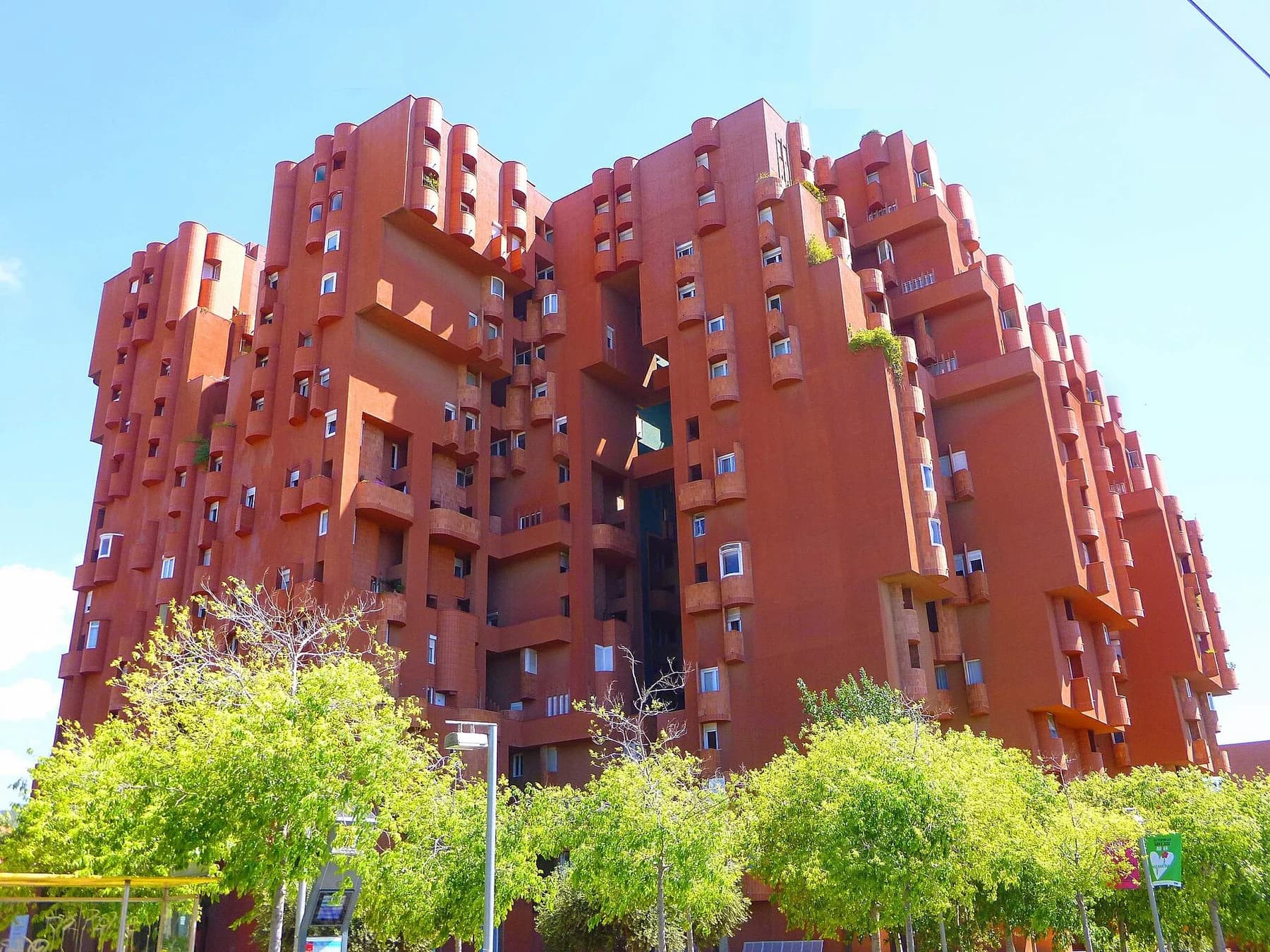
Continue the idea
The residents who kept the idea alive.
A residential community makes the practical and collective side of keeping ambitious architecture alive especially clear.
Housing & Collective Stewardship
Read the story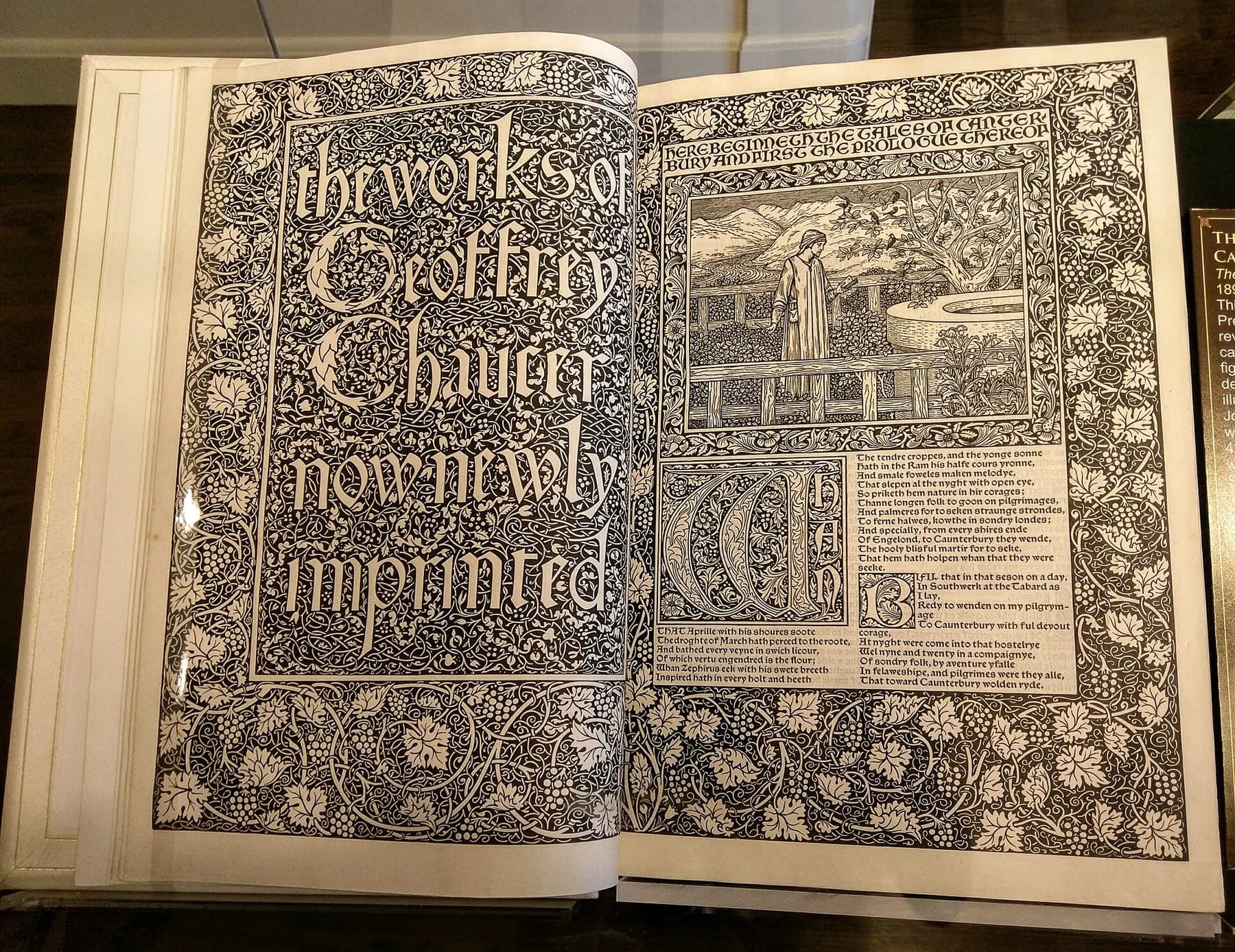
Across the WHV world
When the whole book is the work.
A historic book raises a related question about which material details belong to an object’s identity and evidence.
Books & The Art of Printing
Read the story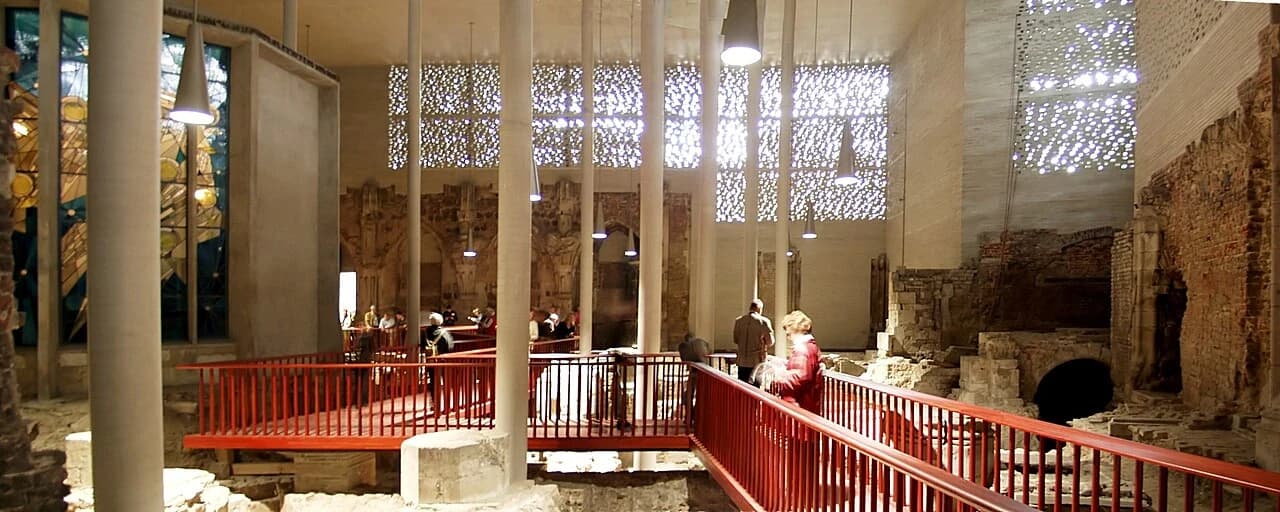
An unexpected connection
The building that keeps its ruins.
Another museum connects new architecture to surviving fabric without treating the past as an interchangeable backdrop.
Layered Architecture & Public Memory
Read the story