Discovery · Island Architecture & Climate
A village scale of hospitality.
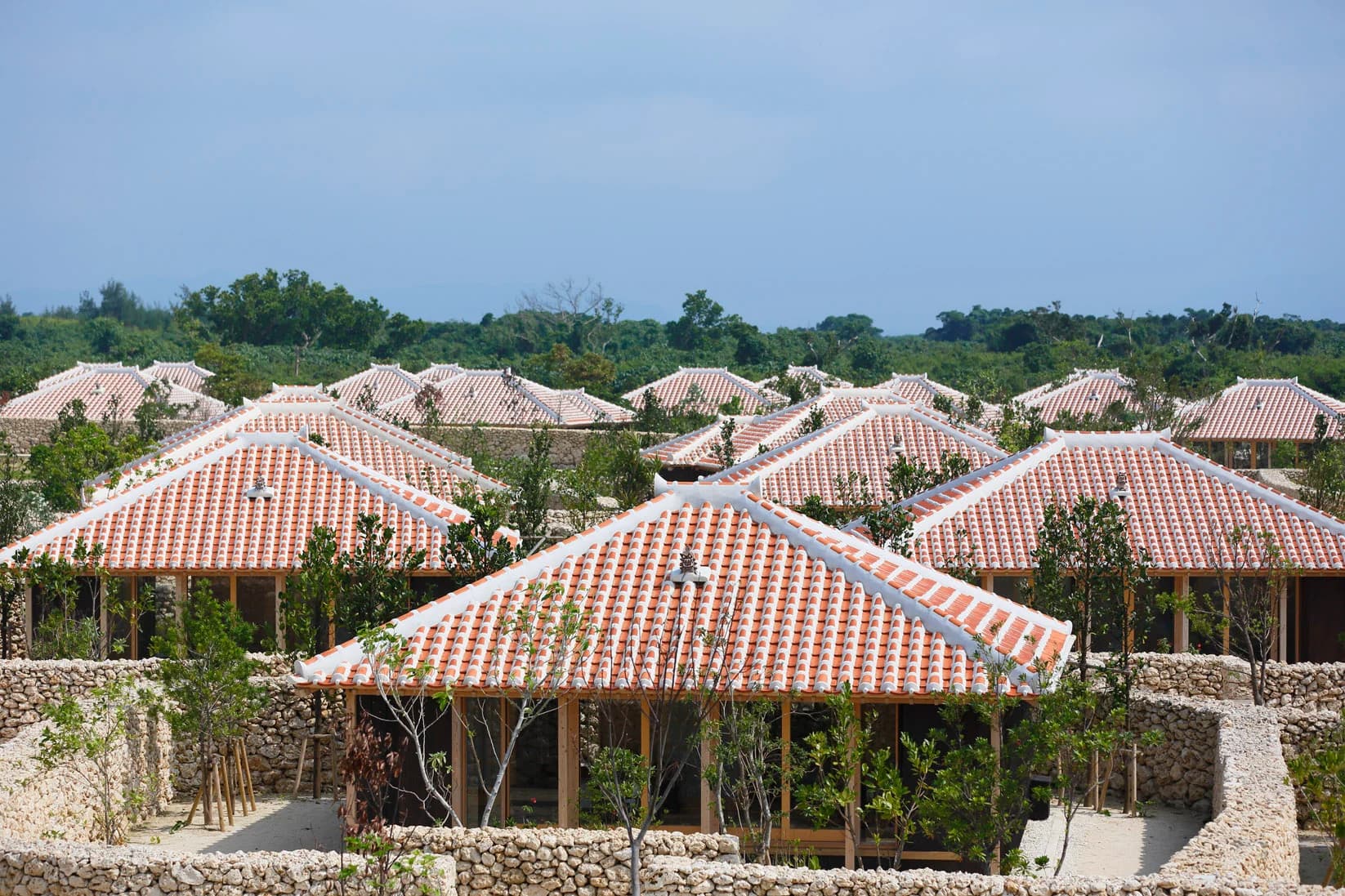
At HOSHINOYA Taketomi Island, Rie Azuma uses walls, thresholds and separate rooflines to give a contemporary resort the spatial intelligence of a village.
Read the storyTHE WHV WORLD
Architecture, landscape and the qualities that give a place meaning.
 Image: Joshua Kettle (opens source in a new tab)
IN THIS AREA
EXPLORE A SUBJECT
Discovery · Island Architecture & Climate
At HOSHINOYA Taketomi Island, Rie Azuma uses walls, thresholds and separate rooflines to give a contemporary resort the spatial intelligence of a village.
Read the storyDiscovery · Adaptive Reuse & Historic Hospitality
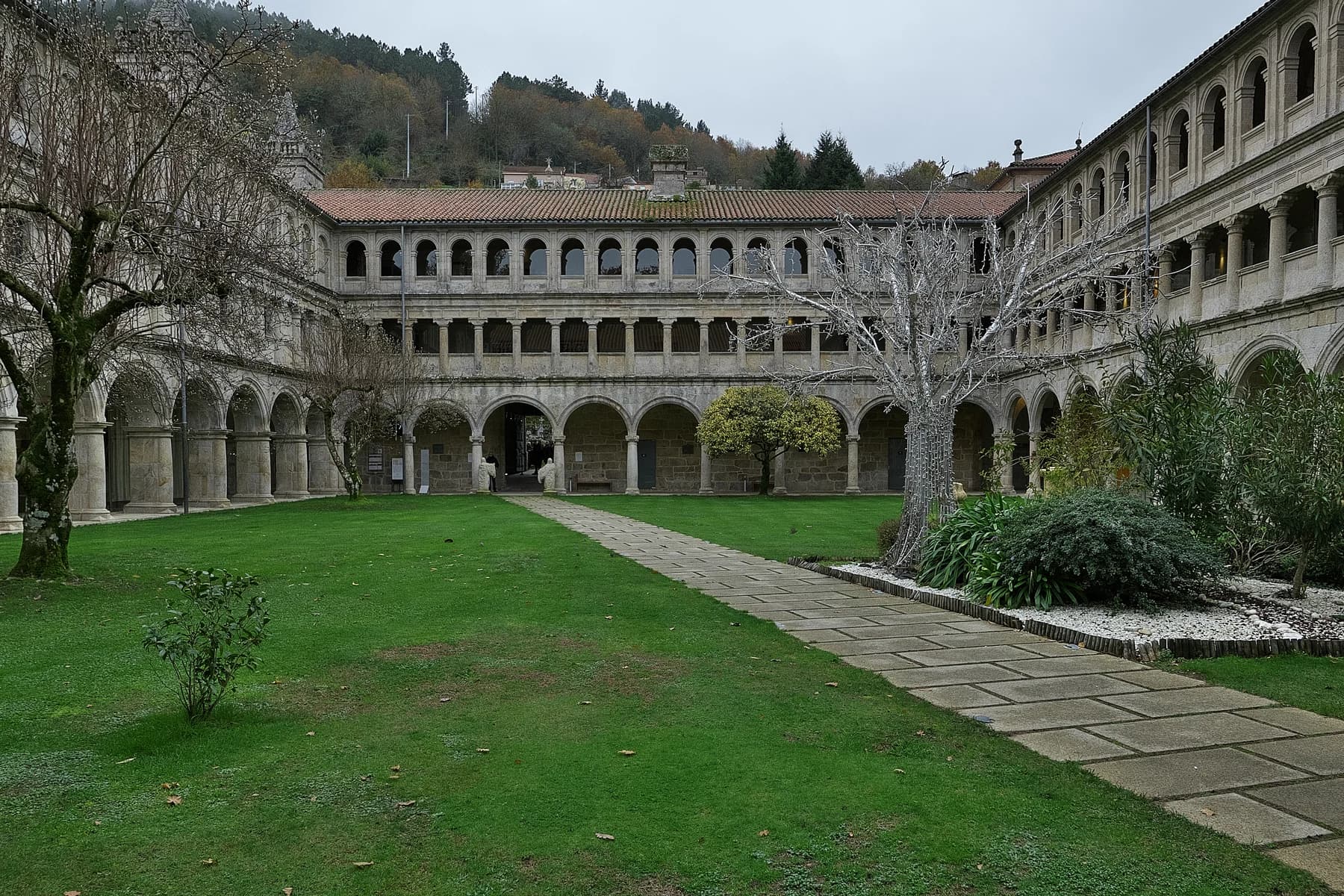
At Santo Estevo in Galicia, a former monastery has become a hotel without making its cloisters irrelevant. The attraction is the conversation between different uses of the same building.
Read the storyDiscovery · Museum Architecture & Natural Light
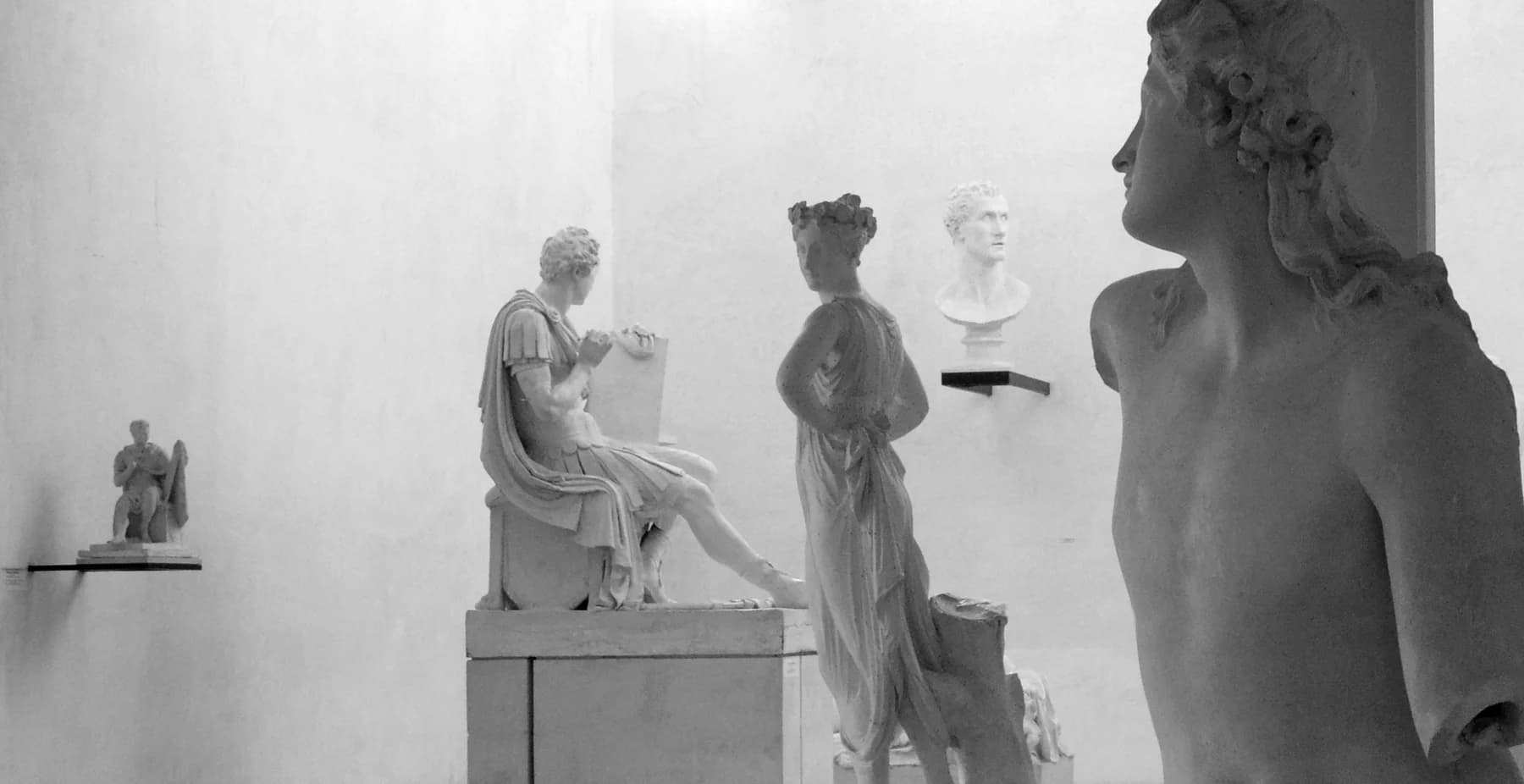
At Canova’s Gypsotheca in Possagno, Carlo Scarpa made daylight part of the collection. The building changes how the plaster sculptures can be understood.
Read the storyDiscovery · Domestic Architecture & Technical Heritage
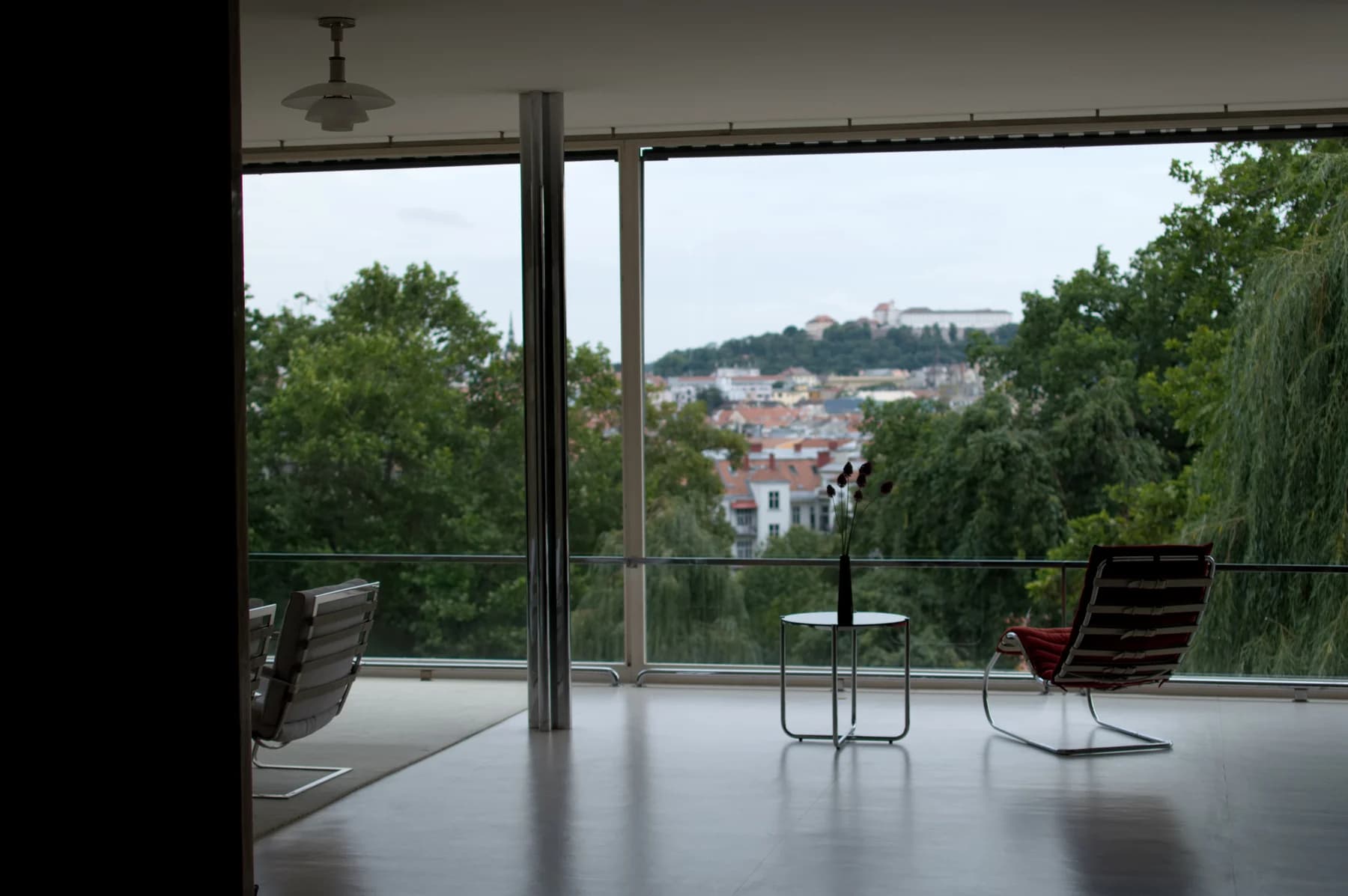
Villa Tugendhat’s apparent ease has machinery behind it. Seeing both the living space and the technical floor makes Mies van der Rohe’s Brno house more interesting, not less.
Read the storyDiscovery · Adaptive Reuse & Hospitality
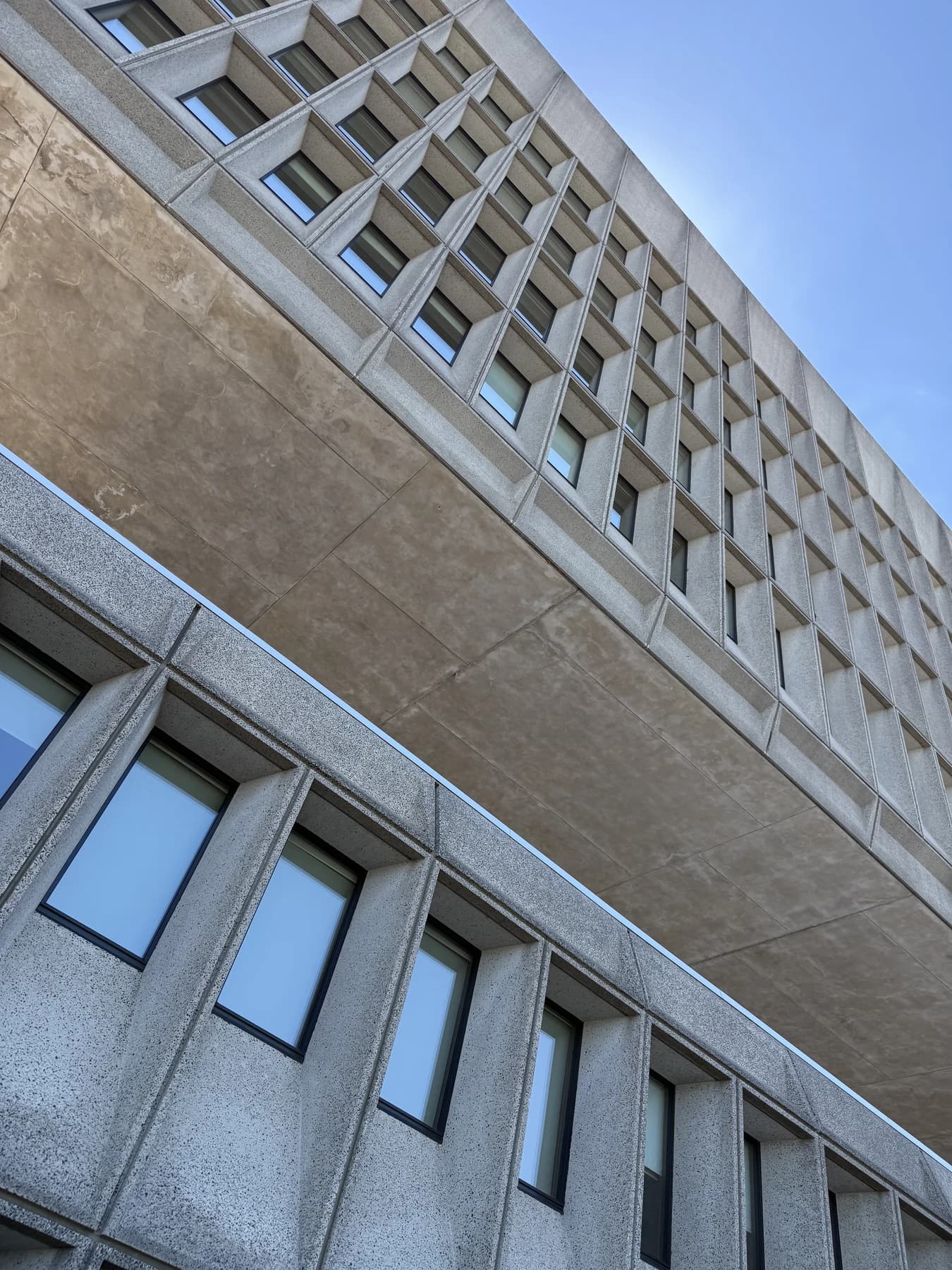
Hotel Marcel turns a former office building by Marcel Breuer into a place to stay. Its strongest proposition is that preservation and demanding new performance can be pursued together.
Read the storyDiscovery · Public Architecture & Living Traditions
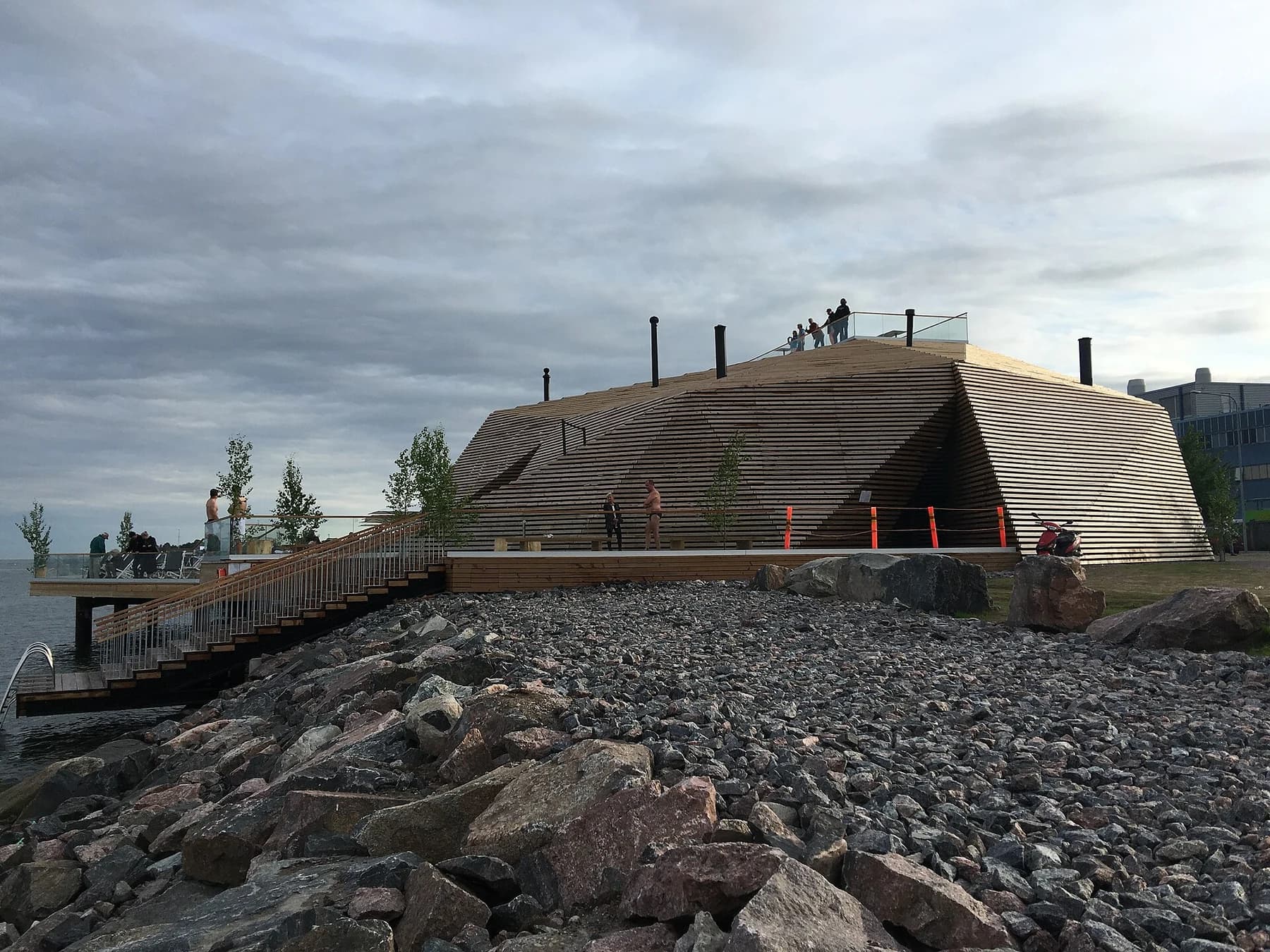
Löyly’s timber envelope is a screen, a silhouette and a set of places to look out. Avanto’s Helsinki sauna gives an everyday tradition an unusually public architectural form.
Read the storyDiscovery · Civic Architecture & Shared Resources
At Vennesla, twenty-seven timber ribs do more than shape a roof. Helen & Hard’s library turns a public service into a place people can inhabit together.
Read the storyDiscovery · Architecture & Public Ground
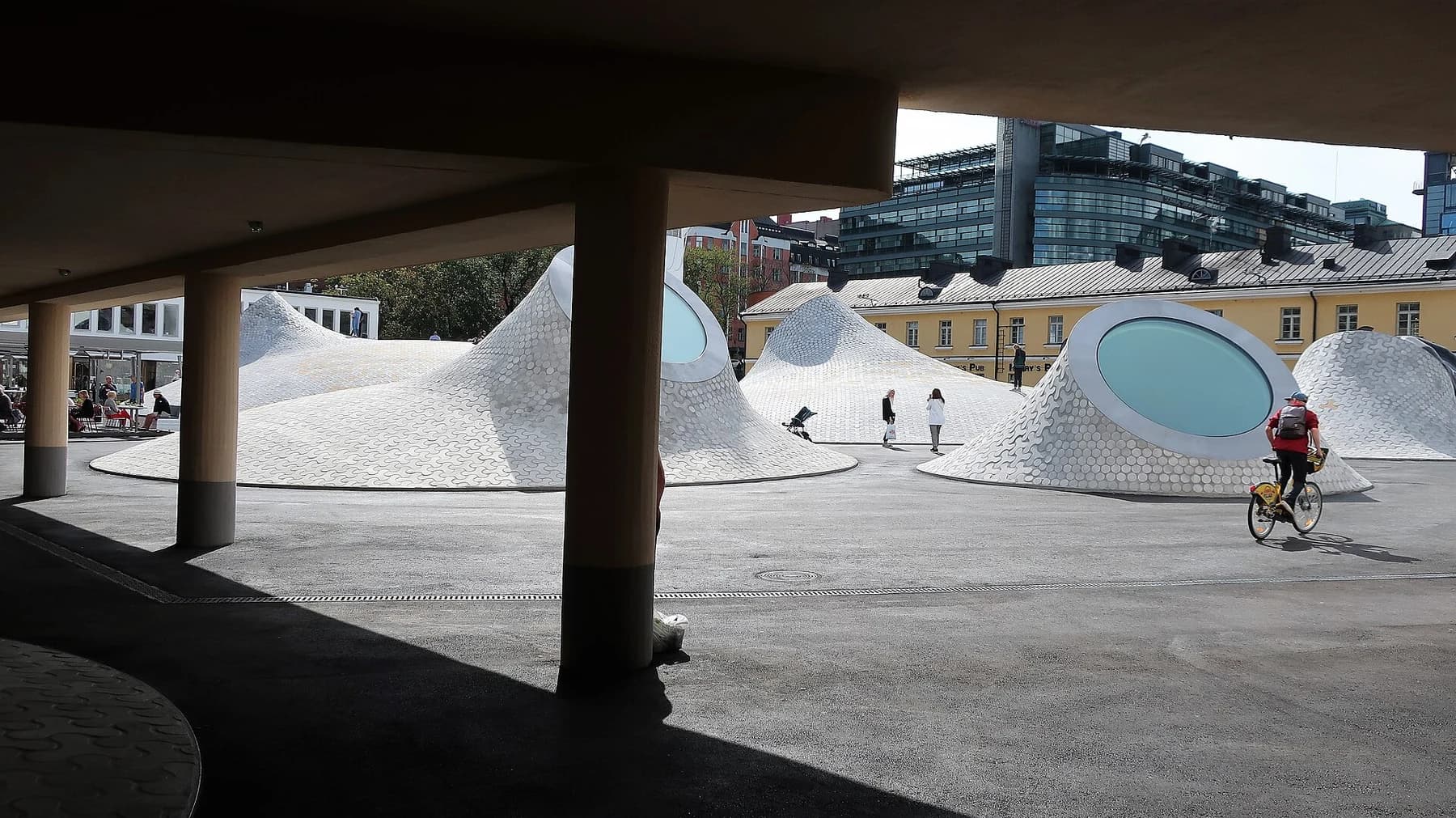
Amos Rex puts its galleries underground and makes their roof a public landscape. Helsinki gains an art museum without losing the life of the square above it.
Read the storyDiscovery · Housing & Collective Stewardship
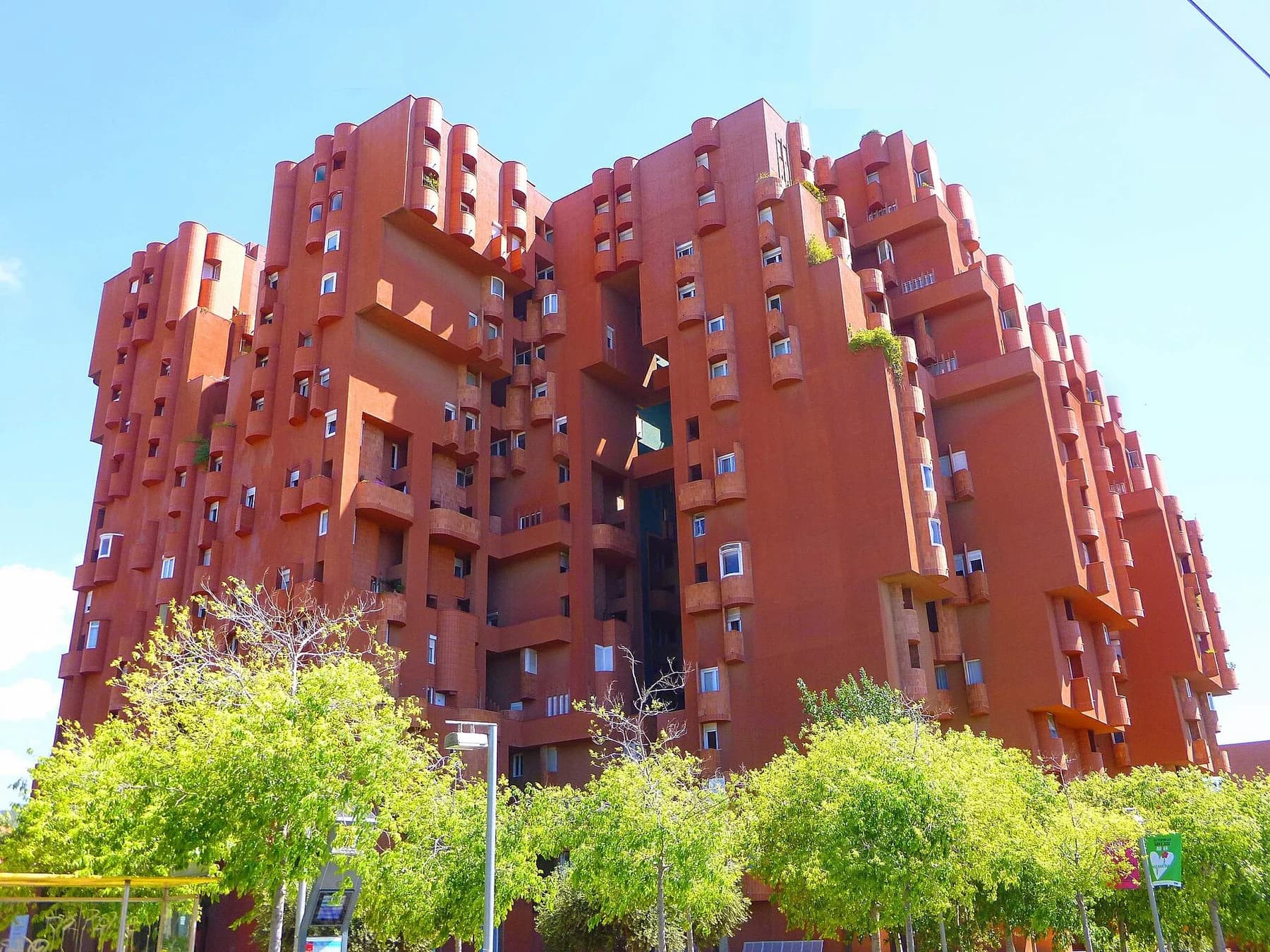
Walden 7 is more than a striking red building. Its residents’ account reveals an architectural experiment that survived through repair, organisation and continued habitation.
Read the storyDiscovery · Architecture & The Ethics of Restoration
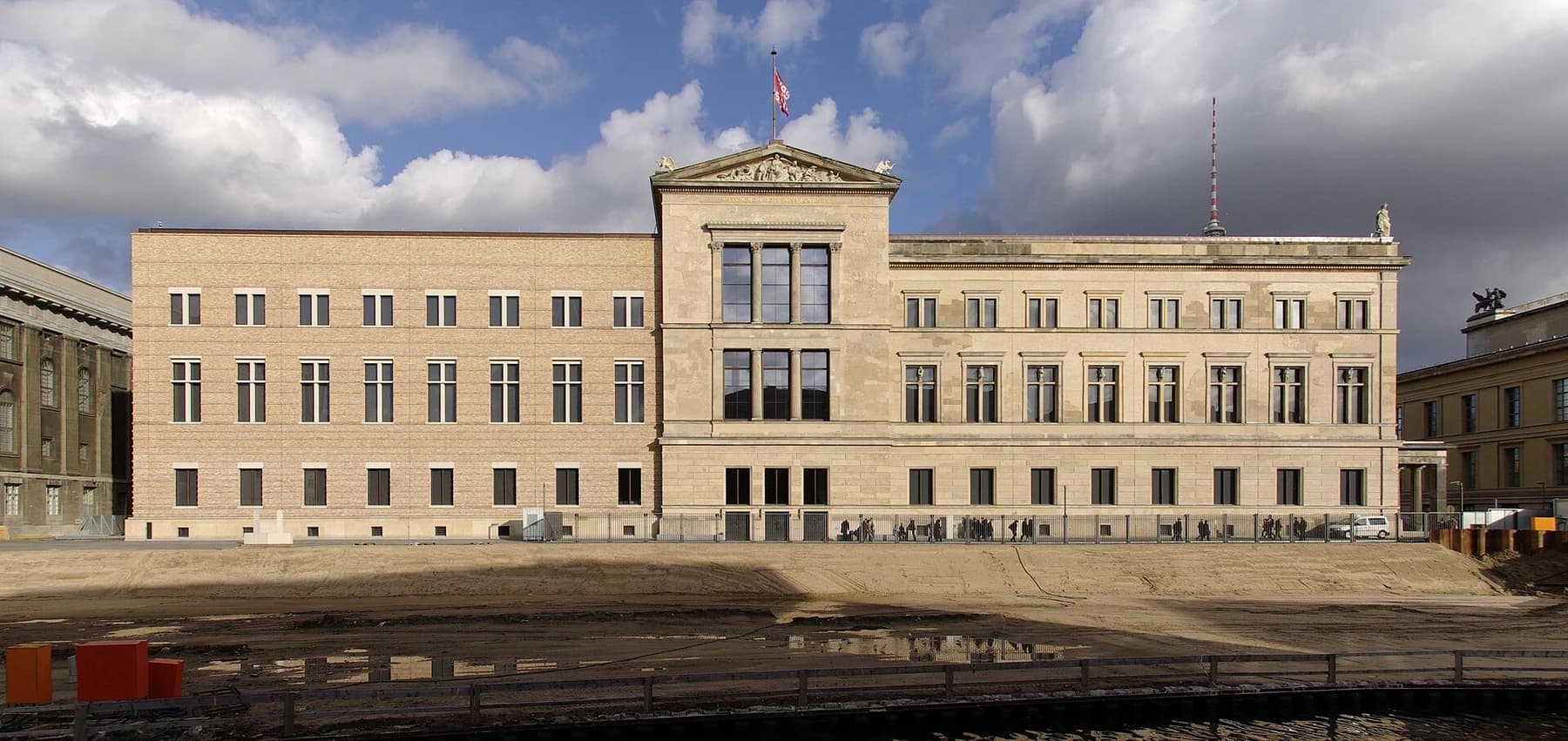
Berlin’s Neues Museum shows another way to bring a damaged building back. Old fabric and new intervention remain distinguishable without making the place unusable.
Read the storyDiscovery · Civic Architecture & Continuing Use
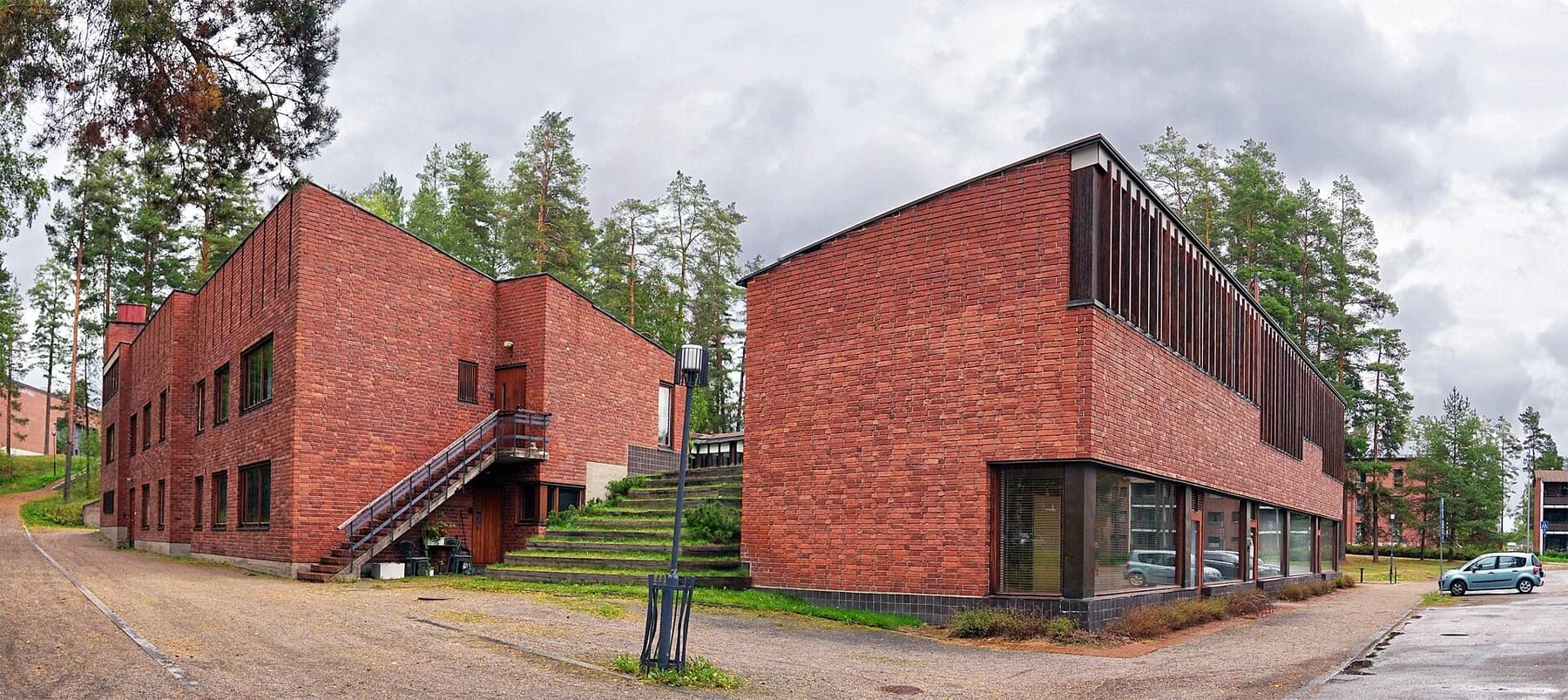
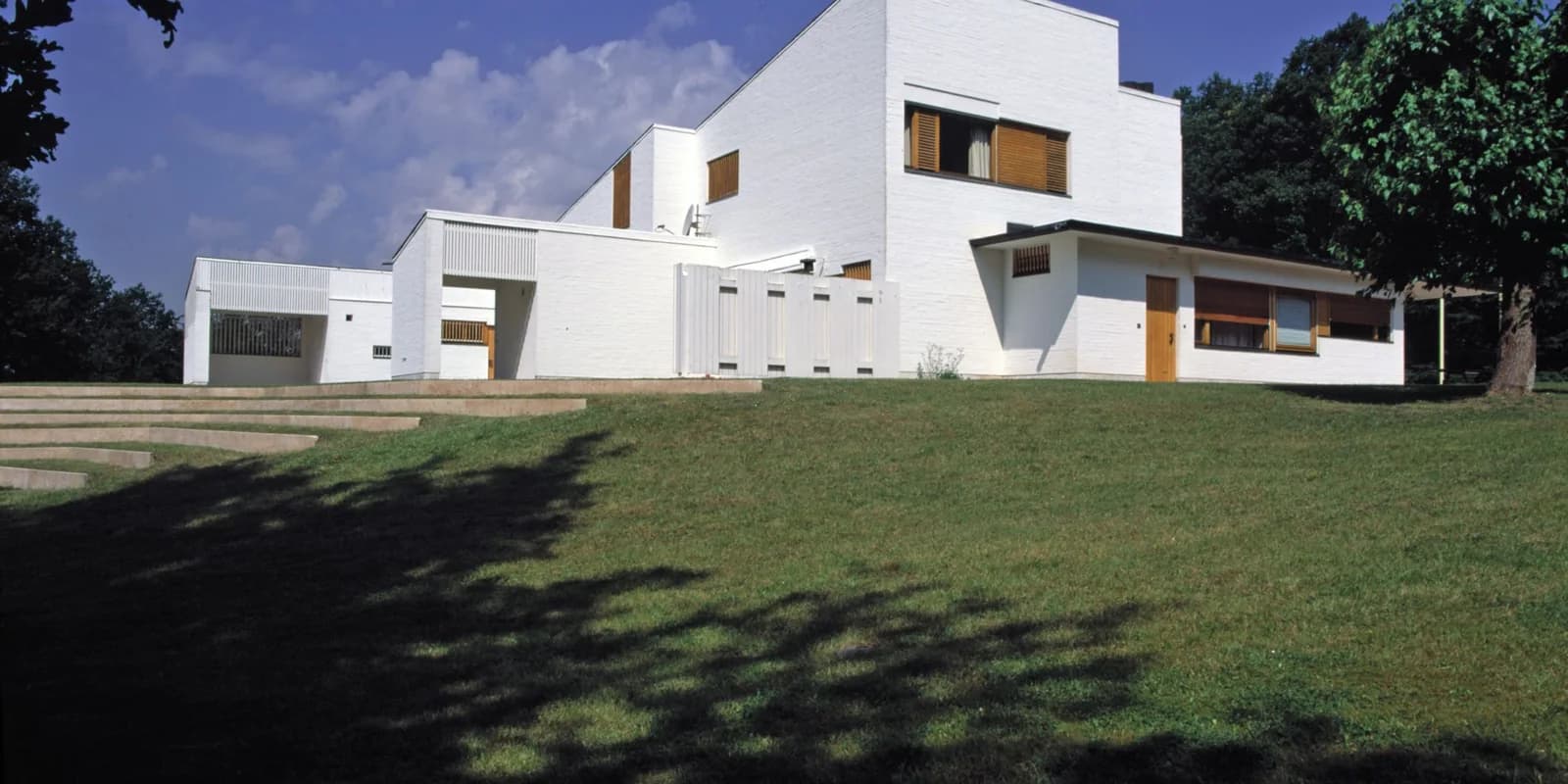
Alvar Aalto’s Säynätsalo Town Hall brings public life, a courtyard and places to stay into one brick ensemble. Its architecture can still be encountered through use.
Read the storyDiscovery · Museums & Daylight Architecture
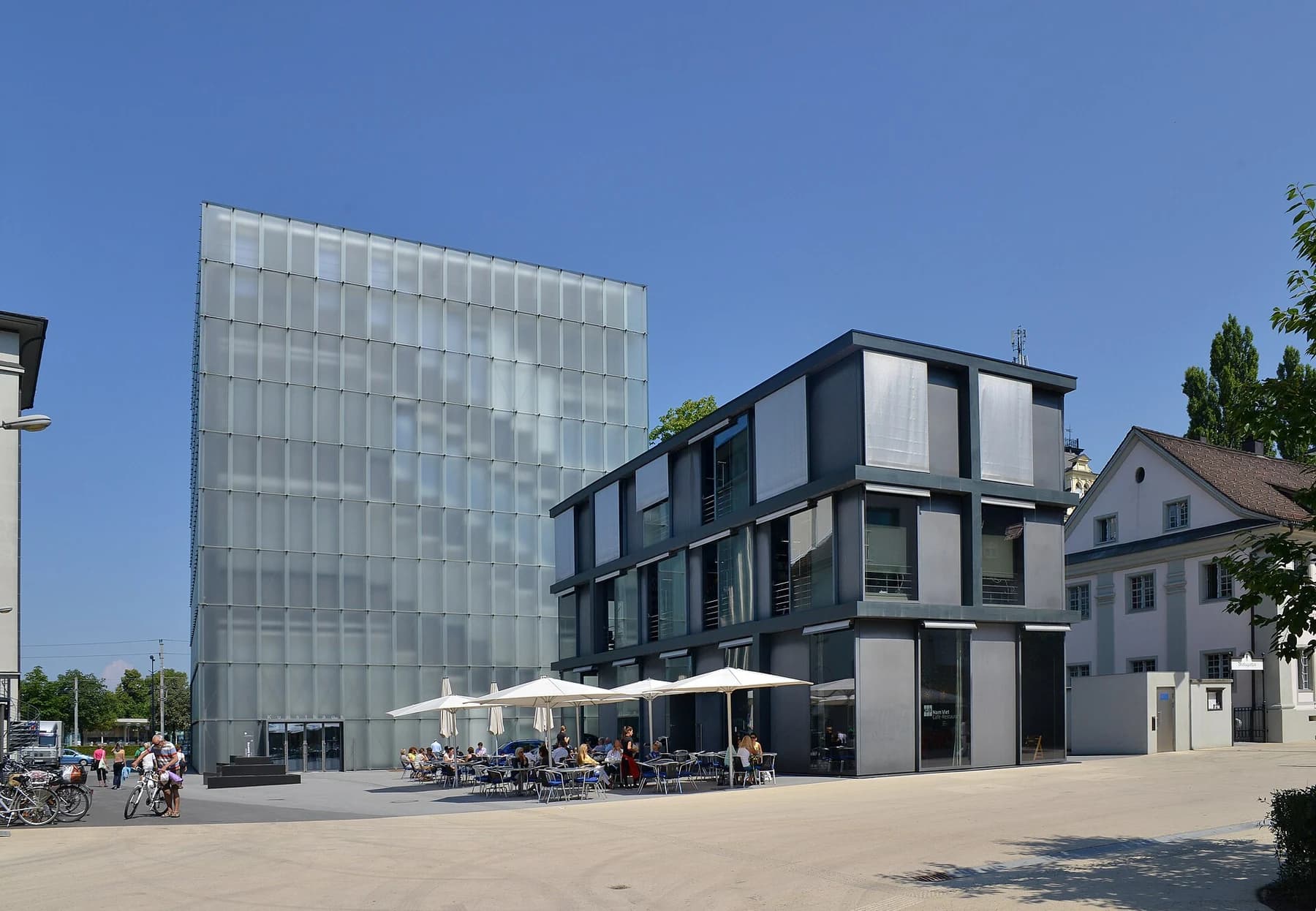
Peter Zumthor’s Kunsthaus Bregenz is more than a glass box. Its envelope turns daylight into part of the experience of looking at art.
Read the storyDiscovery · Industrial Architecture & Continuing Use
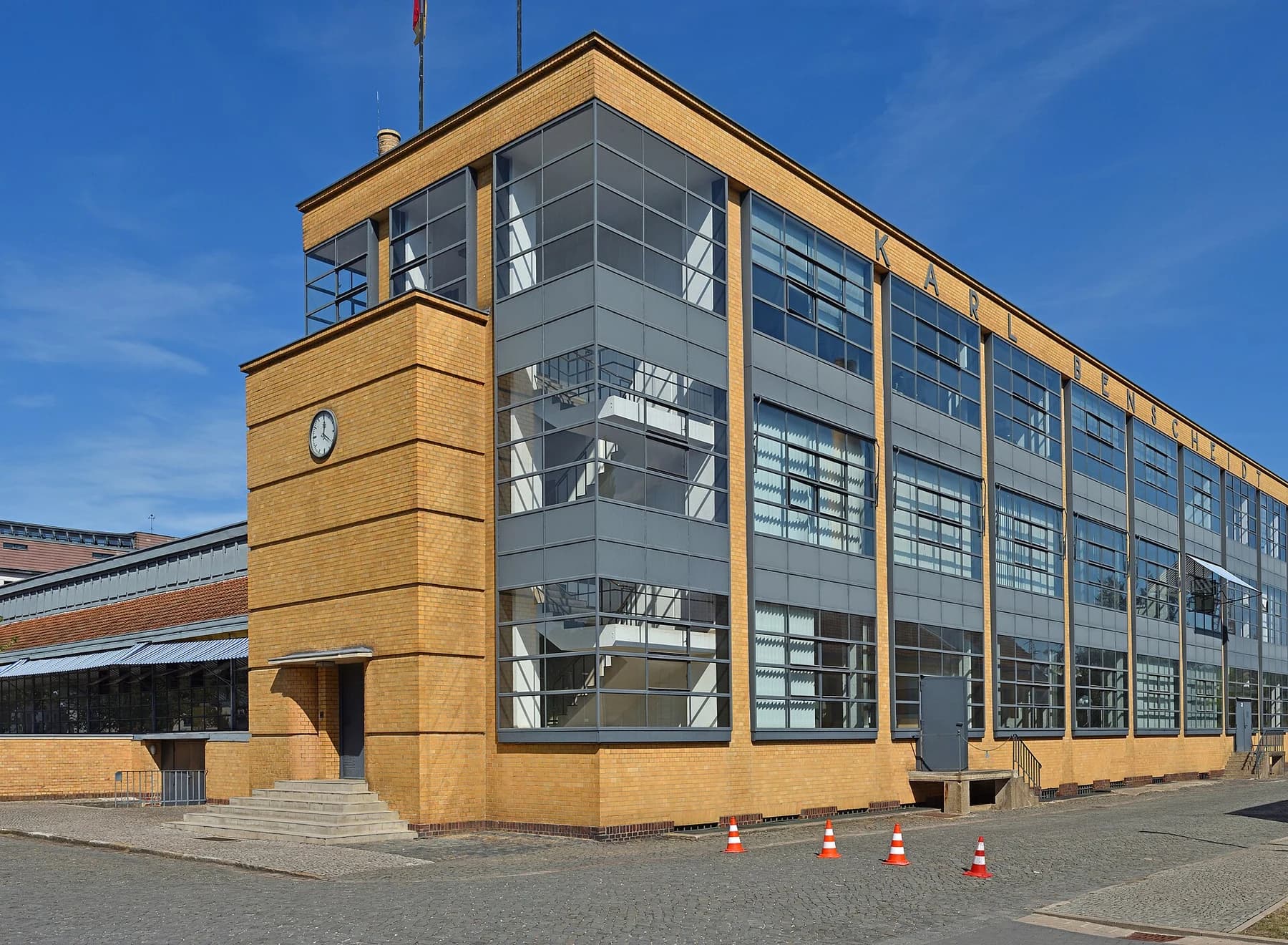
The Fagus factory in Alfeld helped change the language of industrial architecture. Its continuing working life matters as much as its glass corners.
Read the storyDiscovery · Experimental Housing & Material Continuity
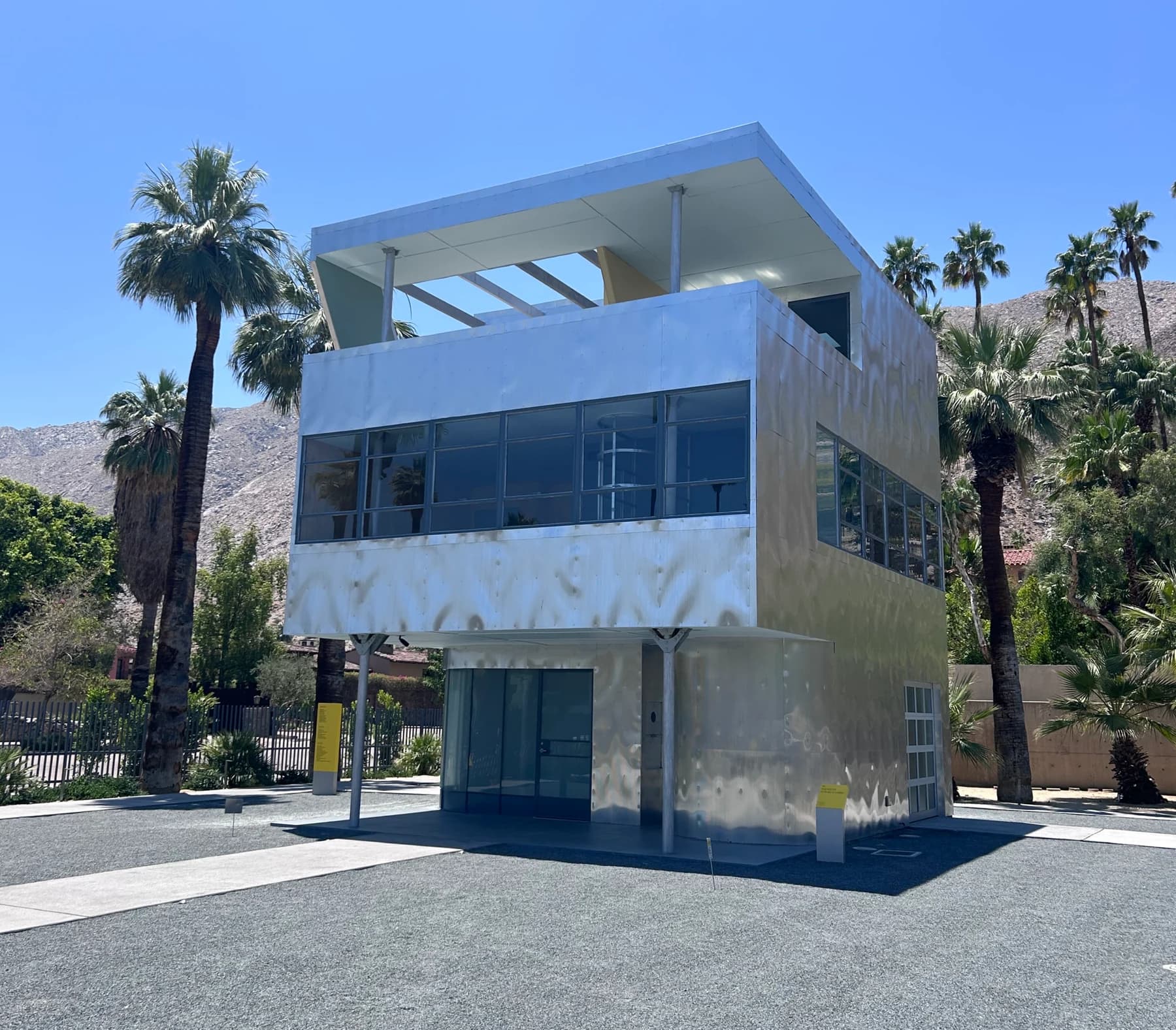
Aluminaire House began as a 1931 argument for industrially made housing. Its reconstruction in Palm Springs gives that unfinished argument a visible second life.
Read the storyDiscovery · Art Deco & Architectural Stewardship
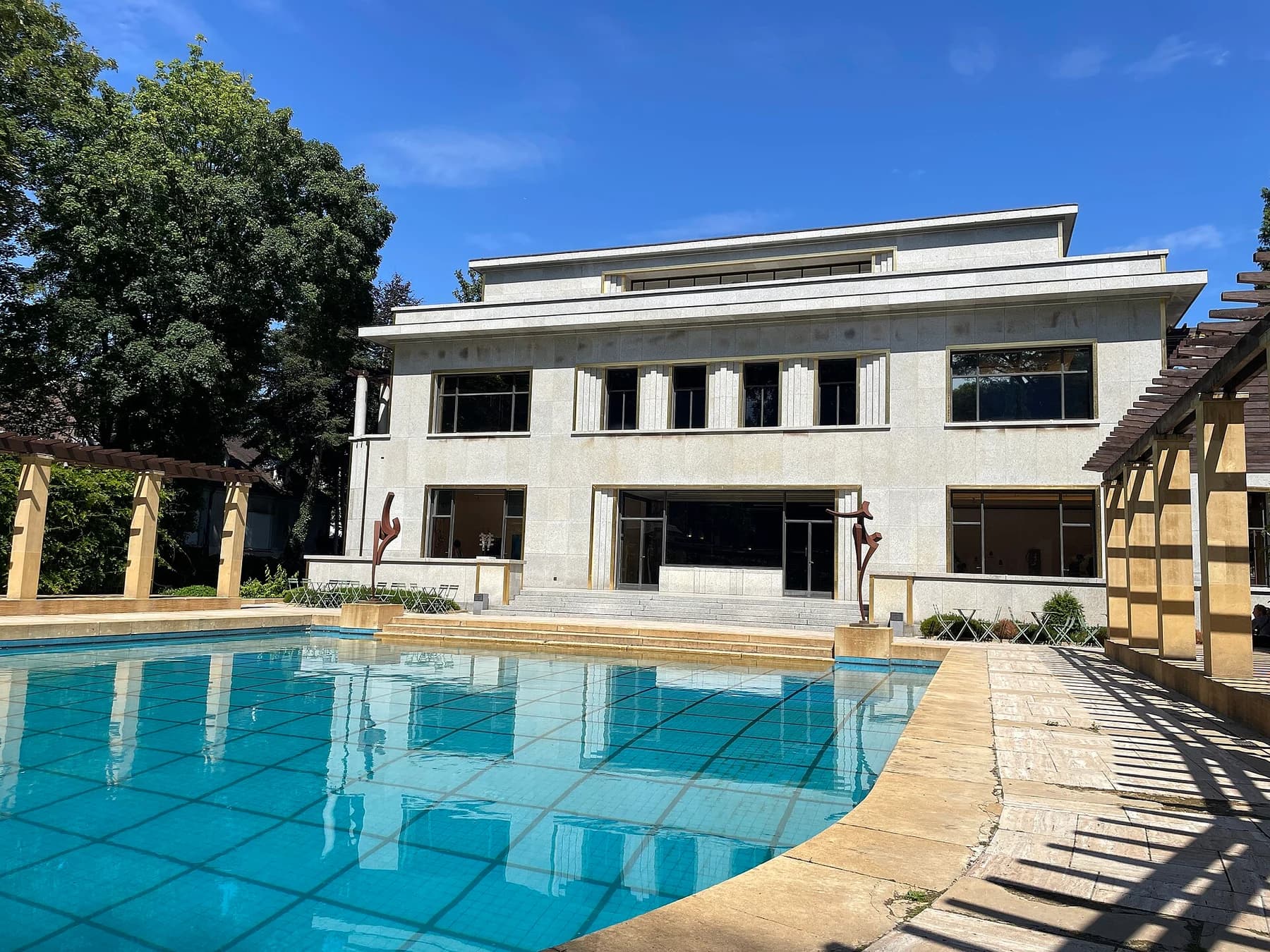
Villa Empain in Brussels is more than a restored Art Deco interior. Its continuing public life shows what preservation has to do after the photographs are taken.
Read the storyDiscovery · Architecture & Human Dignity
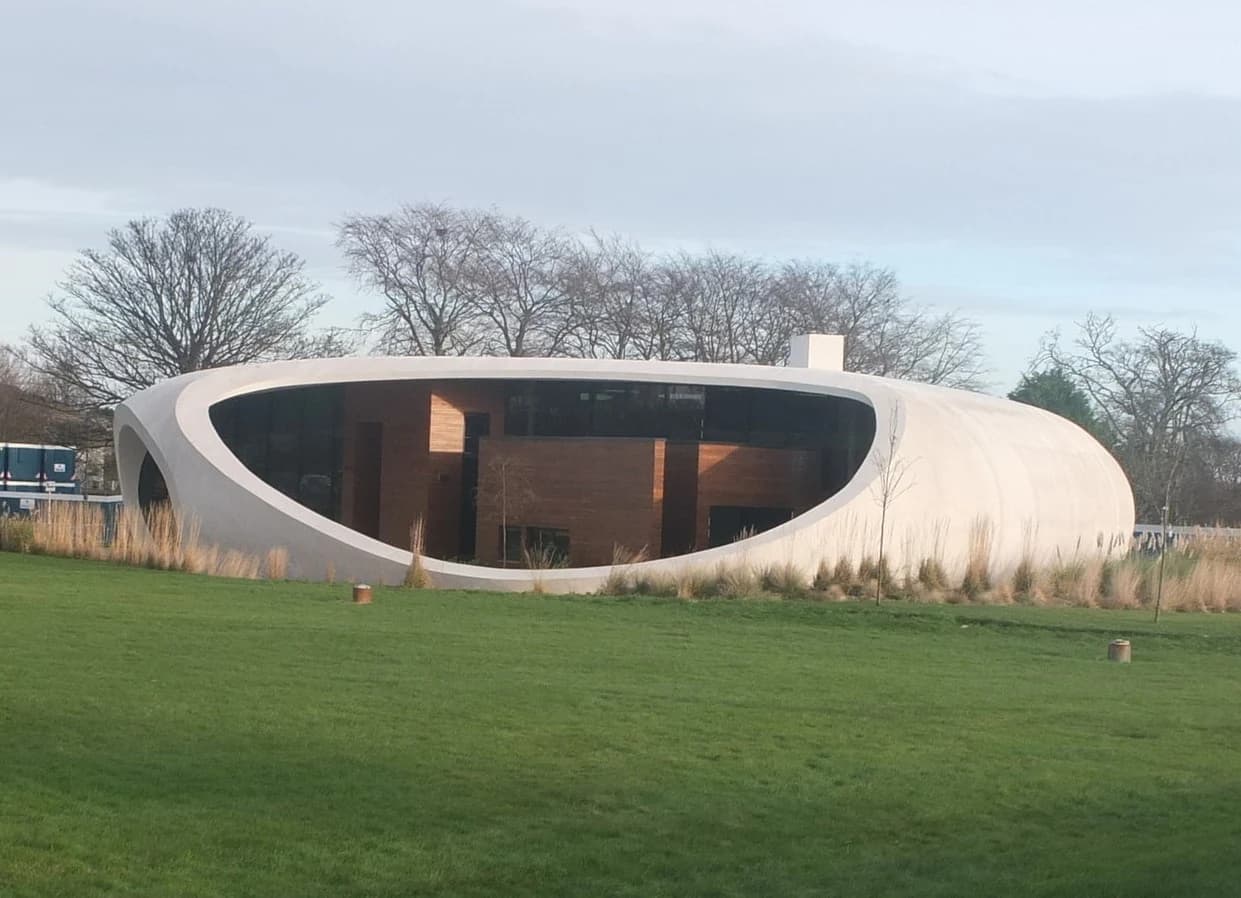
Snøhetta’s Maggie’s Aberdeen puts thoughtful architecture at the service of people affected by cancer. Its purpose is more important than its sculptural outline.
Read the storyDiscovery · Landscape & Architecture
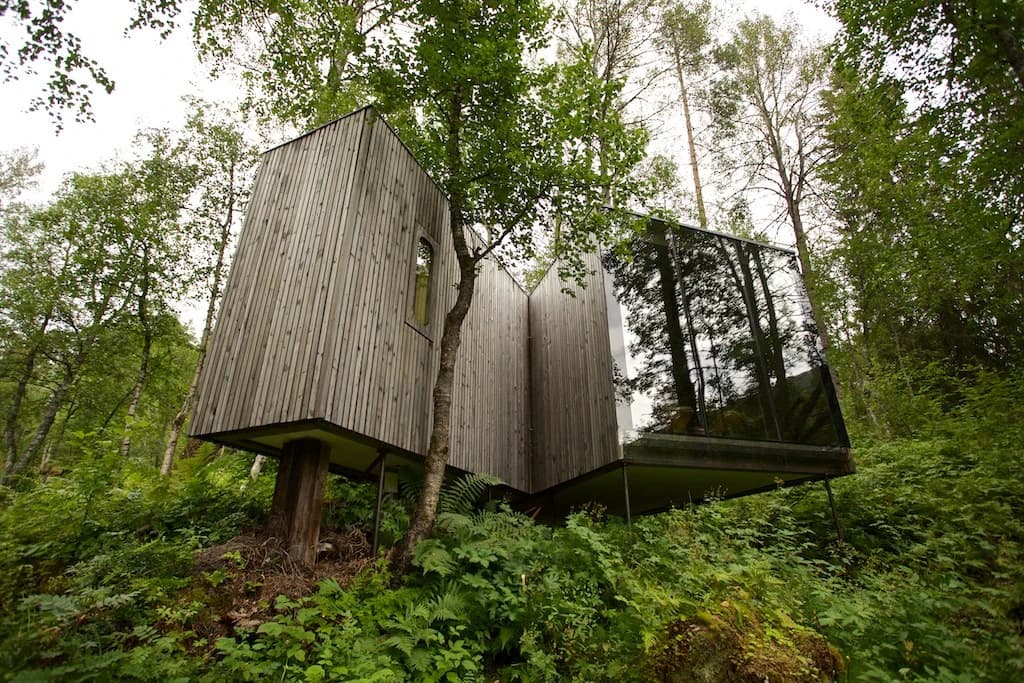
At Juvet in Norway, privacy comes partly from the direction a room faces. The landscape is not a decorative backdrop added after the building.
Read the storyDiscovery · Architecture & Cultural Stewardship
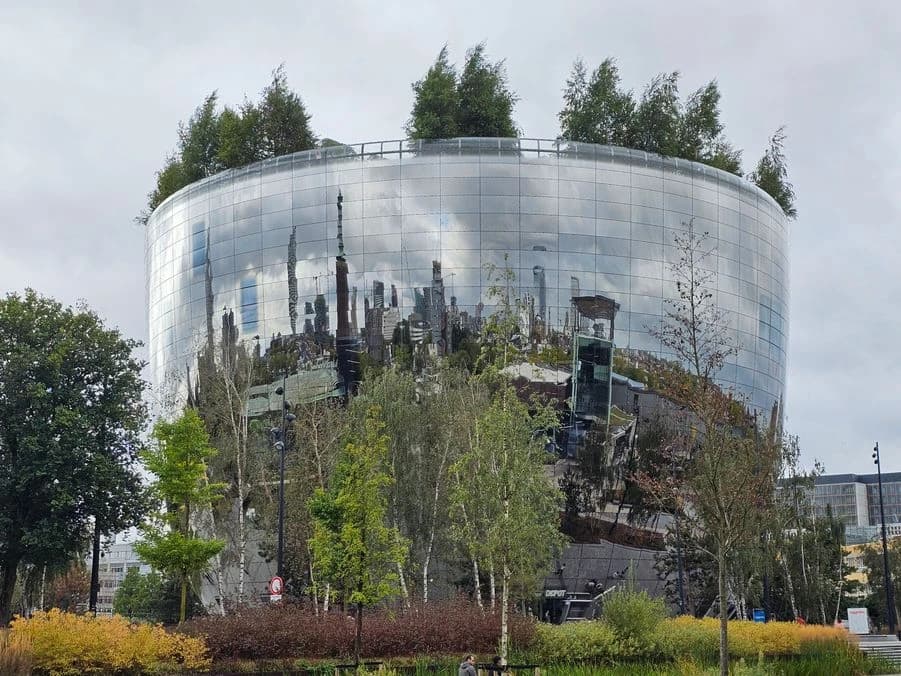
Rotterdam’s Depot Boijmans Van Beuningen turns art storage into a public encounter. The most important exhibit may be the work that keeps a collection alive.
Read the storyDiscovery · Adaptive Reuse & Aviation Architecture
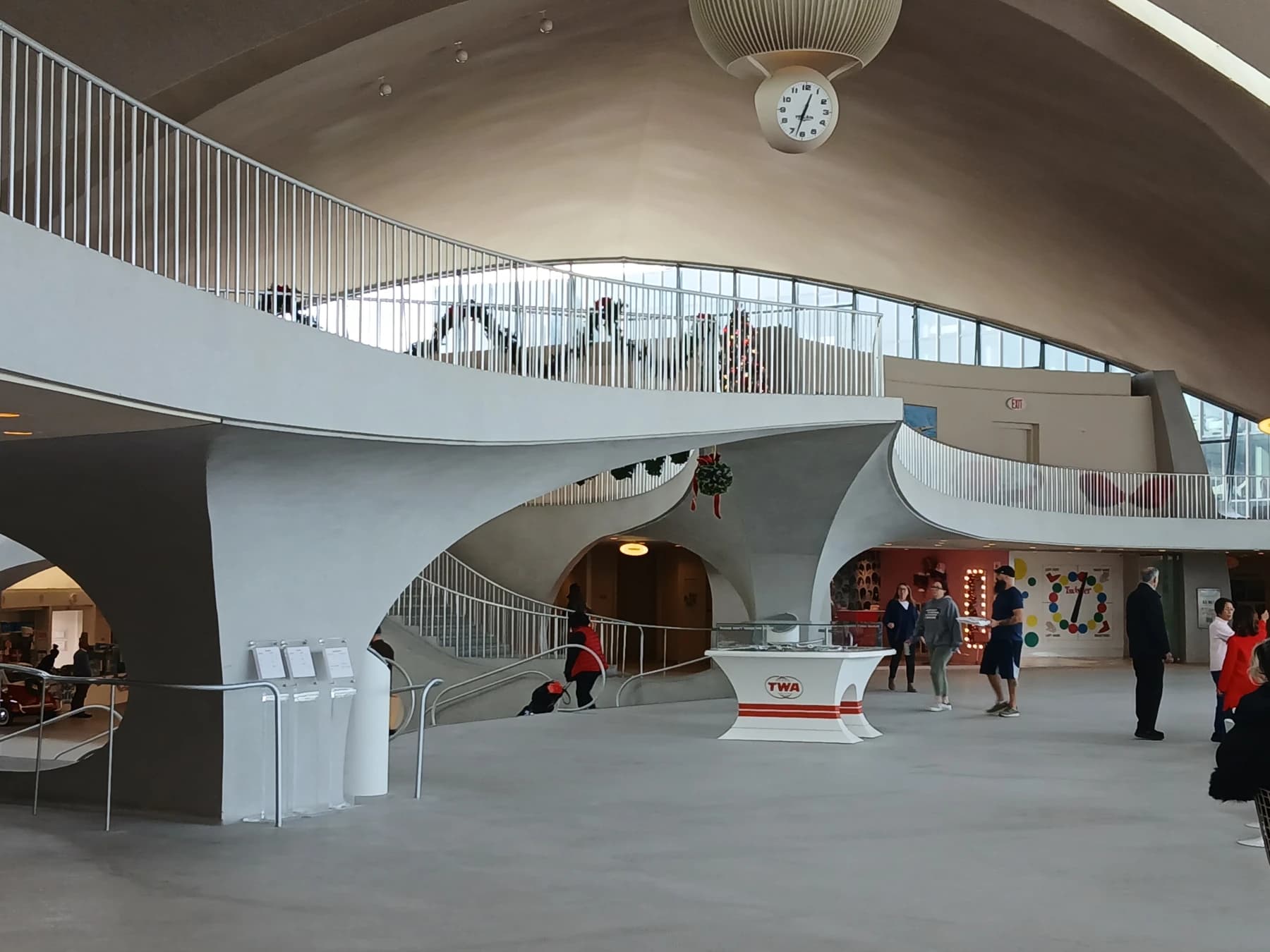
The TWA Flight Center no longer needs to function as its original airline terminal to remain an extraordinary place to arrive.
Read the storyDiscovery · Libraries & Public Architecture
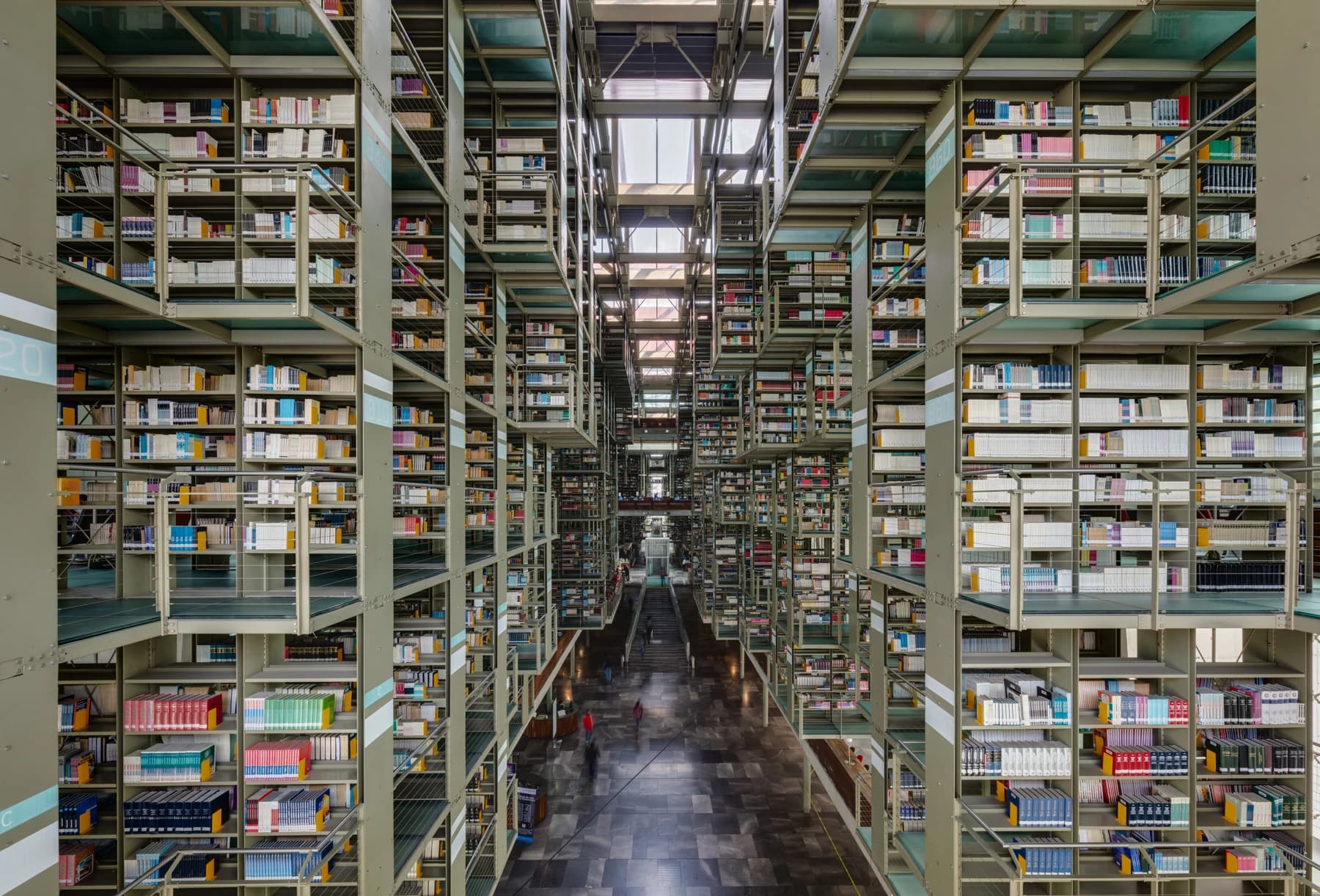
At Mexico City’s Biblioteca Vasconcelos, suspended bookshelves make knowledge feel like a landscape you can enter.
Read the storyDiscovery · Adaptive Reuse & Cultural Infrastructure
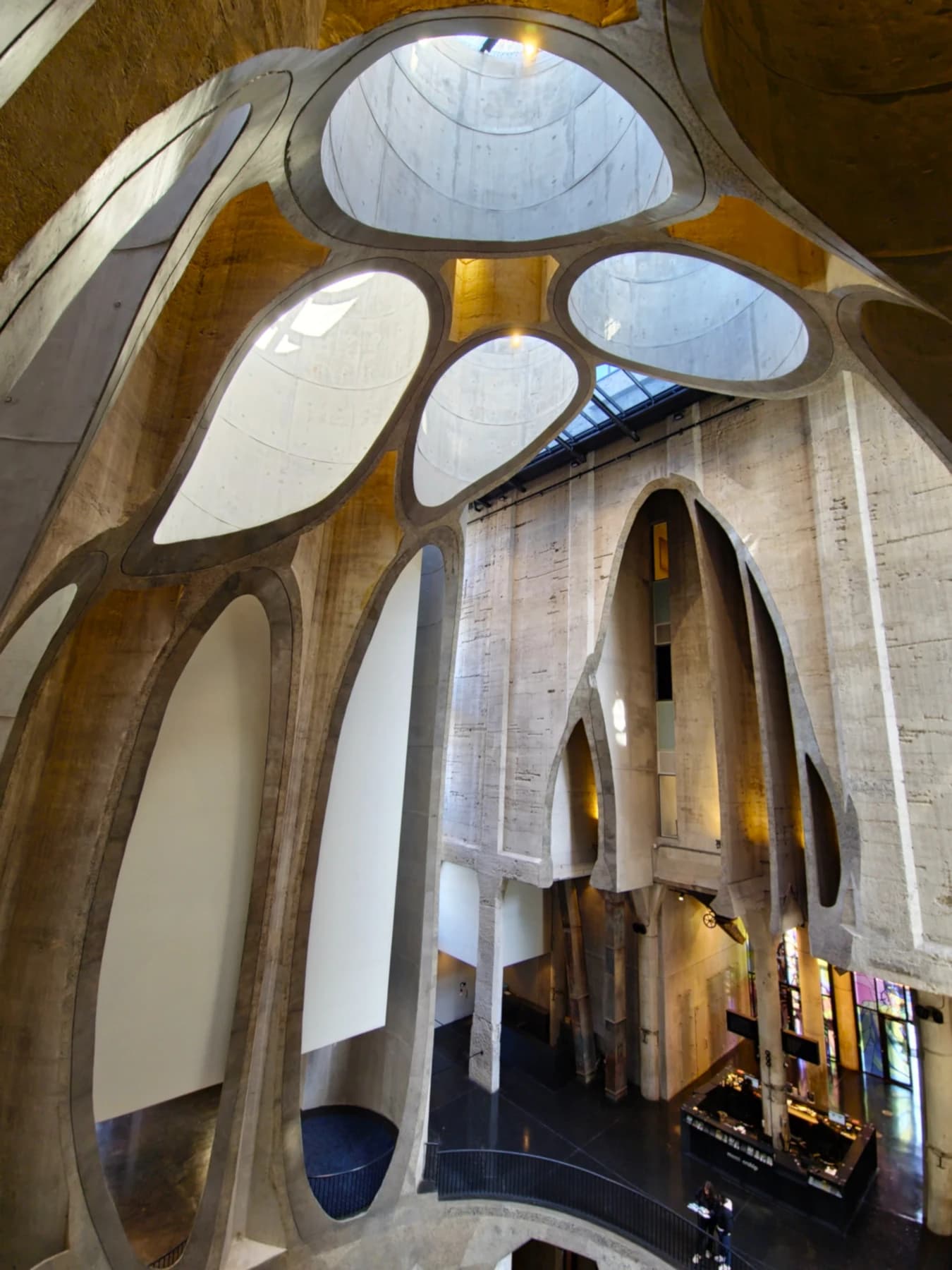
At Zeitz MOCAA, an extraordinary entrance was carved from a structure designed to hold grain. The old tubes become the starting point for a new public interior.
Read the storyDiscovery · Cooperative Housing & Shared Ownership
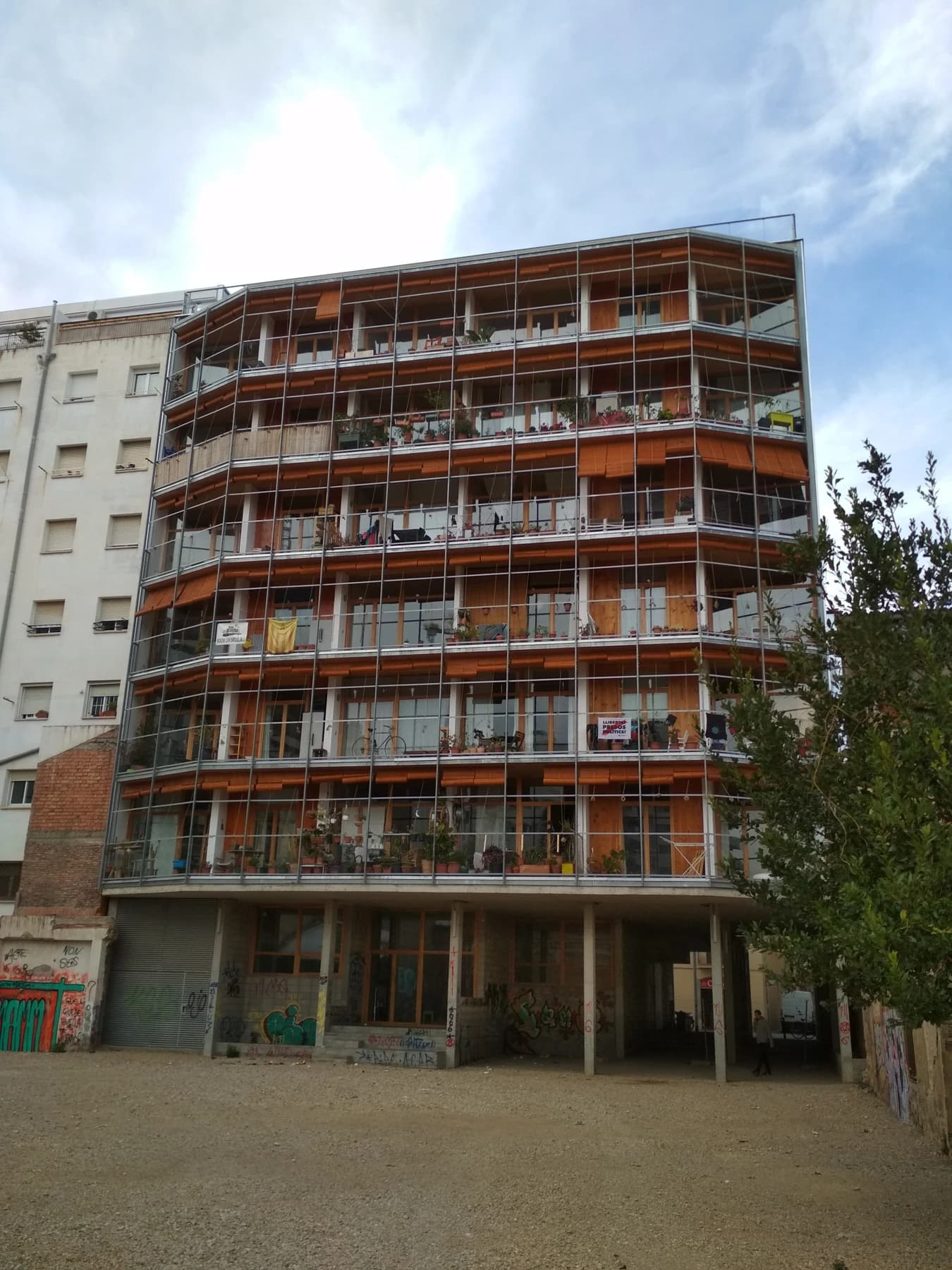
Barcelona’s La Borda separates the right to inhabit a home from the right to sell it. Its architecture is only half of the experiment.
Read the storyDiscovery · Adaptive Reuse & Public Roof Landscapes
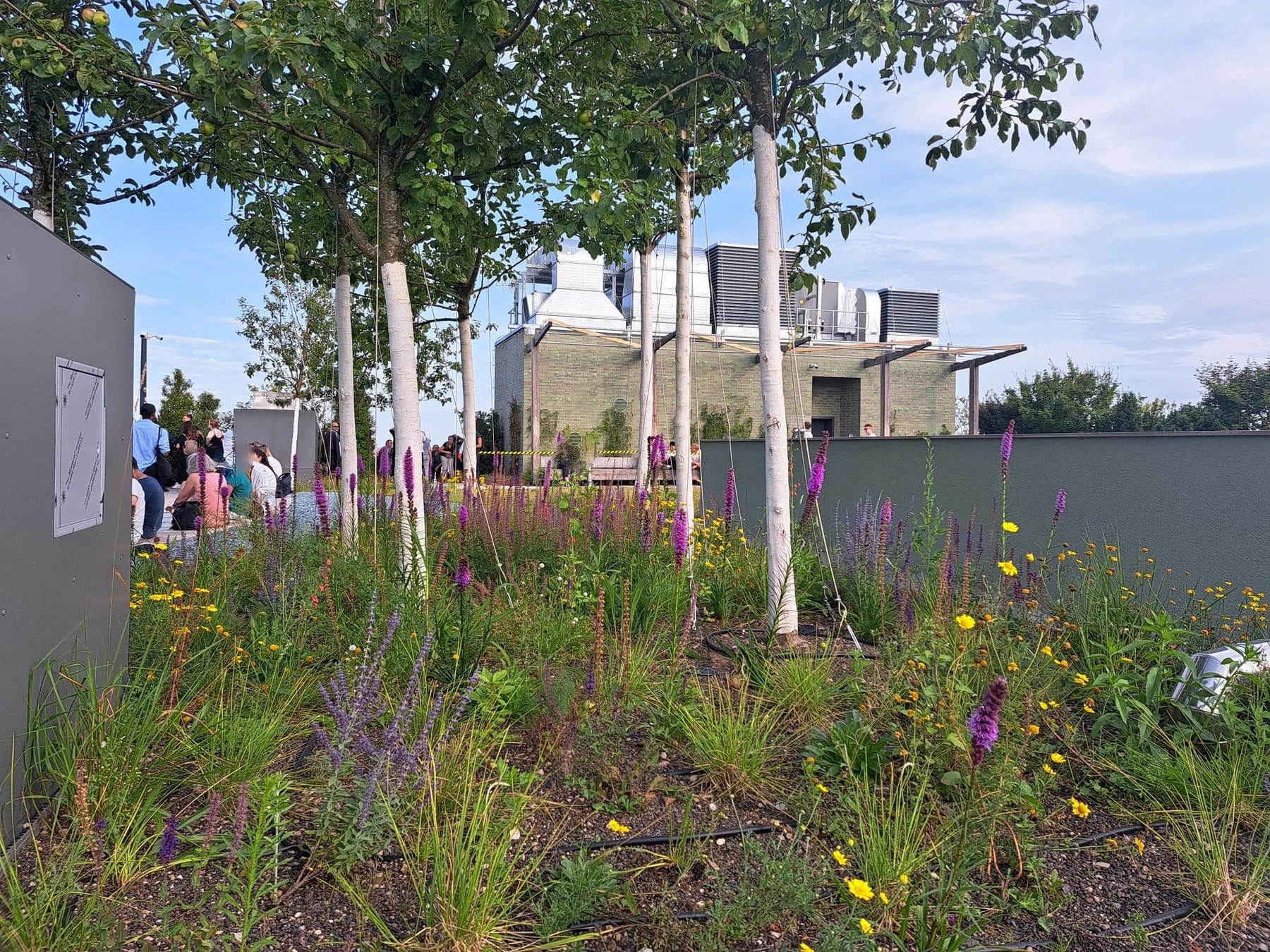
The St. Pauli bunker carries a public garden above a wartime structure. Its value depends on making room for present-day life without allowing the planting to conceal how the building began.
Read the storyDiscovery · Experimental Housing & Inhabited Heritage
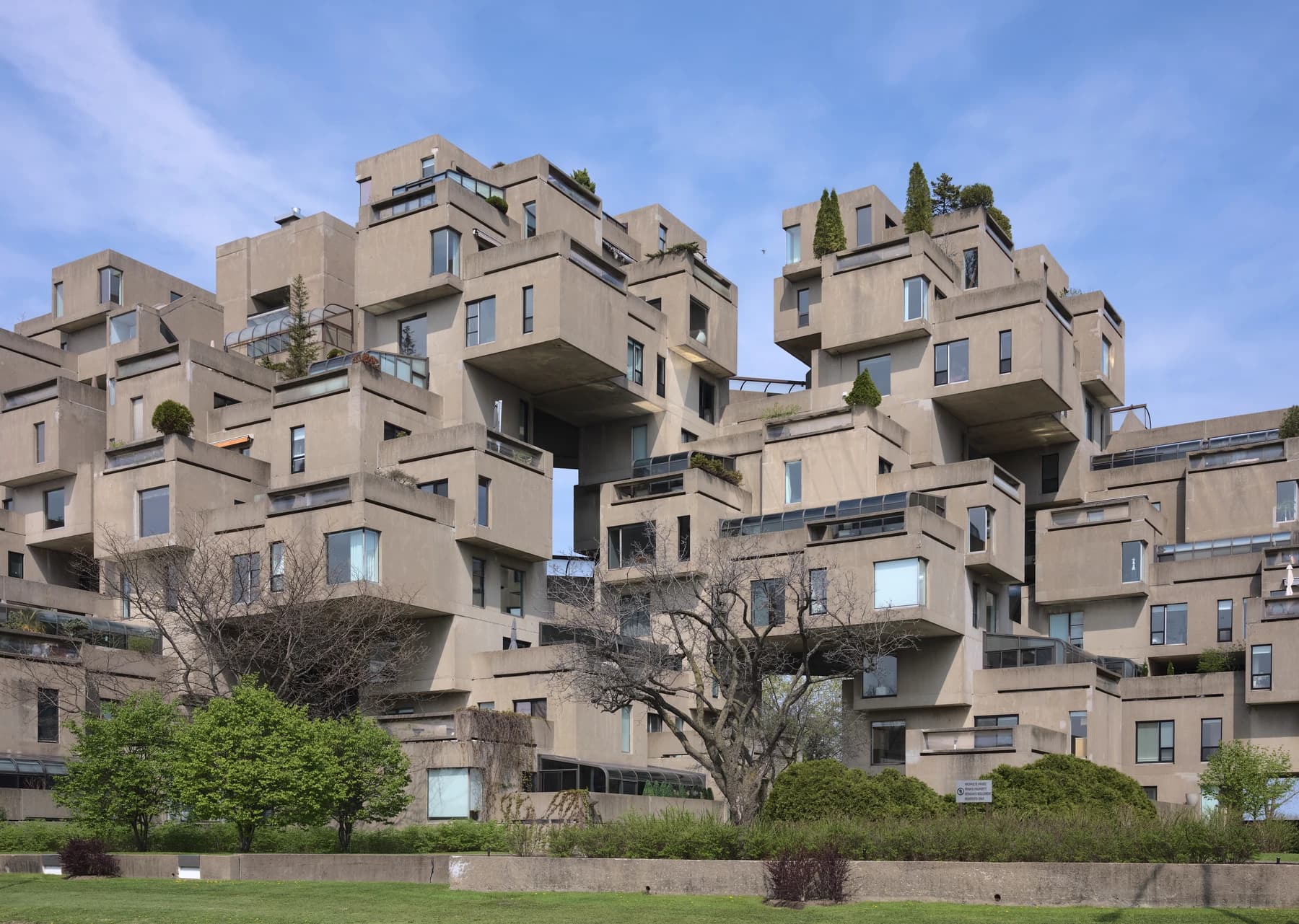
Habitat 67 stacks homes without surrendering the idea of a private terrace. Almost six decades later, its strongest argument is that people still live inside the experiment.
Read the storyDiscovery · Urban Reuse & Public Water Landscapes
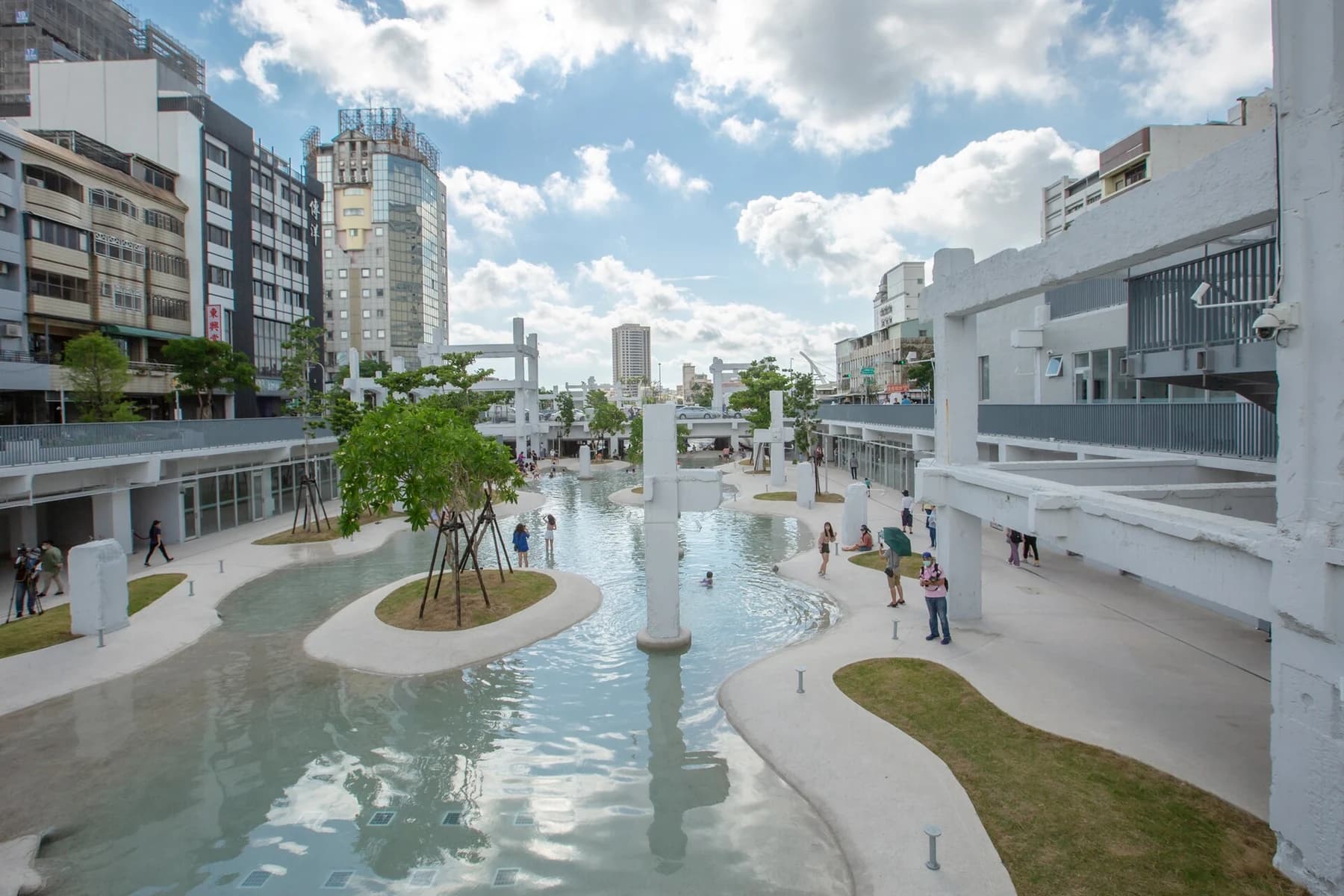
At Tainan Spring, the remains of a shopping mall help frame a sunken public landscape. The useful inheritance is not another shop, but another way for the city to occupy the site.
Read the storyDiscovery · Sacred Architecture & Material Attention
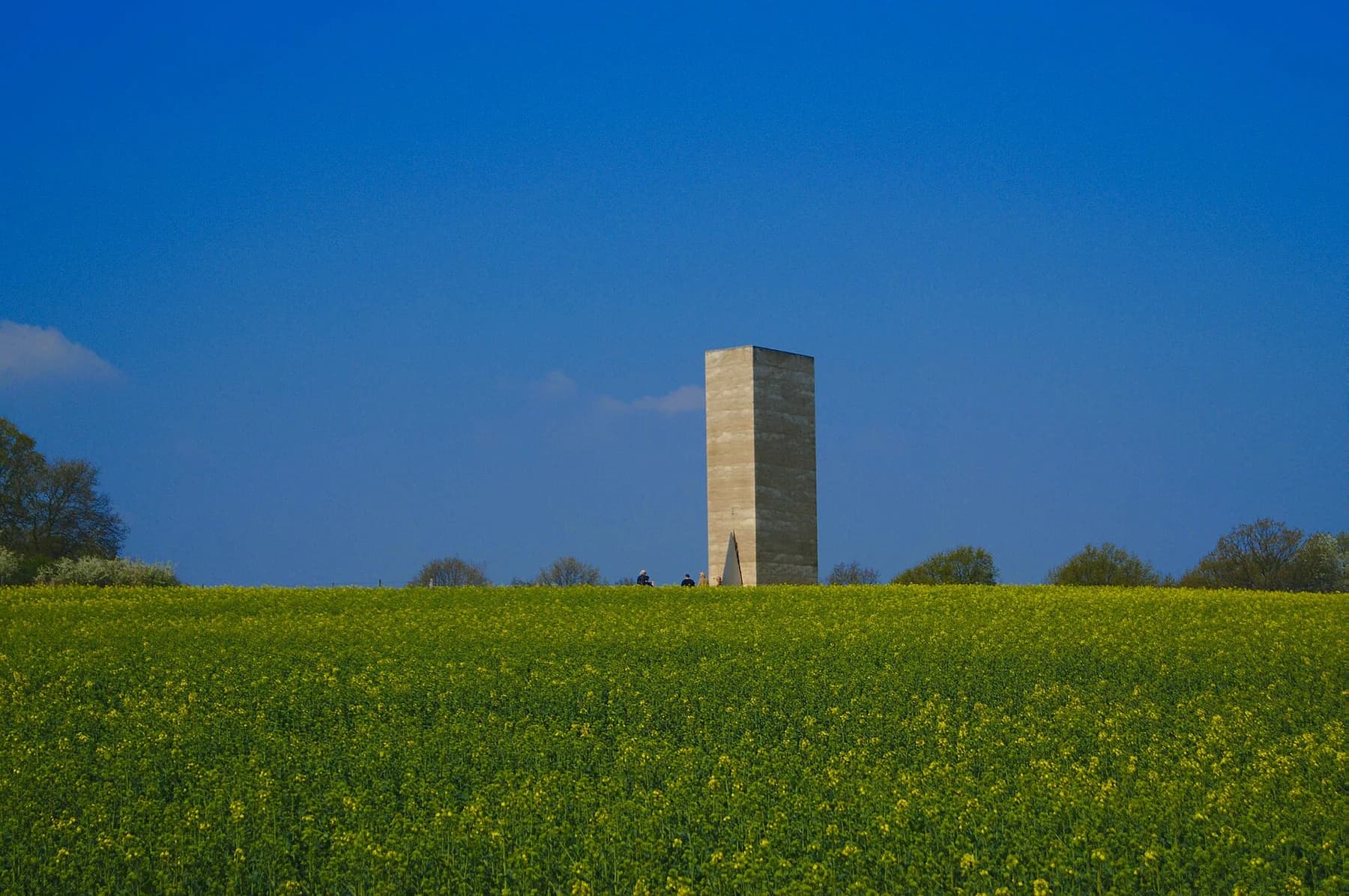
Peter Zumthor’s Bruder Klaus chapel stands in a field rather than at the centre of a grand complex. Its scale, changing light and continuing devotional purpose give the architecture more than a striking silhouette.
Read the storyDiscovery · Timber Architecture & Shared Cultural Buildings
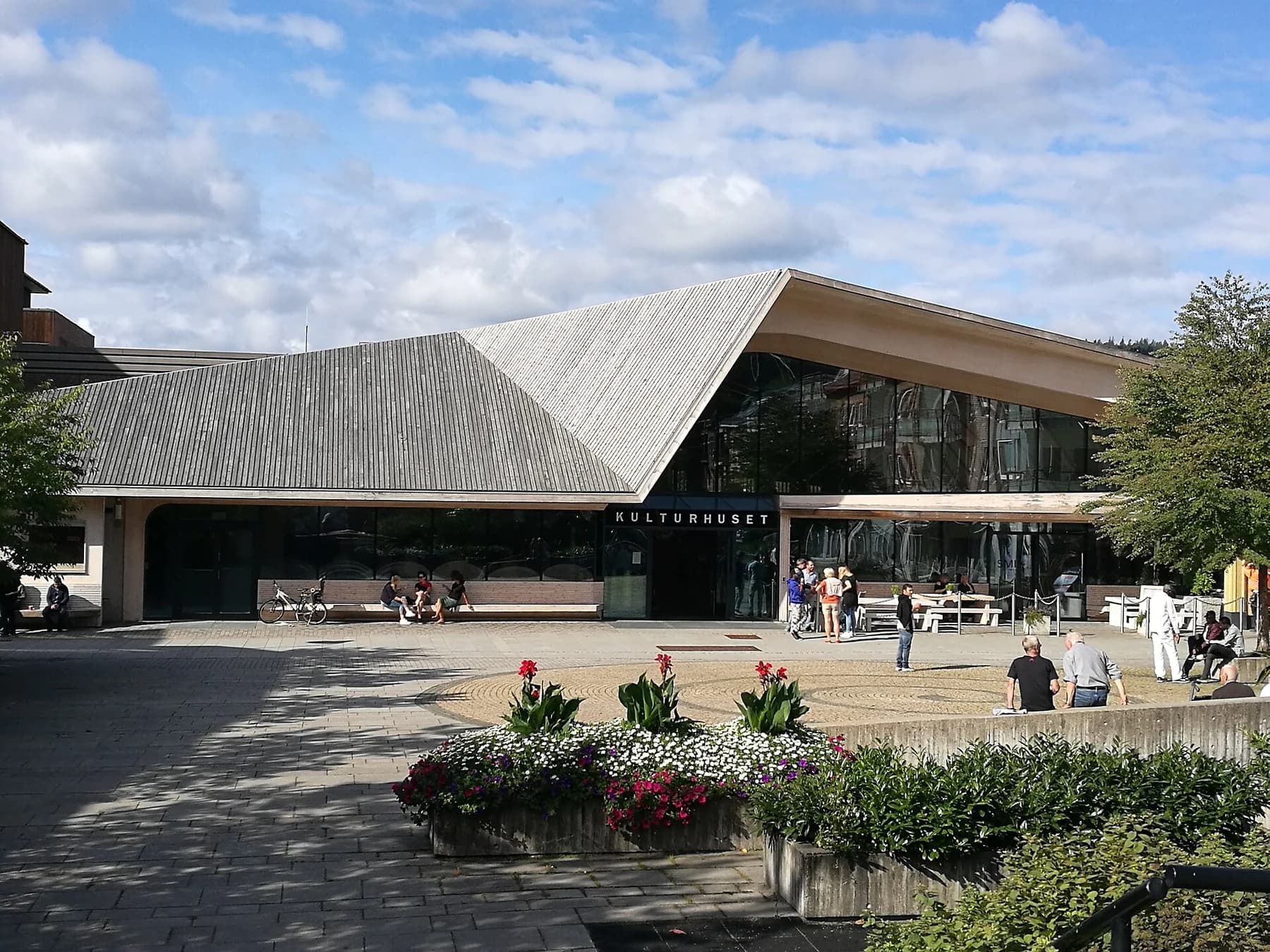
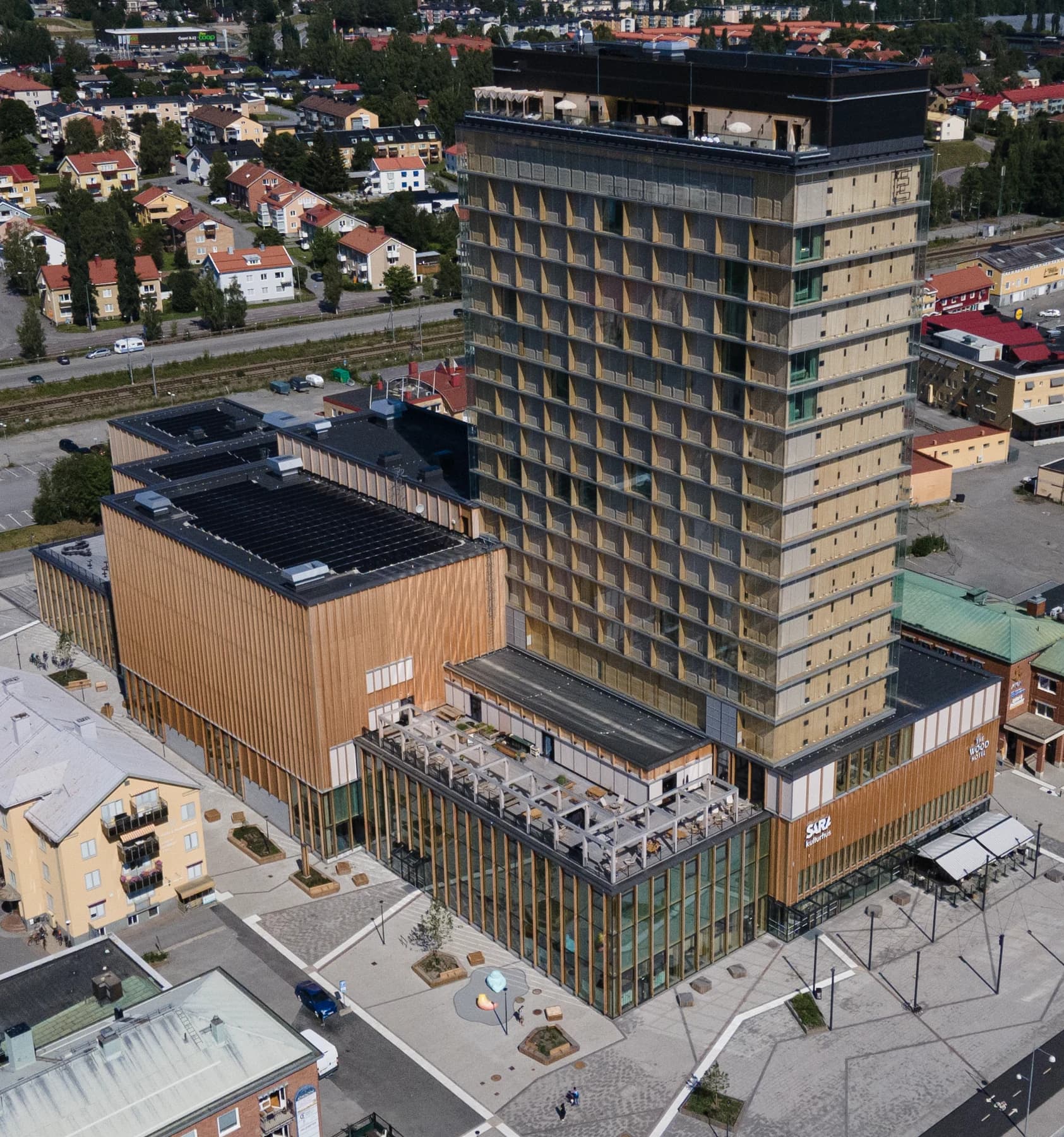
Sara Kulturhus in northern Sweden brings a hotel, a library, theatre and art into one timber building. Its most interesting scale is not just upwards, but outwards into the daily life of a city.
Read the storyDiscovery · Architectural Reuse & Contemporary Art
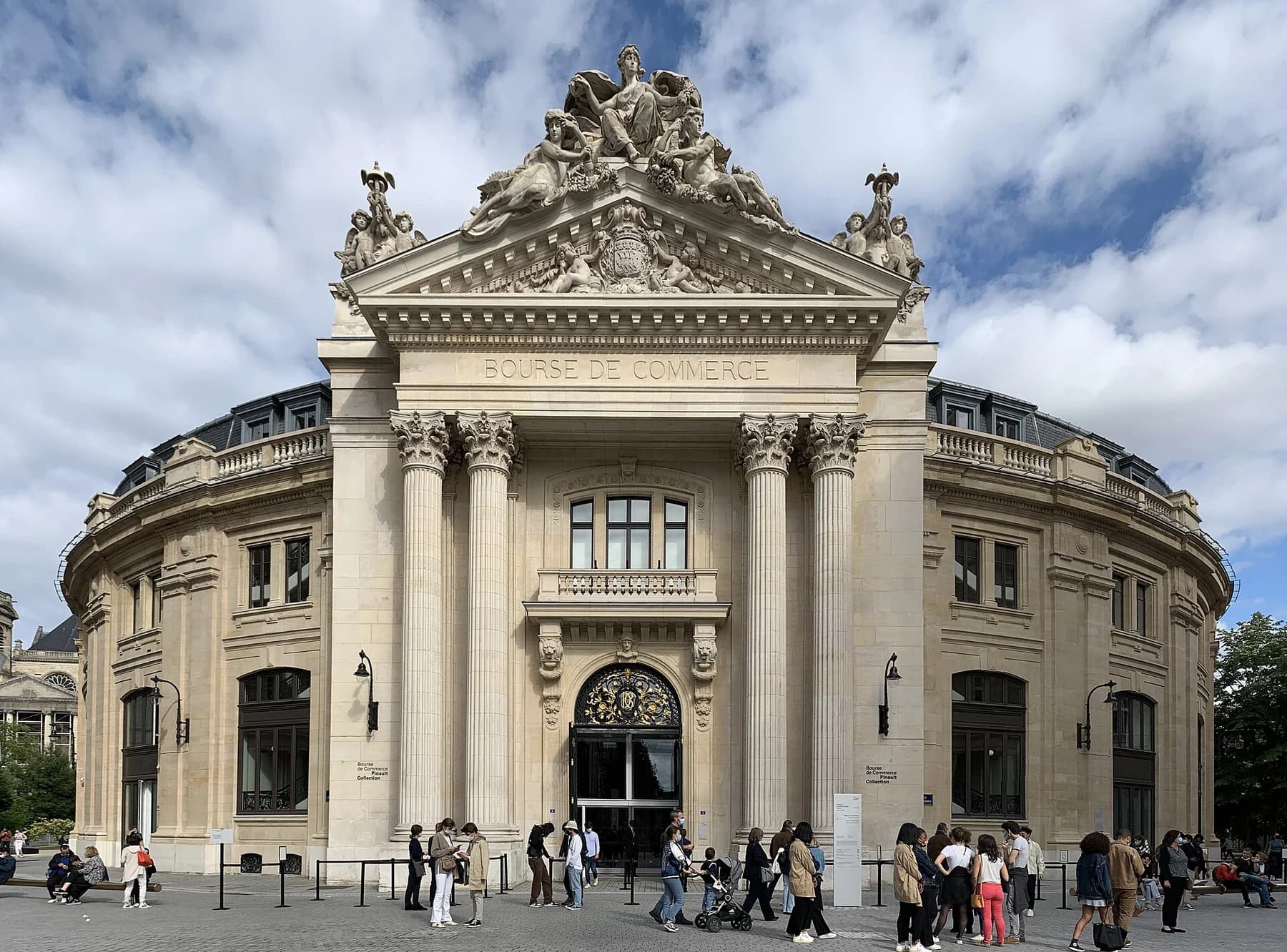
The Bourse de Commerce in Paris keeps its historical envelope while making room for a contemporary collection. The new intervention is interesting because it makes the older building more visible, not less.
Read the storyDiscovery · Modernist Homes & Material Reconstruction
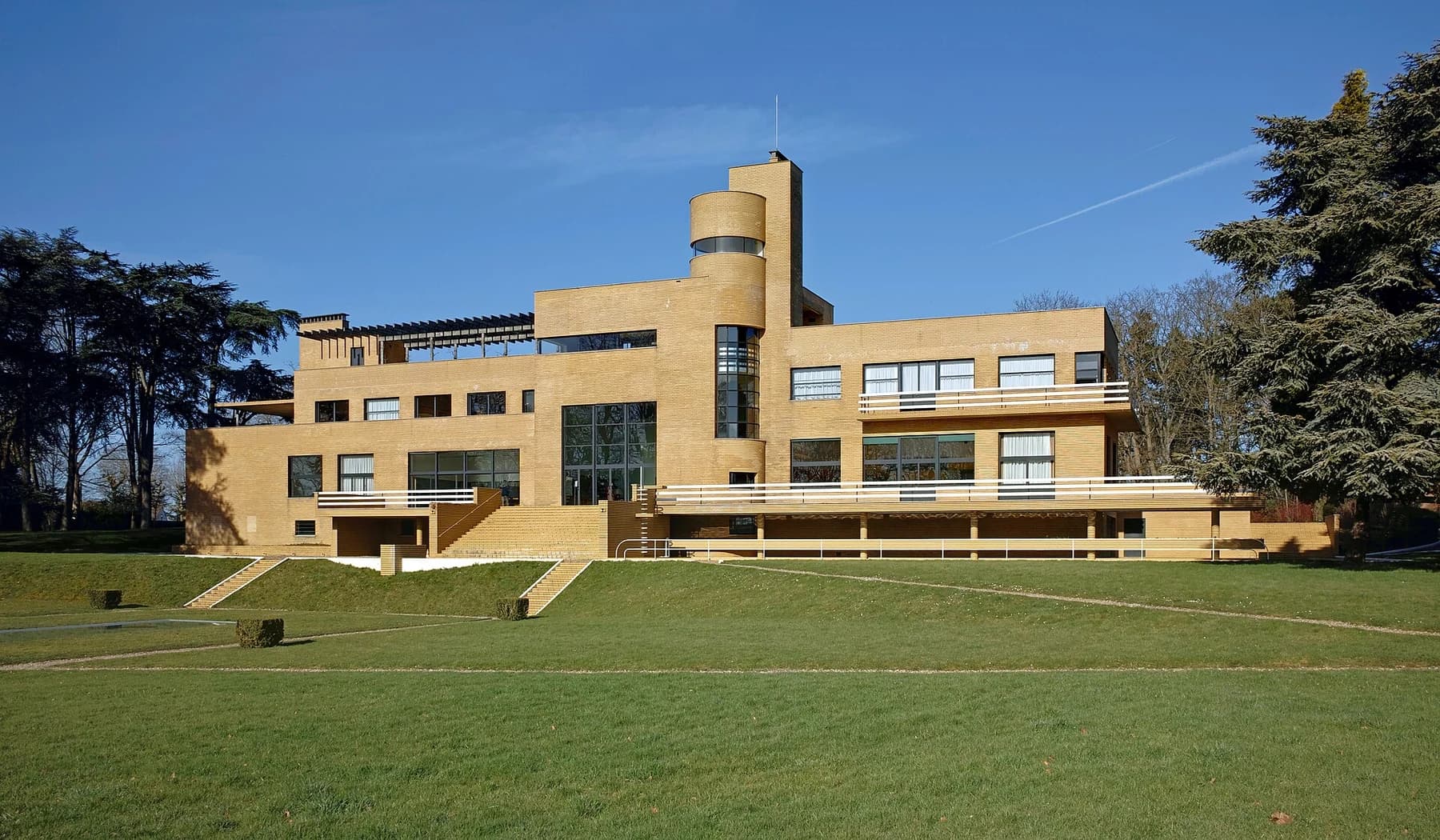
Villa Cavrois looks remarkably assured for a house once abandoned and vandalised. Its restoration reveals how much knowledge is needed to recover an architectural idea, not simply repair its walls.
Read the storyDiscovery · Public Infrastructure & Rooftop Landscapes
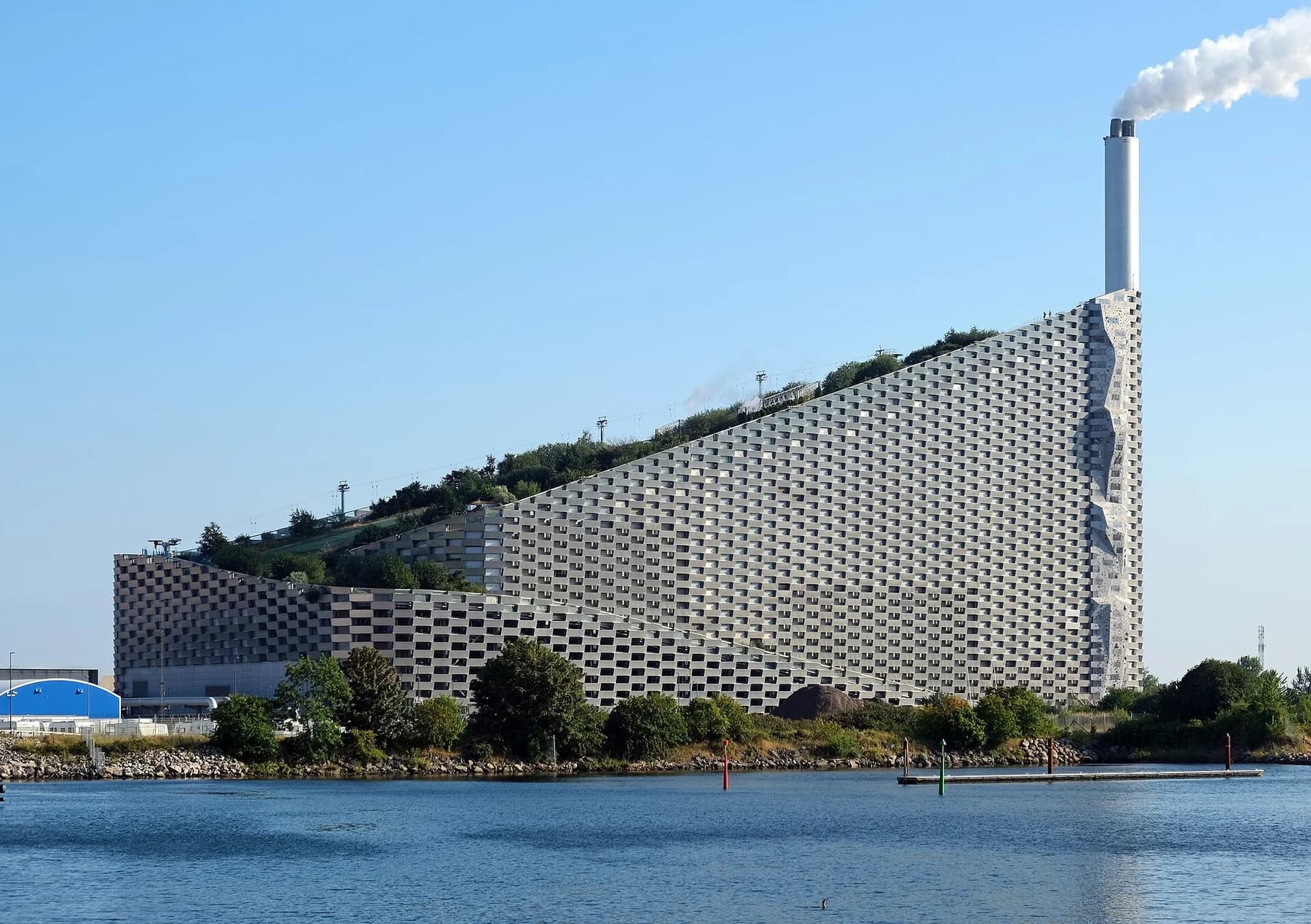
CopenHill puts a recreational landscape on a working waste-to-energy plant. The valuable idea is a second use for an industrial roof, not an architectural image being mistaken for proof of carbon neutrality.
Read the storyDiscovery · Exoskeletons & Contemporary Hospitality
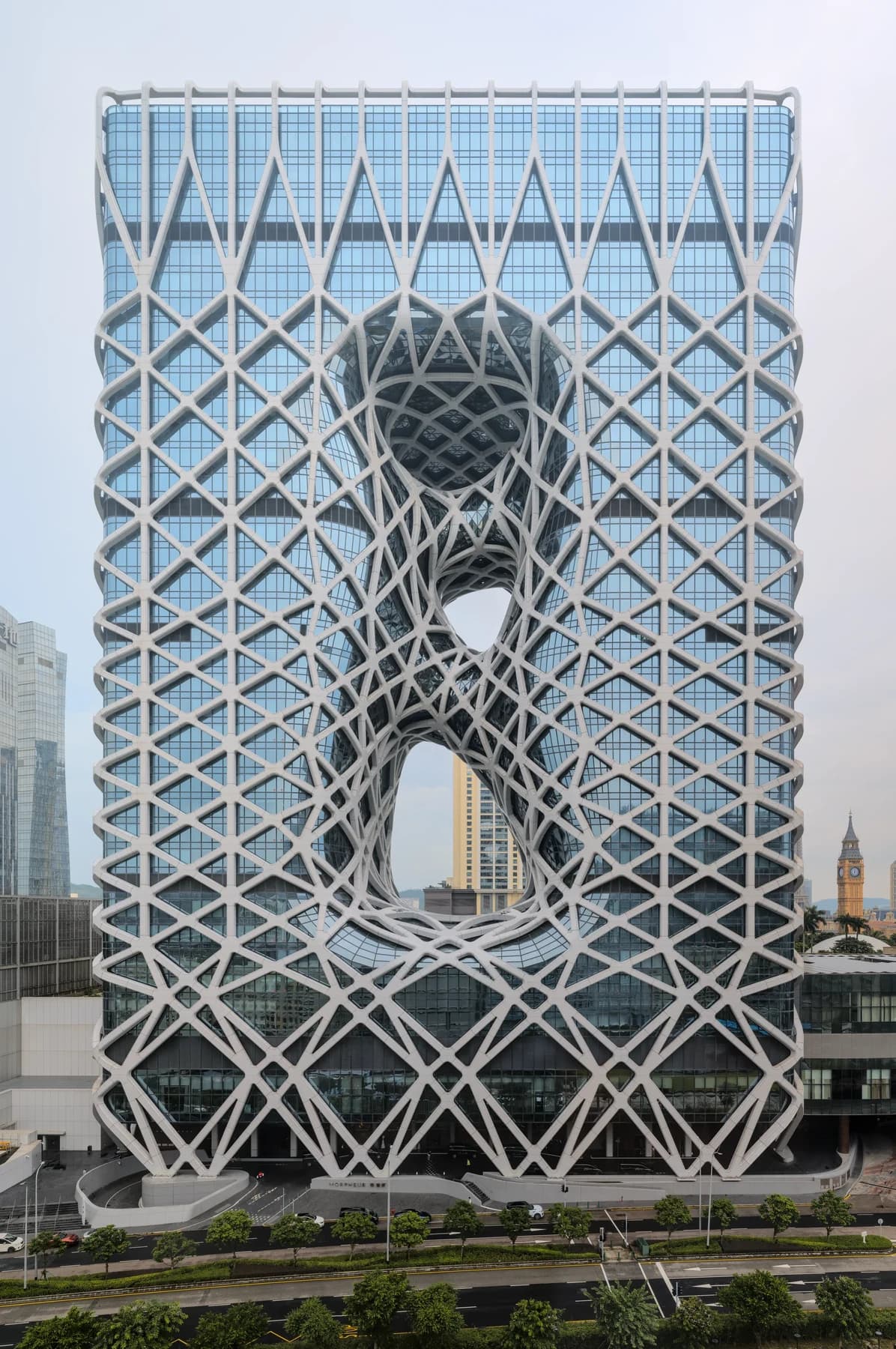
Morpheus in Macau turns its load-bearing exterior into the building’s identity. The spectacle becomes more interesting when you understand what that lattice makes possible inside.
Read the storyDiscovery · Gallery Bridges & Spatial Invention
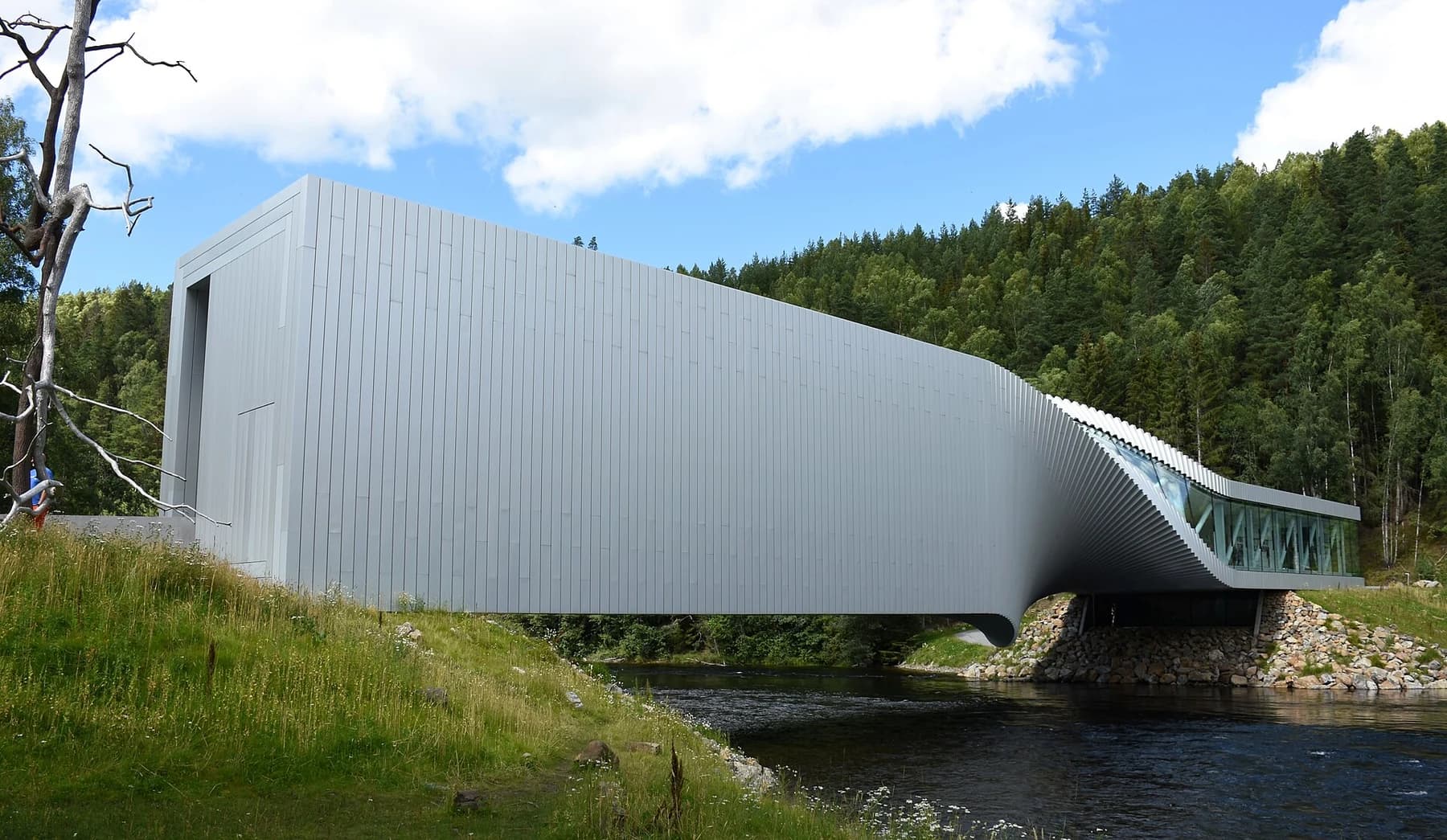
At Kistefos in Norway, BIG’s The Twist is both crossing and gallery. A ninety-degree turn makes wall, ceiling and riverbank part of the same architectural question.
Read the storyDiscovery · Industrial Landscapes & Public Reuse
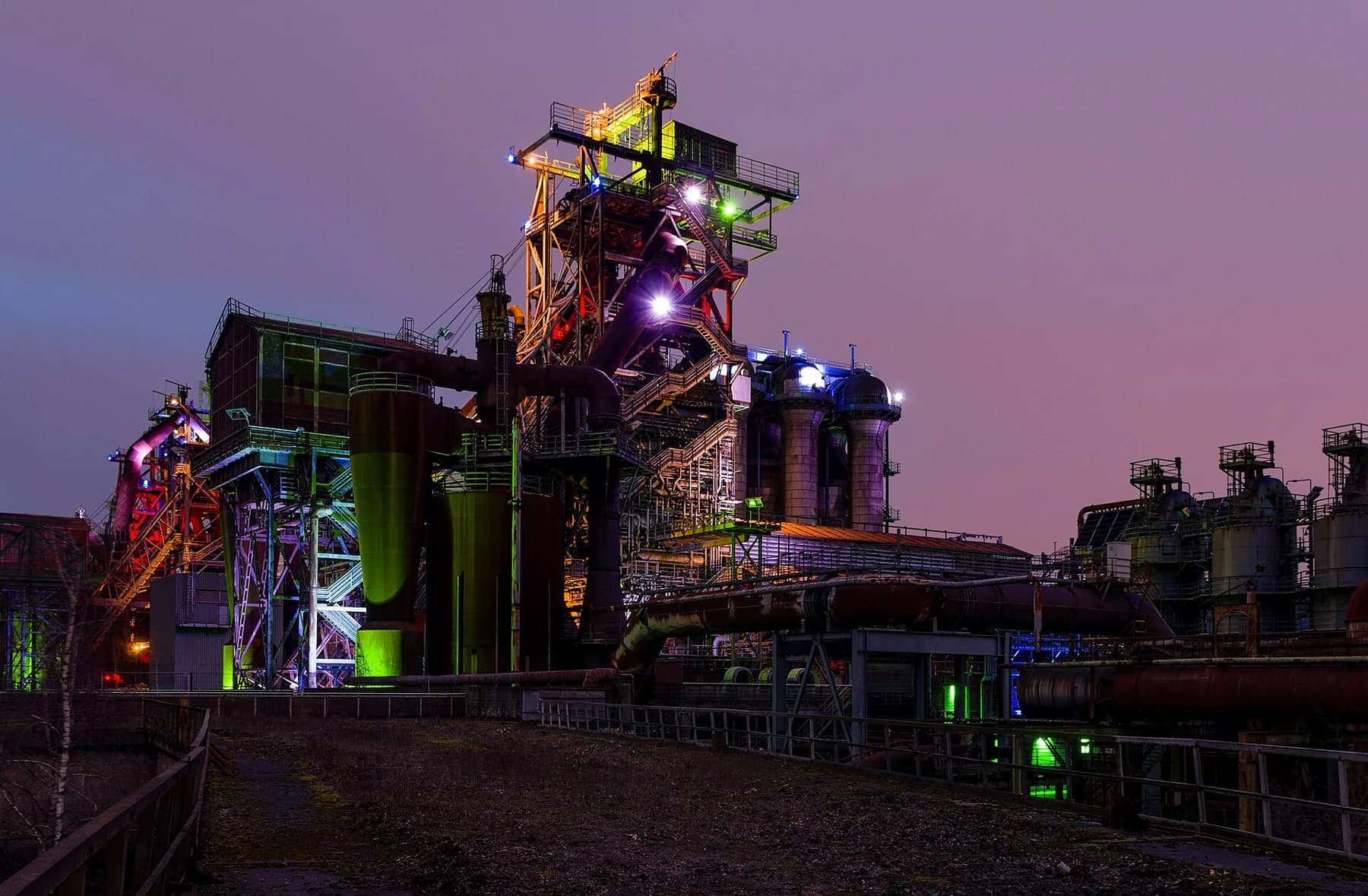
At Landschaftspark Duisburg-Nord, blast furnaces and loading structures remain part of a public landscape. A place built for production acquired another kind of usefulness.
Read the storyDiscovery · Railway Heritage & Adaptive Hospitality
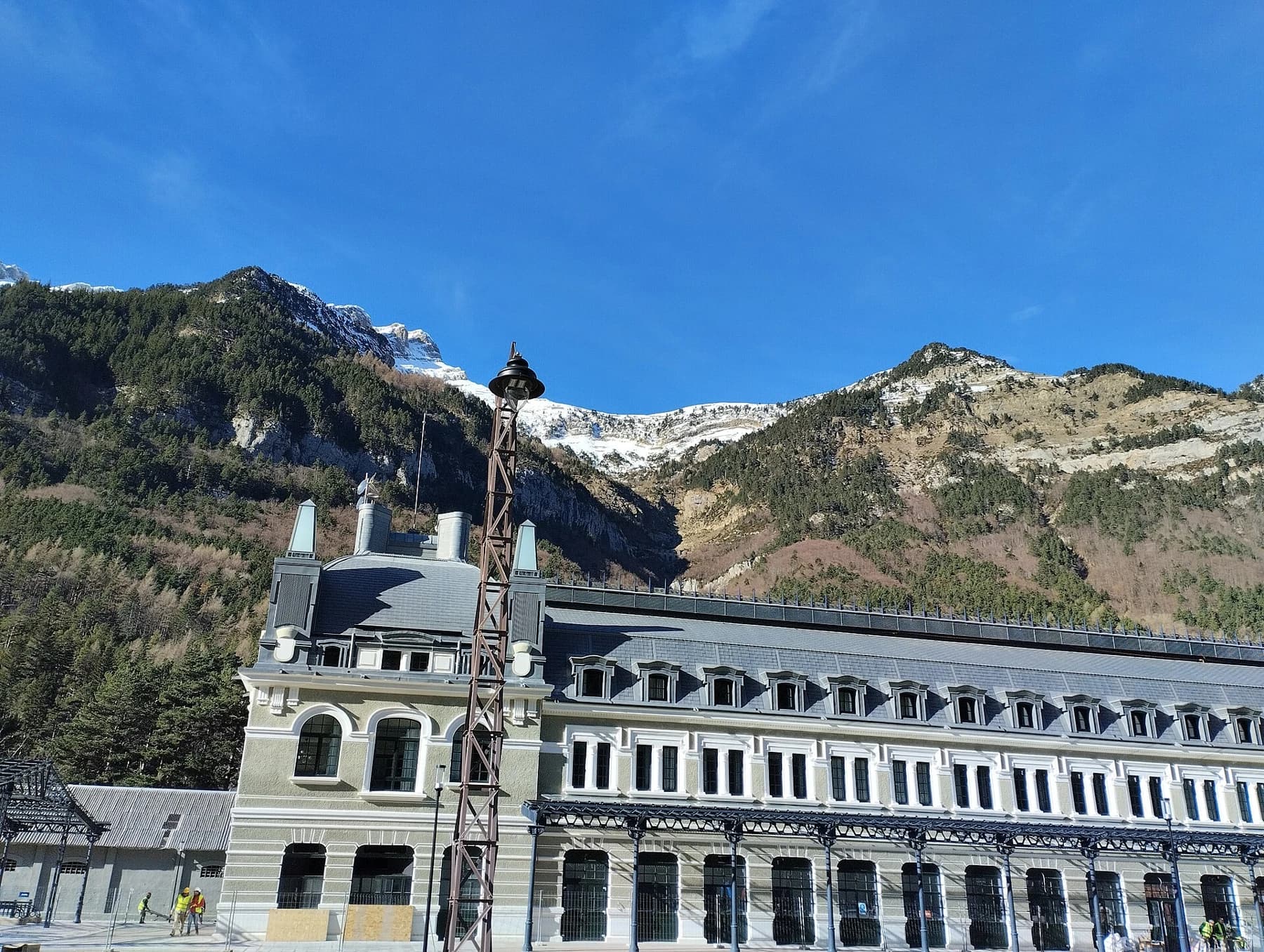
Canfranc’s former international station has another life as a hotel. The interesting luxury is not a star rating, but the possibility of inhabiting an ambitious railway building again.
Read the storyDiscovery · Research Architecture & Shared Space
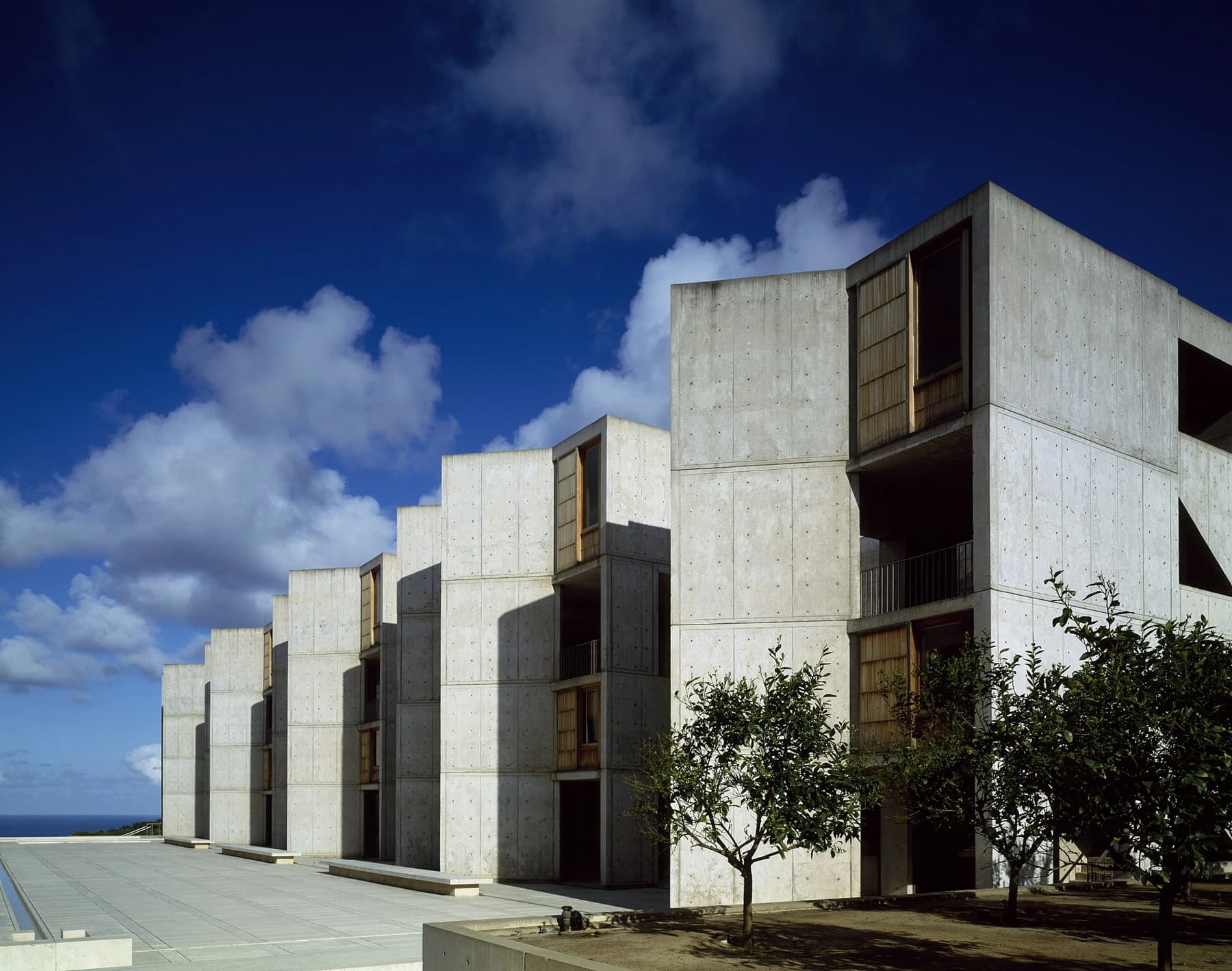
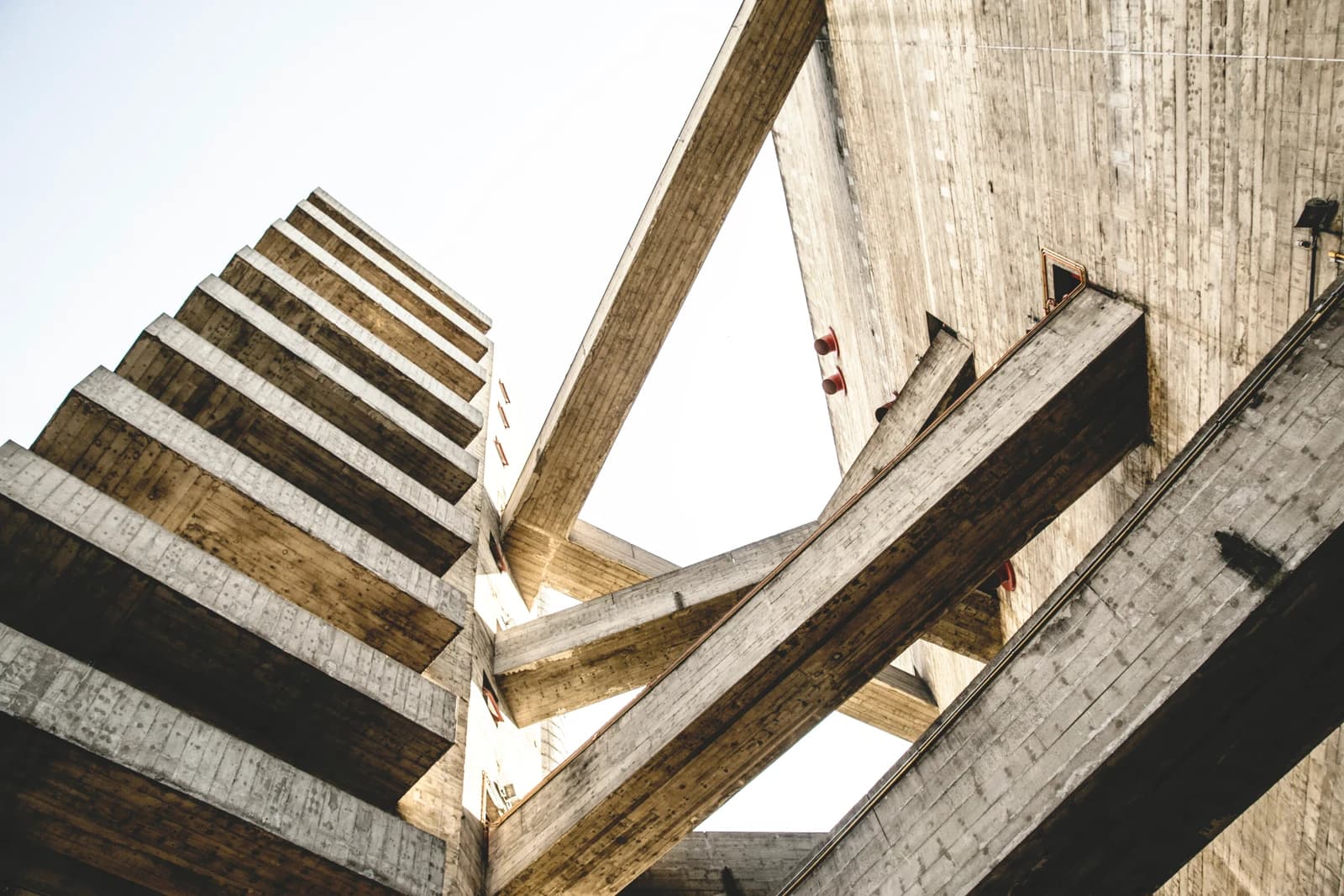
At the Salk Institute, Louis Kahn placed a remarkable open court between working laboratories. Its value is more than a view towards the Pacific: a place for science that also makes room for thought.
Read the storyDiscovery · Thatched Houses & Adaptive Reuse
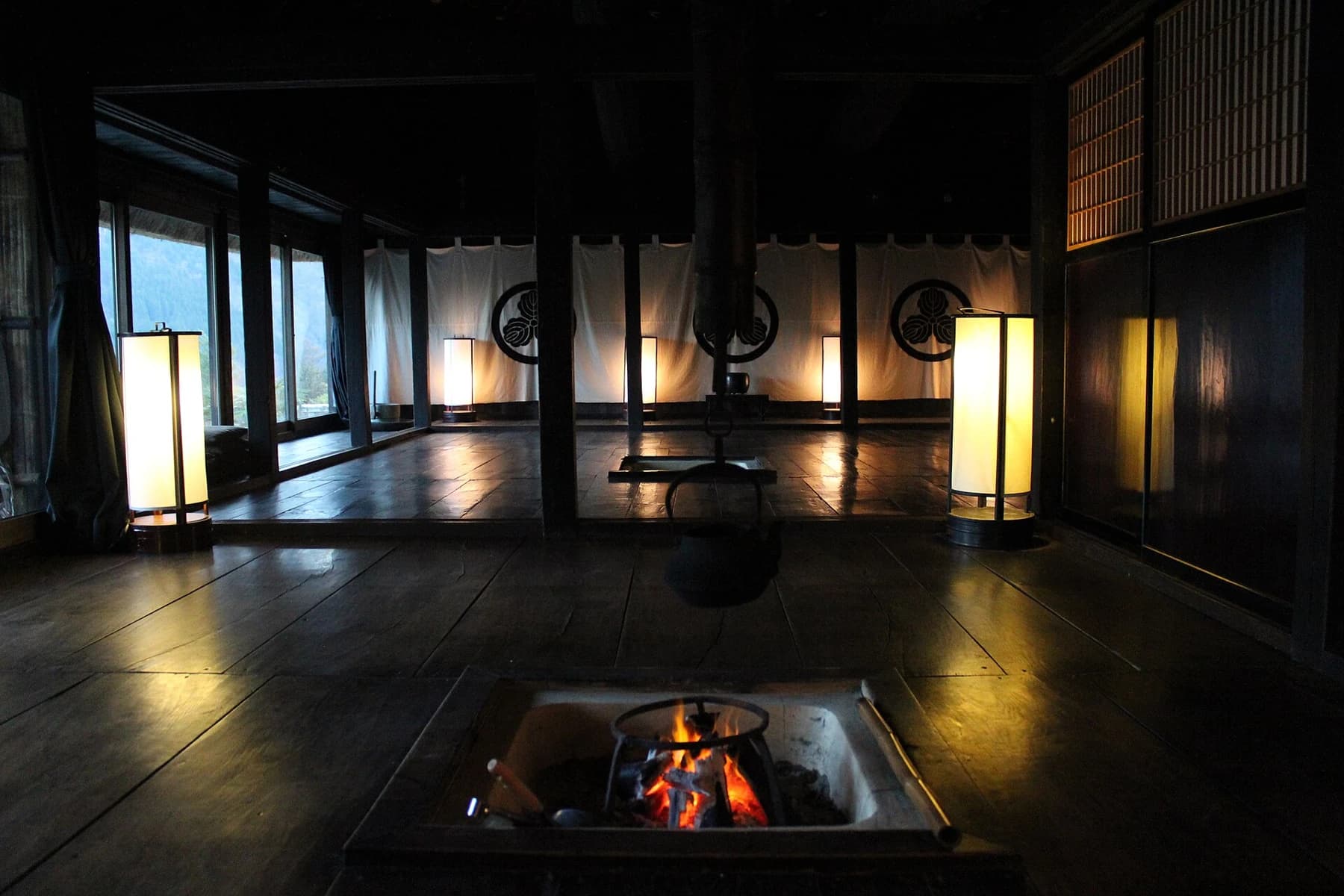
Chiiori in Japan’s Iya valley preserves a thatched house through another form of use. A bookable stay makes the relationship between old fabric, modern comfort and continuing care tangible.
Read the storyDiscovery · Domestic Architecture & Modern Convenience
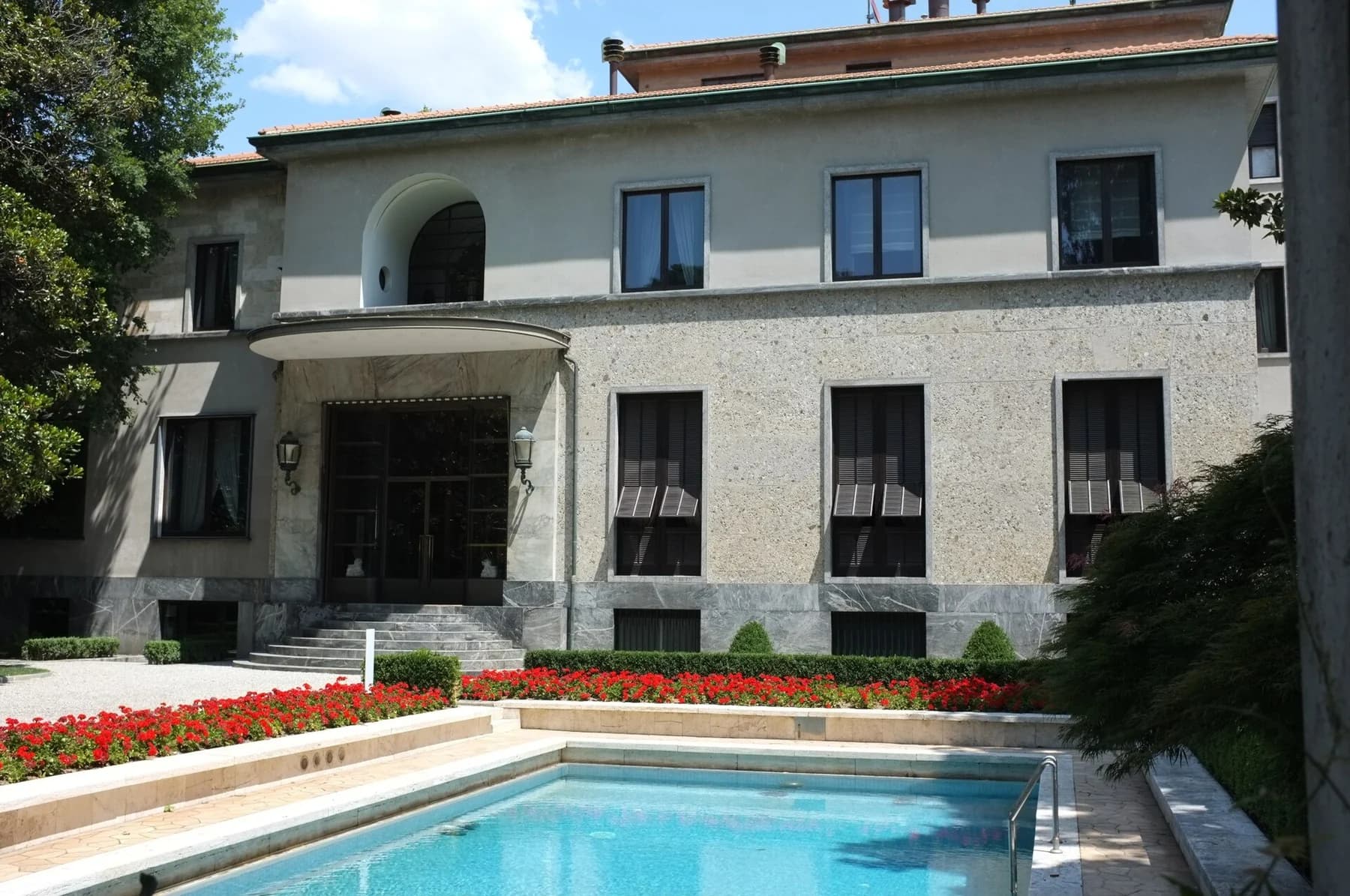
Villa Necchi Campiglio pairs Milanese architectural presence with lifts, service routes and a private pool. Its most revealing details concern how a house actually worked.
Read the storyDiscovery · Bathing Architecture & Material Experience
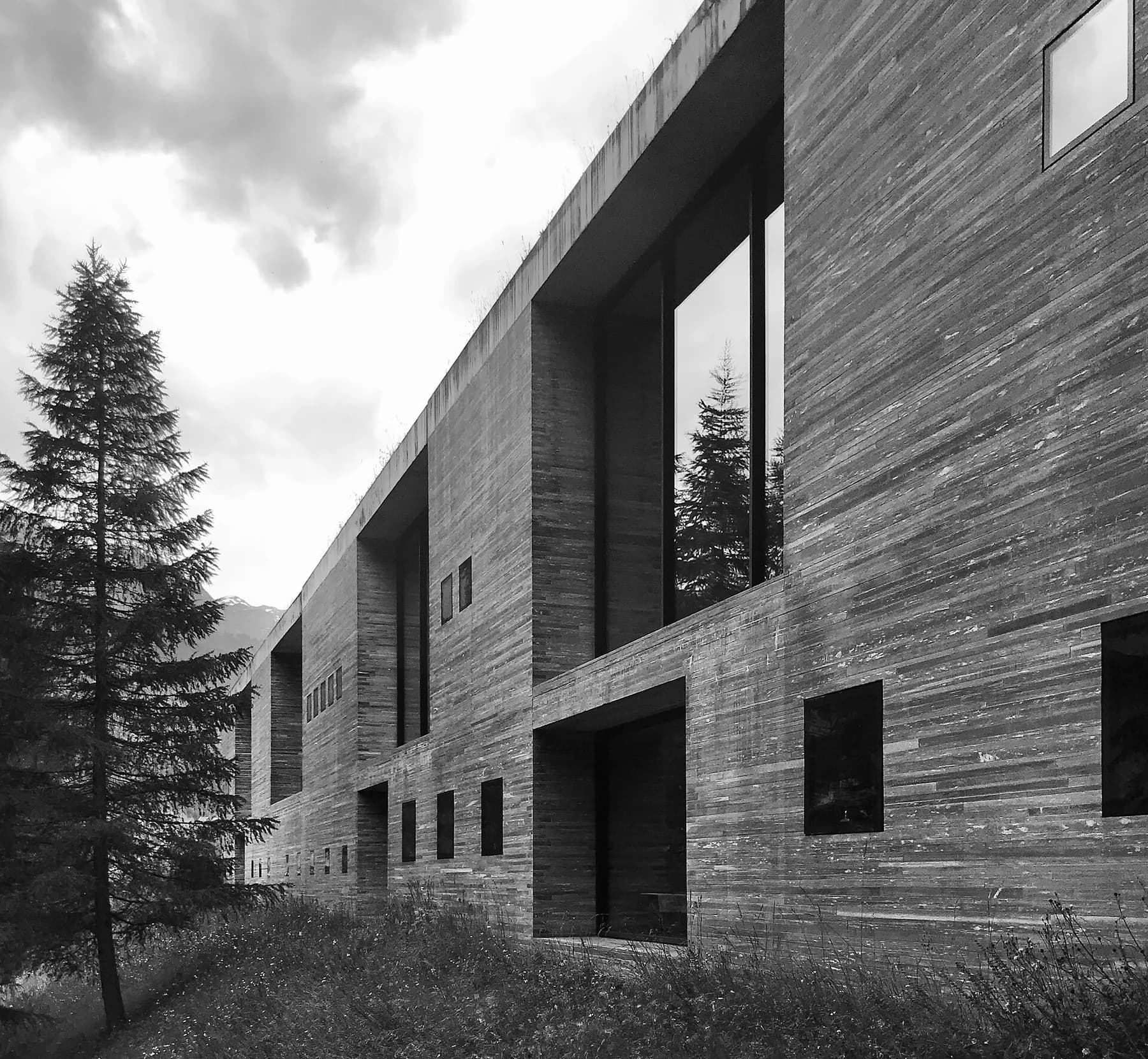
Peter Zumthor’s thermal baths at Vals turn local quartzite, light and water into architecture a visitor experiences bodily. The place does not need to be owned to matter.
Read the storyDiscovery · Public Architecture & Shared Tools
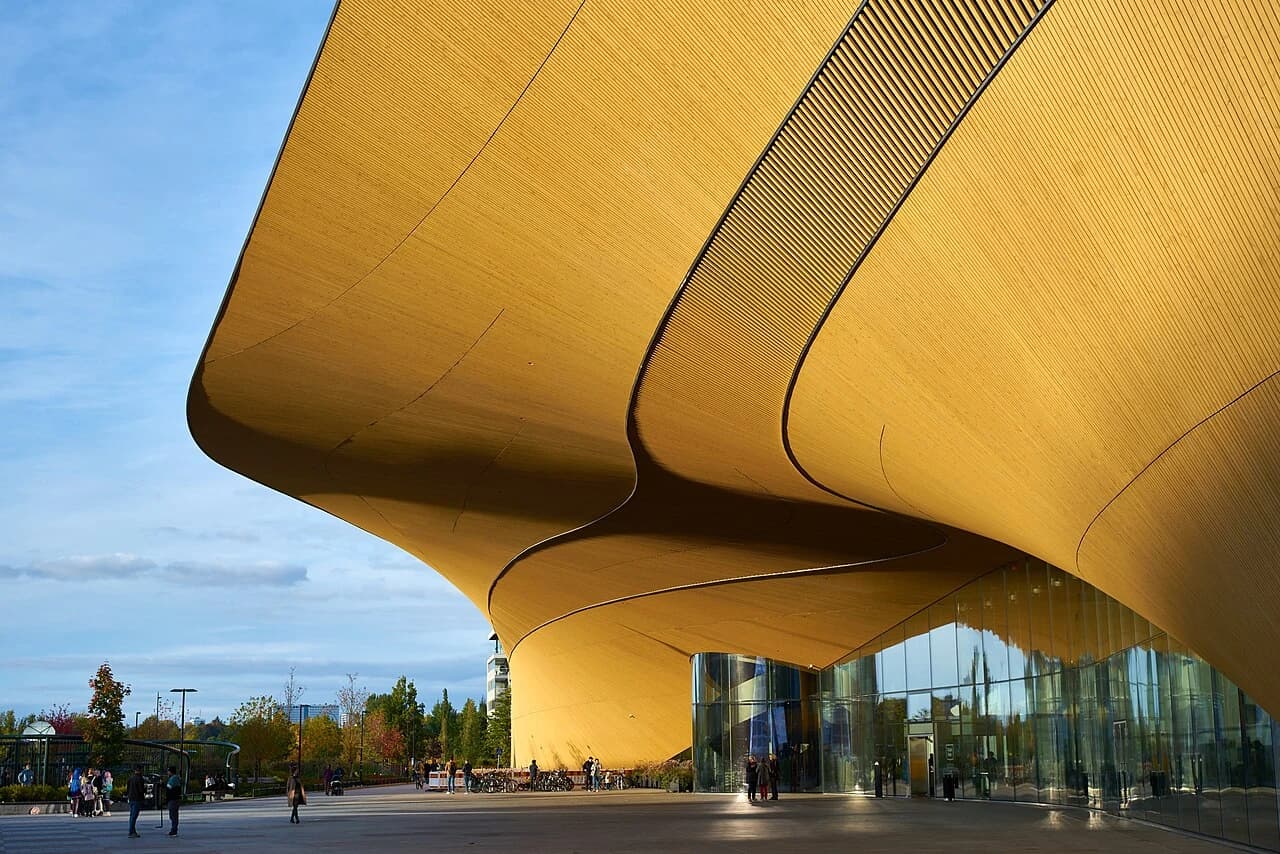
Helsinki’s Oodi offers books, workshops, studios and public rooms. The unusual value is how much a city lets people do without owning the building or equipment.
Read the storyDiscovery · Layered Architecture & Public Memory
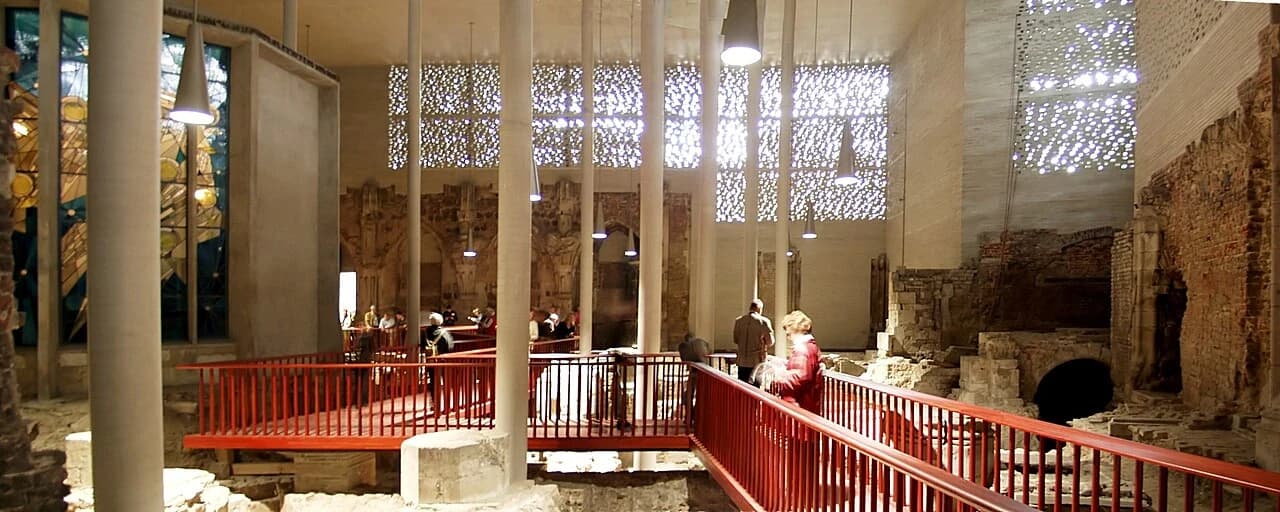
Peter Zumthor’s Kolumba does not clear away the history beneath it. The museum lets visitors move among the remains and the new building.
Read the storyDiscovery · Architecture & Total Design
At Maison Louis Carré, the furniture, materials, rooms and landscape belong to one conversation. It remains a place a visitor can study.
Read the storyDiscovery · Water Architecture & Public Heritage
At Rani-ki-Vav in Gujarat, the descent toward water became architecture and sculpture. The old practical purpose still changes how we read it.
Read the storyDiscovery · Architecture & Material Imagination
At Casa Vicens, flowers and palm leaves become tile and iron. Gaudí’s early house offers a more concrete lesson than the word iconic.
Read the storyDiscovery · Industrial Heritage & Adaptive Reuse
Saltaire is more than a handsome mill. Its buildings show how a place can retain its identity while making room for entirely different work.
Read the storyDiscovery · Adaptable Homes & Spatial Design
At the Rietveld Schröder House, moving a wall changes the relationship between privacy and shared life. The radical part is still useful.
Read the storyDiscovery · Design Schools & Modern Architecture
A century after its 1926 opening, the Bauhaus Building in Dessau is still a useful place to ask how an institution makes its ideas visible.
Read the storyDiscovery · Adaptive Reuse & Public Architecture
At Sesc Pompeia in São Paulo, Lina Bo Bardi made an existing industrial structure useful to an entirely different kind of city life.
Read the storyDiscovery · Industrial Heritage & Gardens
At Arc-et-Senans, Claude Nicolas Ledoux gave salt production the presence of a monumental civic project. Today you can walk into its unfinished argument.
Read the storyDiscovery · Homes & Architecture
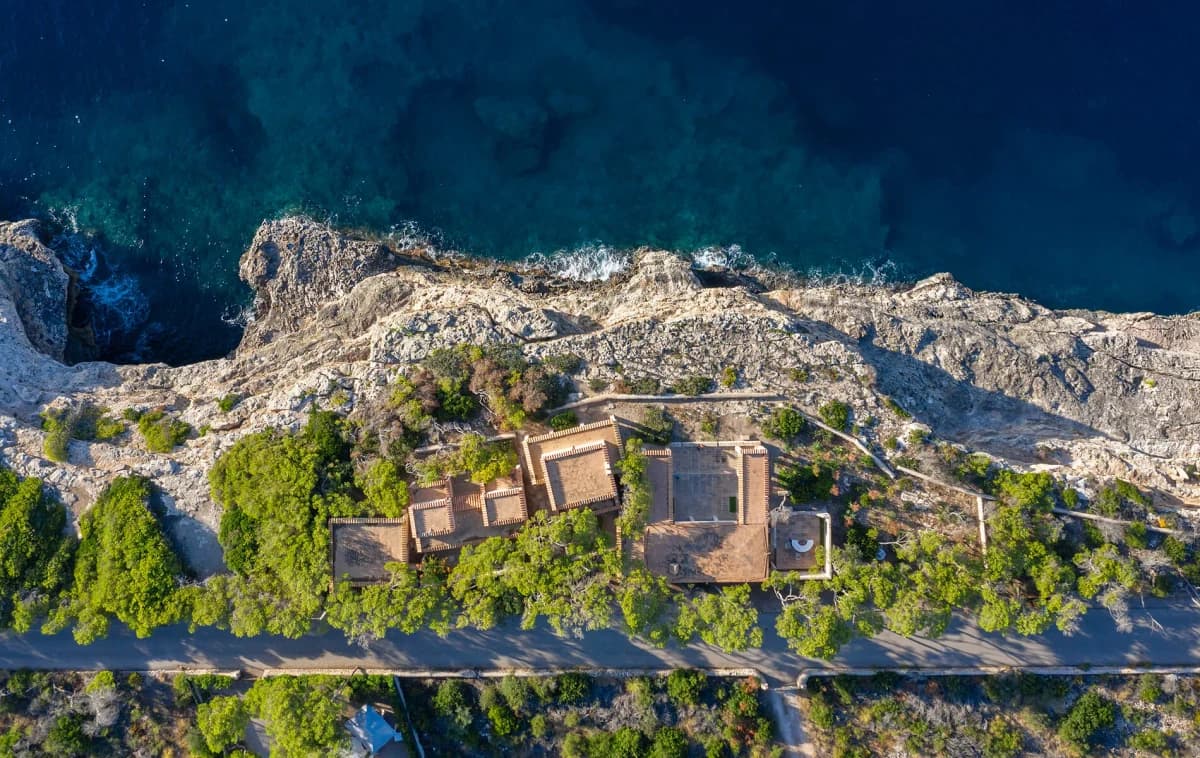
You do not need to own Jørn Utzon’s Mallorcan house to take something lasting from it.
Read the storyDiscovery · Architecture and Stays
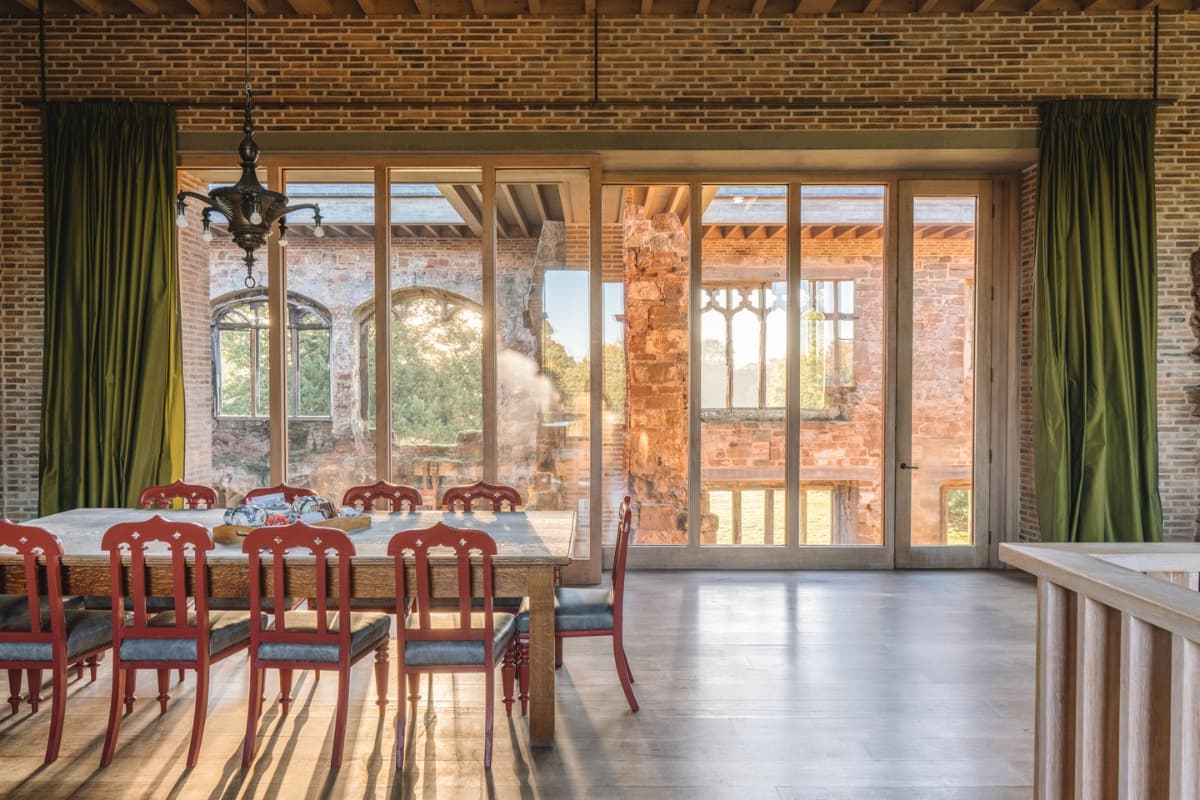
Astley Castle lets people inhabit a protected ruin because the new architecture makes its losses visible rather than pretending them away.
Read the storyDiscovery · Productive Land and Cork
Herdade da Baliza shows why productive land should be read through ecology, operating decisions and public scrutiny, not acreage alone.
Read the storyDiscovery · Homes & Architecture
At E-1027, Eileen Gray made furniture, privacy and the movement of daily life part of the architecture.
Read the storyDiscovery · Vineyards & Ownership
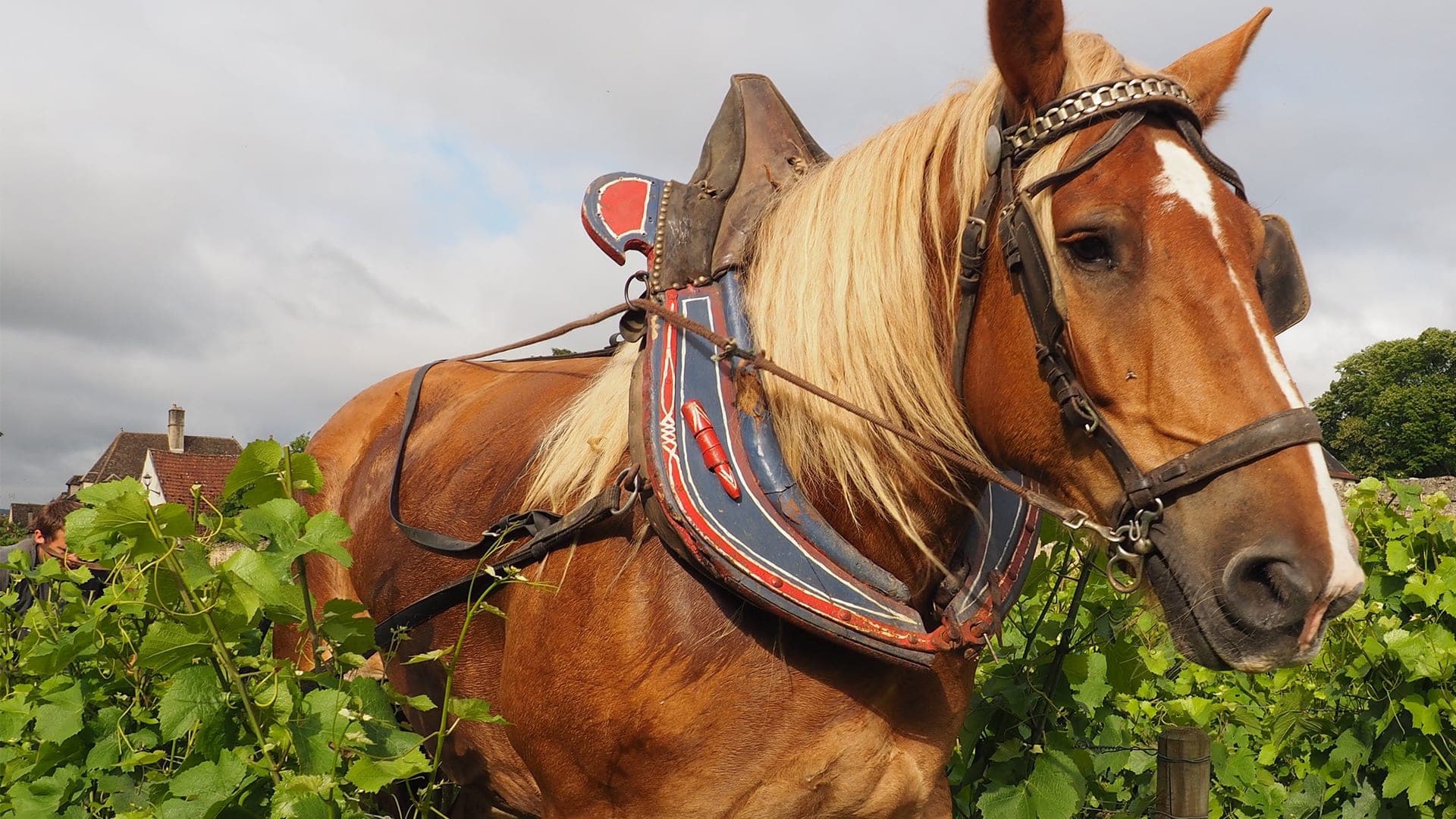
Michael Baum and Julie Carabello acquired Château de Pommard in 2014. The interesting investment question begins after the purchase.
Read the storyDiscovery · Homes & Architecture
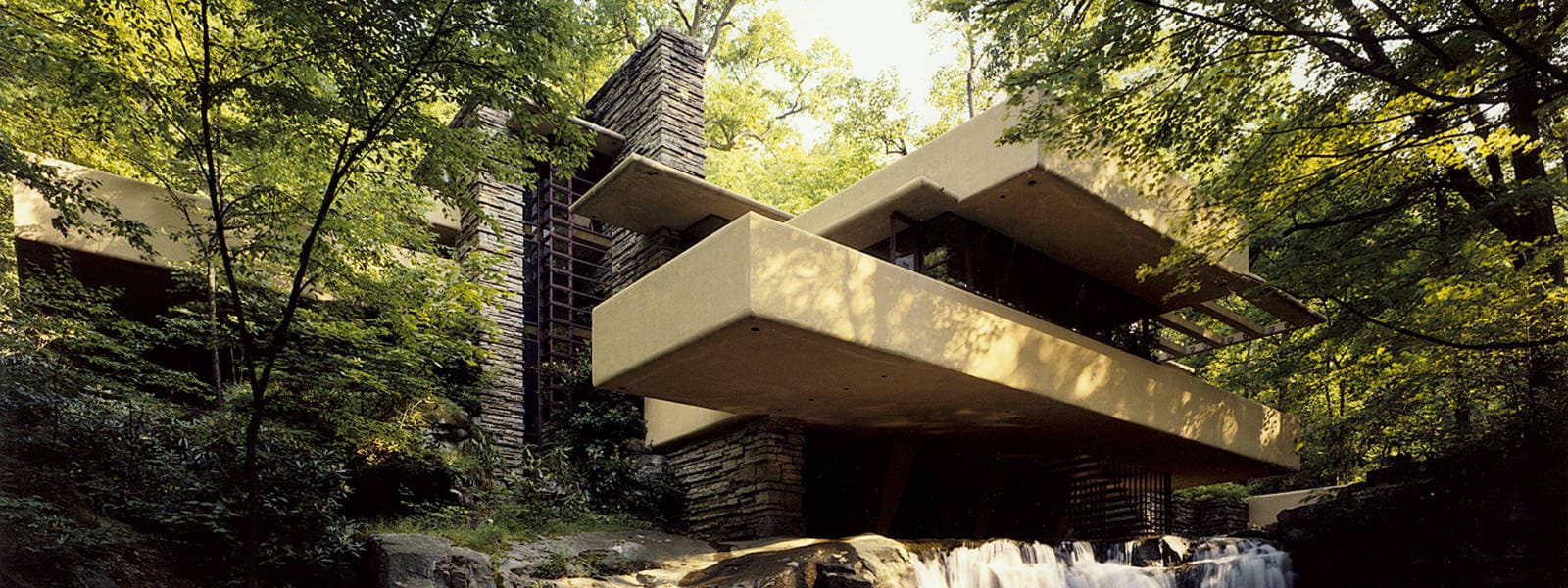
Fallingwater’s extraordinary relationship with its landscape also explains why enduring architecture depends on less visible work.
Read the storyDiscovery · Vineyards & Productive Places
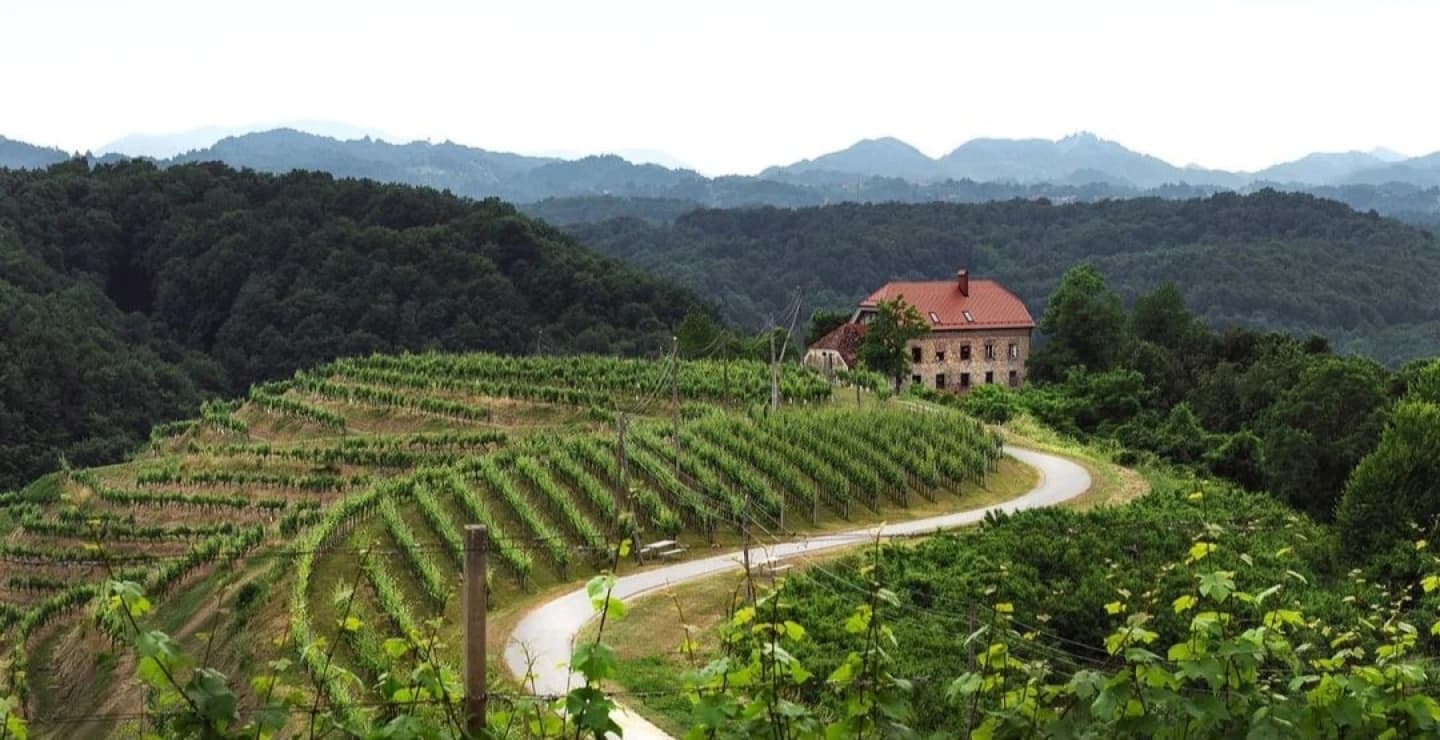
Familija Estate in Slovenia offers a useful shift of perspective: from wanting a bottle to understanding the place and work behind it.
Read the story