DISCOVERY / Civic Architecture & Continuing Use
A town hall you can stay with.
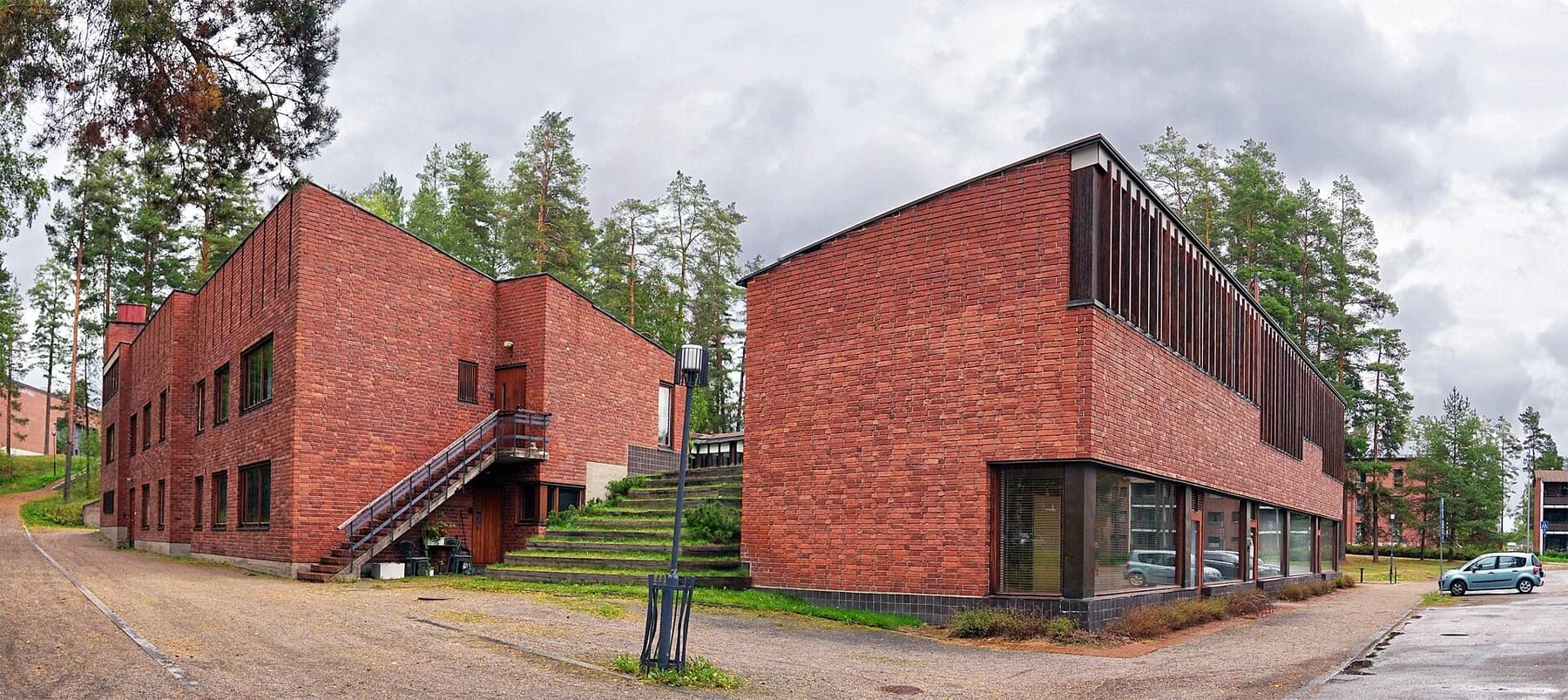
Alvar Aalto’s Säynätsalo Town Hall brings public life, a courtyard and places to stay into one brick ensemble. Its architecture can still be encountered through use.
Published 21 October 2026 · WHV · Public-source editorial note
A raised courtyard sits behind red brick walls in Säynätsalo, near Jyväskylä. Alvar Aalto’s town hall, completed in 1952, gives civic life a setting that is both intimate and ceremonial. The council chamber rises above the smaller spaces, but the route through the ensemble remains close to the scale of a person.
A civic building at human scale
The original programme brought administration, a library, commercial premises and homes together. According to the Alvar Aalto Route, the library continues while other spaces have acquired cultural and hospitality uses. Former residential accommodation can now be booked through the local operator. This is not a claim that the original municipal organisation survives unchanged.
An overnight stay offers a different kind of architectural attention. Brick, timber, changing light and the movement between courtyard and interior become part of ordinary time rather than a checklist of celebrated details. The lesson is not that every landmark should become a hotel. Multiple compatible uses can give a significant building reasons to remain cared for.
Allow the place more than a photograph
Check the operator’s actual room availability and arrange any guided visit separately. A room reservation does not grant access to every part of the complex or to other Aalto buildings nearby. If staying is not practical, a visit can still reveal how the courtyard mediates between public presence and shelter. What holds value is the ability of a carefully composed place to support new encounters without losing its architectural character.
Source and context.
Alvar Aalto Route: Säynätsalo Town Hall history and uses ↗
Tavolo Bianco: guest rooms and apartments at the town hall ↗
Guest accommodation and guided access are separate arrangements. Continuing use does not mean every original civic function remains in operation.
Source checked 21 October 2026. WHV interpretation is distinct from the source’s account.
Explore Civic Architecture & Continuing UseFOLLOW YOUR CURIOSITY
Where this leads.
Different subjects. A reason to connect them.
Continue the idea
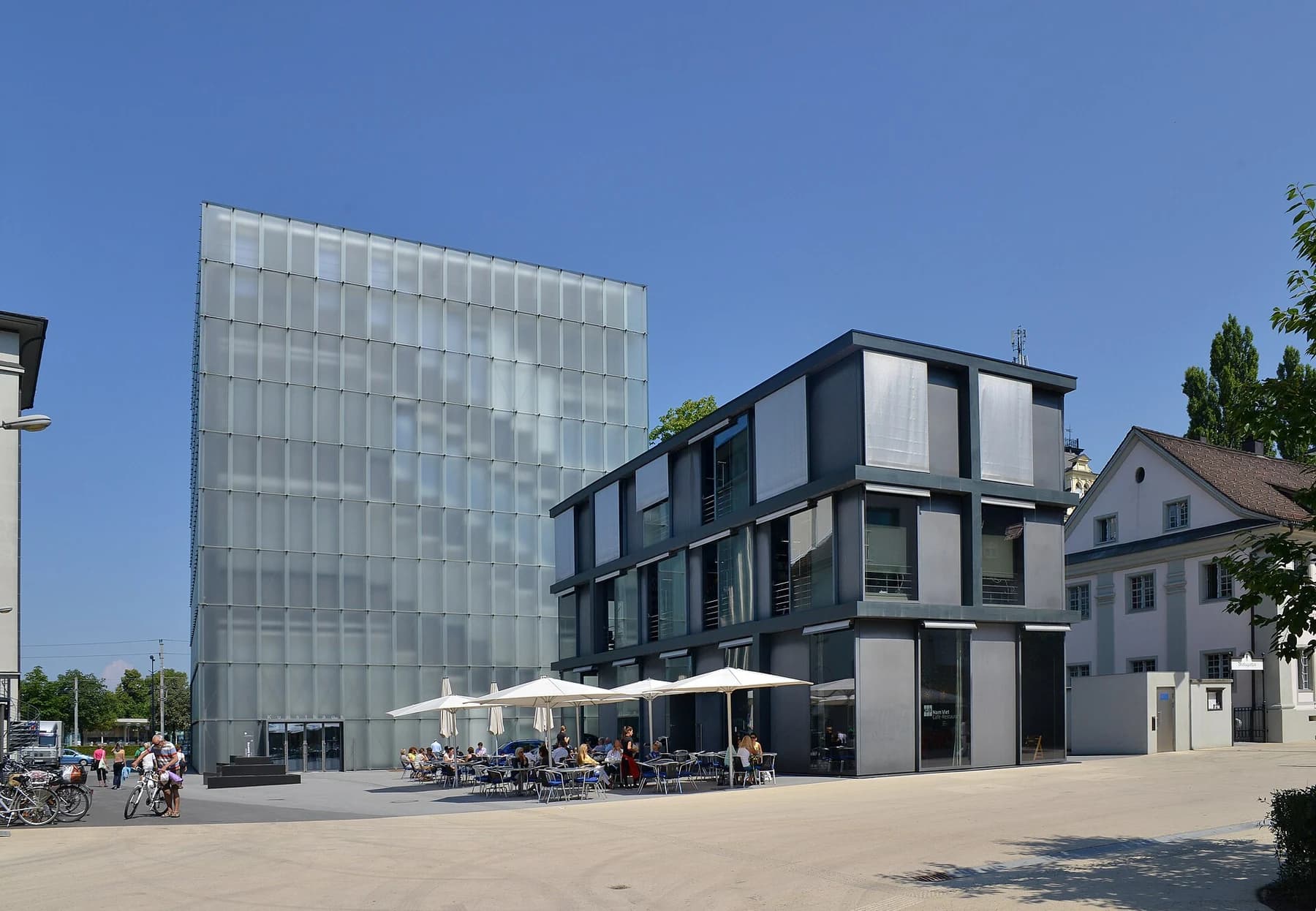
A building that filters the sky.
Compare two buildings whose lasting identity depends on the experience of being inside, not simply their exterior recognition.
Museums & Daylight Architecture
Read the story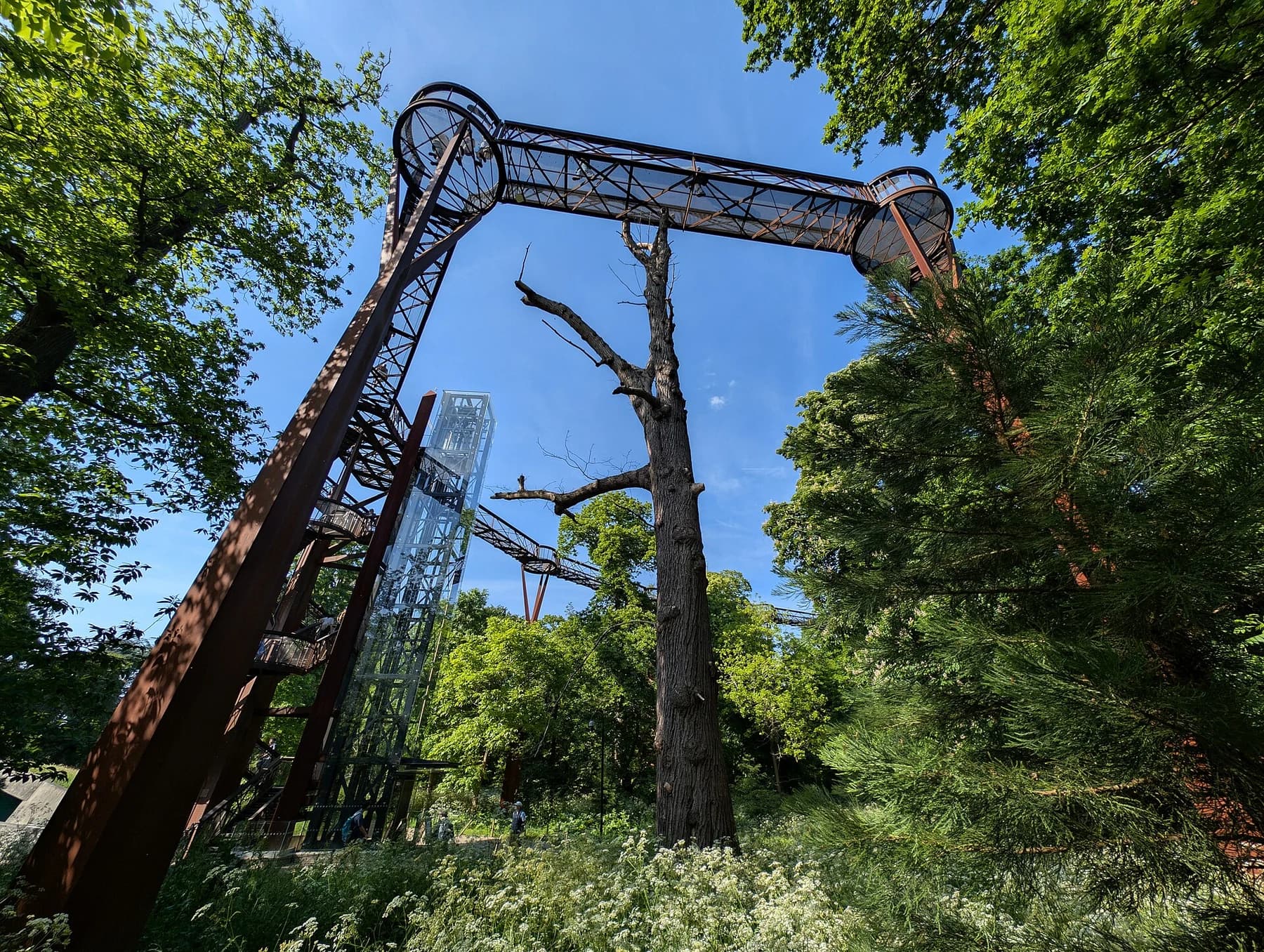
Across the WHV world
The forest at another height.
An elevated route through trees shows another way that architecture can change what a visitor notices.
Living Collections & Changed Perspectives
Read the story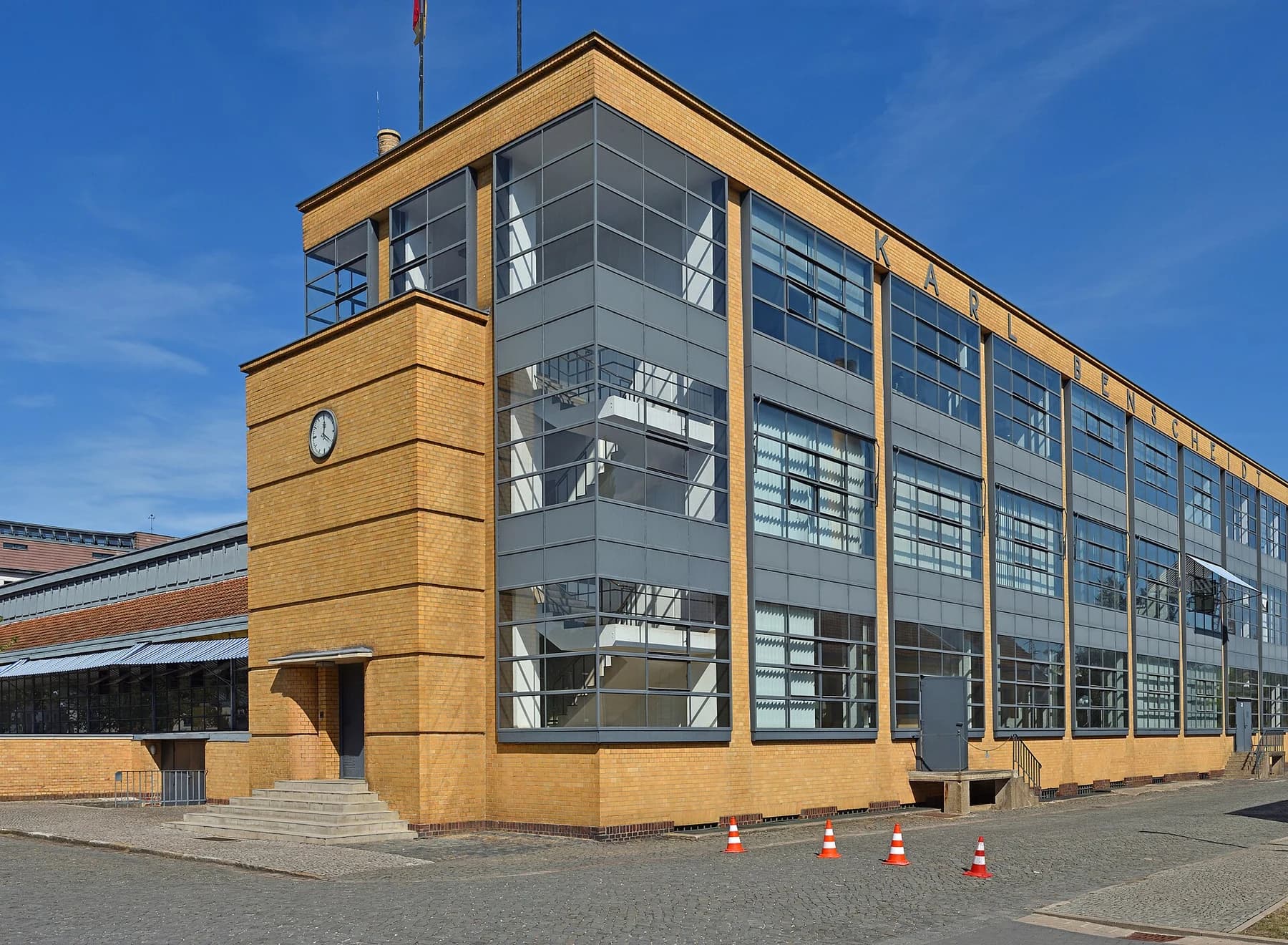
An unexpected connection
A monument that still goes to work.
A working factory adds another model for keeping a significant building connected to useful activity.
Industrial Architecture & Continuing Use
Read the story