DISCOVERY / Industrial Architecture & Continuing Use
A monument that still goes to work.
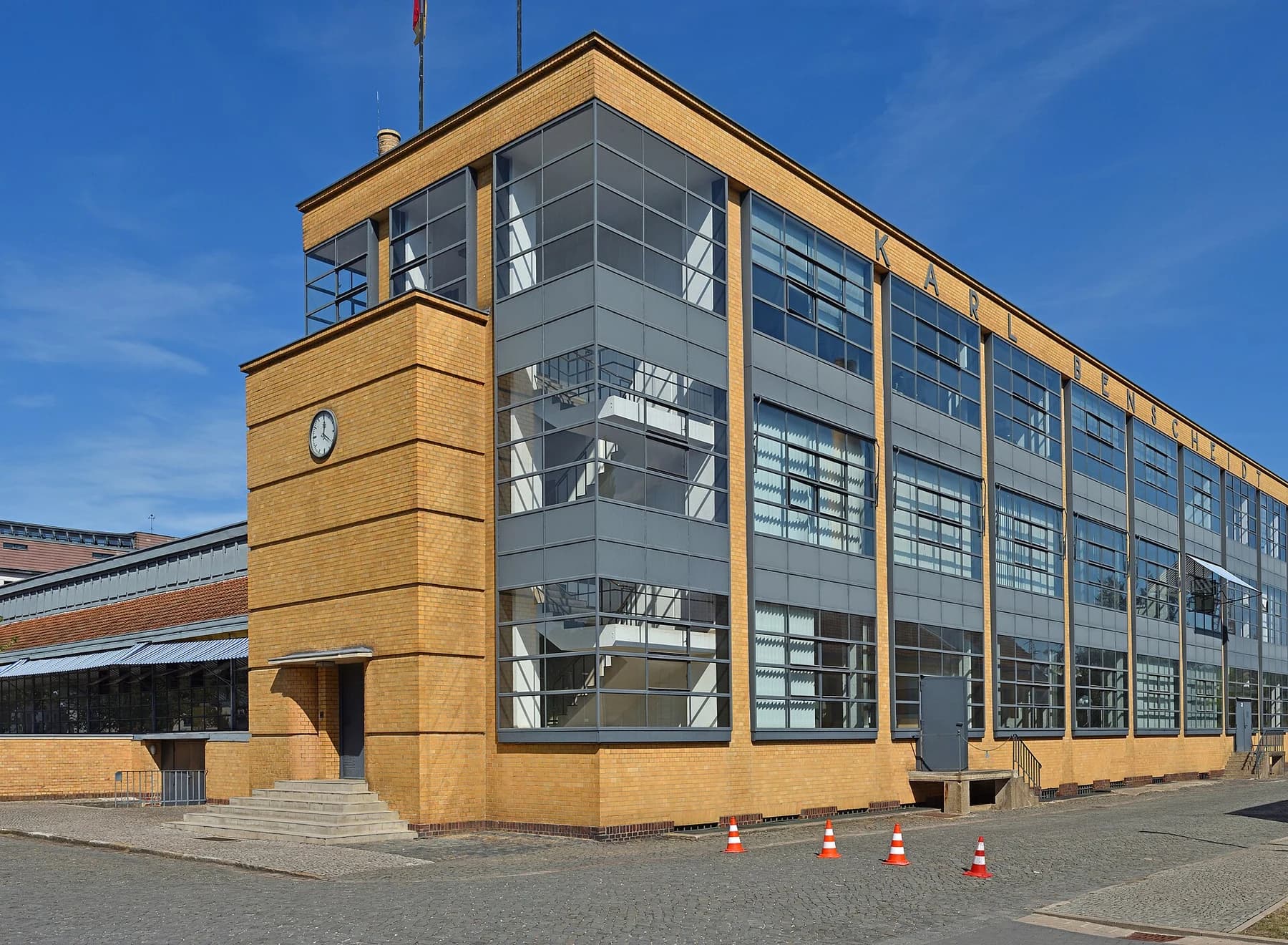
The Fagus factory in Alfeld helped change the language of industrial architecture. Its continuing working life matters as much as its glass corners.
Published 21 October 2026 · WHV · Public-source editorial note
A shoe last is the form around which a shoe is made. It sounds an unlikely starting point for an architectural landmark. Yet the factory built for that industry in Alfeld became one of the places where the modern building acquired its language: broad glass surfaces, clear volumes and corners that appear surprisingly light.
Modernity was also a working environment
Walter Gropius and Adolf Meyer worked on the Fagus factory from 1911. UNESCO describes a complex serving production, storage and dispatch, rather than a single photogenic facade. The architecture helped establish ideas that would become associated with the Bauhaus. Its interest lies in how a place of manufacture was given serious architectural attention.
There is another reason to look now. Fagus-GreCon still identifies the historic site as its headquarters and a place of industrial production. The company’s present work includes fire protection and measurement technology. Continuity does not require an enterprise to make exactly the same things forever. It can mean retaining a meaningful setting while the knowledge and activity inside it evolve.
Visit a place, not an empty symbol
Use the official visitor programme to arrange access and understand which parts can be seen. Working premises are not an unrestricted architectural playground. From outside, study the contrast between brick and glass before pursuing the production story. The WHV lesson is more demanding than preserving an attractive shell: a landmark can remain connected to useful work without pretending that a century has stood still.
Source and context.
UNESCO: Fagus Factory in Alfeld ↗
Fagus-GreCon: the company and its historic headquarters ↗
Fagus Factory: current public tours ↗
Bauhaus Kooperation: Gropius, Meyer and the Fagus factory ↗
Public tours do not imply unrestricted factory access. Historic shoe-last production and the company’s present activities should not be treated as an unchanged process.
Source checked 21 October 2026. WHV interpretation is distinct from the source’s account.
Explore Industrial Architecture & Continuing UseFOLLOW YOUR CURIOSITY
Where this leads.
Different subjects. A reason to connect them.
Continue the idea
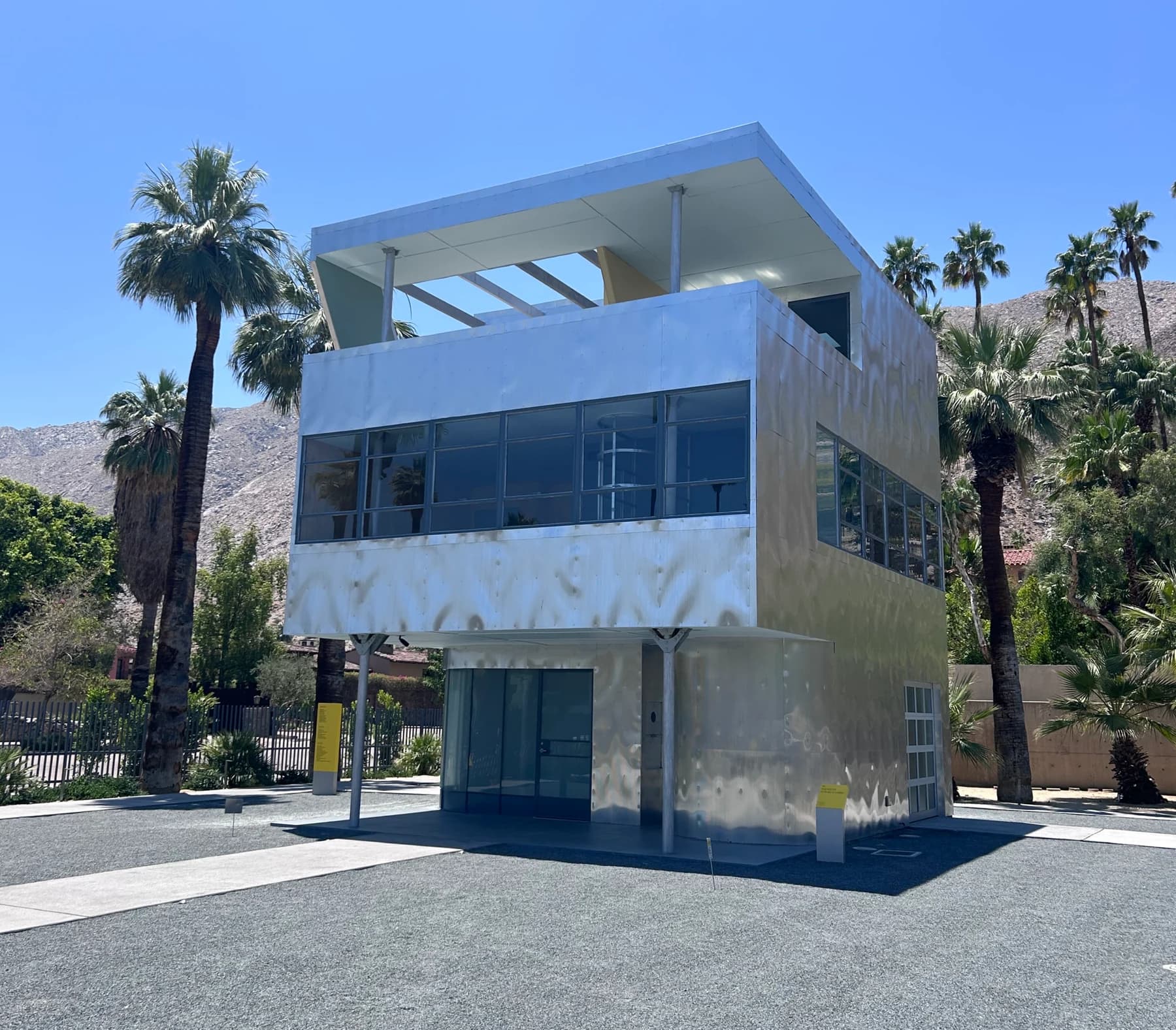
The house that could be assembled again.
Compare an industrial landmark still at work with an experimental house preserved through reconstruction.
Experimental Housing & Material Continuity
Read the story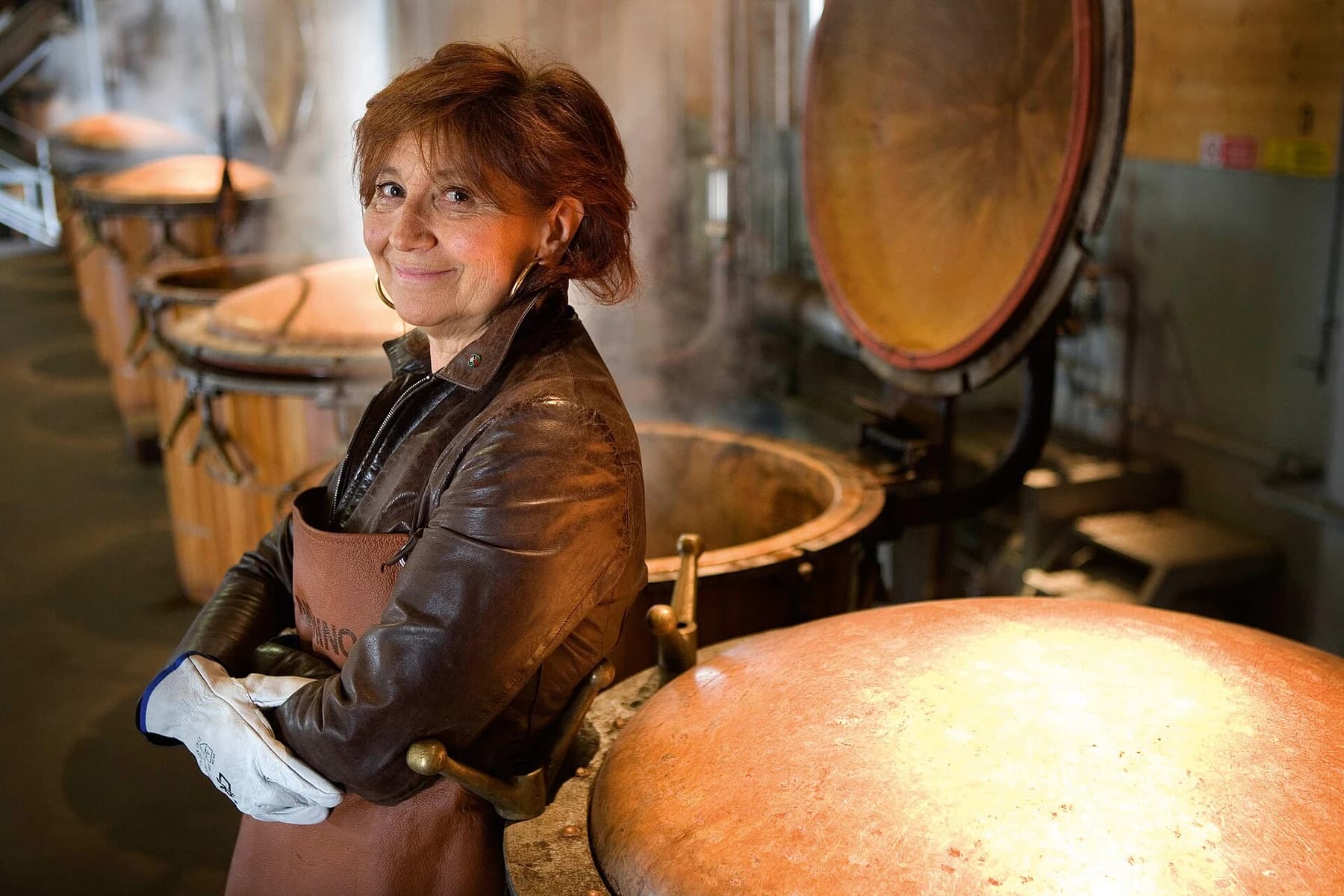
Across the WHV world
The value left in the grape.
A distillery offers another setting where the identity of a place depends on production knowledge continuing to be used.
Spirits, People & Agricultural Knowledge
Read the story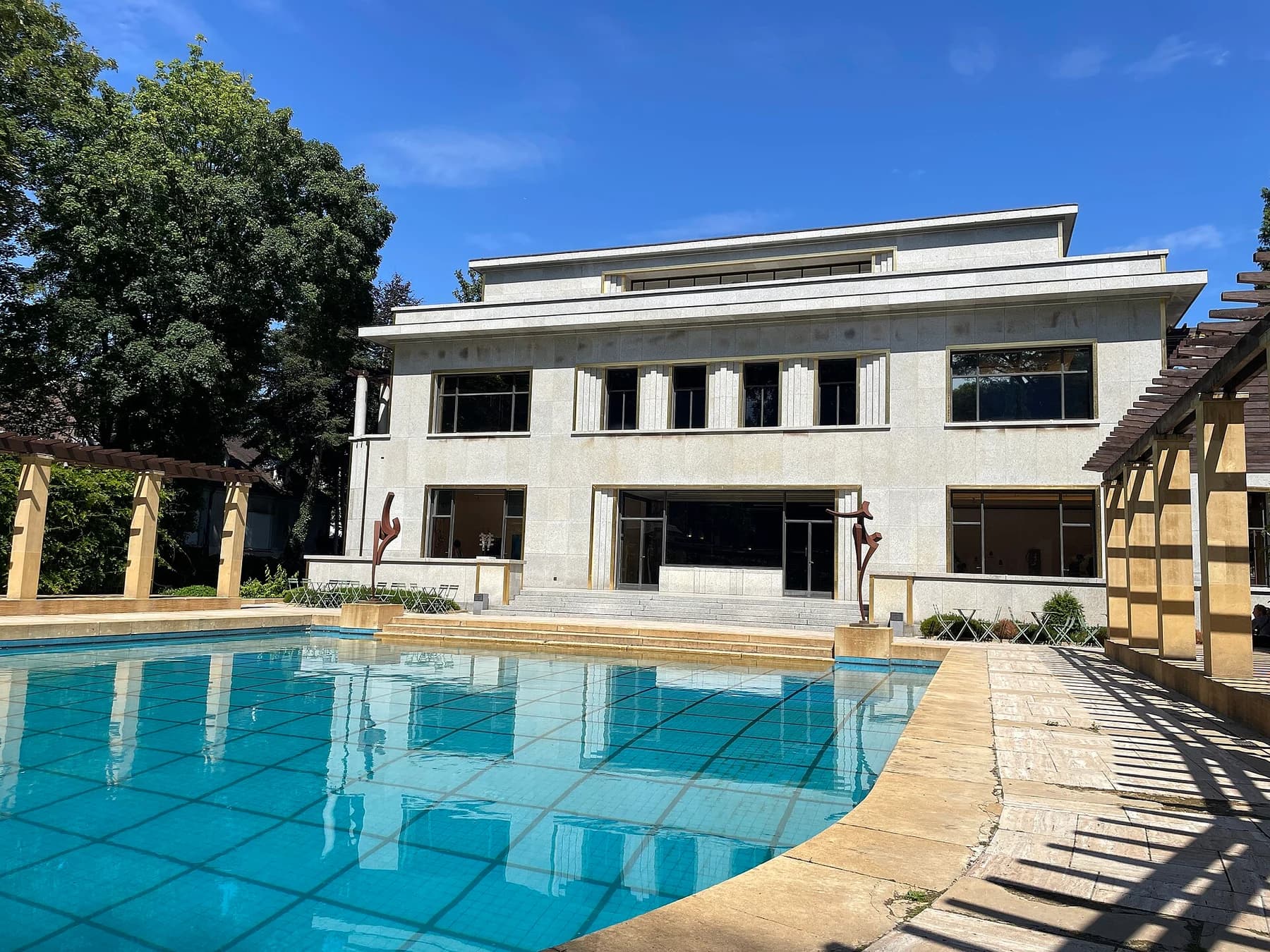
An unexpected connection
The villa that needed another life.
A restored villa changes the preservation question from continuing industrial use to a newly established cultural purpose.
Art Deco & Architectural Stewardship
Read the story