DISCOVERY / Spirits, People & Agricultural Knowledge
The value left in the grape.
Giannola and Benito Nonino’s Picolit grappa began with a sharper distinction inside a familiar material: keeping the pomace of one grape variety separate.
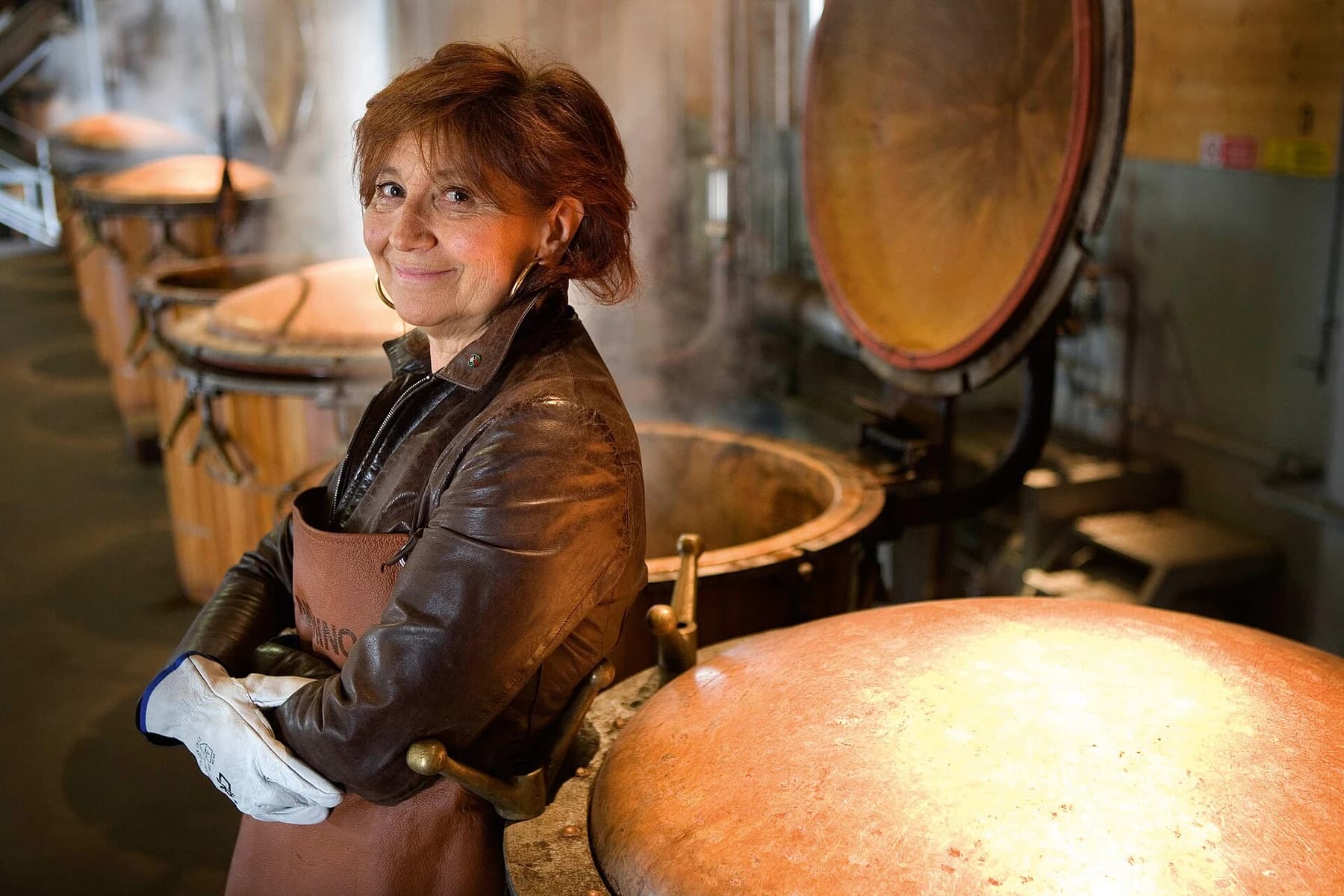
Published 21 October 2026 · WHV · Public-source editorial note
What remains after grapes become wine can still have an identity worth protecting. In 1973, Giannola and Benito Nonino distilled the pomace of Picolit separately. Their Monovitigno approach made the grape variety, rather than simply the broad category of grappa, central to the conversation. The change began before the liquid reached the still.
Separate the material, change the question
The current Picolit Cru specification describes selected pomace, controlled fermentation followed by distillation, and batch production in copper steam stills. The spirit then rests in stainless steel rather than acquiring its identity from prolonged wood ageing. This offers a useful counterpoint to the assumption that an impressive age statement is the main route to seriousness in a spirit.
The deeper value is a way of looking at agricultural material. Something already used in one process need not become anonymous in the next. Preserving distinctions requires coordination with growers, technical care and a reason for drinkers to notice. The family’s later prize for indigenous Friulian varieties extends that attention from a bottle to the knowledge and plants behind it.
Understand the process before the prestige
Approach Picolit through a small, considered tasting where available, and compare the production method with other grappas rather than relying on status or packaging. Ask which grape, which process and which bottling you are actually being offered. This is a story about transforming perception through material knowledge, not a recommendation to accumulate spirits or a prediction of future bottle prices.
Source and context.
Nonino: Picolit Cru production record ↗
Premio Nonino: the 1973 Picolit distillation and subsequent history ↗
Giannola Nonino: recalling the selection of Picolit growers ↗
Producer descriptions are not a WHV tasting. The portrait shows Giannola Nonino, not a particular bottling. Cultural and production significance do not establish resale value.
Source checked 21 October 2026. WHV interpretation is distinct from the source’s account.
Explore Spirits, People & Agricultural KnowledgeFOLLOW YOUR CURIOSITY
Where this leads.
Different subjects. A reason to connect them.
Continue the idea
The time before the bottle is yours.
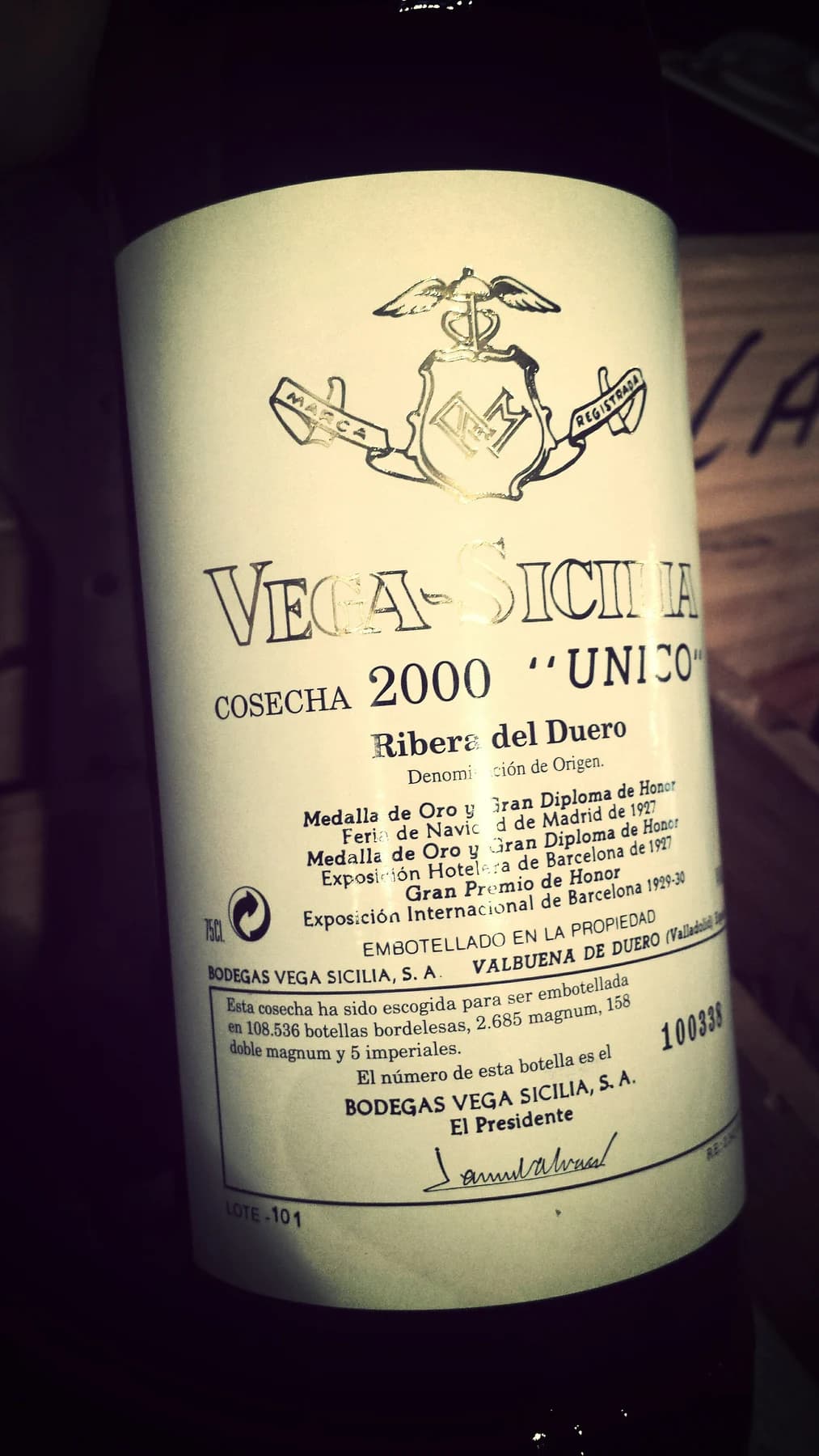
An extended maturation sequence shows another way that production decisions can explain value without predicting a resale price.
Wine & Deliberate Maturation
Read the story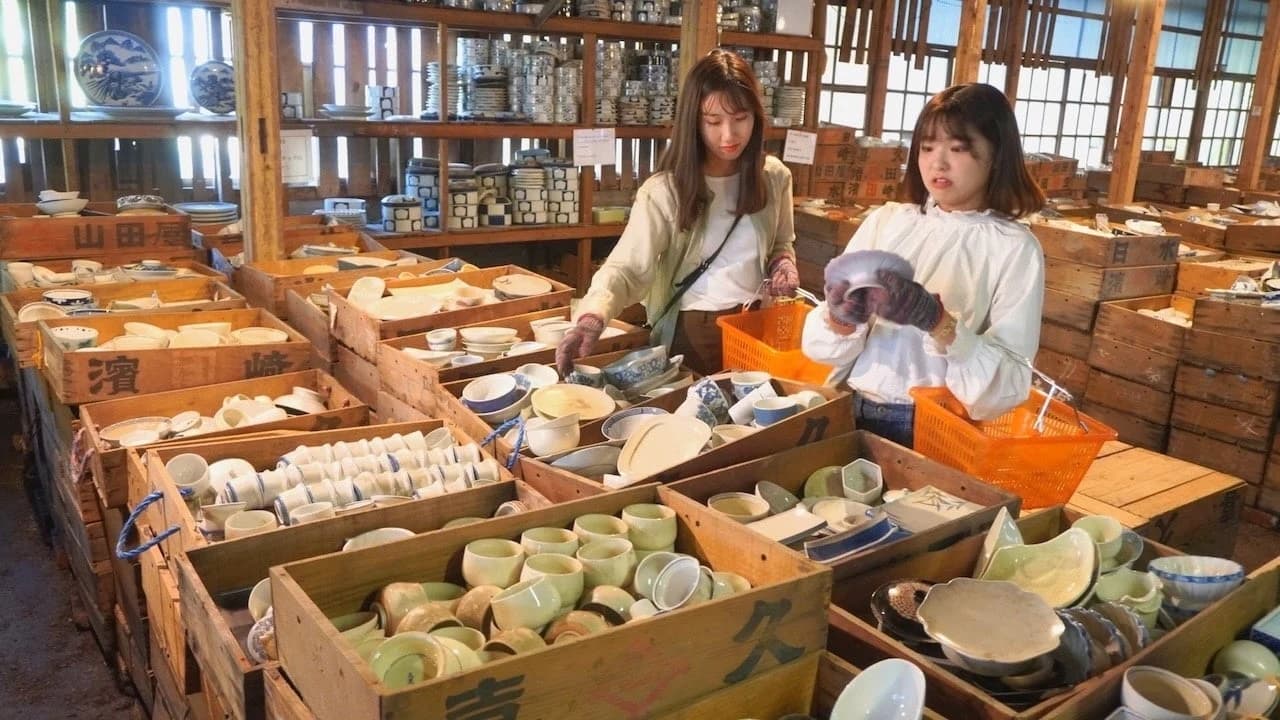
Across the WHV world
The porcelain waiting for another table.
Stored porcelain offers a different example of finding worthwhile possibilities in material that has been overlooked.
Arita Porcelain & Rediscovery
Read the story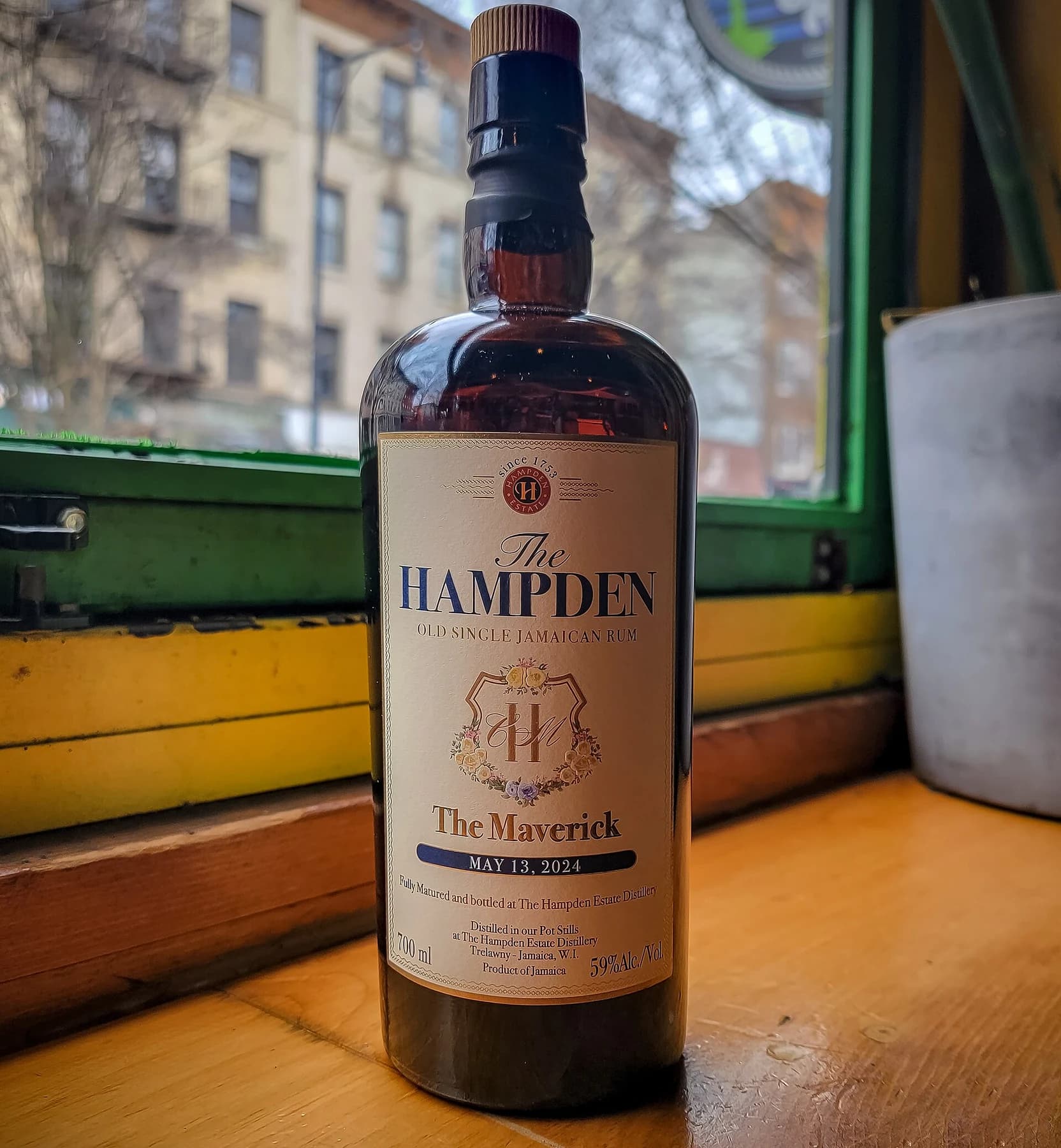
An unexpected connection
The letters behind the rum.
Published rum marks offer another practical vocabulary for noticing differences that a broad spirits category can conceal.
Rum & Fermentation Knowledge
Read the story