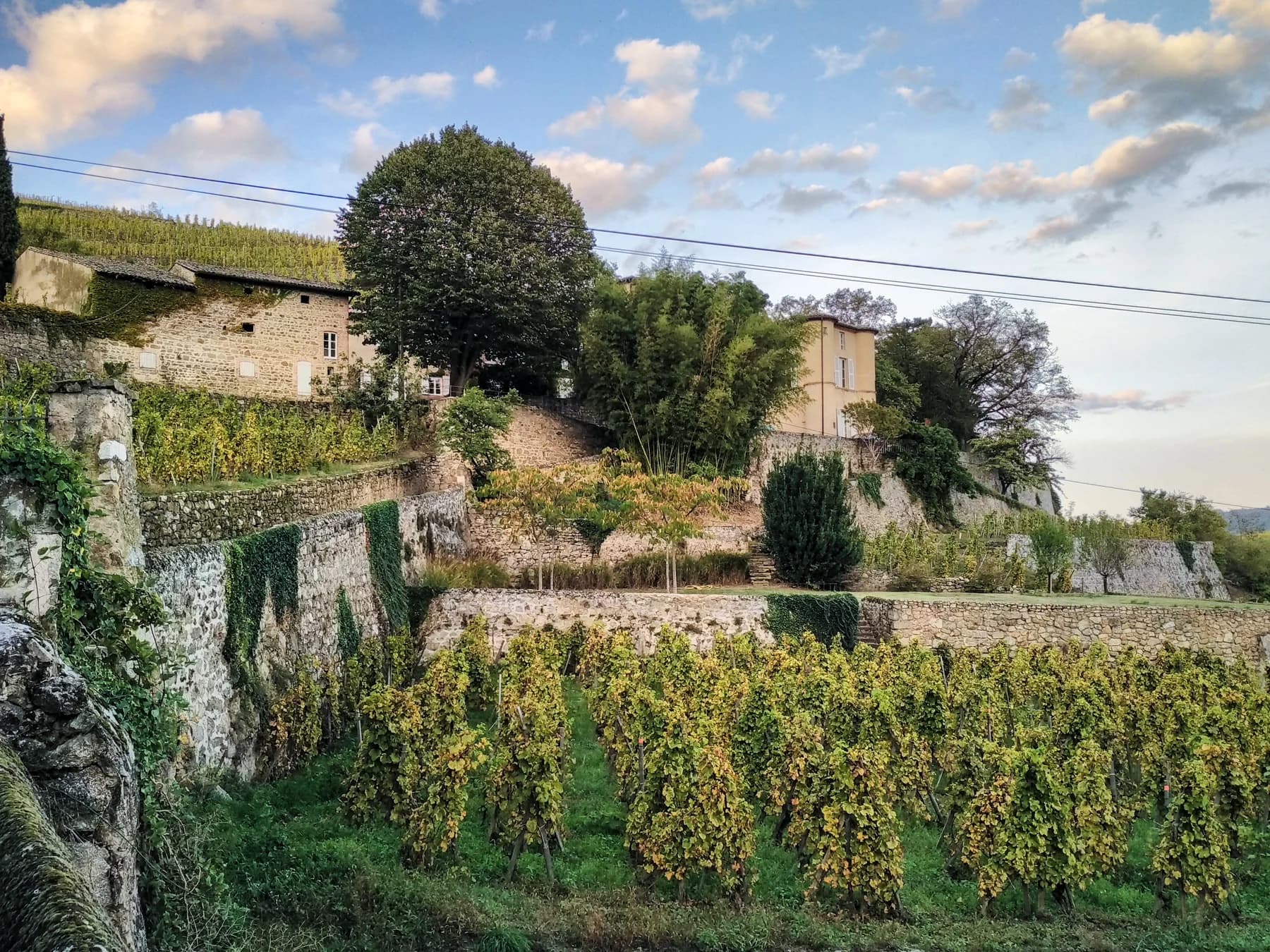
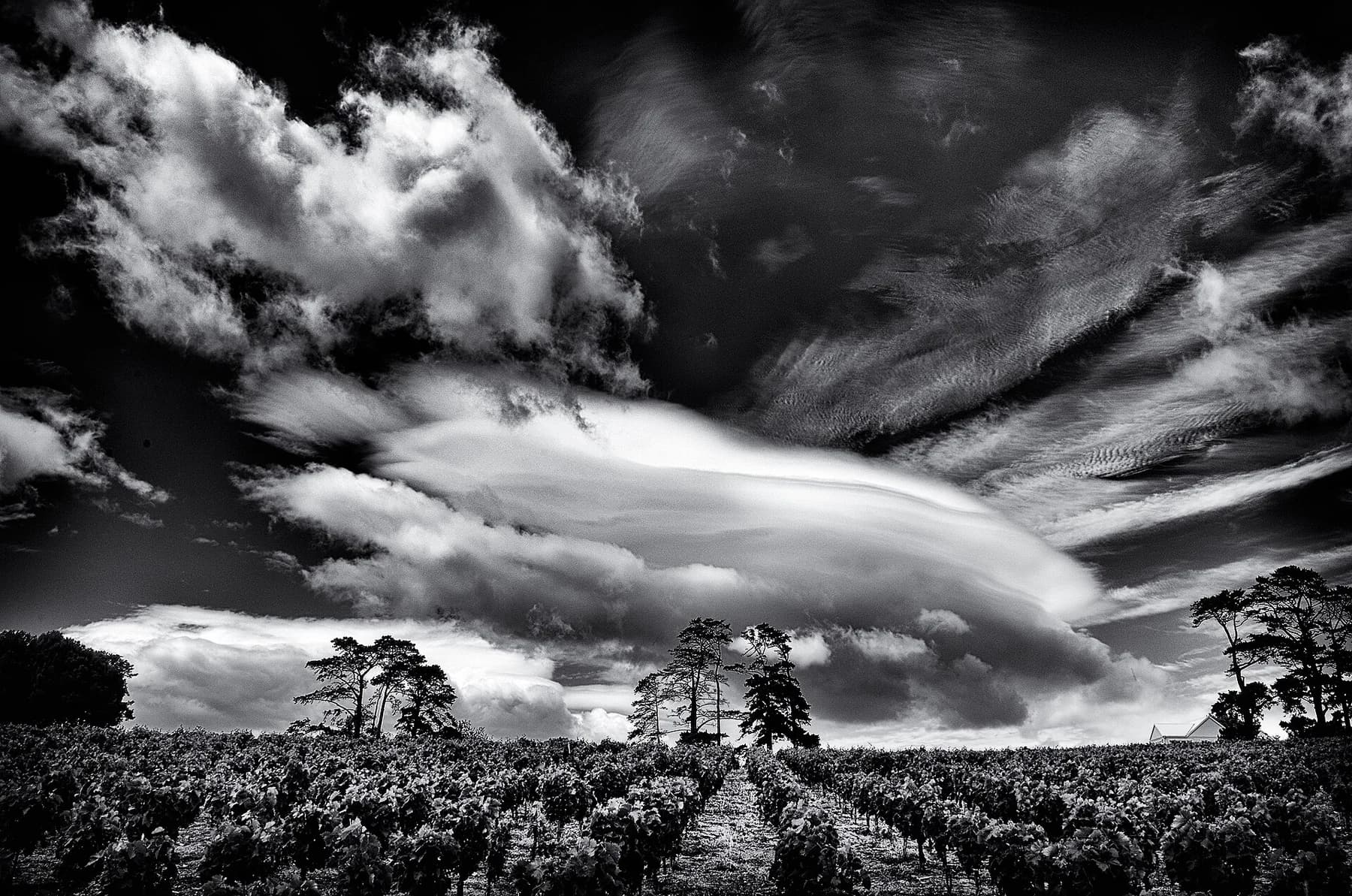
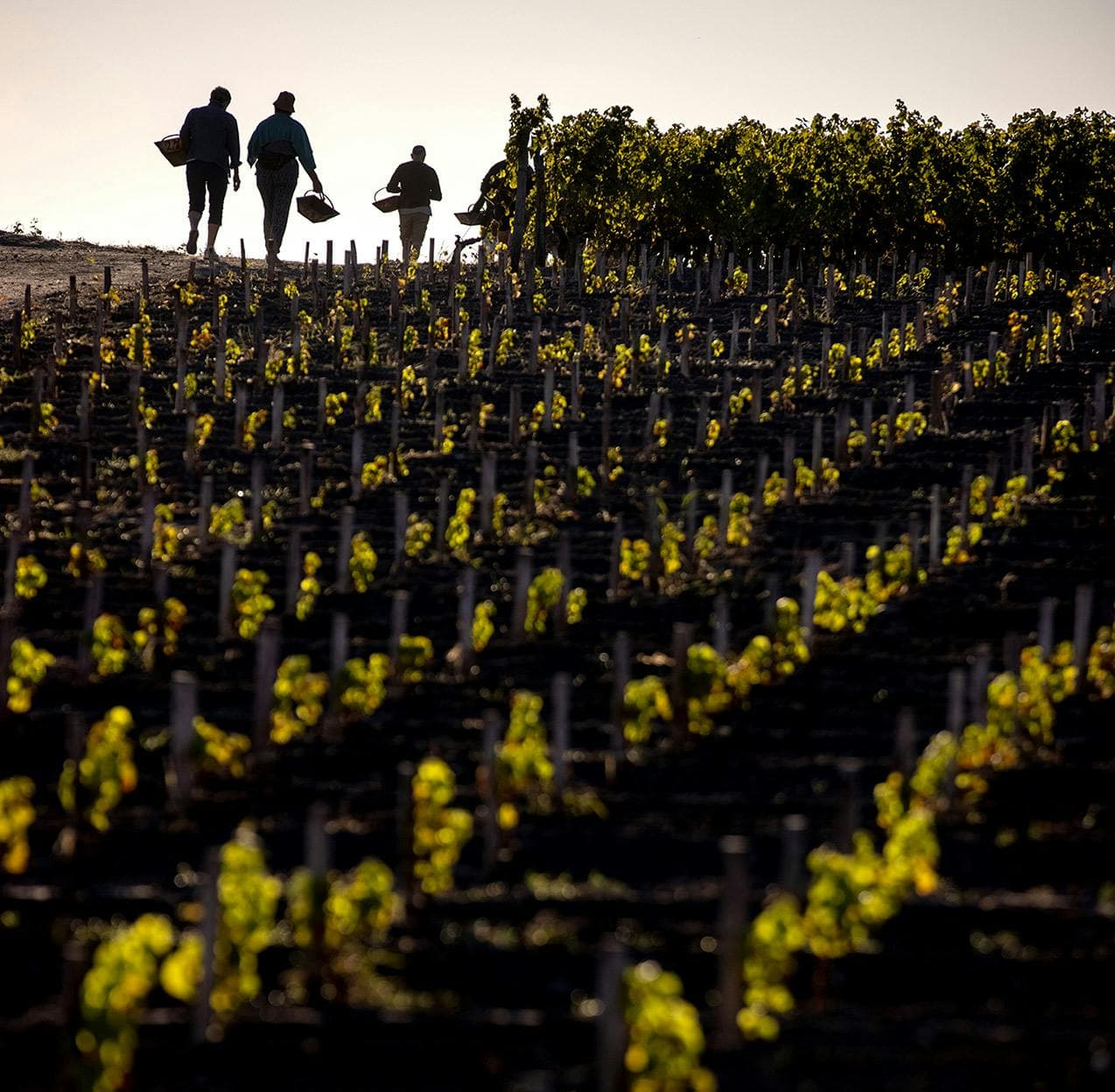
Château-Grillet makes the scale of an appellation unusually tangible. A small Viognier vineyard and its terraces explain more than the prestige of the name alone.
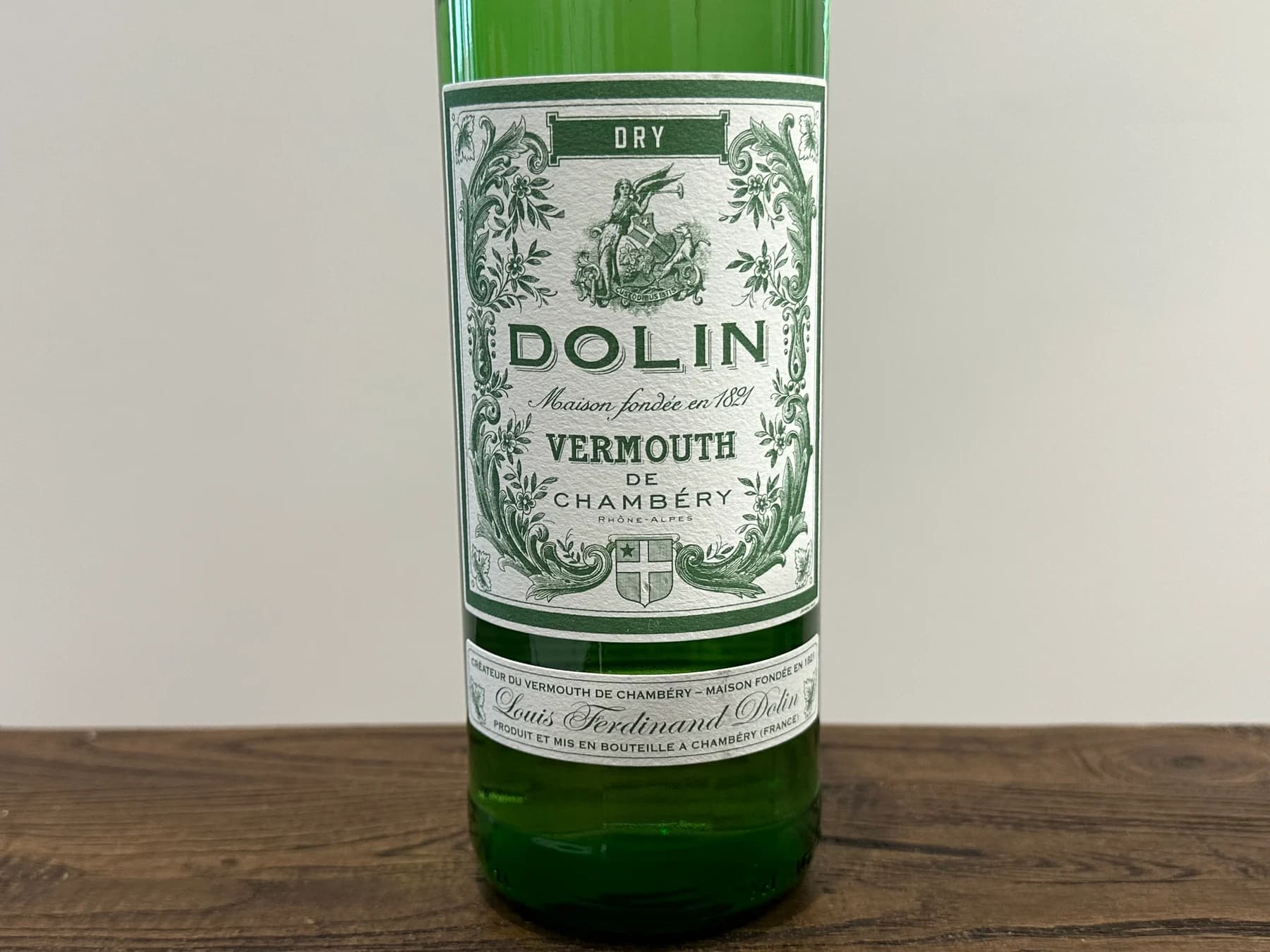
Dolin Dry makes a useful distinction between a drink worth understanding and a bottle worth keeping unopened. Its value is in a specific role at the table or bar.
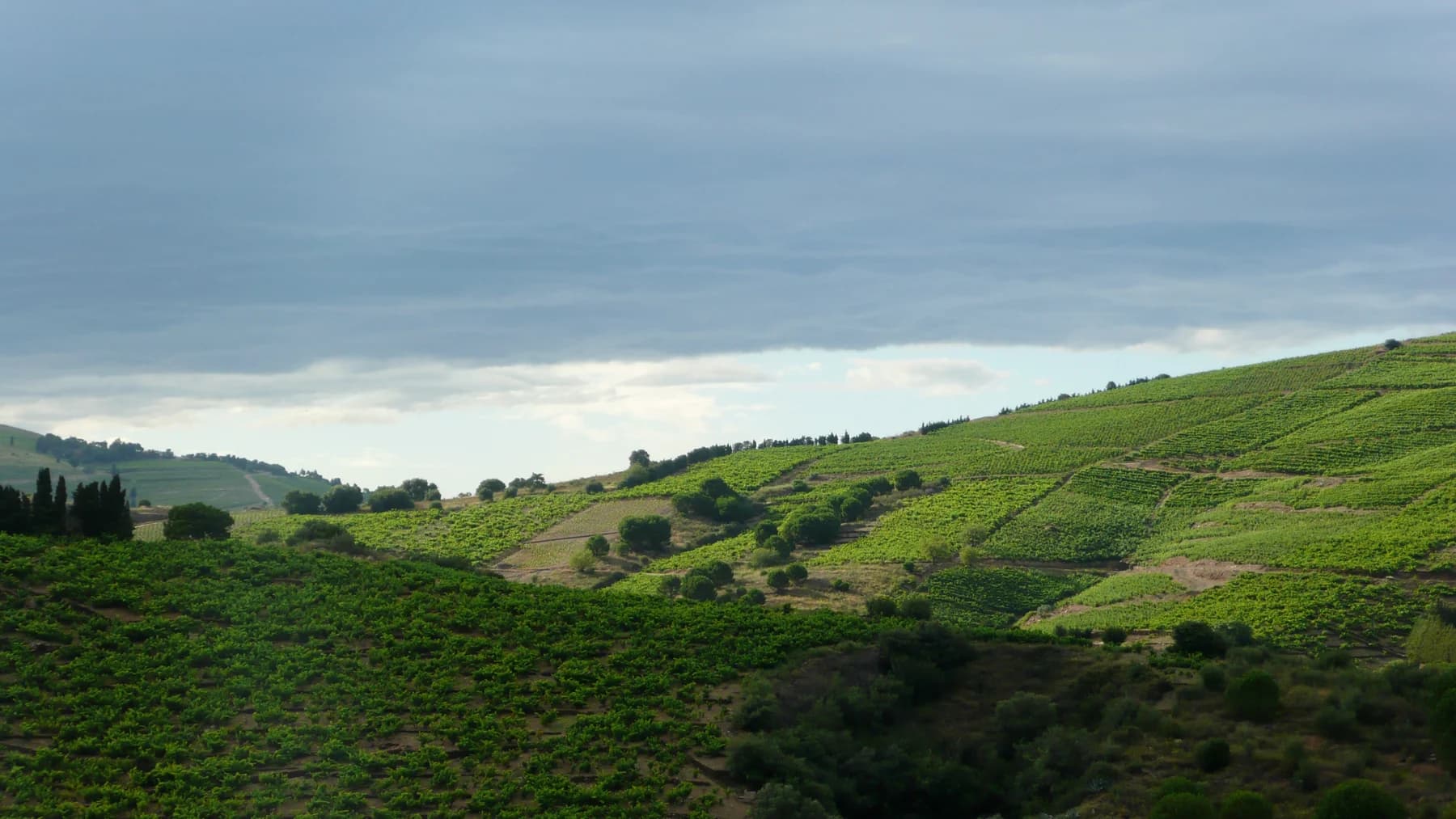
Banyuls Rimage is a useful surprise for anyone who equates fortified wine with long oxidative ageing. Chapoutier’s Bila-Haut account follows a different route.
Bodegas Tradición’s Amontillado VORS carries the effects of two kinds of ageing. Understanding their sequence is more revealing than simply admiring a large number on a label.
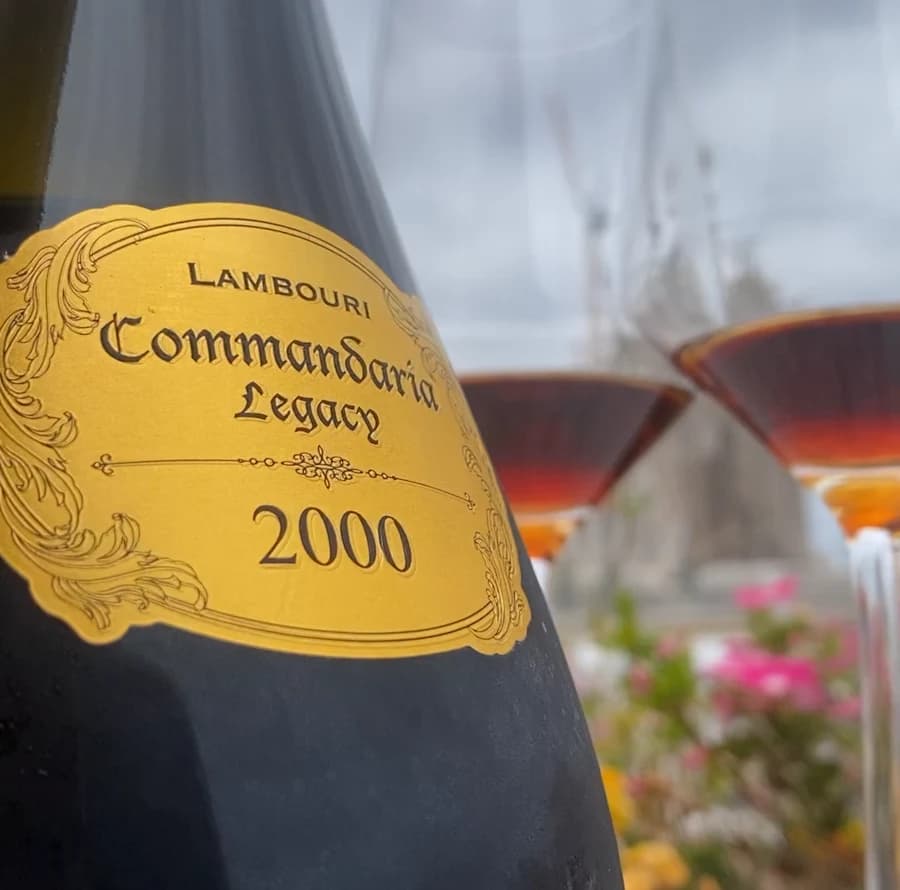
Commandaria begins its concentration before the grapes reach the press. LionSpirit’s Legacy 2000 offers a concrete route into a Cypriot wine tradition that is more interesting than its oldest-wine slogans.
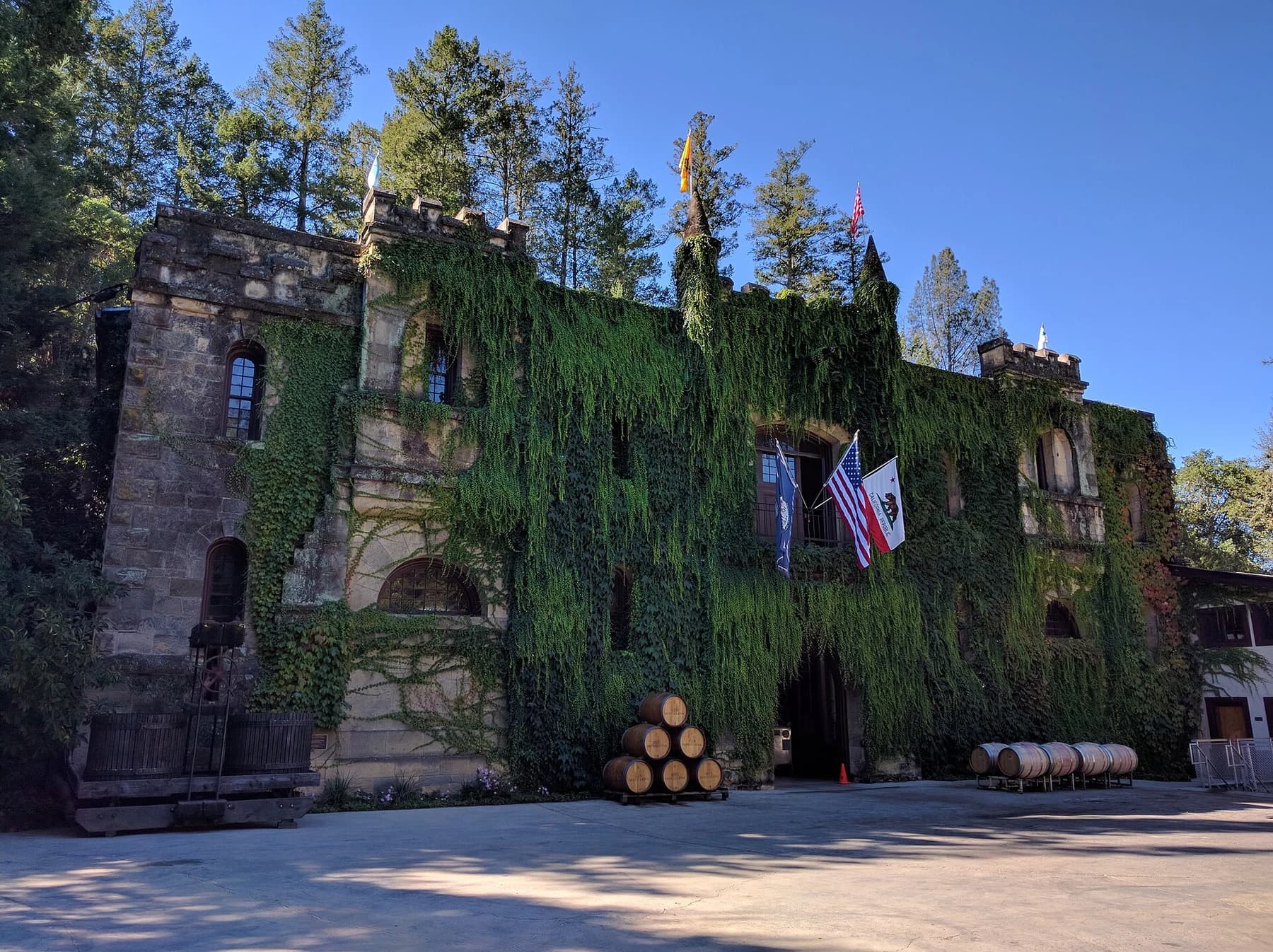
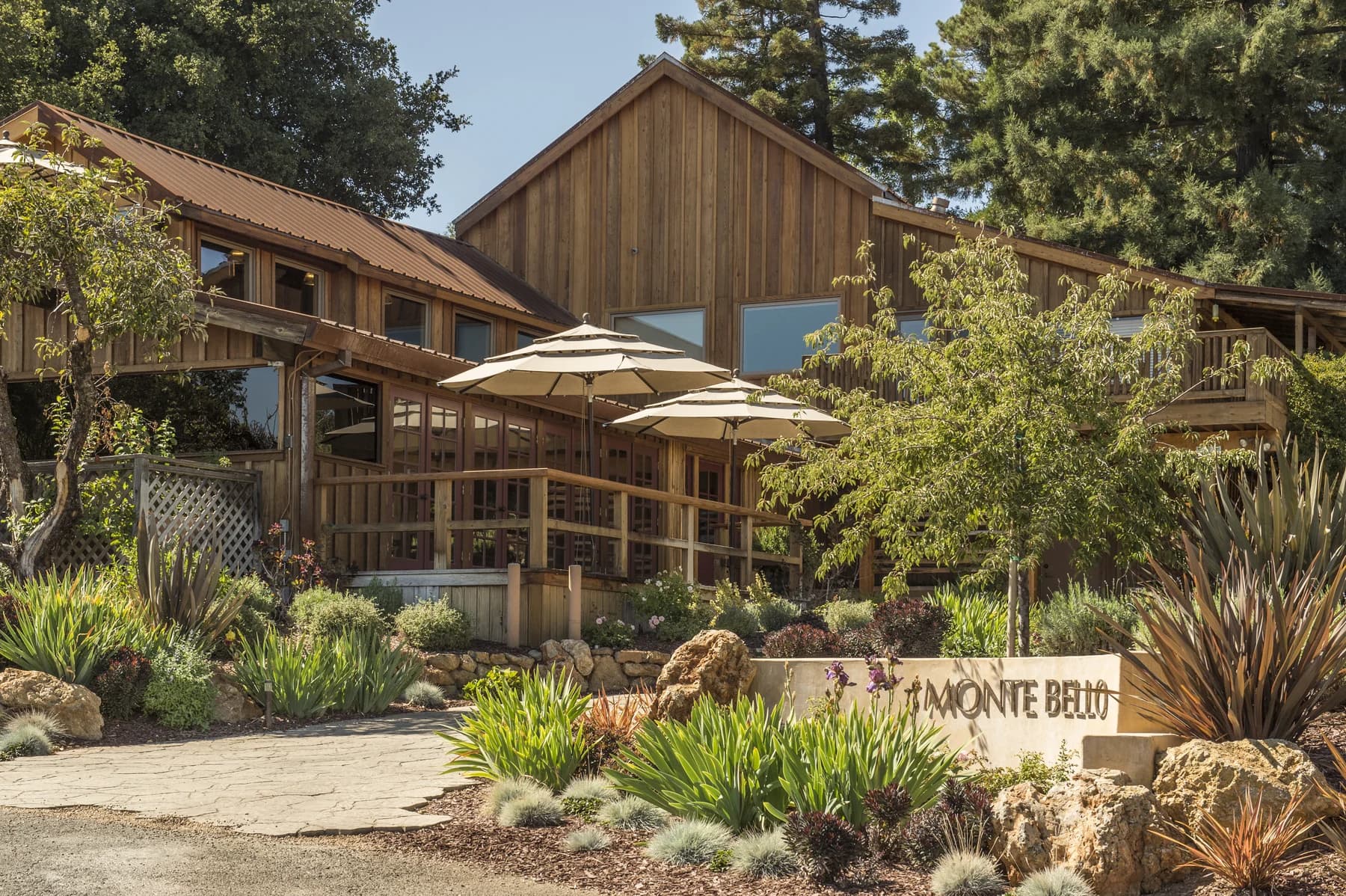
Chateau Montelena’s Chardonnay invites a better question than whether a famous label is worth buying. What happens when reputation is tested against the wine itself?
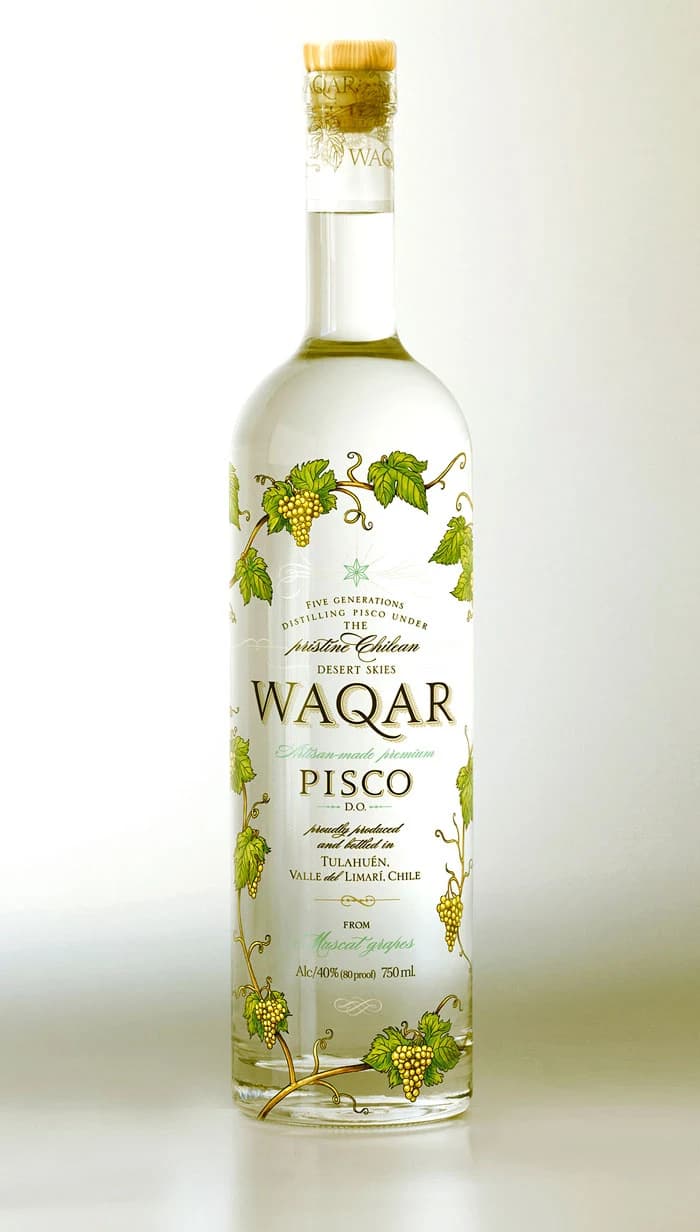
Pisco Waqar offers another way to read a spirit’s value. Muscat grapes, a Chilean valley and distilling decisions matter here without an age statement or a darkened cask.
Klein Constantia’s Vin de Constance is a modern revival, not an unbroken bottle of history. Its interest lies in recovered ambition and the exacting work of making a sweet wine today.
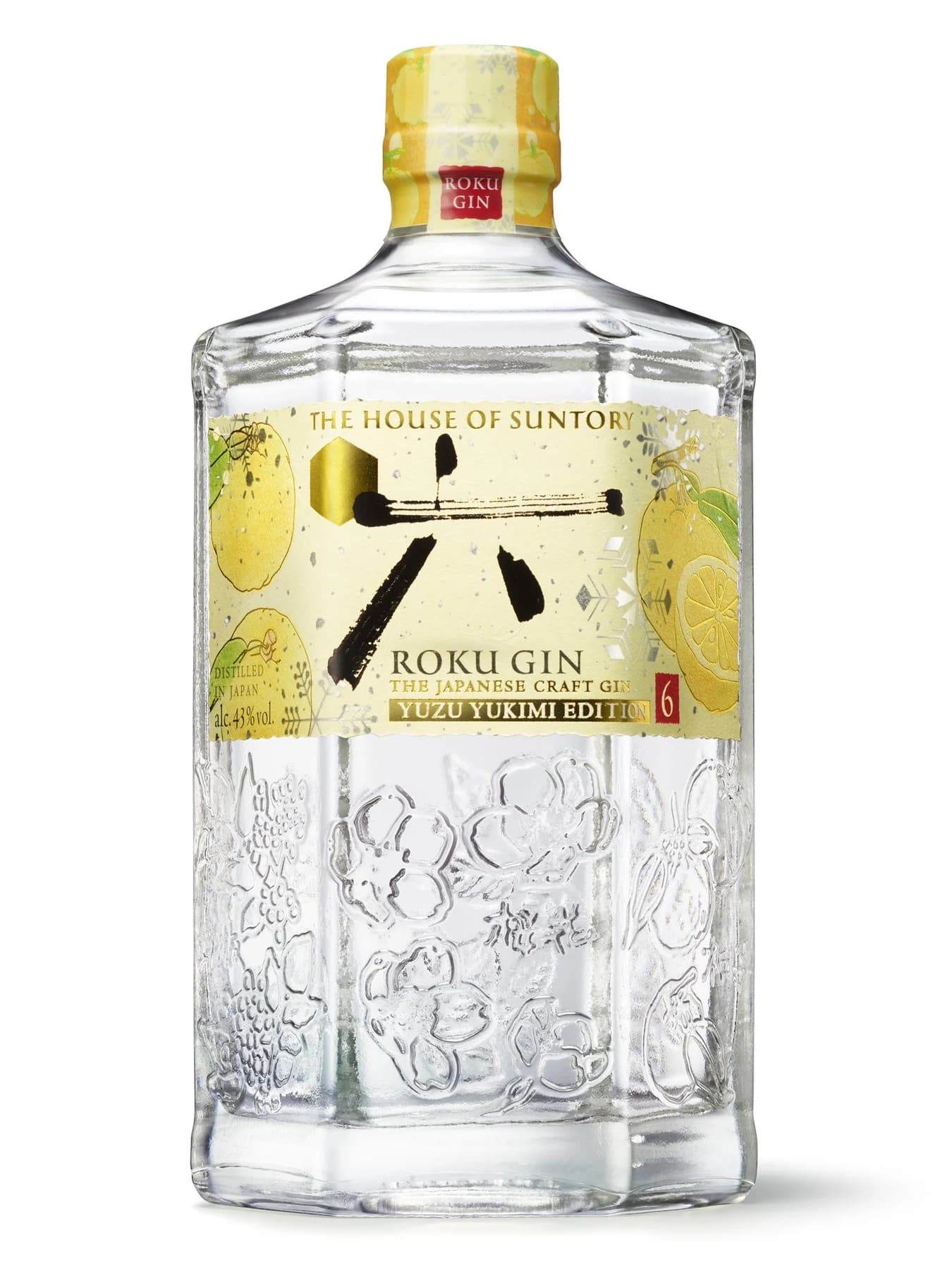
ROKU Yuzu Yukimi Edition shifts attention towards one botanical already inside the gin. The October 2026 Japanese release offers a way to understand variation without mistaking limited supply for value.
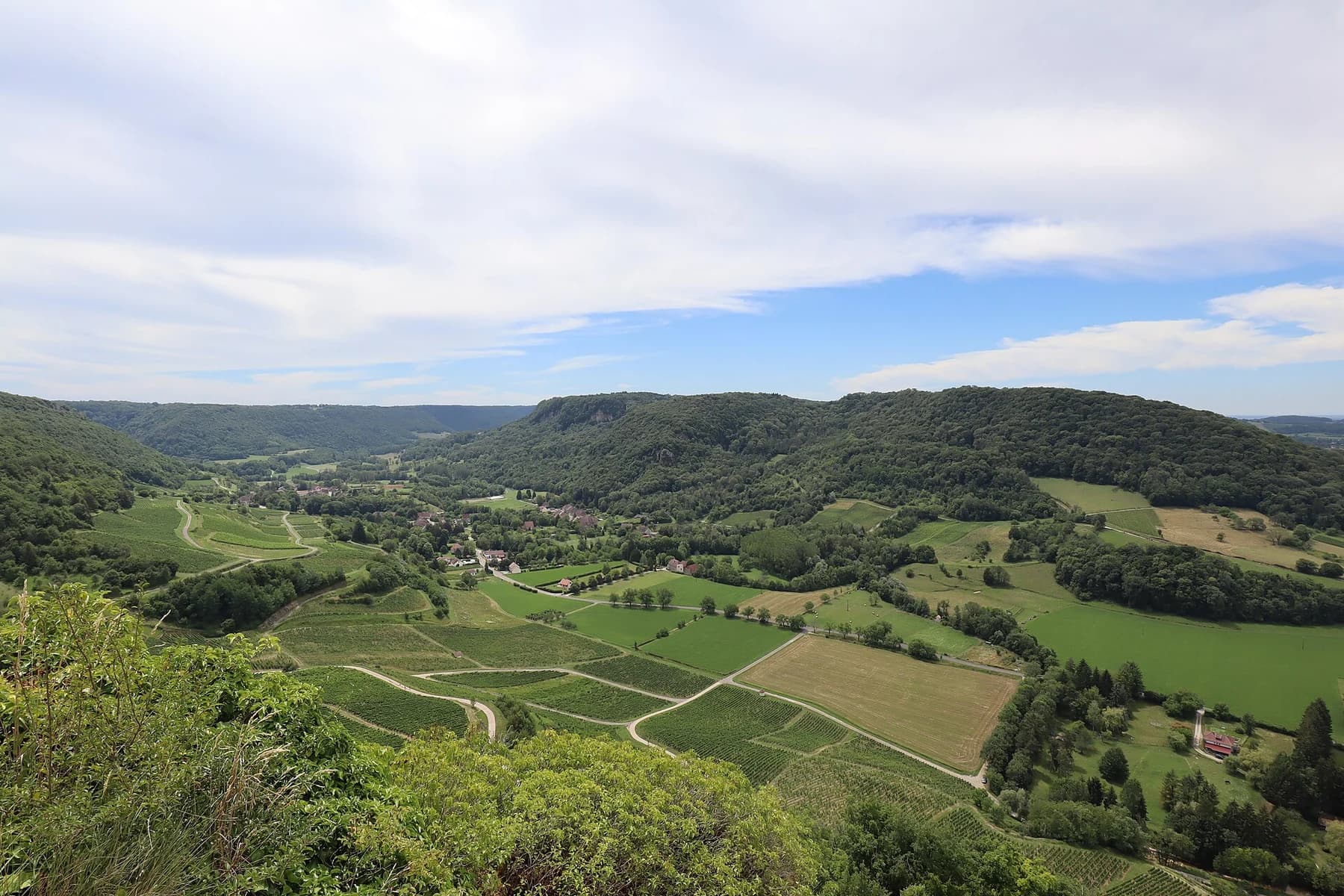
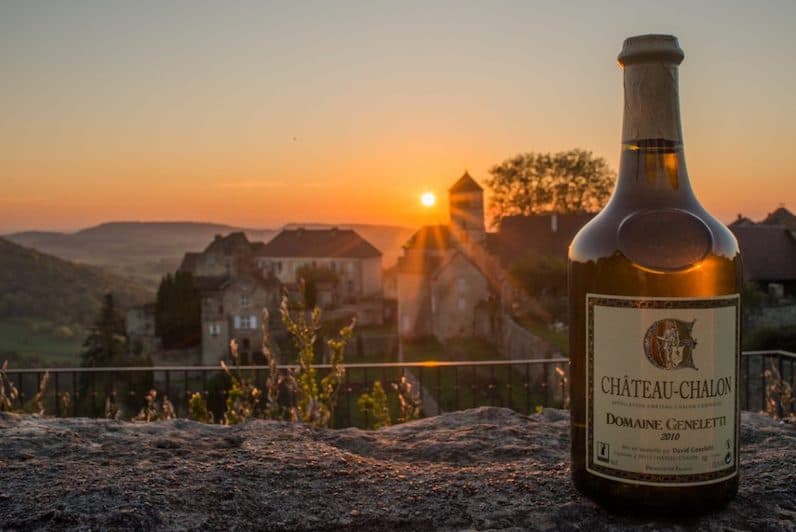
Château-Chalon asks you to reconsider what a white wine can become. Savagnin and years beneath a yeast veil produce a different relationship with time.
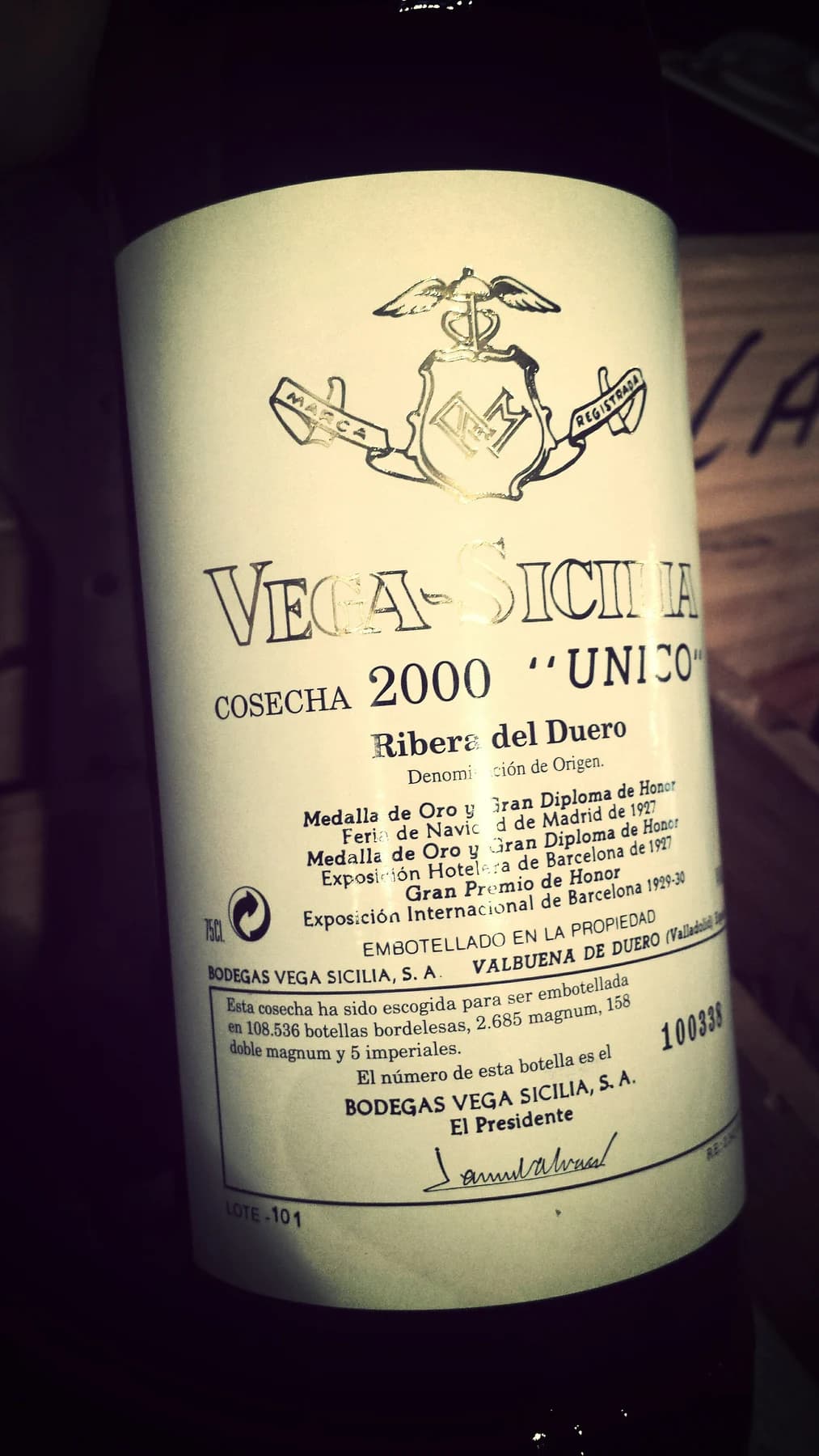
Vega Sicilia Único makes waiting part of production. Understanding that work is more useful than treating a famous label as a promise of future appreciation.
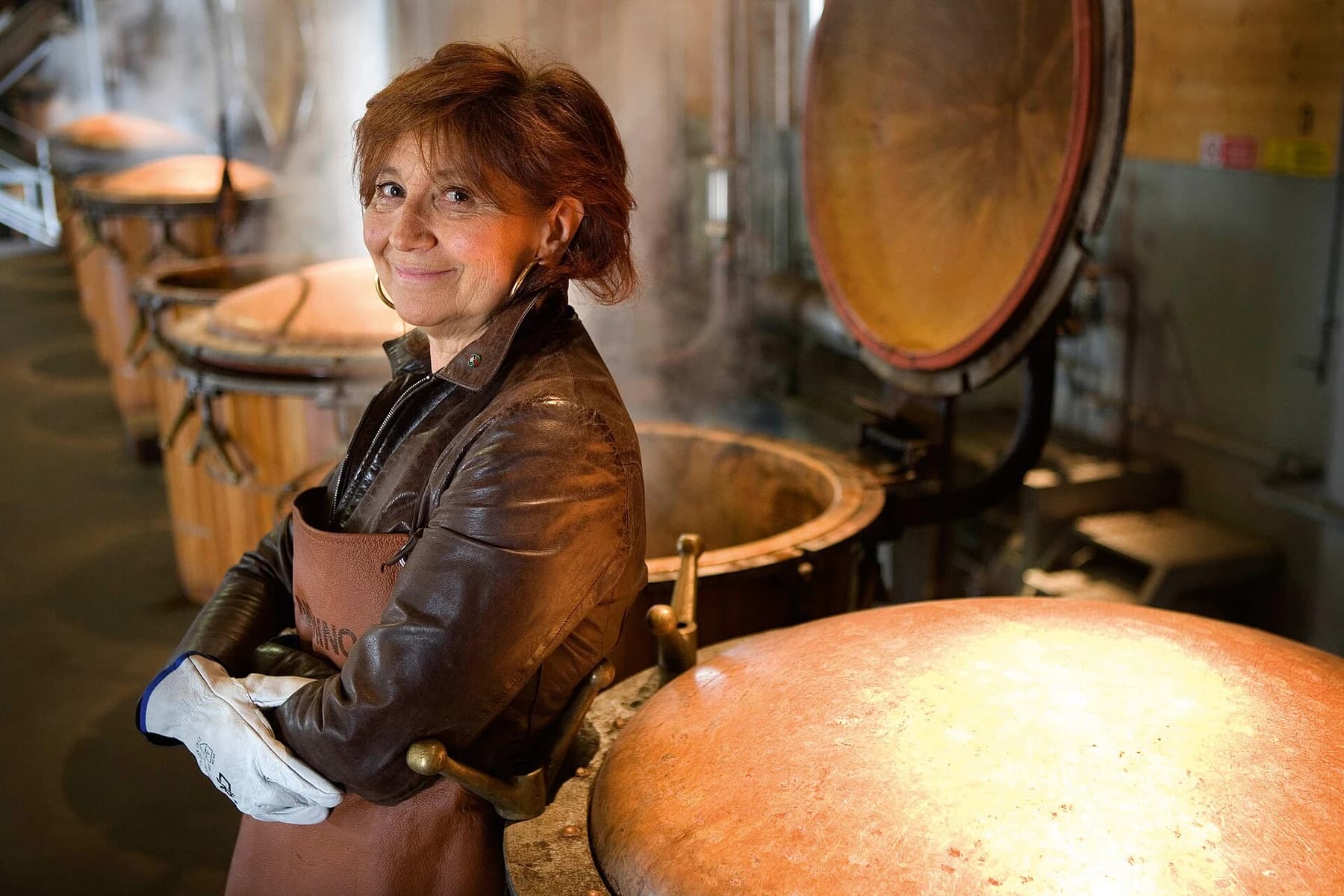
Giannola and Benito Nonino’s Picolit grappa began with a sharper distinction inside a familiar material: keeping the pomace of one grape variety separate.
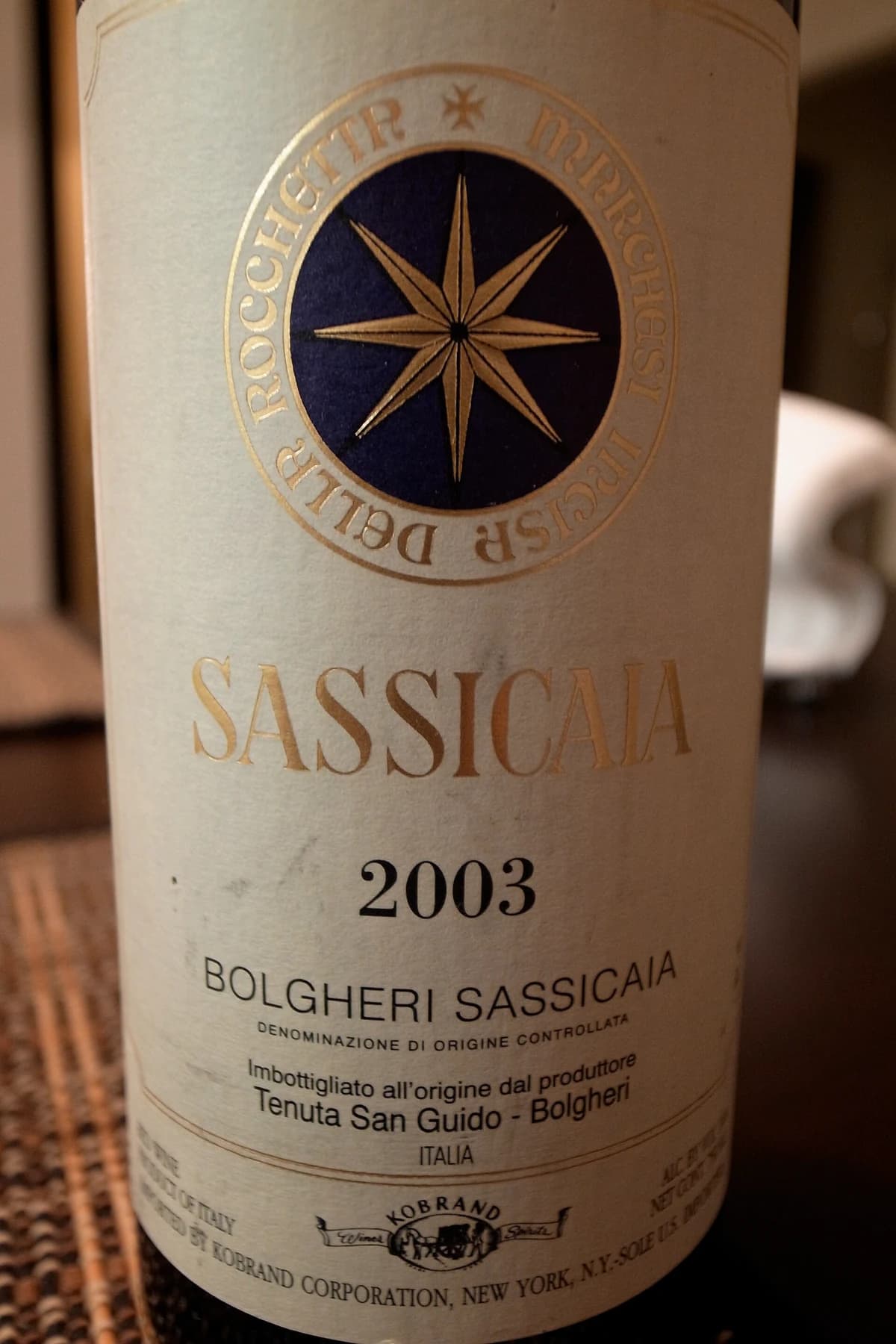
Sassicaia began as a private Cabernet experiment at Tenuta San Guido. Its significance is how an unfamiliar idea helped change the understanding of a place.
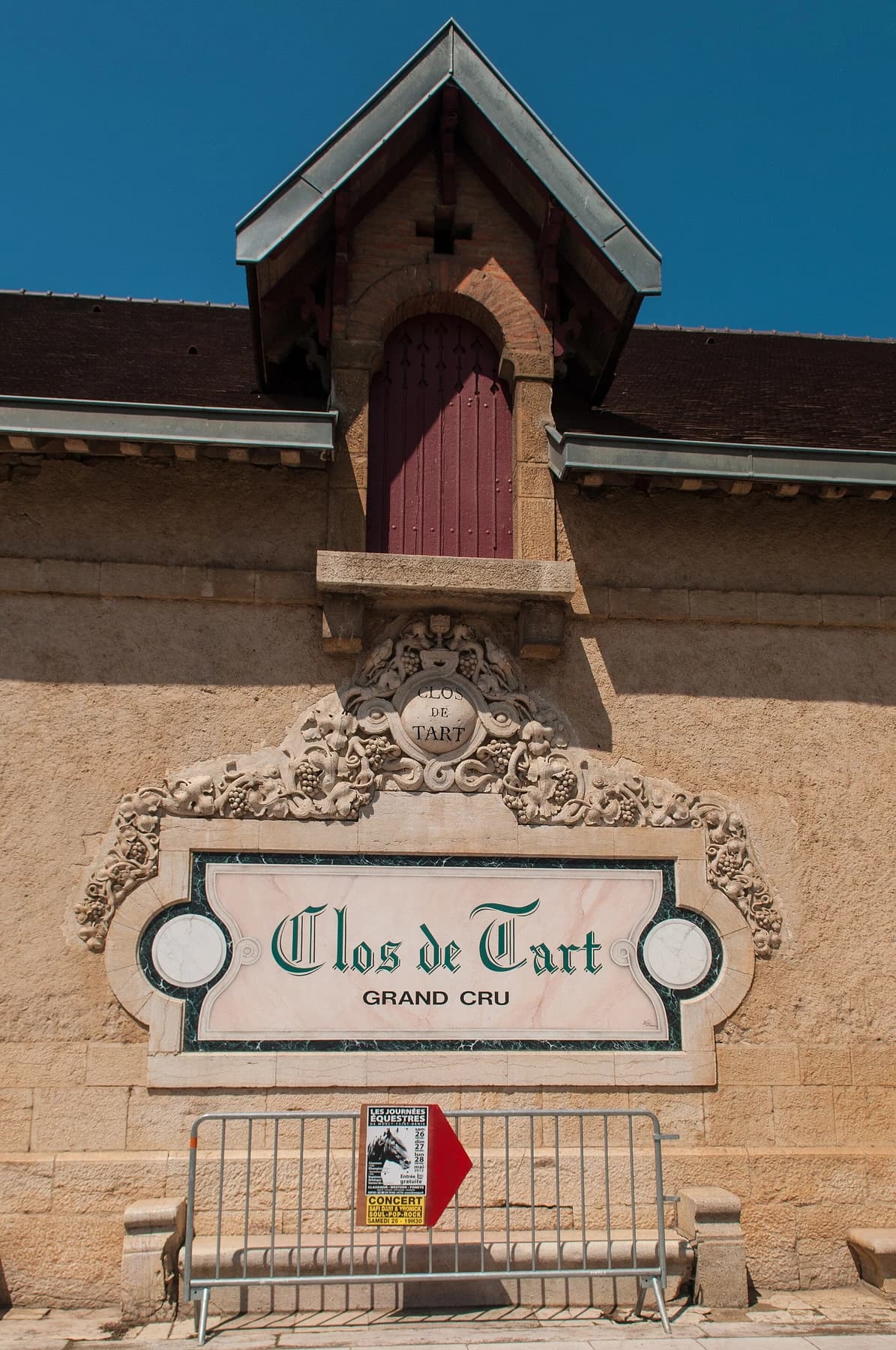
In a region famous for divided vineyard ownership, Clos de Tart offers another story. Its continuity is a useful way to understand what a place-name on a bottle can mean.
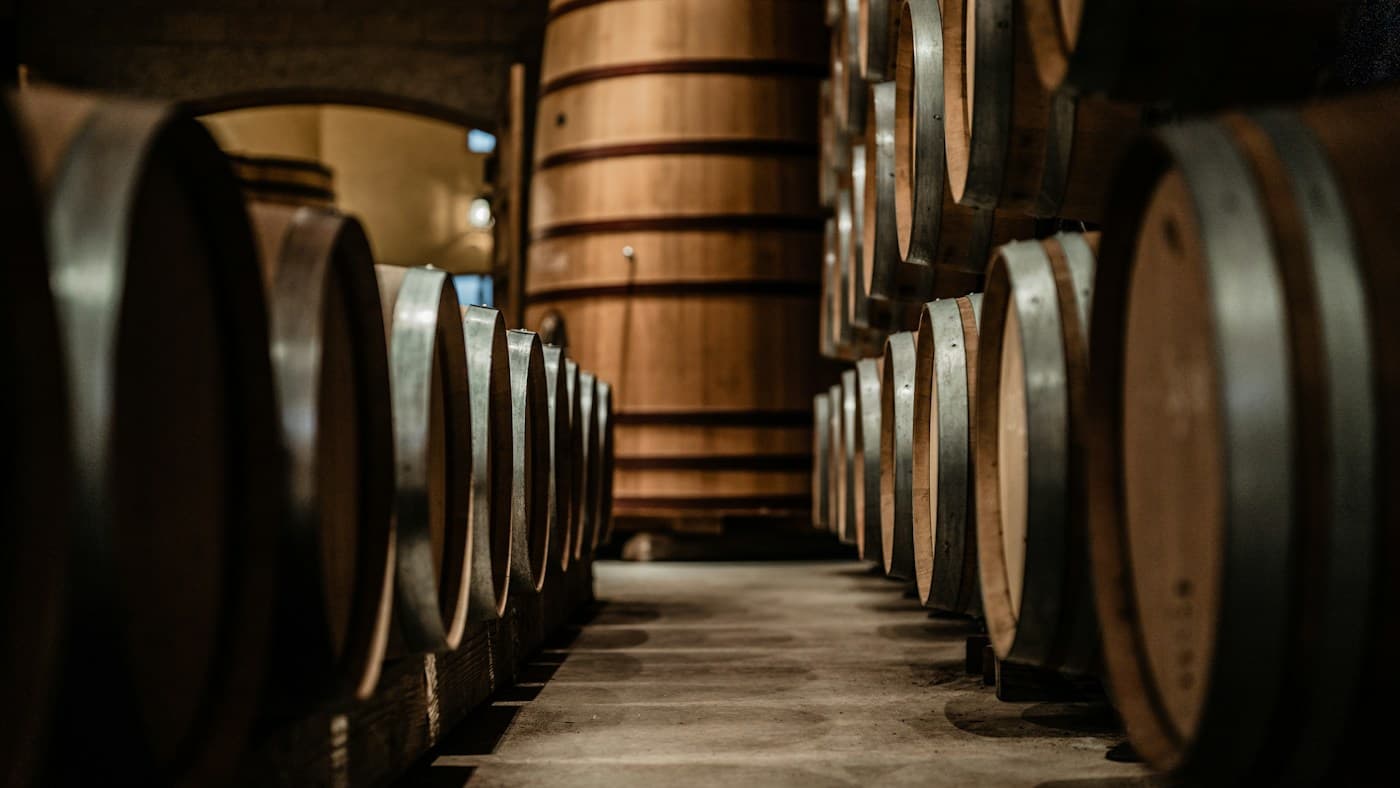
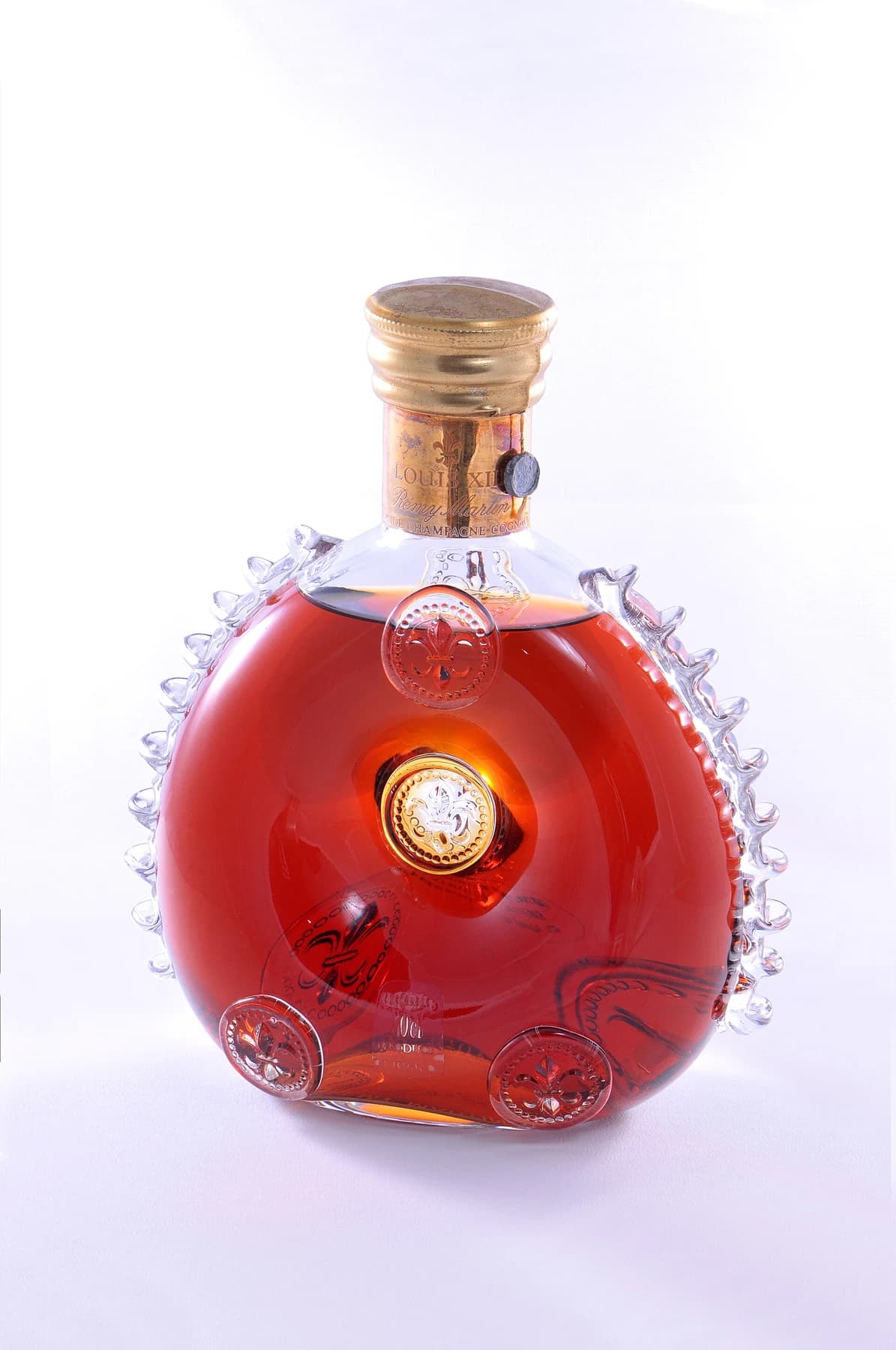
Behind the conspicuous Louis XIII decanter is a quieter story about coopers, old oak vessels and making something whose most important use lies decades ahead.
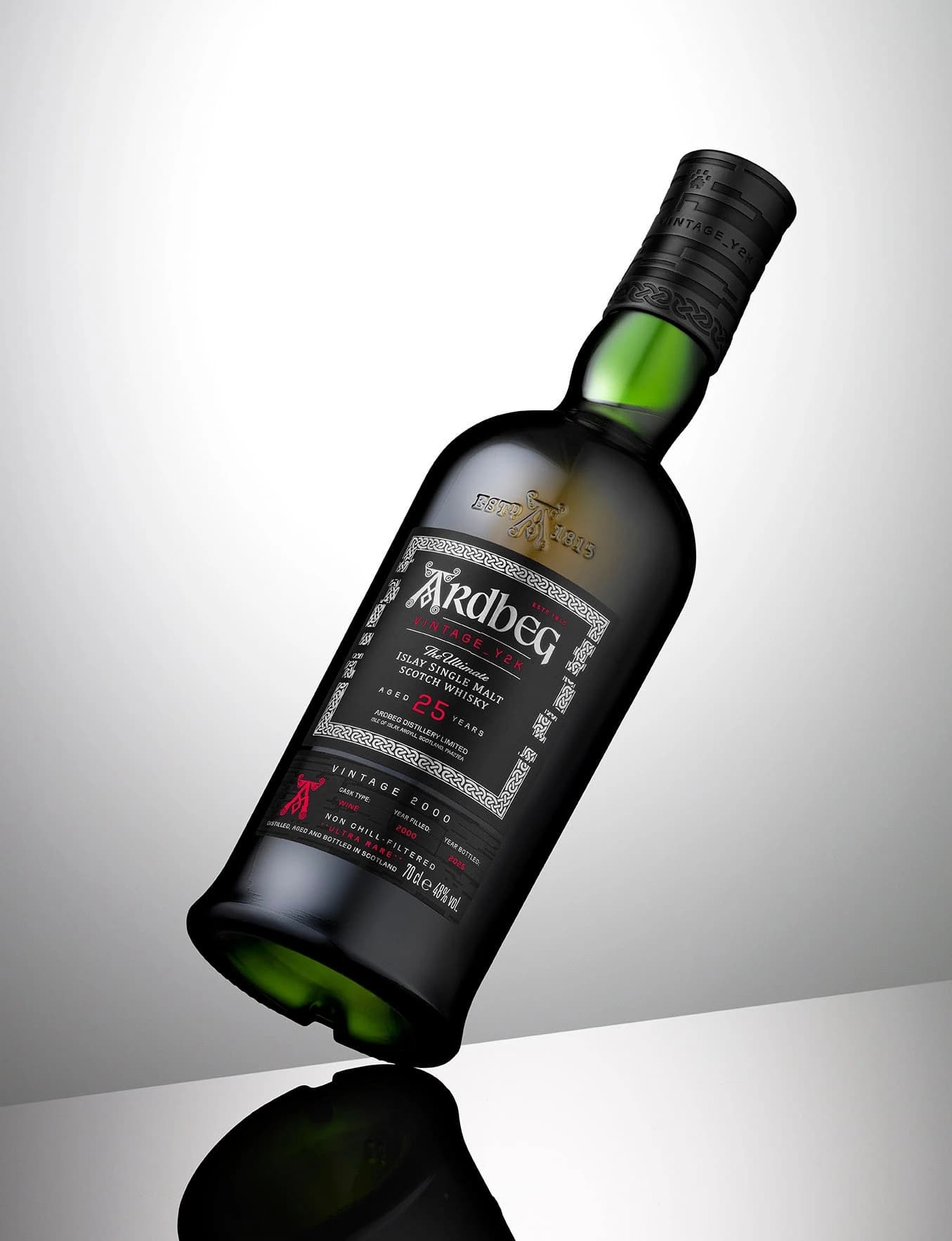
Ardbeg Y2K 25 moves from bourbon casks into Spanish red-wine casks. The interesting story is a sequence of decisions, not simply a large age statement.
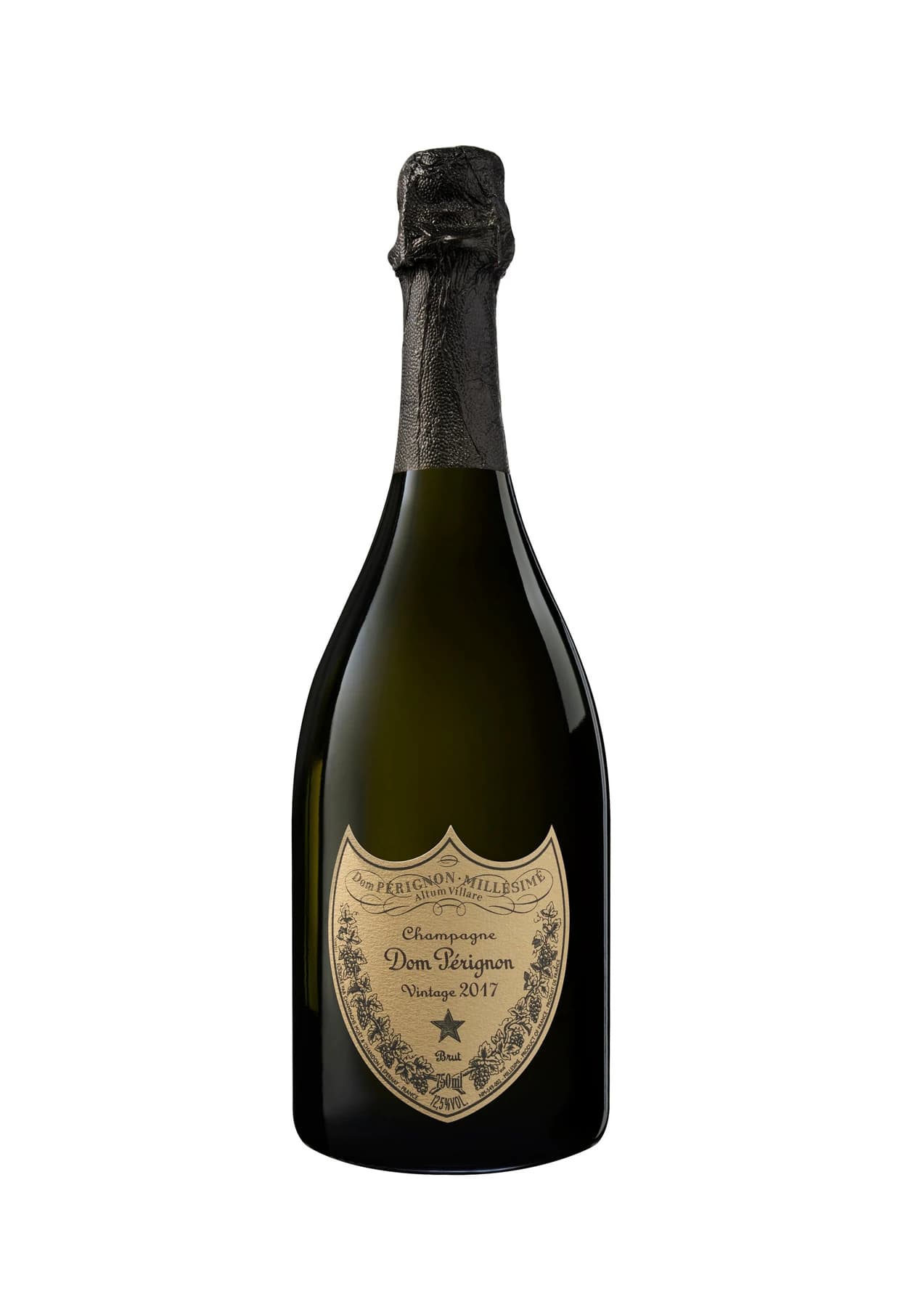
Dom Pérignon Vintage 2017 offers a way to read a Champagne through the decisions made in a difficult growing season, rather than through the prestige of its name.
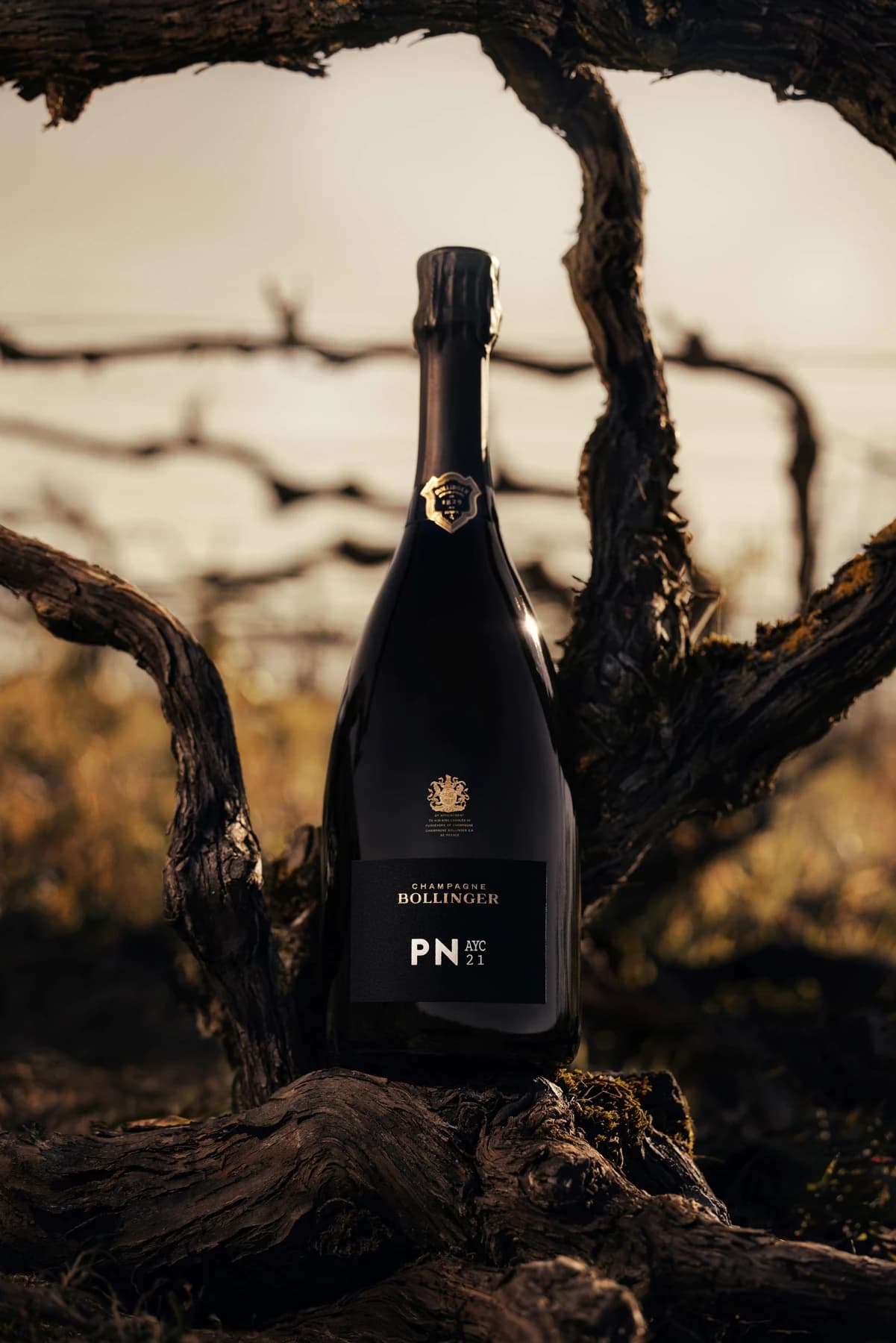
Bollinger PN AYC21 gives a village and a base year unusually clear billing. The new release is an invitation to understand blending, not confuse a code with a vintage.
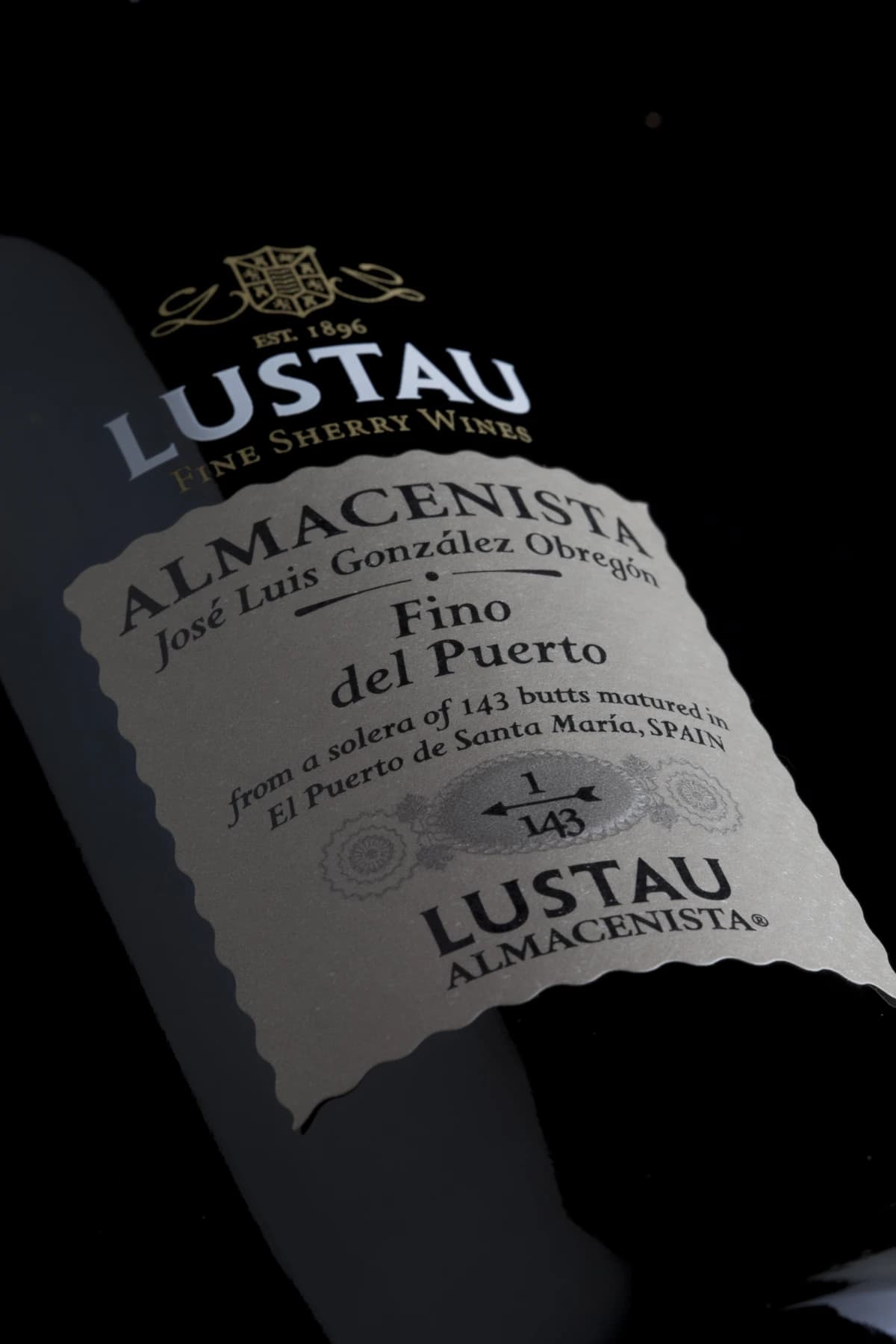
Lustau’s Fino del Puerto gives José Luis González Obregón a place on the label. The fraction beneath the name points to a solera, not a numbered luxury edition.
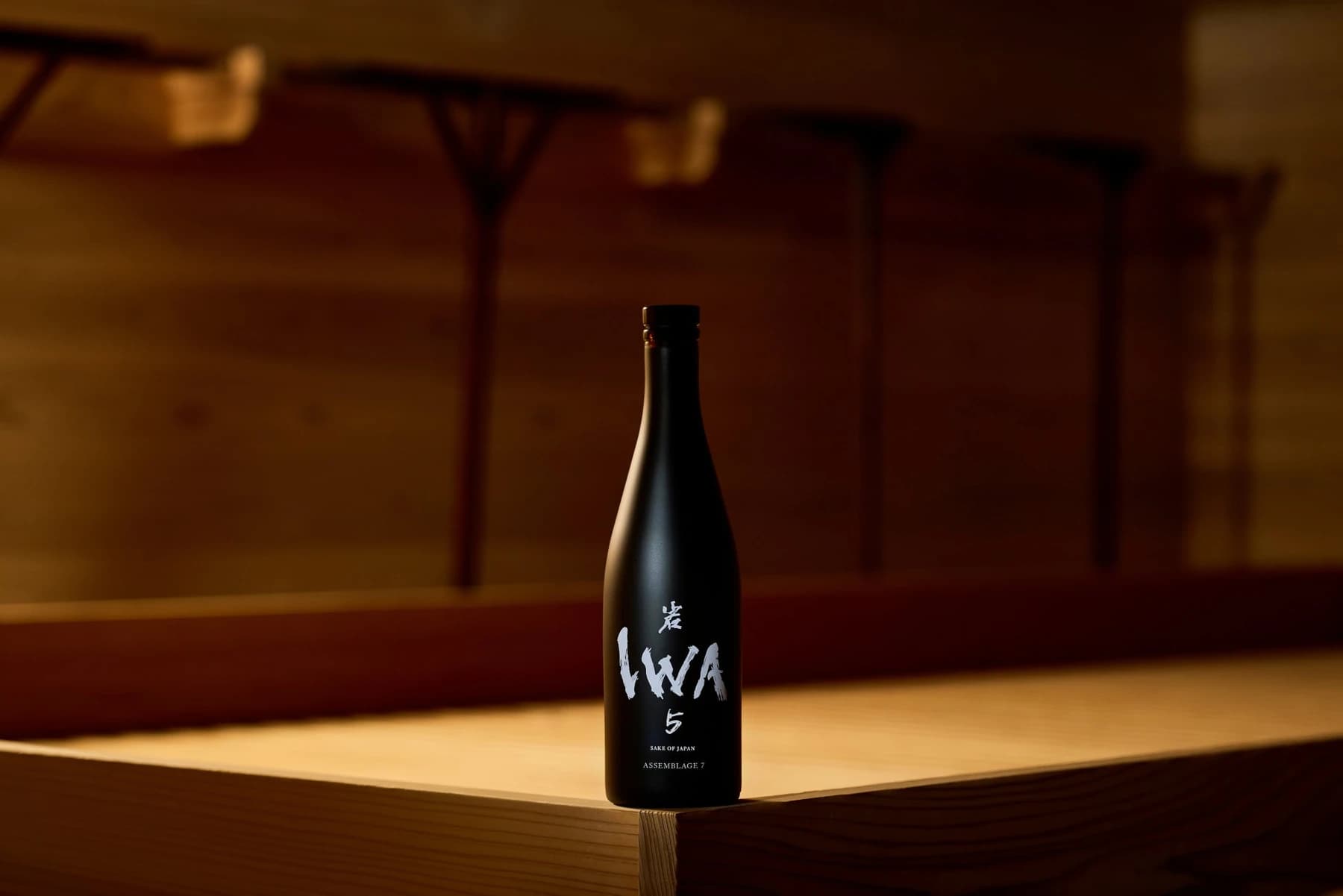
Released in October 2026, IWA 5 Assemblage 7 treats different sake components as a palette. The number identifies an edition of a continuing composition, not seven years of age.
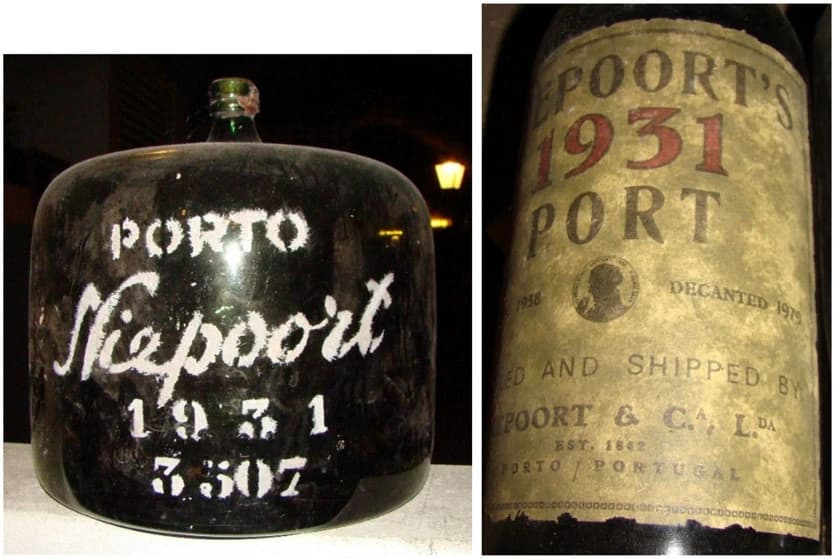
Niepoort’s Garrafeira inserts a long glass-demijohn chapter between cask and bottle. The unusual vessel reveals why the way a wine spends time matters as much as the date on its label.
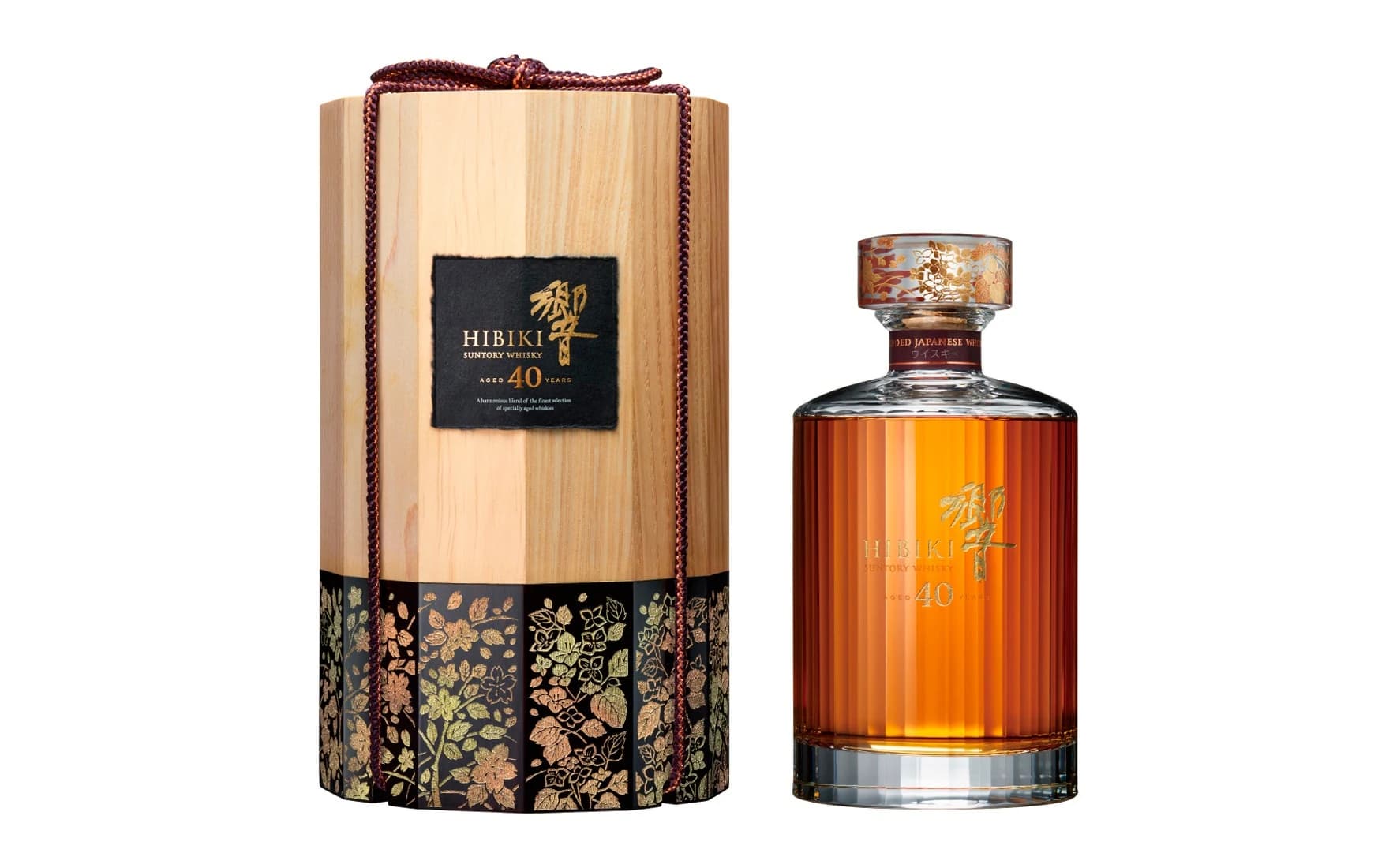
Hibiki 40 is an extreme example, but it reveals something useful about mature whisky. Time creates possibilities only when successive people preserve, assess and eventually combine them well.
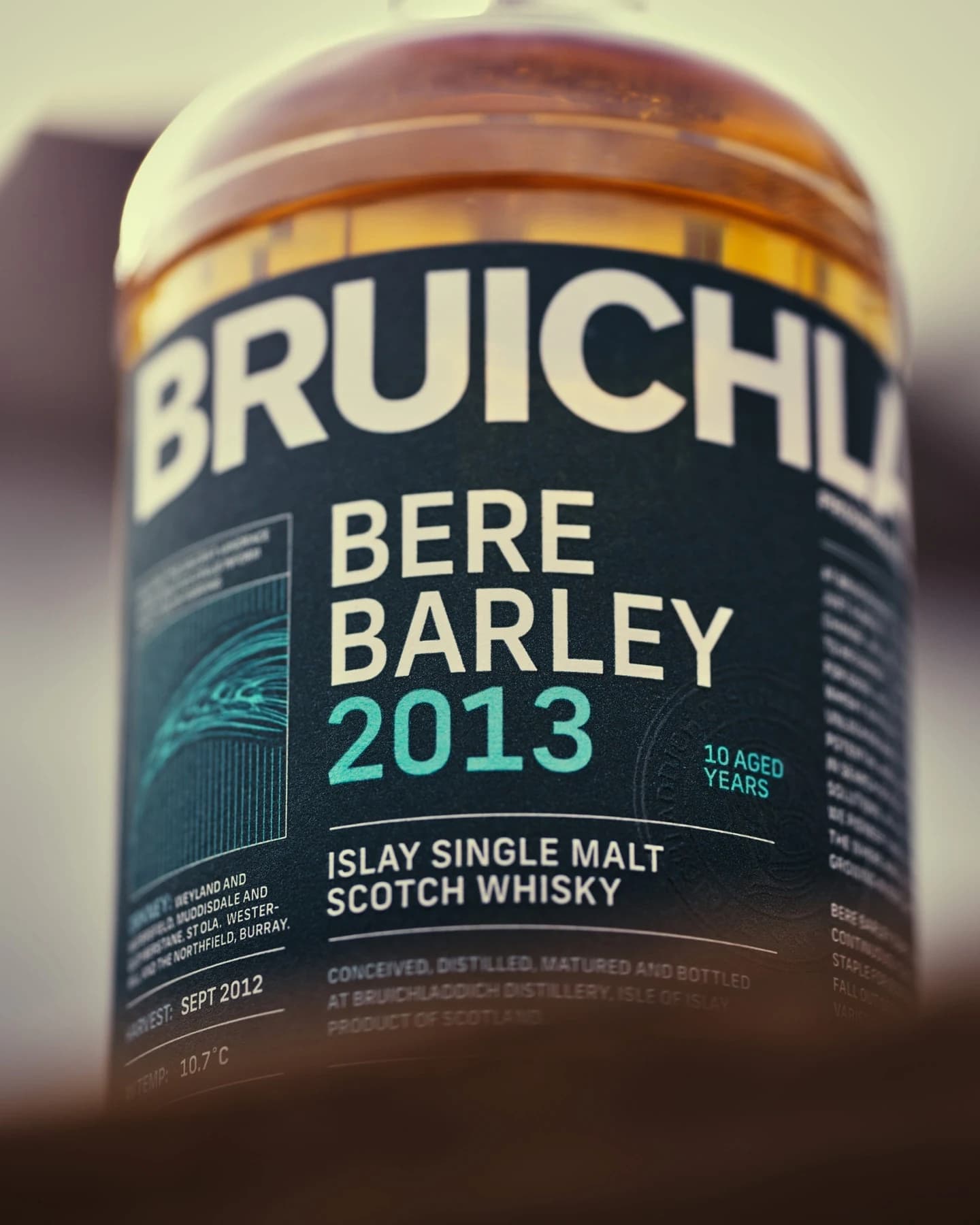
Bruichladdich Bere Barley 2013 moves the whisky conversation back from the cask to the crop. A surviving barley population becomes a reason to investigate farming knowledge as well as maturation.
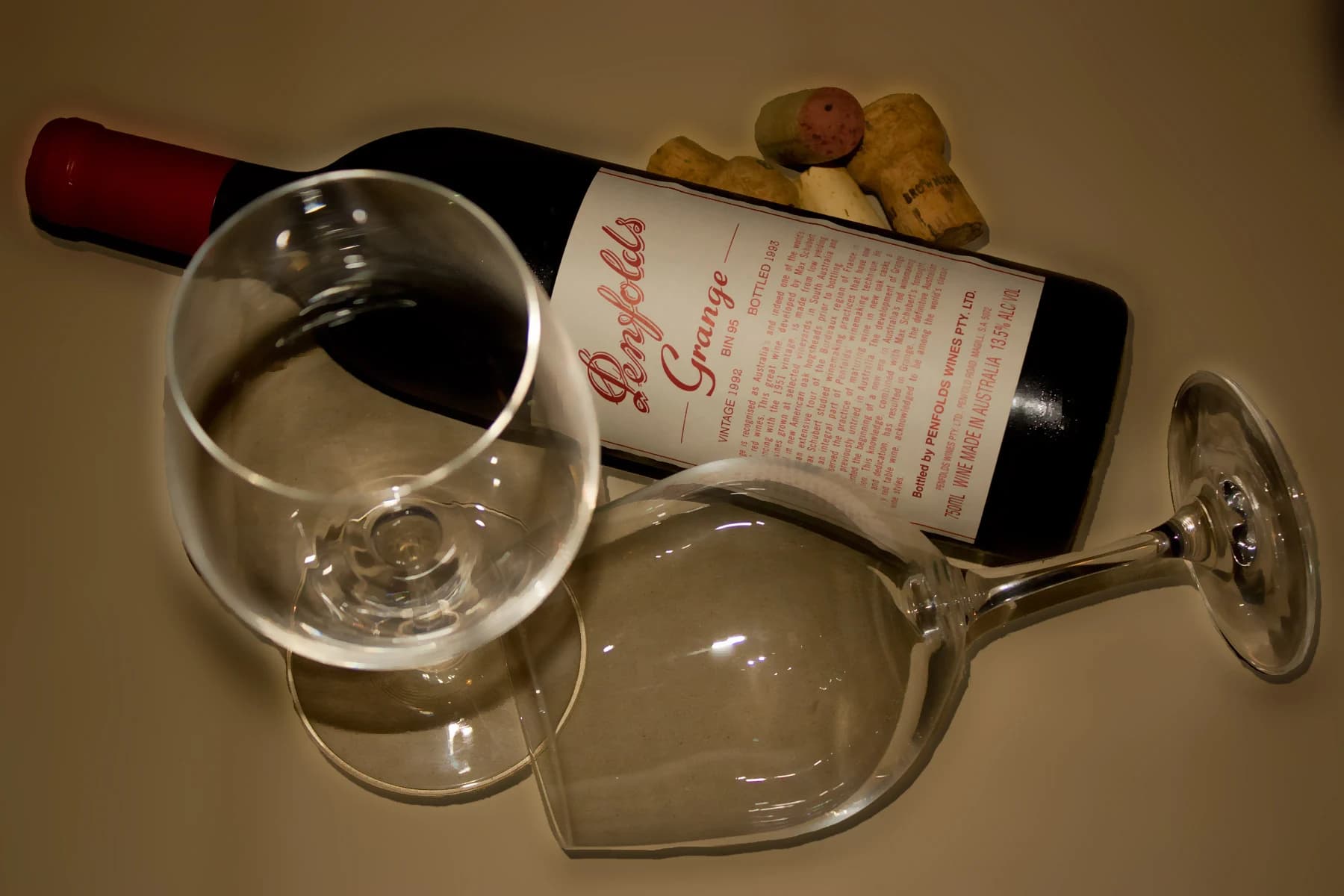
Penfolds Grange offers a useful challenge to the idea that a significant wine must express one tightly bounded vineyard. Here, continuity is also the work of choosing and combining places.
KI NO BI divides eleven botanicals into six groups before distilling and blending them. A familiar spirit becomes a useful way to understand how different ingredients can ask for different treatment.
Ruinart Blanc Singulier Edition 20 treats the character of a warmer harvest as something to understand, not conceal. The 2026 release makes adaptation a more interesting question than a prestige label.
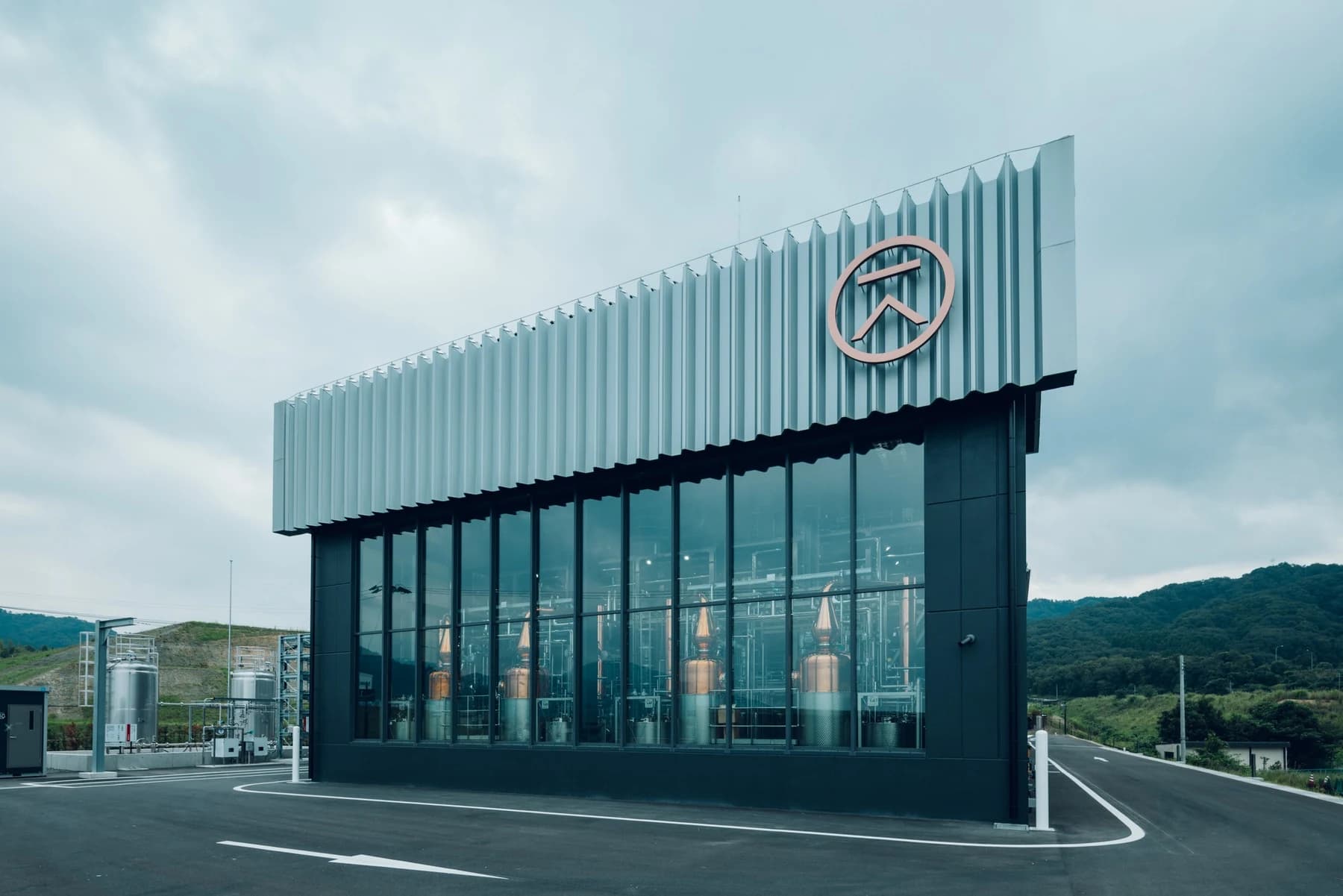
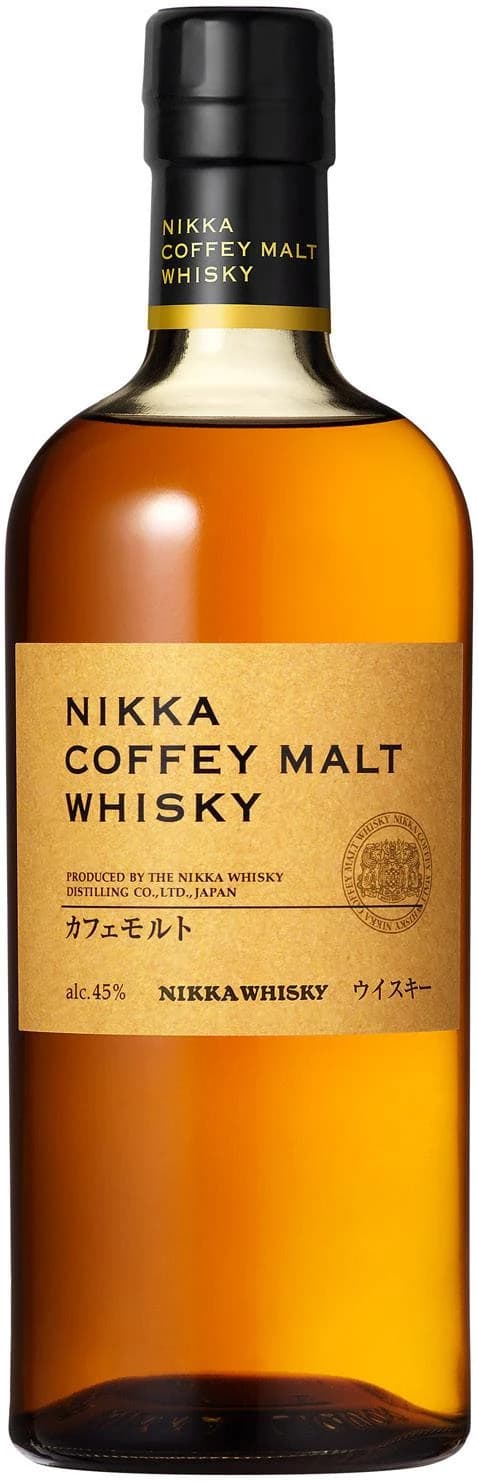
Nikka Coffey Malt is made from malted barley, yet its producer classifies it as grain whisky. The explanation is a useful doorway into why the making process can tell you more than the most familiar word on a label.
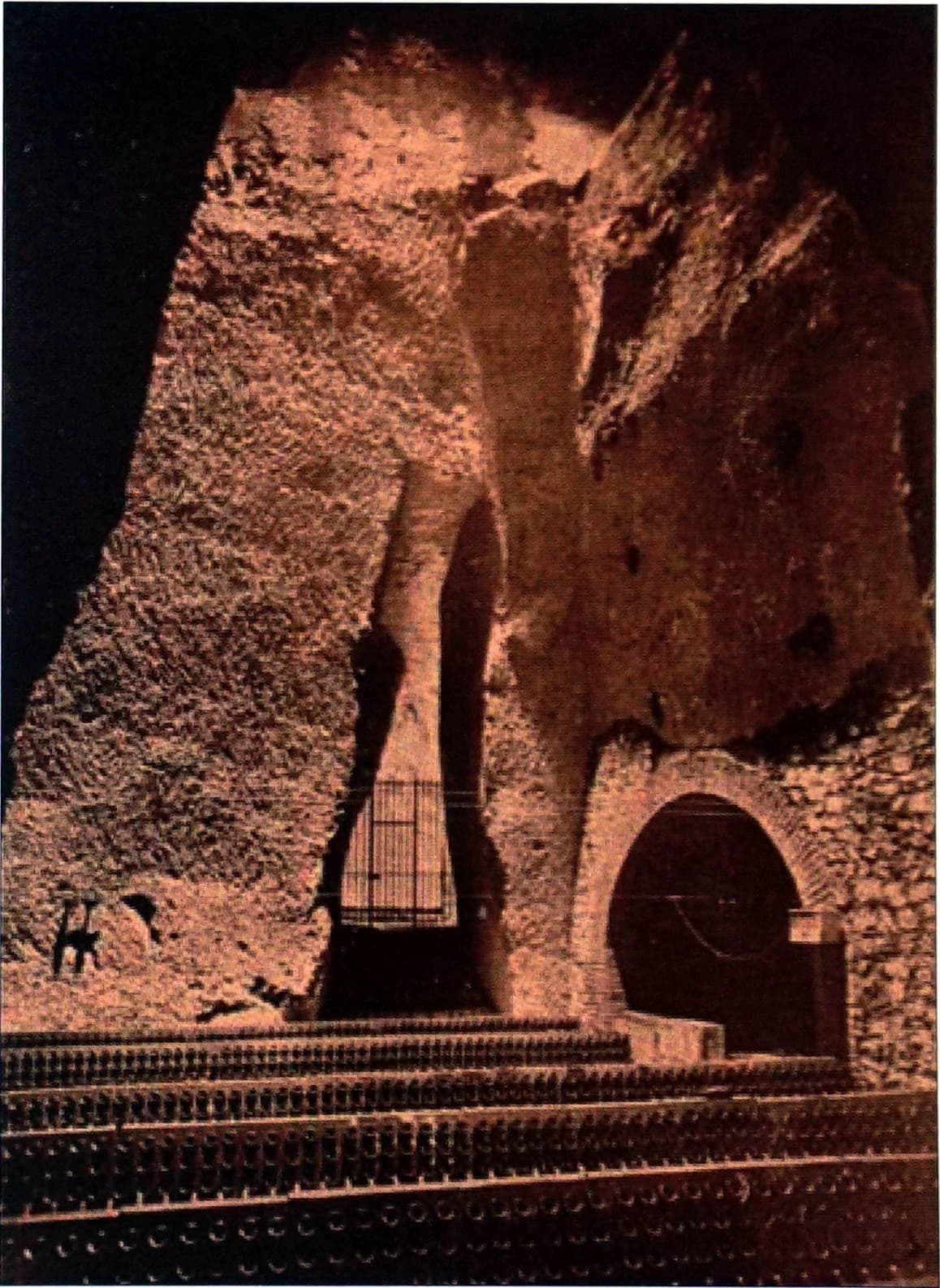
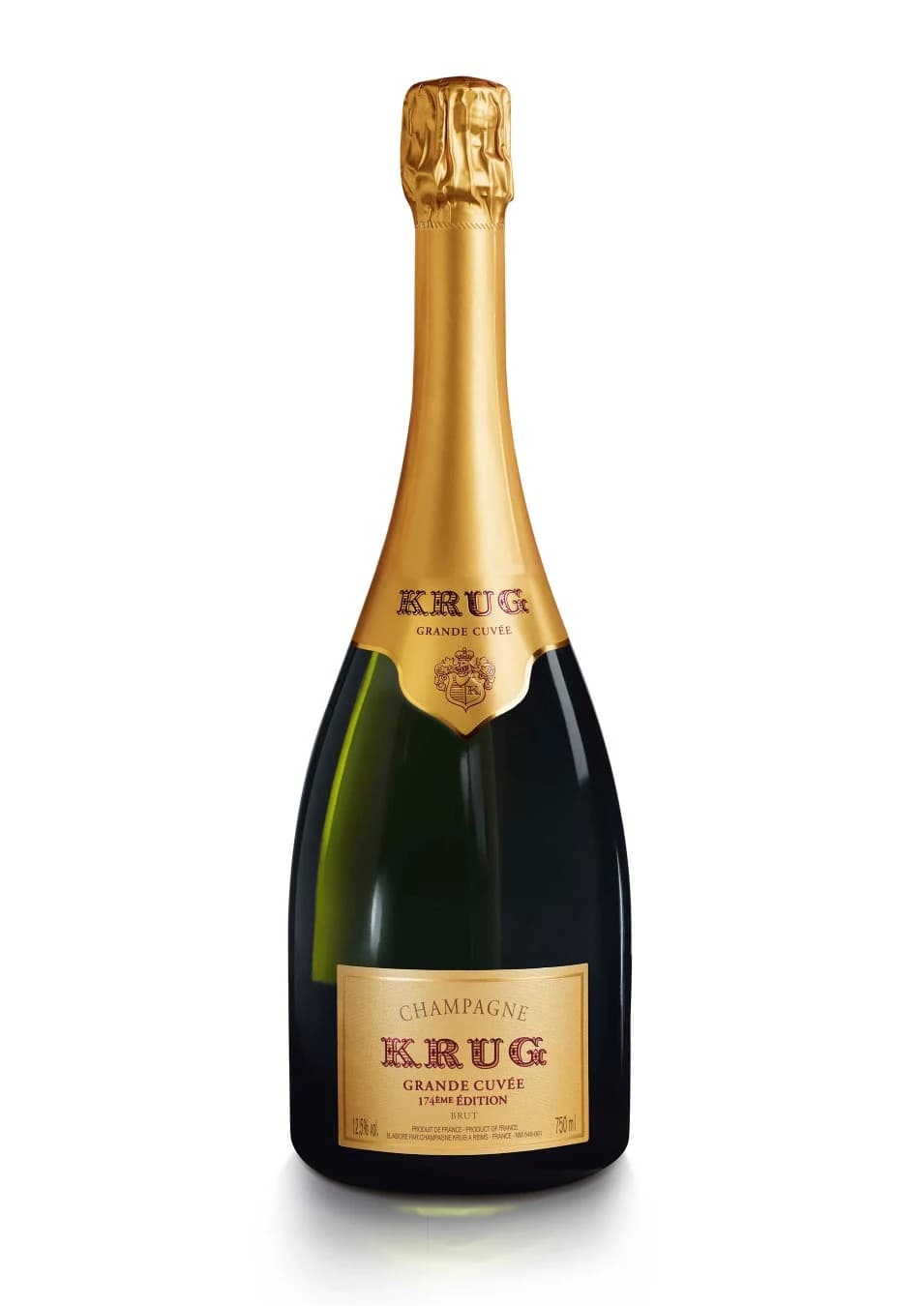
Krug Grande Cuvée 174ème Édition gathers wines from ten different years around the 2018 harvest. The new release makes an old cellar library relevant in the present.
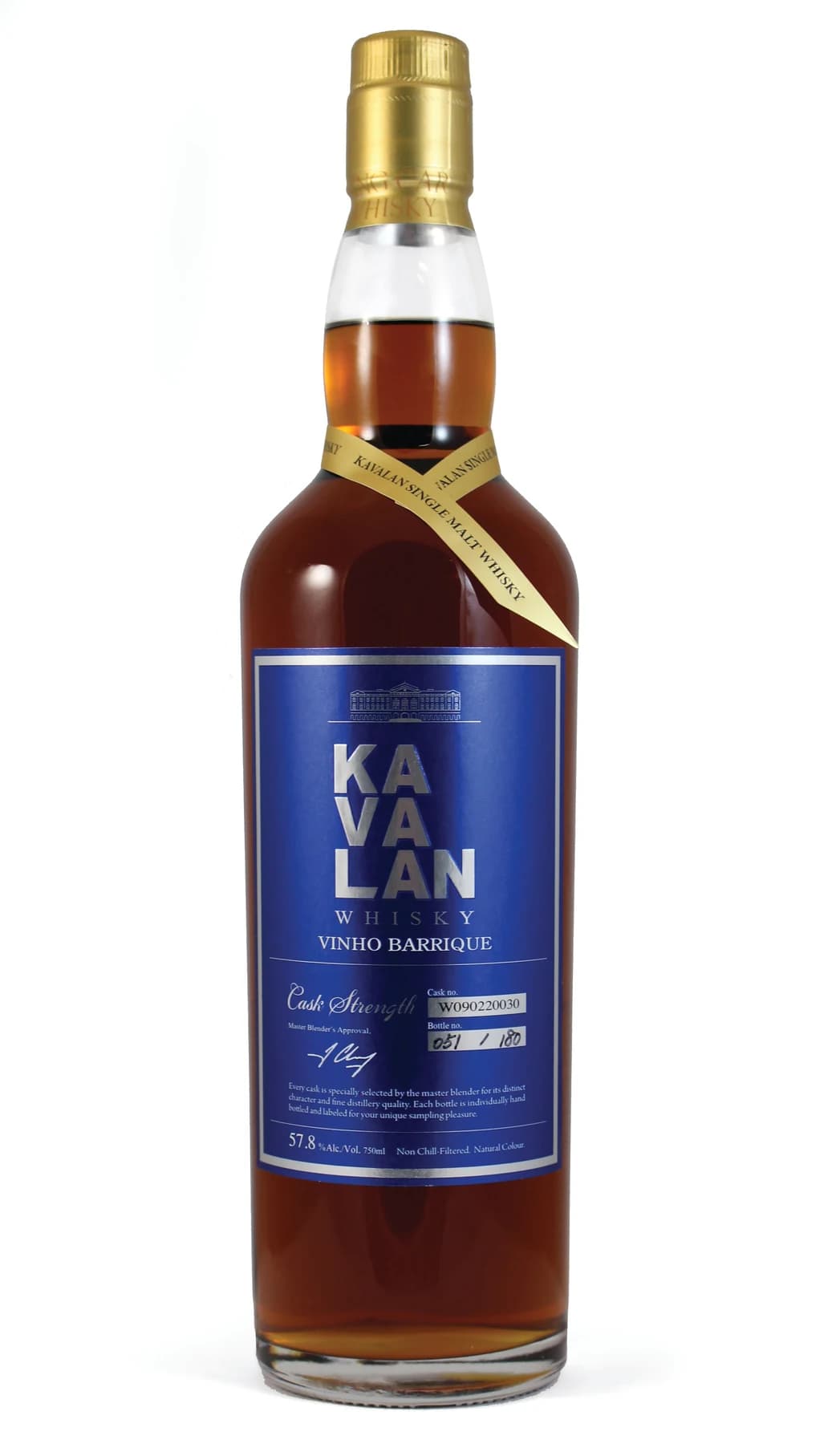
Kavalan Solist Vinho Barrique is an invitation to look beyond a familiar whisky map. In Taiwan, reworked wine casks make oak treatment part of the central creative idea.
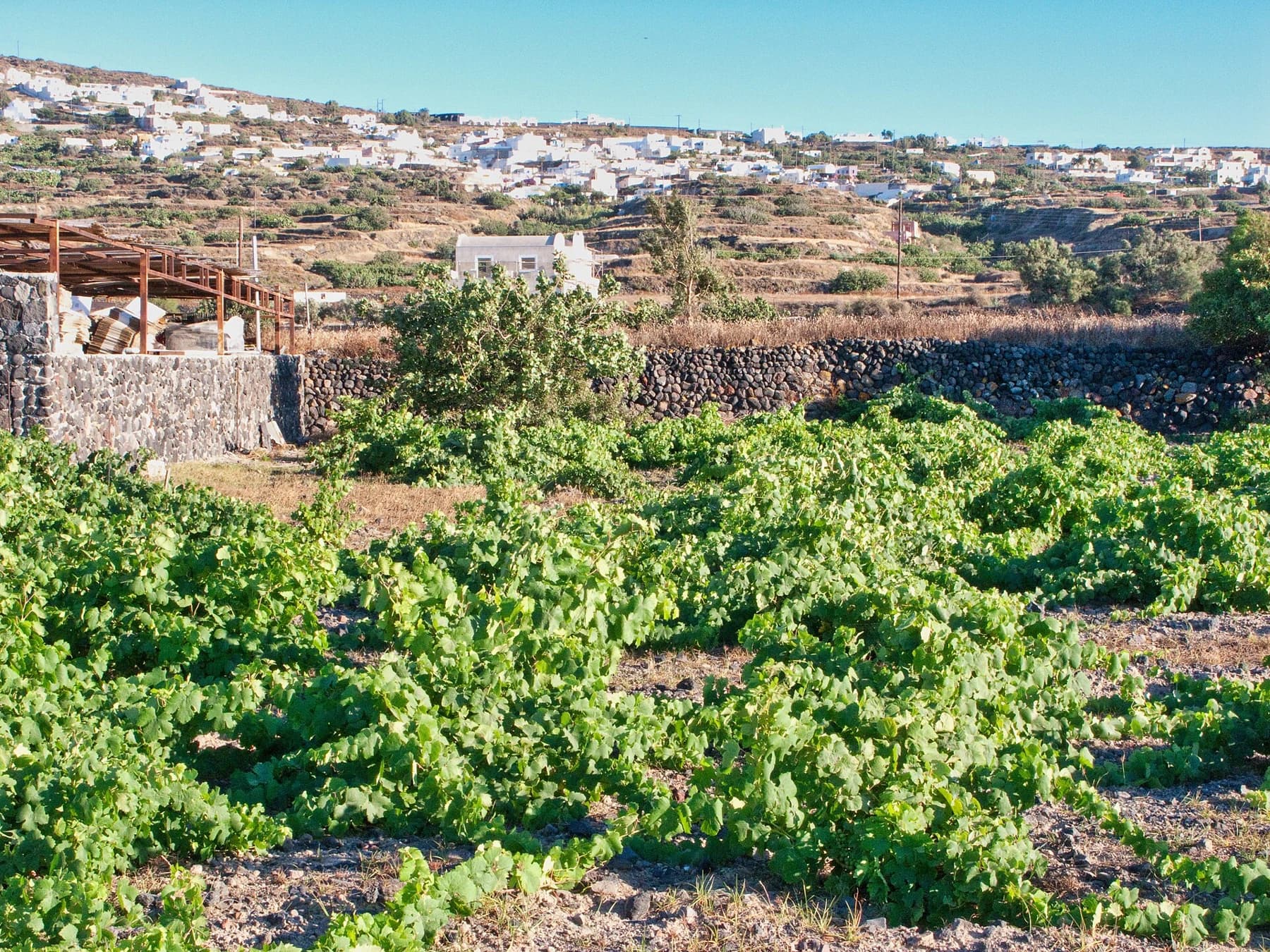
Santorini’s low, coiled vines are more than a striking landscape. The kouloura makes a practical response to wind and sun visible in the wine’s agricultural life.
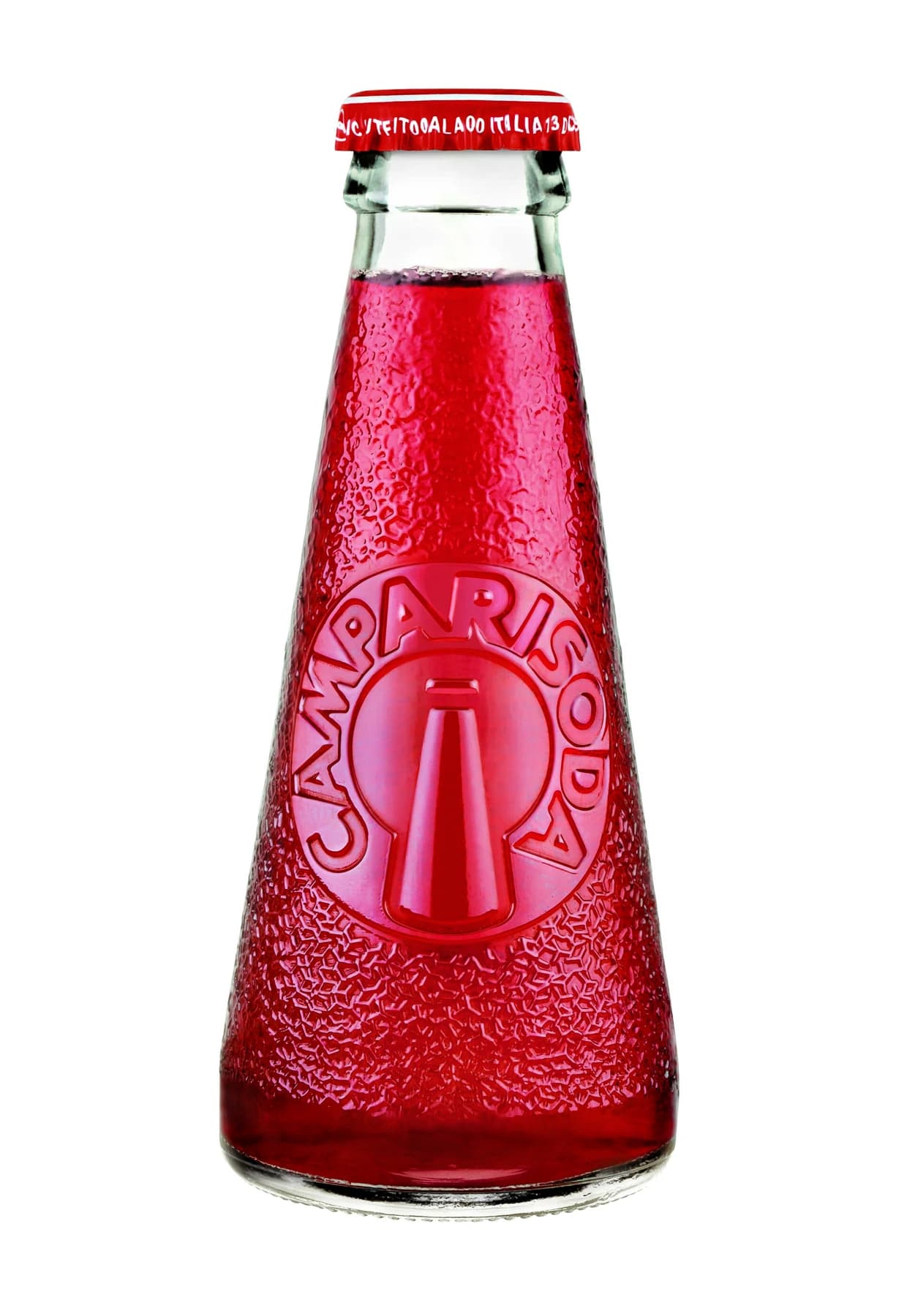
Campari Soda hides a piece of design history in an ordinary aperitif. Fortunato Depero’s tapered bottle makes the container part of the encounter rather than a disposable graphic wrapper.
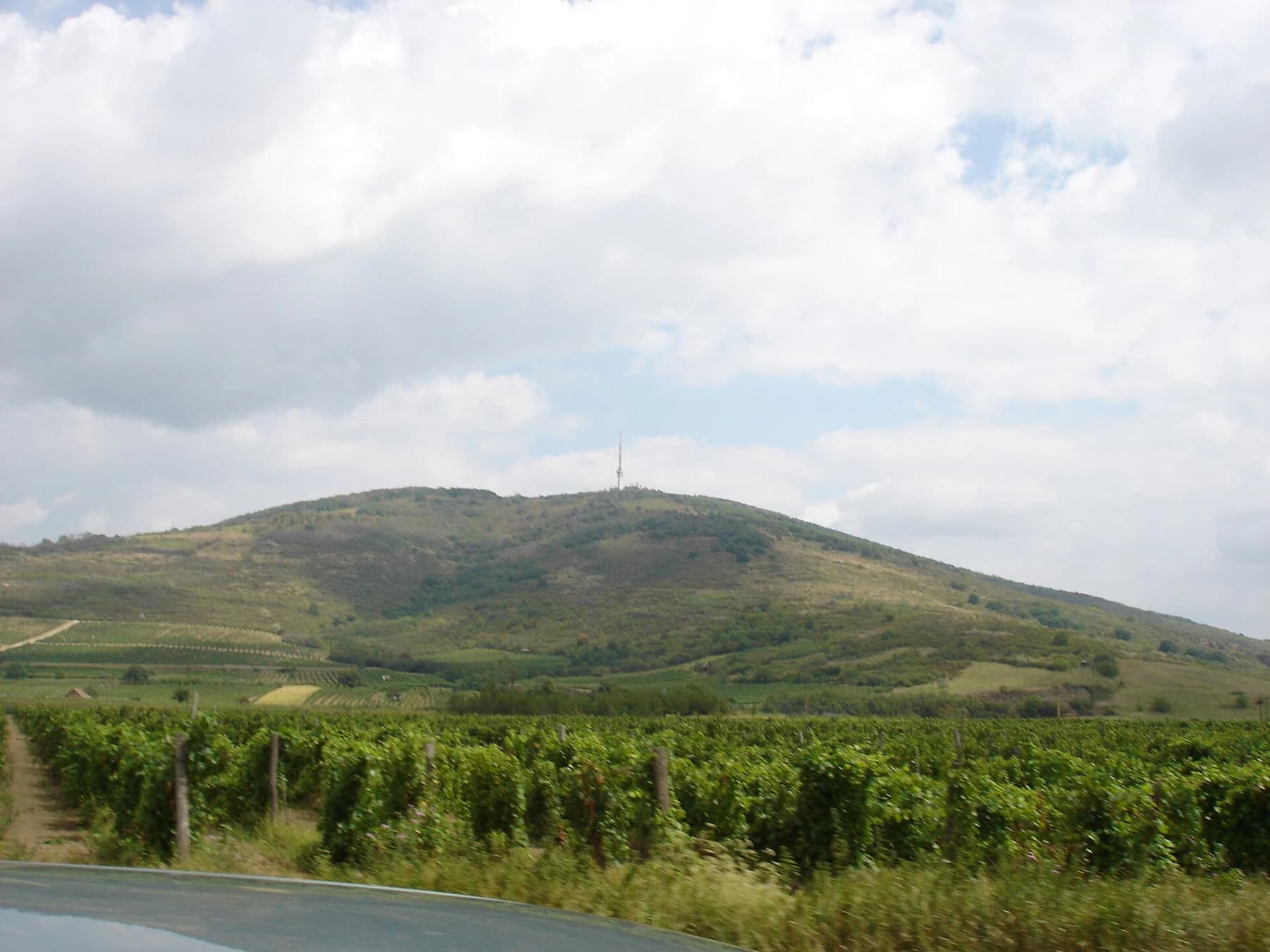
Tokaji Aszú makes sweetness a question of selection, concentration and balance. The individual berry opens a much richer story than the age on a label.
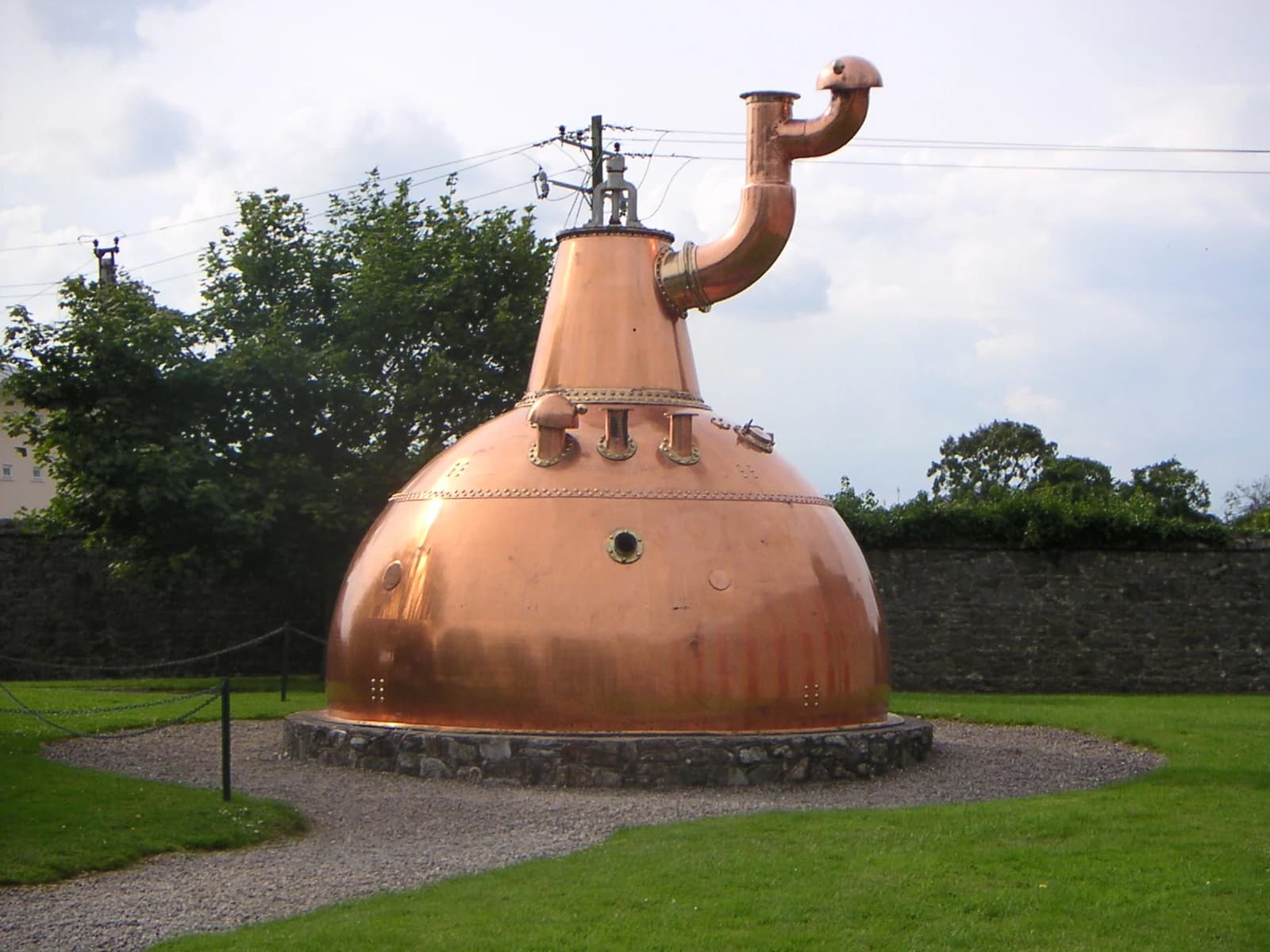
Redbreast 12 offers an approachable route into a distinctive Irish whiskey tradition. Malted and unmalted barley make the story more interesting than a trophy release.
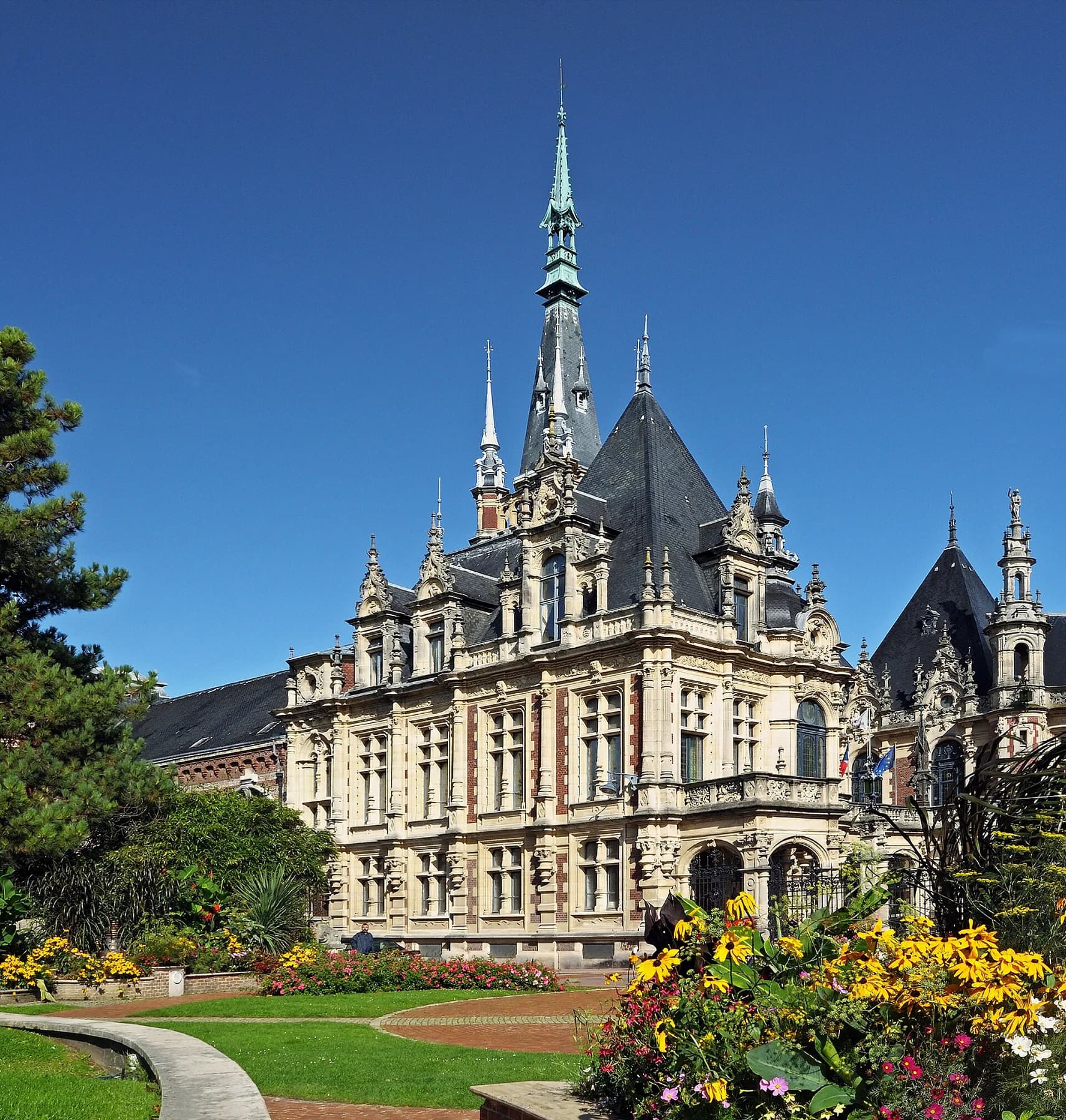
At Fécamp, Bénédictine joins a liqueur, a distillery and an art collection in one extravagant place. The nineteenth-century story is more revealing than a medieval-looking facade.
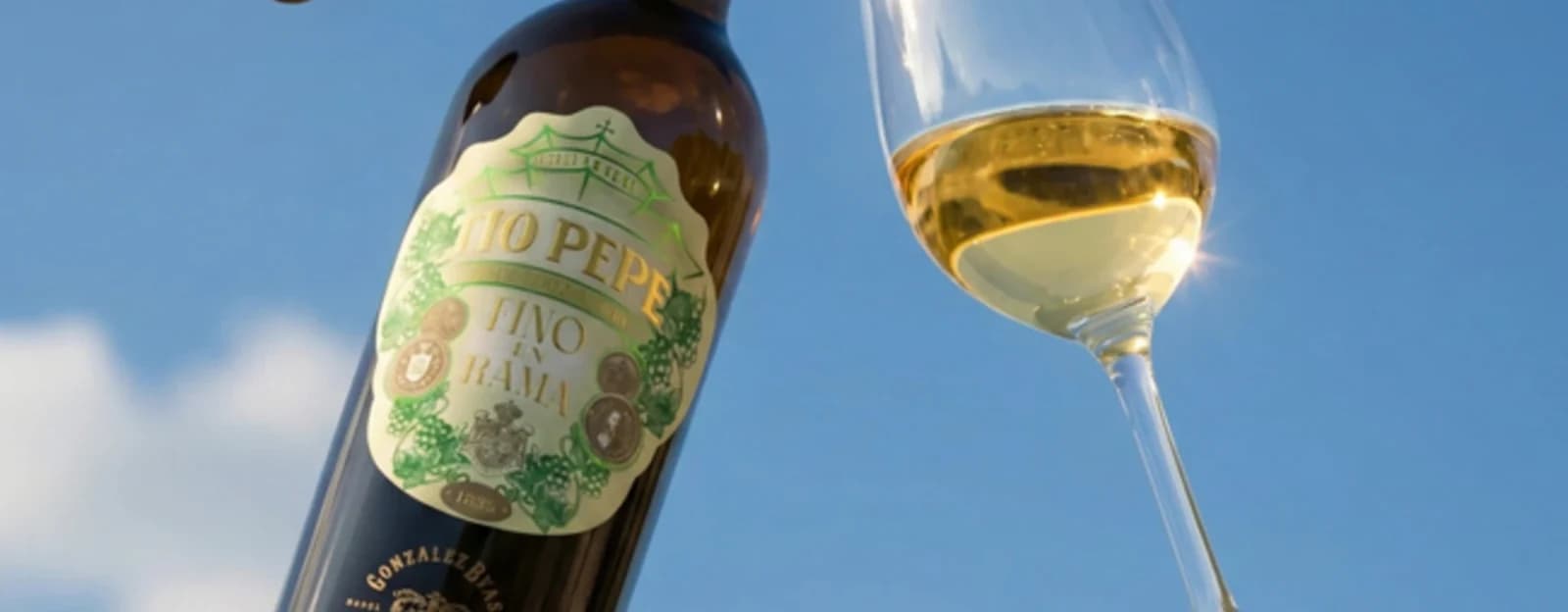
Tío Pepe en Rama 2026 turns attention to a moment in the cellar. The spring cask selection opens a conversation about flor, timing and the people choosing the wine.
Château Musar Red spends years in the cellar before it reaches the shelf. Its value is easier to understand by following the decisions in that interval.
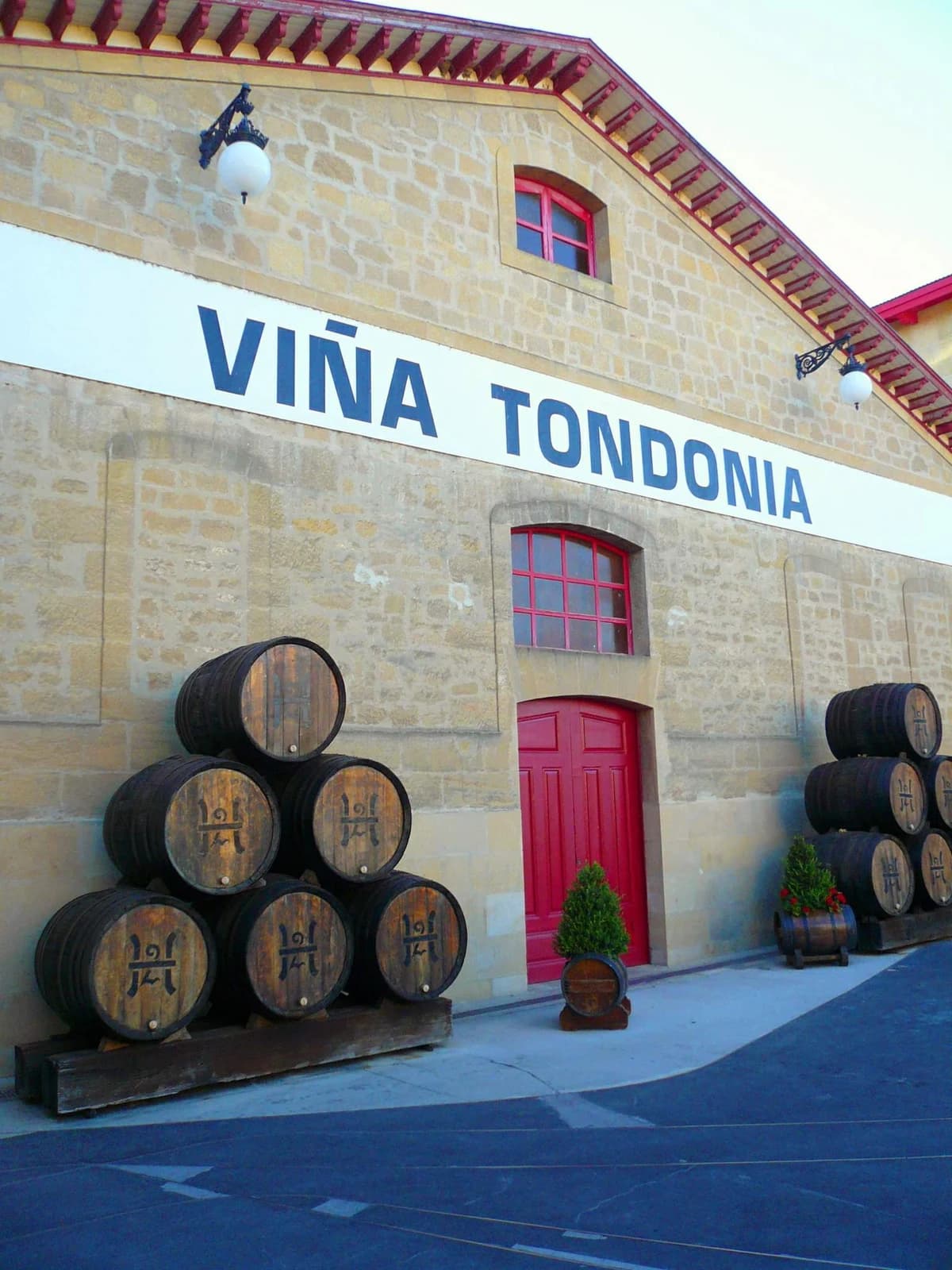
Viña Tondonia White Reserva asks you to reconsider what a white wine can be. Much of its story has already happened before the bottle reaches your table.
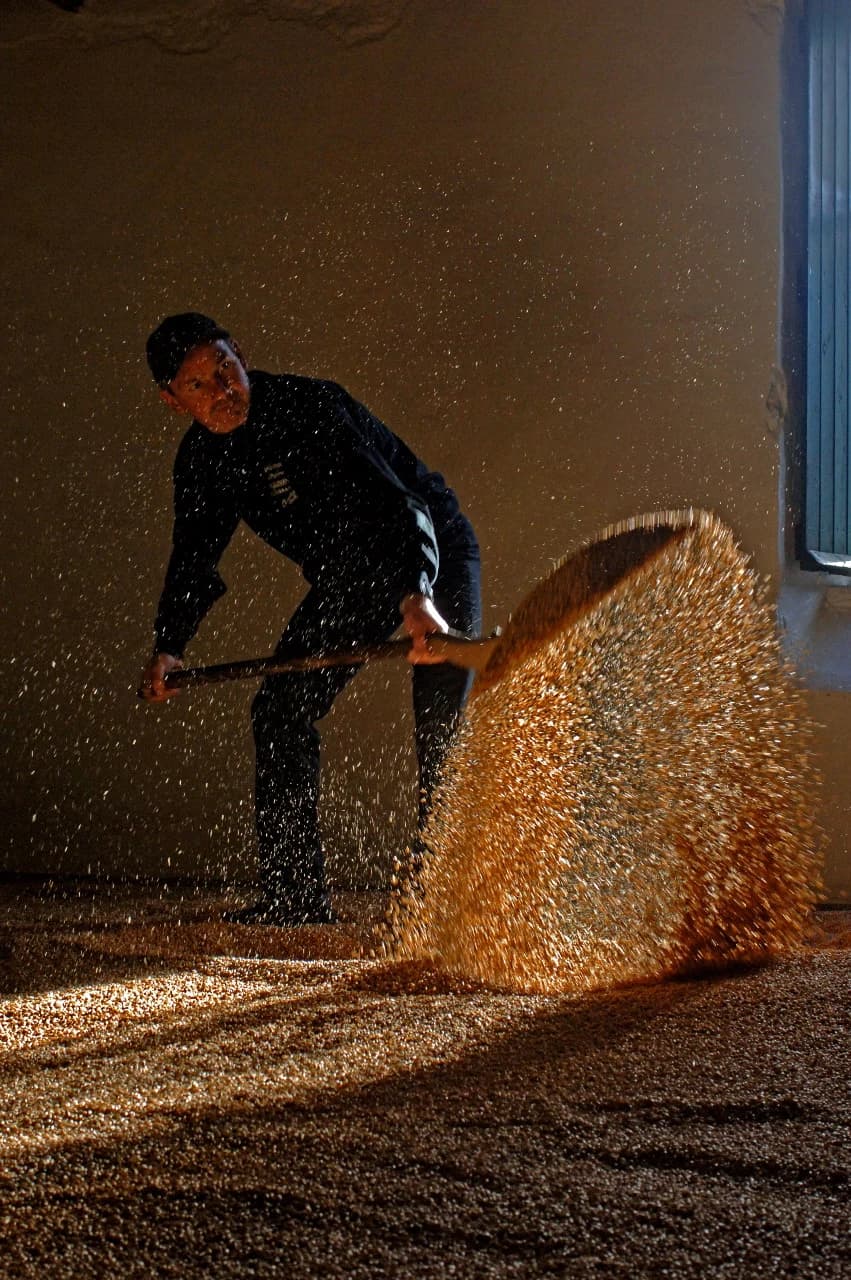
Springbank’s interest begins on the malting floor in Campbeltown. Its core ten-year-old is a doorway into a production culture, not a reason to chase a resale price.