DISCOVERY / Botanical Distillation & Contemporary Kyoto Craft
Six distillations before one gin.
KI NO BI divides eleven botanicals into six groups before distilling and blending them. A familiar spirit becomes a useful way to understand how different ingredients can ask for different treatment.
Published 21 October 2026 · WHV · Public-source editorial note
Eleven botanicals could be no more than a list on the back of a bottle. KI NO BI makes their treatment the more revealing story. The Kyoto Distillery groups them into six elements and distils those groups separately before blending them into the finished gin.
An ingredient list is not a production method
The groups are base, citrus, herbal, spice, green tea, and fruity and floral. A rice-spirit base and water from a Fushimi sake brewery belong to the account too. Separate preparation gives the maker another way to work with ingredients whose aromatic character is different, rather than assuming that every botanical should receive identical treatment in a single combined batch.
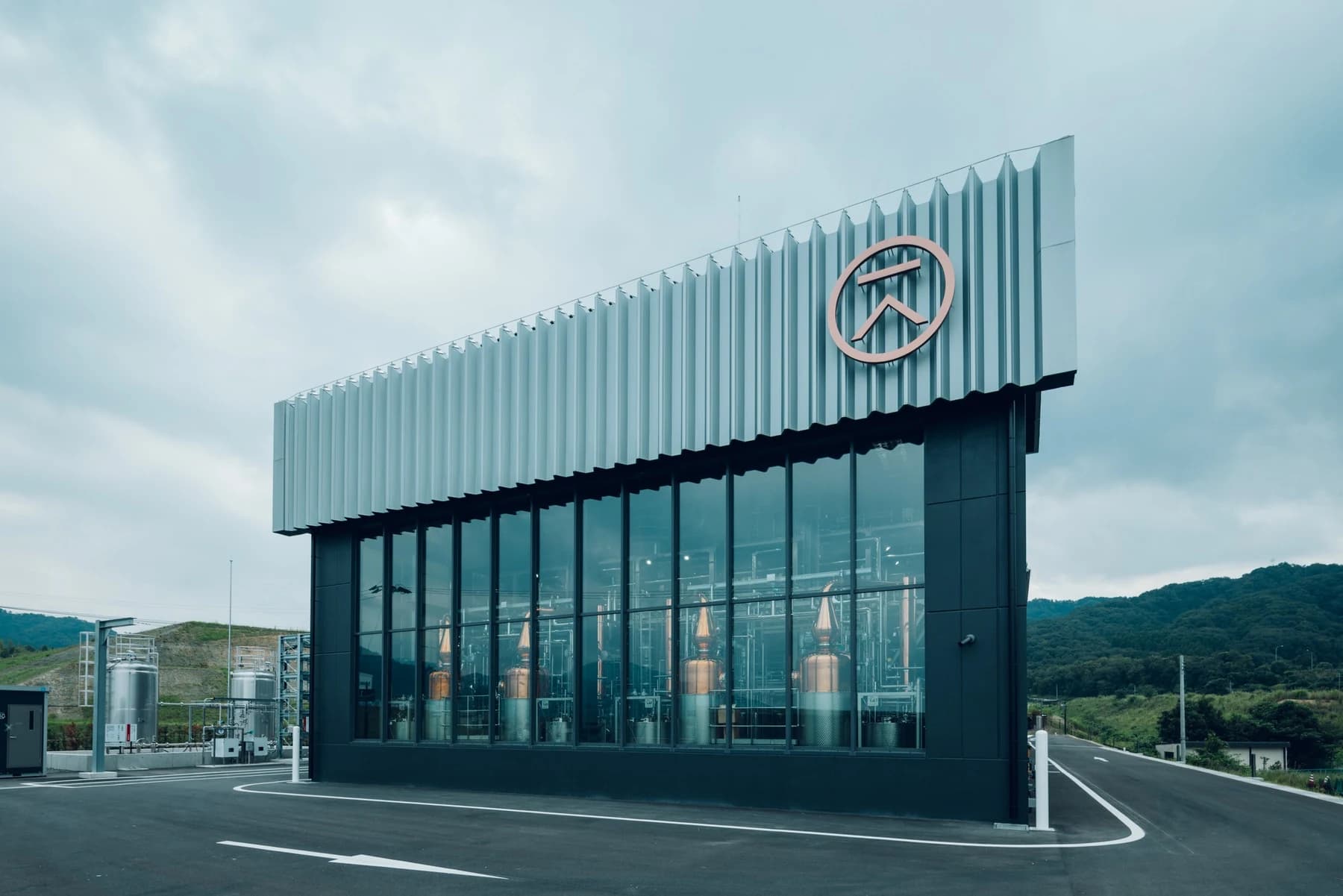
The place remains meaningful without making every ingredient local. The producer identifies Macedonian juniper alongside materials sourced in and around Kyoto, including yuzu. In 2025 it announced the new Kameoka distillery shown in the photograph. A larger production setting is a development of the business, not evidence that the contents of every bottle or its quality remain automatically unchanged.
A place is not the origin of every ingredient
Read the standard KI NO BI account separately from KI NO TEA, SEI and limited editions. If possible, compare the components or discuss them through the brand’s current tasting programme. The useful discovery is a more attentive way to think about composition. A familiar drink can embody a sequence of material decisions, and understanding those decisions can deepen the pleasure of using it without requiring a claim that the bottle should appreciate unopened.
Source and context.
The Kyoto Distillery: KI NO BI’s eleven botanicals and six elements ↗
The Kyoto Distillery: the rice-spirit base and separate maceration groups ↗
Pernod Ricard Japan: the 2025 Kameoka distillery announcement and photographs ↗
The supplied image shows the announced Kameoka production setting in 2025, not the standard bottle, the earlier distillery or a booked tour. Not all botanicals are locally grown. WHV has not tasted the gin or independently audited environmental claims.
Source checked 21 October 2026. WHV interpretation is distinct from the source’s account.
Explore Botanical Distillation & Contemporary Kyoto CraftFOLLOW YOUR CURIOSITY
Where this leads.
Different subjects. A reason to connect them.
Continue the idea
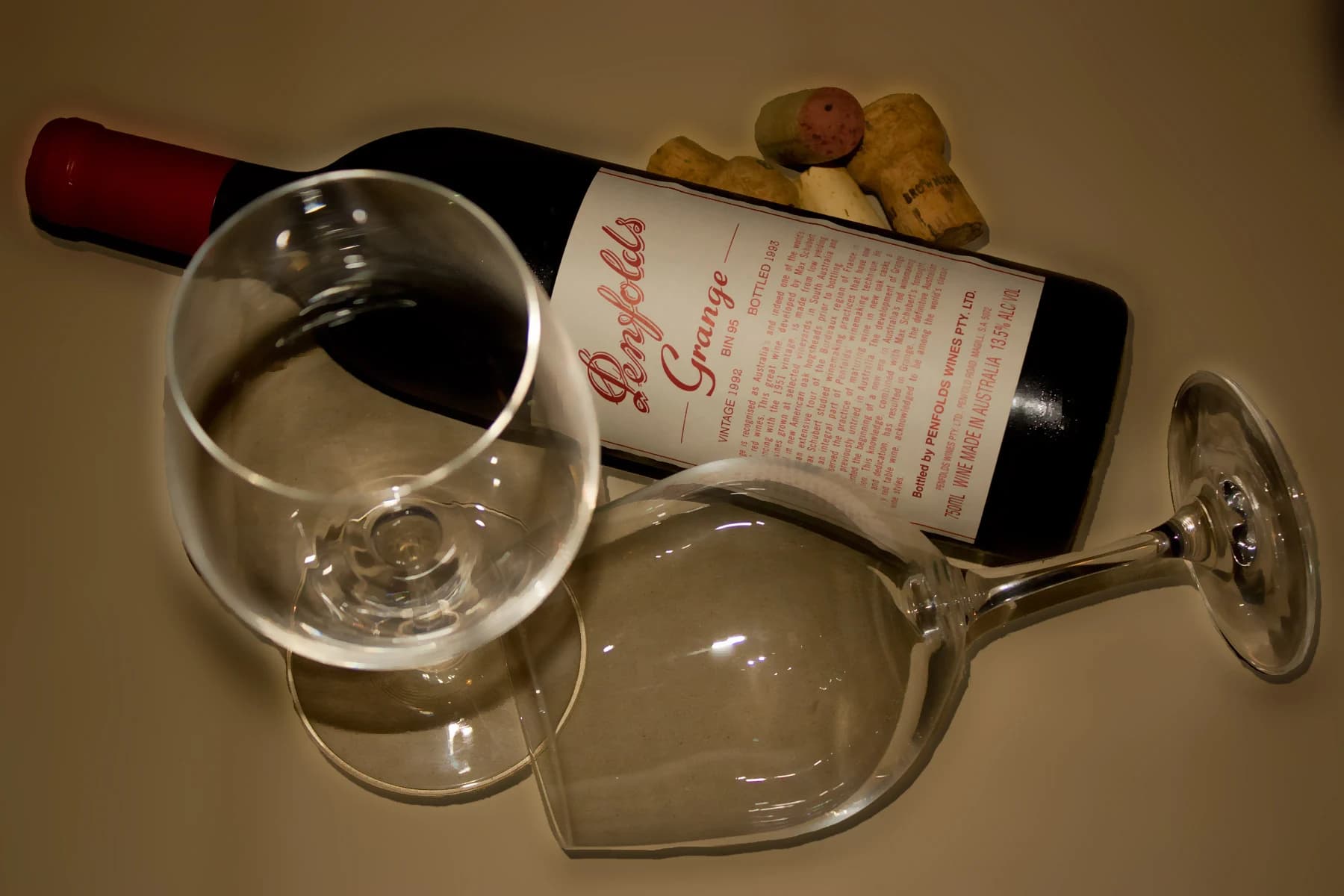
A great wine need not begin with one vineyard.
A multi-regional wine shows another way that a finished identity can depend on the judgement of blending.
Australian Wine & Regional Blending
Read the story
Across the WHV world
A timber tower with a public life.
A cultural building asks how a regional identity can be expressed through a contemporary production and construction network.
Timber Architecture & Shared Cultural Buildings
Read the story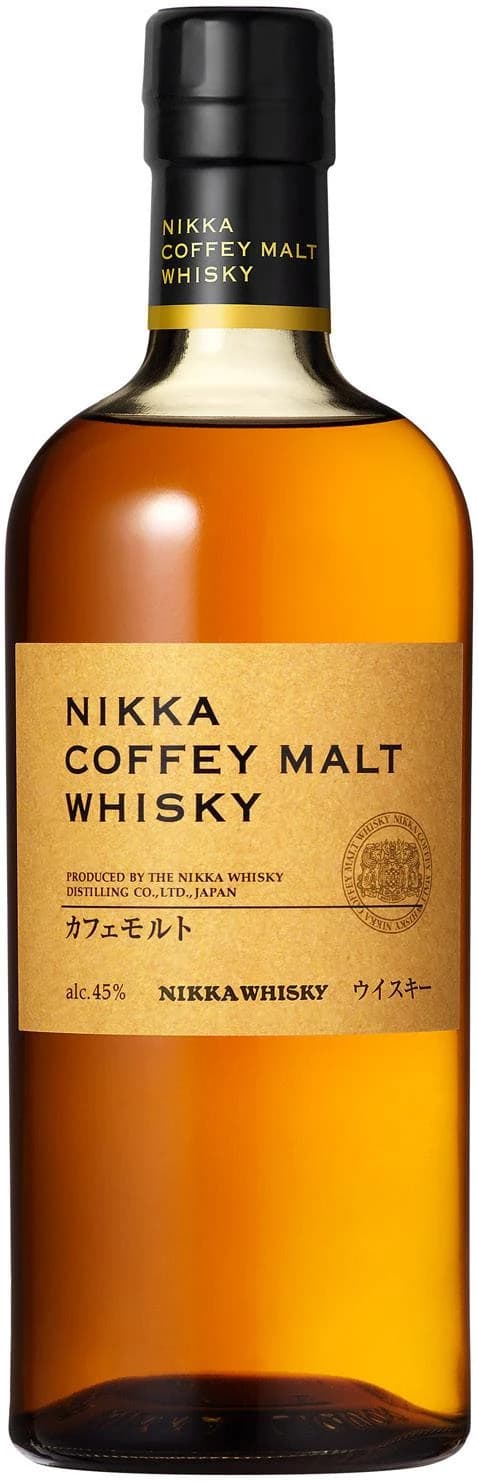
An unexpected connection
The still changes the category.
Another spirit rewards understanding what the still does before allowing a familiar label to settle the question.
Whisky Methods & Precise Labelling
Read the story