DISCOVERY / Australian Wine & Regional Blending
A great wine need not begin with one vineyard.
Penfolds Grange offers a useful challenge to the idea that a significant wine must express one tightly bounded vineyard. Here, continuity is also the work of choosing and combining places.
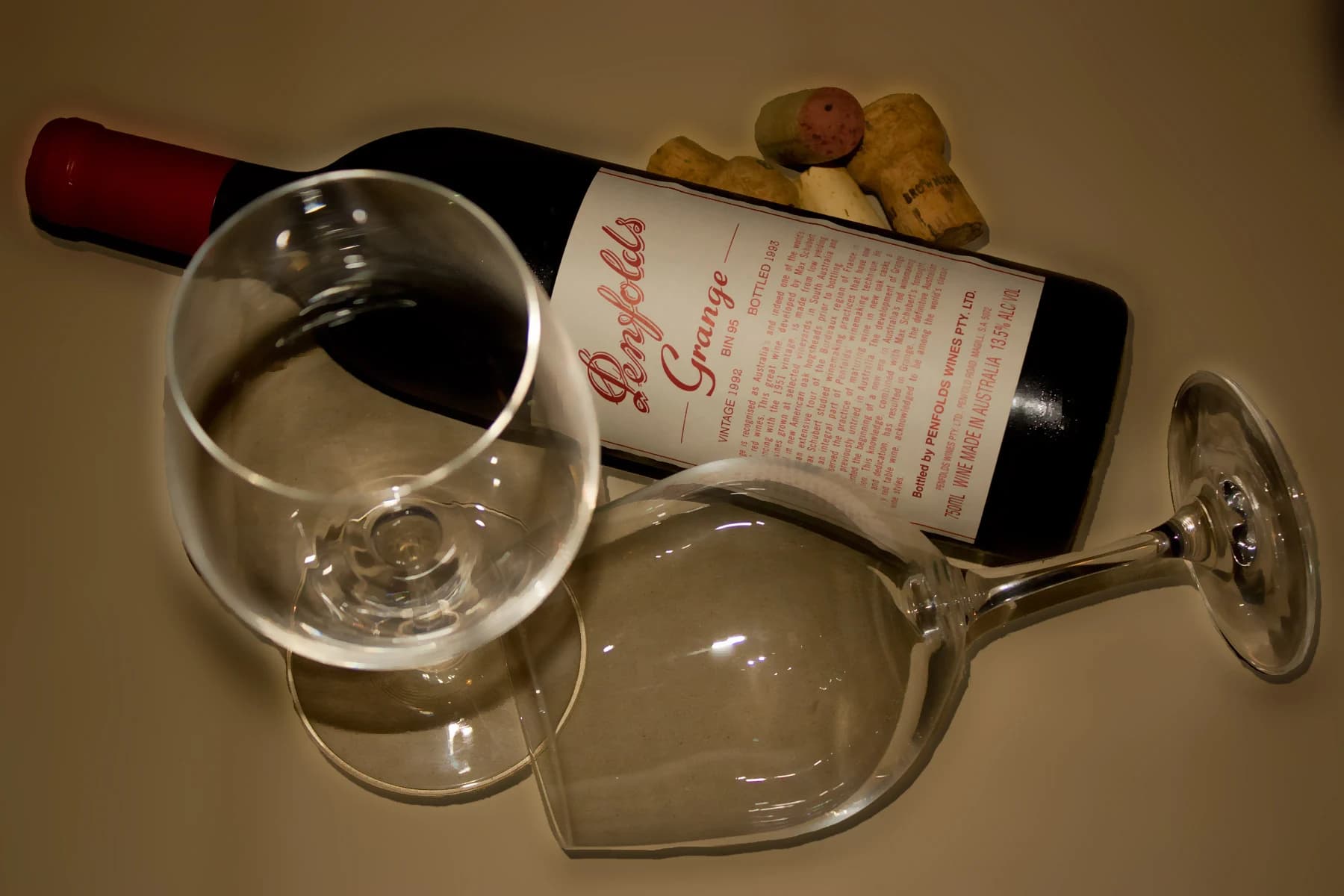
Published 21 October 2026 · WHV · Public-source editorial note
A celebrated vineyard often provides the opening sentence in a fine-wine story. Grange begins with a different organising idea. Penfolds describes its flagship through multi-vineyard and multi-regional blending, making selection across South Australia part of the wine’s identity rather than something to apologise for.
A continuing idea can draw on several places
Max Schubert made the first experimental Grange in 1951 after investigating European winemaking. The continuing proposition is not that every harvest supplies identical material. It is that a team can make judgements about different sources while pursuing a recognisable wine. Continuity depends on decisions, not on pretending that a label removes the variation of a growing season.
The 2021 account makes the method concrete. Penfolds records 94 percent Shiraz and six percent Cabernet Sauvignon, with eighteen months in new American oak hogsheads. Those figures describe that vintage, not every Grange. The archival photograph shows a 1992 bottle and belongs to another moment in the same continuing story. Its contents and storage history have not been assessed here.
A vintage is not a condition report
Compare the production account with a single-vineyard wine before comparing scores or reputations. If considering an older bottle, establish the actual vintage, provenance and condition independently. If possible, taste rather than treating a sealed bottle as the entire purpose of wine. What holds value is a developed winemaking language and the knowledge needed to recognise its particular expression, without converting fame into a forecast of financial return.
Source and context.
Penfolds: Grange history and multi-regional philosophy ↗
Penfolds: the particular 2021 blend and maturation ↗
The photograph shows an archival 1992 Grange bottle, not the 2021 example discussed in the text or current stock. Blends differ by vintage. No tasting, storage assessment, drinking-window guarantee or resale conclusion is supplied by WHV.
Source checked 21 October 2026. WHV interpretation is distinct from the source’s account.
Explore Australian Wine & Regional BlendingFOLLOW YOUR CURIOSITY
Where this leads.
Different subjects. A reason to connect them.
Continue the idea
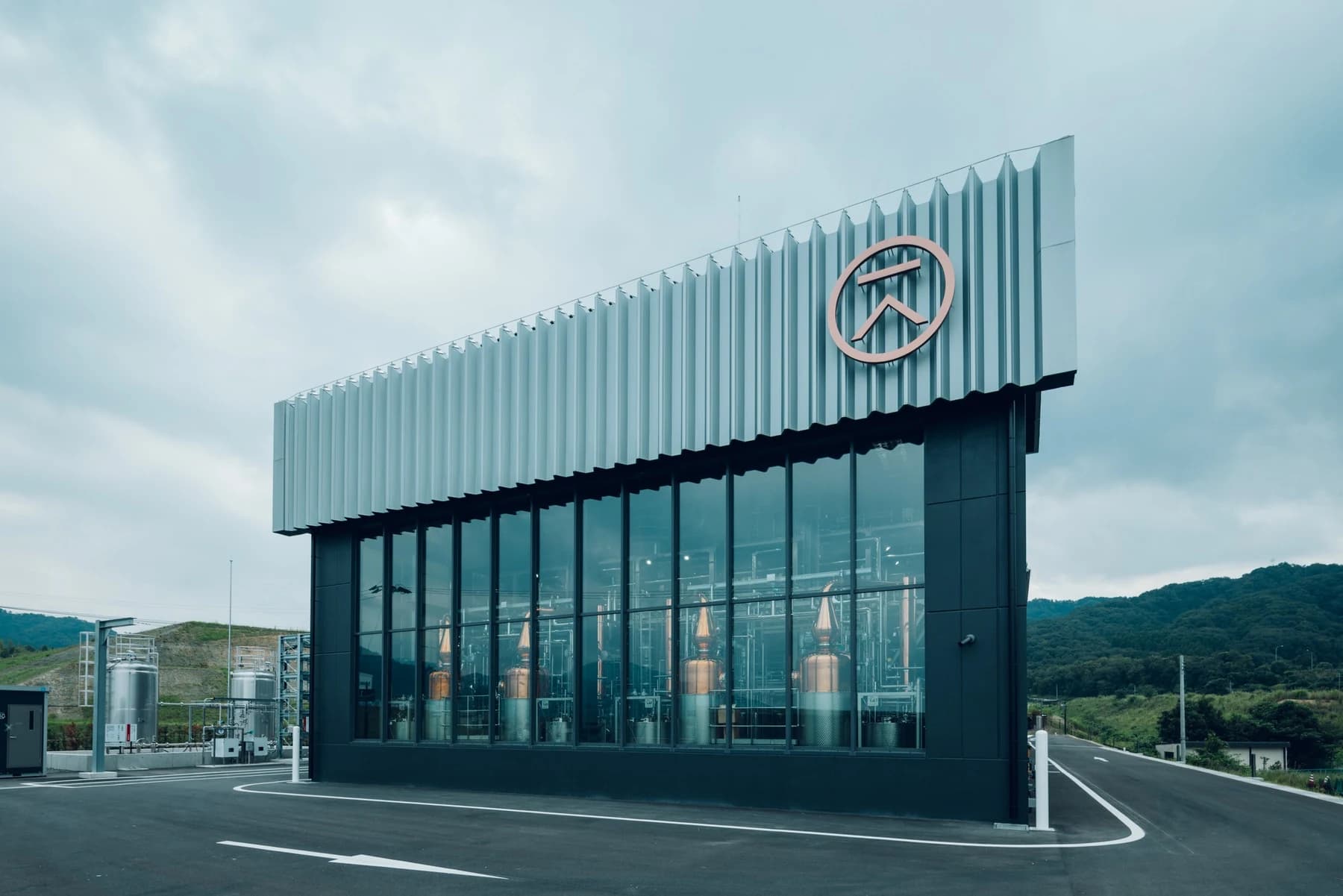
Six distillations before one gin.
A gin makes separate preparation and the final act of blending important in a different kind of drink.
Botanical Distillation & Contemporary Kyoto Craft
Read the story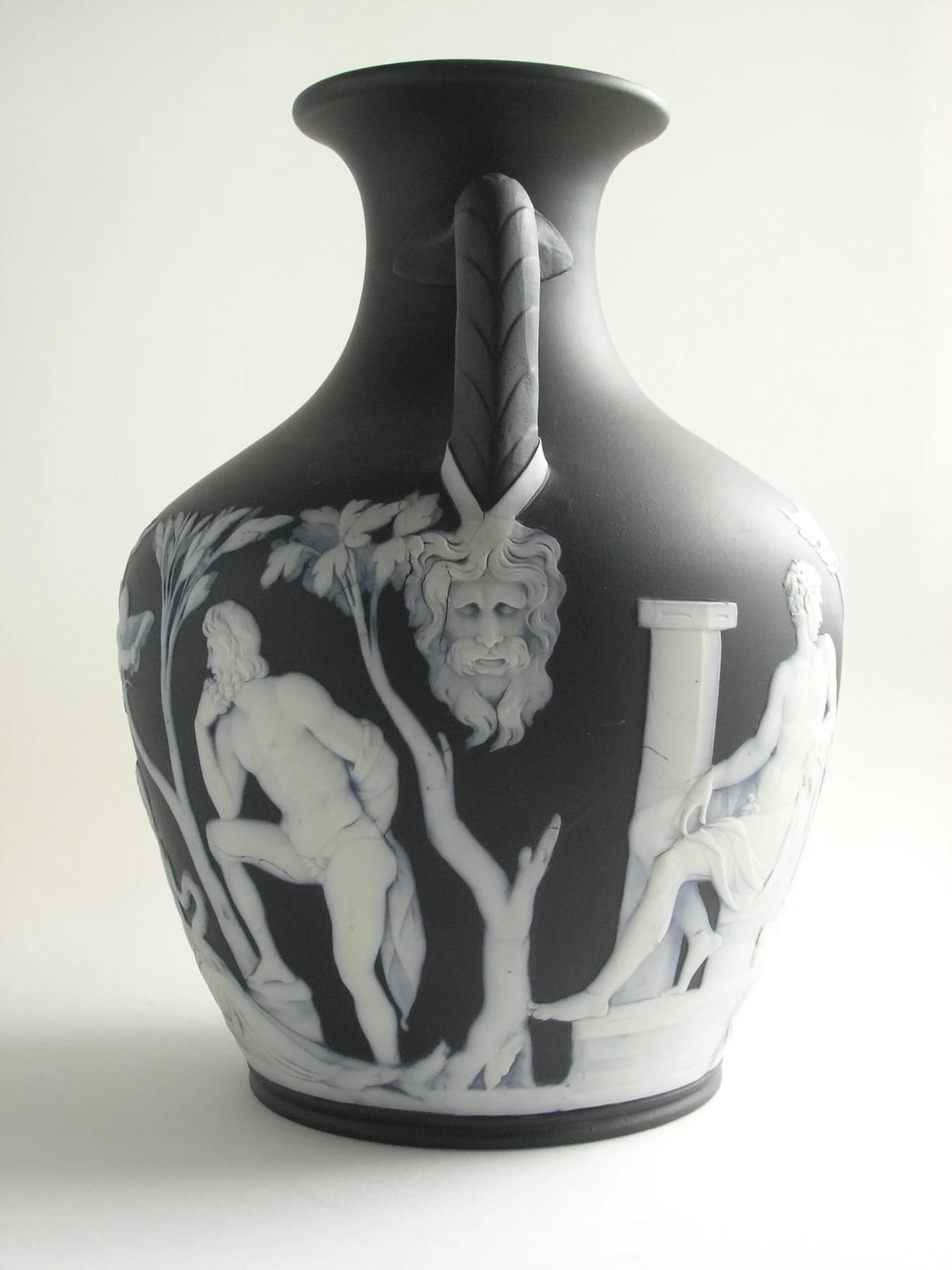
Across the WHV world
The colour is in the clay.
A ceramic invention offers another reason to investigate material decisions behind a very familiar name.
Jasperware & Material Invention
Read the story
An unexpected connection
The value of what stays out.
A different blending account reveals why an attractive component can still be wrong for a particular wine.
Wine Assemblage & Editorial Restraint
Read the story