DISCOVERY / Awamori & Living Cellar Traditions
A spirit with a culture of caretaking.
At Zuisen in Shuri, awamori opens a different conversation about ageing. Kusu belongs to a culture of making, storing and understanding a rice spirit.
Published 27 October 2026 · WHV · Public-source editorial note
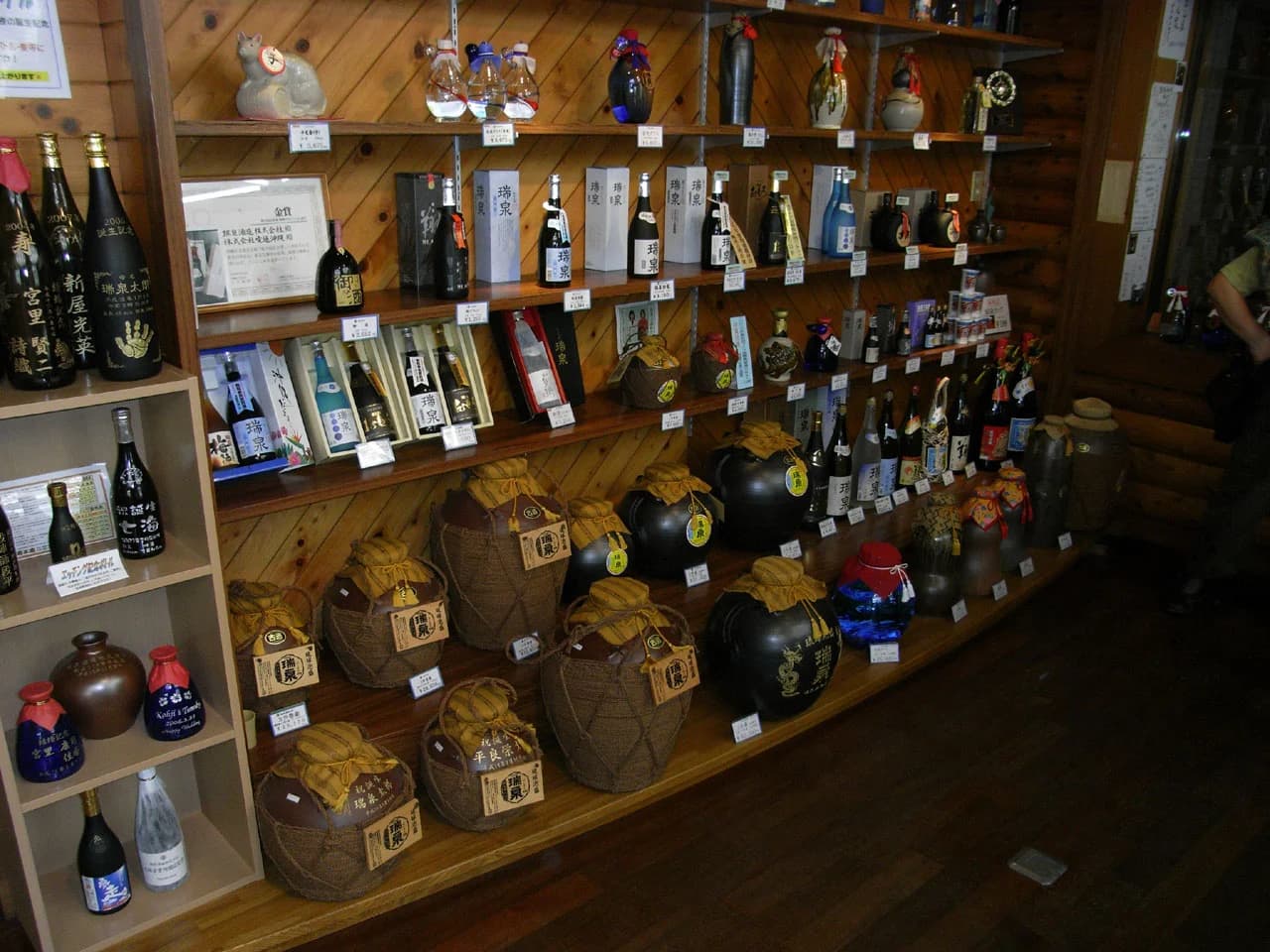
Aged spirits do not all need to tell a story about oak. Okinawan awamori starts with rice and black koji, and its culture of maturation includes storage in earthenware vessels. Zuisen, founded in Shuri in 1887, offers a concrete place to begin understanding that difference.
A different language of age
The producer distinguishes young awamori from kusu, its aged form. Its explanation specifies that a kusu-labelled spirit must consist entirely of awamori stored for at least three years. Zuisen also describes shitsugi, the traditional practice of replenishing vessels in sequence. That practice concerns the management of a continuing stock, not a simple claim that every drop has the age of the oldest vessel.
The WHV interest is the knowledge behind the bottle. Learning how a regional spirit is fermented, distilled and cared for gives a more substantial reason to explore it than packaging or a large age statement. Zuisen’s range includes Seiryu three-year kusu and older expressions, allowing a conversation about differences rather than a race to find the most expensive label.
Begin with a named expression
Start with a small, clearly identified tasting through a knowledgeable retailer or confirm current visitor arrangements directly with the distillery. Ask about the exact expression, strength and stated age. The historical photograph is not a claim about today’s packaging or the contents of an aged release. Do not treat a description of cellar traditions as a home-storage instruction or an assurance that an unopened purchase will become more valuable.
Source and context.
Zuisen: distillery history and current contact information ↗
Zuisen: awamori and the meaning of kusu ↗
Okinawa Awamori association: Zuisen and its product range ↗
Japan Sake and Shochu Makers Association: Zuisen expressions ↗
The photograph is archival and does not identify a current kusu release. The age of a stock-management tradition is not the age of every component in a bottle. Financial performance is not assessed.
Source checked 27 October 2026. WHV interpretation is distinct from the source’s account.
Explore Awamori & Living Cellar TraditionsFOLLOW YOUR CURIOSITY
Where this leads.
Different subjects. A reason to connect them.
Continue the idea
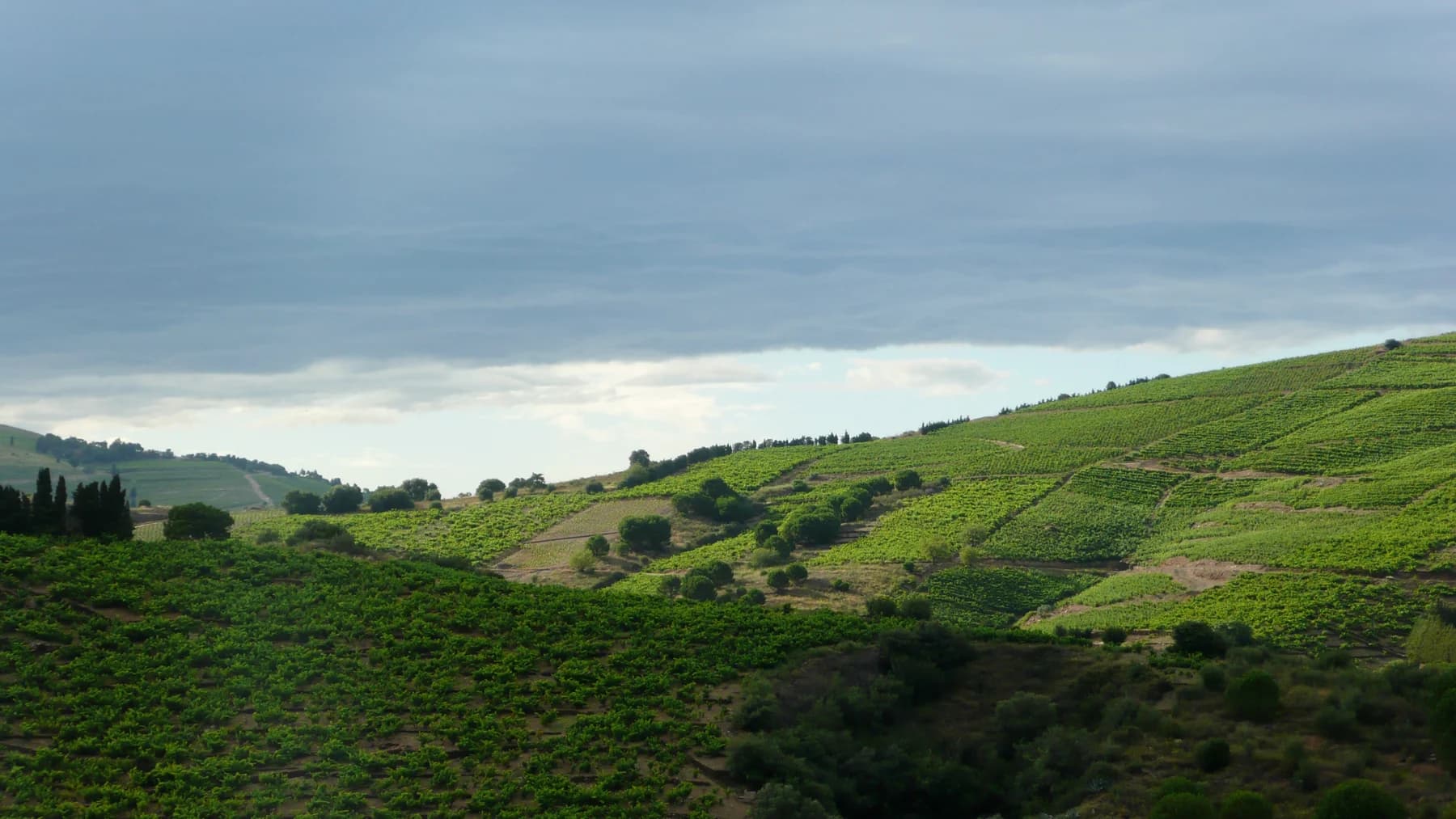
The fresher side of a steep landscape.
Another drink challenges the assumption that one category has a single relationship with age.
Fortified Wine & Working Landscapes
Read the story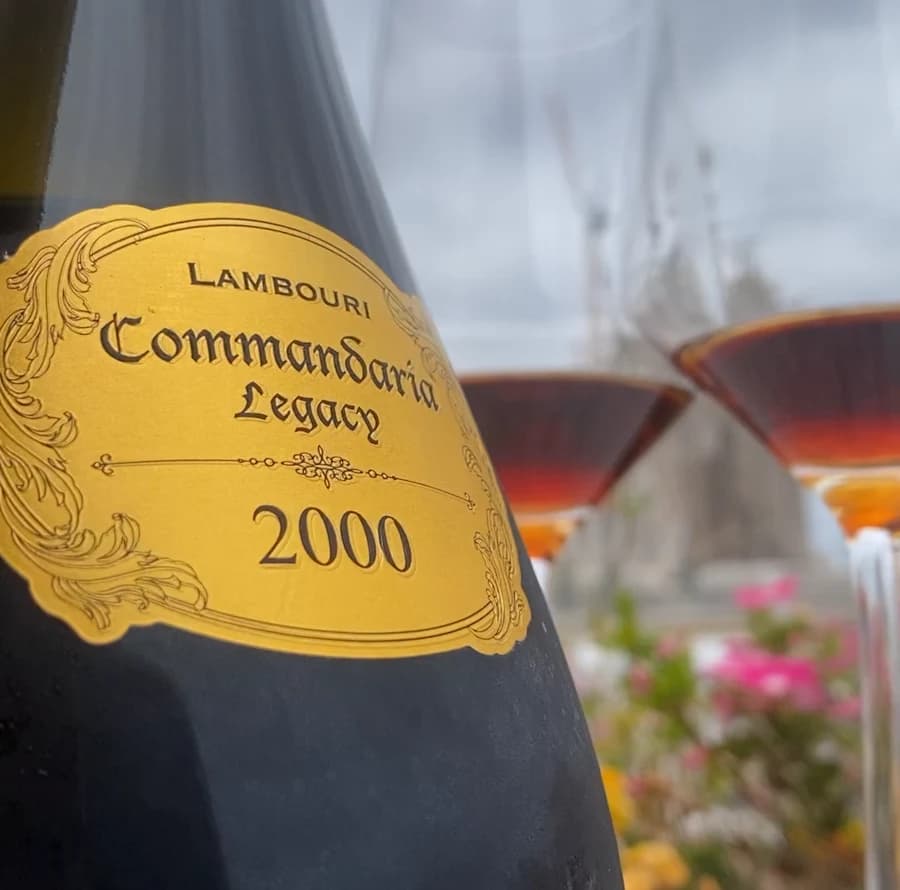
Across the WHV world
The sun before the cellar.
Compare two place-specific drinks by their actual ingredients and making, rather than broad claims of antiquity.
Cypriot Wine & Living Production Traditions
Read the story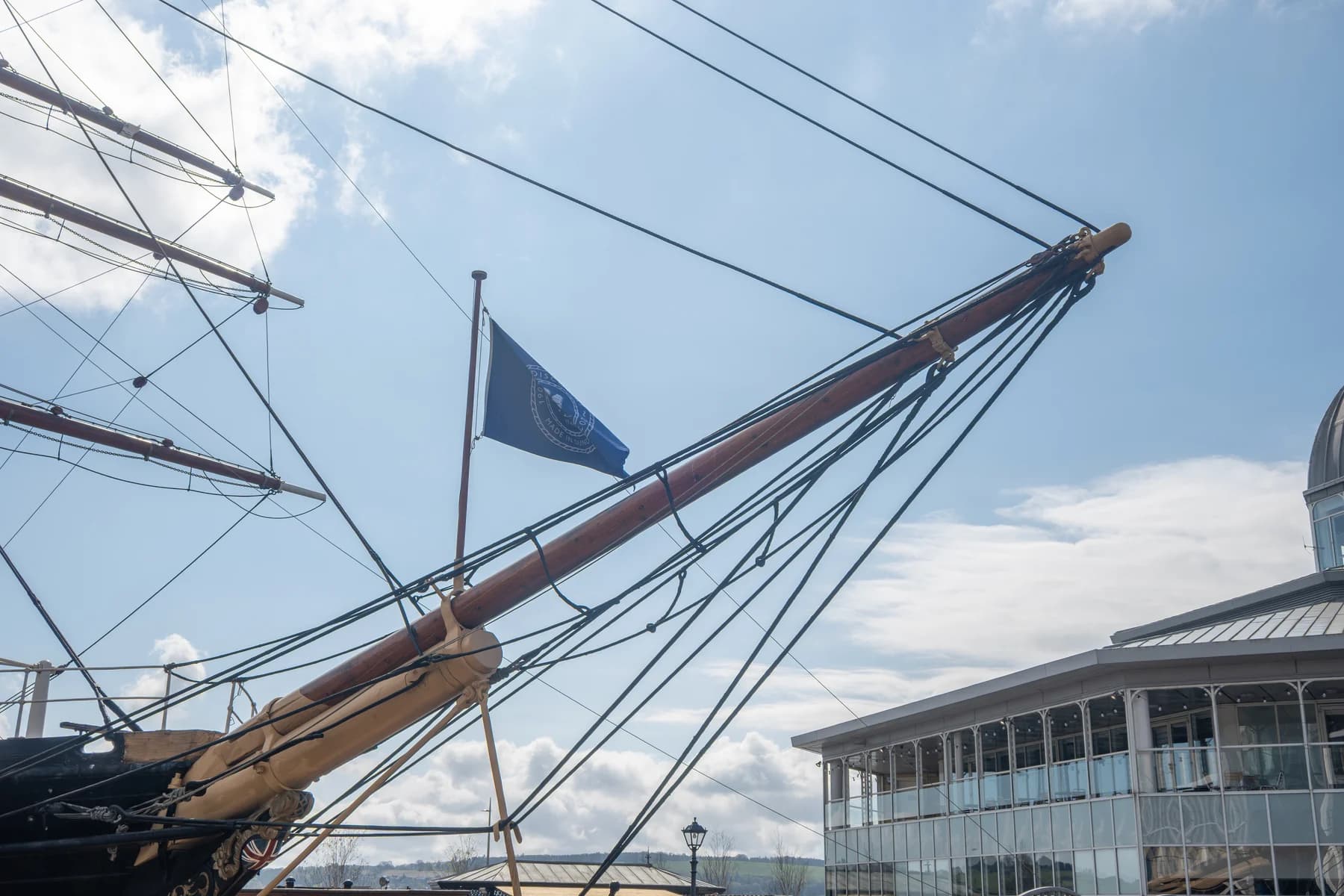
An unexpected connection
The ship that still needs its makers.
The idea of caretaking moves from a cellar tradition to the visible work of preserving a ship.
Maritime Heritage & Conservation in Practice
Read the story