DISCOVERY / Contemporary Champagne & Adaptive Blending
Champagne that responds to a changing year.
Ruinart Blanc Singulier Edition 20 treats the character of a warmer harvest as something to understand, not conceal. The 2026 release makes adaptation a more interesting question than a prestige label.
Published 21 October 2026 · WHV · Public-source editorial note
A house style can be sustained by repeating an expected impression. It can also be explored by asking what has changed in the grapes. Ruinart Blanc Singulier opens the second conversation, making the conditions of an individual harvest part of the reason to investigate a Champagne.
A reserve can support a different response
Edition 20, unveiled in 2026, is made entirely from Chardonnay. The producer identifies a blend of 76 percent wines from the 2020 harvest and 24 percent reserve wines. Those reserves come from a perpetual system established in 2017 and subsequently supplemented with earlier Blanc Singulier blends. The number twenty therefore points to the principal harvest year, not a claim that every component is a 2020 vintage wine.
Ruinart connects the cuvée with adaptation to warmer and more contrasting growing conditions. Edition 20 has no dosage added and is labelled Brut Nature. The interesting idea is a set of decisions about balance, reserves and the character of the base wines. A climatic explanation is not a substitute for tasting, nor does it make all warming beneficial to vineyards.
Read the edition rather than assuming a vintage
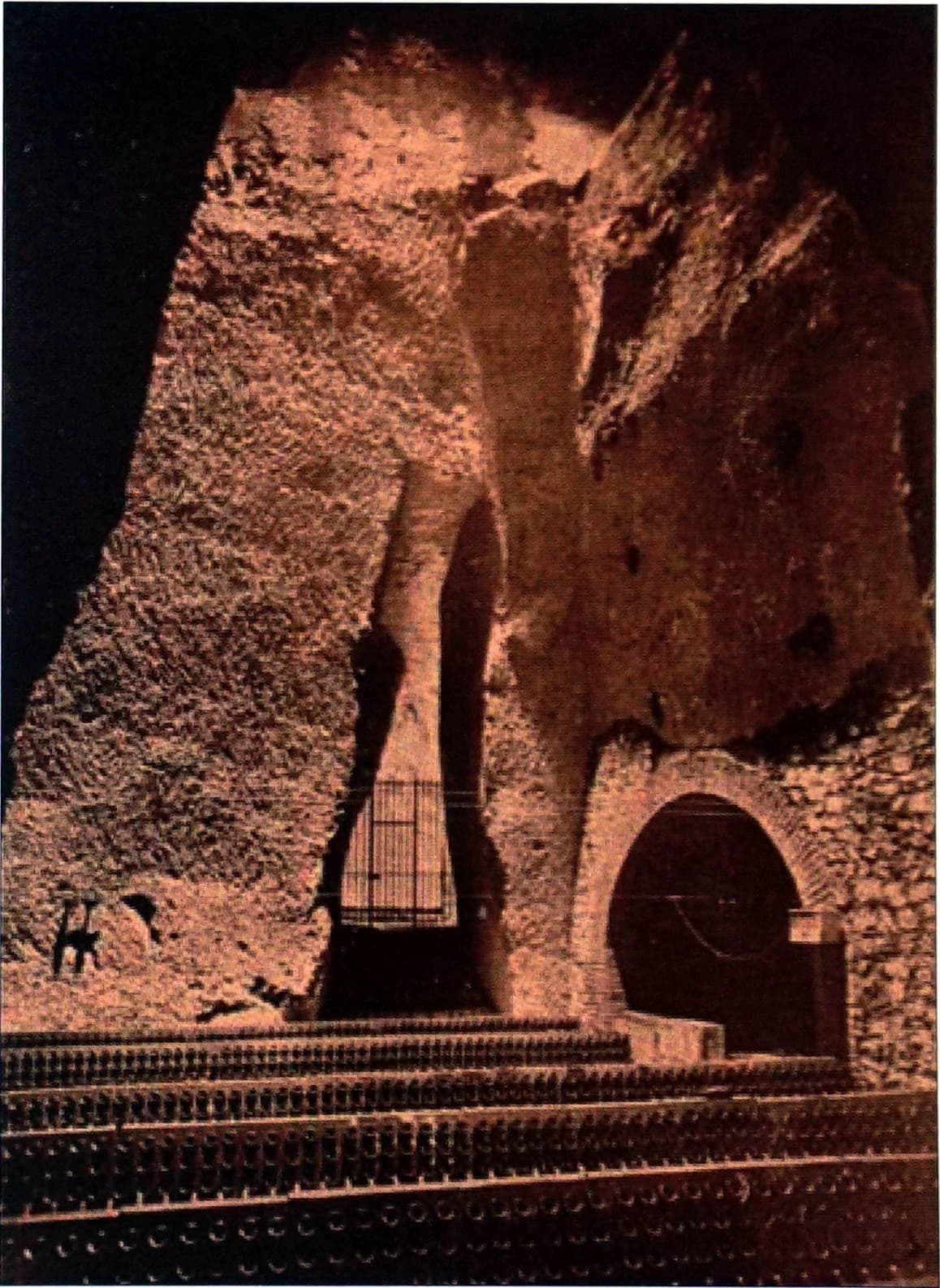
Compare the edition’s composition with another Champagne before comparing reputations or prices. If possible, taste the wines together and ask how their production choices differ. The archival cellar photograph supplies context for Ruinart’s place and patient work, not evidence about this batch’s storage. Value here lies in the knowledge that can adapt a continuing practice without making every year pretend to be the same.
Source and context.
Ruinart: Blanc Singulier and the 2026 Edition 20 release ↗
Ruinart: Edition 20 composition, reserve wines and dosage ↗
The photograph shows Ruinart cellar context, not an Edition 20 bottle or its documented storage history. Edition 20 blends 2020 and reserve wines. Zero dosage does not mean a laboratory finding of zero residual sugar, and WHV has not tasted the cuvée.
Source checked 21 October 2026. WHV interpretation is distinct from the source’s account.
Explore Contemporary Champagne & Adaptive BlendingFOLLOW YOUR CURIOSITY
Where this leads.
Different subjects. A reason to connect them.
Continue the idea
The still changes the category.
A whisky offers another reason to investigate a bottle through the actual production decisions and disclosures behind its name.
Whisky Methods & Precise Labelling
Read the story
Across the WHV world
Clay that keeps the pressure visible.
A sculptor provides a contrasting example of letting the response of a material contribute to an authored result.
Contemporary Terracotta & Sculptural Process
Read the story
An unexpected connection
Ten harvest years, one new edition.
Compare two 2026 Champagne releases whose different uses of reserve wines make their edition numbers worth reading carefully.
Champagne & The Art of Assemblage
Read the story