DISCOVERY / Wine & Regional Identity
The experiment that found its place.
Sassicaia began as a private Cabernet experiment at Tenuta San Guido. Its significance is how an unfamiliar idea helped change the understanding of a place.
Published 21 October 2026 · WHV · Public-source editorial note
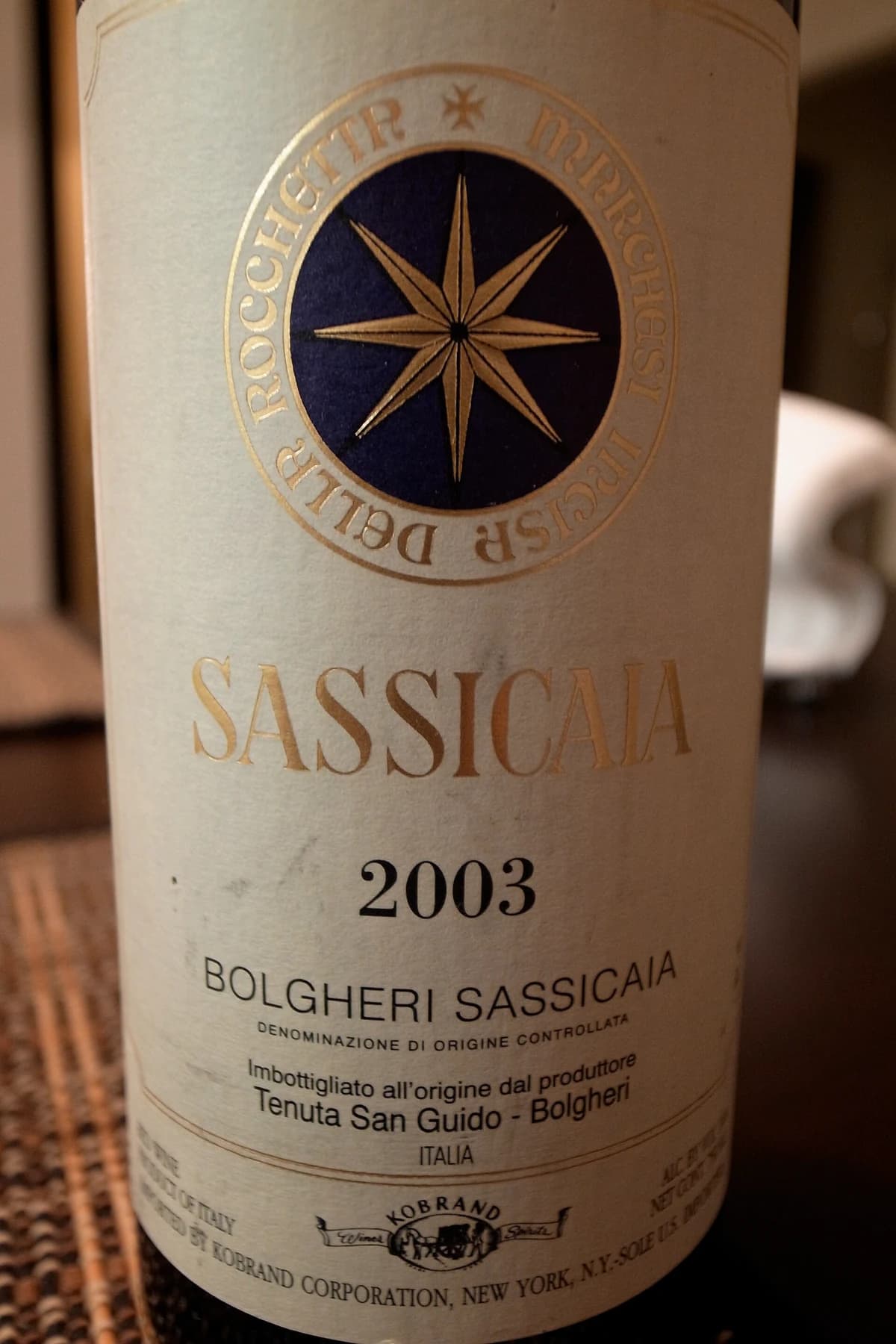
A wine now closely associated with a place can begin as an outsider’s idea. At Tenuta San Guido, Mario Incisa della Rocchetta experimented with Cabernet in the Bolgheri landscape. Sassicaia remained a private wine for family and friends before the 1968 vintage reached the market in 1971. The vintage and release year are not the same date.
A tradition can begin as an experiment
The estate’s account connects the project to its soils, coastal setting and the work of successive people, including Nicolò Incisa and winemaker Giacomo Tachis. Its significance is not that French grape varieties automatically improve an Italian wine. It is that a particular combination of place, observation and persistence produced a convincing identity of its own.
That continuity can be investigated through the estate’s vintage records and independent accounts such as Daniele Cernilli’s extensive vertical tasting. Those records also resist the idea that a famous wine is one unchanging product. Weather, production decisions and bottle history remain part of the story. The 2003 label in the photograph identifies a specific vintage, not the current release or a universal recommendation.
The bottle still needs its own history
If you want to encounter the wine, start with a documented bottle through a knowledgeable merchant or a shared tasting at a specialist venue. Establish provenance and storage before paying for age. The lasting value is both cultural and experiential: an experiment that helped expand what a region could be known for. Historical importance and critical recognition are not guarantees that your bottle will taste a particular way or preserve its purchase price.
Source and context.
Tenuta San Guido: Sassicaia’s origins and continuing production ↗
Tenuta San Guido: the pictured 2003 vintage ↗
DoctorWine: Daniele Cernilli’s documented vertical tasting ↗
The photograph shows a 2003 label, not a current release. No WHV tasting, drinking-window prediction or financial return is claimed. Verify each bottle’s provenance and condition.
Source checked 21 October 2026. WHV interpretation is distinct from the source’s account.
Explore Wine & Regional IdentityFOLLOW YOUR CURIOSITY
Where this leads.
Different subjects. A reason to connect them.
Continue the idea
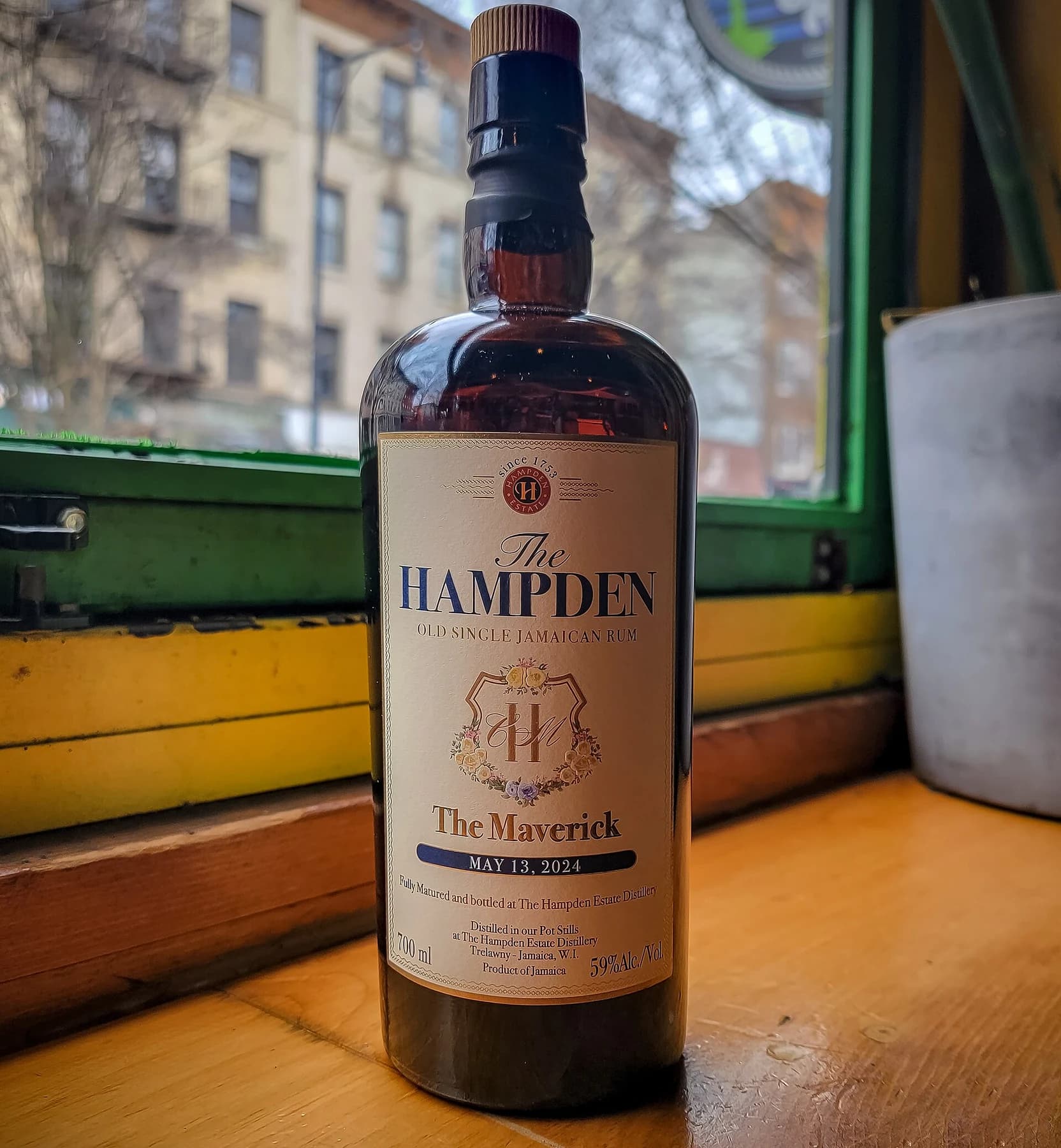
The letters behind the rum.
Move from a wine’s regional identity to a rum whose published formulas reveal differences within one distillery.
Rum & Fermentation Knowledge
Read the story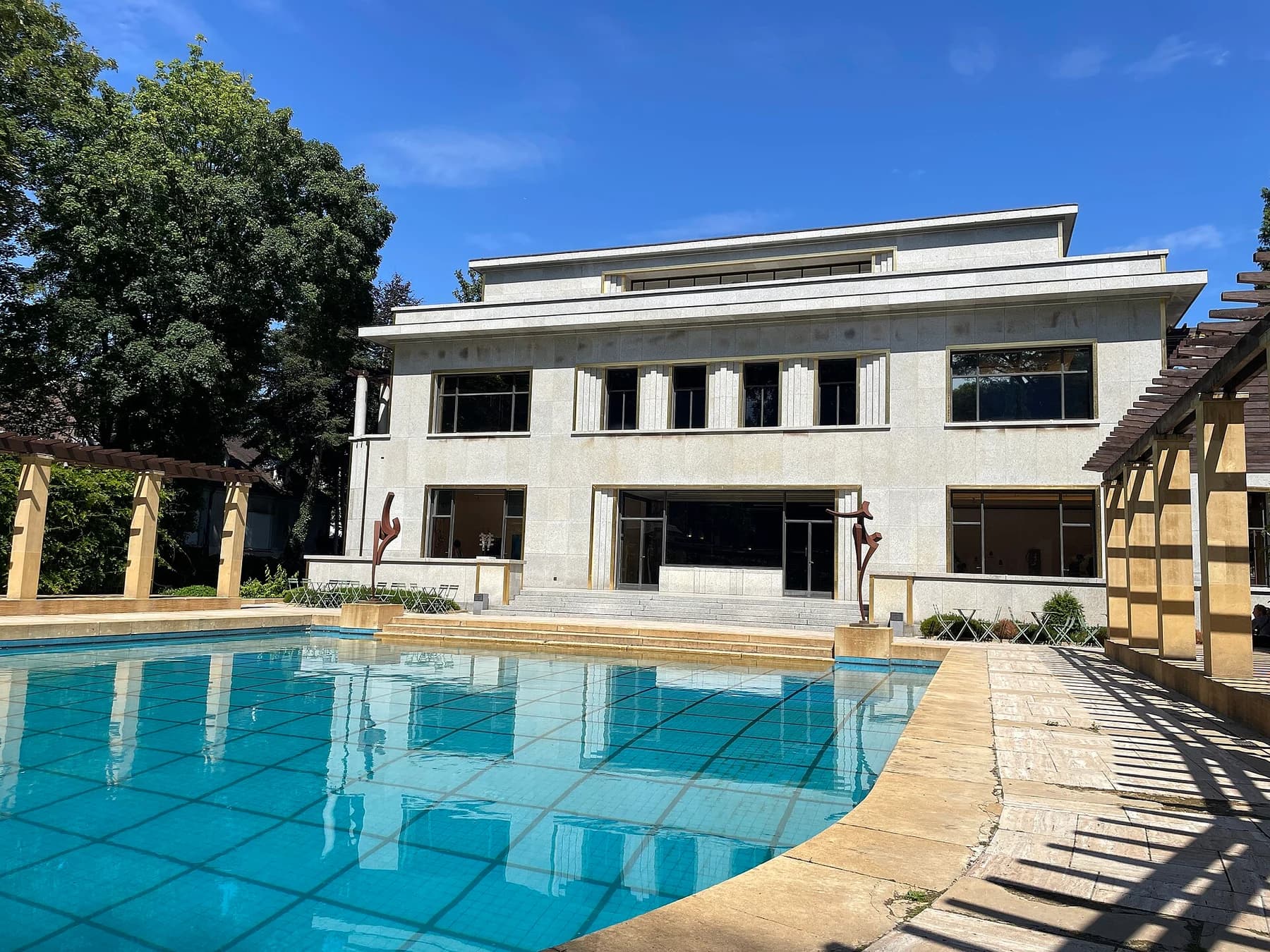
Across the WHV world
The villa that needed another life.
A restored villa offers a different form of continuity, where a strong identity survives through informed intervention.
Art Deco & Architectural Stewardship
Read the story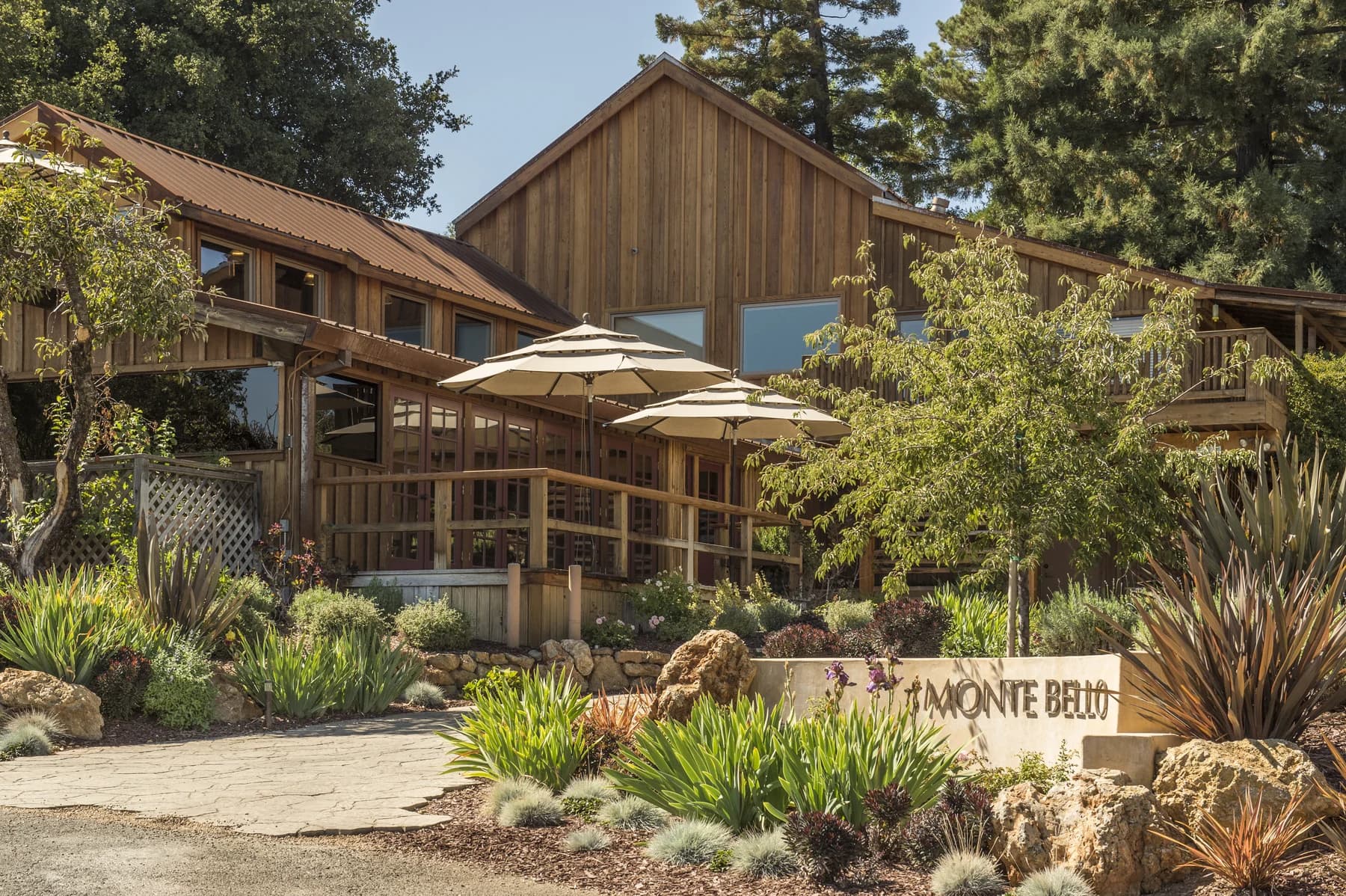
An unexpected connection
The value of what stays out.
A Californian wine provides another way to investigate place and production decisions beyond a familiar grape name.
Wine Assemblage & Editorial Restraint
Read the story