DISCOVERY / Heritage Barley & Distillation Choices
The grain is not interchangeable.
Bruichladdich Bere Barley 2013 moves the whisky conversation back from the cask to the crop. A surviving barley population becomes a reason to investigate farming knowledge as well as maturation.
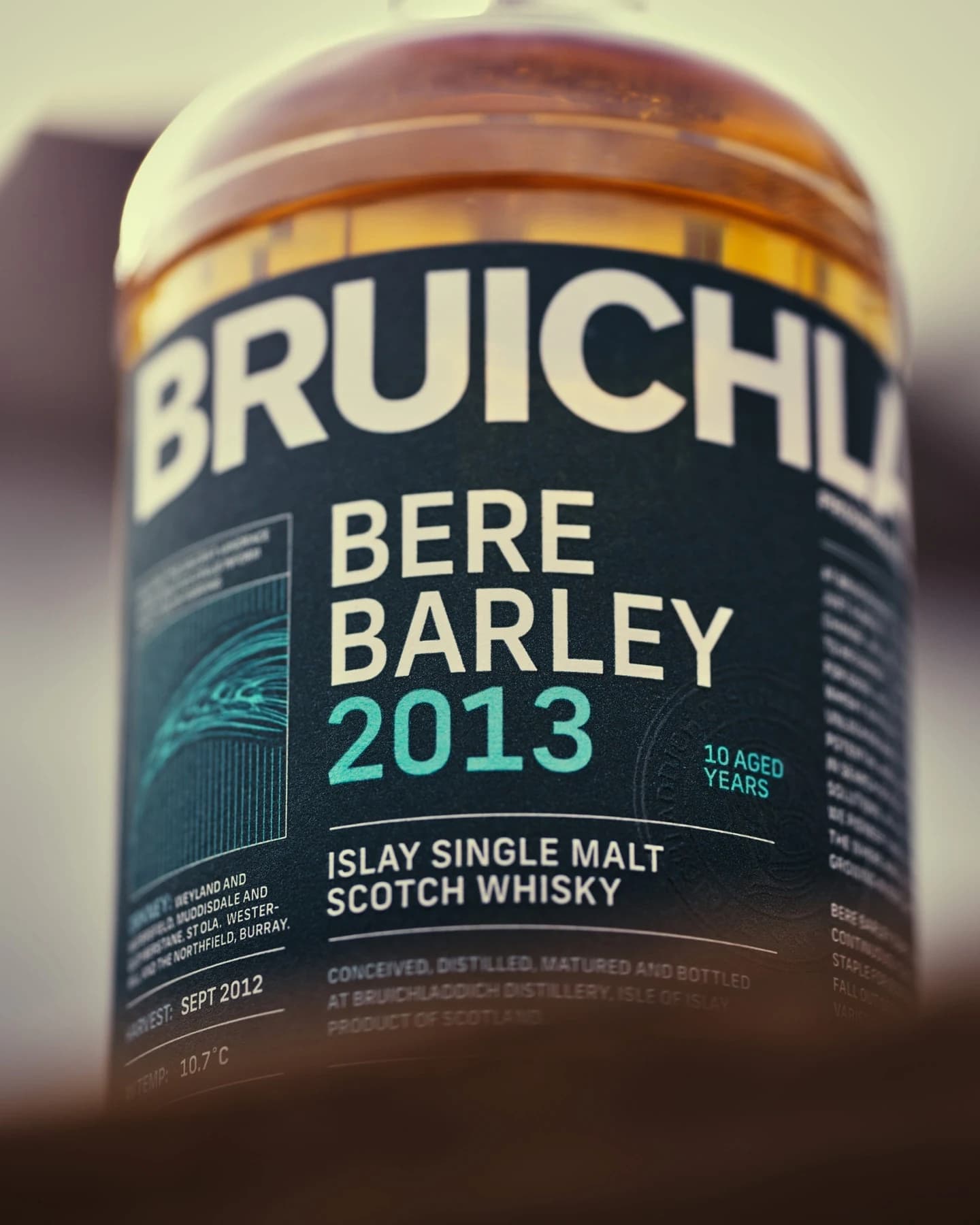
Published 21 October 2026 · WHV · Public-source editorial note
Whisky discussions often move quickly from the still to the barrel. Bere Barley asks the reader to go further back, to the grain growing in a field. A familiar category becomes less uniform when barley is treated as a material with a particular agricultural history rather than a neutral input.
Start before the still
For its 2013 Bere release, Bruichladdich identifies growers in Orkney and a continuing relationship with the University of the Highlands and Islands’ Agronomy Institute, begun in 2005. Bere is a surviving, genetically diverse barley population. Keeping it in production links the decisions of farmers and researchers to a distiller willing to work with something outside the most conventional supply pattern.
The identified whisky was matured for ten years and bottled at 50 percent alcohol. Its account specifies first-fill bourbon barrels and second-fill Pauillac wine casks. Those choices describe this expression, not every Bruichladdich or every spirit made from Bere. The photographed label records 2013 distillation, not the harvest date or a new 2026 release.
A vintage identifies a particular production story
Compare production notes before borrowing someone else’s tasting conclusions. The current maker page marks this expression sold out, so a surviving retail bottle needs its own availability and condition check. WHV has not tasted it. The valuable discovery is larger than the bottle: agricultural diversity can remain alive when someone finds a meaningful contemporary use for it. Heritage becomes a working relationship between a crop, the people who grow it and the thing they choose to make.
Source and context.
Bruichladdich: Bere Barley 2013, Orkney growers and agronomy collaboration ↗
Rémy Cointreau Japan: the dated 2023 release, maturation and exact bottle ↗
The press photograph is a label detail of Bere Barley 2013, not Islay Barley 2014 or a whole-bottle condition report. The 2023 Japanese release is historical. No blind tasting, scientific flavour-isolation claim or financial return is asserted.
Source checked 21 October 2026. WHV interpretation is distinct from the source’s account.
Explore Heritage Barley & Distillation ChoicesFOLLOW YOUR CURIOSITY
Where this leads.
Different subjects. A reason to connect them.
Continue the idea
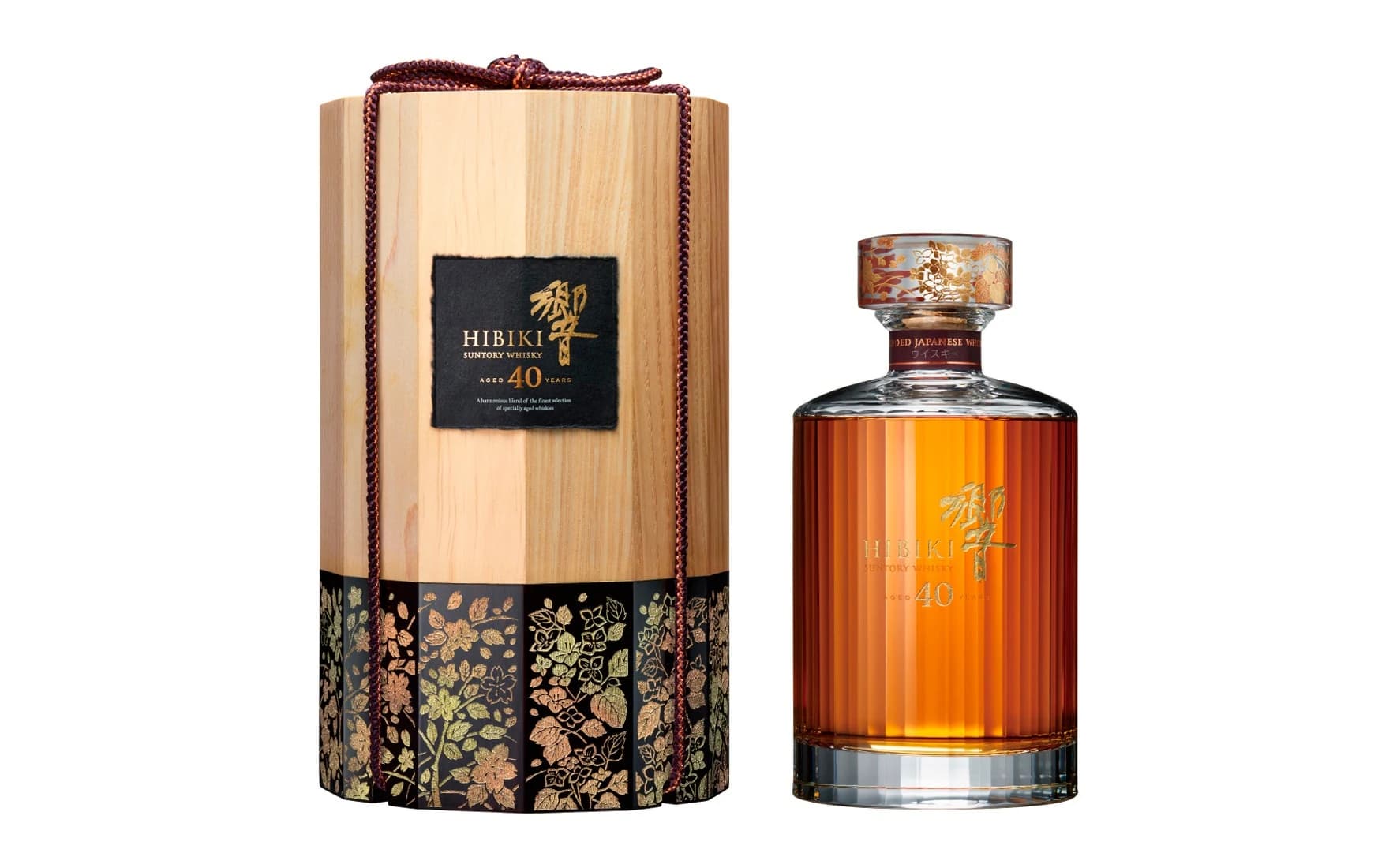
Forty years of keeping options open.
An exceptional mature blend moves from agricultural choices to another stage where keeping possibilities available matters.
Long Maturation & Blending Knowledge
Read the story Image: Baba Tree Master Weavers × Álvaro Catalán de Ocón / LOEWE Foundation (opens source in a new tab)
Across the WHV world
A village woven from above.
A weaving collaboration offers a different case in which a living material practice keeps cultural knowledge productive.
Collaborative Basketry & Architectural Memory
Read the story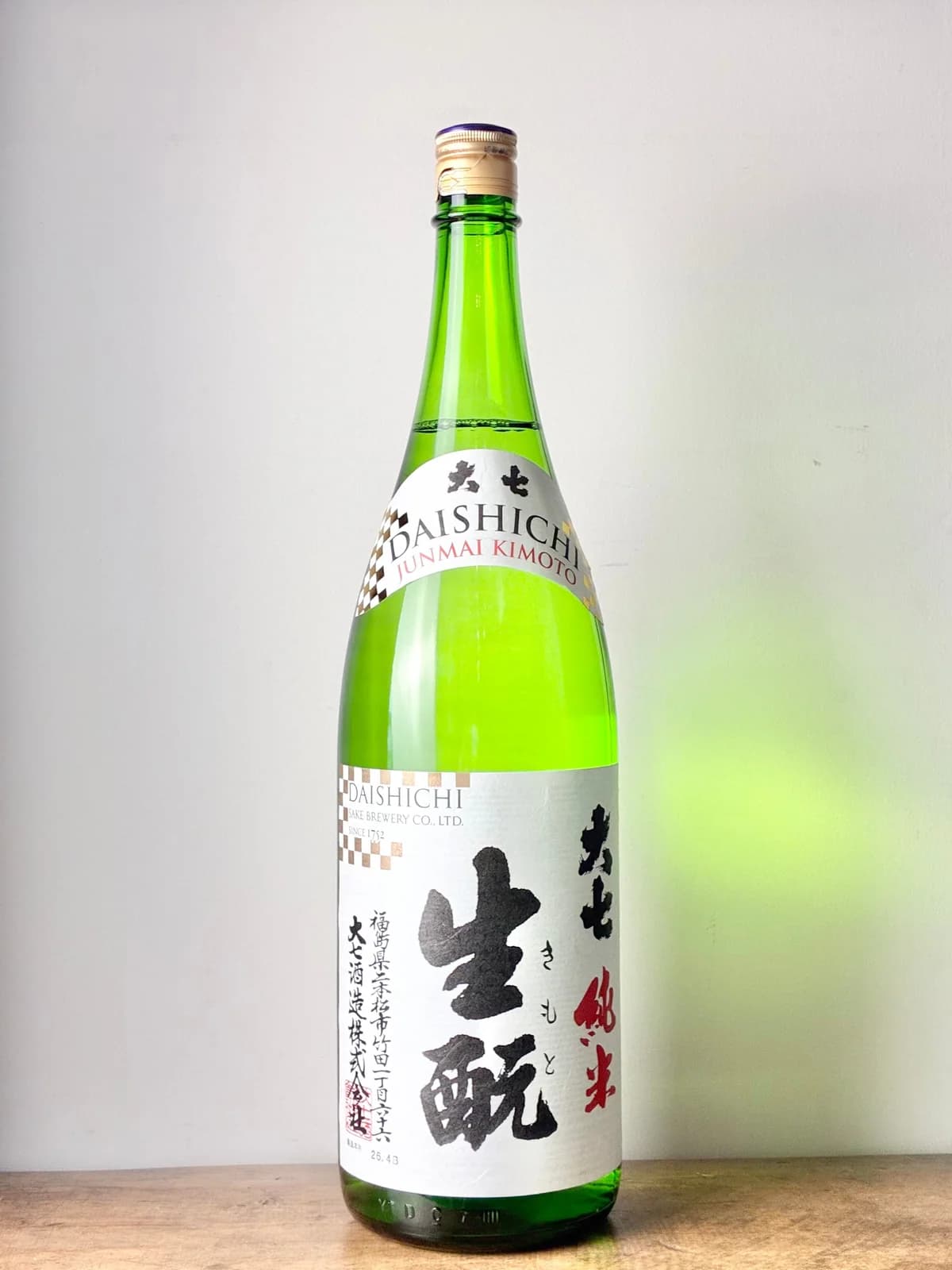
An unexpected connection
The work before the fermentation.
A sake account reveals another way that decisions before the familiar finishing stages can shape a drink’s identity.
Sake & Fermentation Knowledge
Read the story