DISCOVERY / Champagne & Vintage Selection
The year behind the label.
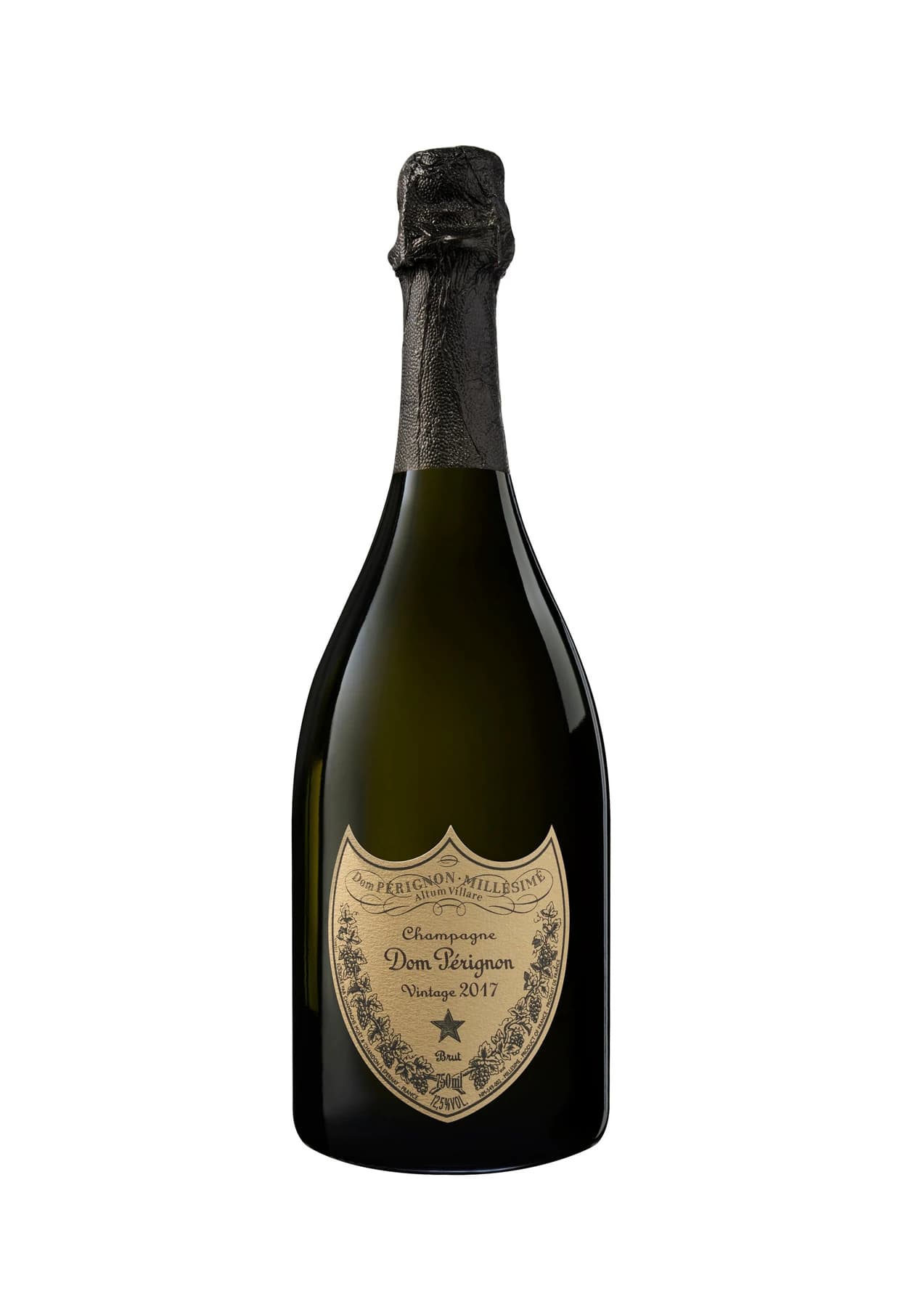
Dom Pérignon Vintage 2017 offers a way to read a Champagne through the decisions made in a difficult growing season, rather than through the prestige of its name.
Published 21 October 2026 · WHV · Public-source editorial note
The year on a vintage Champagne bottle is not the year it arrives in a shop. Dom Pérignon Vintage 2017 was announced for the Japanese market in spring 2026. That gap is part of the story, but the more revealing starting point is the harvest itself and the decisions needed to turn it into a wine.
A harvest is not a release date
The producer’s account of 2017 describes spring frost and rain late in August, followed by demanding selection of Chardonnay and Pinot Noir. Dom Pérignon makes vintage wines from a single harvest rather than presenting its main expression as a recurring non-vintage blend. The decision to make a year, and what to include within it, therefore carries particular weight.
This does not make a difficult season an automatic badge of excellence. It offers a concrete way to investigate authorship in wine: choices made under conditions that cannot simply be repeated. Nor should the 2017 announcement be read as a claim that it is the newest Dom Pérignon everywhere. Different markets and releases coexist, and the house also presented Vintage 2018 during 2026.
Read the bottle, then its history
Ask a knowledgeable merchant to identify the exact wine and explain its provenance and storage before discussing when to open it. The photograph here shows the white Vintage 2017, not the Rosé Vintage 2010 announced alongside it in Japan. The value worth exploring is a specific interpretation of a growing season. A celebrated label, an old date and attractive packaging cannot independently establish the condition or future price of the bottle in front of you.
Source and context.
Moët Hennessy Japan: Dom Pérignon Vintage 2017 release ↗
LVMH: Dom Pérignon’s vintage-only approach ↗
LVMH: Revelations 2026 and other current releases ↗
No WHV tasting or investment recommendation is made. Regional release timing is distinguished from harvest year and from other vintages available in 2026.
Source checked 21 October 2026. WHV interpretation is distinct from the source’s account.
Explore Champagne & Vintage SelectionFOLLOW YOUR CURIOSITY
Where this leads.
Different subjects. A reason to connect them.
Continue the idea
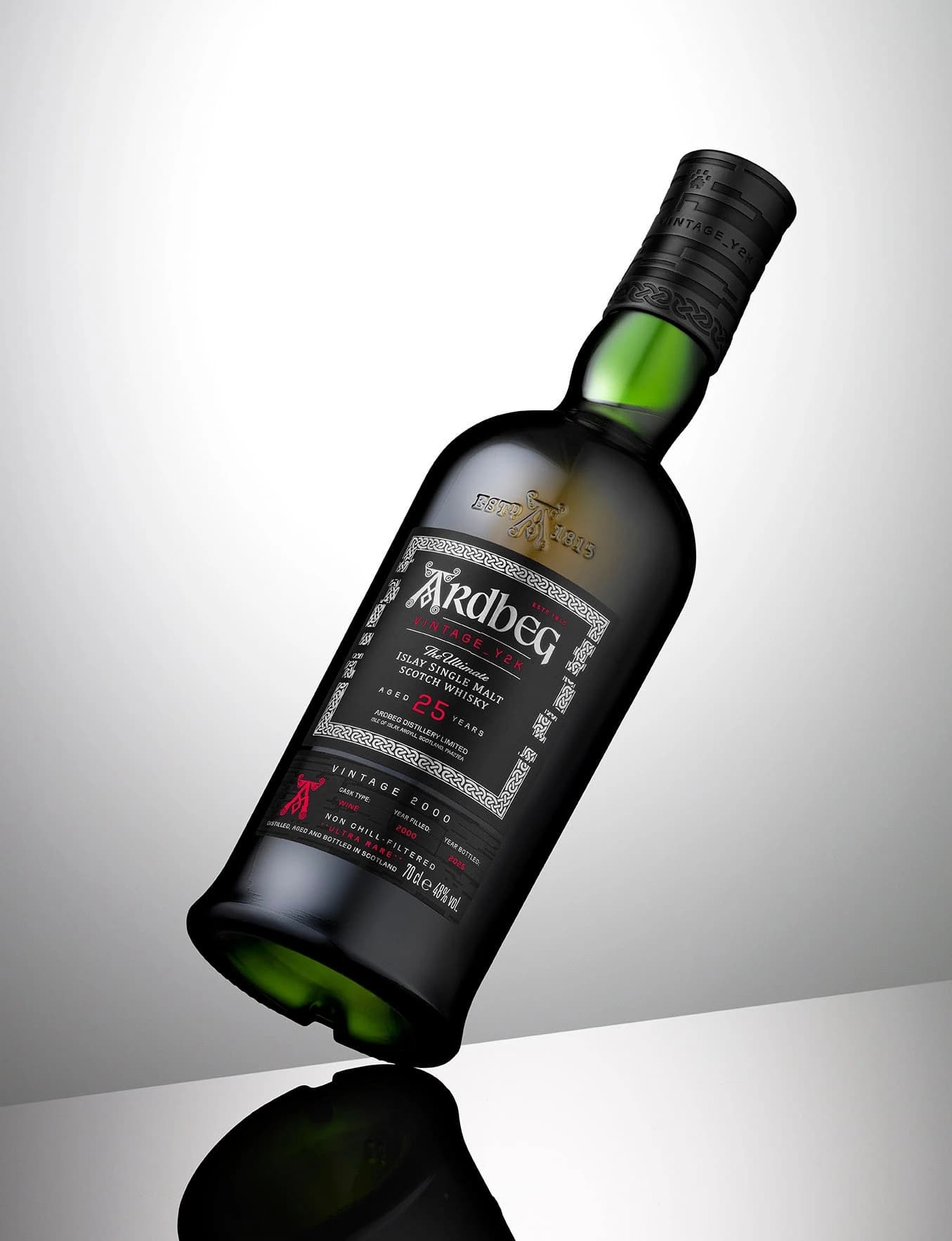
The cask after the cask.
Compare the roles of production year, maturation and release date in two very different drinks.
Whisky & Maturation Decisions
Read the story
Across the WHV world
The terminal you can stay with.
An aviation building offers another reason to distinguish an origin date from the date of a later encounter.
Adaptive Reuse & Aviation Architecture
Read the story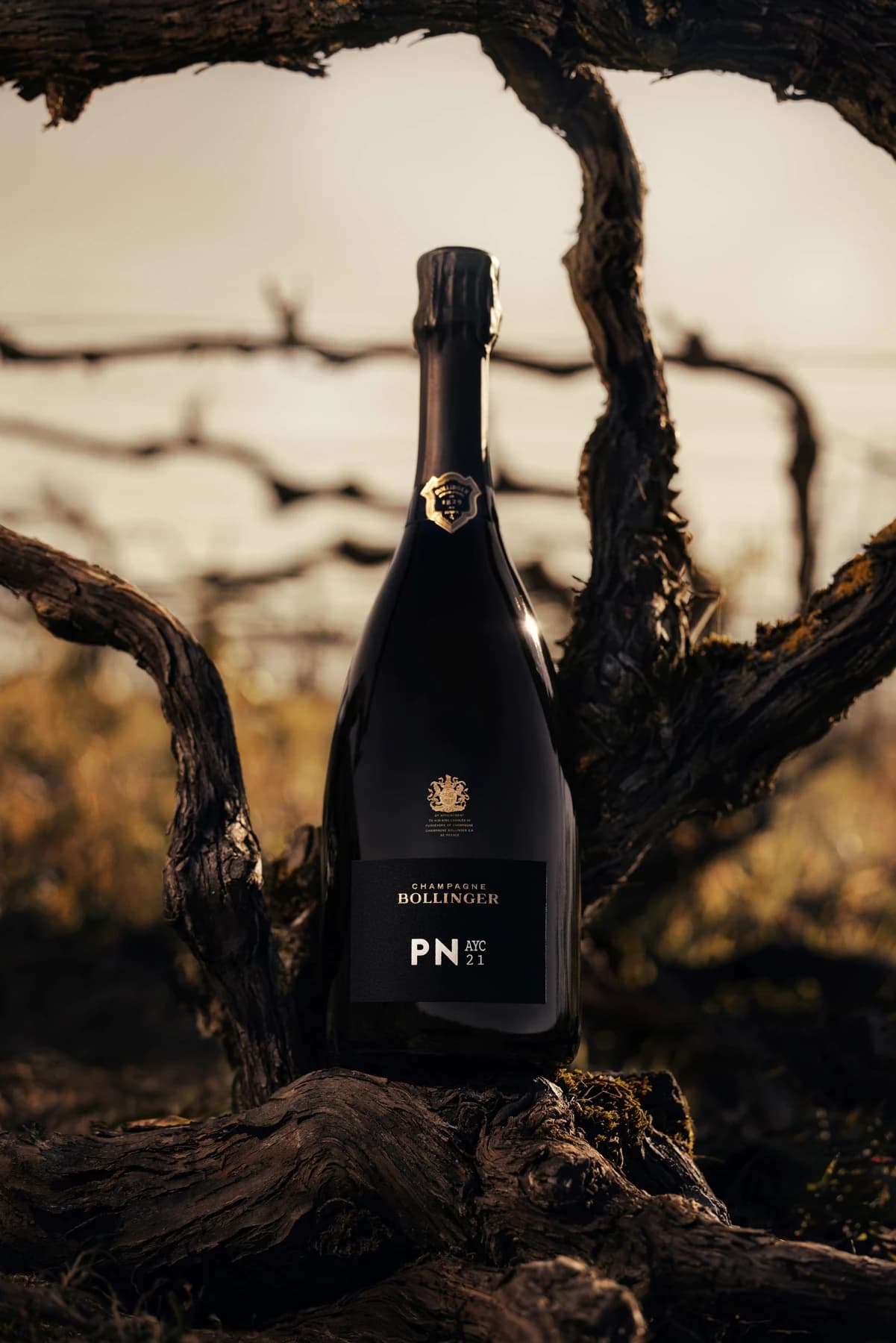
An unexpected connection
A place inside a blend.
A Champagne blend makes the distinction between a base year and a single harvest especially clear.
Champagne & Blending Decisions
Read the story