DISCOVERY / Tokaji Aszú & Selective Harvest
The wine picked berry by berry.
Tokaji Aszú makes sweetness a question of selection, concentration and balance. The individual berry opens a much richer story than the age on a label.
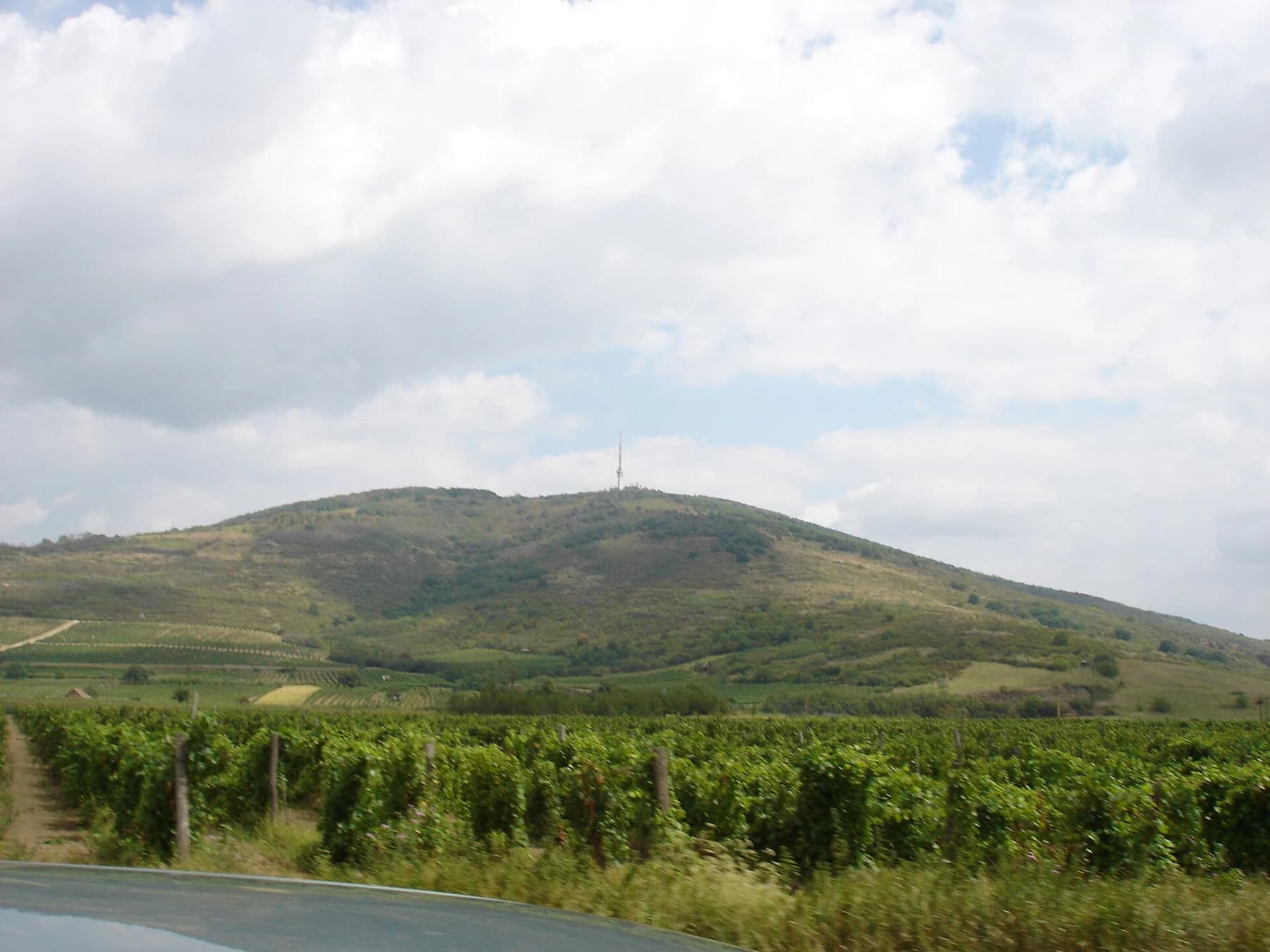
Published 17 October 2026 · WHV · Public-source editorial note
A sweet wine can be discussed as though sweetness were the entire achievement. Tokaji Aszú opens a more interesting conversation. The important action begins in the vineyard, where selected botrytised berries are gathered individually. The finished wine carries a series of decisions about fruit and balance, not simply a large quantity of sugar.
The unit of attention is a berry
Disznókő explains its own method in unusually useful detail. The concentrated berries are collected separately, then soaked in fermenting must or new wine to release sugar, flavour and acidity. The resulting material is pressed, fermented and aged. This is a producer’s account of how its Aszú is made, not a claim that every estate follows an identical protocol.
It also distinguishes Aszú wine from Eszencia, the exceptionally concentrated liquid released by the berries’ own weight. The two names should not be used interchangeably to make a bottle sound rarer. For the reader, the discovery is how much a familiar description such as dessert wine can conceal. Material selection and the way that material is handled give the category its more revealing story.
Understand the method before the vintage
Explore an identified producer and vintage through a reputable merchant or an estate tasting. Ask how the bottle has been stored and choose a serving context that allows sweetness and acidity to be considered together. Disznókő offers a visit route into the process described here. Understanding why the wine exists is useful before debating how long to keep it. Neither a demanding harvest nor a famous region establishes a resale market for your bottle.
Source and context.
Disznókő: the Aszú winemaking process ↗
Disznókő: estate visits and wine tastings ↗
WHV has not tasted or valued a bottle. The production example is Disznókő’s, not a universal recipe for all Tokaji Aszú. Photographic context is identified separately. Vintage, producer, storage and condition remain bottle-specific.
Source checked 17 October 2026. WHV interpretation is distinct from the source’s account.
Explore Tokaji Aszú & Selective HarvestFOLLOW YOUR CURIOSITY
Where this leads.
Different subjects. A reason to connect them.
Continue the idea
The grain inside the tradition.
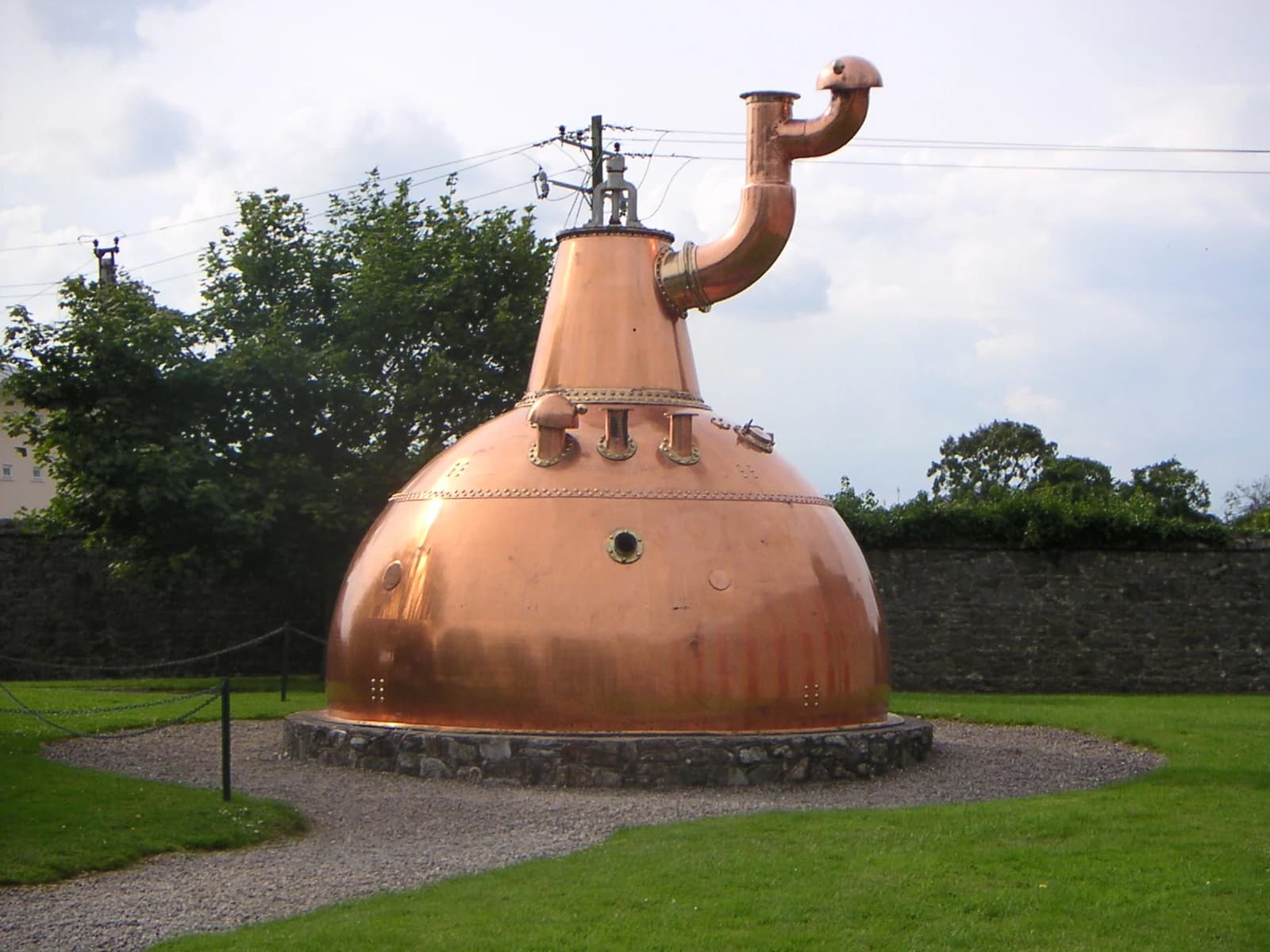
A spirit offers a different lesson in understanding a drink through material choices before price or reputation.
Irish Pot Still Whiskey & Living Lineage
Read the story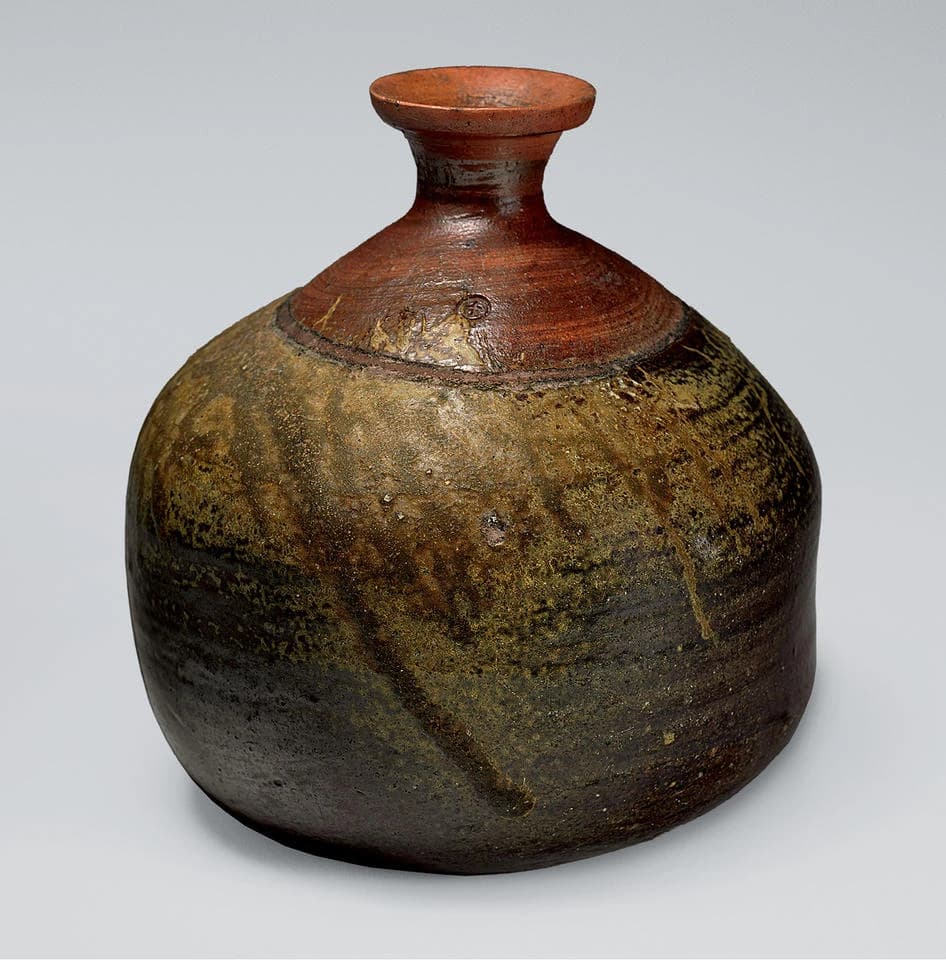
Across the WHV world
The kiln that makes the surface.
Move from a selected agricultural material to clay, where process also makes the result more legible.
Bizen Ceramics & Firing Knowledge
Read the story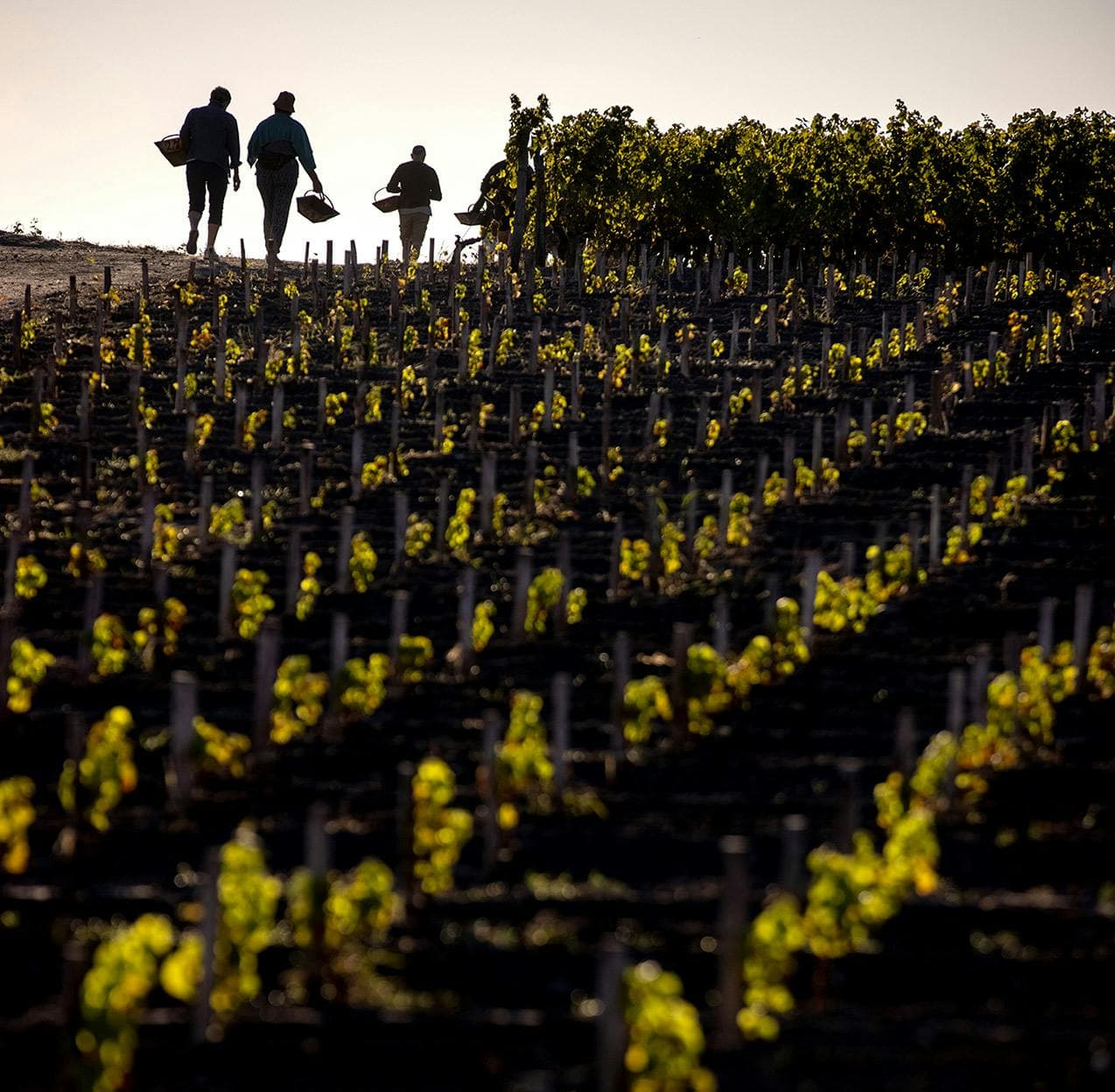
An unexpected connection
The vintage Yquem chose not to make.
Another sweet-wine story makes producer decisions more revealing than assumptions about prestige and sweetness.
Wine & Standards
Read the story