DISCOVERY / Adaptive Reuse & Public Roof Landscapes
A garden above a difficult history.
The St. Pauli bunker carries a public garden above a wartime structure. Its value depends on making room for present-day life without allowing the planting to conceal how the building began.
Published 21 October 2026 · WHV · Public-source editorial note
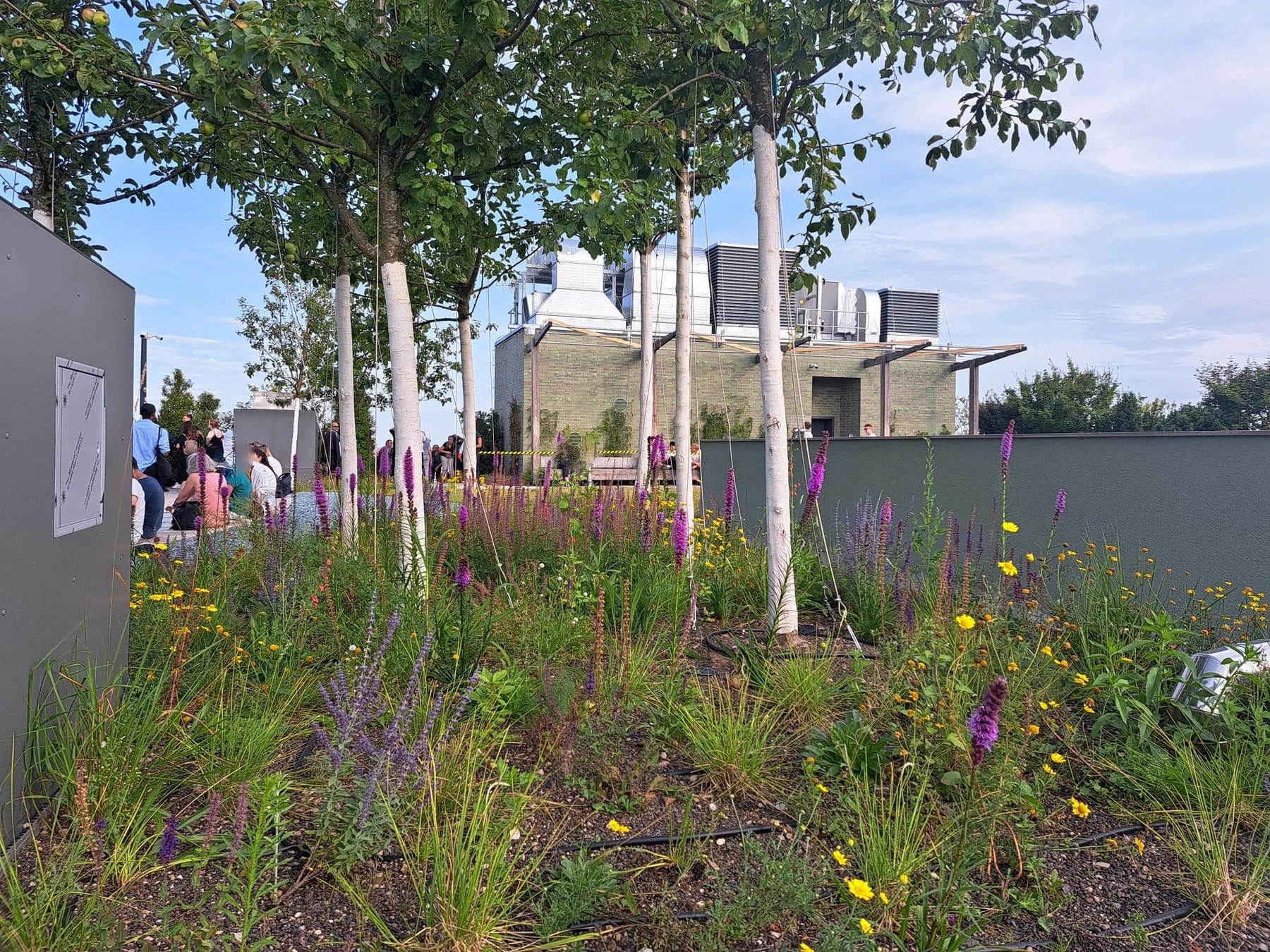
Trees above a concrete bunker create an immediate visual contradiction. At Hamburg’s Feldstraße, a roof landscape now crowns a structure built for war. The photograph records the planted upper level soon after its 2024 opening. Below it lies a much heavier story than the familiar promise of a green urban destination.
Reuse does not make the past disappear
The St. Pauli bunker dates from 1942 and was built using forced labour. Its recent transformation adds public access, cultural uses, hospitality and a garden reached by a rising external path. The original mass has not vanished. That physical continuity is important, but it cannot by itself guarantee that the people and circumstances behind the building remain visible to visitors.
The useful idea is not that planting absolves a structure. It is that a city can give an inherited building another public purpose while continuing to explain its earlier one. A garden, a place to gather and a route above the streets offer reasons to encounter a site that might otherwise remain remote or intimidating. Memory needs interpretation and stewardship as much as architecture.
Look at the route as well as the view
Check the operator’s current opening conditions before visiting, then allow time for the historical account rather than treating the ascent as a shortcut to a skyline photograph. Consider who can reach the spaces and how the new uses coexist. This is a worthwhile case of urban reinvention precisely because it is complicated. Its significance does not require an unsupported claim about carbon savings or the financial success of the redevelopment.
Source and context.
Hamburg Bunker: the building’s history ↗
Hamburg Marketing: July 2024 opening of the completed addition ↗
Hamburg Bunker: current roof access and location ↗
The roof photograph dates from July 2024. It is not a current planting survey or a complete exterior view. WHV has not measured environmental performance or audited the project’s economics.
Source checked 21 October 2026. WHV interpretation is distinct from the source’s account.
Explore Adaptive Reuse & Public Roof LandscapesFOLLOW YOUR CURIOSITY
Where this leads.
Different subjects. A reason to connect them.
Continue the idea
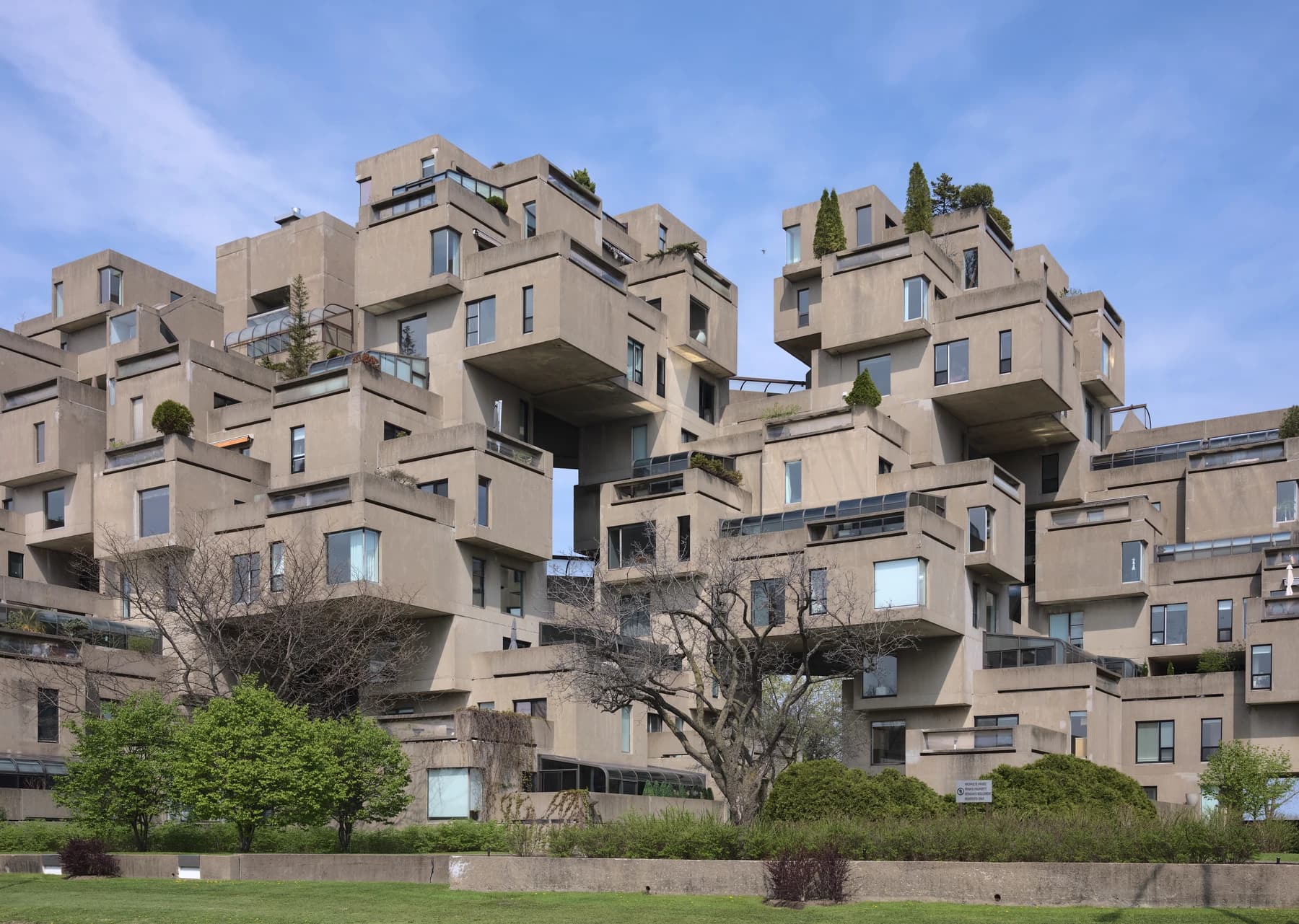
A garden for an apartment.
A residential experiment offers a different relationship between concrete structures, planted terraces and daily life.
Experimental Housing & Inhabited Heritage
Read the story
Across the WHV world
The solar system in the ceiling.
A working planetarium offers another case in which public access and continuing care make an inherited place useful.
Working Scientific Heritage & Public Learning
Read the story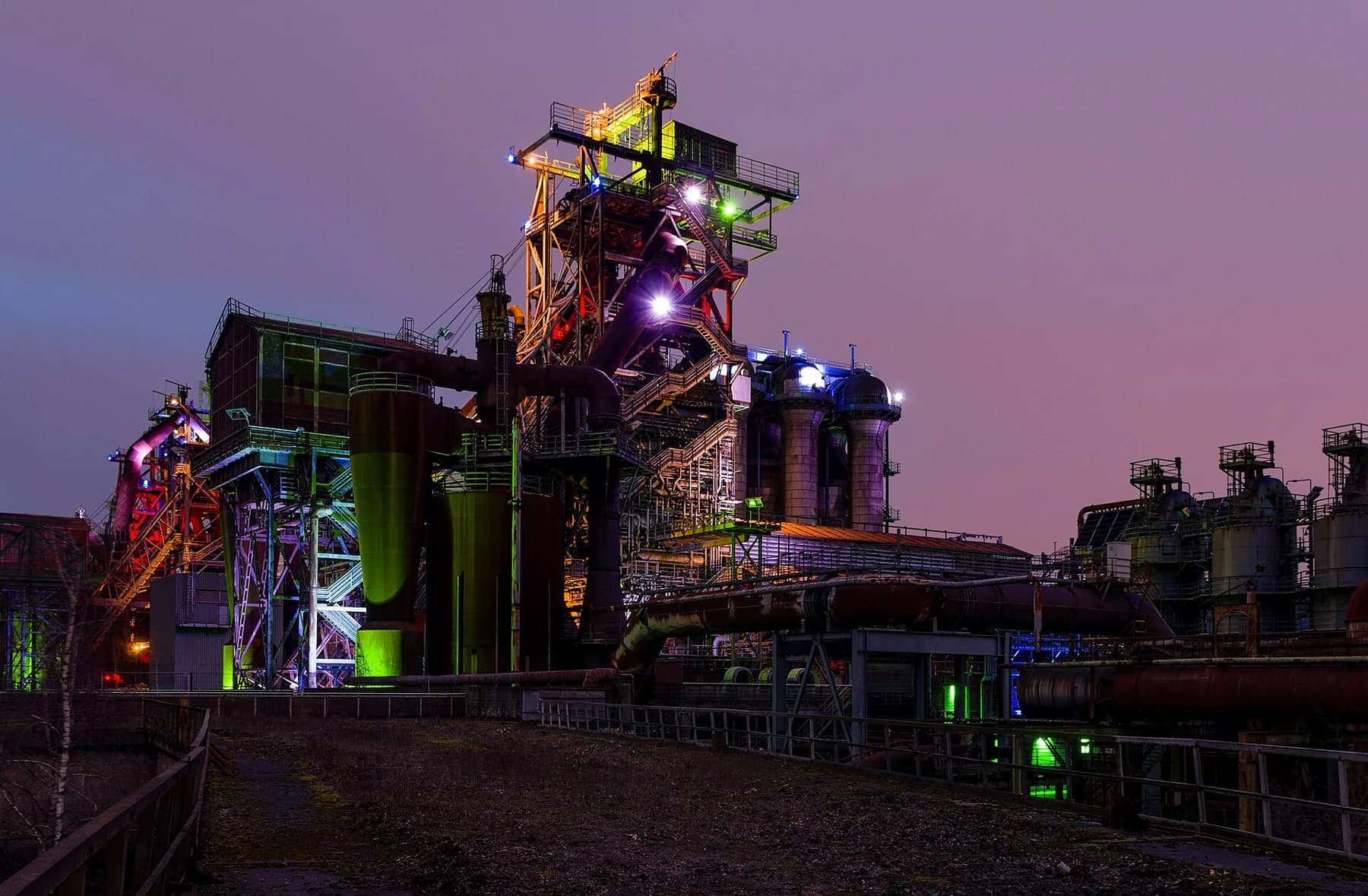
An unexpected connection
The ironworks that became a park.
Compare the bunker’s difficult history with a former industrial site whose earlier identity also remains legible.
Industrial Landscapes & Public Reuse
Read the story