DISCOVERY / Adaptive Reuse & Historic Hospitality
The cloister with a next chapter.
At Santo Estevo in Galicia, a former monastery has become a hotel without making its cloisters irrelevant. The attraction is the conversation between different uses of the same building.
Published 27 October 2026 · WHV · Public-source editorial note
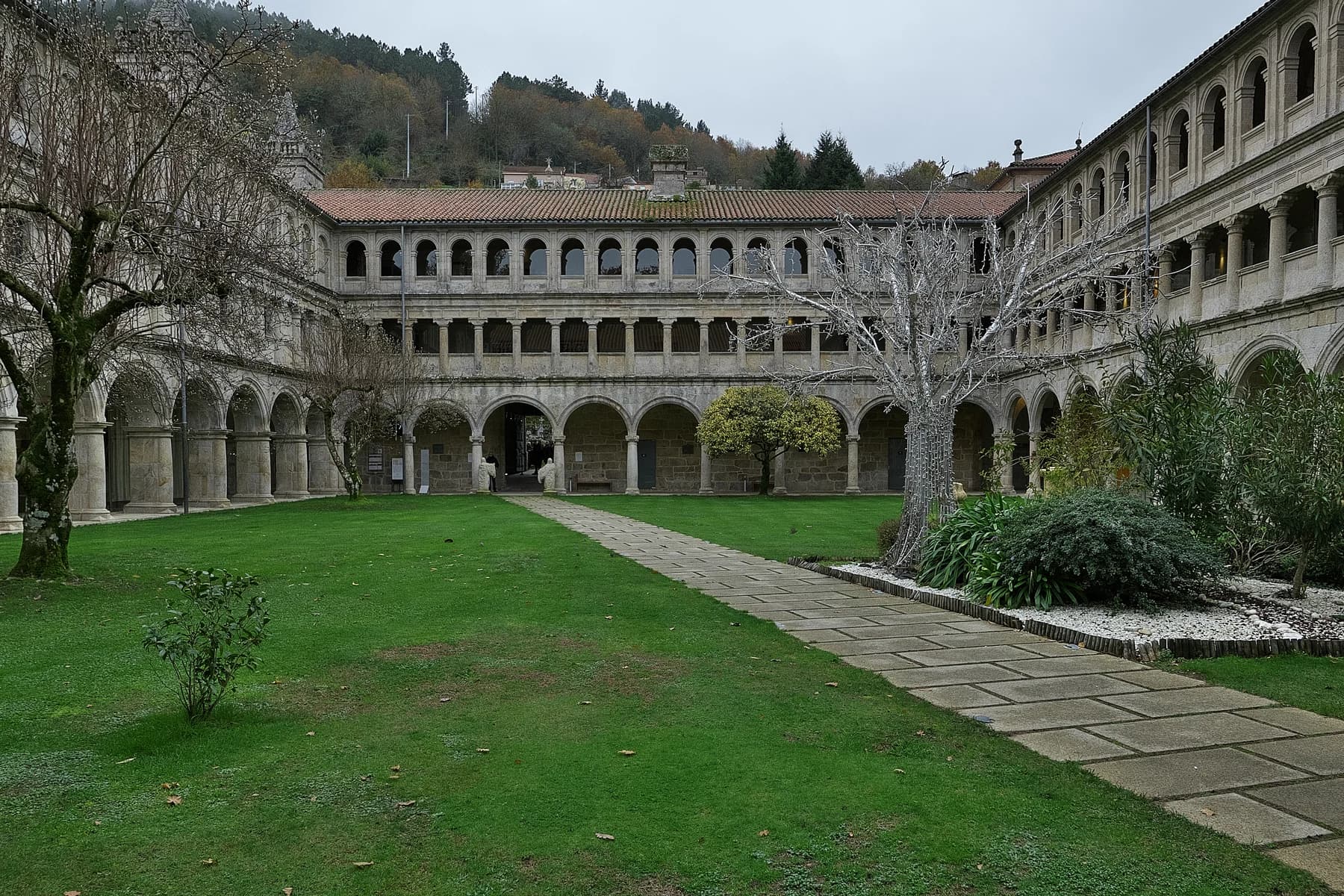
A cloister is an architecture of repetition. Columns, openings and a returning route invite you to slow down and look again. At Santo Estevo de Ribas de Sil, in Galicia, that spatial rhythm now sits beside the routines of a working hotel. The contrast is more interesting than a simple promise to sleep somewhere old.
A building with more than one rhythm
The former monastery contains three cloisters and fabric from several periods, including Romanesque, Gothic and Renaissance work. Paradores describes guestrooms in former monastic cells and contemporary facilities fitted into the historic complex. The photographed Portería cloister belongs to this Galician monastery, not the similarly named convent in Salamanca. A shared name is not enough to identify an architectural image.
The value is a usable encounter with continuity and change. The building has acquired a different economic purpose, yet its courts still organise movement and attention. A visitor can ask what was retained, what was altered and which old spaces have become useful again. Hospitality is the present use, not evidence that the place has remained unchanged or that every conversion is automatically good conservation.
A hotel stay and a public visit differ
Choose between staying and visiting the public areas. Since June 2025 the monastery has regulated cloister access, with separate arrangements for groups and private hotel spaces reserved for guests. Check current hours, booking requirements and seasonal hotel closures before travelling. The ability to enter a cloister does not include access to guestrooms or all facilities. Give yourself time to compare the courts rather than treating them as one photographic backdrop.
Source and context.
Paradores: Parador de Santo Estevo, monastery and hotel ↗
Santo Estevo monastery: current public access regulations ↗
Public cloister access and hotel guest access are different. Former monastic rooms have been adapted, not preserved as untouched cells. The image records one cloister, not the full hotel or its current facilities.
Source checked 27 October 2026. WHV interpretation is distinct from the source’s account.
Explore Adaptive Reuse & Historic HospitalityFOLLOW YOUR CURIOSITY
Where this leads.
Different subjects. A reason to connect them.
Continue the idea
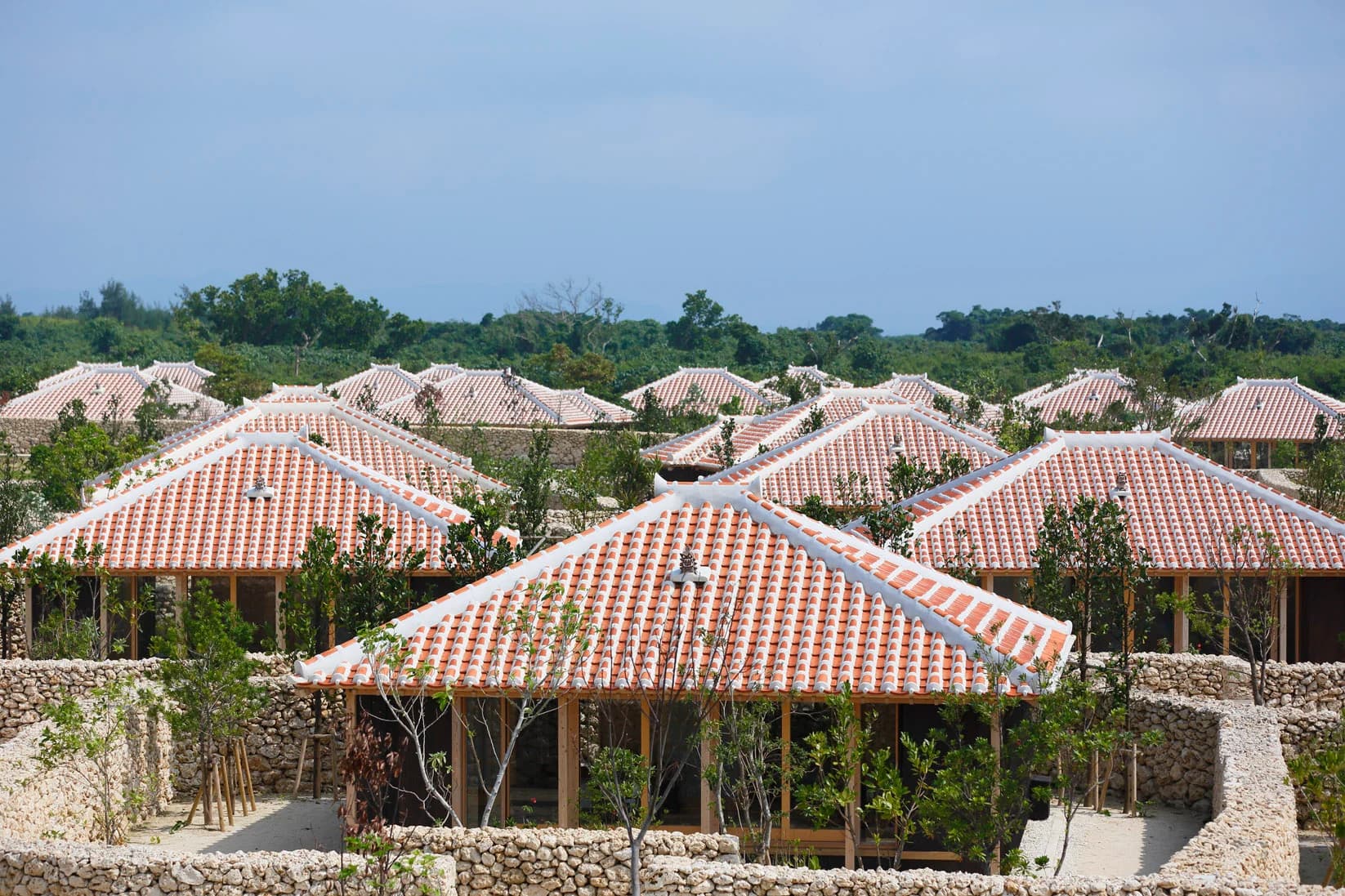
A village scale of hospitality.
A purpose-built resort offers a contrasting approach to privacy, thresholds and regional building conventions.
Island Architecture & Climate
Read the story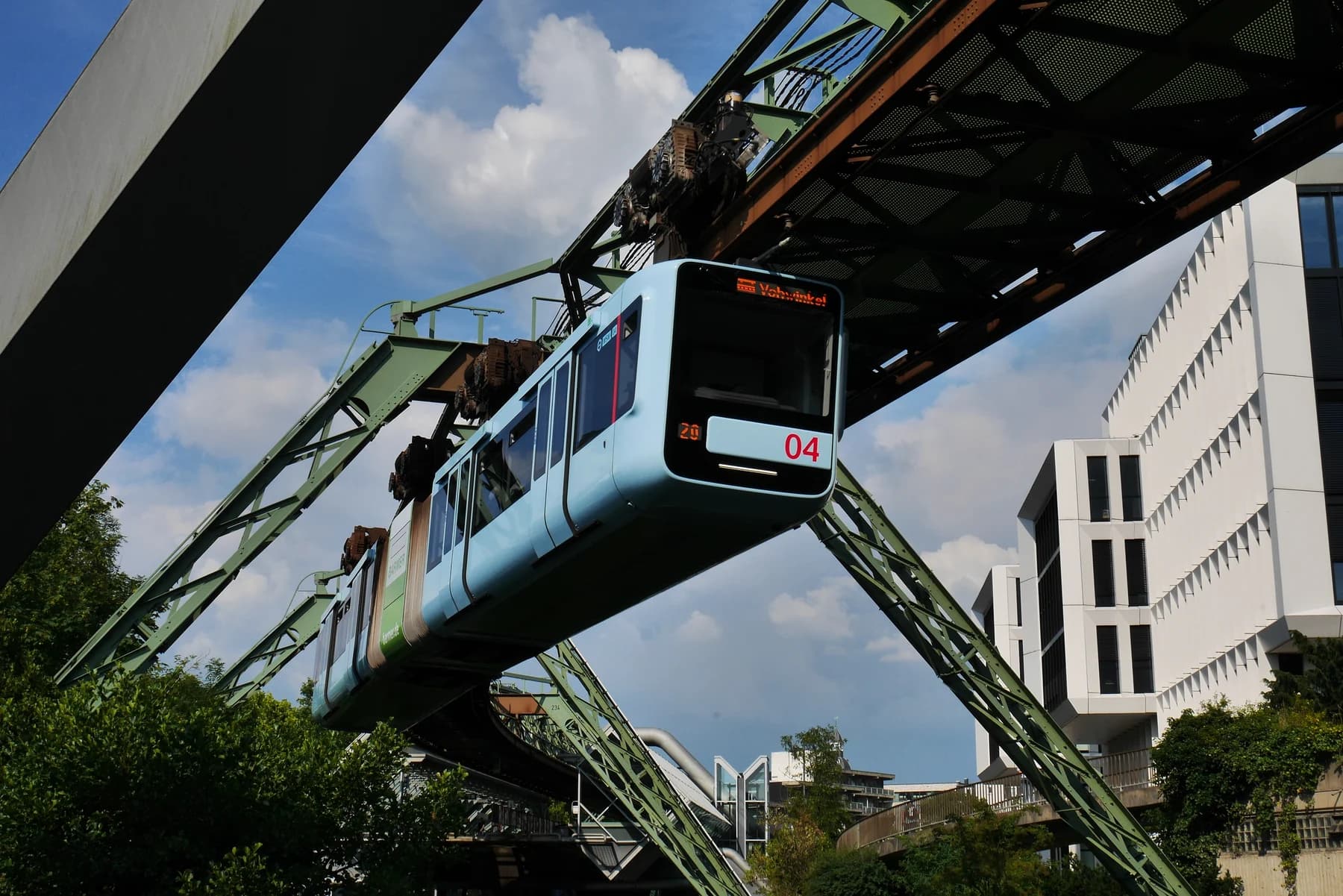
Across the WHV world
The city seen from below the rail.
Leave the cloister for infrastructure whose historical value also depends on continuing practical use.
Living Infrastructure & Urban Journeys
Read the story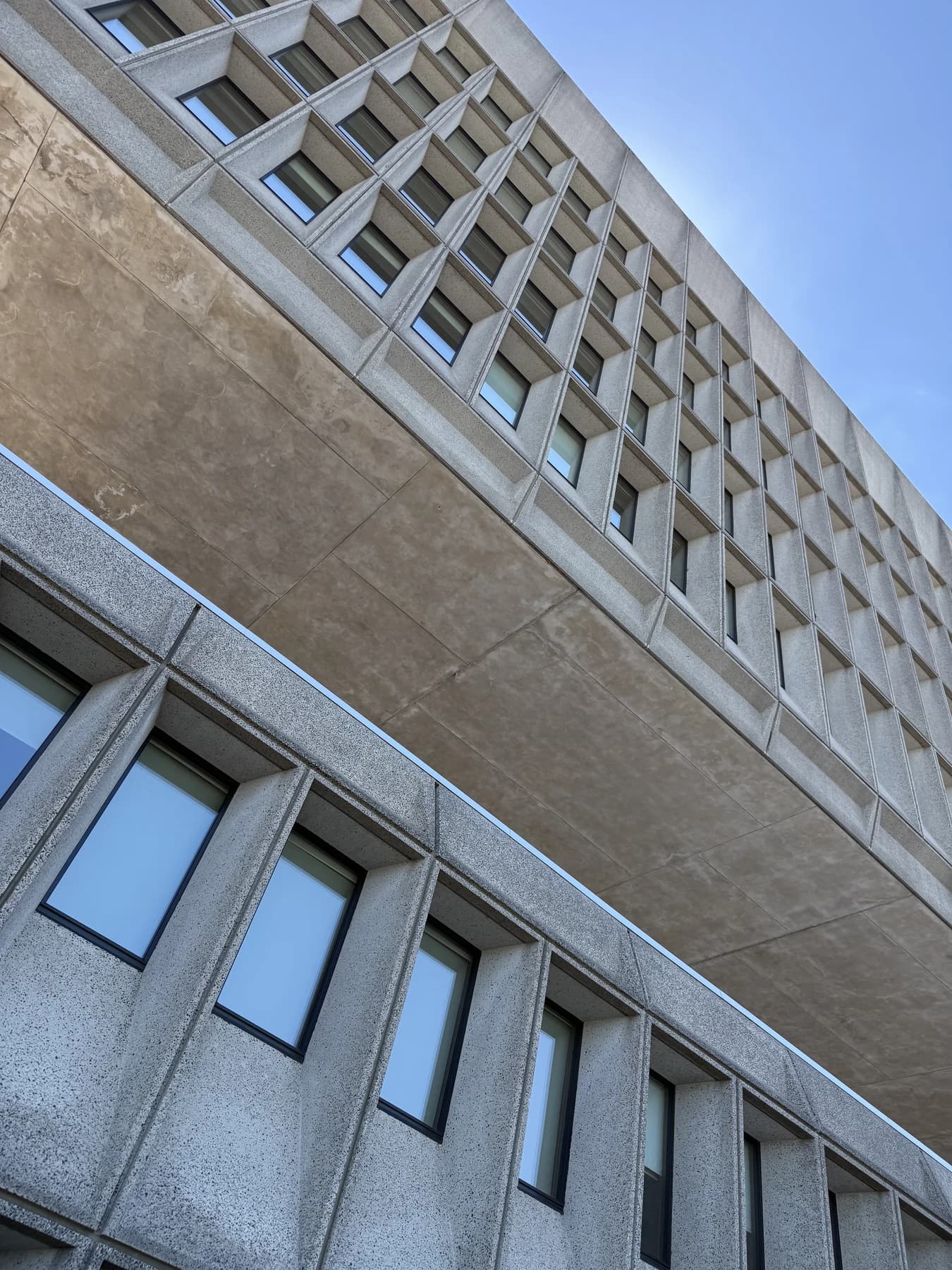
An unexpected connection
A second life inside Breuer’s concrete.
Follow adaptive hospitality into a much later building with a different material and technical inheritance.
Adaptive Reuse & Hospitality
Read the story