DISCOVERY / Experimental Road Cars
More than the disappearing doors.
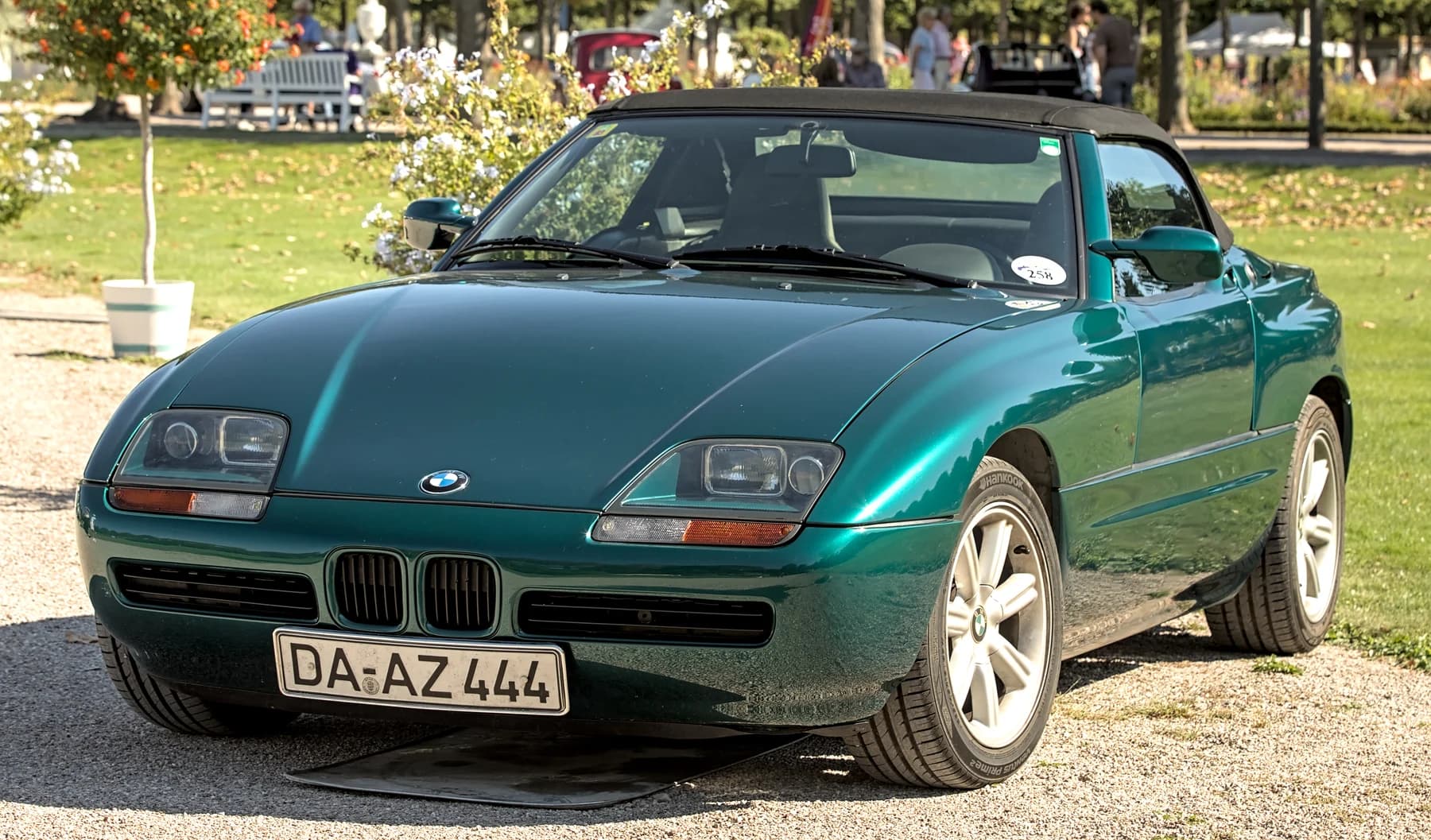
The BMW Z1’s doors are the invitation. Its combination of structure, composite floor and separate plastic body panels is the deeper reason to look.
Published 27 October 2026 · WHV · Public-source editorial note
The doors slide down into the body, leaving the Z1 with a silhouette unlike an ordinary roadster. It is an excellent conversation starter. But stopping there misses the more substantial experiment: BMW used this small production car to investigate how a vehicle could be constructed.
The visible trick is not the whole experiment
The Z1 combined a galvanised steel structure with a composite floor and separate plastic outer panels. BMW’s development account describes different materials selected for different sections of the body. Production ran from 1988 to 1991, with 8,000 cars delivered. That number establishes the scale of the programme, not a prediction about what any surviving example should cost.
The WHV case is a concentrated piece of engineering history that still has a practical form. A car can preserve a way of thinking about materials and manufacture while remaining something an owner can drive. Its distinctive structure gives it interest beyond a badge or a low production figure. Equally, unusual construction can make restoration less straightforward than its familiar engine might suggest.
Inspect the unusual parts first
Have a knowledgeable specialist inspect the door mechanisms, body panels, structure, electrical system and repair history before purchase. Ask which needed parts are actually available and who will undertake the work. BMW’s parts enquiry route accepts requests, but that is not a stock guarantee. Judge the individual car and the ownership commitment, not a suggestion that rarity removes maintenance costs or prevents depreciation.
Source and context.
BMW Group: the Z1’s development, structure and materials ↗
BMW Group Classic: model history and production period ↗
BMW Group Classic: parts enquiry, including Z1 ↗
Production numbers do not establish investment performance. No claim is made about current parts stock, modern crash protection or the condition of the photographed car.
Source checked 27 October 2026. WHV interpretation is distinct from the source’s account.
Explore Experimental Road CarsFOLLOW YOUR CURIOSITY
Where this leads.
Different subjects. A reason to connect them.
Continue the idea
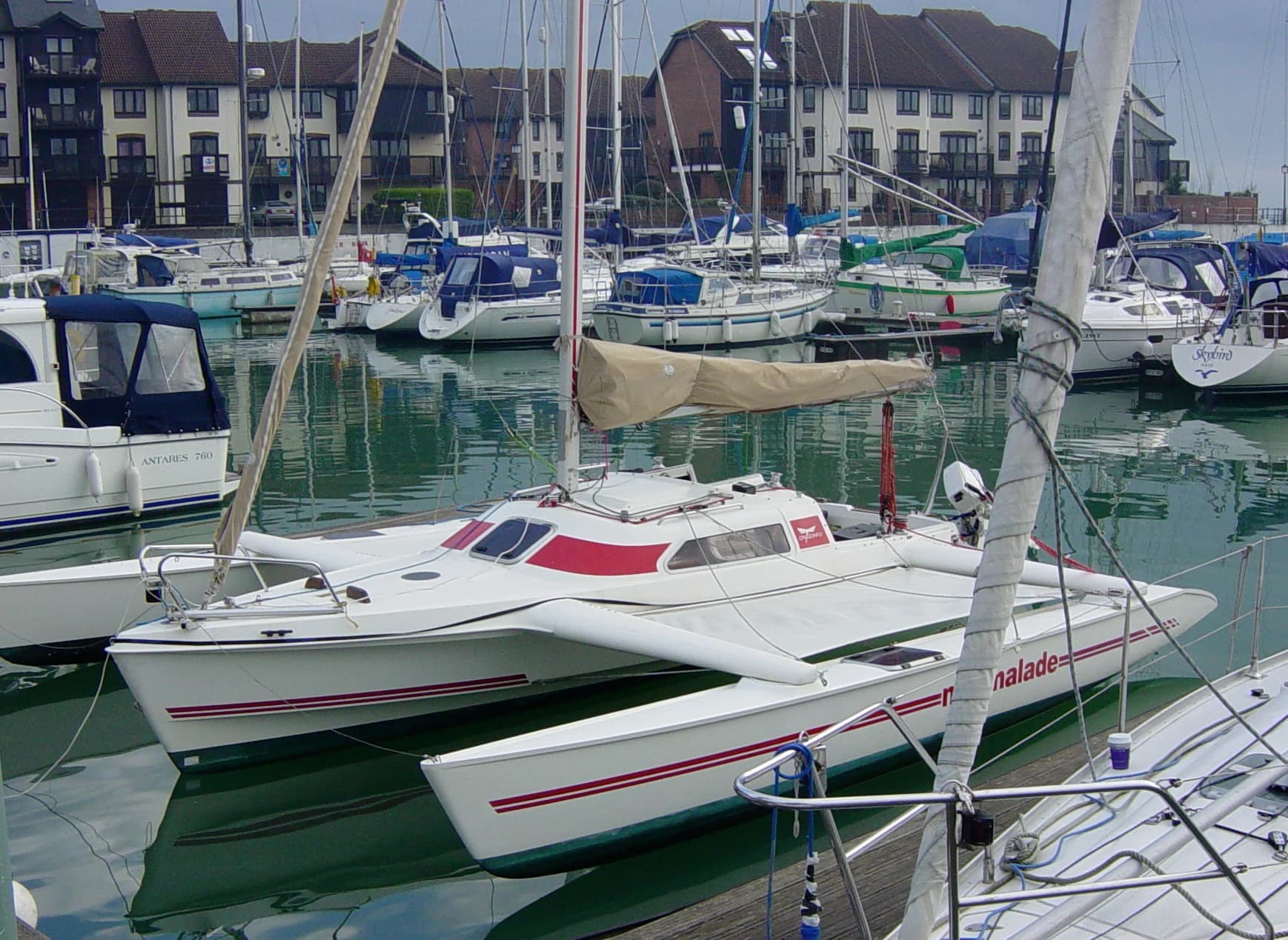
A boat with two footprints.
Another moving structure shows how a memorable mechanism can answer a genuine ownership problem.
Folding Multihulls & Practical Engineering
Read the story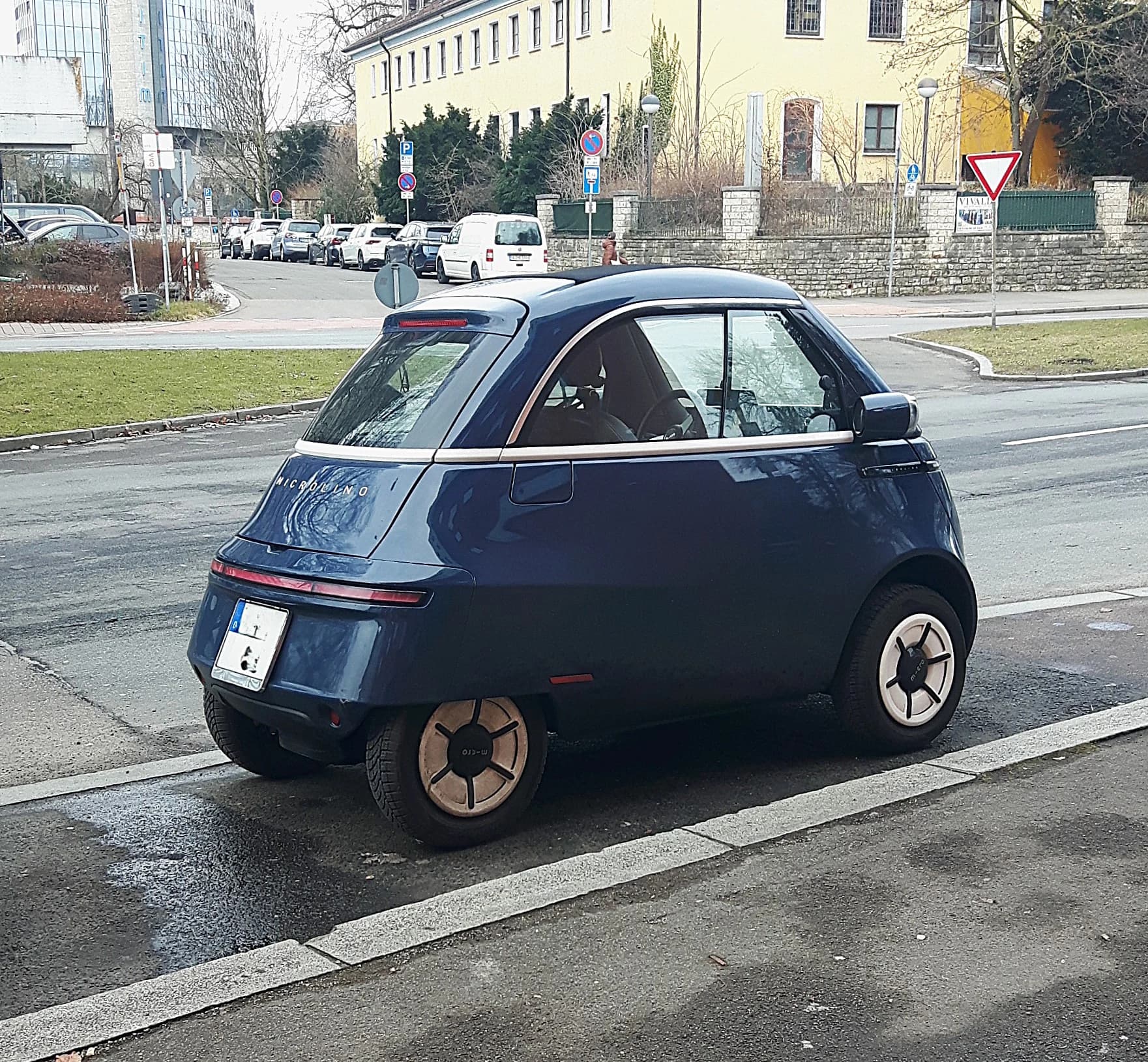
Across the WHV world
How much vehicle does a city journey need?
Compare the Z1’s experimental brief with a small electric vehicle that rethinks a different kind of journey.
Compact Electric Mobility
Read the story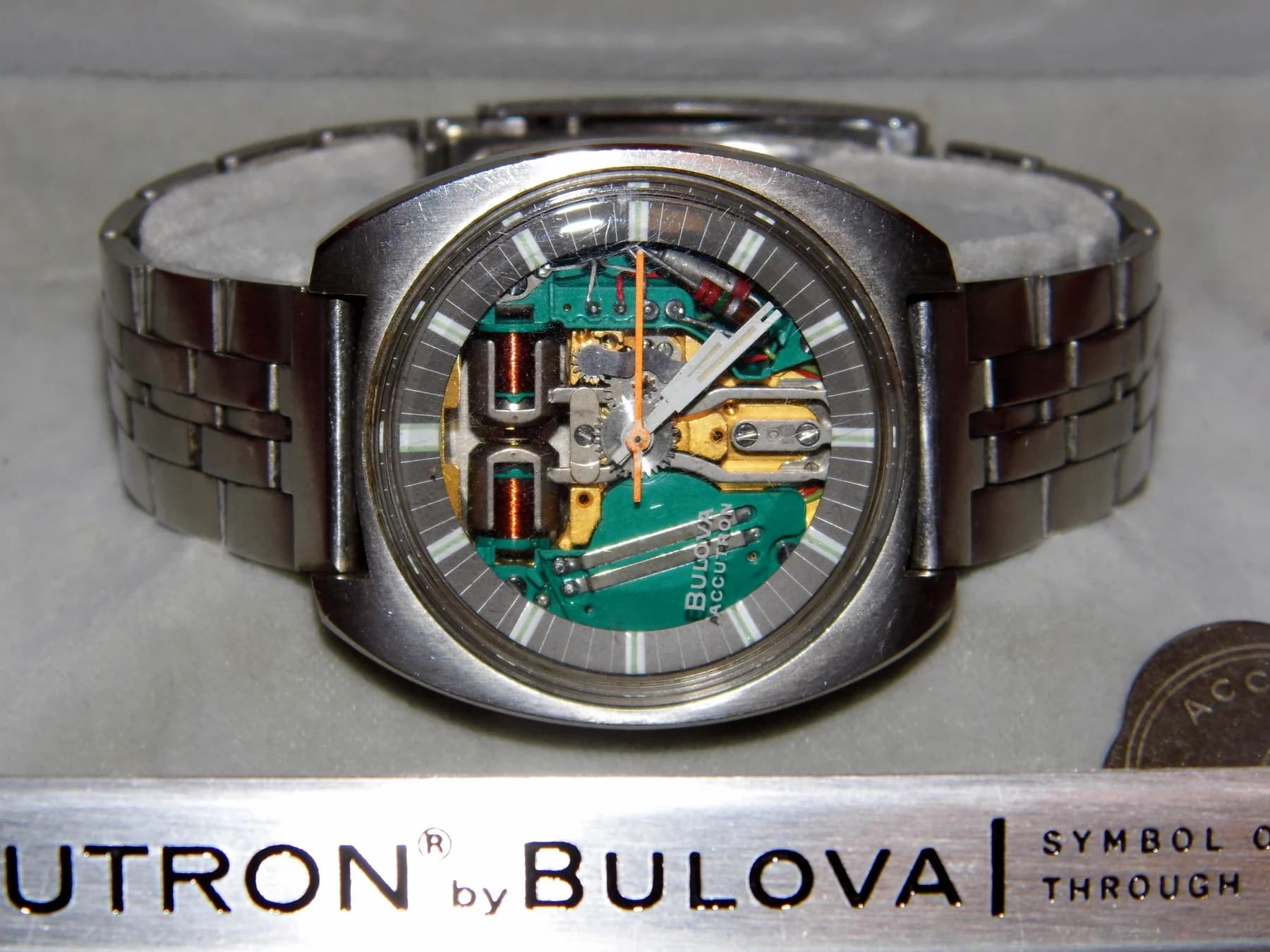
An unexpected connection
The return of the hum.
Move from an unusual road car to a watch whose distinctive engineering matters more than its rarity.
Electronic Watchmaking & Technical Revivals
Read the story