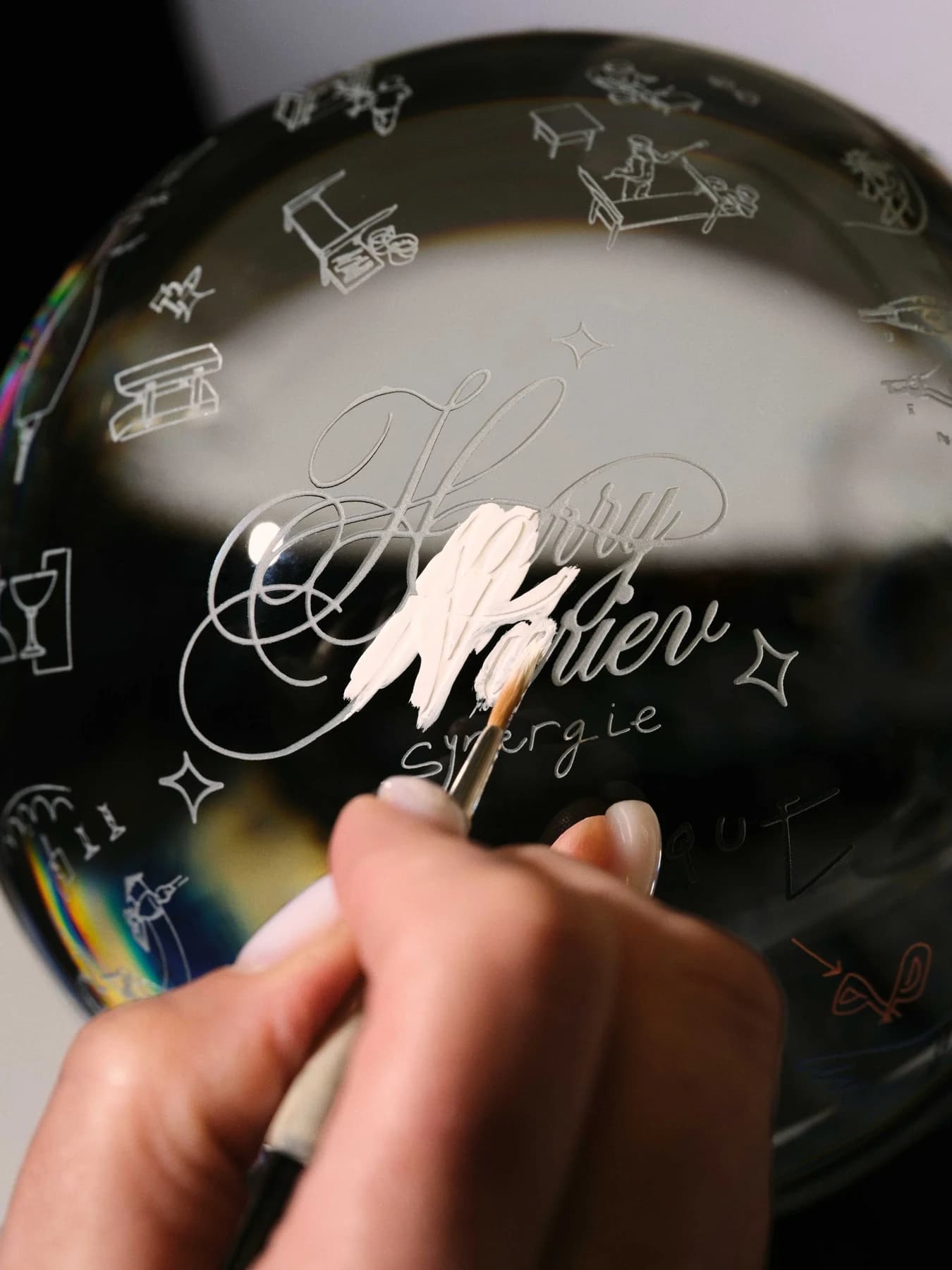
Harry Nuriev’s 2026 Baccarat collection interrupts the formality of cut crystal with words and drawn gestures. The encounter is worth reading through the actual workshop processes, not the collaboration label alone.
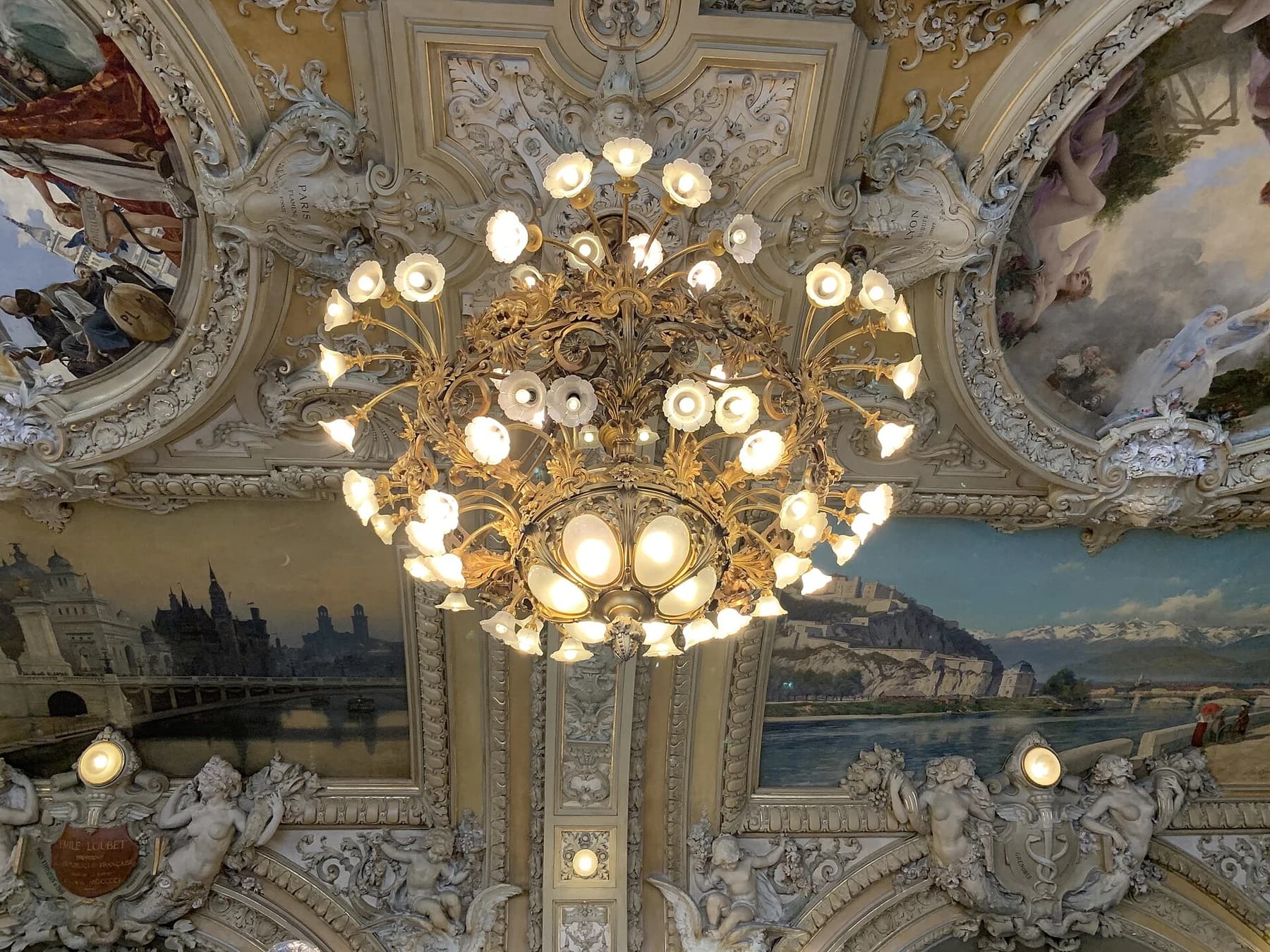
Le Train Bleu turns a railway connection into an occasion to sit down. Its continuing value lies not only overhead in the painted rooms, but in the use and service that keep those rooms alive.
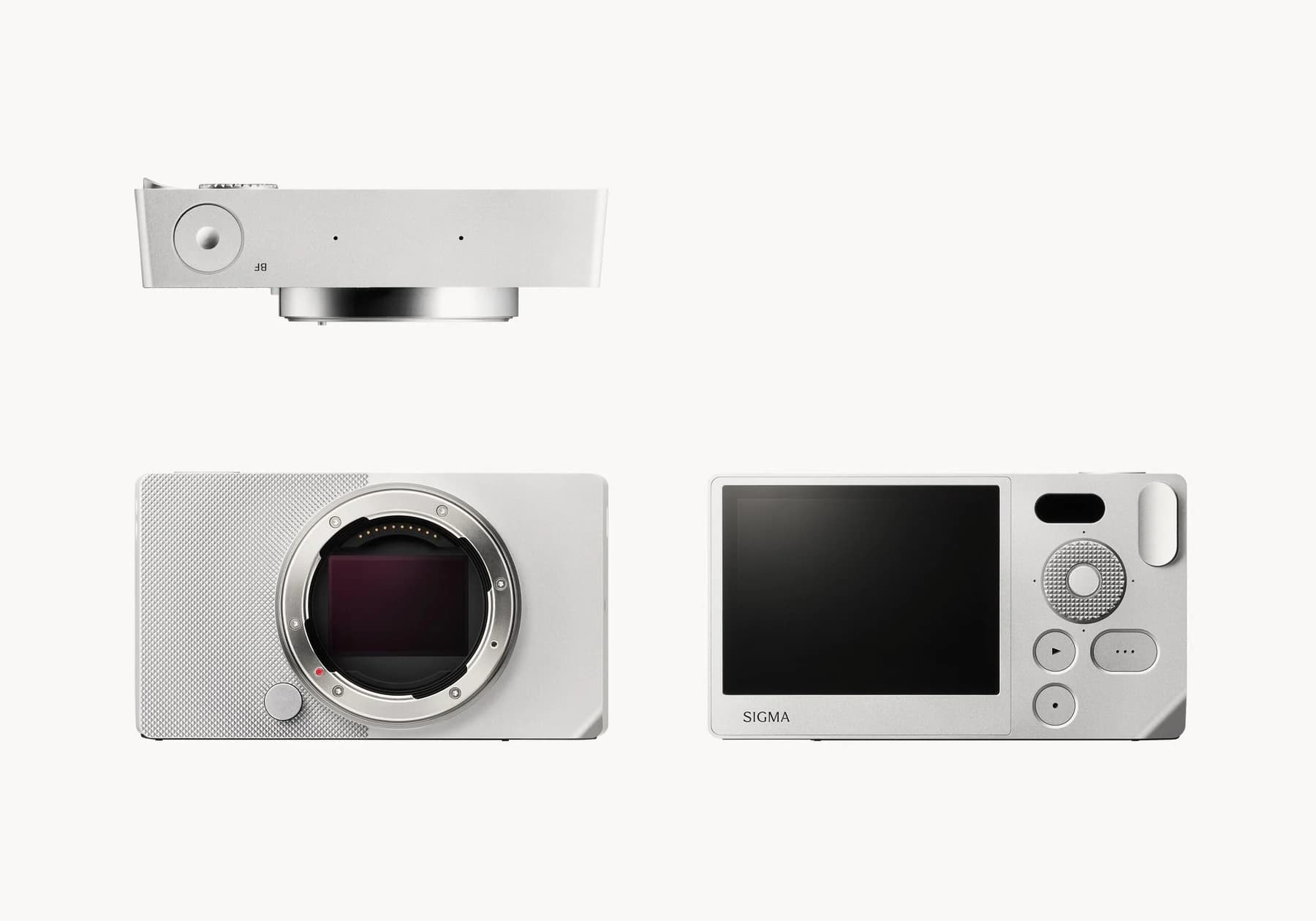
The Sigma BF replaces a familiar memory-card door with internal storage and pares its controls back. The interesting question is whether removing choices can change the way a photographer pays attention.
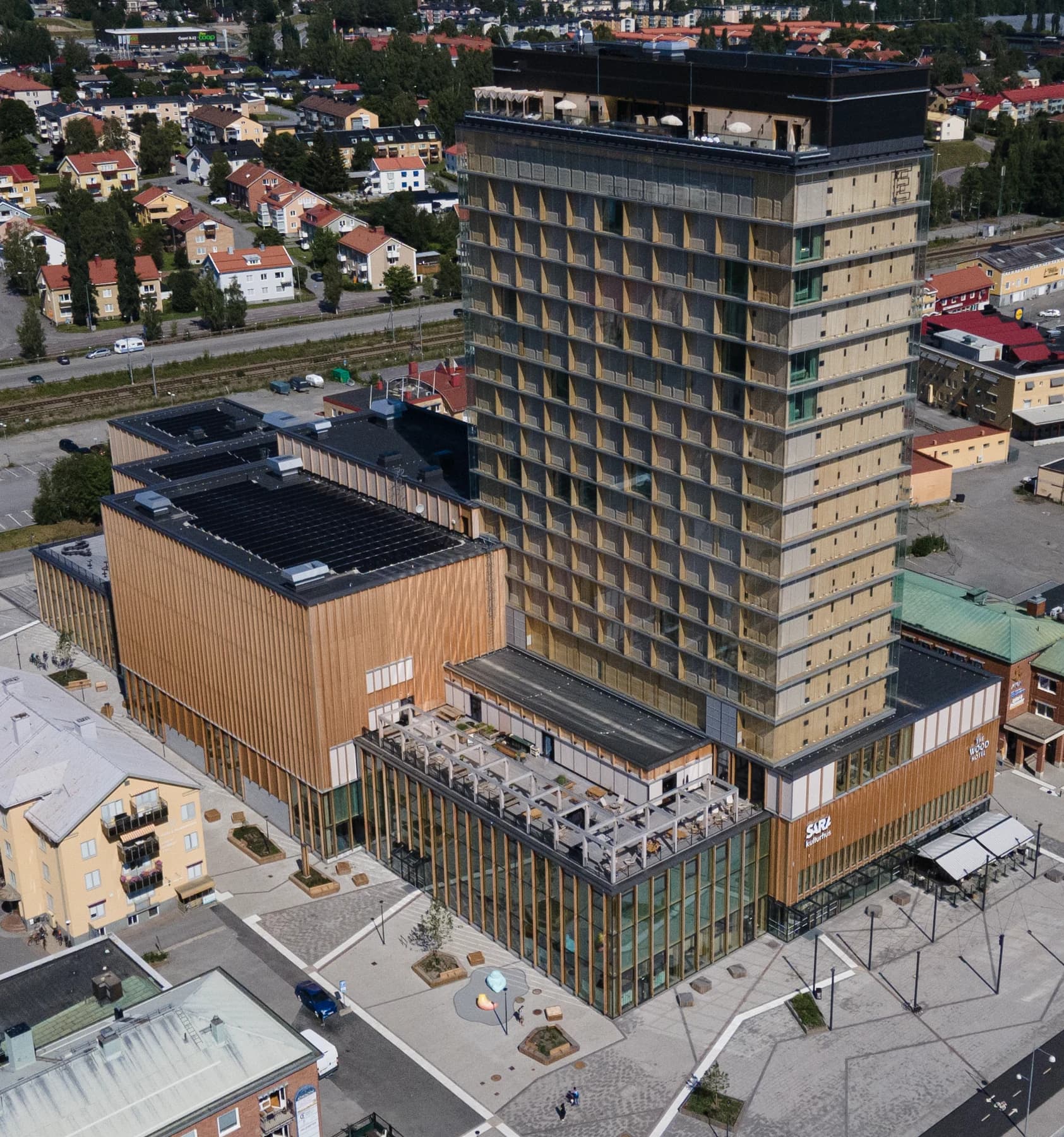
Sara Kulturhus in northern Sweden brings a hotel, a library, theatre and art into one timber building. Its most interesting scale is not just upwards, but outwards into the daily life of a city.
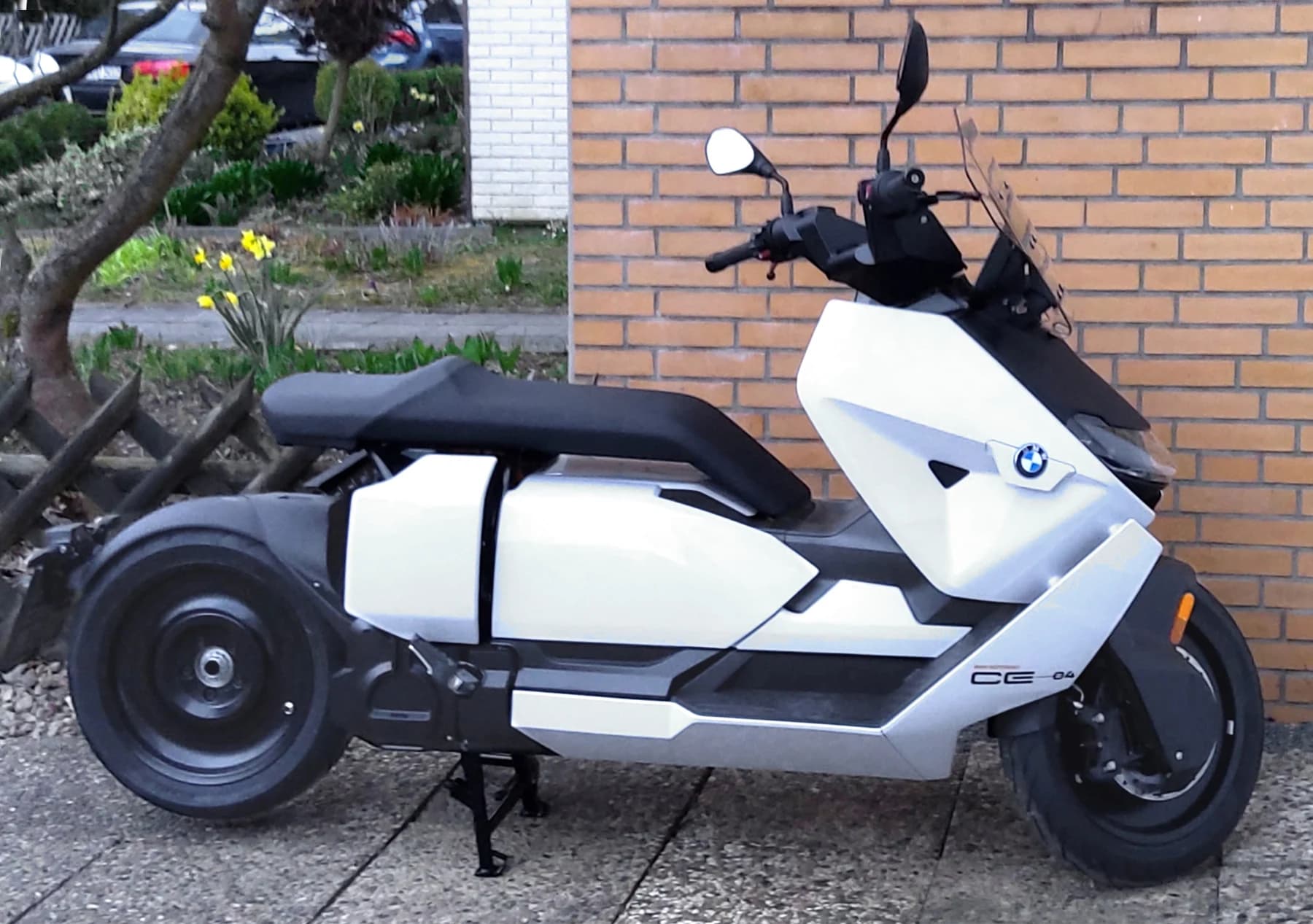
BMW’s CE 04 does not hide its electric architecture inside a nostalgic scooter silhouette. Its low battery, exposed-looking proportions and side access make the engineering part of its identity.
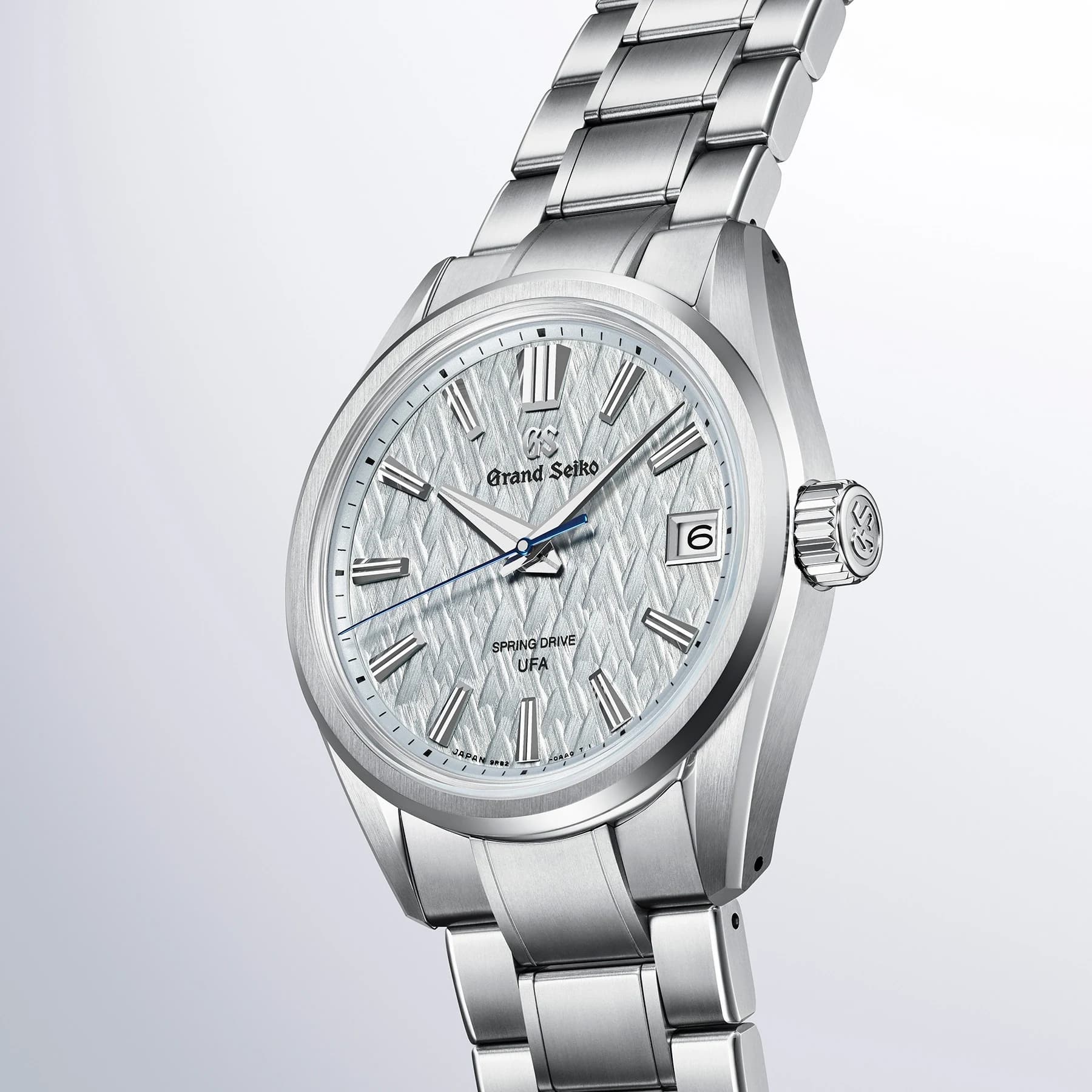
Grand Seiko’s SLGB003 pairs a mainspring with quartz-regulated timekeeping. Its U.F.A. movement makes the familiar opposition between mechanical romance and electronic accuracy less useful.
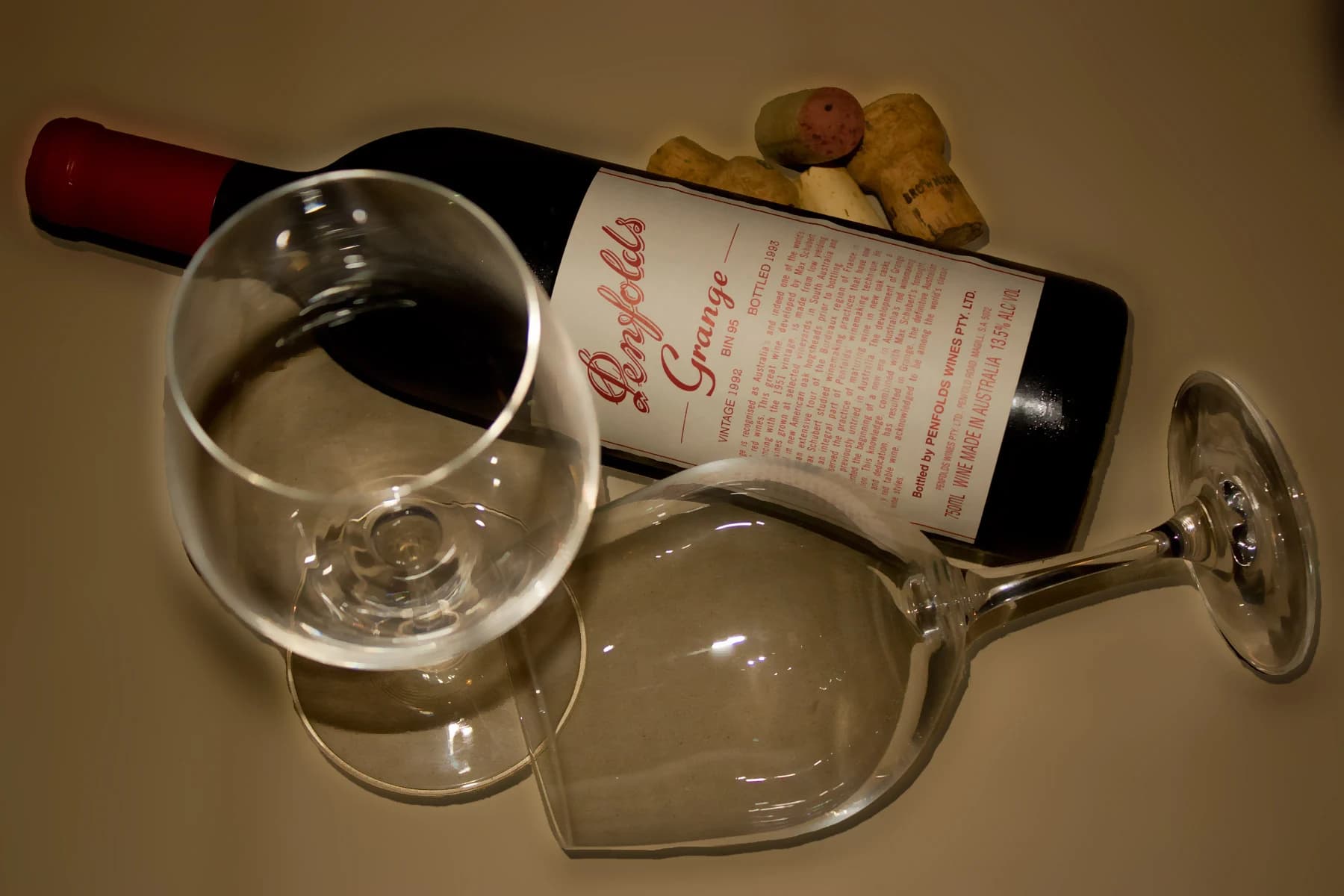
Penfolds Grange offers a useful challenge to the idea that a significant wine must express one tightly bounded vineyard. Here, continuity is also the work of choosing and combining places.
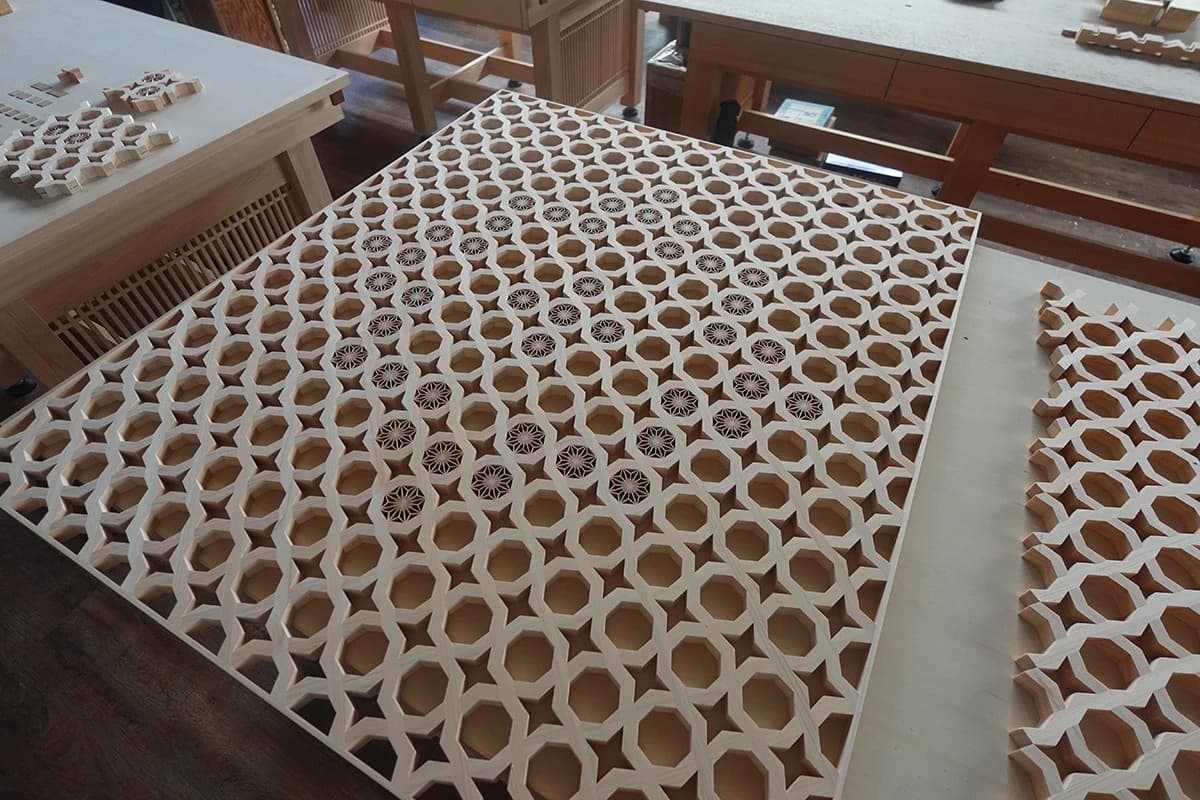
Tanihata’s kumiko screens make a geometric pattern from fitted pieces of wood rather than a surface decoration. Light passes through the result, making an old joining skill useful in contemporary rooms.
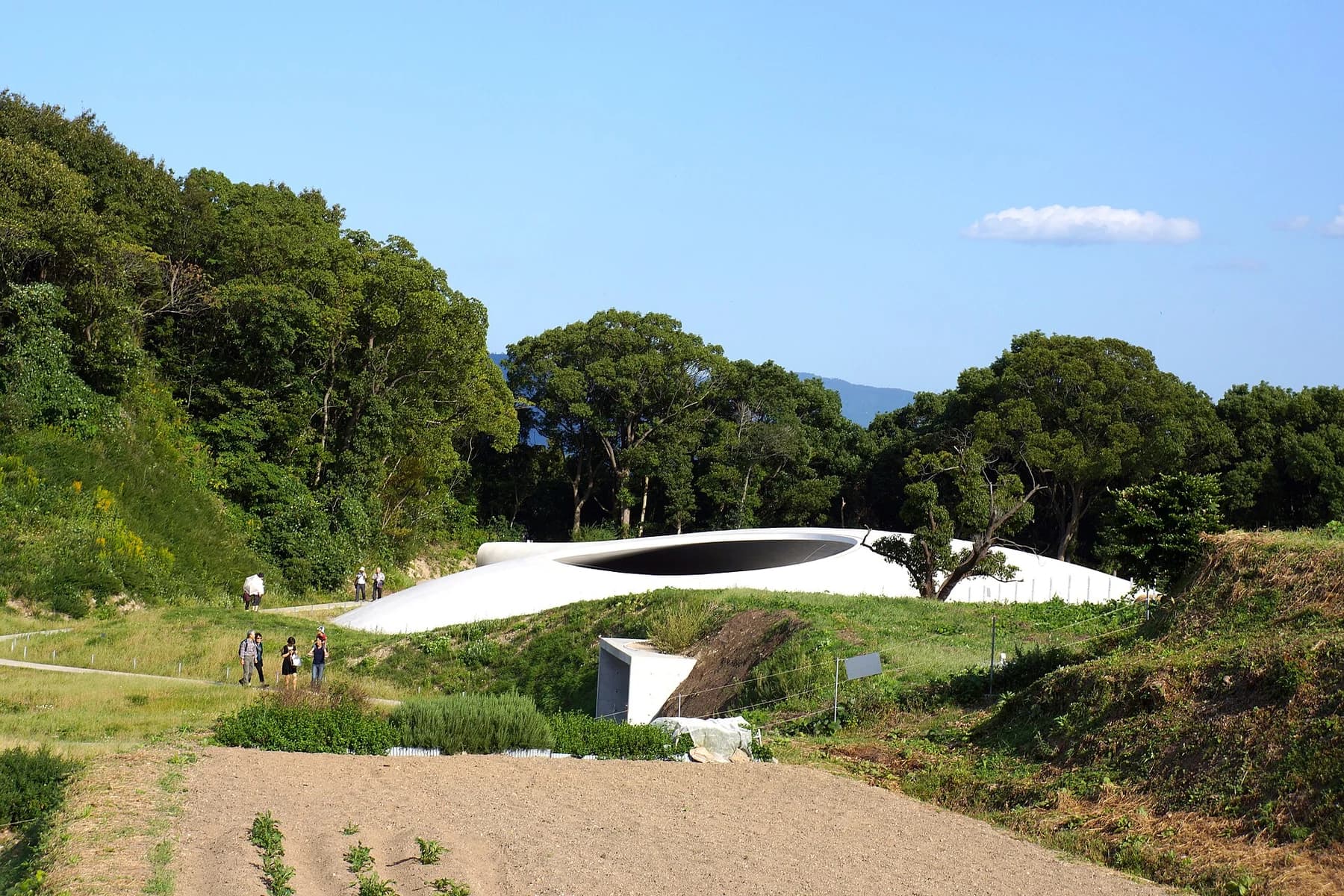
At Teshima Art Museum, water emerges from the floor beneath a low concrete shell. Rei Naito and Ryue Nishizawa make an encounter that cannot be reduced to the object you came to see.
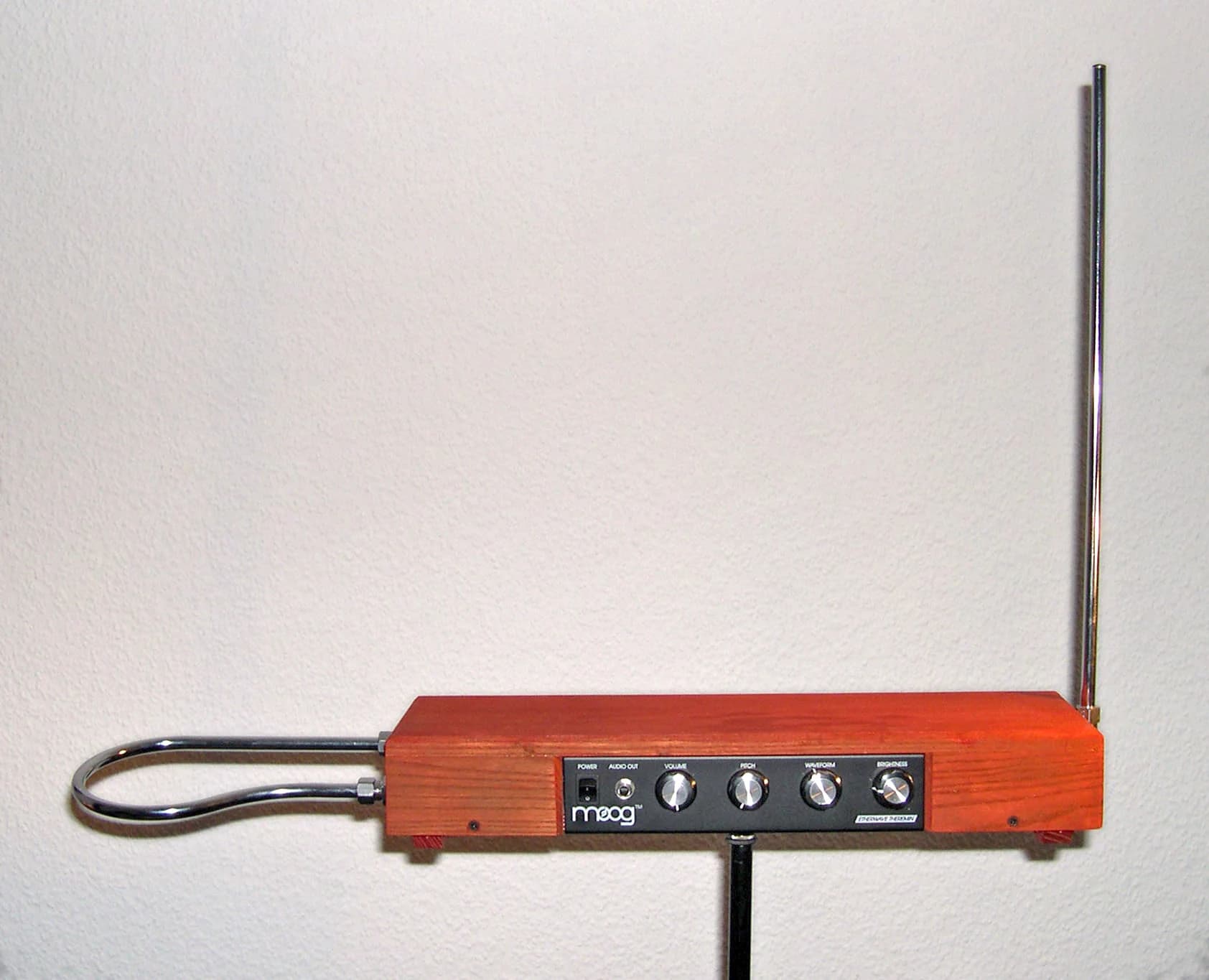
A Moog Etherwave puts musical expression in the space around two antennas. With no keys or strings to locate a note, the player’s own movements become unusually visible.
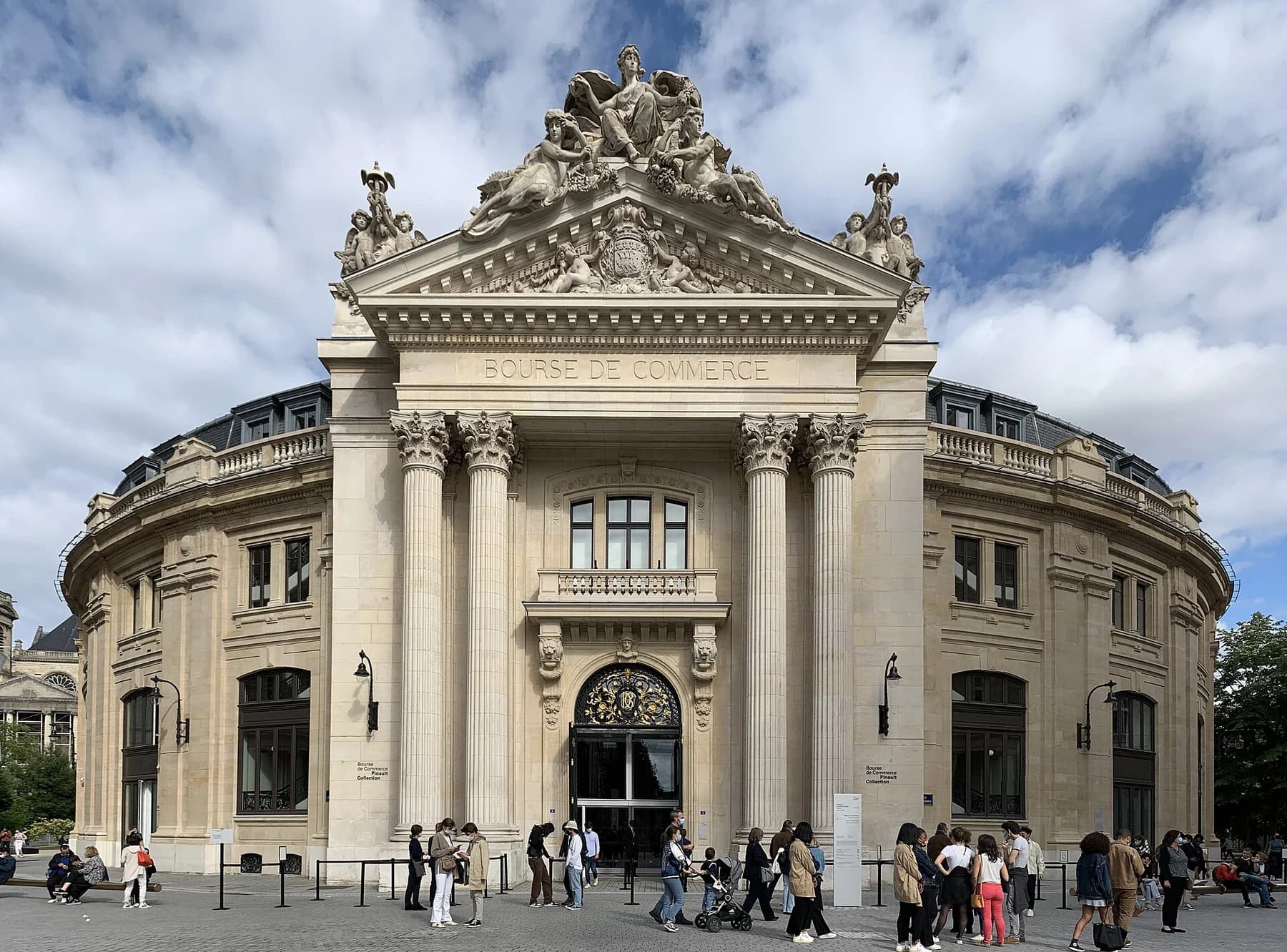
The Bourse de Commerce in Paris keeps its historical envelope while making room for a contemporary collection. The new intervention is interesting because it makes the older building more visible, not less.
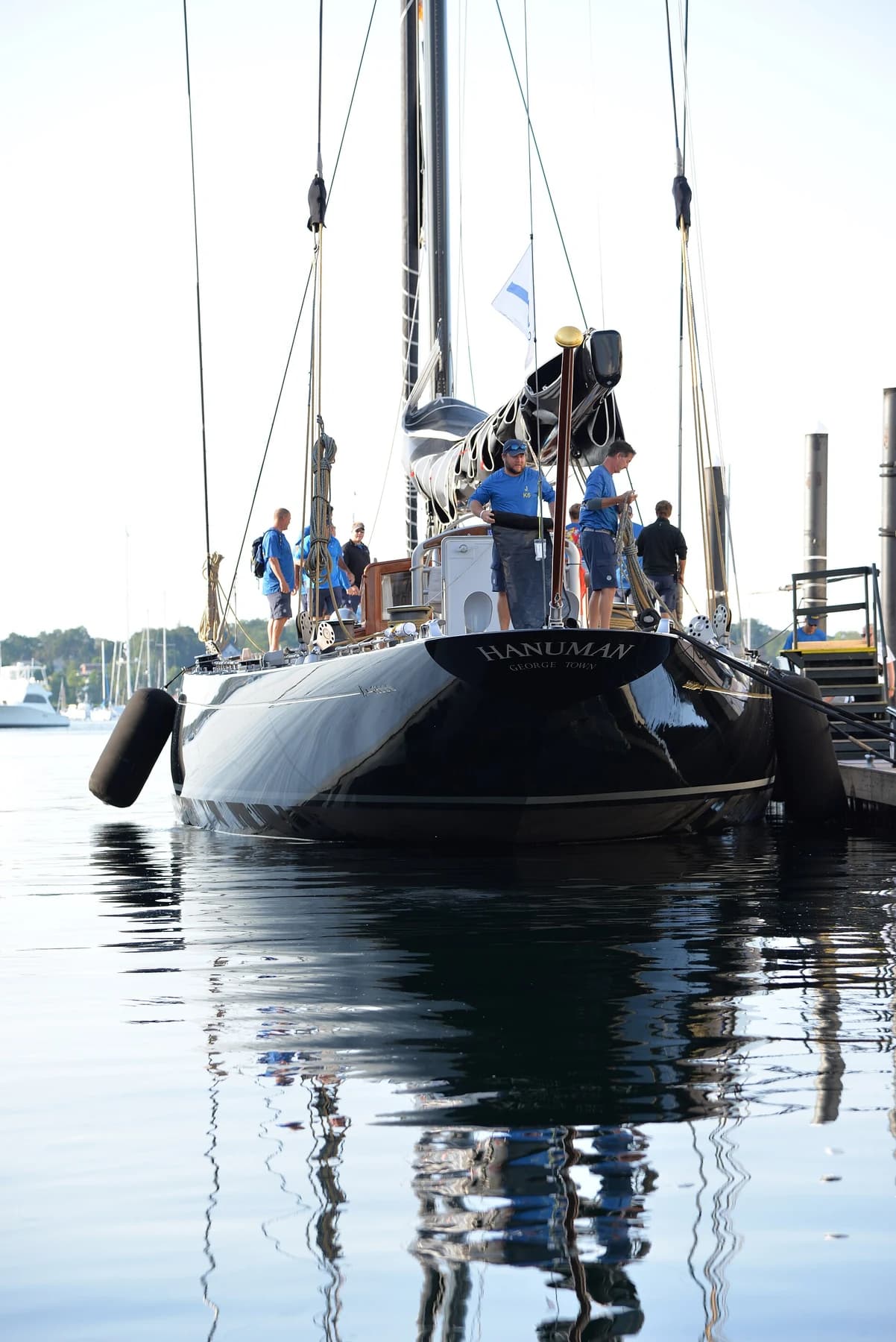
Hanuman looks back to a 1930s J Class design, but she is not a surviving 1930s yacht. The distinction makes her more interesting: a modern build that lets a historical racing idea work again.