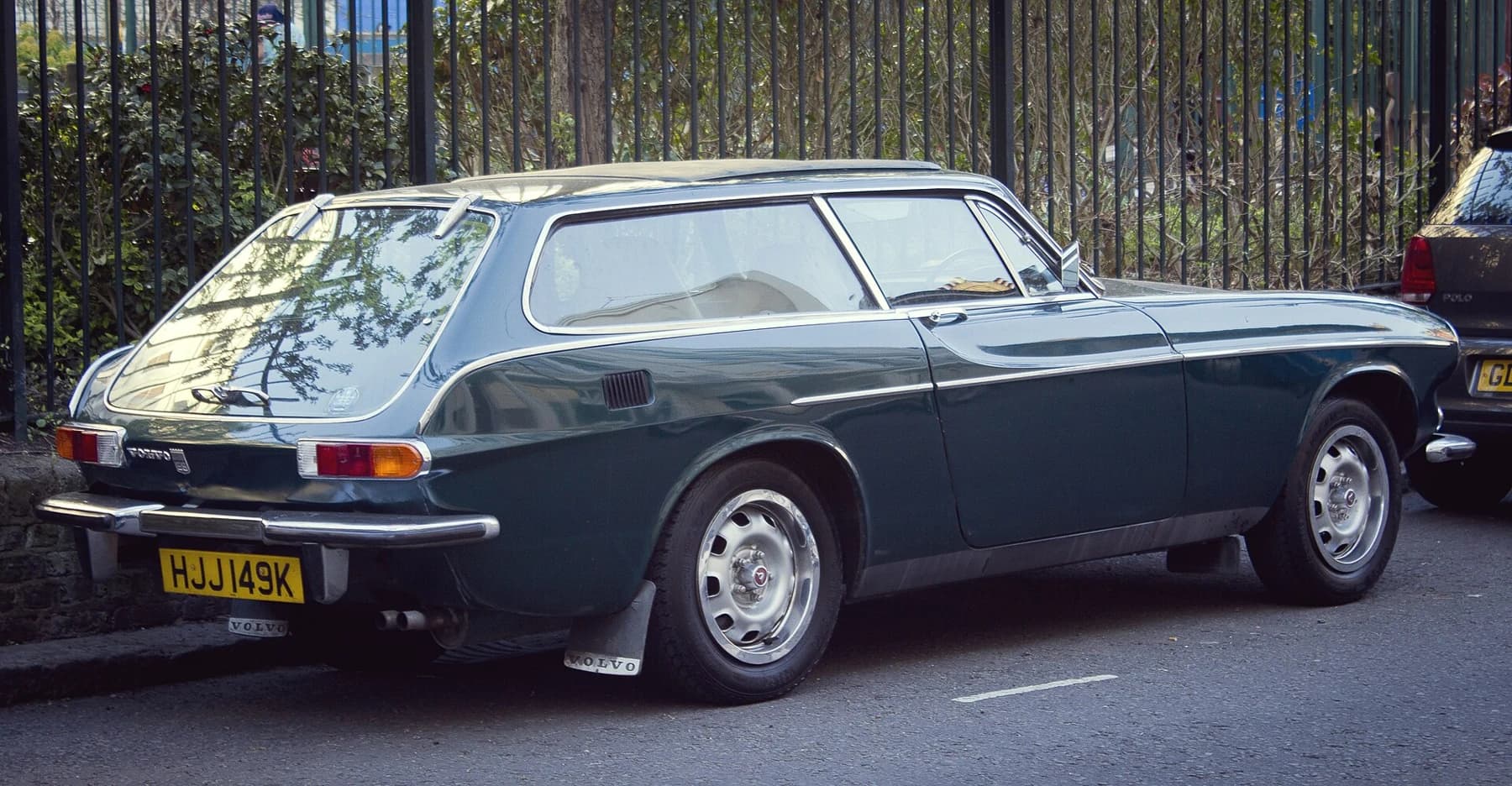
The Volvo 1800ES extended a sporting silhouette into a small estate. Its glass rear end makes an enduring design question unusually clear: can a desirable car also carry a little more of life?
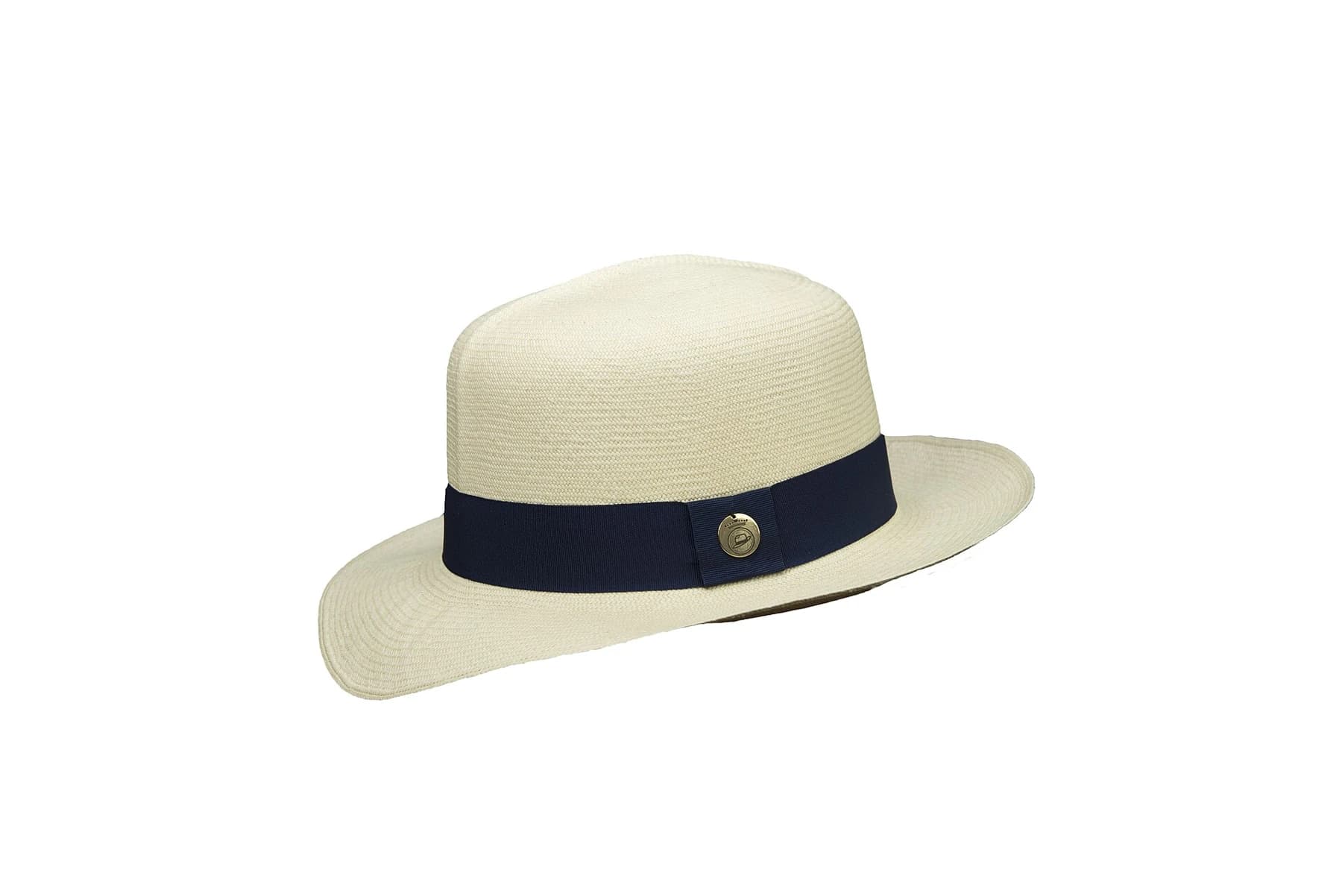
The so-called Panama hat leads back to Ecuador and the work of toquilla weavers. Looking beyond the familiar name reveals an agricultural material, regional skills and a form made to be worn.
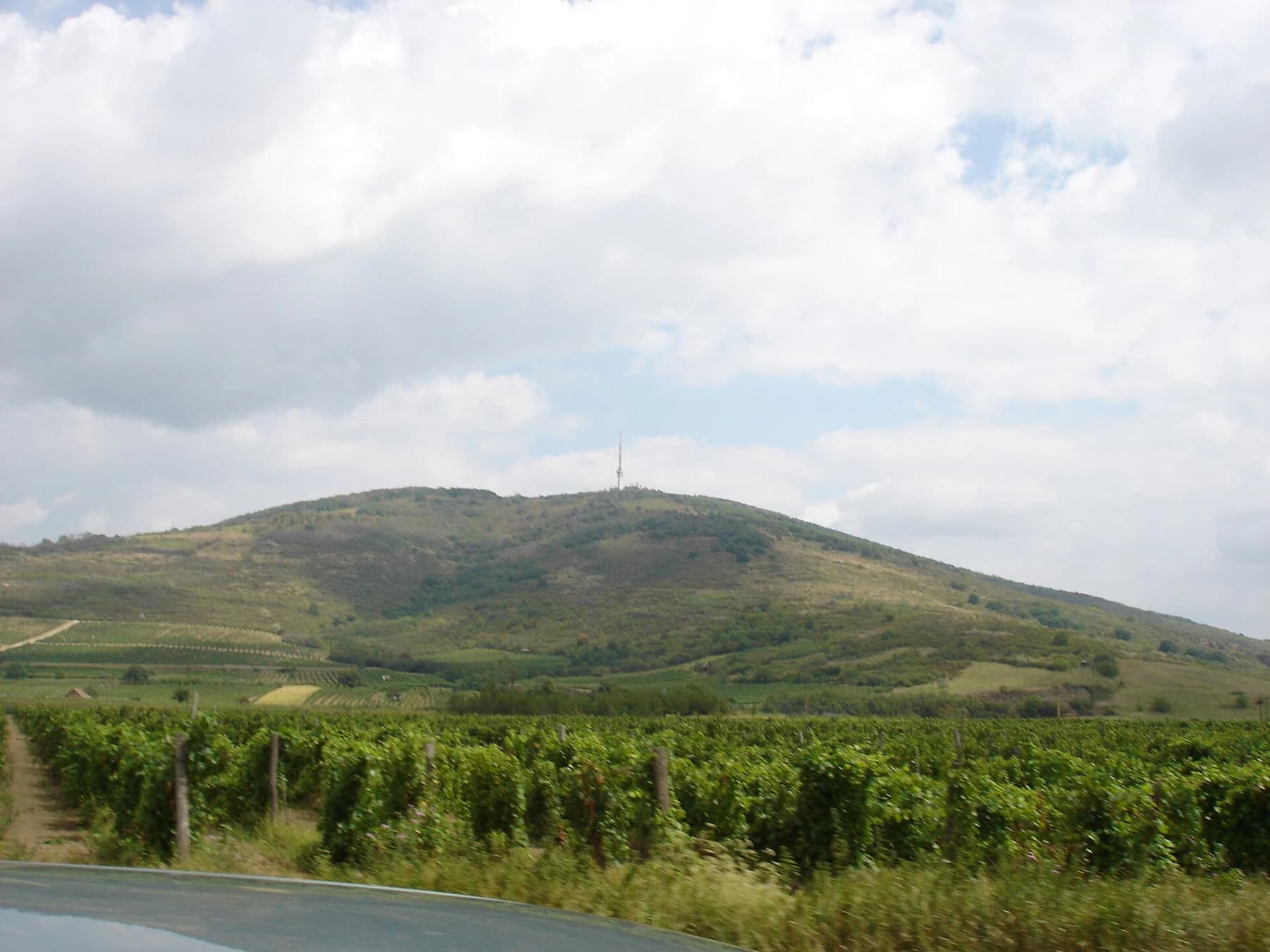
Tokaji Aszú makes sweetness a question of selection, concentration and balance. The individual berry opens a much richer story than the age on a label.
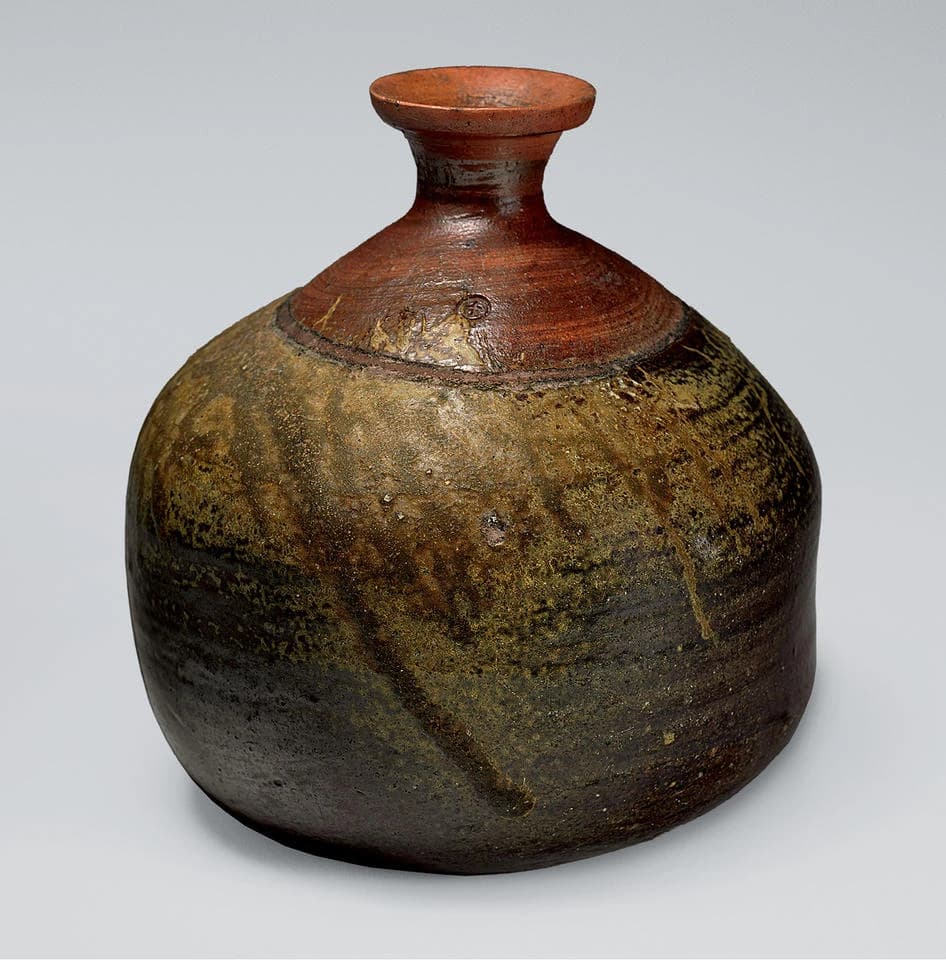
Bizen pottery offers another way to read a vessel. Clay and firing can create a complex surface without applied glaze, making the kiln part of the work rather than just its final destination.
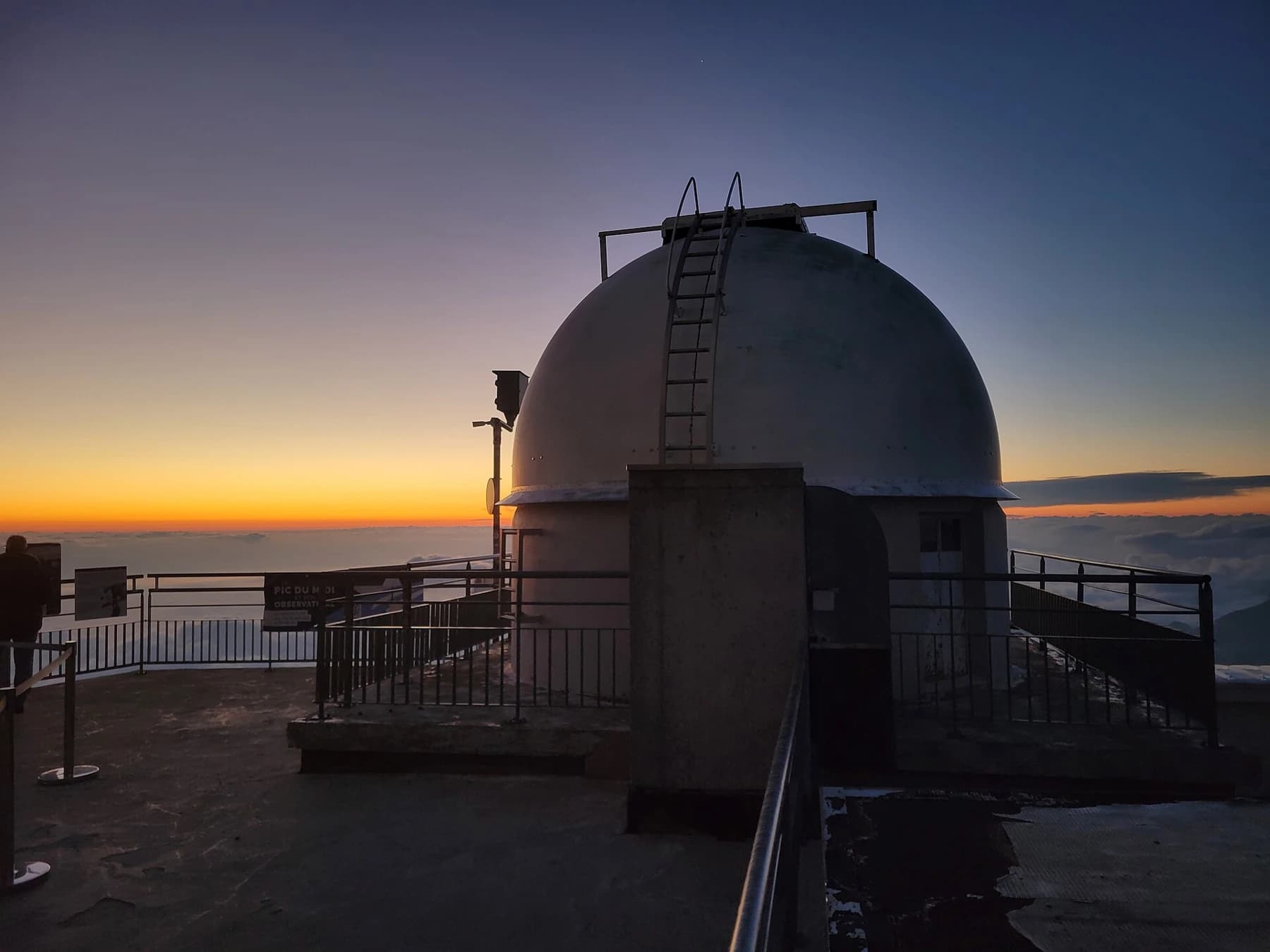
Pic du Midi offers more than a Pyrenean panorama. Its visitor spaces reveal instruments, observation and the human work of keeping a scientific site alive high in the mountains.
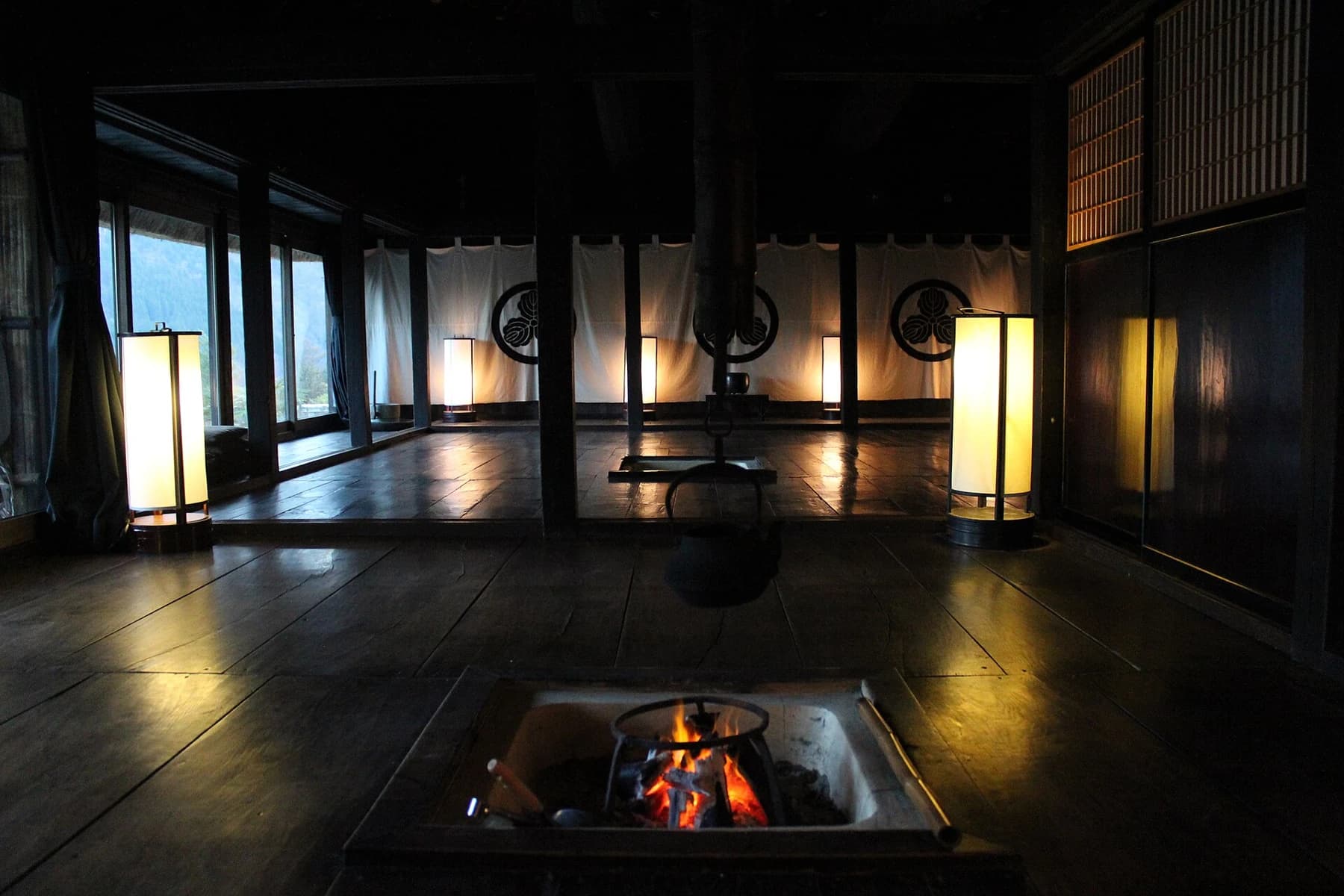
Chiiori in Japan’s Iya valley preserves a thatched house through another form of use. A bookable stay makes the relationship between old fabric, modern comfort and continuing care tangible.
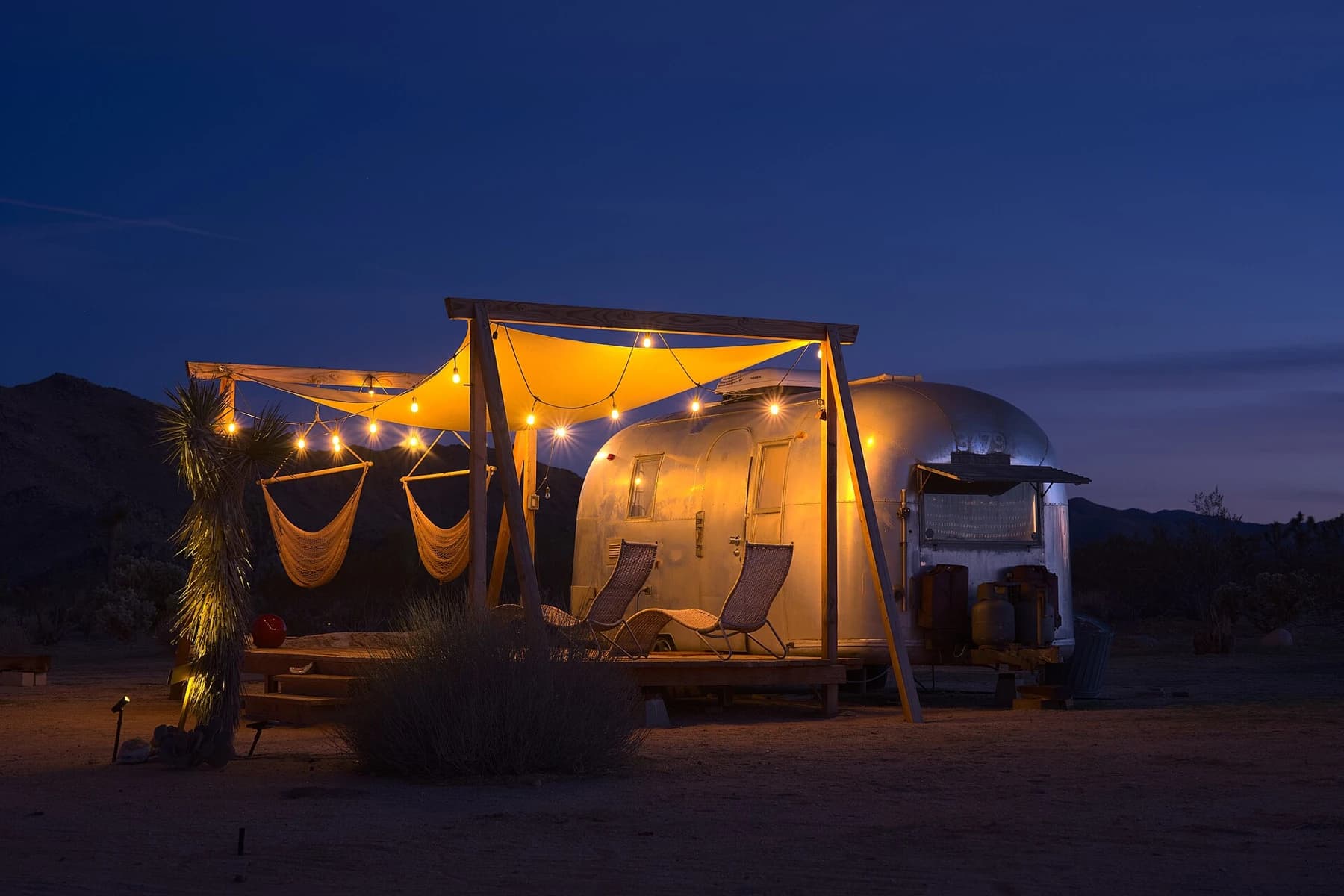
An aluminium Airstream turns a recognisable shell into a place to live while travelling. Behind the image is a practical question about how much home a journey needs.
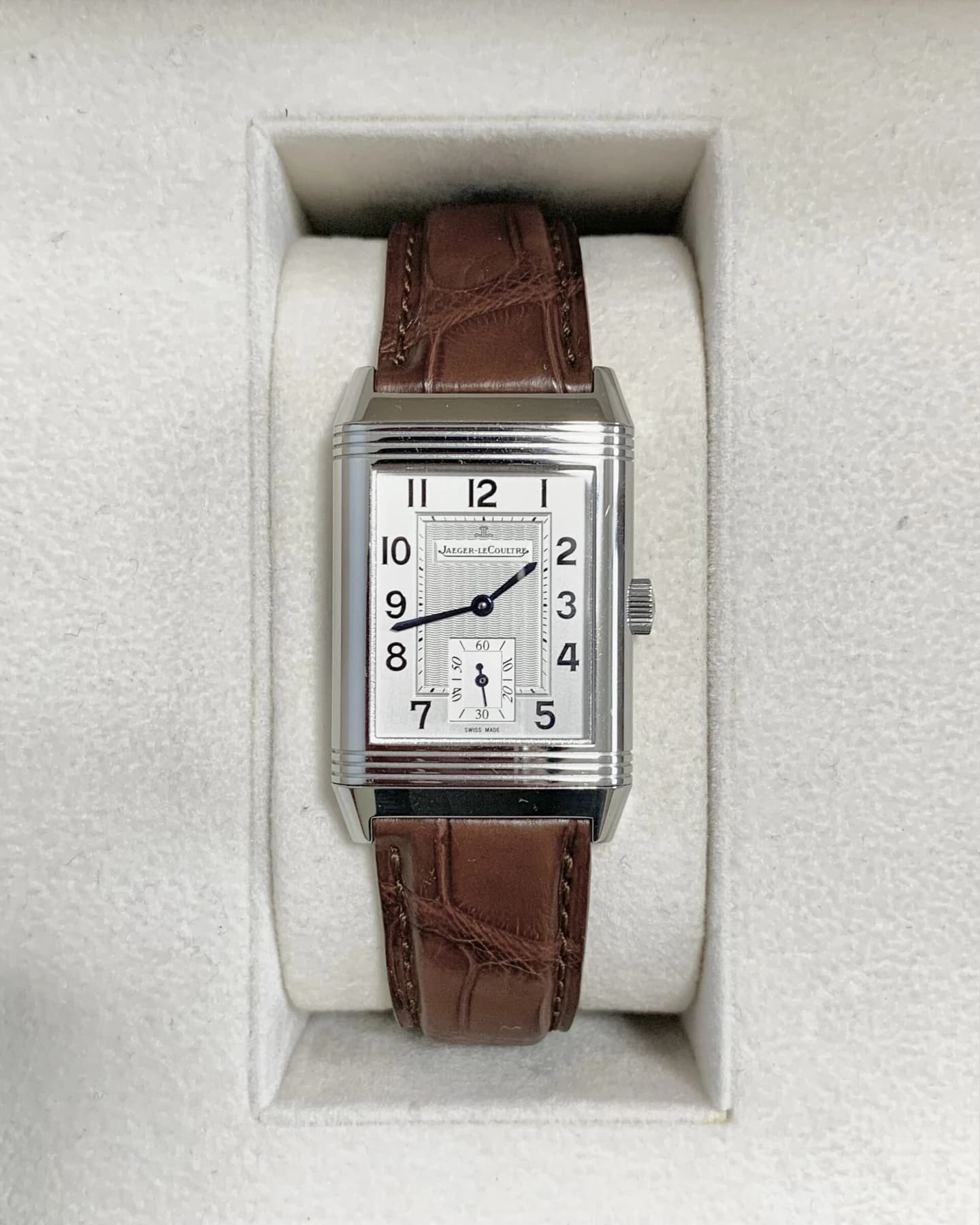
The Jaeger-LeCoultre Reverso begins with a physical gesture: turning the case. A protective idea from 1931 became a continuing design language, with very different watches inside it.
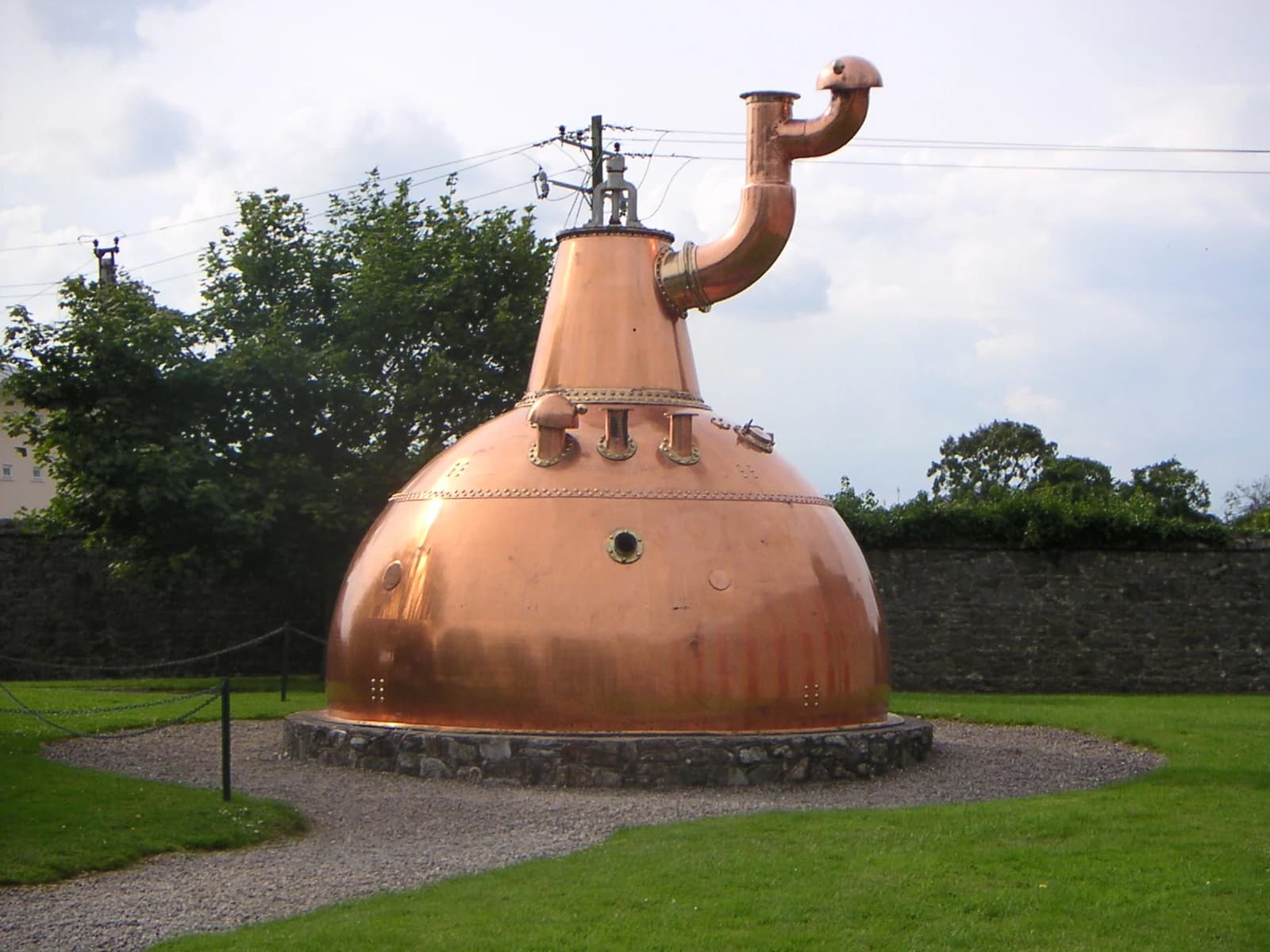
Redbreast 12 offers an approachable route into a distinctive Irish whiskey tradition. Malted and unmalted barley make the story more interesting than a trophy release.
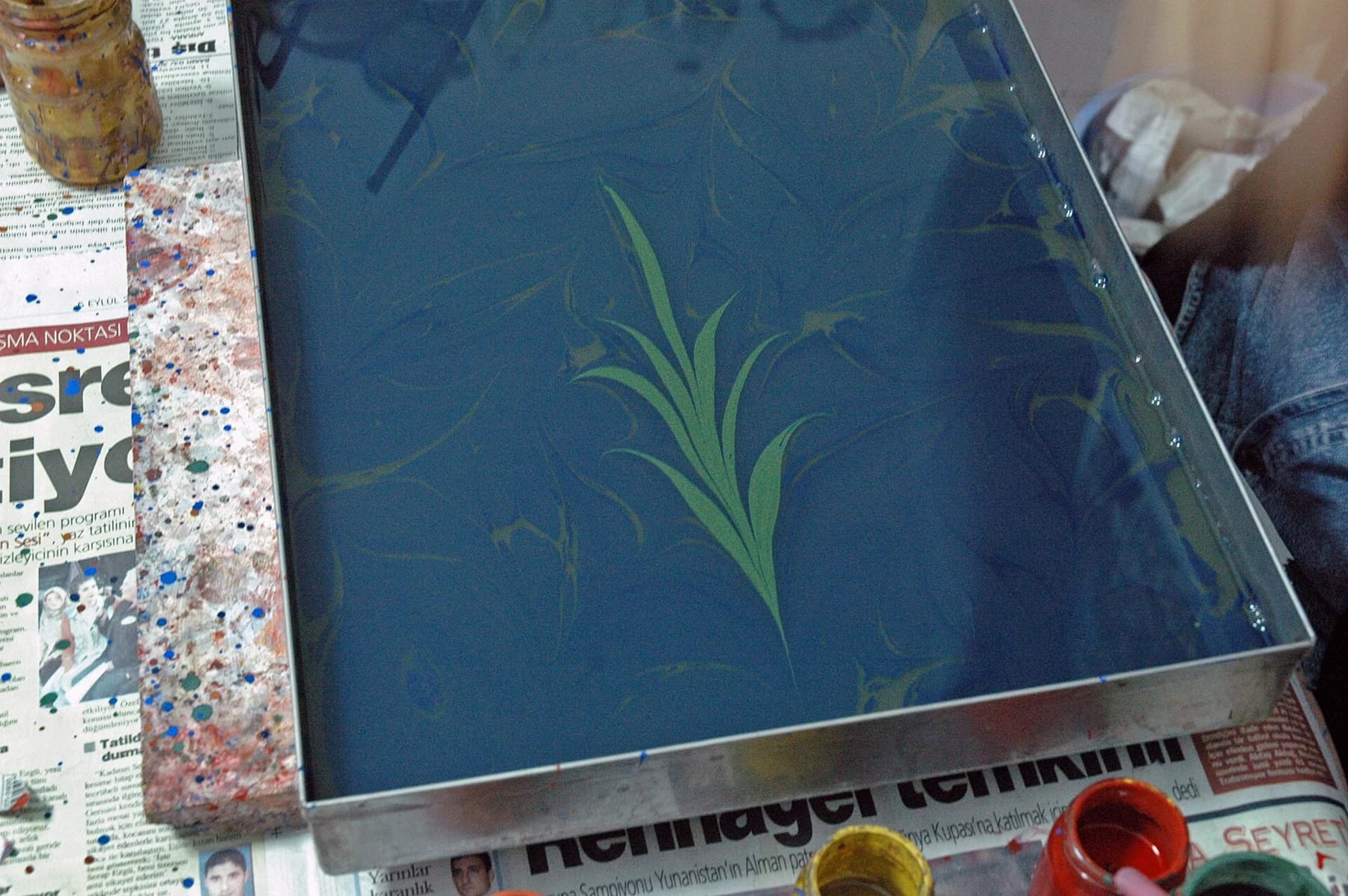
In ebru, a picture takes shape on a prepared liquid surface before it reaches paper. The lasting object preserves a fleeting arrangement and the knowledge that allowed it to happen.
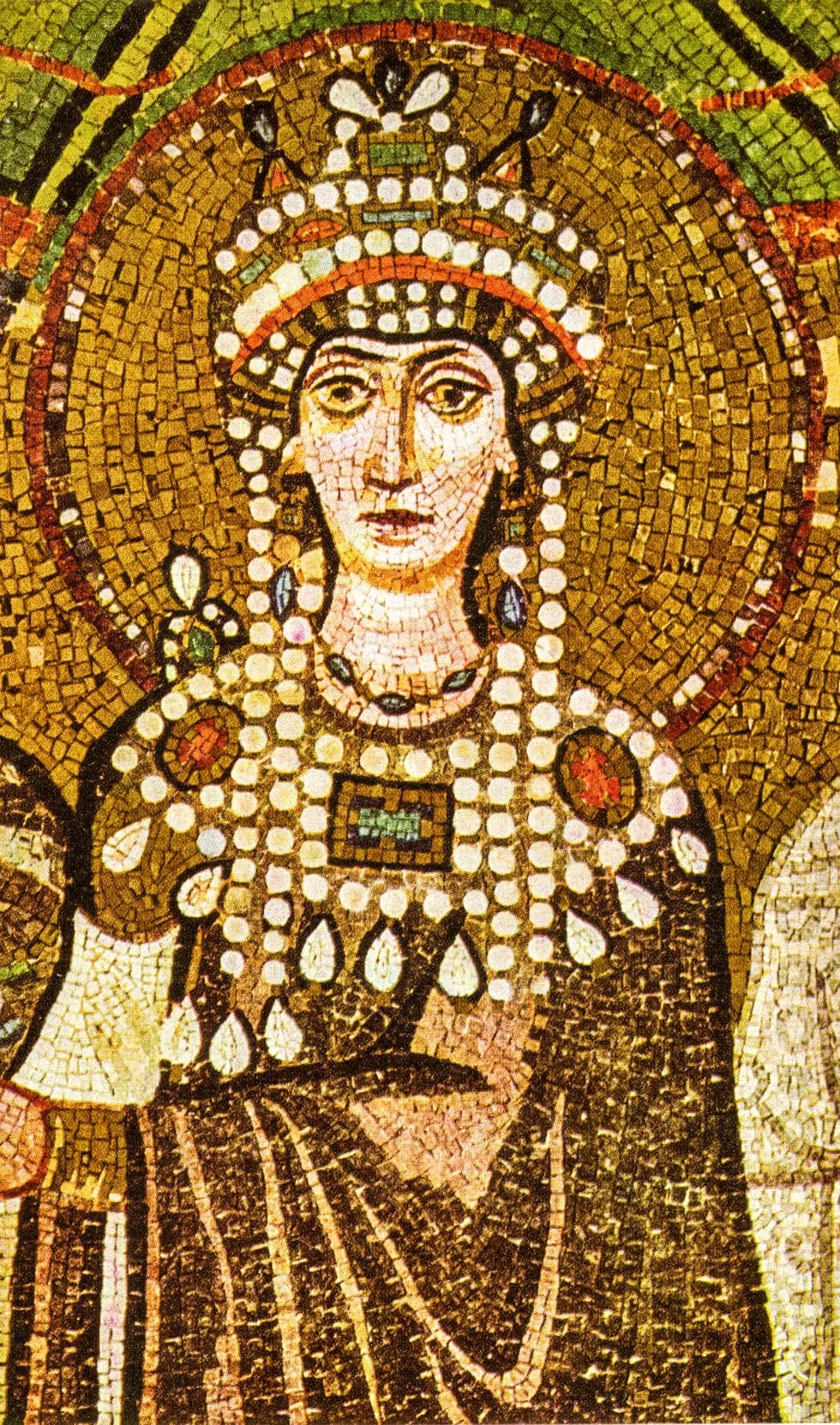
A five-day mosaic course in Ravenna turns looking into making. Cutting and placing a small piece of glass can change how a visitor reads an entire wall.