Frafra Tapestry turns an aerial reading of a Ghanaian settlement into woven elephant grass. The result is a collaboration between design drawing, architectural memory and the knowledge of named master weavers.
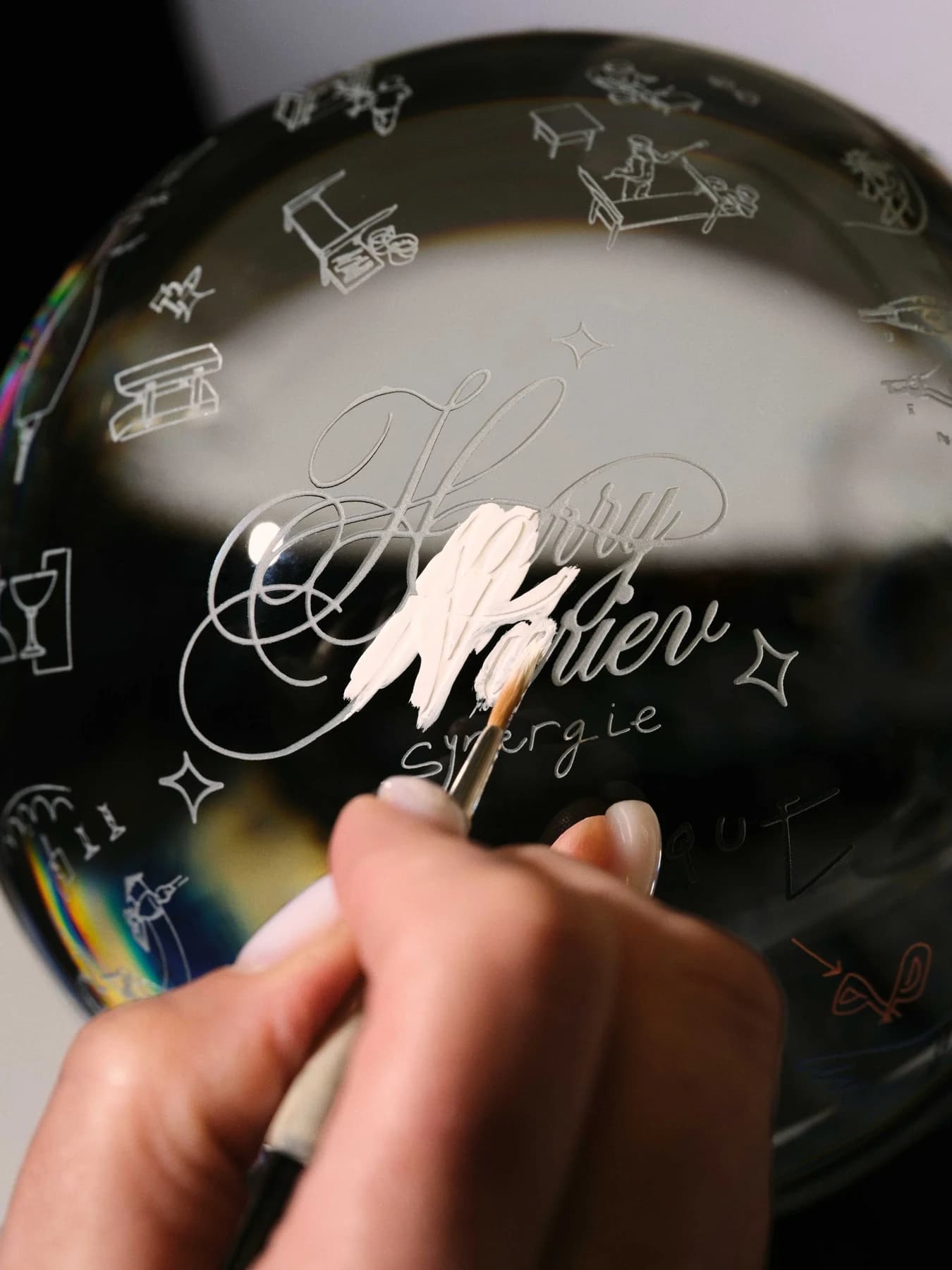
Harry Nuriev’s 2026 Baccarat collection interrupts the formality of cut crystal with words and drawn gestures. The encounter is worth reading through the actual workshop processes, not the collaboration label alone.
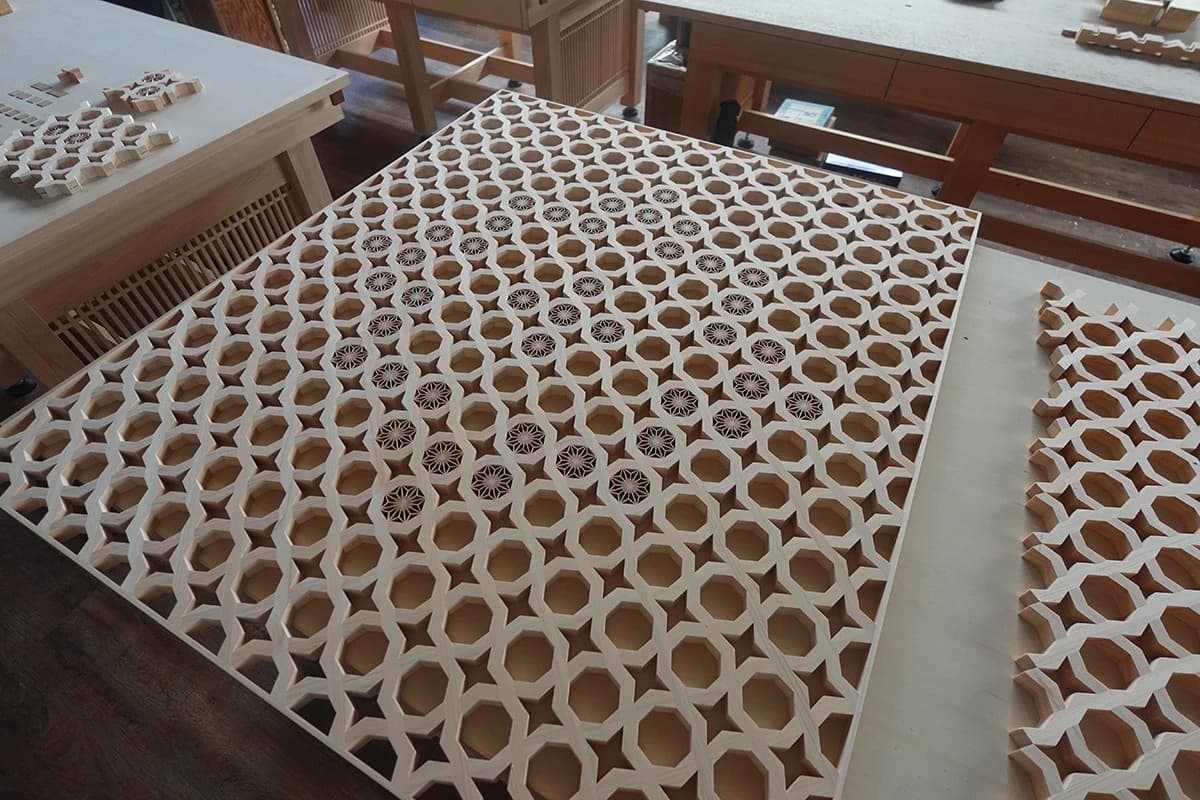
Tanihata’s kumiko screens make a geometric pattern from fitted pieces of wood rather than a surface decoration. Light passes through the result, making an old joining skill useful in contemporary rooms.
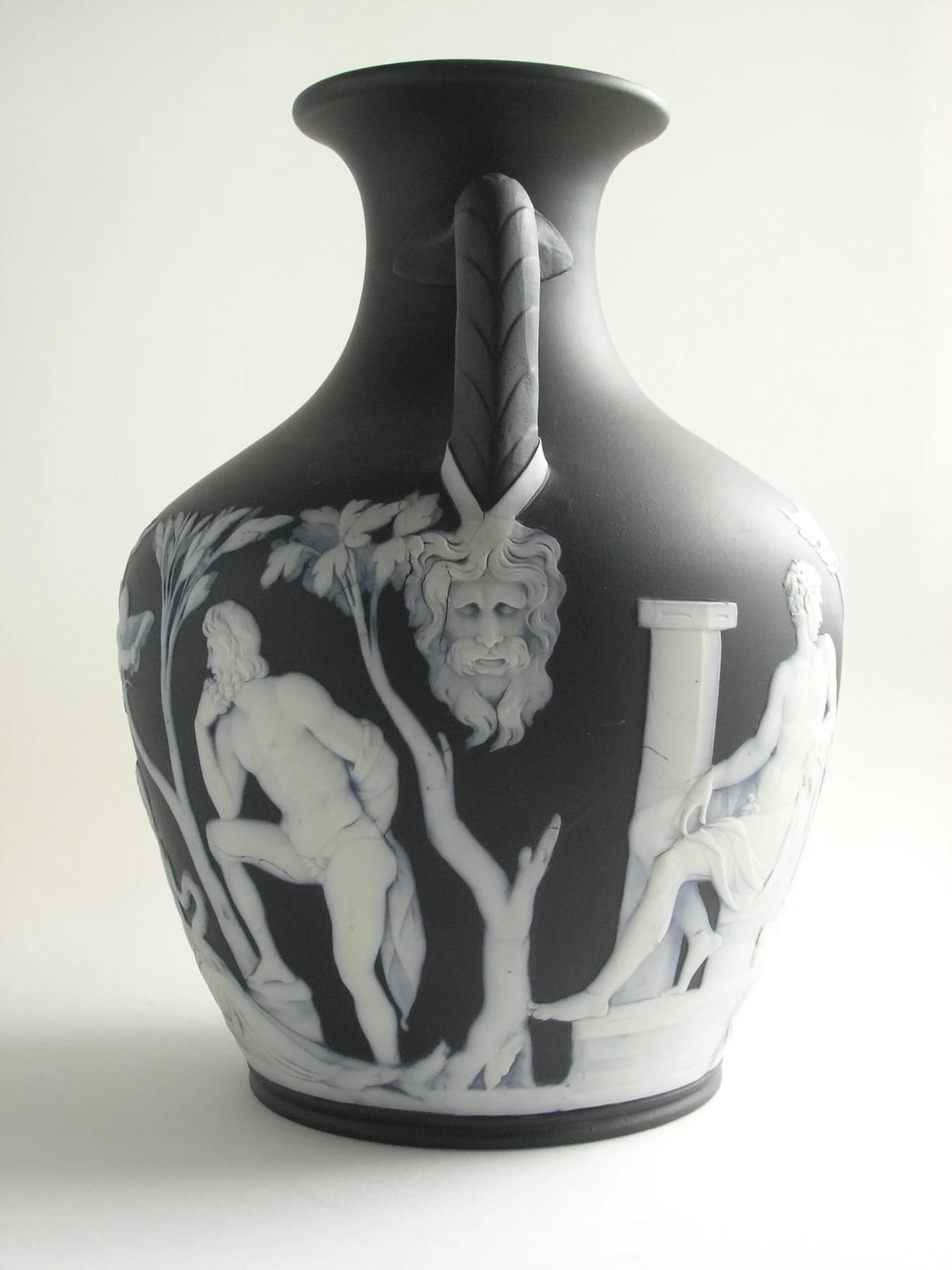
Wedgwood’s jasperware can look familiar enough to escape a second glance. Its more surprising story begins beneath the white relief, in an experimental ceramic body rather than painted blue decoration.
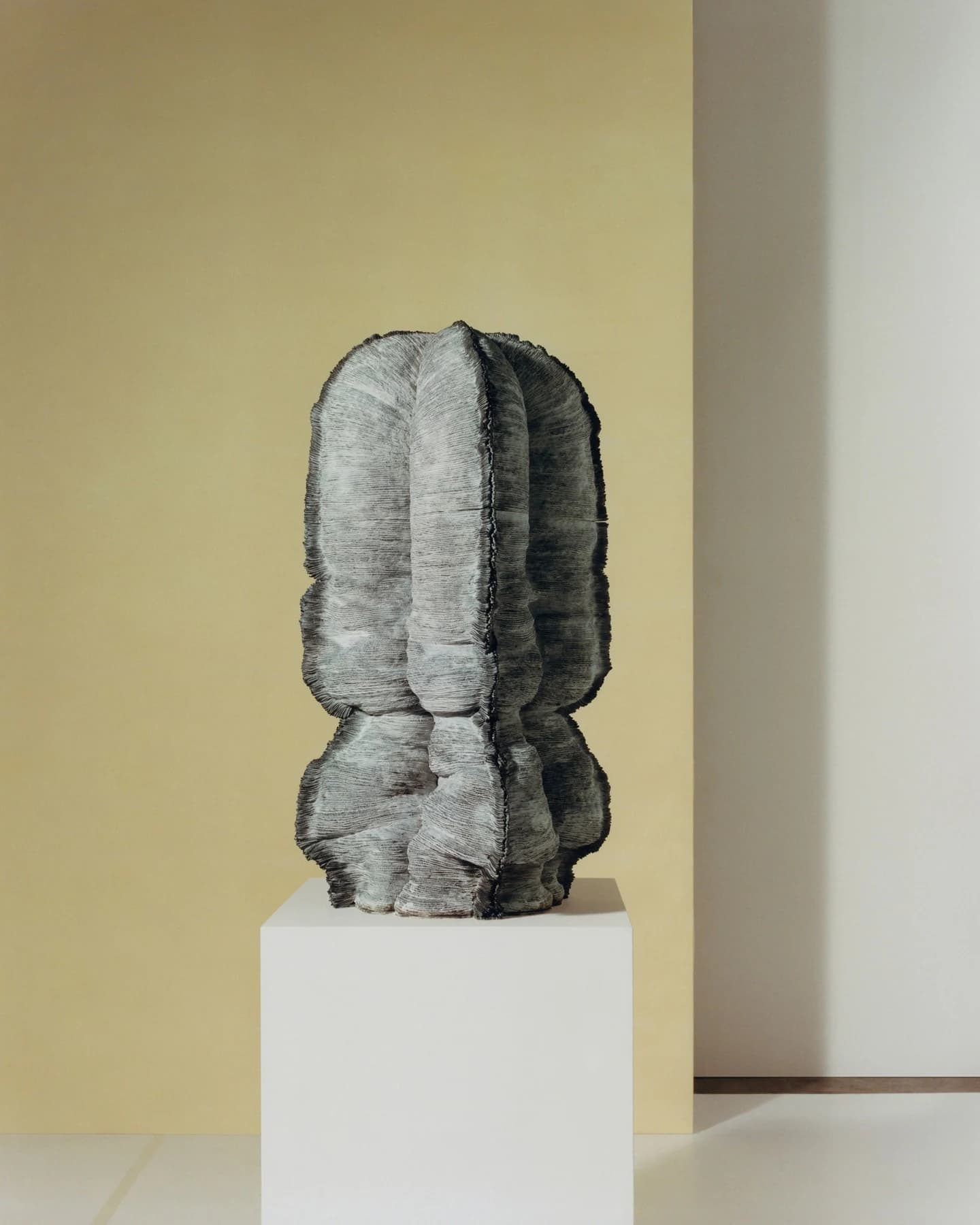
Kunimasa Aoki’s Realm of Living Things 19 looks almost geological. Its layered terracotta makes pressure, shrinkage and the risk of firing part of the finished sculpture rather than defects to erase.
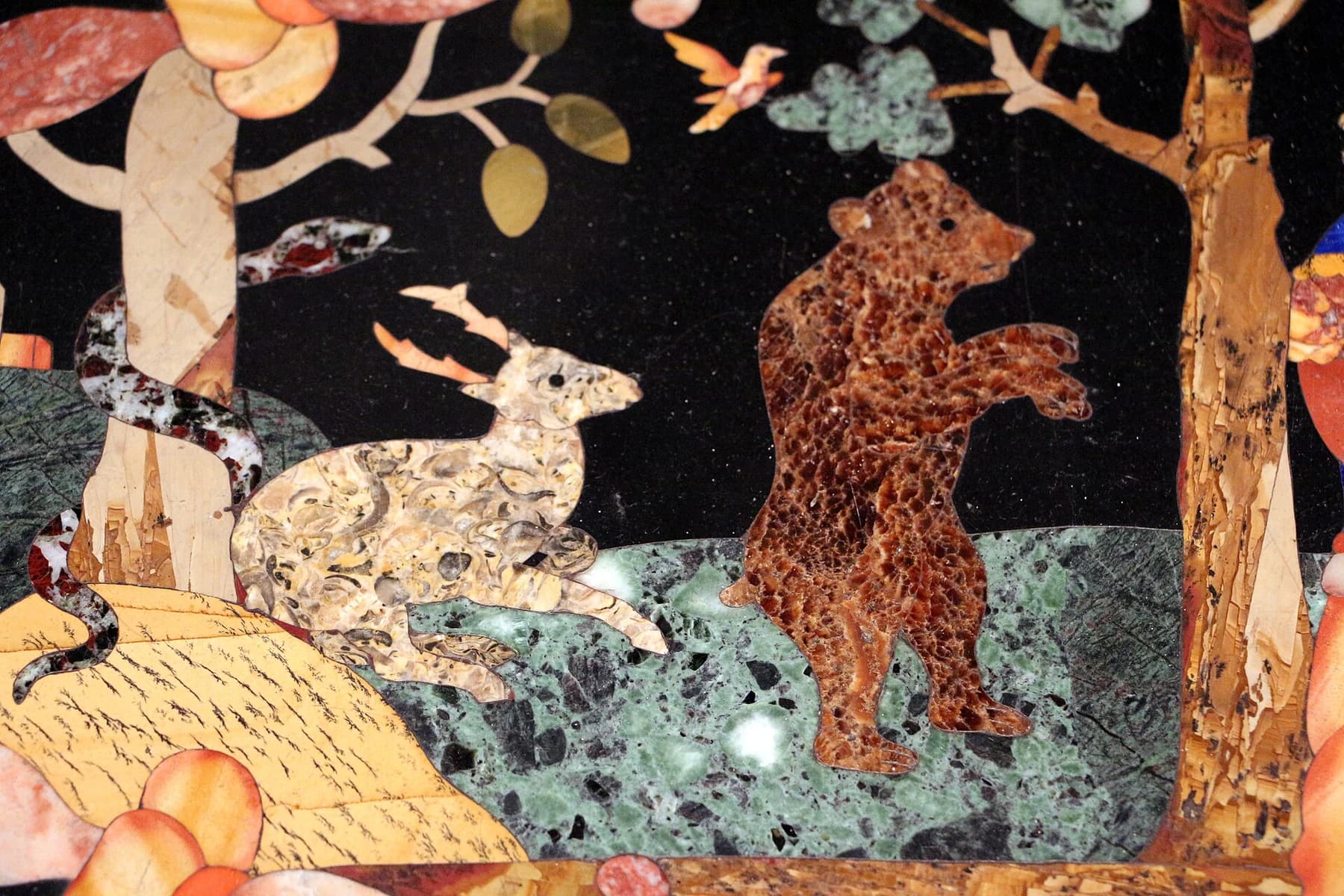
In commesso fiorentino, a vein in a stone can become fur, a petal or a distant hill. The surprising art is not painting on minerals, but finding the picture within them and fitting its pieces together.
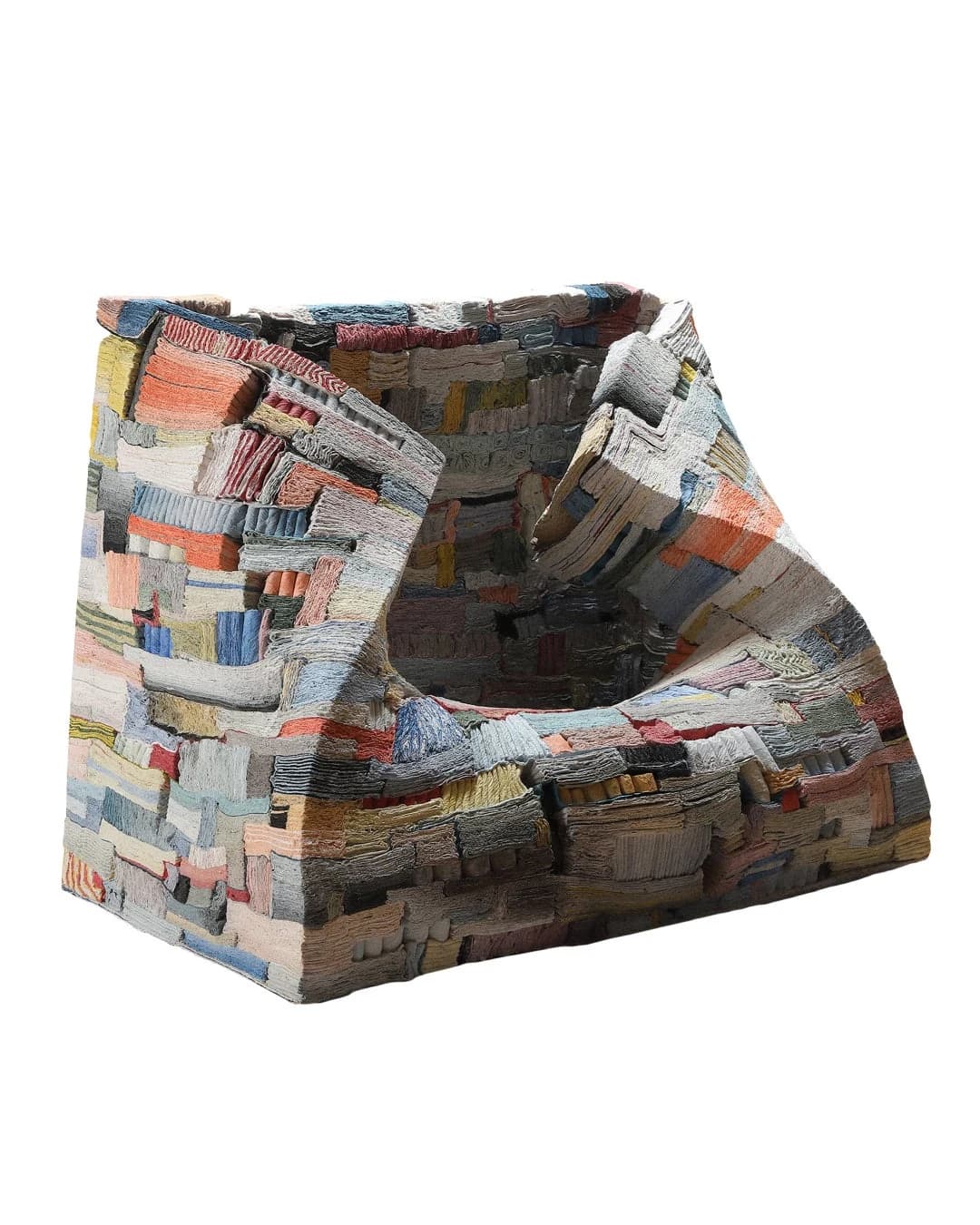
Jongjin Park’s Strata of Illusion won the 2026 LOEWE FOUNDATION Craft Prize. Its chair-like form begins with layered paper and porcelain slip, then lets the kiln alter the architecture.
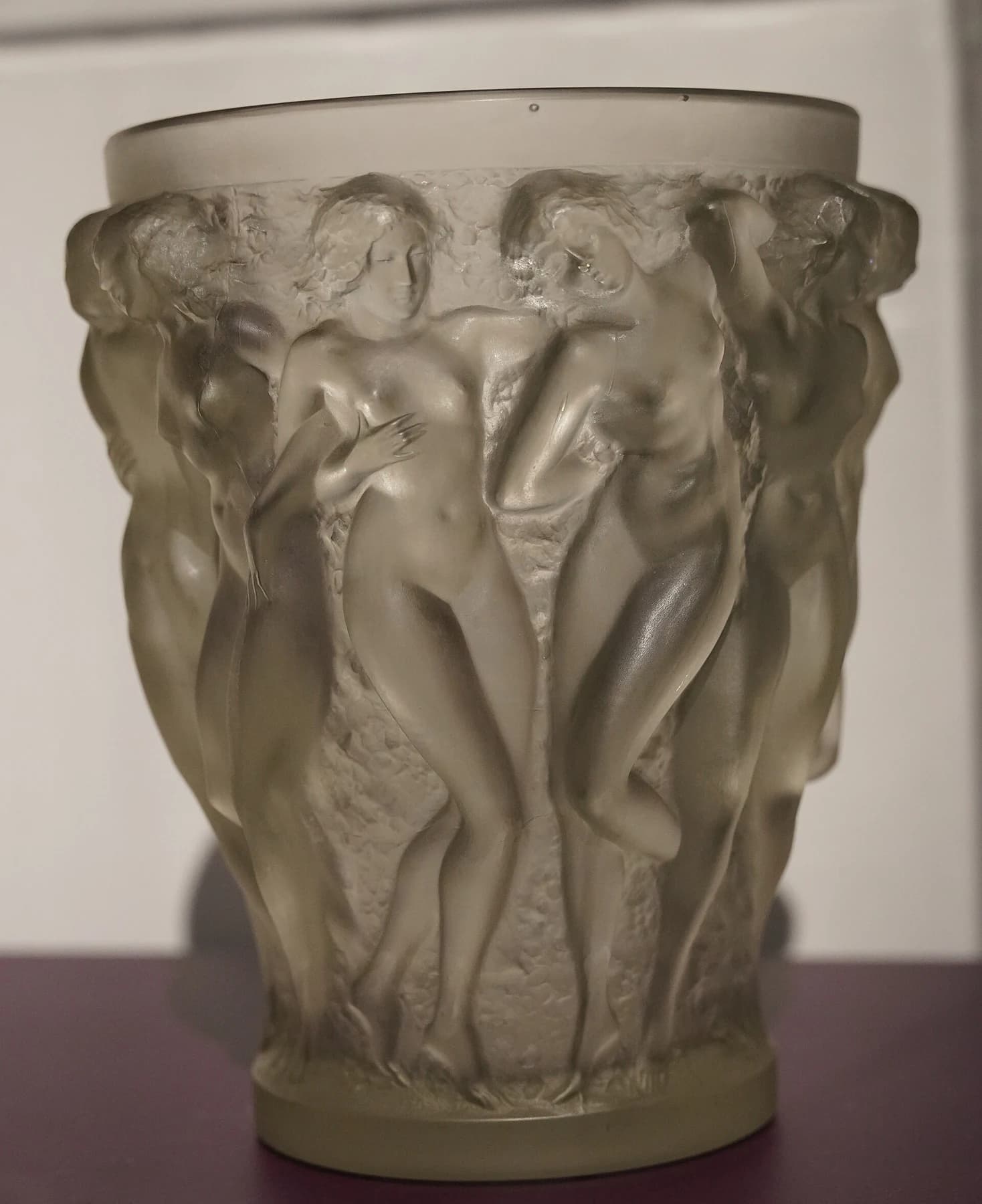
René Lalique’s Bacchantes began in 1927 and remains a living design. The revealing part is how a ring of figures moves between mould, handwork, satin surface and light.
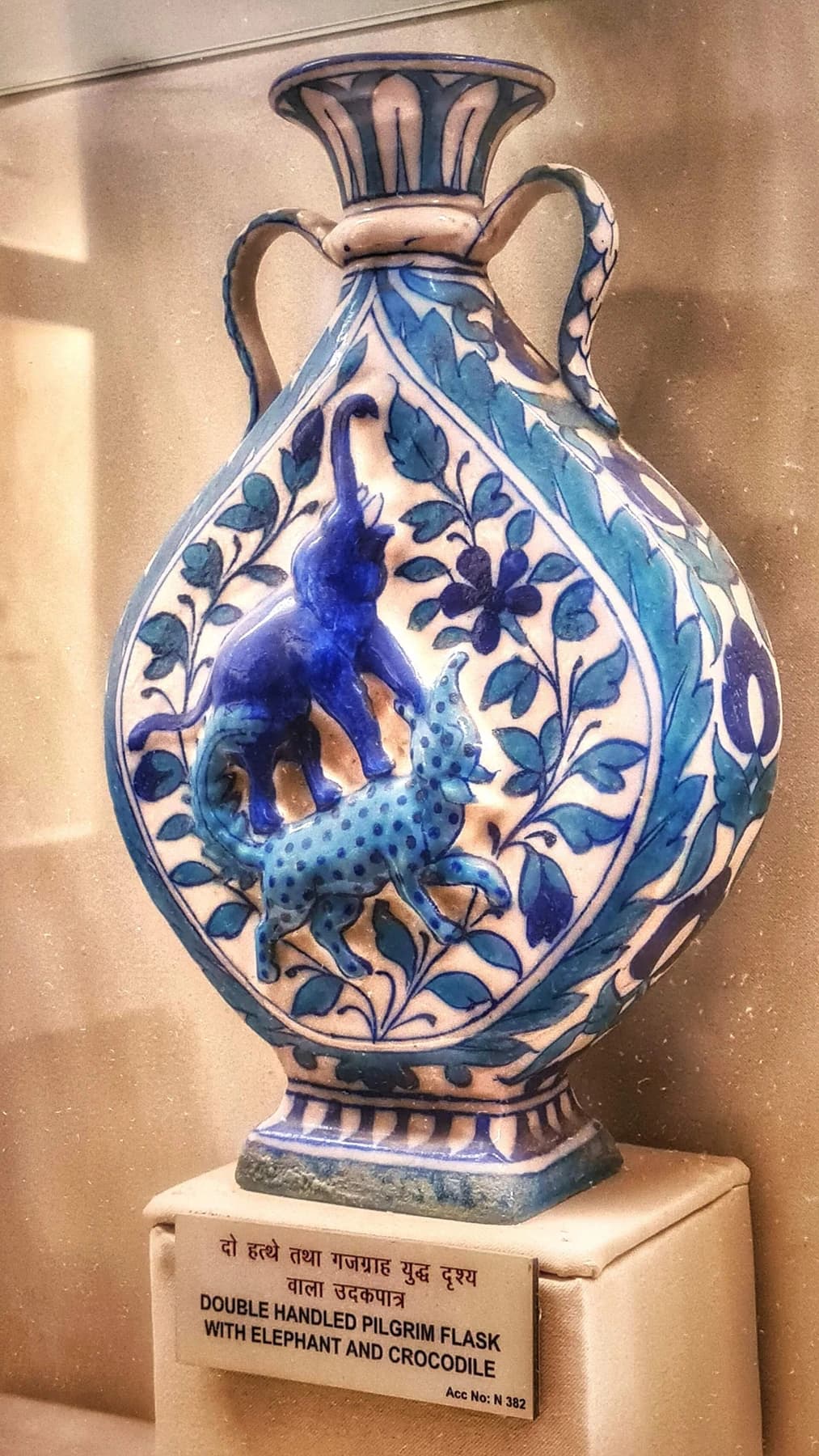
Jaipur blue pottery begins with a surprising material recipe. Beneath the painted surface is a quartz-rich body and a sequence of skilled decisions worth knowing.
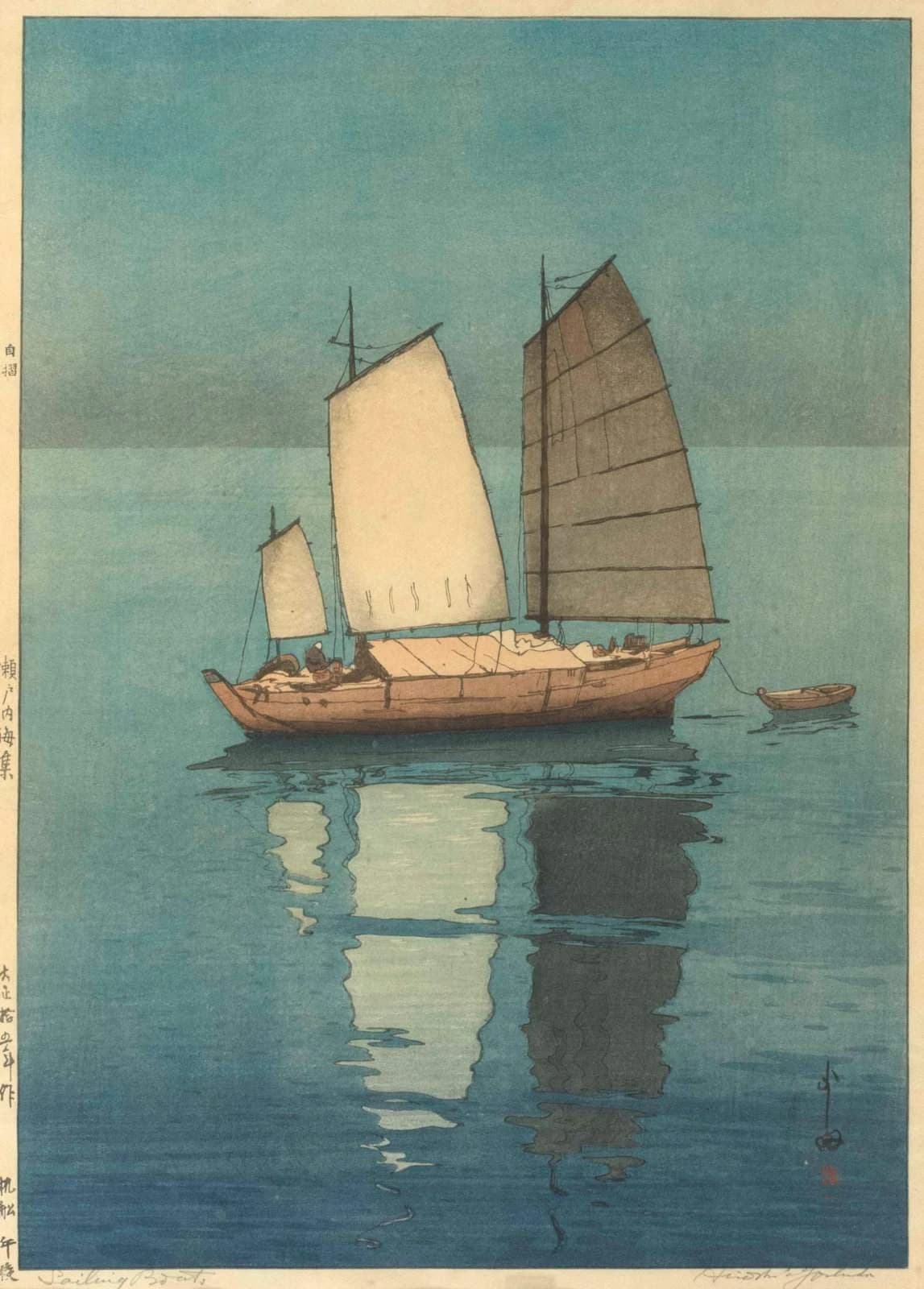
Hiroshi Yoshida’s Sailing Boats changes atmosphere without abandoning its subject. Reusing woodblocks with different colours reveals how much of a place is made by light.
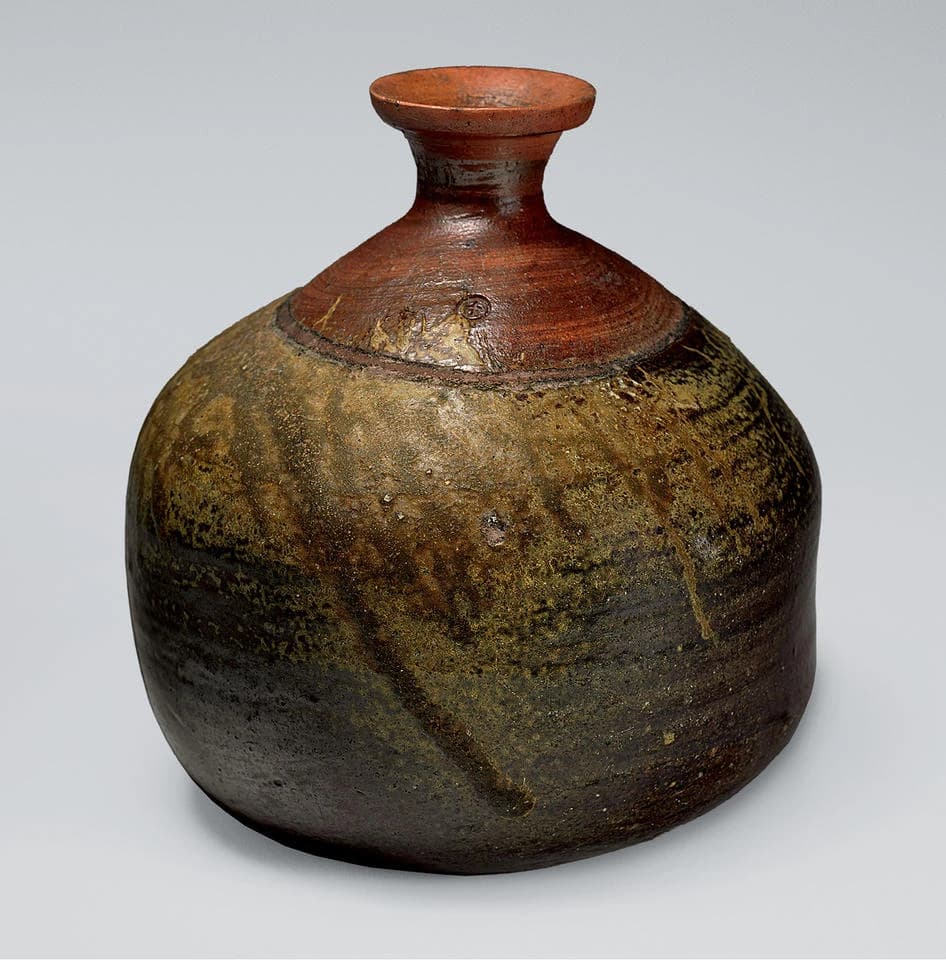
Bizen pottery offers another way to read a vessel. Clay and firing can create a complex surface without applied glaze, making the kiln part of the work rather than just its final destination.
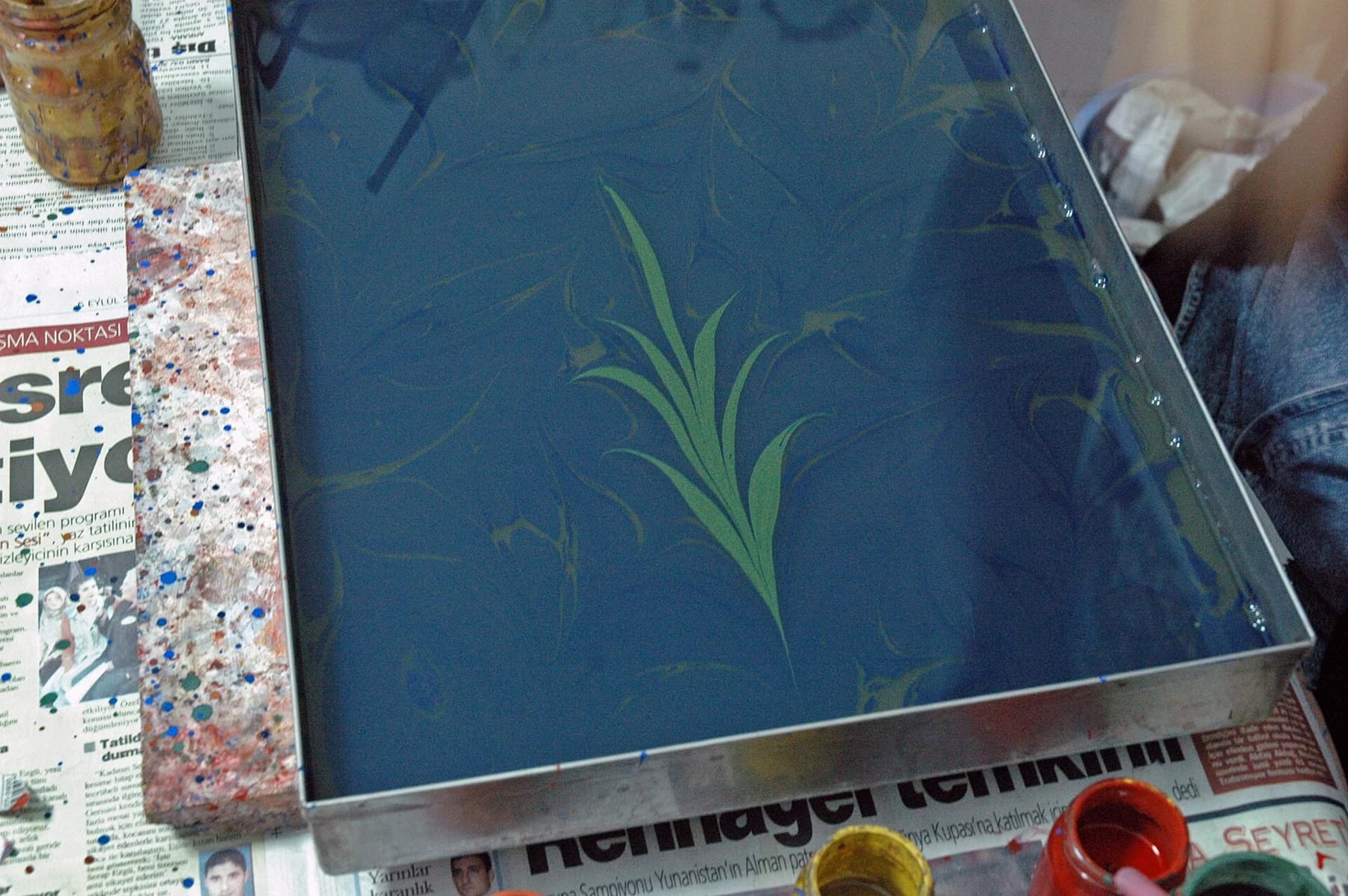
In ebru, a picture takes shape on a prepared liquid surface before it reaches paper. The lasting object preserves a fleeting arrangement and the knowledge that allowed it to happen.
 Image: Baba Tree Master Weavers × Álvaro Catalán de Ocón / LOEWE Foundation (opens source in a new tab)