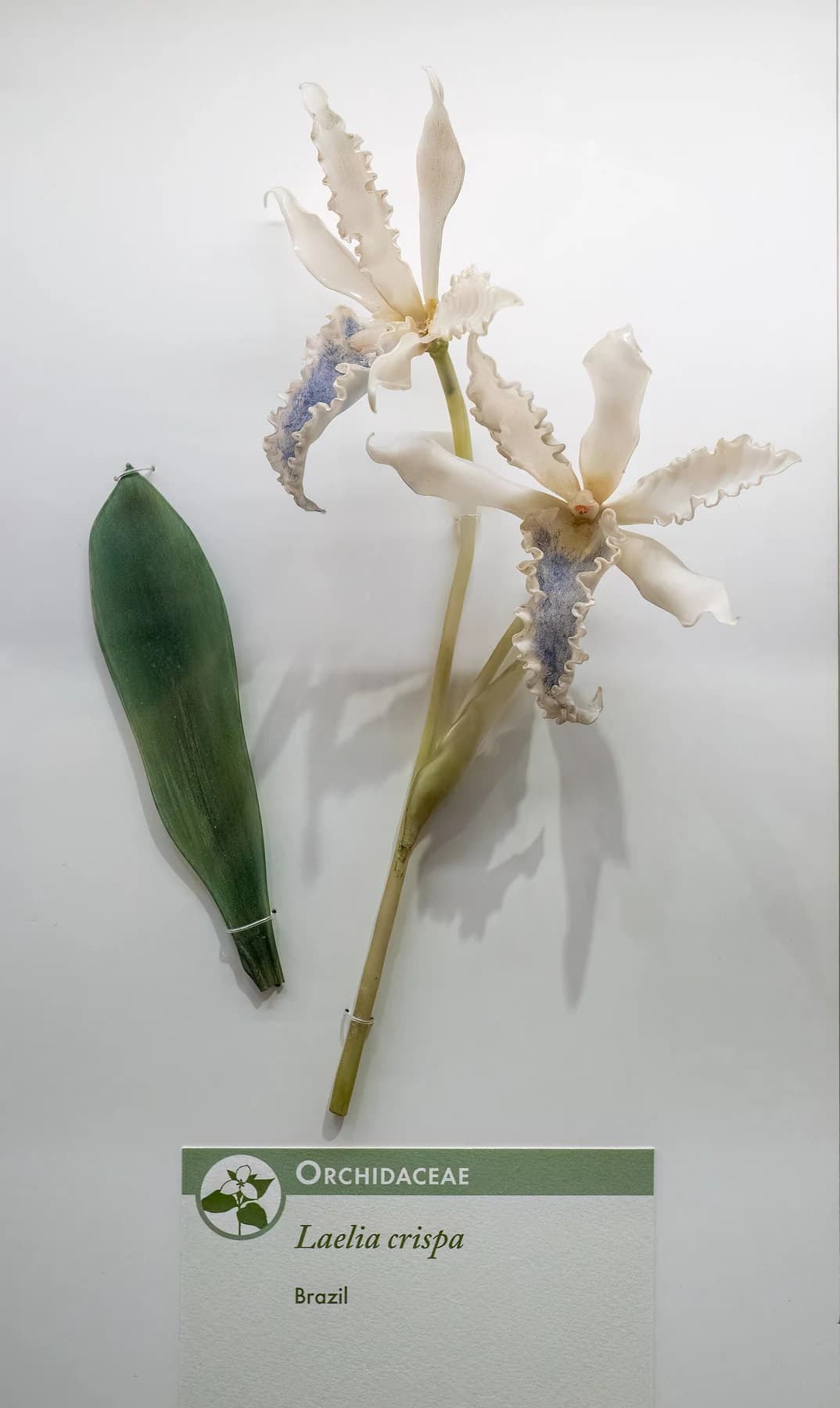
Harvard’s Glass Flowers are not merely convincing ornaments. Leopold and Rudolf Blaschka made botanical models that could keep a plant’s structure available for study after its flowering season had passed.
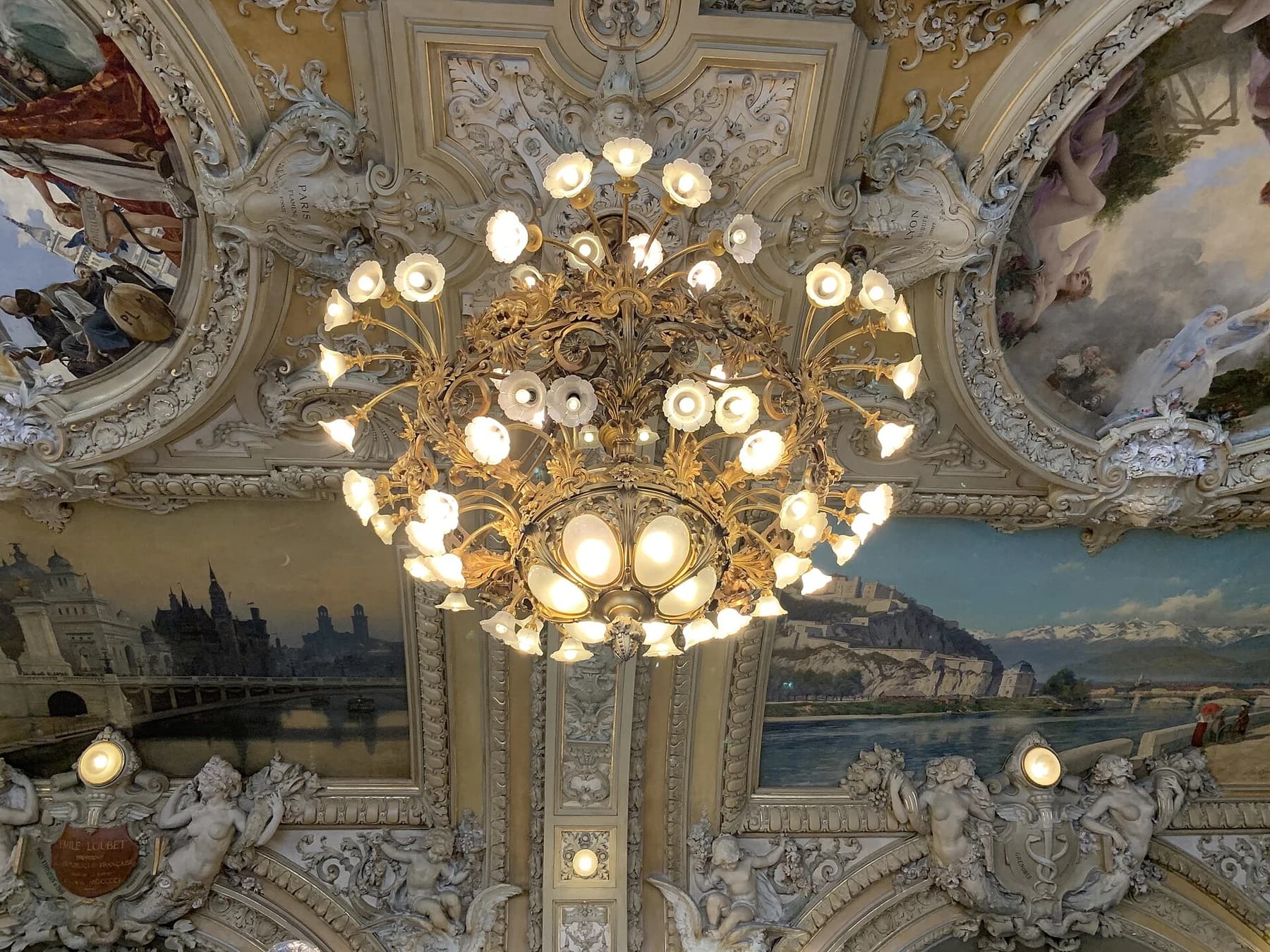
Le Train Bleu turns a railway connection into an occasion to sit down. Its continuing value lies not only overhead in the painted rooms, but in the use and service that keep those rooms alive.
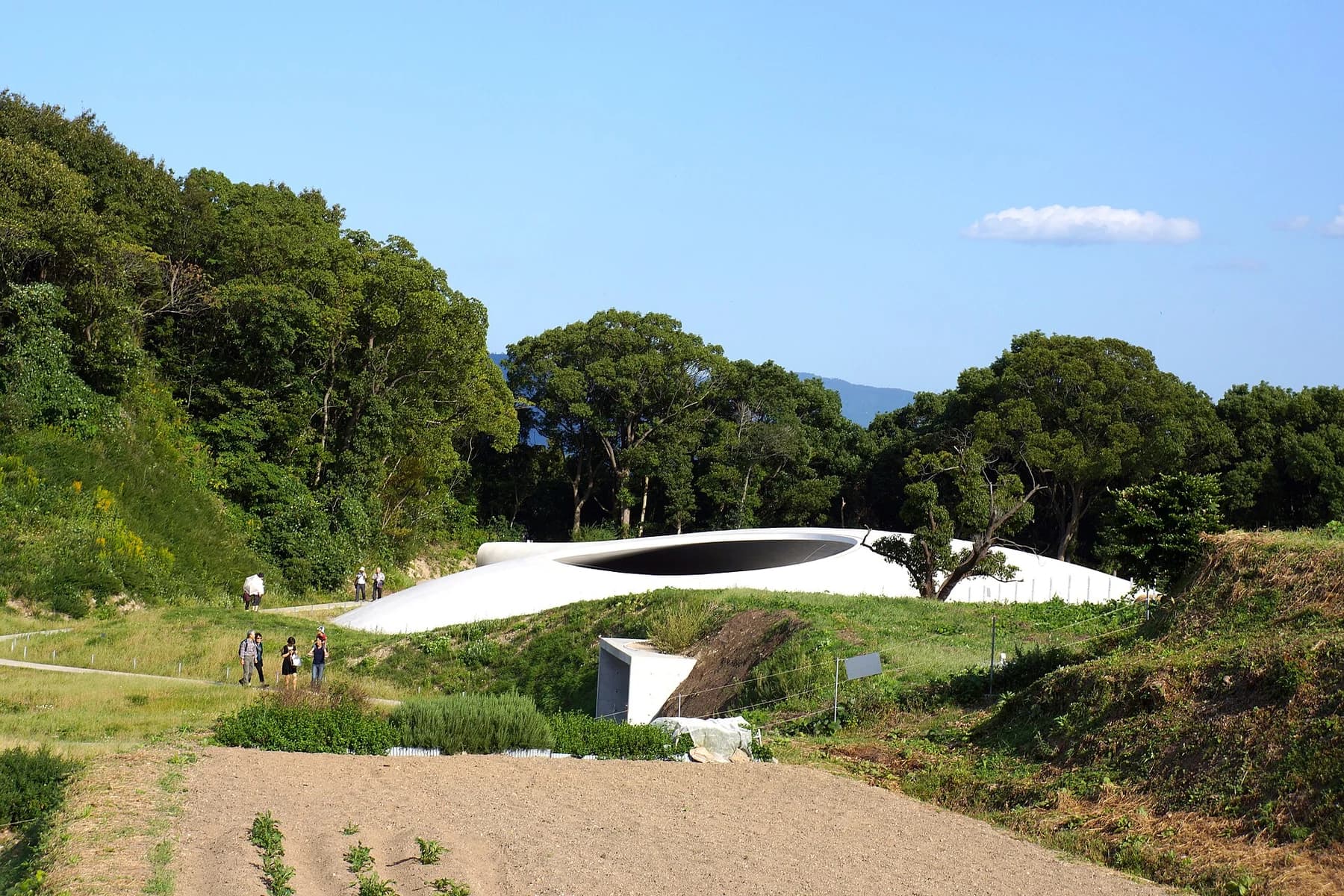
At Teshima Art Museum, water emerges from the floor beneath a low concrete shell. Rei Naito and Ryue Nishizawa make an encounter that cannot be reduced to the object you came to see.
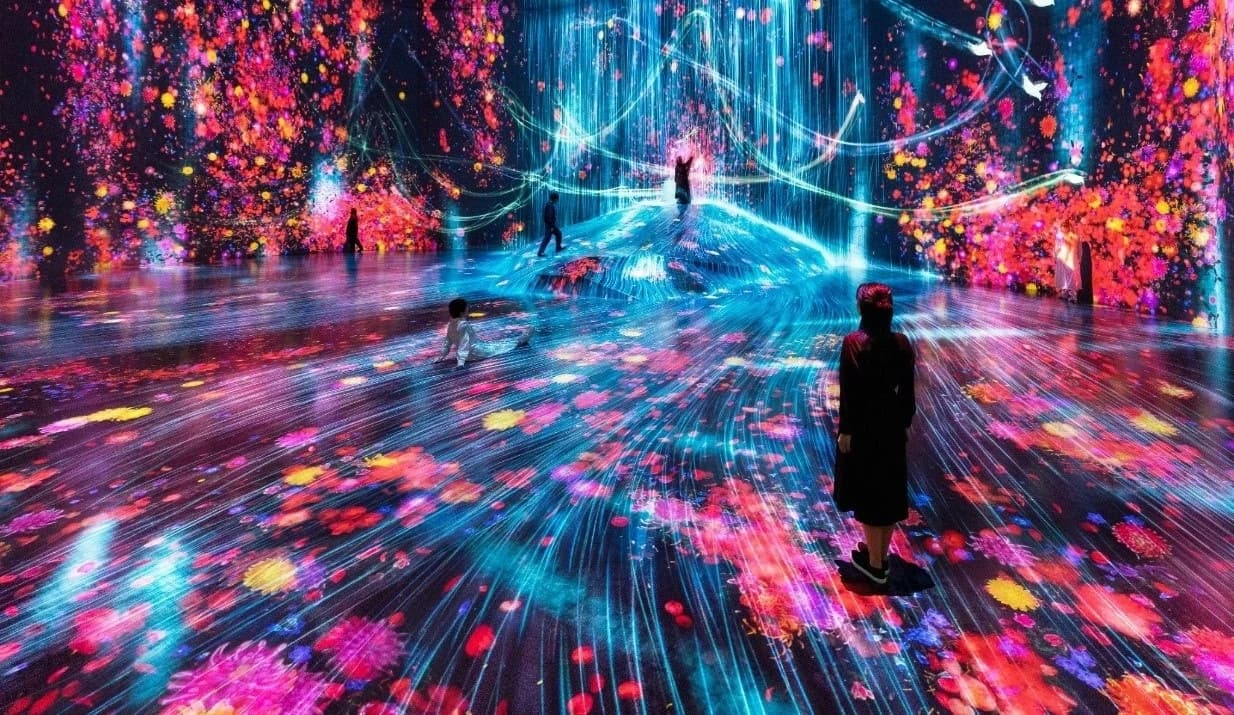
At teamLab Borderless in Tokyo, works can move between spaces and meet other works. The worthwhile question is not how many photographs a visit produces, but how an environment changes the act of exploring.
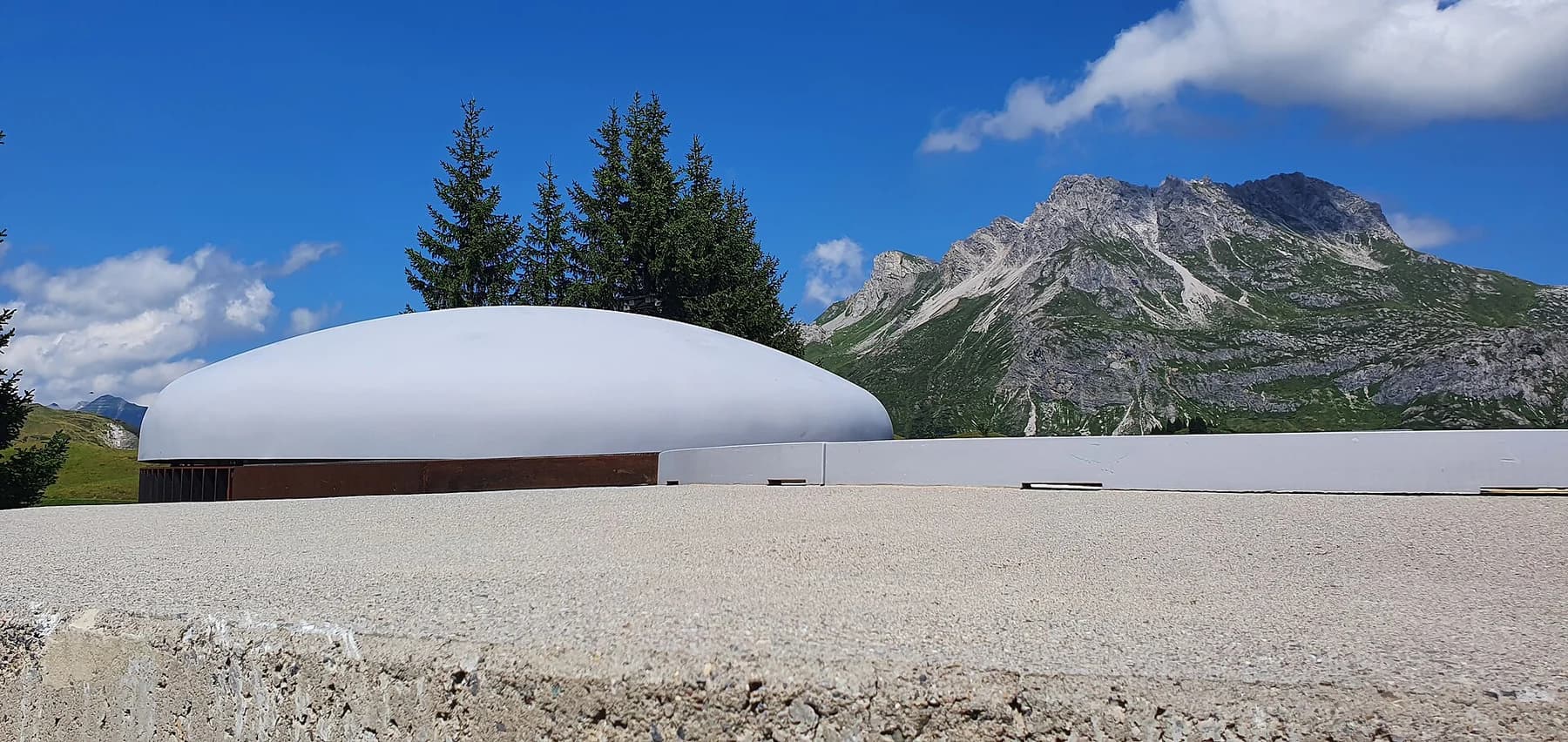
James Turrell’s Skyspace Lech makes a familiar subject unexpectedly strange. A framed opening, changing light and the time you choose to sit there turn looking at the sky into an encounter.
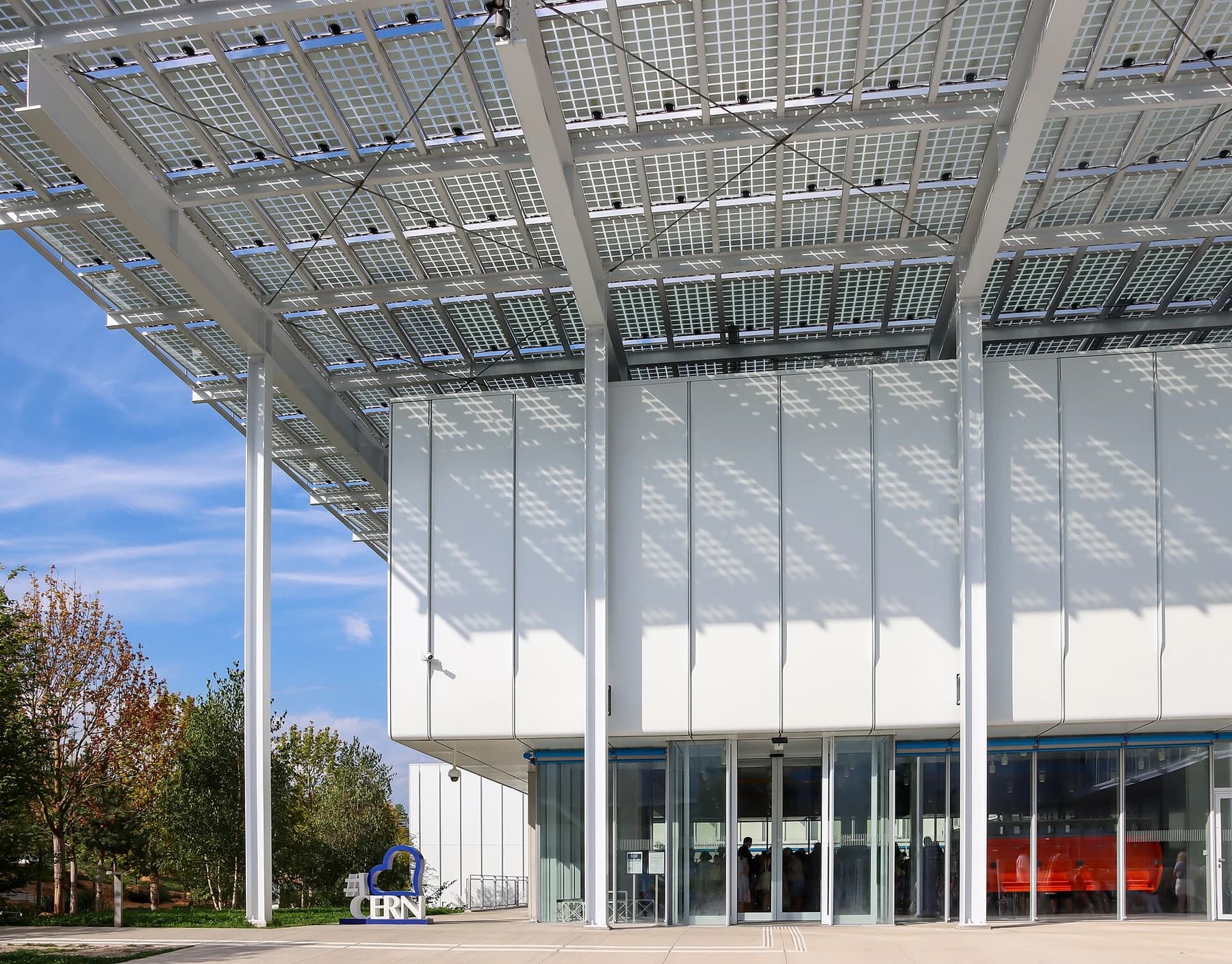
CERN’s Science Gateway offers a different kind of exceptional day out. Interactive experiments make the hidden structure of matter something to investigate, without promising a visit inside the Large Hadron Collider.
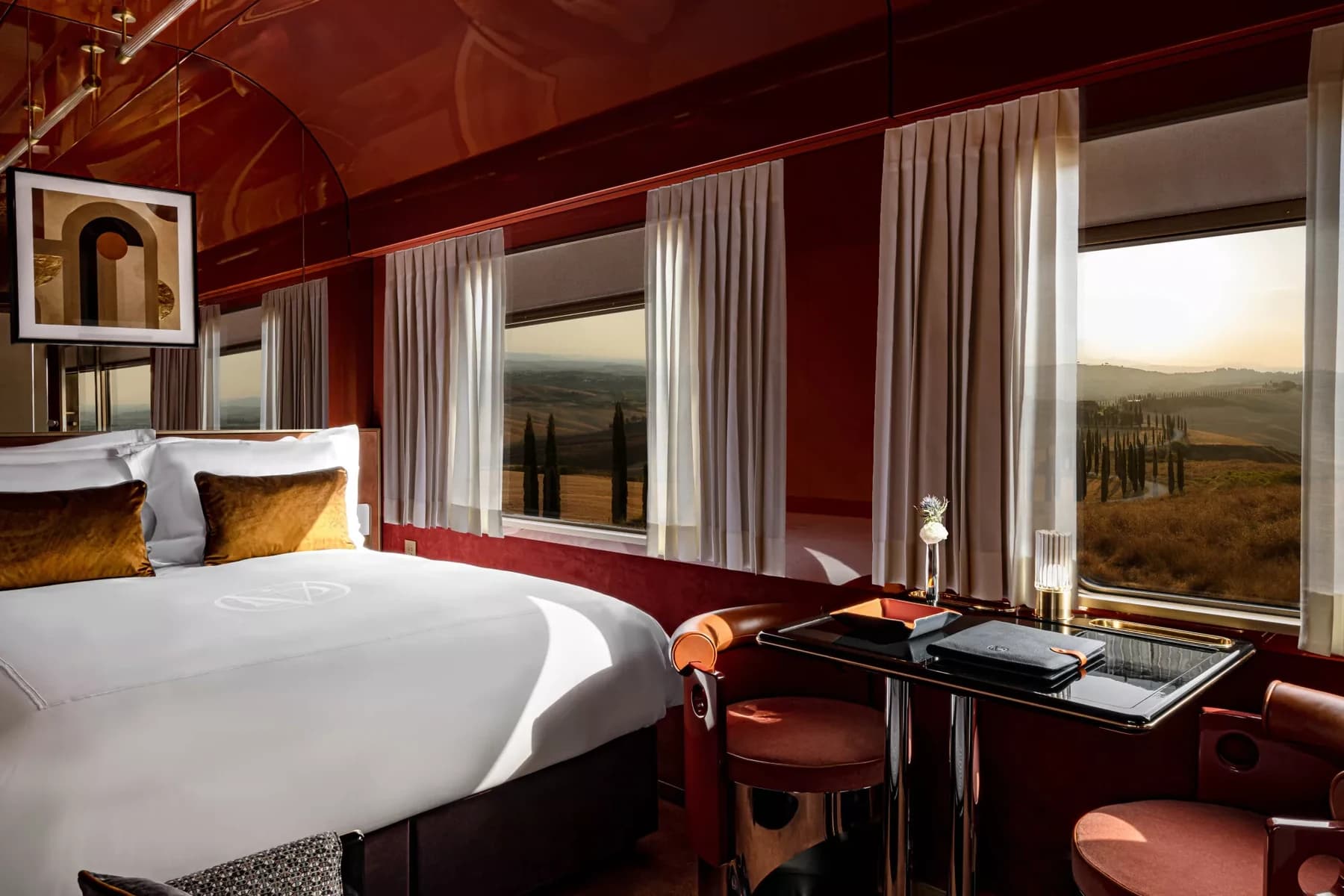
La Dolce Vita Orient Express turns rebuilt Italian railway carriages into an encounter with contemporary hospitality and mid-century design. The journey, not just the destination, becomes the occasion.
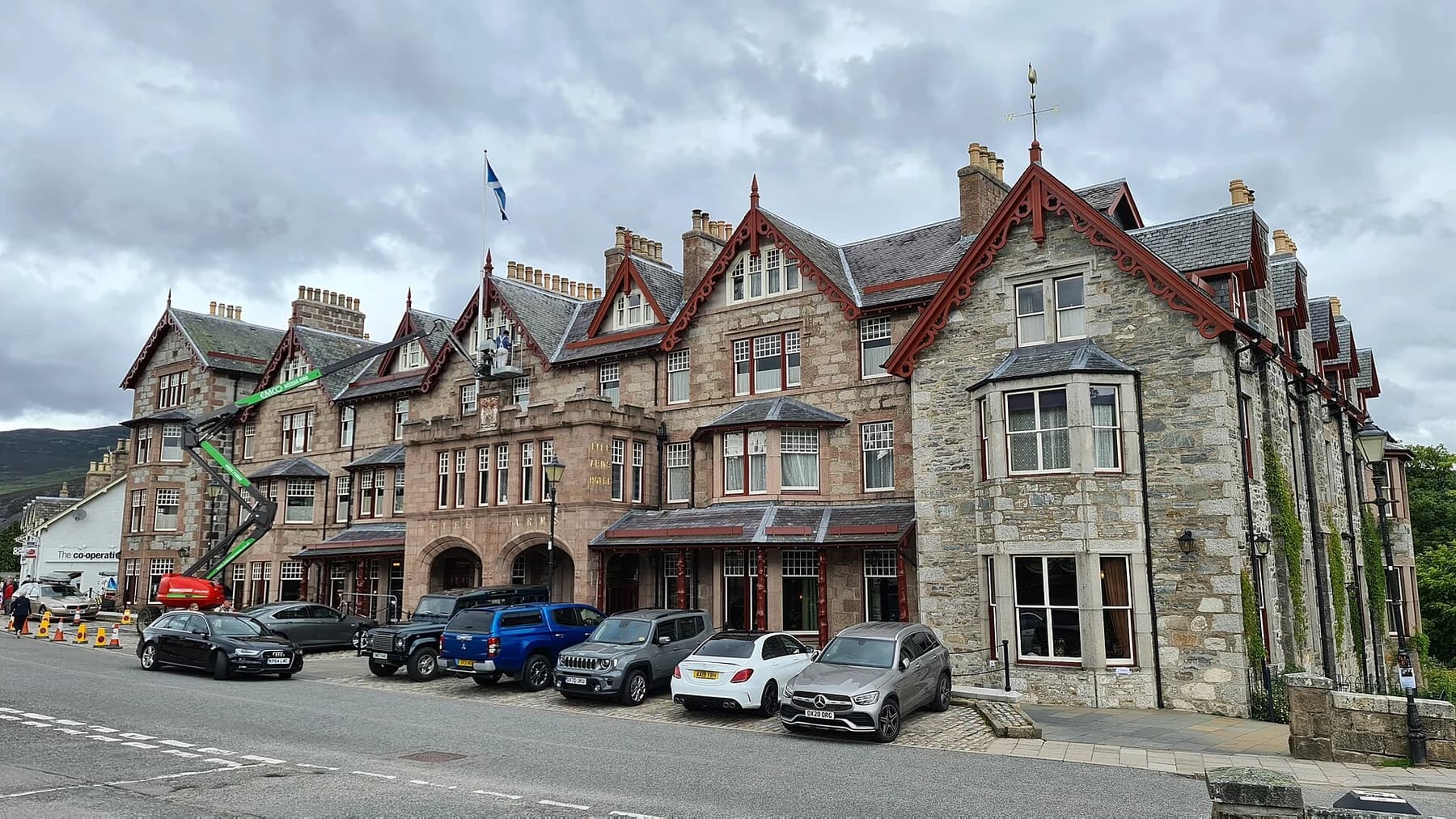
The Fife Arms in Braemar brings contemporary art into a former Scottish coaching inn. The interesting encounter is not a celebrity guest list, but the possibility of living briefly alongside works rather than filing past them.
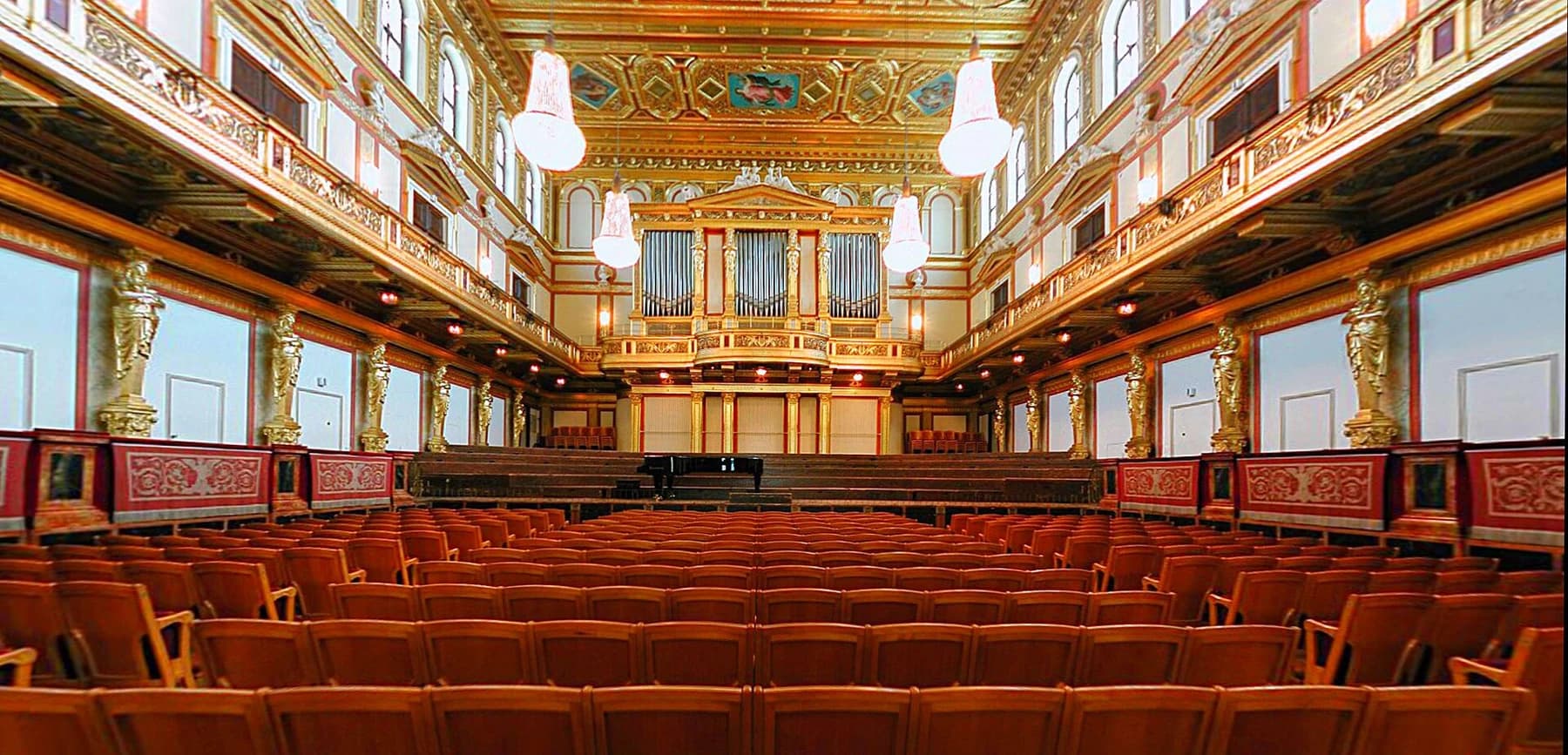
Vienna’s Musikverein Golden Hall is not only a famous interior. Its continuing concert life offers something more useful than a postcard: a reason to sit, listen and return.
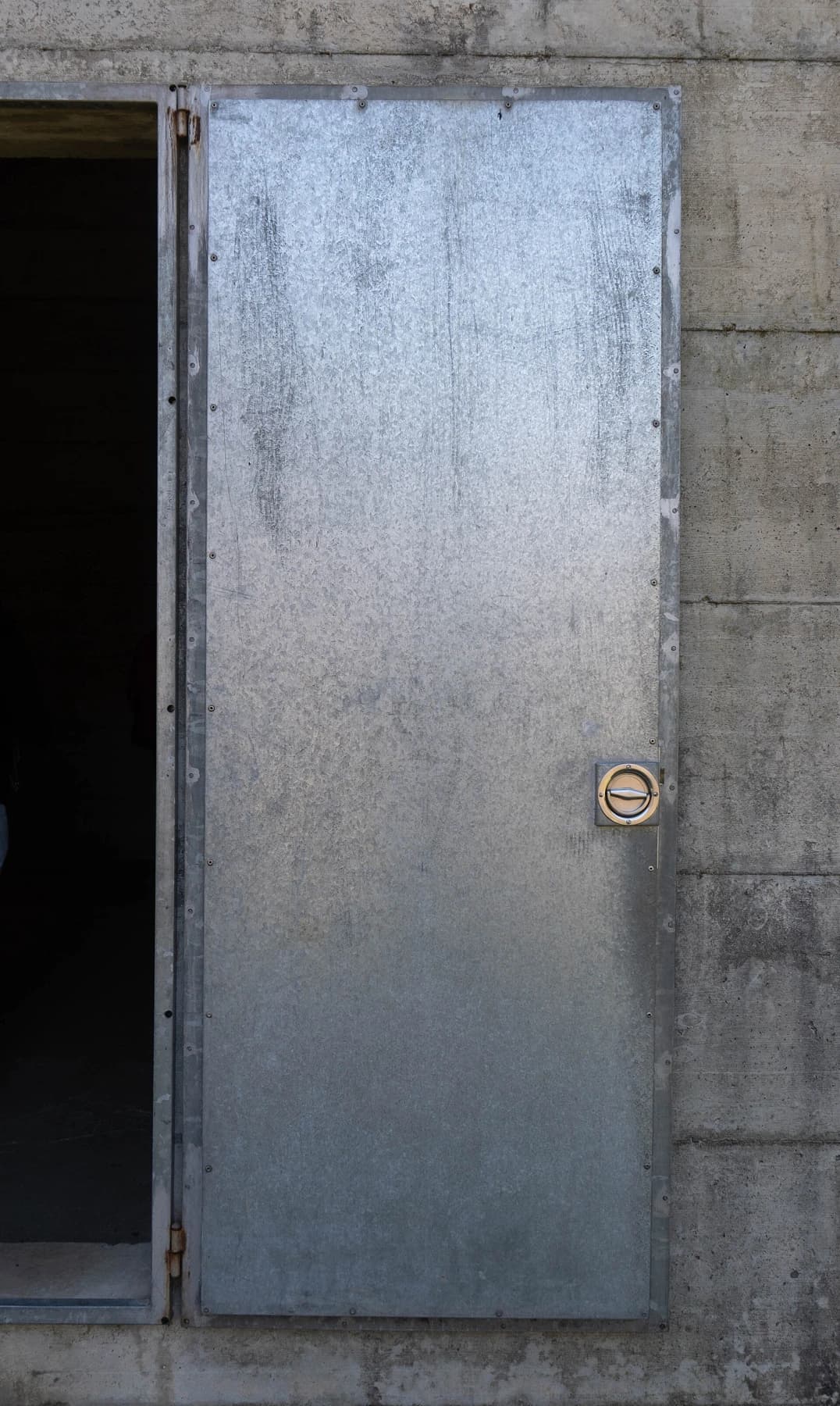
In Giornico, La Congiunta begins with a key collected from a local osteria. A small concrete museum gives architecture, sculpture and the visitor’s own attention an unusually direct relationship.
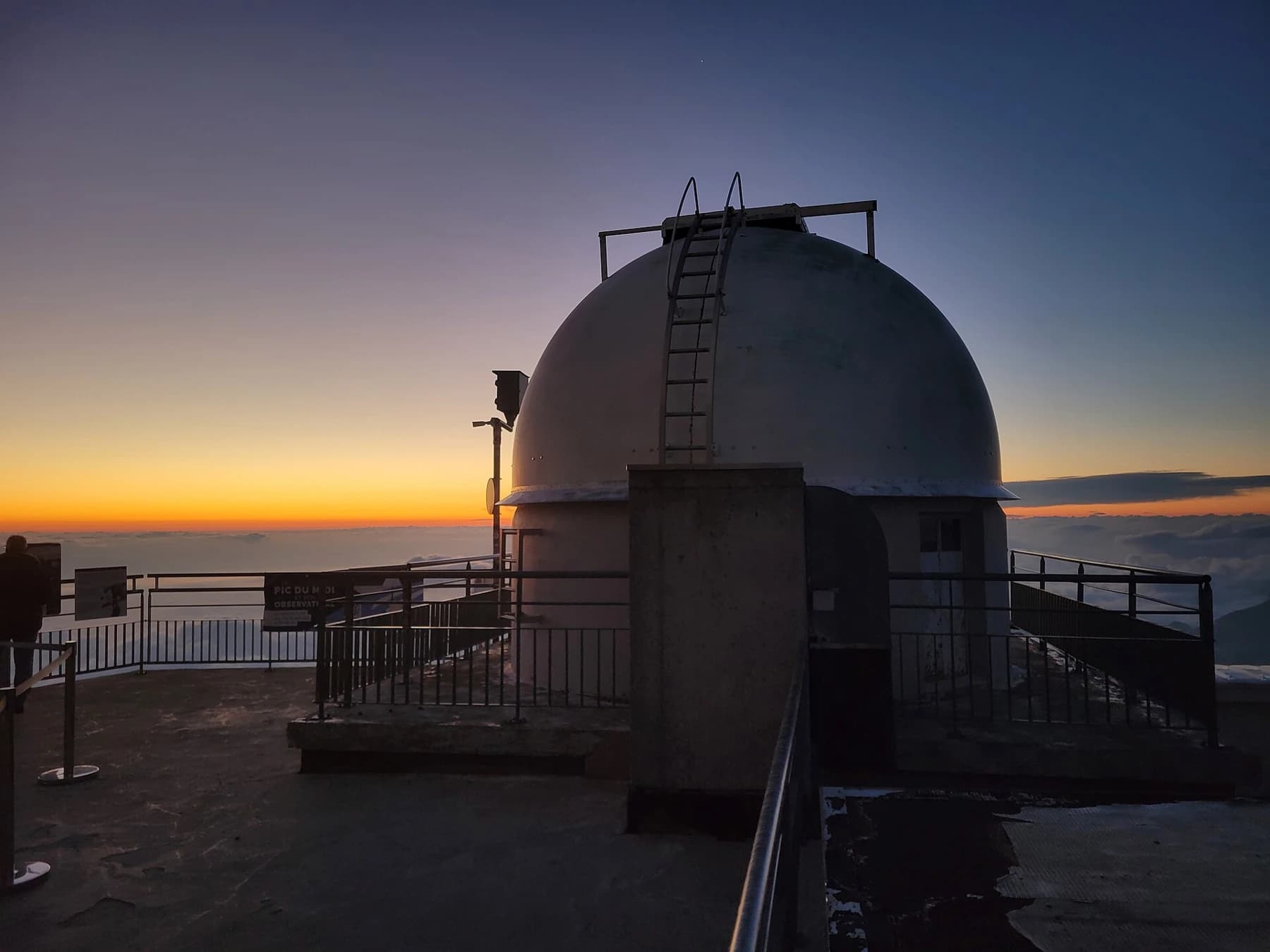
Pic du Midi offers more than a Pyrenean panorama. Its visitor spaces reveal instruments, observation and the human work of keeping a scientific site alive high in the mountains.
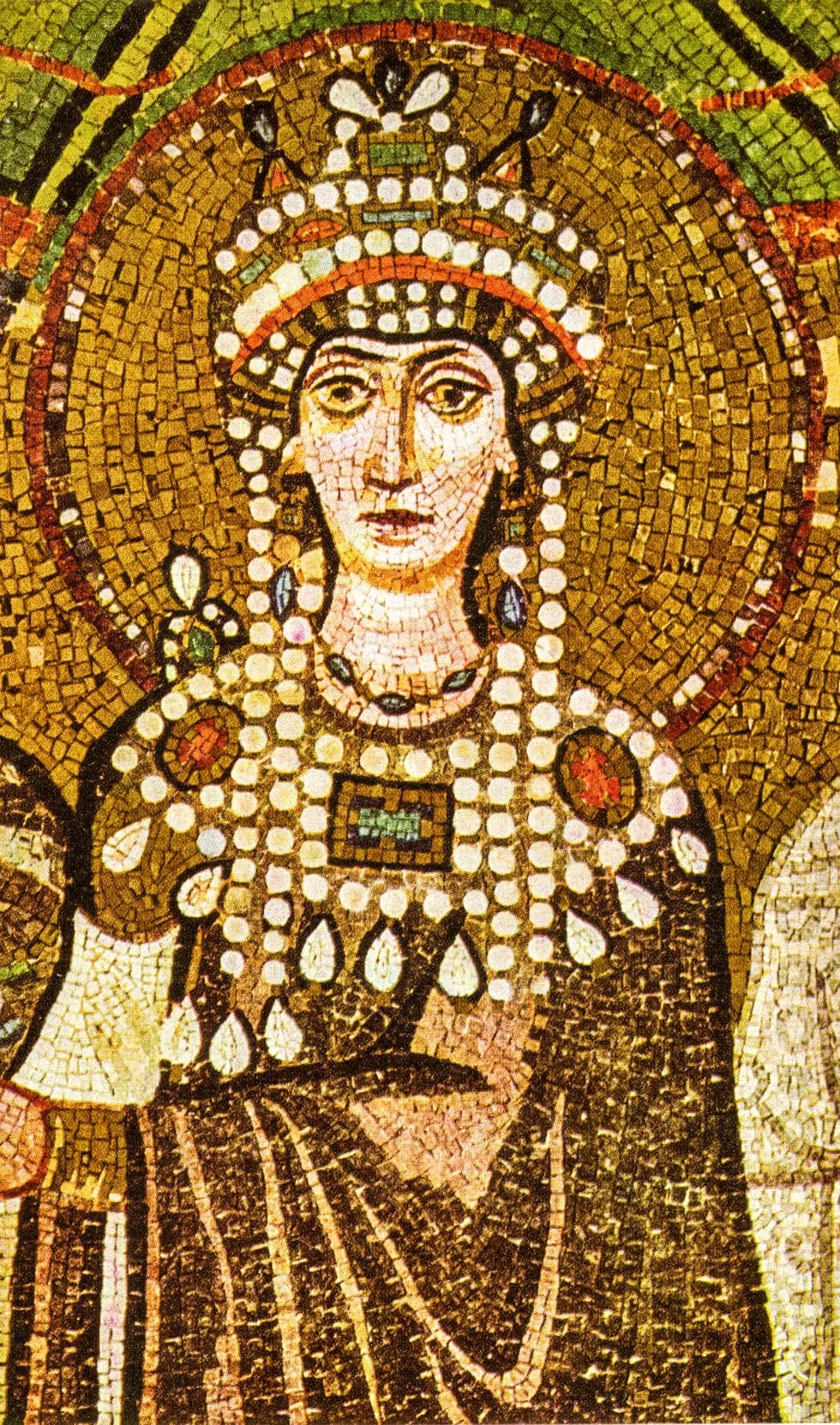
A five-day mosaic course in Ravenna turns looking into making. Cutting and placing a small piece of glass can change how a visitor reads an entire wall.