DISCOVERY / Japanese Prints & Ways of Seeing
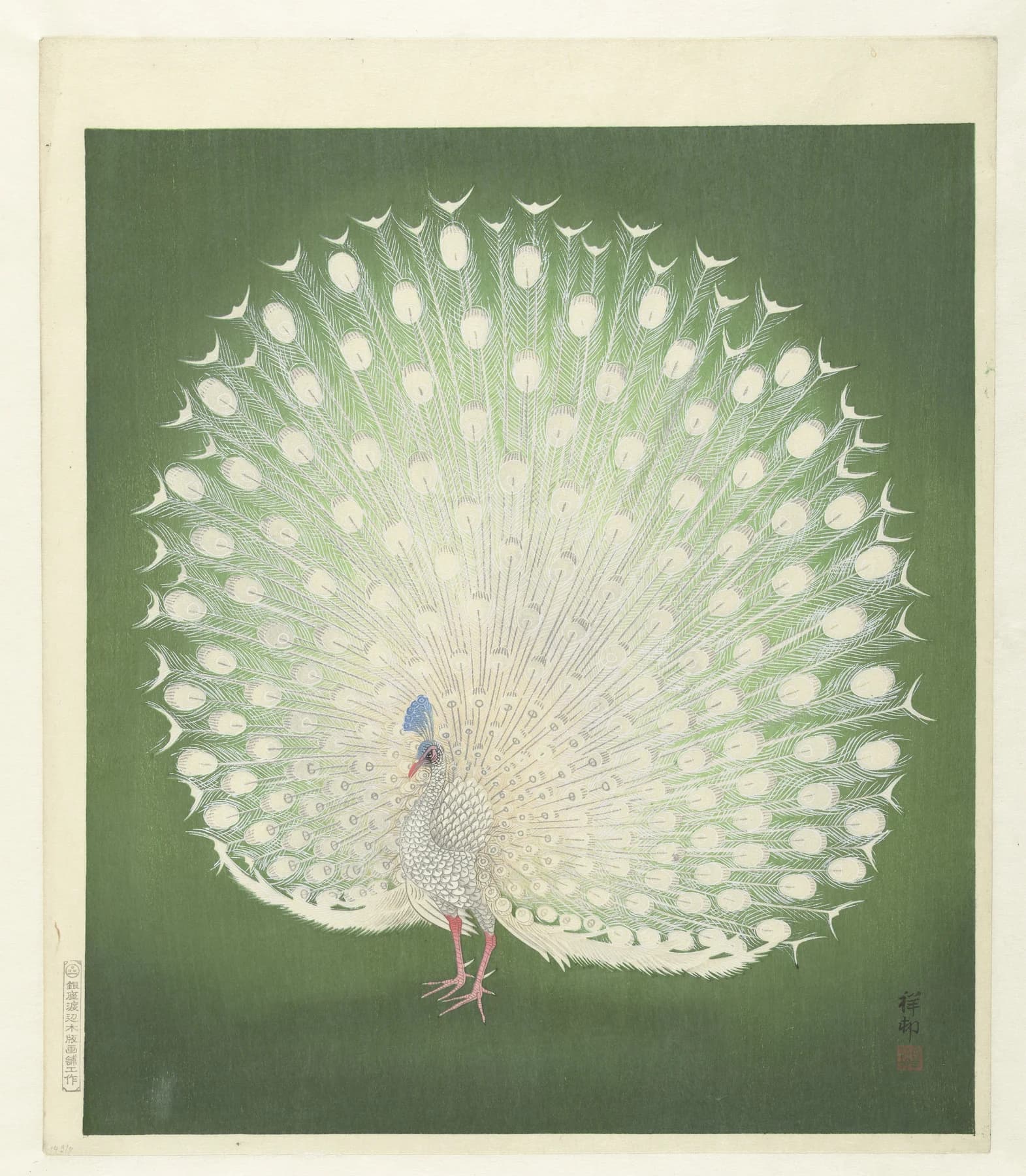
A peacock built from printed colour.
Ohara Koson’s Peacock turns a familiar bird into an encounter with pattern, restraint and printed colour. The richness is in the looking, not merely the subject.
Published 28 October 2026 · WHV · Public-source editorial note
A peacock is already an extravagant subject. Ohara Koson makes the spectacle feel considered rather than excessive. Against a green field, the spread tail becomes a structure of repeated marks and changing colour. The bird is recognisable at once, yet the organisation of the image keeps offering another reason to stay.
An image made through several acts
The Rijksmuseum dates this impression of Peacock to 1925–36 and identifies Watanabe Shōzaburō as its publisher. Its record describes a colour woodcut with a black key block and colour blocks. Ota Memorial Museum places Koson within the tradition of bird-and-flower pictures and notes the delicate effects he achieved using inherited woodblock techniques. The apparent ease of the finished image rests on a specific reproductive craft.
The WHV invitation is to discover a field of looking, not to confuse every attractive Japanese print with an investment. A museum’s open digital image can reveal details at no cost. A well-made reproduction can bring the composition into daily life. A historical impression adds a different set of questions about printing, paper, publisher, condition and provenance. Each can have value, but not the same kind.
Choose what you actually want to own
If considering an original, work with a specialist who can explain the exact sheet rather than only the artist’s name. Ask about fading, trimming, repairs and the distinction between printing date and design date. The illustrated Rijksmuseum object is a reference, not a sales listing. Ota’s cited exhibition ended in 2025, so use its account for learning rather than planning a current visit.
Source and context.
Rijksmuseum: Peacock, RP-P-2003-219 ↗
Ota Memorial Museum: Ohara Koson, 2025 exhibition account ↗
The museum dates the illustrated impression to a range, not a single verified year. A reproduction is not an original impression. No live sale, present exhibition or market valuation is implied.
Source checked 28 October 2026. WHV interpretation is distinct from the source’s account.
Explore Japanese Prints & Ways of SeeingFOLLOW YOUR CURIOSITY
Where this leads.
Different subjects. A reason to connect them.
Continue the idea
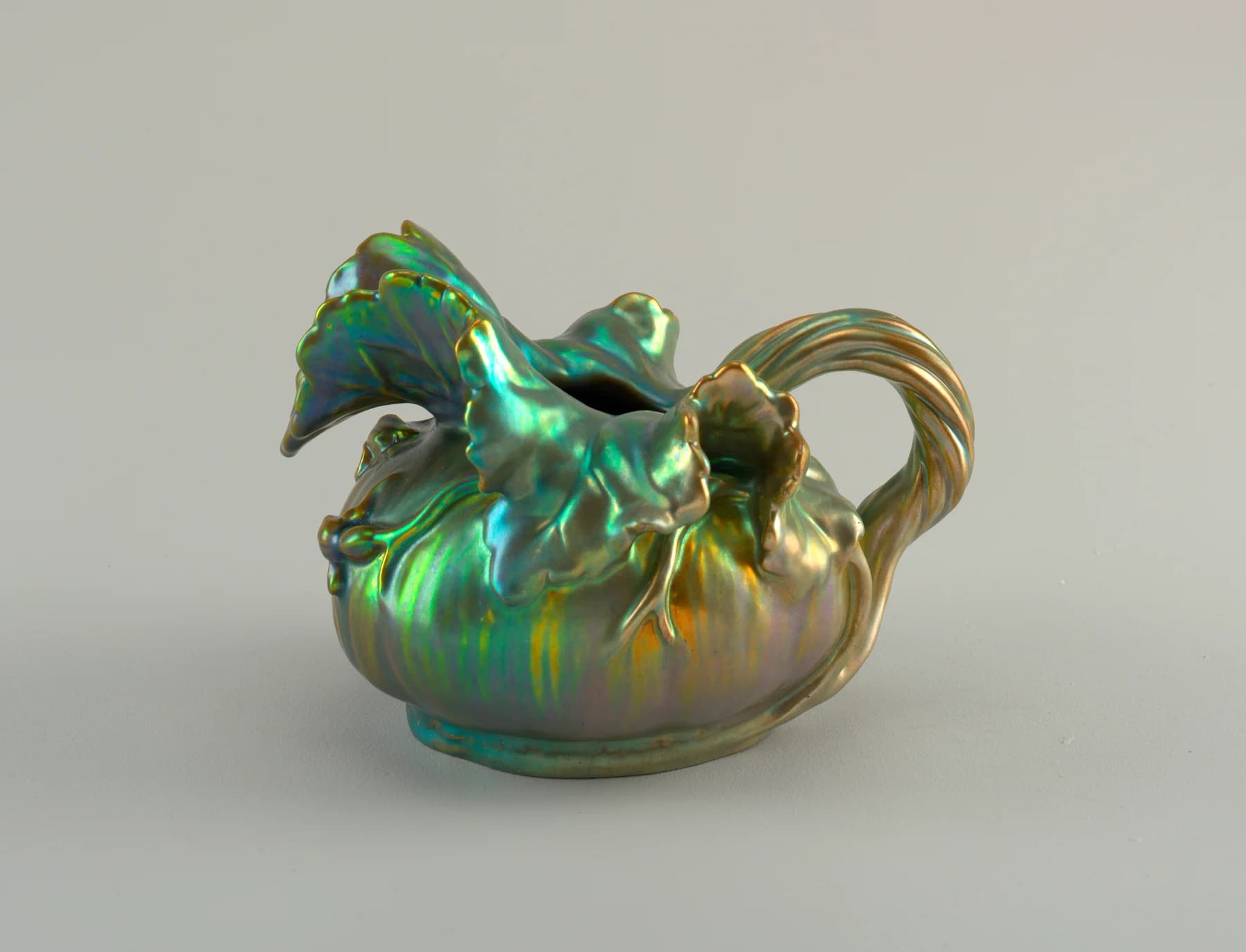
The colour that will not stay still.
A glazed ceramic offers a different way for colour to become inseparable from the material carrying it.
Art Nouveau Ceramics & Material Experiment
Read the story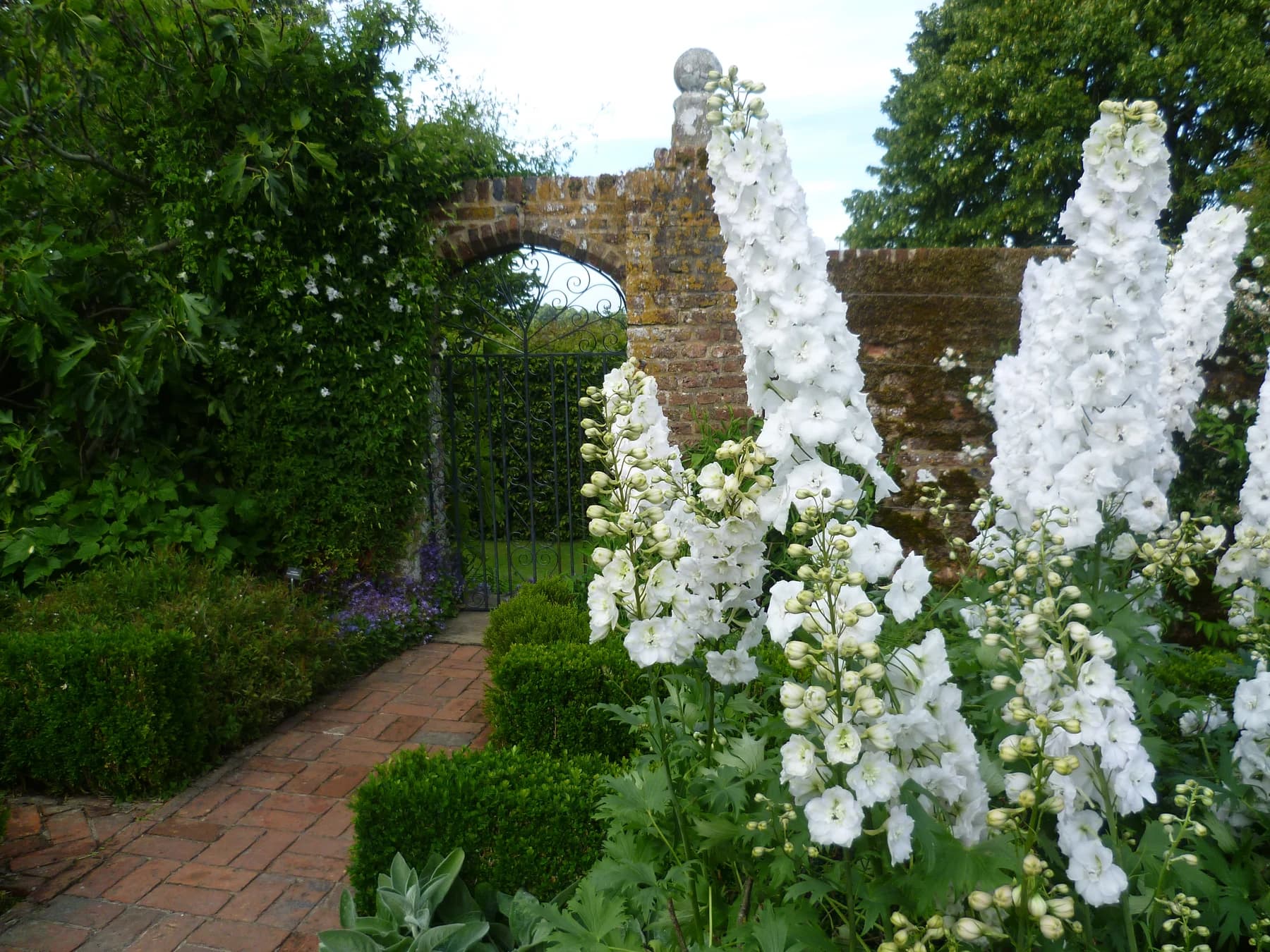
Across the WHV world
A garden with more than one mood.
Move from a composed image of nature to a garden whose colour and structure change through the seasons.
Garden Encounters & Living Design
Read the story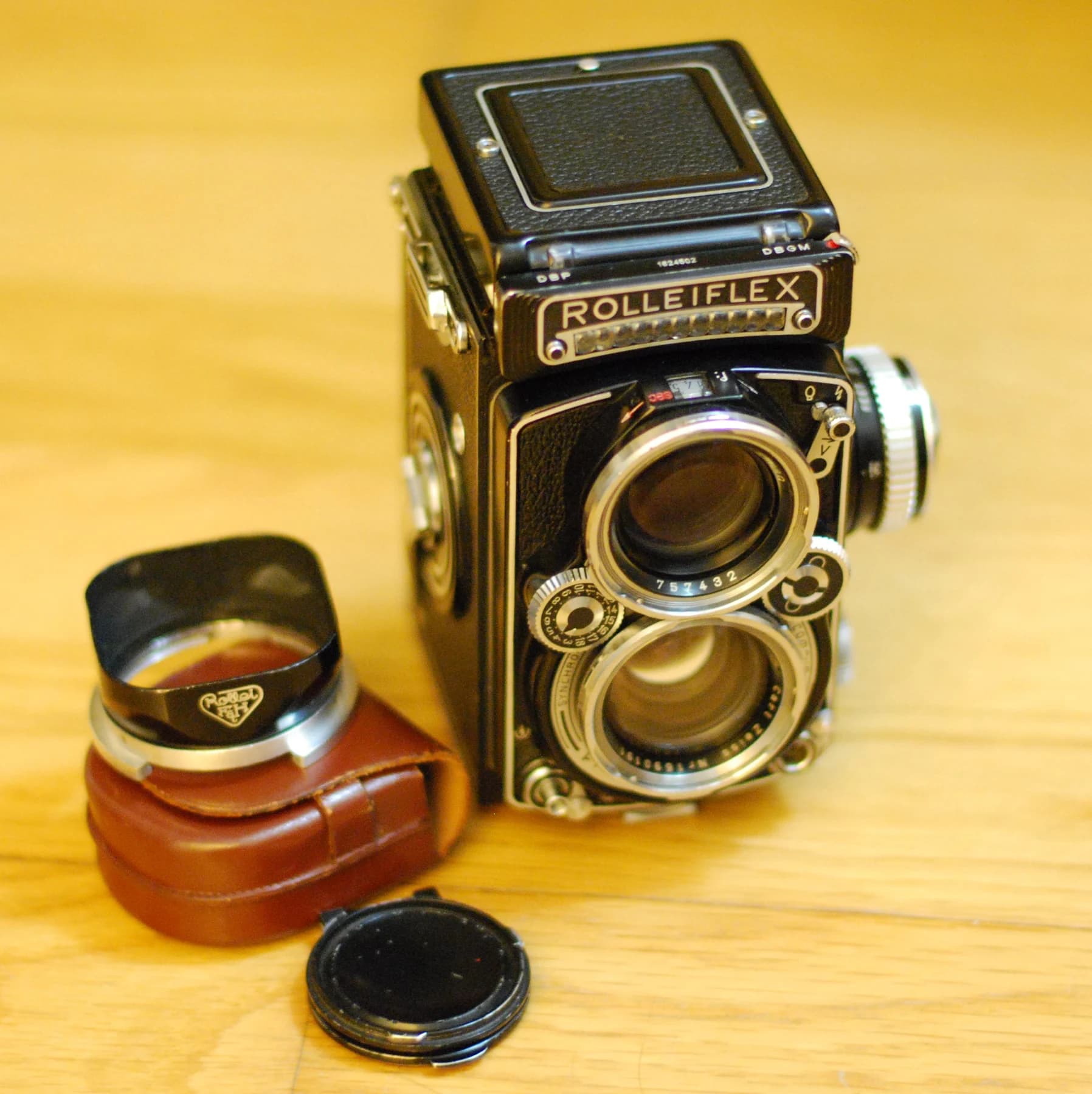
An unexpected connection
Two lenses. Another way of looking.
A camera provides another route into noticing how the means of making an image can change what we see.
Photographic Instruments & Ways of Seeing
Read the story