DISCOVERY / Electronic Instruments & Creative Possibility
A synthesizer with room for other scales.
Korg’s revived PS-3300 brings an unusual analogue architecture back into production. The important return is a way of making sound, not a scarcity premium.
Published 22 October 2026 · WHV · Public-source editorial note
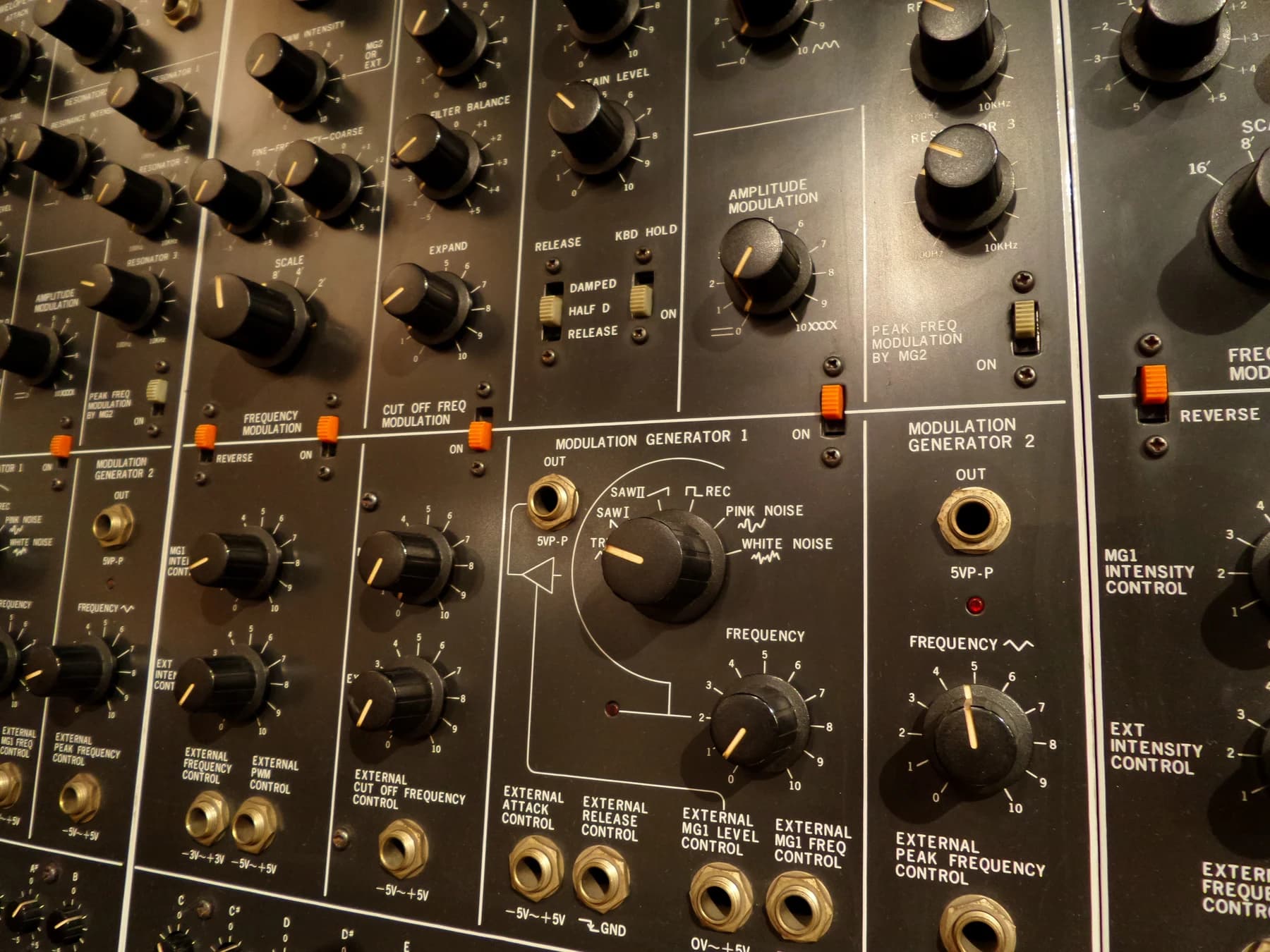
A wall of knobs can look like a monument to complication. The PS-3300 rewards a different reading. Originally introduced in 1977, Korg’s synthesizer treated polyphony as an invitation to explore layers, shifting resonances and unfamiliar tunings, rather than simply play several conventional notes at once.
More than a chord machine
The revived hardware retains three independent sound-generator sections. Resonators shape bands of frequencies, while individual tuning controls let the player question the usual spacing of notes. Korg worked with original designer Fumio Mieda on the return. Programme memory, MIDI and USB connections distinguish the new instrument from the historical machine pictured here.
That distinction is the interesting part. A design can remain alive without every component remaining unchanged. Recreating unavailable parts and adding useful connections can preserve an approach to music that would otherwise be encountered mainly through recordings or rare surviving equipment. The value resides in what someone can discover by playing it, not in treating a cabinet as an inaccessible relic.
Listen before collecting
Start with demonstrations and the manual, then arrange hands-on time if possible. Consider studio space, setup, maintenance and whether a smaller instrument or software would serve the musical idea just as well. Verify local ordering and service arrangements. Limited production does not establish future prices, and buying an original introduces a different set of restoration questions from buying the revival.
Source and context.
Korg: PS-3300 architecture and the original designer’s account ↗
Korg: PS-3300 support and downloads ↗
The photograph shows historical PS-3300 hardware, not the current reissue. Features added to the revival must not be attributed to the original. No resale or performance forecast is made.
Source checked 22 October 2026. WHV interpretation is distinct from the source’s account.
Explore Electronic Instruments & Creative PossibilityFOLLOW YOUR CURIOSITY
Where this leads.
Different subjects. A reason to connect them.
Continue the idea
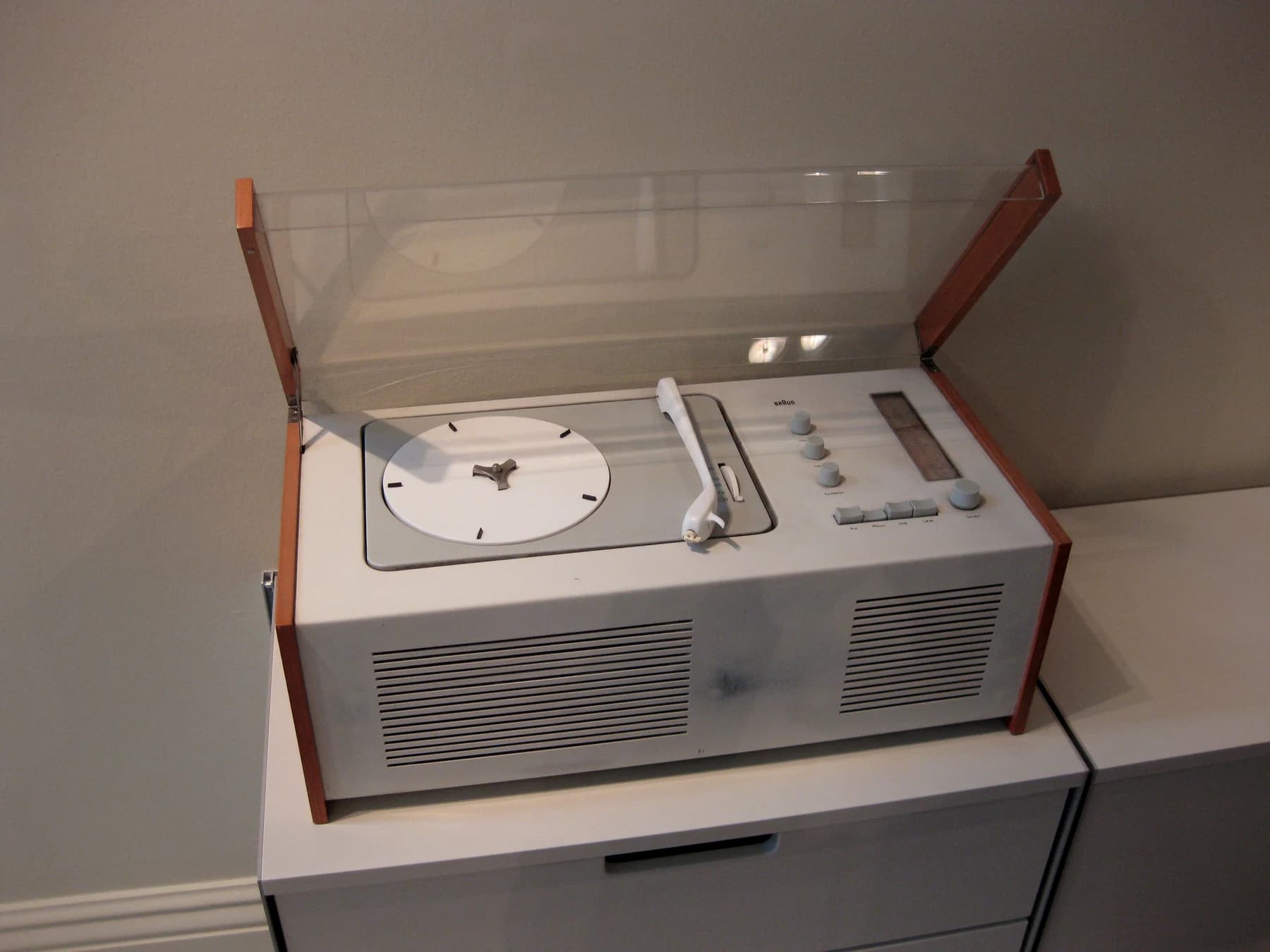
The machine that stopped hiding.
Another audio object shows how the arrangement of a machine can express a lasting idea about using it.
Industrial Design & Domestic Audio
Read the story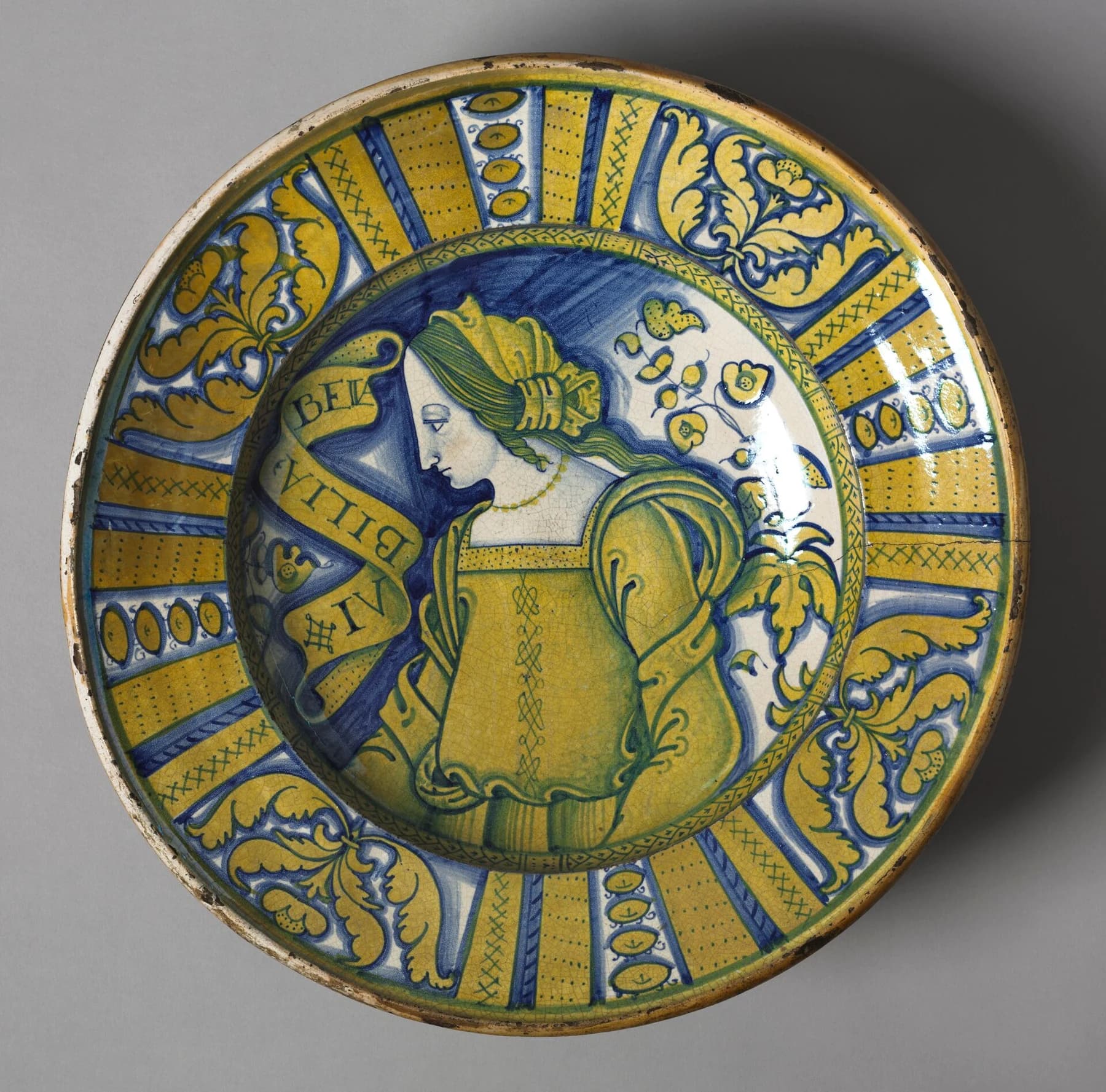
Across the WHV world
The third firing that changes the light.
A ceramic technique offers a different case of knowledge surviving through people who can make it work again.
Ceramic Art & Living Workshop Knowledge
Read the story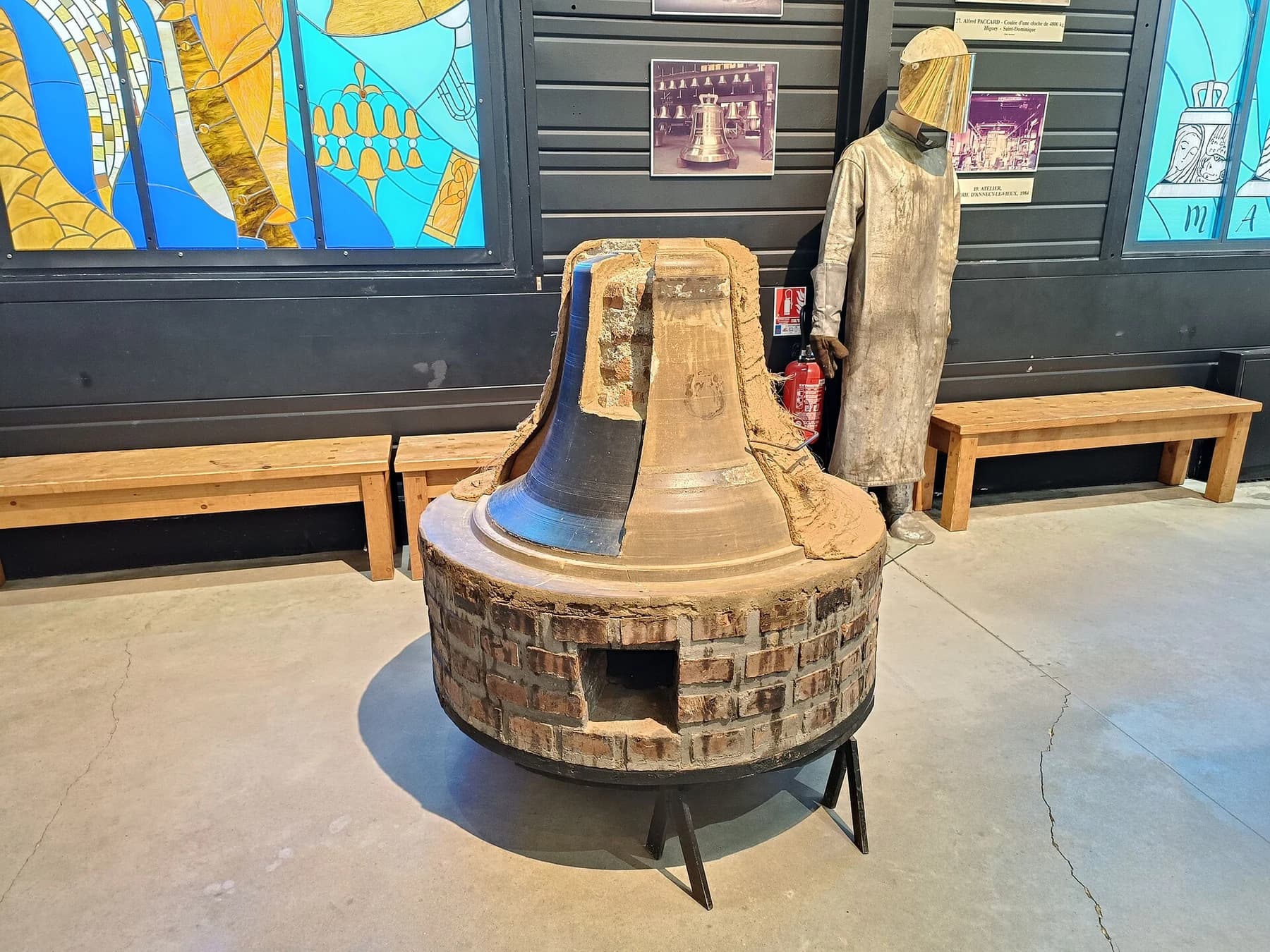
An unexpected connection
The work inside a bell’s voice.
Move from electronic sound to the casting and tuning skills behind an instrument made to serve a landscape.
Living Workshops & Musical Craft
Read the story