DISCOVERY / Modern Classics & Composite Bodywork
The body that refused to blend in.
The Alfa Romeo SZ puts an uncompromising body over a recognisable mechanical foundation. Its value as a discovery begins with understanding that tension, not assuming that rarity makes every surviving example a sound purchase.
Published 21 October 2026 · WHV · Public-source editorial note
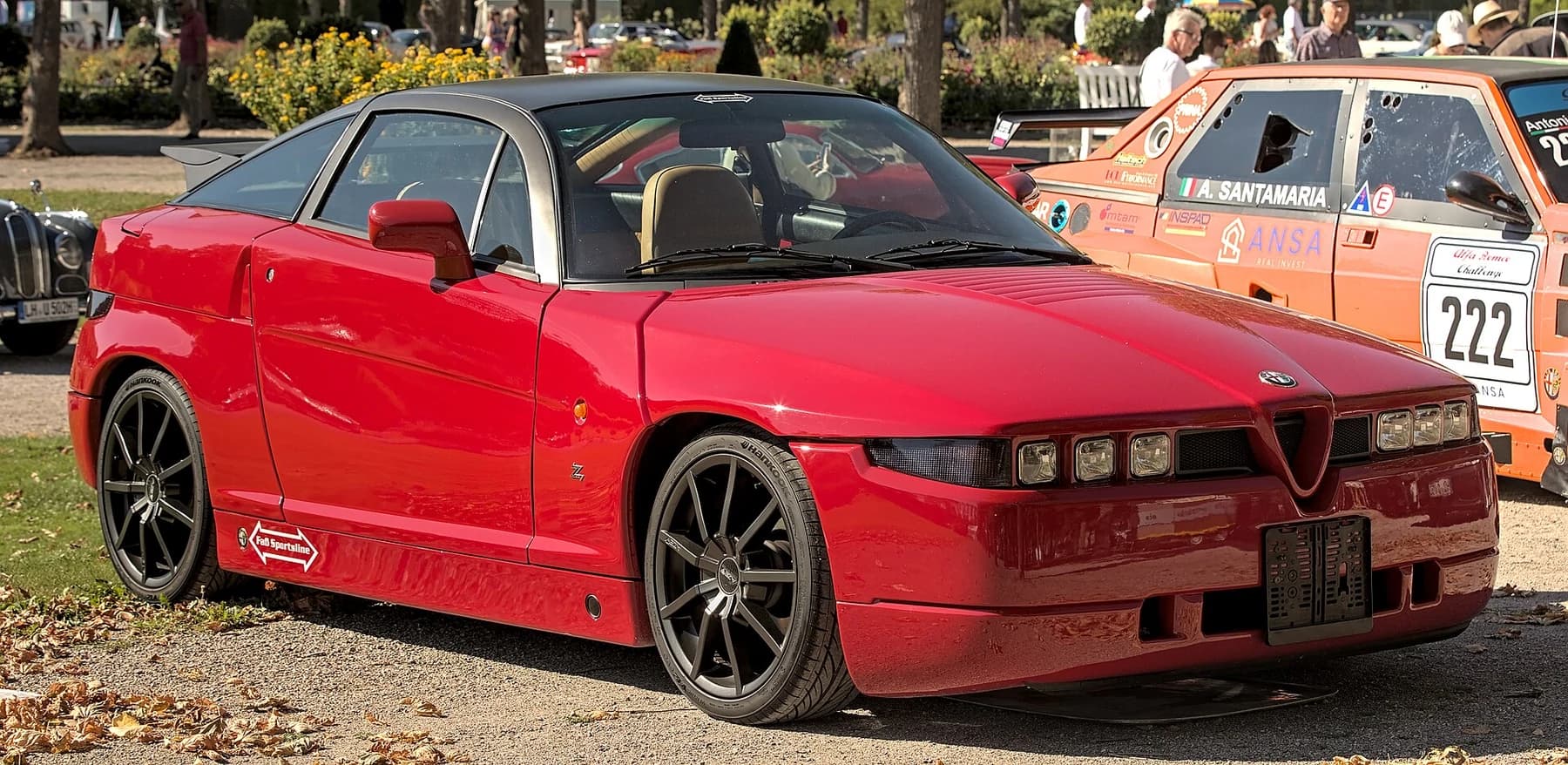
The SZ does not seem particularly interested in disappearing into traffic. Its short rear, high sides and small triple headlamps belong to a design that still divides opinion. That tension is part of its cultural interest, but the car becomes more intelligible when the body and mechanical foundation are read separately.
The unusual surface has a mechanical foundation
Unveiled in 1989, the Experimental Sportscar project brought together work from Alfa Romeo, Fiat’s design operation and Zagato. Alfa Romeo’s historical account identifies the role of teams associated with Walter de Silva and Robert Opron, rather than assigning every line to one familiar badge. Composite body panels covered an architecture derived from the Alfa 75, including its rear transaxle arrangement.
The gearbox and clutch at the rear are more revealing than a vague claim of Italian character. So is the distinction between an unusual body material and the structure beneath it. A mechanically recognisable basis does not make a specialist body cheap or simple to put right. Nor does the SZ name make the open RZ a mechanically and historically interchangeable purchase.
Read beneath the recognisable silhouette
An interesting older car rewards a specialist inspection of body panels, structure, running gear, documentation and previous work. Establish who can maintain the particular example before relying on its apparent completeness. The photograph identifies an SZ at a 2022 gathering, not a verified original-specification car offered for sale. What holds value is an authored, technically specific driving object that remains worth understanding, without turning its small production run into a claim that its price can only move one way.
Source and context.
Alfa Romeo: the SZ’s design teams, composite body and mechanical architecture ↗
FCA Heritage: the ES30 project and Alfa 75-derived transaxle layout ↗
The maker’s 2019 discussion is historical context, not current market evidence. WHV has not inspected the pictured car or established its originality, condition, running costs or price. No depreciation or appreciation forecast is offered.
Source checked 21 October 2026. WHV interpretation is distinct from the source’s account.
Explore Modern Classics & Composite BodyworkFOLLOW YOUR CURIOSITY
Where this leads.
Different subjects. A reason to connect them.
Continue the idea
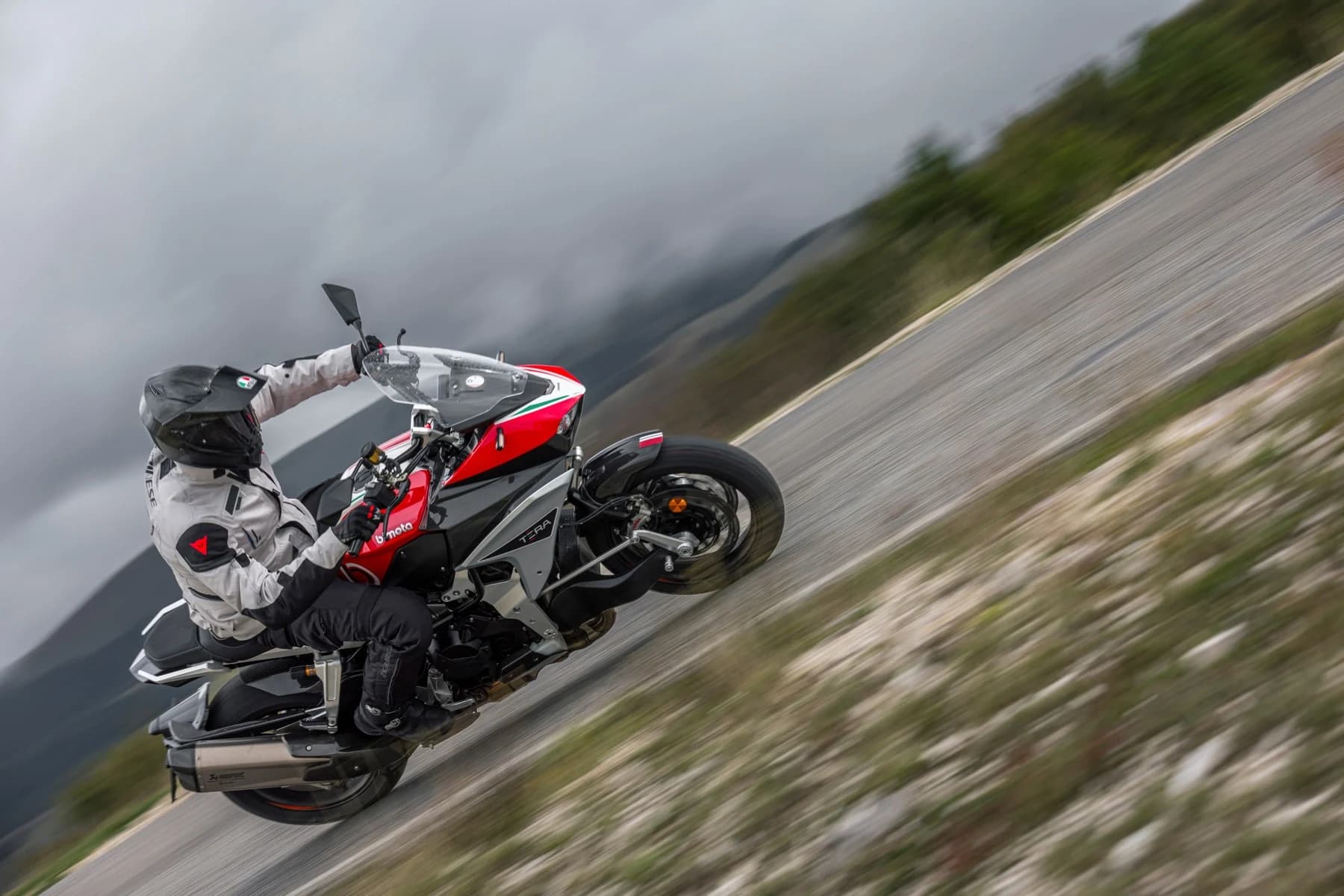
The motorcycle without a familiar fork.
A contemporary motorcycle provides a different example of how unfamiliar form can begin with a specific engineering argument.
Hub-Centre Steering & Contemporary Motorcycles
Read the story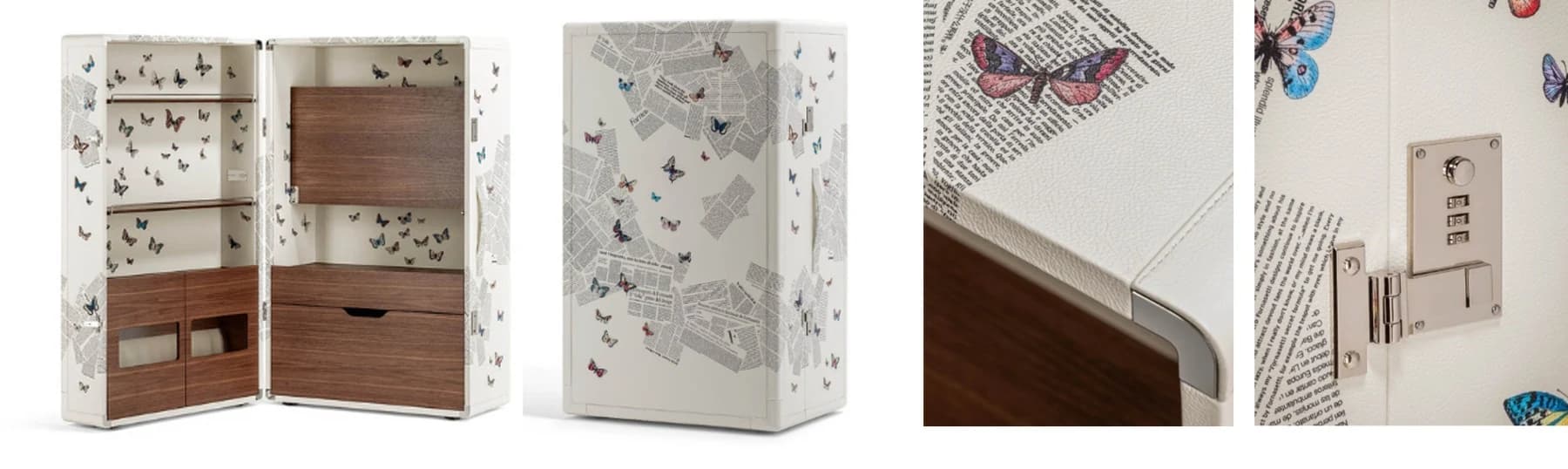
Across the WHV world
A cabinet that opens like a trunk.
A furniture collaboration opens another question about authorship shared between a structural design and a highly identifiable surface.
Furniture Typologies & Archival Graphic Design
Read the story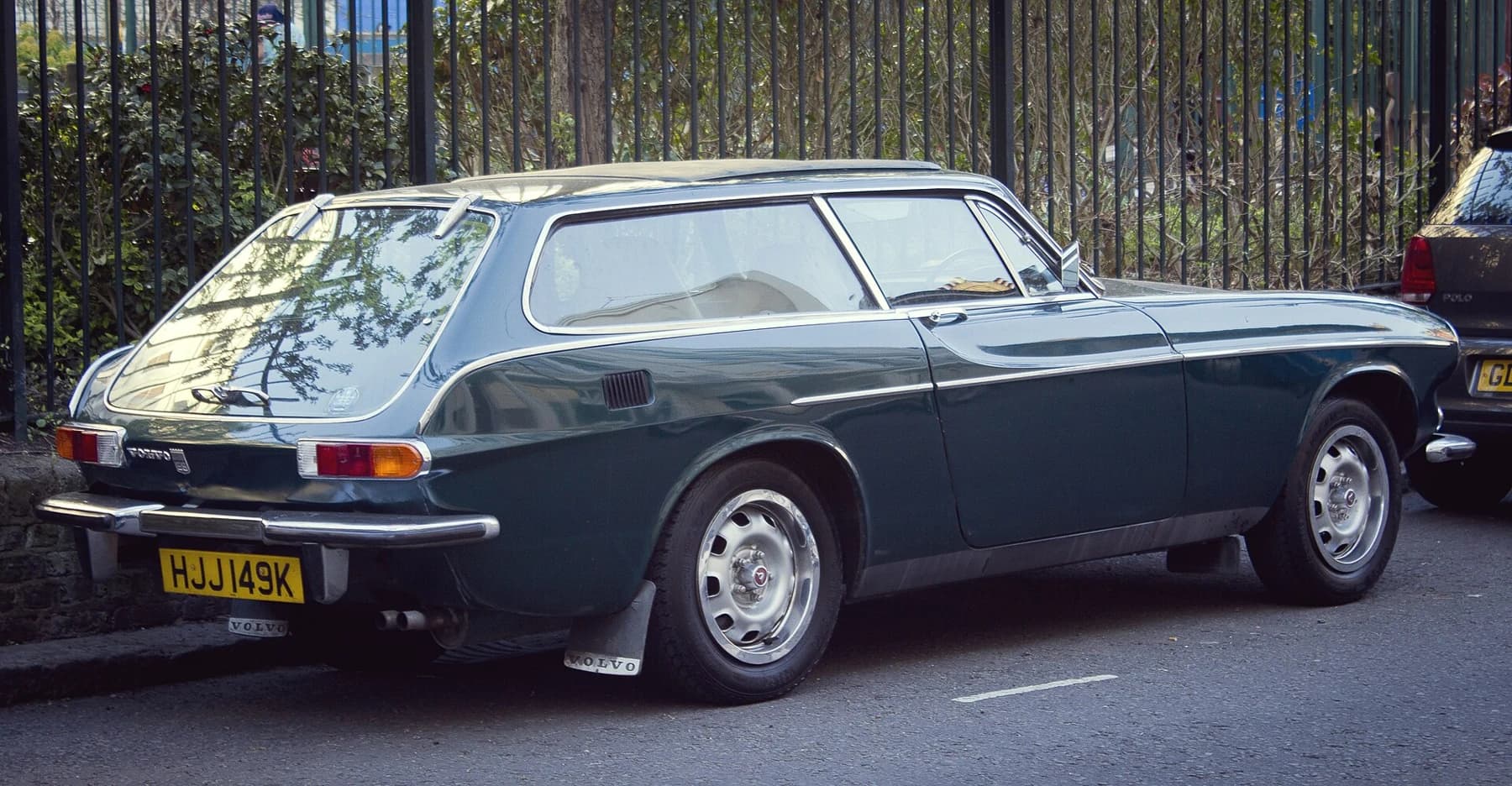
An unexpected connection
The coupé that made room.
Another distinctive coupé suggests a different reason for a body shape to remain interesting beyond fashion or rarity.
Classic Shooting Brakes & Useful Form
Read the story