EDITION 01
The shape of value.
Desire draws us in. A closer look reveals the design, history, usefulness and market context that make a particular thing worth understanding.

THE QUESTION
After desire, what remains?
Use, authorship, condition, memory and the evidence that lets one thing keep earning attention.
The same word can describe very different things. A useful system may endure by changing with its owner. A light sports car may keep its relevance through a precise engineering idea. A lacquered pen may carry authorship in every layer. A vineyard may be inseparable from the work and stewardship behind it.
These are not interchangeable kinds of value. The interest lies in seeing how they meet, and knowing which question belongs to which subject.
Begin with the ownership questionTHE READINGS
Four ways for value to endure.
Each chapter uses a different subject to reveal a mechanism of value. Together they sharpen the question without pretending there is one universal score.

01 / ADAPTABILITY
A system that can follow you.
Value can survive because a system keeps accepting change.
A shelf, a workspace, a different home. Dieter Rams’s 606 system makes the ability to change part of what you buy.
Read the chapter
02 / ENGINEERING
The Elise that makes less feel like more.
A clear idea, carefully executed, can matter more than excess.
The first Elise 111S has a specific engineering identity. Buying one well requires an equally specific reading of the car.
Read the chapter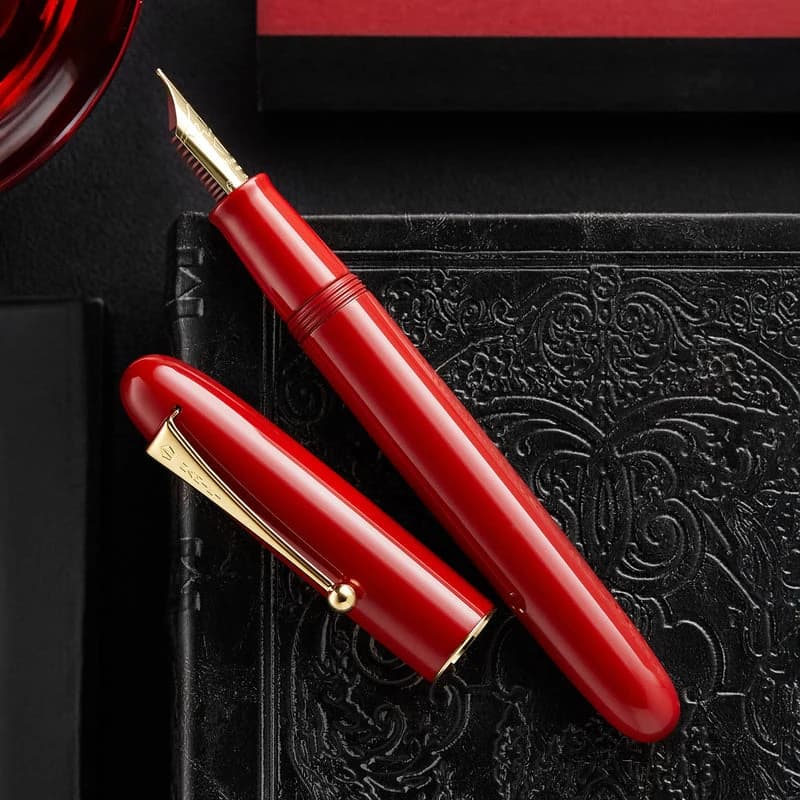
03 / AUTHORSHIP
Namiki: a surface worth slowing down for.
Skilled surfaces carry the time and judgement of their maker.
Namiki’s vermilion No.20 turns an everyday gesture into an encounter with Japanese lacquer.
Read the chapter
04 / PARTICIPATION
The land behind the bottle.
Some value lives in productive land and the work required to keep it alive.
Familija Estate in Slovenia offers a useful shift of perspective: from wanting a bottle to understanding the place and work behind it.
Read the chapterTHE CONCLUSION
Something to keep.
A useful reading does not need to end in a purchase. It may sharpen an eye, change a question or help someone recognise the right example when it eventually appears.
The opening letter